You probably glance at your cat’s whiskers every single day without giving them a second thought. They look adorable, sure. They tickle your face when your cat wakes you up at 3 a.m. But here’s the thing – those wispy little hairs are one of the most sophisticated biological systems in the animal kingdom, and most cat owners have absolutely no idea what they’re truly capable of.
We’re talking about sensory tools that can detect invisible changes in the air, read emotions, guide hunting, and even help your cat decide whether that gap behind the dryer is worth investigating. Honestly, once you learn what whiskers actually do, you’ll look at your cat with a whole new level of respect. Let’s dive in.
Whiskers Are Not Just Long Hairs – They Are Living Sensory Organs
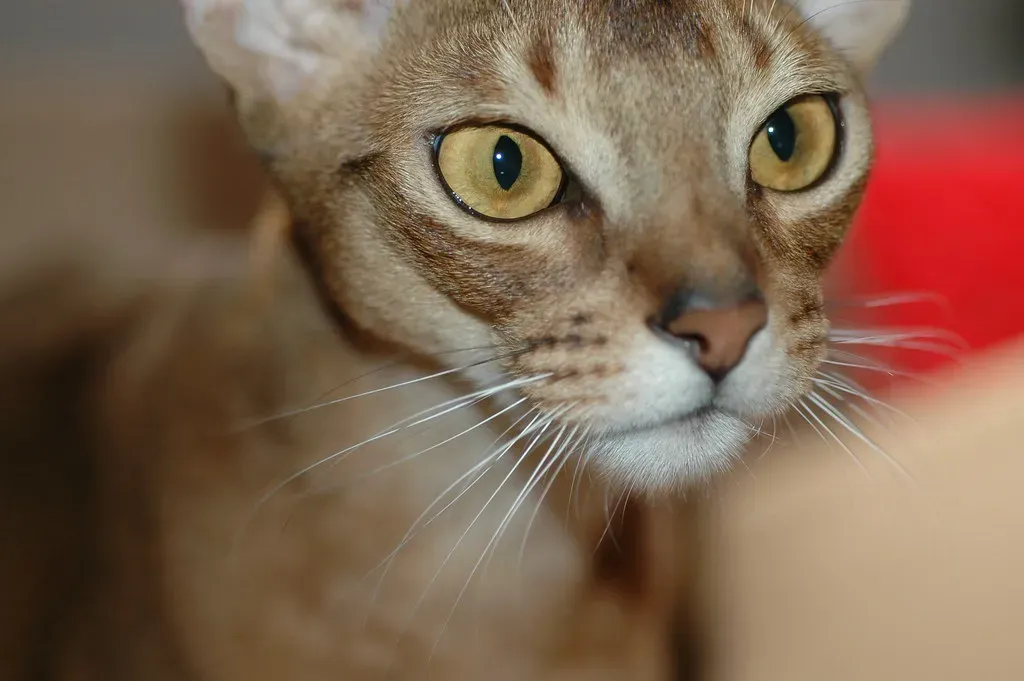
Here’s a fact that surprises almost everyone: whiskers are fundamentally different from regular fur, even though they look like just a fancier, longer version. While cats are covered in hair, their whiskers are coarser, thicker, and rooted three times deeper than normal hairs, making them incredibly sturdy and sensitive sensory instruments.
Cat whiskers, also known as vibrissae, are super-sensitive touch receptors. Each whisker is deeply embedded in the cat’s skin and surrounded by nerves and blood vessels. When something brushes against a whisker, it sends signals directly to a cat’s brain. Think of it less like a hair and more like a high-tech antenna – one that works even when your cat is sound asleep and barely stirring.
The Tip of Each Whisker Holds a Tiny but Powerful Organ
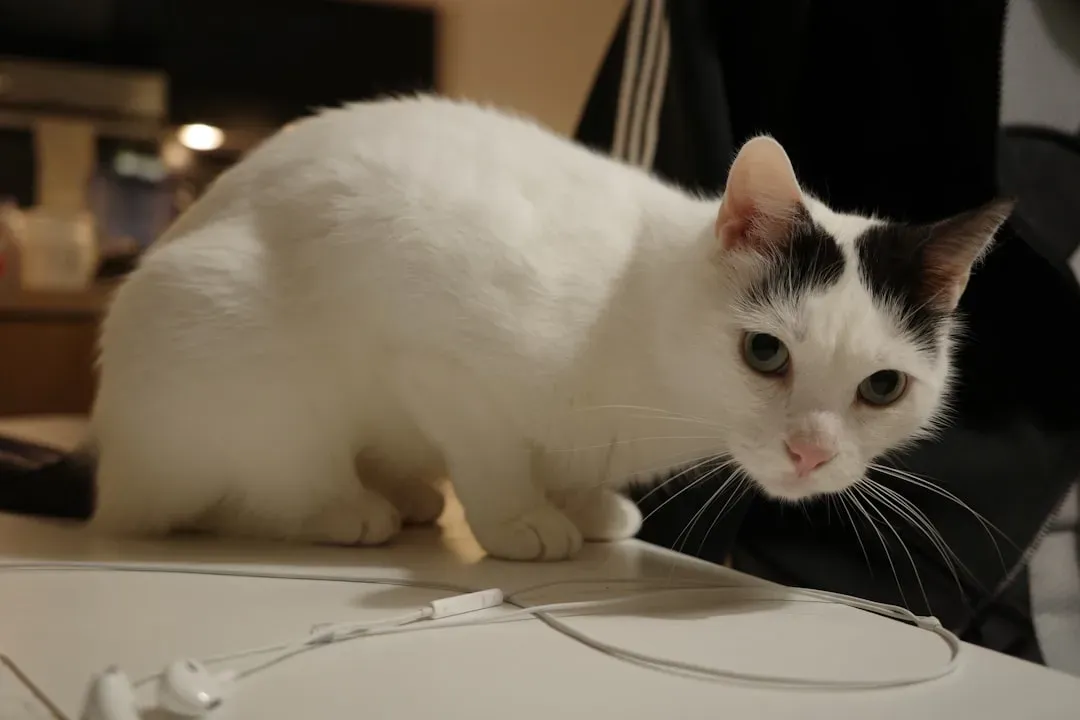
You’d need a microscope to see it, but at the very tip of each whisker sits something remarkable. On the end of each whisker is a tiny organ called a proprioceptor, which detects vibrations in the environment. This isn’t just some passive receptor either – it’s constantly gathering data and feeding it back to the brain.
At the tip of each whisker is a sensor called a ‘proprioceptor’. This detects vibrations, such as changes in air currents, and transmits them back down the shaft of the whisker into the follicle. The follicle is connected to more blood vessels and nerve endings than a regular hair follicle, making it very receptive to the vibrations the whisker picks up. That information is then transmitted to the brain, enabling your cat to understand what’s going on. It’s honestly a tiny miracle of biological engineering sitting right there on your cat’s face.
Whiskers Can Detect Air Currents – Before Objects Are Even Touched
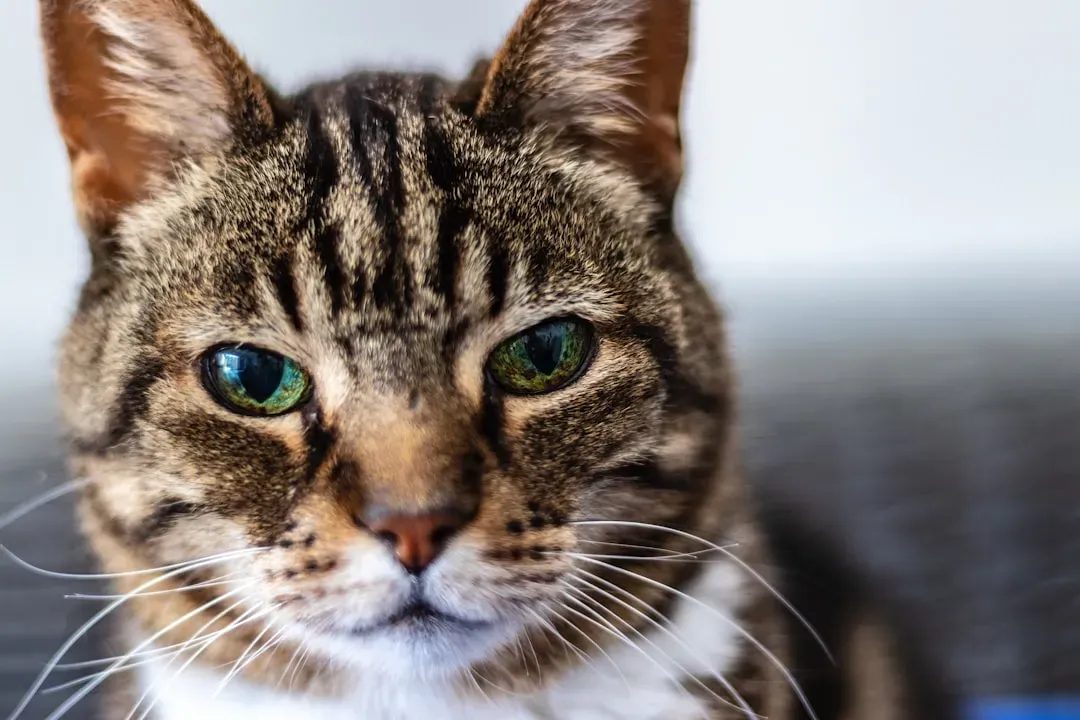
This is the one that genuinely blows people’s minds. Your cat does not need to physically touch something to know it’s there. These hairs can detect even the tiniest changes in air currents, which means cats can “feel” things before they even touch them. That’s part of what makes cats such graceful hunters – even in complete darkness.
As a cat approaches something in their path, they stir up air currents that bounce back when they hit solid objects. Whiskers detect very faint vibrations caused by these changes in air currents and act like radar detectors. In the wild, whiskers can alert a cat to the presence of prey or potential enemies. Imagine walking through a dark room and somehow knowing exactly where the furniture is without touching anything. That’s your cat’s reality, every single night.
Cats Have a Perfectly Symmetrical Set – And the Number Matters
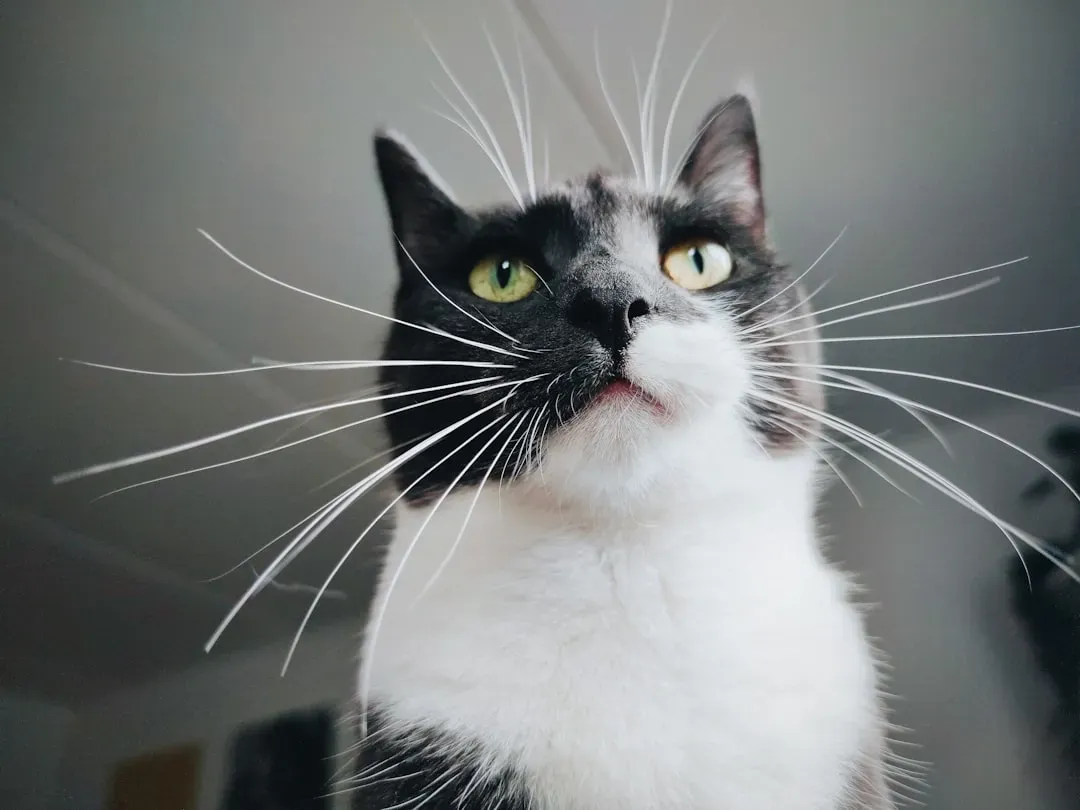
There’s something almost mathematical about the way whiskers are arranged on a cat’s face, and it’s not by accident. Cats have an even number of whiskers on their muzzle with 24 in total. Each side has 12 whiskers in a completely symmetrical distribution, so they can accurately measure the environment.
Usually, cats will have 24 whiskers spread out symmetrically, so 12 on each side of their face. Some cats have more than the average 24 whiskers, but if you pay close attention, you’ll notice that there’s always an even number. Having a symmetrical set of whiskers helps your cat accurately assess their surroundings. Asymmetry would essentially create a lopsided map of the world in their brain, which would throw everything off. Nature, it turns out, was way ahead of us on that one.
Whiskers Work as a Built-In Measuring Tape for Tight Spaces
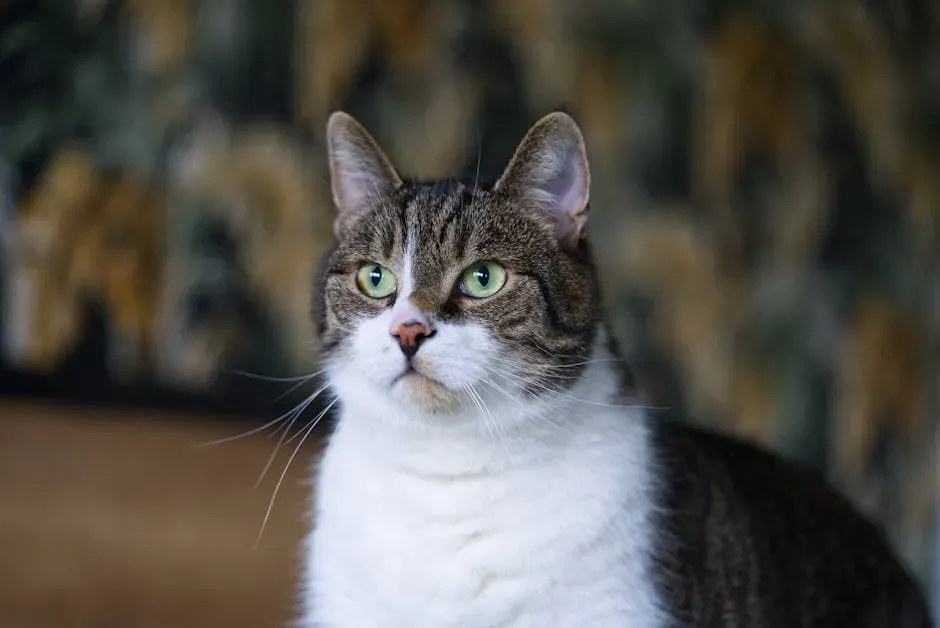
Ever notice how your cat will poke its head into a tight gap before actually squeezing through? That’s not curiosity – that’s engineering in action. Since the whisker length usually equals the width of a cat’s body, they act like natural measuring sticks. Before squeezing into a box or hole, whiskers sweep forward to test whether the opening is large enough. This prevents cats from getting trapped and allows them to move with seemingly magical precision.
Their size helps cats judge whether they can fit through tight spaces, like under furniture or through a gap in a fence. If the whiskers touch both sides of a space, it tells the cat they may get stuck. That’s a handy feature for animals who love squeezing into small places to hide. It’s basically a built-in ruler that works without batteries and never needs recalibrating. Pretty incredible for something we normally just think looks cute.
Your Cat Has Whiskers in Places You’ve Probably Never Noticed
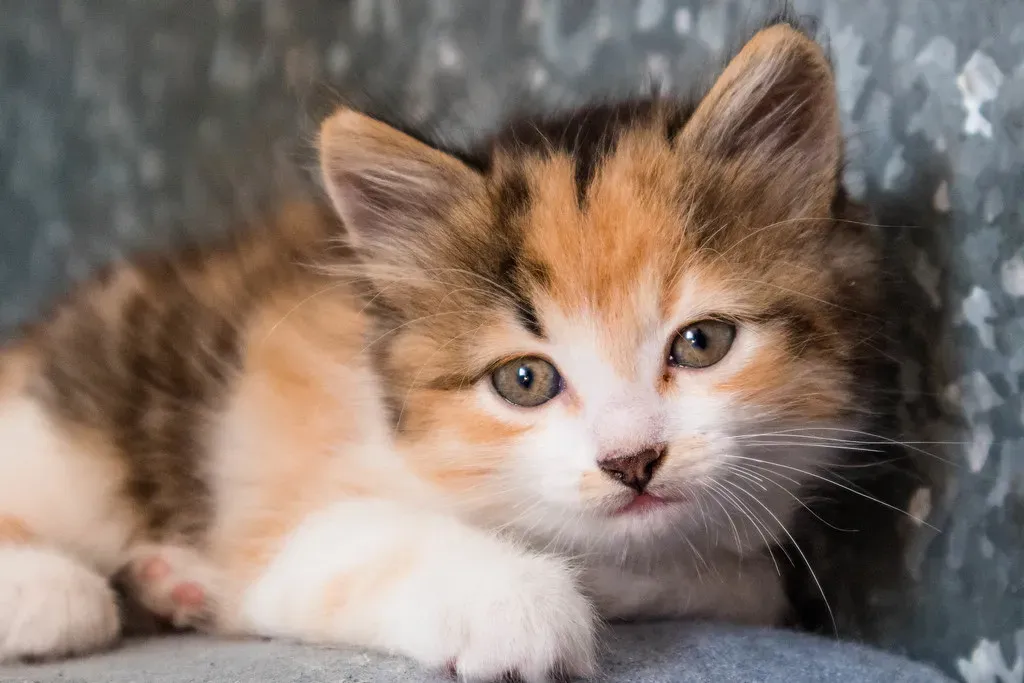
Most people know about the prominent cheek whiskers. The long ones framing the nose. But your cat is actually covered in whiskers in spots that would genuinely surprise you. Cats also have whiskers on their eyebrows, chin, and even the back of their front legs. The leg whiskers, called carpal vibrissae, help detect movement from prey or obstacles below them, which is especially handy during hunting or climbing.
Each whisker location serves a specific purpose in the cat’s sensory system. The prominent cheek whiskers help gauge the width of openings and detect air currents, while the whiskers above the eyes protect against particles and help trigger blinking reflexes. The whiskers on the front legs assist with climbing and provide additional tactile feedback when cats are exploring surfaces with their paws. Think of it as a full-body sensory suit. Your cat is literally wired for environmental awareness from nose to paw.
Whiskers Are Powerful Mood Indicators – If You Know How to Read Them
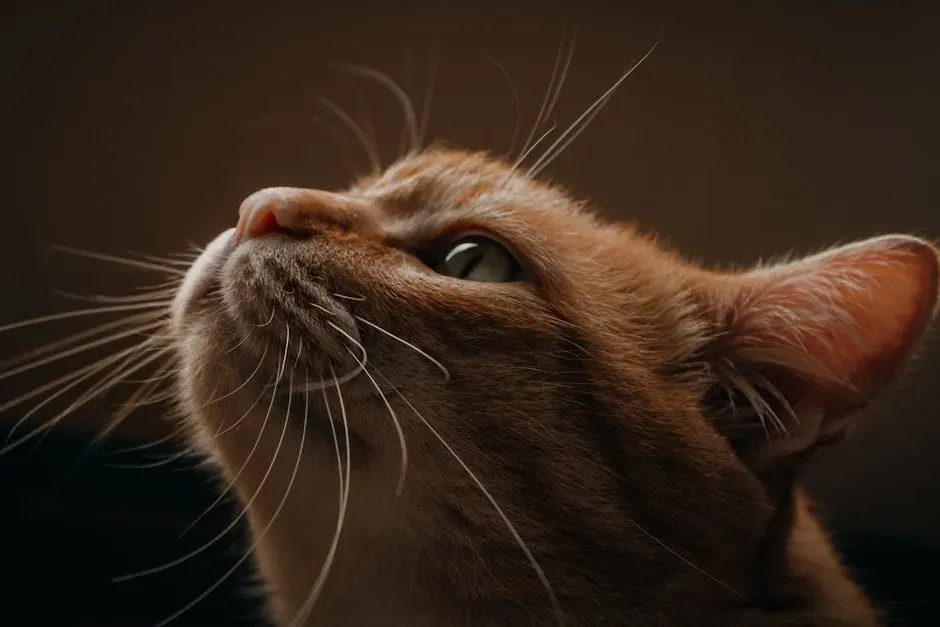
Here’s something most cat owners genuinely don’t know: you can read your cat’s emotional state just by watching what the whiskers are doing. No guessing required. When a cat is relaxed, their whiskers are loose and out to the side. If they’re alert or curious, the whiskers point forward. When they are scared or angry, the whiskers pull back tightly against the face.
Forward-pointing whiskers usually mean the cat is curious, alert, or in hunting mode. Flattened whiskers, on the other hand, often signal stress or fear. Other cats can interpret these signals instinctively, making whiskers an important tool in feline-to-feline communication. Pet owners who learn to “read whiskers” often have an easier time understanding their cat’s moods. So the next time your cat gives you that intense forward-stare, pay attention to where the whiskers are pointing. They’re telling you something specific.
Whisker Fatigue Is a Real Condition – and Your Food Bowl Could Be Causing It

This is one of those facts that sounds completely made-up but is 100 percent real, backed by veterinary science. Whisker fatigue is a relatively newly recognized condition. It occurs when cats’ whiskers are over-stimulated, often by frequently touching against the sides of their food or water bowls.
Each cat whisker follicle can be associated with as many as 100-200 neurons, and overstimulation of the whisker, or “whisker fatigue,” is a real issue. Whisker fatigue is usually caused by chronic, recurrent pressure on the whisker and firing of the neurons in a way that overstimulates your cat. It is often associated with inappropriately sized food and water dishes. If you notice that your cat dislikes eating from their food bowl or seems distressed until they scoop it out onto the floor, mention this to your veterinarian. Your cat may benefit from some shallower dishes to protect their sensitive whiskers. Something as simple as switching to a wider, flatter bowl can genuinely transform your cat’s mealtime experience.
Trimming Your Cat’s Whiskers Is More Harmful Than You Think
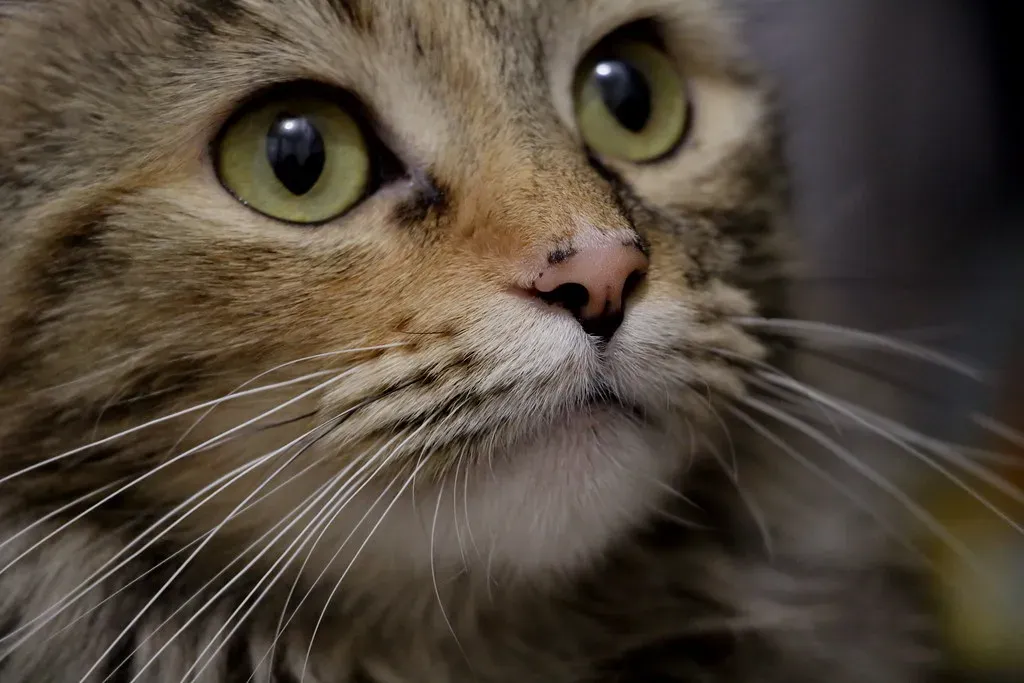
Let’s be real: some well-meaning owners have trimmed their cat’s whiskers thinking it was harmless, like giving a quick little haircut. It is not. Not even close. You should never attempt to cut or trim them yourself. If you do, you’re removing crucial sensory information that your cat needs, and she could experience dizziness, confusion, and disorientation. It would be like suddenly removing your sense of touch or sight – you wouldn’t like it, either.
Without whiskers, it’s harder for cats to assess where their surroundings are, noting the part whiskers play in cats knowing they can safely leap large distances onto small or narrow landing areas. Trimming whiskers can leave cats feeling stressed and disoriented. It’s like suddenly being blindfolded – very confusing! So no matter how unruly those long whiskers look, leave them completely alone.
Whiskers Shed Naturally – and Grow Back on Their Own
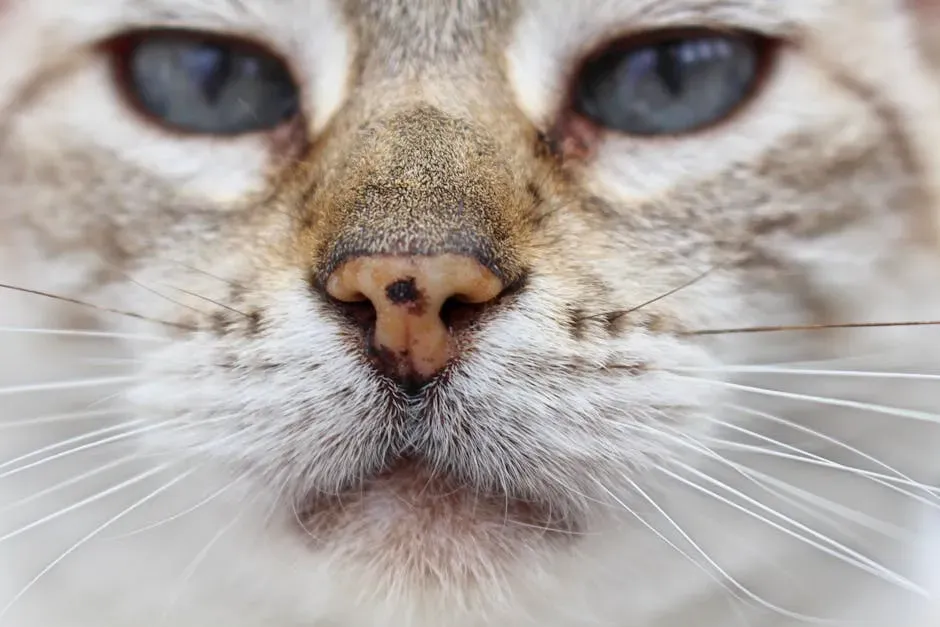
Finding a stray whisker on your couch or kitchen floor can feel oddly alarming, like something went wrong. But there’s actually nothing to worry about at all. Just like fur, whiskers go through a natural cycle of shedding and regrowth. It’s completely normal to find a lost whisker or two around the house.
Whiskers fall off and get replaced at regular intervals, likely so that the tips of the whiskers are always damage-free for precise sensory abilities. They grow back in about two to three months. The body essentially replaces them to keep the sensory system in peak condition – nature’s quality control at work. In older cats, regrowth may take a little longer, while in sickly cats, they may not grow back at all. You’ll need to keep a closer eye on cats who’ve lost their whiskers, as they could be more prone to accidents.
Kittens Are Born With Whiskers – and Depend on Them Immediately

Here’s something genuinely touching about newborn kittens: their whiskers are not a bonus feature that develops later. They are right there from the very start, and they serve a critical purpose. A litter of tiny kittens comes complete with whiskers trembling. They really need those antennae as their eyes don’t open until their second week of life and their ears not until their third. So a kitten’s first sense of the world is through touch, including its whiskers.
The sensory abilities of the vibrissae are of full strength even at young ages. Think about that for a moment – a blind, deaf newborn kitten is navigating the world through its whiskers alone. How many whiskers a cat has, and why they’re positioned exactly where they are, isn’t random; it’s the result of millions of years of feline optimization for survival and environmental mastery. What looks like delicate little wisps of hair is actually an ancient, finely honed survival tool from day one of life.
Every Cat’s Whisker Pattern Is Completely Unique
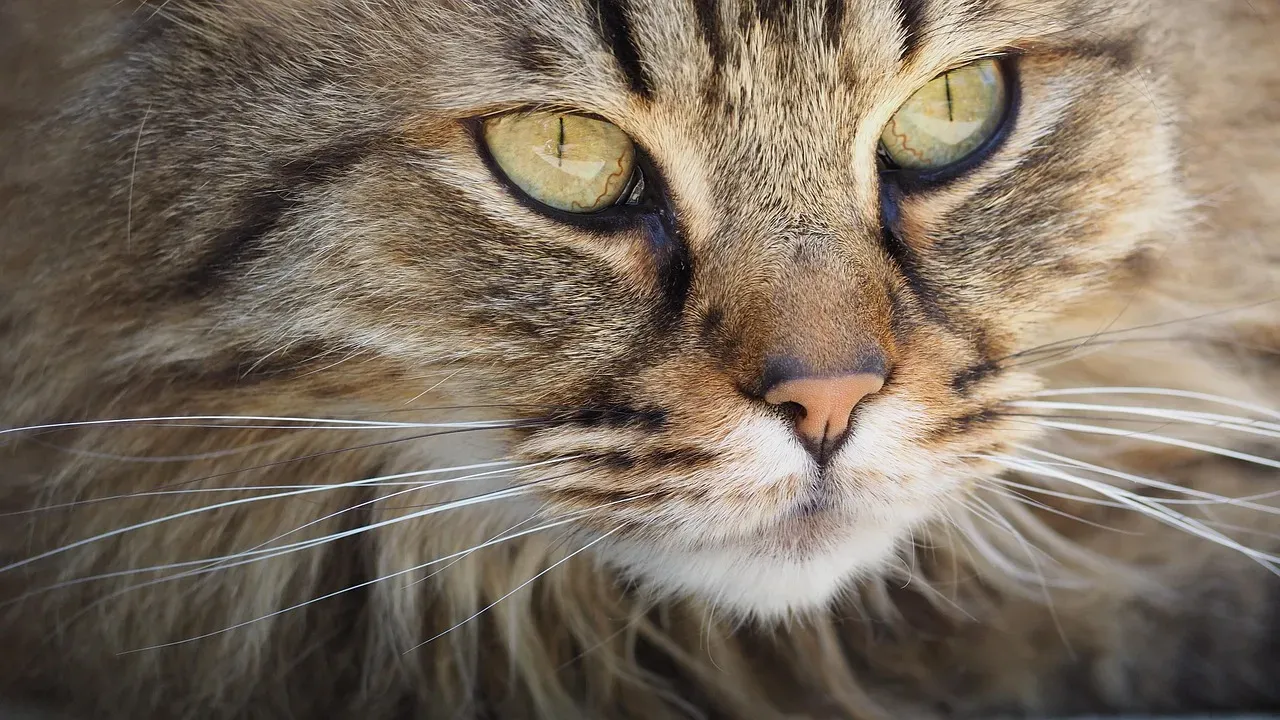
You already know that human fingerprints are unique to every individual. It turns out cats have their own version of that same individuality, hiding in plain sight on their face. Just like human fingerprints, a cat’s whisker pattern is unique; no two cats have exactly the same spacing or number of whiskers. While most cats have about 24 whiskers on their cheeks – 12 on each side – the exact placement and angle vary from cat to cat. Some longhaired cat breeds may even have extra-long or extra-curly whiskers.
While kittens have shorter whiskers that grow longer over time, mature whisker length varies according to breed. Longer haired cats like the Maine Coon tend to have longer whiskers than short-haired or hairless breeds. In fact, the world record for the longest cat whiskers was awarded to Missi, a Maine Coon cat from Finland that had whiskers measuring seven-and-a-half inches long, according to the Guinness Book of World Records. Seven and a half inches. That’s longer than some people’s hands. Let that sink in.
Conclusion: There’s Far More to Those Little Hairs Than Meets the Eye
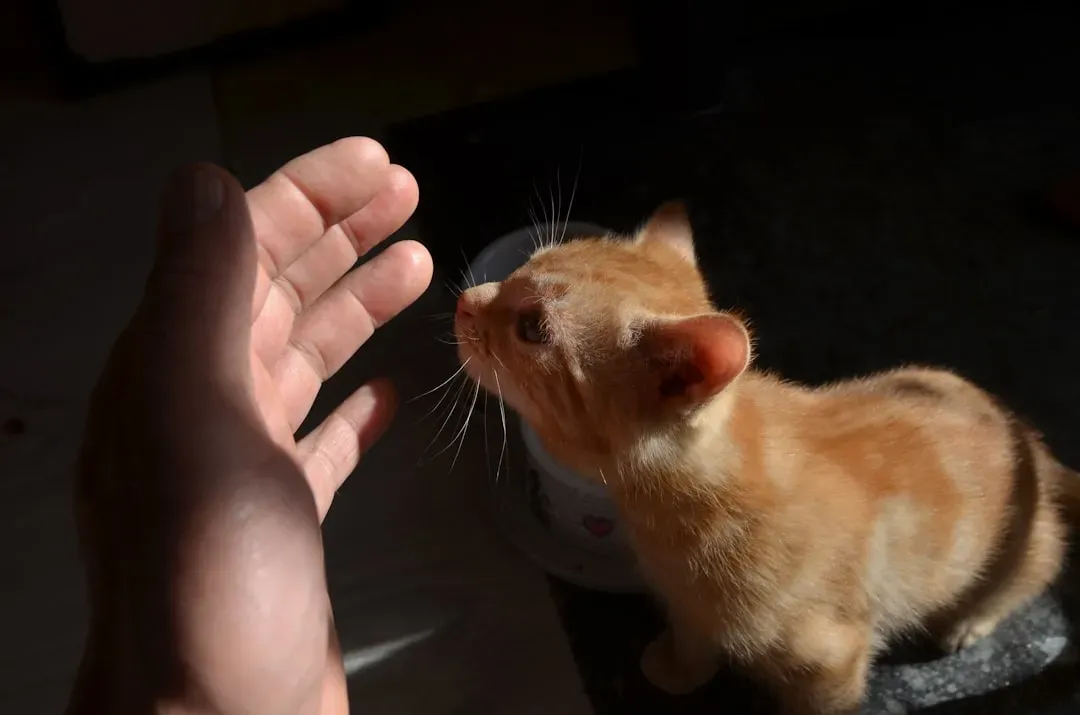
If there’s one takeaway from all of this, it’s that your cat is walking around with one of nature’s most sophisticated sensory systems attached to its face, and most of us have spent years completely underestimating it. Whiskers are not decorative. They are not optional. They are a living, constantly active network of biological sensors that help your cat understand the world in ways that we humans can barely imagine.
From detecting invisible air currents and guiding precise hunting maneuvers, to communicating emotions and helping newborn kittens survive their very first moments of life – whiskers do it all. Next time your cat brushes those whiskers against your hand or scans a doorway before stepping through, you’ll know exactly what you’re witnessing.
So the next time someone tells you that cat whiskers are “just long hairs,” you’ll have twelve very good reasons to tell them otherwise. What’s the most surprising fact you just discovered? Drop it in the comments – we’d genuinely love to know which one caught you off guard.
Kristina is a young writer from India. An arts graduate and an avid content creator, Kristina is passionate about animals and wildlife. She enjoys exploring topics related to pet care, animal behavior, conservation, and nature, combining thorough research with engaging storytelling.