You might think your cat is just lounging around, being effortlessly majestic and ignoring you. Honestly, that’s fair. Cats have earned their reputation as the world’s most lovably indifferent creatures. Yet beneath all that yawning and fur-grooming lies something most people never fully appreciate: a surprisingly sophisticated, almost eerie, layer of protection that your feline companion offers you every single day.
From picking up on shifts in your body chemistry to detecting danger long before you even sense something is off, cats are far more tuned in than they let on. Think of them as the world’s most elegant security system, one that also happens to shed on your couch. Let’s dive into all the fascinating ways your cat is quietly working in your corner.
Your Cat’s Nose Knows When Your Body Is in Trouble
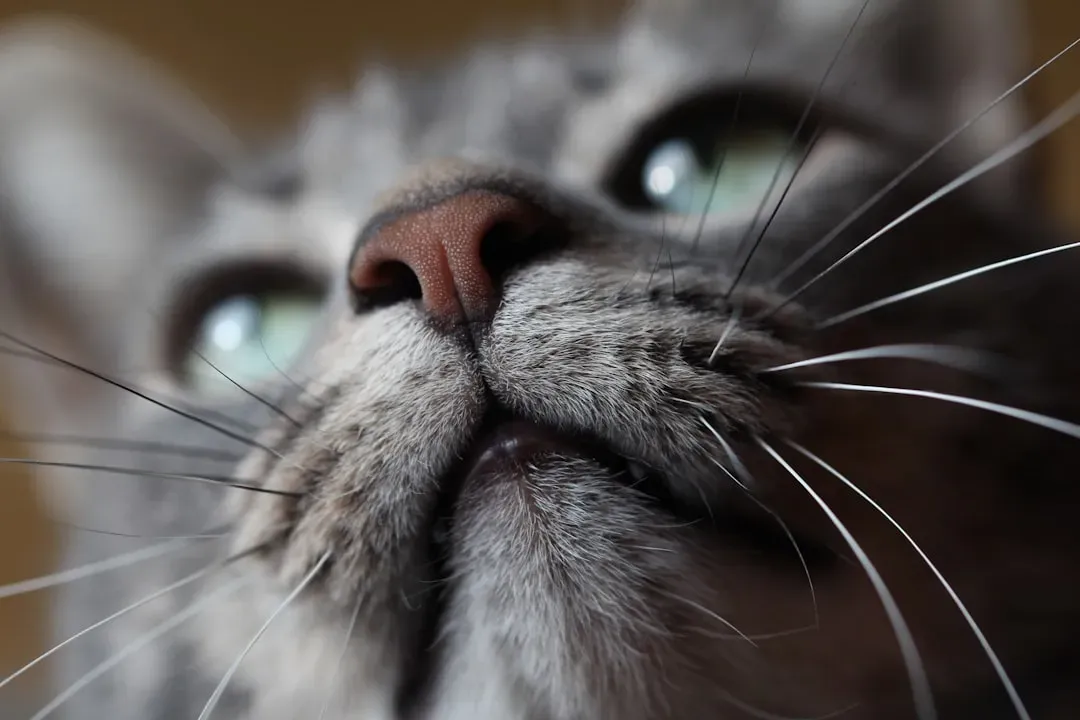
Cats possess a remarkable number of olfactory receptors, allowing them to differentiate between an extraordinarily wide range of scents. Changes in volatile organic compounds associated with illness can actually be detected by these receptors, providing a real scientific basis for their ability to sense disease. In other words, your cat might literally smell what your doctor hasn’t found yet.
There are numerous case studies where cats have reportedly detected cancerous tumors by smell, with these reports suggesting that cancer alters a person’s scent profile, making it detectable to a cat’s sensitive nose. One documented case describes a cat named Tiger, who persistently pawed at his owner’s left side, which eventually led to the detection of stage 1 lung cancer, potentially saving the man’s life. That is not a quirky coincidence. That is biology at work.
They Are Your Living Early Warning System for Seizures

Cats have an innate ability to detect subtle changes in human behavior and health conditions like seizures, with some studies showing that certain cats can alert their owners up to 30 minutes before an impending seizure occurs. Think about that for a second. Half an hour of warning. That is the kind of heads-up that could mean the difference between a safe landing and a serious injury.
There is evidence, both scientific and anecdotal, that cats can predict epileptic seizures. Some hypotheses suggest that cats detect seizures through smell or by noticing subtle behavioral changes before an episode begins. Often, a cat will paw at or nip their owner to alert them before a seizure happens, giving them time to get to safety. It sounds almost too good to be true, yet the reports keep rolling in.
They Act as a Living Barometer Against Dangerous Weather

Cats’ whiskers, known as vibrissae, are extremely sensitive to not only touch but also changes in the environment, including wind direction. They can even detect small changes in air pressure and the atmosphere around them, and the nerve endings at the tips of the whiskers transmit this information directly to the brain. You would need expensive weather equipment to match what your cat does naturally.
Cats have an uncanny ability to sense changes in the environment, making them sensitive to approaching storms and even natural disasters. Naturalist Konrad Lorenz suggested that cats perceive geomagnetic fields from the ground, enabling them to detect disturbances like storms, earthquakes, and tornadoes, with this heightened sense helping some cats anticipate these events and take cover. You might have seen your cat behaving strangely or vocalizing just before a storm, because they can sense it coming before you can, thanks to those incredibly sensitive whiskers.
They Sense Seismic Threats Before the Ground Even Shakes

Scientists don’t fully agree on whether cats can predict earthquakes well in advance, but research suggests they can sense them up to 15 seconds before they occur. Cats have sharper senses than humans and can detect tiny vibrations we can’t feel or hear. Earthquakes start with fast, subtle P-waves, which humans don’t notice, followed by stronger shaking S-waves. Unlike us, cats can likely sense the initial P-waves, which is why they often act anxious before an earthquake hits.
Cats have the ability to detect tiny vibrations in the ground through their paw pads. Those little toe beans might look adorable but they also have an important function. A cat’s paw pads contain nerve endings called Pacinian corpuscles, which enable them to detect vibration frequencies between 80 and 240 hertz. It’s like they’ve got seismic sensors built into their feet. Honestly, that’s both wildly cool and a little unsettling.
Their Purr Is Quietly Healing You From the Inside
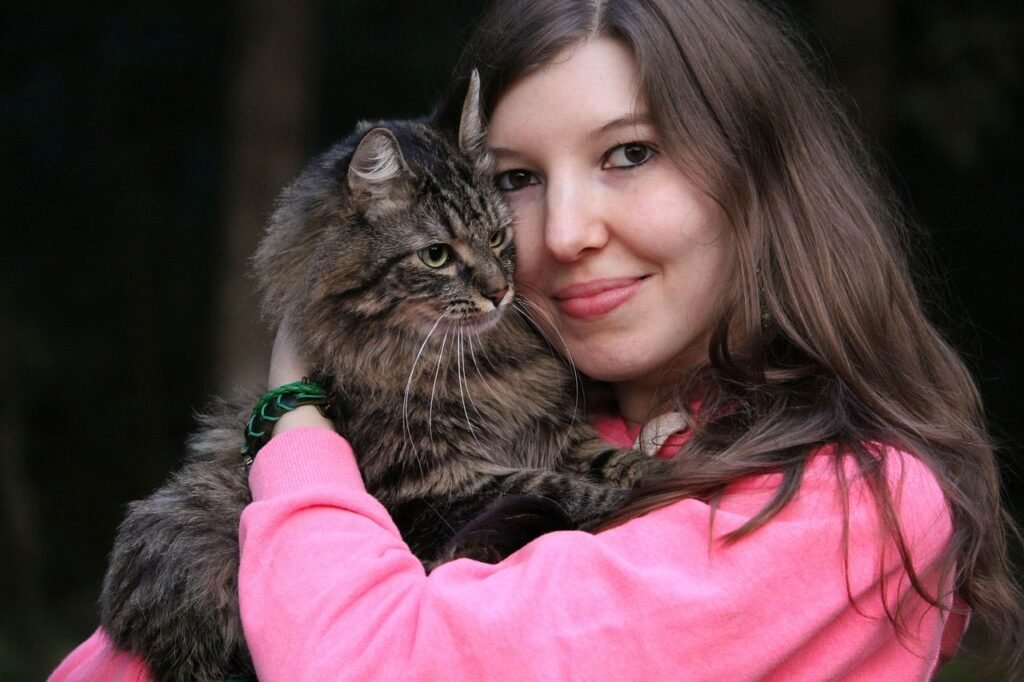
Studies suggest that the frequency of a cat’s purr, typically between 25 and 150 Hertz, has a relaxing effect on the human nervous system. Frequencies in the 25 to 150 Hertz range are known to help promote the healing of bones, reduce inflammation, and improve joint mobility, meaning people recovering from injuries or dealing with chronic pain conditions may benefit from simply spending time with a purring cat.
The effects of cat purring on humans include lowering blood pressure, promoting healing, and even reducing the risk of heart disease, with studies showing that cat owners are less likely to suffer from heart disease compared to those without cats. The soothing effects of purring help reduce blood pressure, which can lower the risk of heart attacks and strokes. These low-frequency vibrations can help reduce inflammation, improve circulation, and stimulate the healing of damaged tissues, and have also been shown to promote the regeneration of bone cells and increase bone density. Your cat is not just lying on your chest. Your cat is, in a very literal sense, doing physical therapy on you.
They Guard You Against Diabetic Emergencies While You Sleep

Cats have been observed reacting to their diabetic owners’ low blood sugar episodes, seemingly sensing changes in scent and behavior, and alerting owners to potential danger. Diabetic cat owners have reported their pets behaving strangely when their blood sugar drops, sometimes licking their faces, purring aggressively, or acting unsettled, with this likely being due to changes in body odor or sweat composition.
There is a documented case where a man awoke to find his cat’s strange behavior and followed the cat, who led him to the bathroom, where he found his diabetic wife on the floor and recognized the symptoms of a hypoglycemic attack. He believes that if he hadn’t woken up when he did, the situation could have become life-threatening. It’s hard to say for sure how many lives have been quietly saved this way, but even a handful of documented stories like this one deserve serious attention.
They Keep Watch Over You While You Sleep
Some cats are especially attentive while their owners sleep, displaying behaviors that might seem like protective instincts. Cats that sleep close to or on their owner’s bed may be providing comfort while subtly keeping watch, particularly if they rest by the door or foot of the bed. Even while resting, a cat’s sharp hearing remains active, and they may react to unfamiliar sounds to ensure there’s no immediate threat nearby.
Cats have extraordinarily sharp senses, with hearing being their forte, and they can detect faint noises much earlier than we can. While they might not confront an intruder like a dog, their heightened awareness can serve as an early warning system. Some cats even sleep near their owner’s head or chest, where they can monitor breathing and heartbeat. Let’s be real: that’s not just affection. That is something that looks an awful lot like watching over you.
They React to Environmental Threats Your Body Can’t Detect
Cats have a higher metabolic rate than humans, as well as a higher respiratory rate. This means that the odds of a cat showing signs of carbon monoxide poisoning before a human does are very high. In 2019, a cat named Bella saved the lives of a Florida couple who accidentally forgot to turn off their car after pulling into the attached garage. Bella’s cries from under the bed alerted the couple, who by that point were almost too weak to dial 911 and close to collapse.
Pets are often the first to feel the impacts of a natural gas leak, and though this may help you identify a leak faster, it is important to keep an eye on your furry friends for signs they aren’t suffering the hazardous effects of gas poisoning. If your pet is showing unusual signs of vomiting, excessive sleeping or drowsiness, erratic or violent behavior, or is generally acting out of character, these may be signs of potential poisoning and a gas leak in your home. Your cat’s sudden distress, in other words, may be the most important alarm your home ever triggers.
Conclusion

There is a quiet poetry to all of this. The creature that most people assume is self-absorbed and oblivious turns out to be one of the most finely tuned biological sensors on the planet, and it has been sleeping at the foot of your bed this whole time. From detecting illness at a molecular level to sensing earthquakes through their paws, cats offer a form of protection that is ancient, instinctive, and genuinely remarkable.
None of this means you should skip your doctor’s appointments or ditch your carbon monoxide detector in favor of trusting your tabby. However, it does mean your cat deserves a little more credit than we usually give them. The next time your cat stares at you a little too intensely or curls up suspiciously close, maybe take a moment to wonder what exactly they are picking up on that you are not.
So here is something worth sitting with: how many times has your cat been trying to tell you something, and you just assumed it was about dinner? Tell us your thoughts or your own cat stories in the comments below.
Kristina is a young writer from India. An arts graduate and an avid content creator, Kristina is passionate about animals and wildlife. She enjoys exploring topics related to pet care, animal behavior, conservation, and nature, combining thorough research with engaging storytelling.