You probably know the feeling. You’ve just had the worst day of your life, you sink into the couch, and out of nowhere your cat hops up, plants themselves squarely on your chest, and starts purring like a small engine. You didn’t ask for it. You didn’t even call their name. They just showed up.
Cats have a reputation for being cold, mysterious, and emotionally unreachable. People joke that cats only care about food and naps. Honestly, I get it – a cat staring blankly out the window while you pour your heart out doesn’t exactly scream “I love you.” Yet the science, and anyone who has truly paid attention to their feline companion, tells a very different story. If you’re ready to see your cat through a whole new lens, let’s dive in.
1. The Slow Blink: Your Cat’s Version of “I Love You”
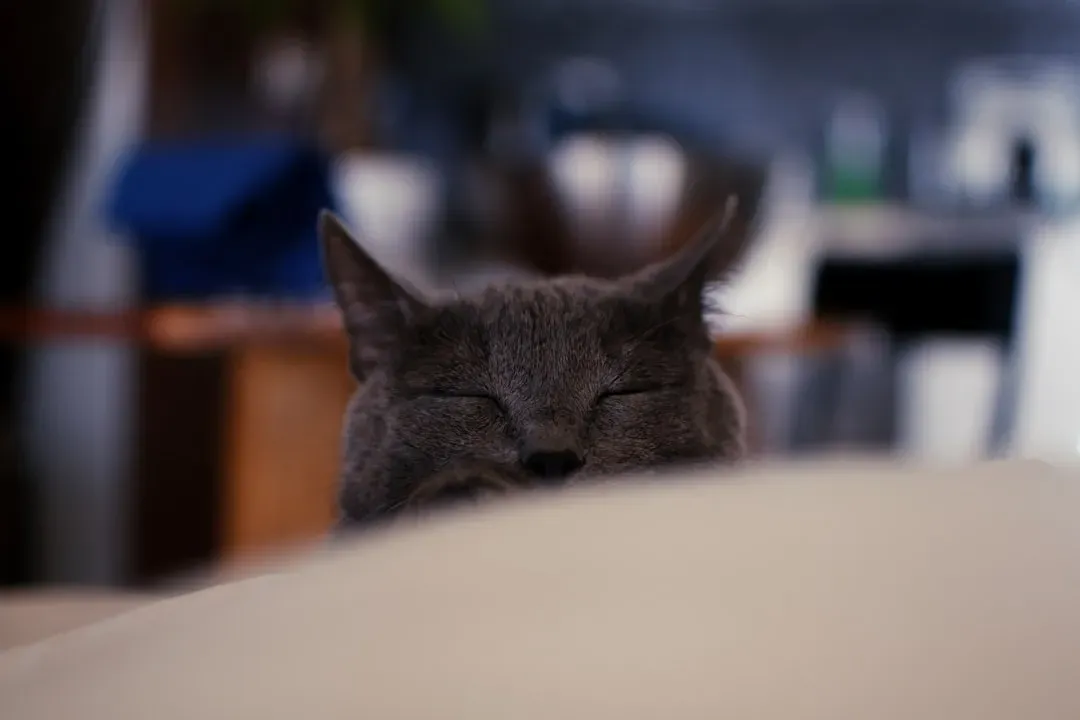
Here’s the thing – cats don’t give away trust easily. When a cat locks eyes with an unfamiliar person or another animal, they tend to hold a fixed, unblinking gaze. When cats encounter strangers, they usually greet them with an unblinking stare, but they are far more likely to slowly blink at cats they have a good relationship with. Research suggests those slow blinks are associated with a positive emotional state and can be a sign of trust, contentment, and affection, similar to a human smile.
So the next time your cat gazes at you and lazily closes their eyes halfway, don’t scroll past that moment. Cats will often make eye contact with lowered eyelids and steady, slow blinks – this is considered a feline version of a kiss, and you can even try slow blinking back to show your love in return. Try it. You might be surprised when they blink right back at you.
2. Kneading You Like Bread Dough
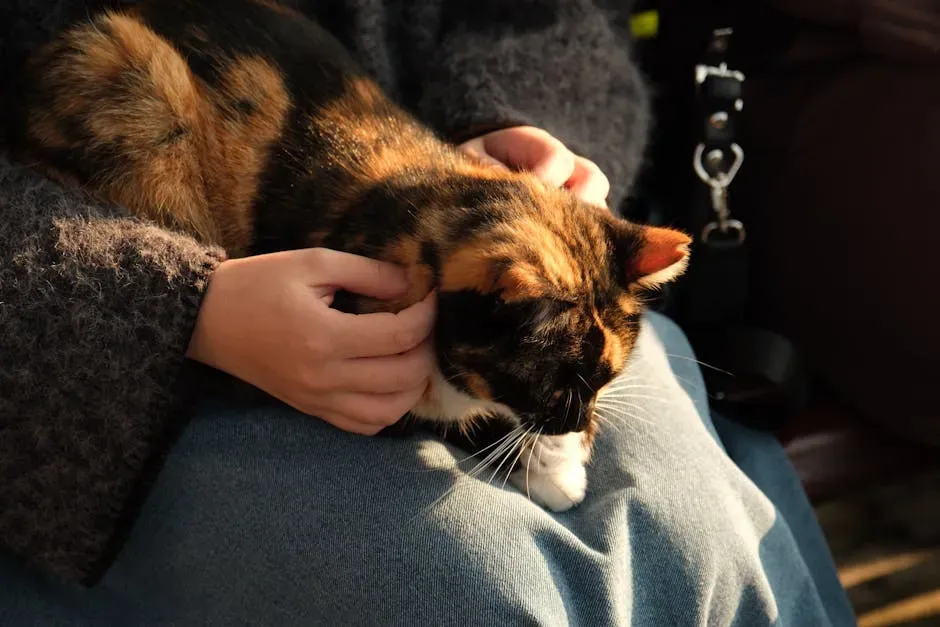
Your cat turns your lap into a bakery and you’re the bread. It’s oddly specific and a little painful, but it’s one of the most honest displays of love a cat can offer. Kneading, also called “making biscuits,” happens when a cat presses their front paws up and down on a surface – it’s an instinctive cat behavior left over from kittenhood, when kittens knead their mother to help stimulate milk production while nursing, making it an act deeply associated with comfort.
Cats begin kneading as tiny kittens when they are nursing, and this behavior – the act of doing a small march on your leg – translates into affection in adult life. When your cat kneads you, they’re being very clear that you make them feel loved and comfortable. Think of it as your cat going back to their happiest memory and choosing to share it with you. That’s not nothing.
3. Headbutting and Bunting: “You Belong to Me”
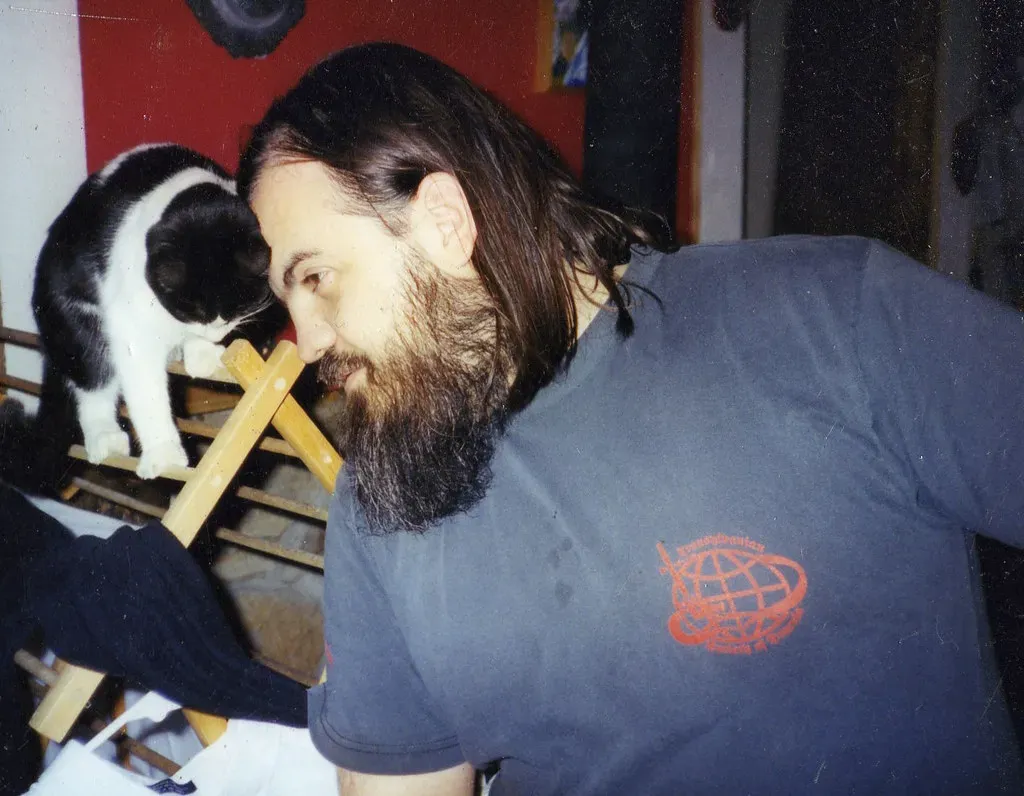
When your cat walks over and bonks their forehead right into your face or shoulder, it might feel like a mild attack. In cat language, though, it’s closer to a declaration. Your cat may bump their head against you or rub their cheeks against you to show affection – this is a social behavior formed in kittenhood through headbutting other kittens and their mother. Headbutting is often an attempt to mark you with their scent to claim you as one of their own, and it helps cats bond with those they love.
When they bump or rub their head against you, they’re saying “I love you” and attempting to show you affection through their closeness. Not only that, but they’re also making sure the rest of the world knows by rubbing their head on you, marking you with their scent and telling the rest of the cat world that you are their human. Honestly, being claimed by a cat feels like quite an honor once you understand what it means.
4. Purring: That Little Motor Has a Meaning
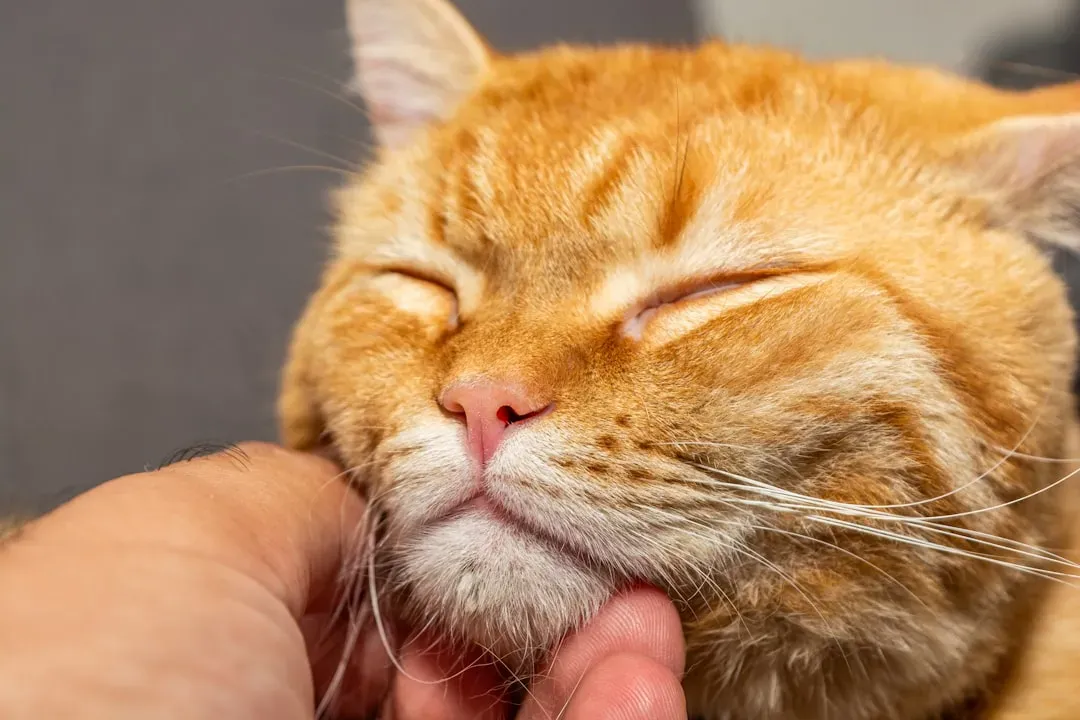
Few things in the world are as immediately calming as the sound of a cat purring. It’s almost medicinal, and there’s a reason for that. When your cat purrs contentedly when you pet them, it’s a sure sign that they adore you. This adorable habit starts early in life – kittens purr to tell their moms they’re feeling safe and calm. You’ve essentially become their safe place.
It’s worth noting, though, that not every purr is a love song. Sometimes cats purr when hungry or to soothe themselves when they’re not feeling well, so watching their body language helps tell the difference. A happy purr usually comes with a relaxed posture and a tail that’s pointing straight up or curled. When the whole picture lines up – the relaxed body, the soft eyes, the rumbling chest – you can be pretty sure you’re hearing pure feline contentment.
5. Bringing You “Gifts” (Even the Gross Ones)
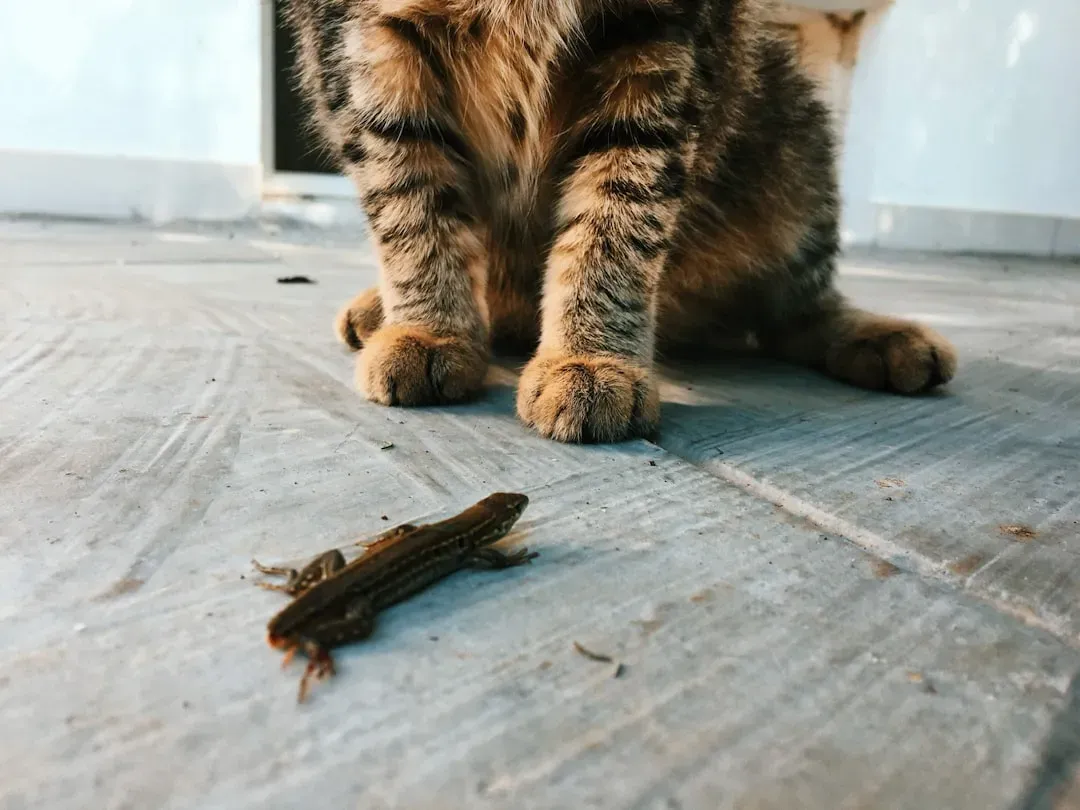
There is probably nothing in the world that tests your love for a cat like waking up to a dead mouse on your pillow. I know it sounds crazy, but try to look past the horror for a second. If your cat brings you toys or even a dead mouse, they’re sharing love by giving you a gift. In the wild, cats bring prey to their family – this is your cat’s way of doing exactly the same.
Food is a precious commodity in the wild, and most of a cat’s time is spent hunting. When it comes to sharing their bounty, they do so only with those closest to them – it’s a sign of caring for you, almost as if they were saying, “Don’t worry about dinner tonight, I’ve got it covered.” It’s the most generously misguided gesture in the animal kingdom, and you should feel flattered.
6. Following You Everywhere (Yes, Even the Bathroom)
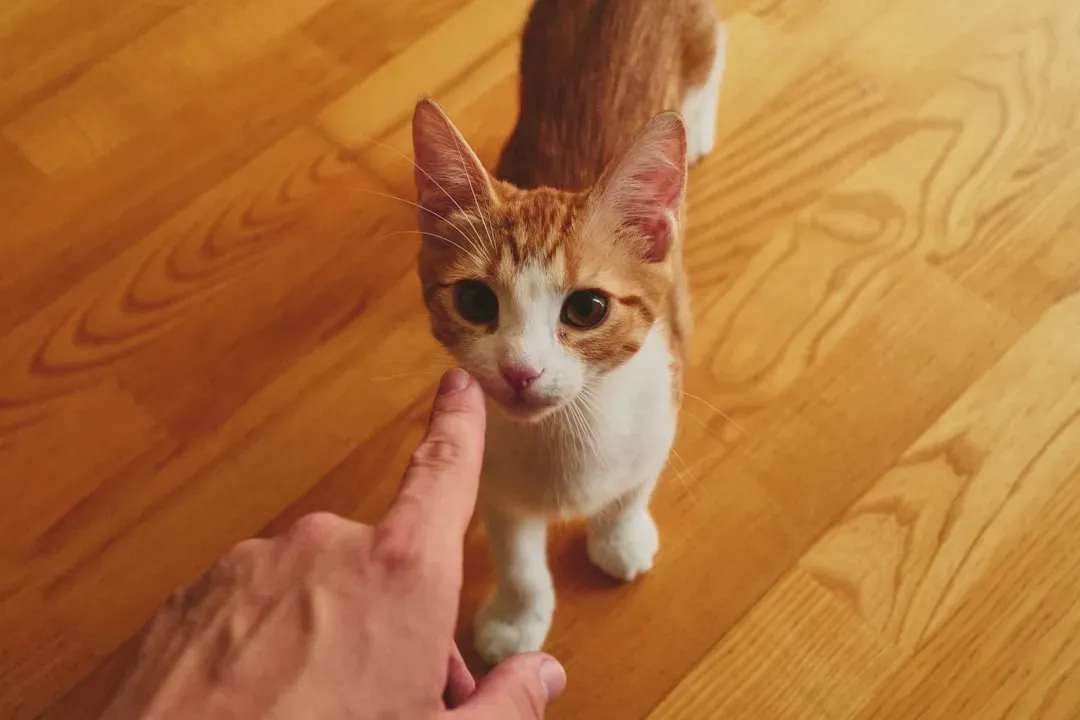
You go to the kitchen – the cat appears. You head to the bedroom – the cat appears. You close the bathroom door – paws appear underneath it. Many pet parents might find it odd that their cats follow them everywhere, even right into the bathroom. But this just means that your cat wants to spend more time with you – a cat that enjoys your company and feels comfortable around you is going to follow you around the house and cling to you like glue.
Cats can trail you around the house for many reasons, from wanting food to being anxious, but there are many cases in which your cat simply enjoys your company and wants to be with you. If it’s not close to feeding time and your cat isn’t acting like they want anything, chances are they are just trying to bask in your presence. That quiet companionship? That’s love, just wearing sneakers.
7. Sleeping on You or Right Beside You
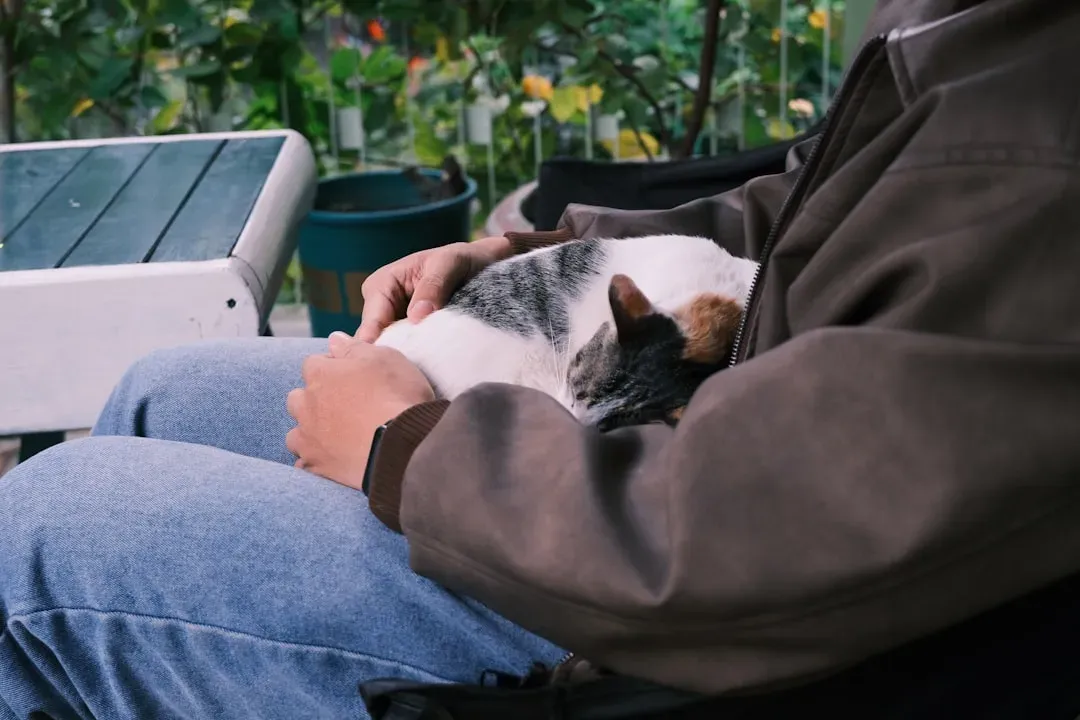
Consider this a real compliment. Cats are at their most vulnerable when they sleep, and they don’t choose just any warm surface. Cats feel most vulnerable when they sleep. If your cat curls up on you or next to you, it means they trust you completely and genuinely enjoy being with you.
Cats can sleep anywhere from 10 to 15 hours each day and are most vulnerable while sleeping, which means they choose places that are safe and secure. There is no better compliment than a cat who chooses to fall asleep on you – it means they are completely comfortable with you and trust they are in safe and loving hands. Think of it like being chosen as the world’s most exclusive pillow. Not just anyone makes the cut.
8. Grooming You: You’re Family Now
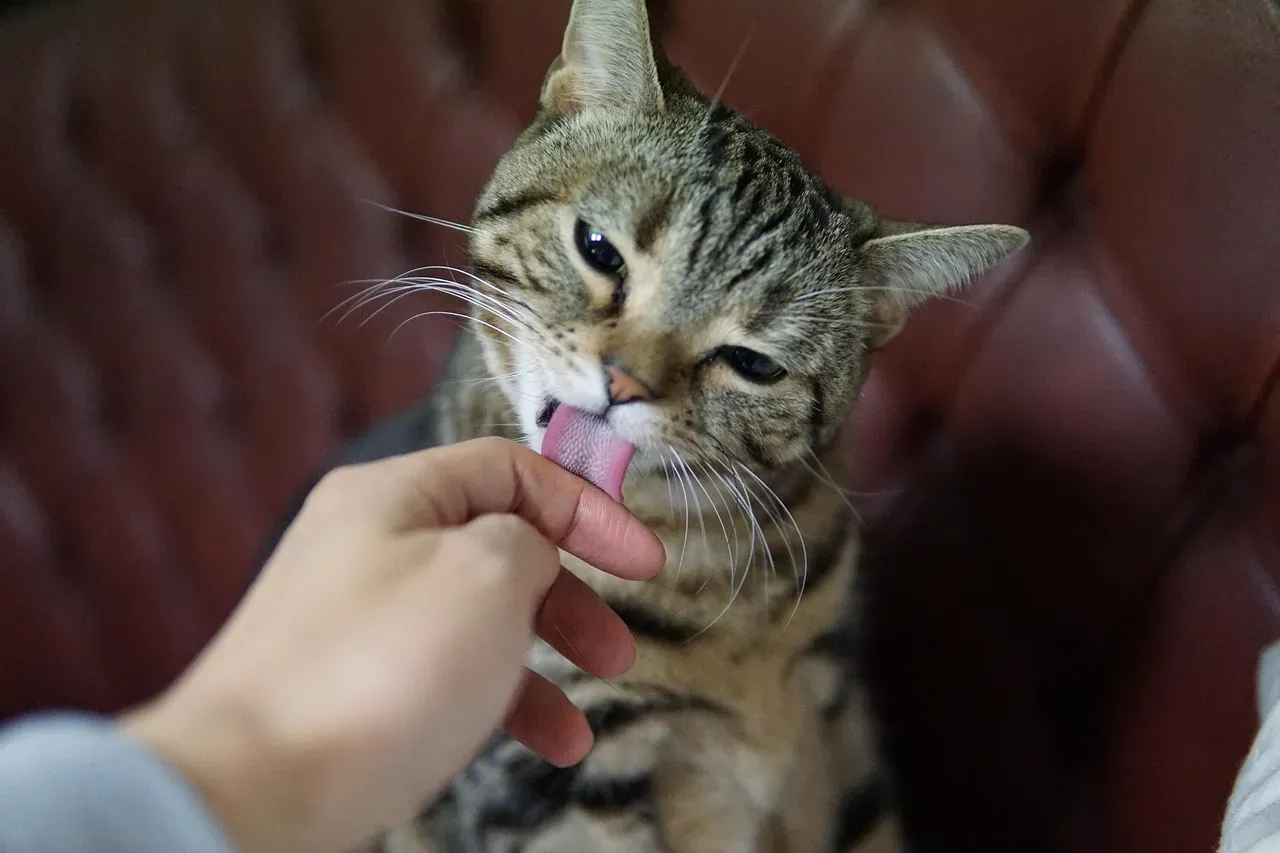
When a cat licks your hand, your arm, or – if they’re feeling bold – your hair, it can feel a bit abrasive. That tongue is no gentle thing. Still, what they’re doing is one of the highest social compliments in cat culture. While the sandpapery lick of your cat’s tongue is not the best spa experience, it’s actually a sign of affection. Cats groom each other socially, a practice known as allogrooming, to express love and friendship – and it’s also a way to mark their territory, since cats have scent glands around their mouth that produce pheromones, and when they groom you, they’re marking you as their own.
Just as mother cats groom their young, cats who are bonded with each other will often groom one another, showing comfort and familial acceptance. If you find your kitty licking you repetitively, they essentially see you as a close family member. You’ve been officially inducted. Welcome to the colony.
9. The Upright Tail: A Friendly Flag Waved Just for You
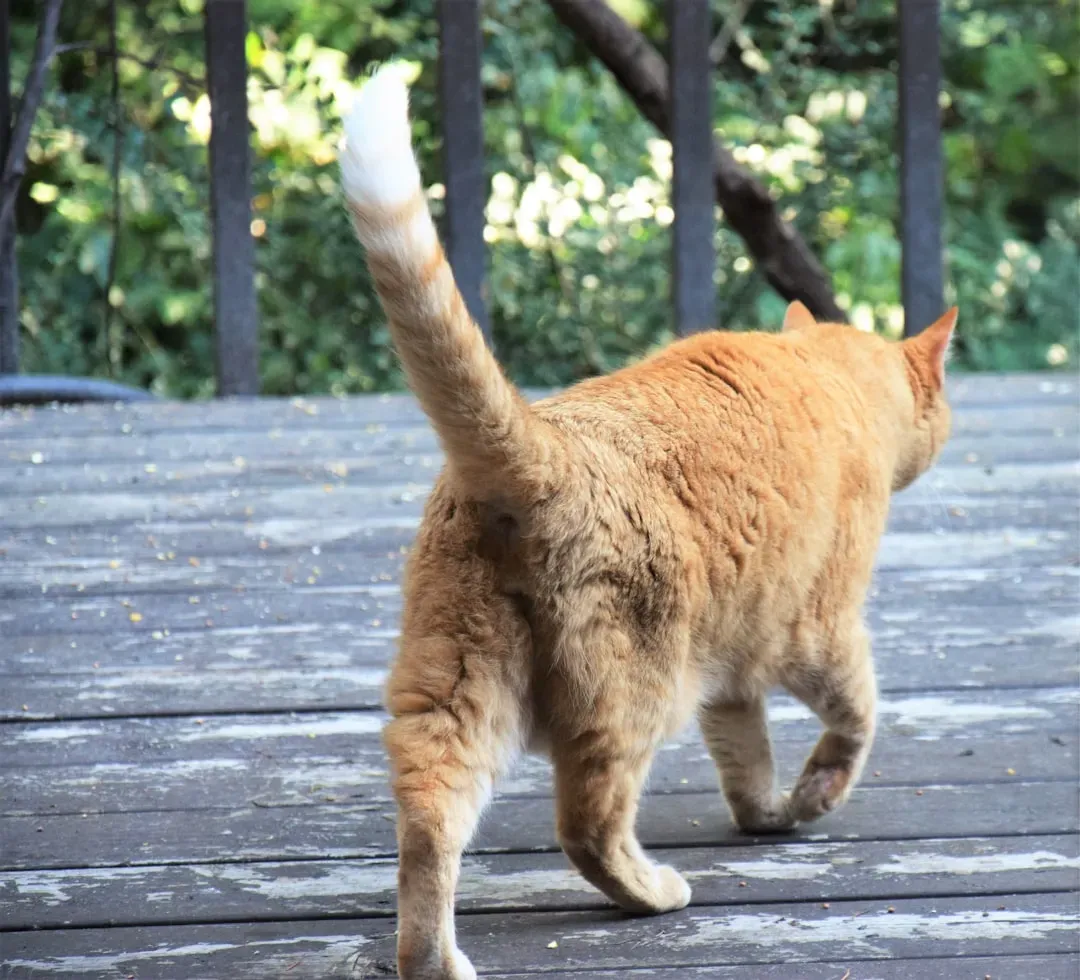
Your cat’s tail is like a mood billboard, and once you learn to read it, you’ll never look at your cat the same way again. Cats show friendly signals to humans the same way they do to members of their social group. A tail held in the upright flagpole position shows a friendly intention – the feline equivalent of a wave – indicating familiarity, trust, and affection. Some cats also use an upright question mark shaped tail to greet someone they like, or to signal that they want to play.
According to animal behaviorist and cat specialist Marilyn Krieger, felines often show affection through their tails. A curved tip is a friendly greeting and invitation to interact with your cat, while a more gushy display of love is your cat wrapping their tail around your hands, ankles, arms, or really just any part of your body. It’s subtle, it’s quick, and most people miss it entirely. Now you won’t.
10. Showing You Their Belly: The Ultimate Trust Fall
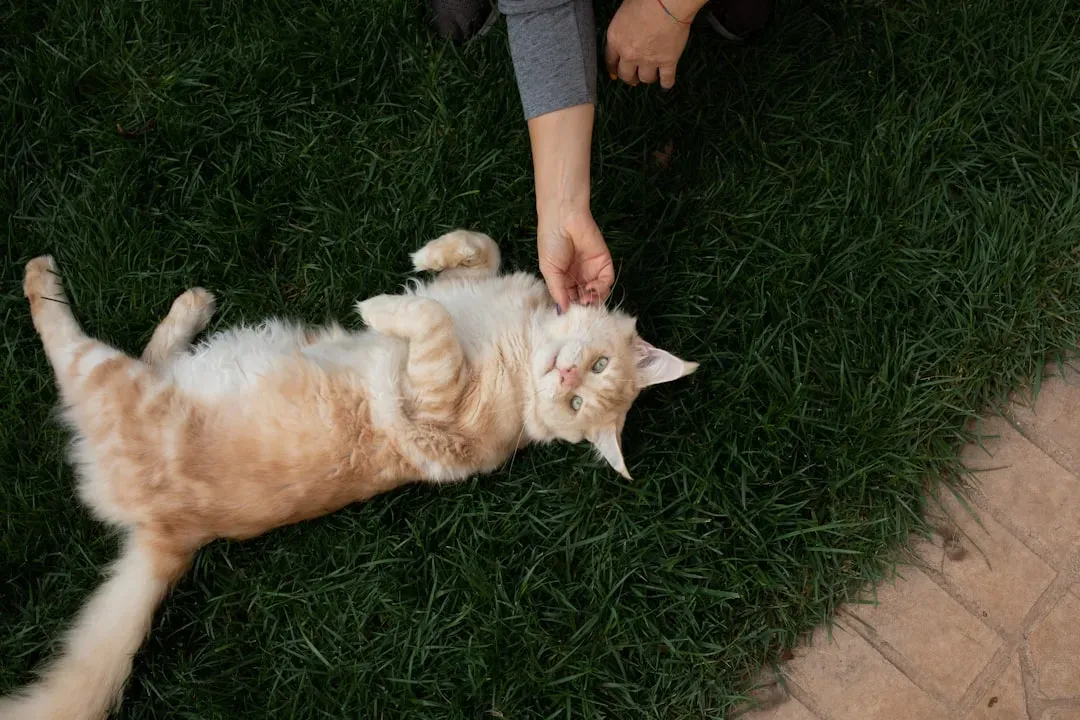
A cat rolling over and exposing their belly is not an invitation to rub it – that’s a common mistake that ends with scratched hands. It’s something much more significant than that. We’ve all had that moment when we walk in the house and the cat rolls over and exposes their belly. This position leaves your cat very exposed and vulnerable, so for them to greet you in such a manner shows that they trust and love you.
Rolling over and exposing their vulnerable underbelly is a gesture that signals a cat has ultimate trust in you. However, cats generally prefer to be petted on the head and neck area, so this is not usually a request for a belly rub. Think of it like a cat saying, “I trust you with my most unprotected self.” That’s enormous, coming from an animal that values its dignity so intensely.
11. Staying Close When You’re Sad or Unwell
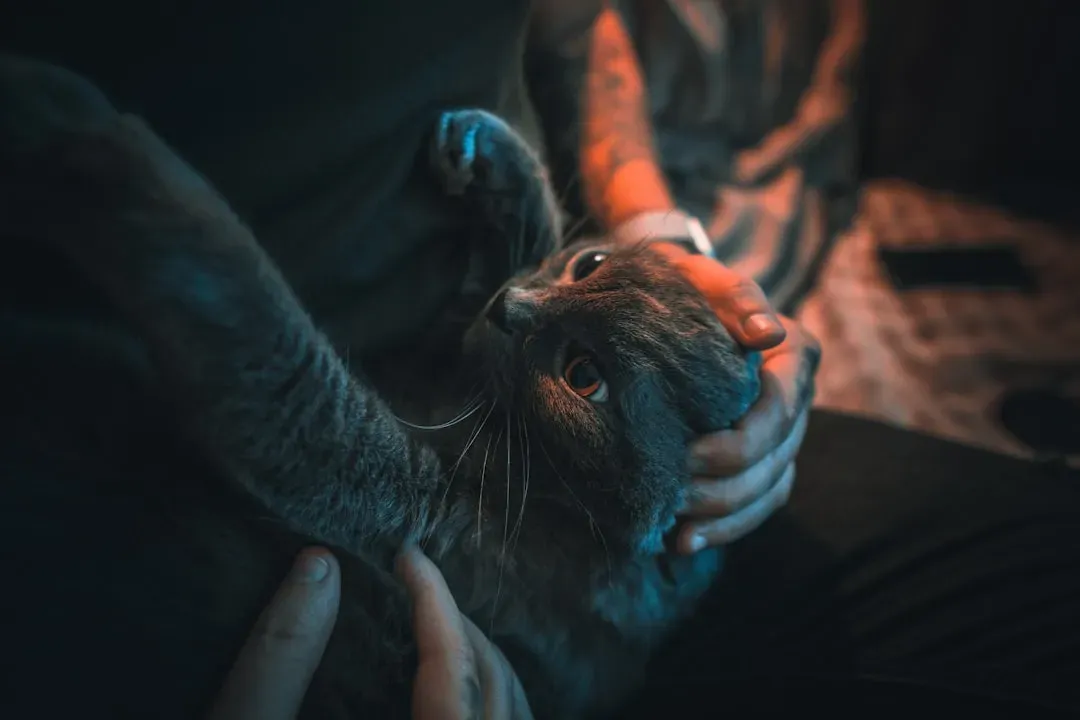
Let’s be real – there’s something almost supernatural about how cats seem to sense when you’re not okay. You don’t have to say a word. You can just be having a rough day, and suddenly there they are, quietly settling in beside you with no agenda except to be near you. Many cats seem to know when their owners are sad or depressed and react with affection or simply by spending more time nearby.
That proximity is probably a good sign that you’re someone they love. Cats like to be near the people they care about, and they can especially sense if you’re unwell or feeling low, staying close to comfort you during those times. A study published in Current Biology found that cats form attachment bonds to their human caretakers in very much the same way that dogs and human children do, and researchers from Oregon State University concluded that we may be underestimating cats’ socio-cognitive abilities. Your cat isn’t just sitting with you by accident. They’re choosing you, right when it counts most.
Conclusion: Your Cat Loves You More Than They Let On
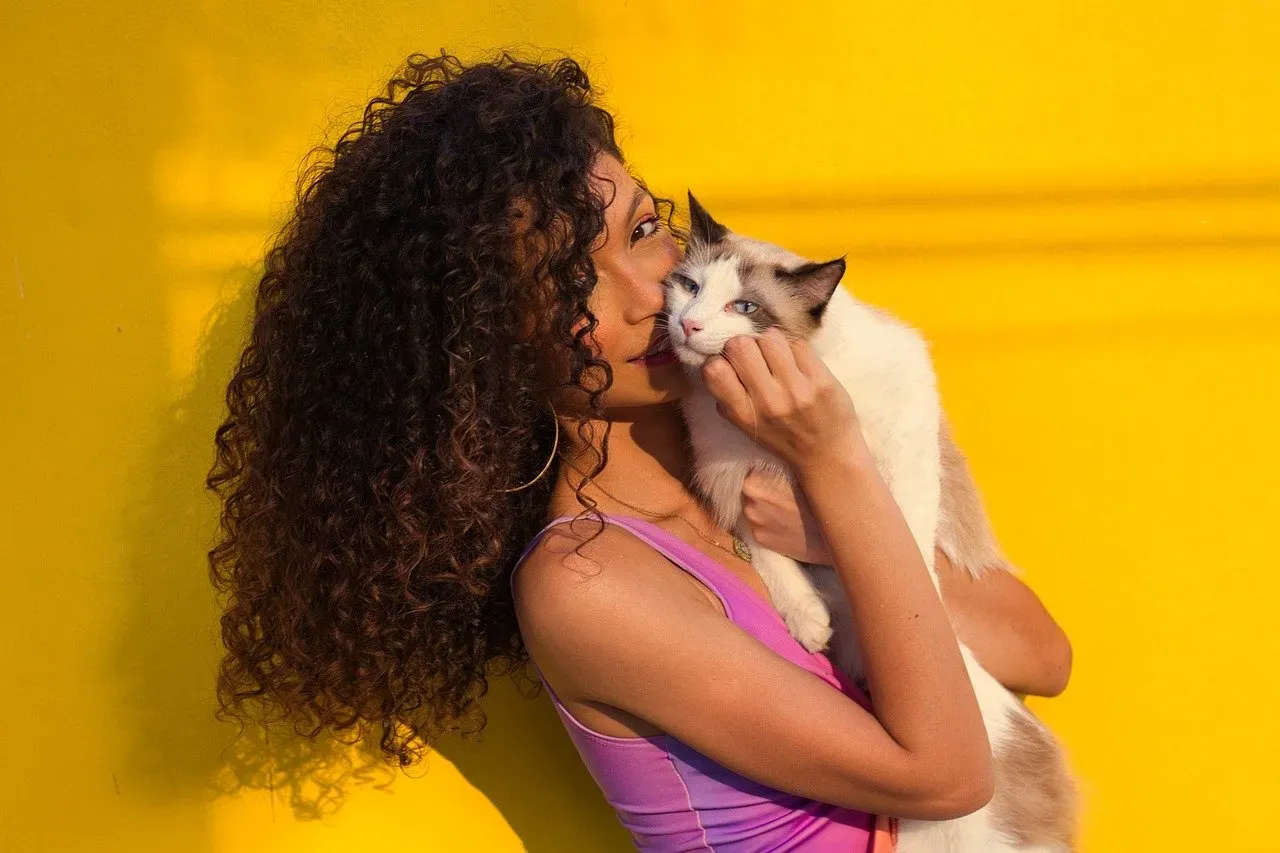
Cats are not the emotionally vacant creatures pop culture makes them out to be. They are complex, perceptive, deeply bonded animals who have simply evolved to express love on their own terms. Dogs are much more open with their love through licking, tail wagging, and obvious “come play with me” body language. Cats are far more subtle, but that doesn’t mean the shared bond between cats and humans is any less deep – it just means you need to work a little harder to understand your cat’s love language and respect their boundaries to build trust.
Once you start recognizing those slow blinks, those carefully chosen sleeping spots, those early morning headbutts – you realize your cat has been saying “I love you” in a hundred different ways all along. The love and trust a pet bestows upon us is unconditional. Most cats ask very little in return – all you need to do is provide food and shelter, take care of them, and enrich their environment to make all their natural desires come true. So the next time your cat ignores you for three hours and then plops directly on your face at midnight, just smile. That’s the love language you signed up for.
Now that you know the signs, have you been misreading your cat’s affection all along? Tell us in the comments – we’d love to hear your stories.
Kristina is a young writer from India. An arts graduate and an avid content creator, Kristina is passionate about animals and wildlife. She enjoys exploring topics related to pet care, animal behavior, conservation, and nature, combining thorough research with engaging storytelling.