Why Does Your Cat Stare Intently at Empty Spaces? The Curious Truth Revealed
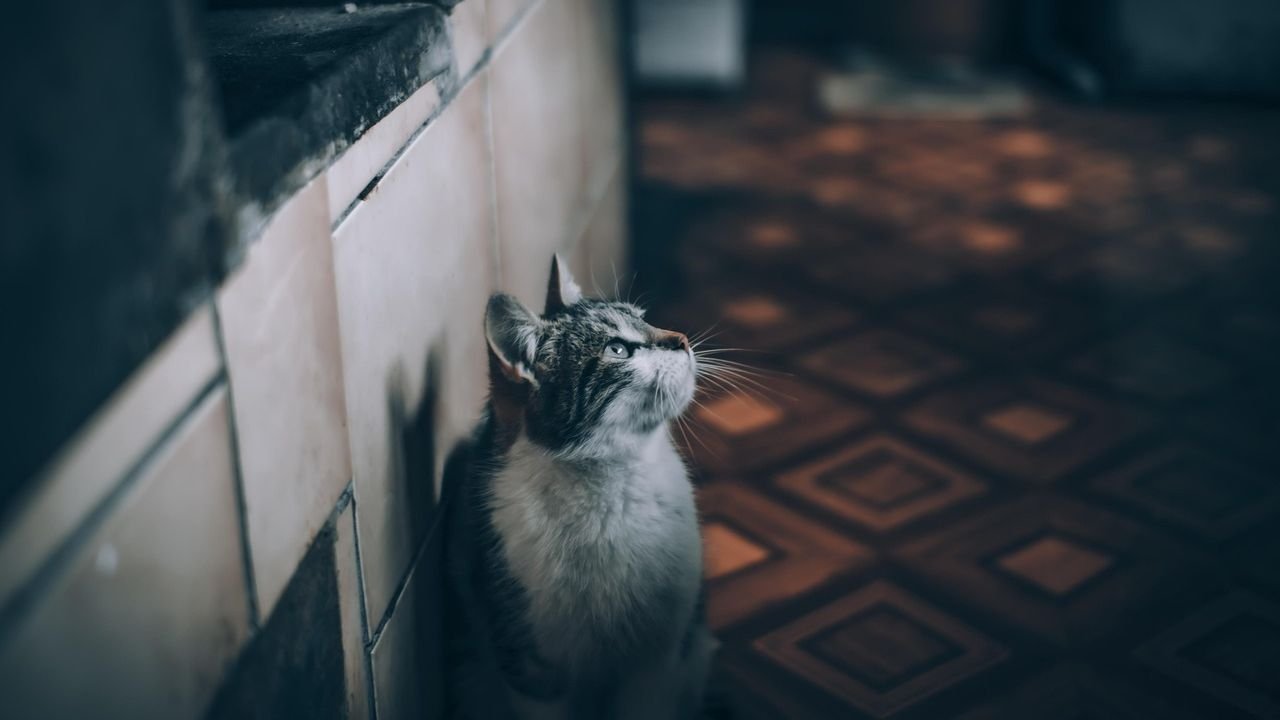
You're sitting quietly in your living room when you notice it. Your cat, frozen like a tiny furry statue, is staring dead-eyed at a blank corner of the room. No sound, no movement, nothing you can see. Just your cat, intensely locked onto absolutely nothing. It's one of those moments that makes you genuinely wonder whether you've been missing something obvious, or whether your cat is simply, well, a little unhinged.
Here's the thing: cats have been creeping people out this way for as long as humans and felines have shared a roof. Some people blame ghosts. Others chalk it up to mysterious feline wisdom. But the real answers are far more fascinating than either explanation, and they reveal just how differently your cat experiences the very same room you're sitting in. Let's dive in.
Your Cat Is Not Seeing Ghosts, It's Seeing Science

Let's get the supernatural explanation out of the way first, because honestly, it's the least interesting one. Your cat isn't seeing ghosts. Cats have exceptional sensory abilities that allow them to pick up on sights, sounds, and scents far beyond human perception. What seems like "nothing" to you often makes perfect sense to them. That blank wall isn't blank to your cat at all.
Cats are sensory powerhouses. Their vision excels at detecting movement, especially in low light, and their hearing reaches frequencies far beyond human capability. A faint buzzing inside the wall, the subtle rustle of air through a vent, or the nearly silent movement of an insect can grab their full attention. What appears to be an empty corner may actually be a hotspot of sensory input that only your cat can perceive. When you look at that wall and see nothing, your cat is essentially reading a page of text you can't even see.
The Astonishing Power of Feline Hearing
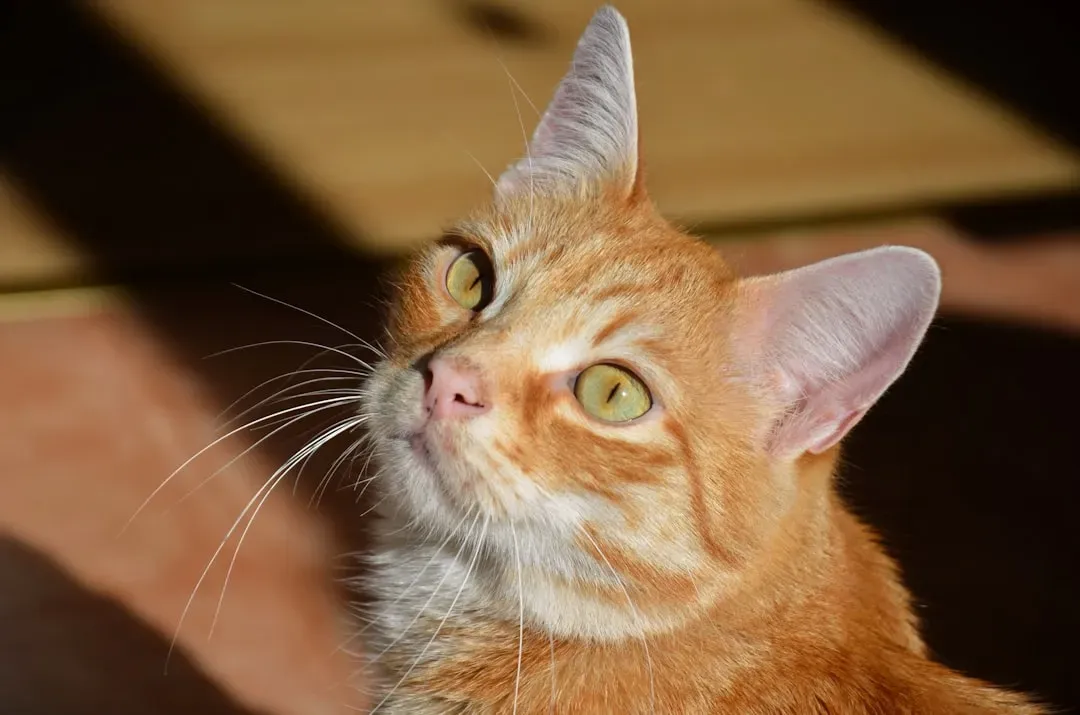
Humans can detect sounds in a frequency range from about 20 to 20,000 Hz. But cats can hear from about 80 Hz up to 85,000 Hz, giving them one of the broadest hearing ranges among mammals. Think about that for a second. While you're sitting there hearing essentially nothing, your cat may be picking up a full audio drama playing out inside your walls.
Cats can hear up to 64,000Hz, whereas a human's range extends to around 23,000Hz, meaning felines are around three times better at picking up sounds than we are. One reason is that they have a much deeper and accentuated ear canal shape, so sounds are carried more efficiently to the eardrum. Your kitty might be staring at the wall because they're picking up noise from behind it that you can't gauge, perhaps a tweaking pipe or a mouse scurrying around behind the plaster. Imagine living your life being able to hear a mouse sneeze through drywall. That's your cat's daily reality.
UV Vision: Your Cat Sees a World You Cannot
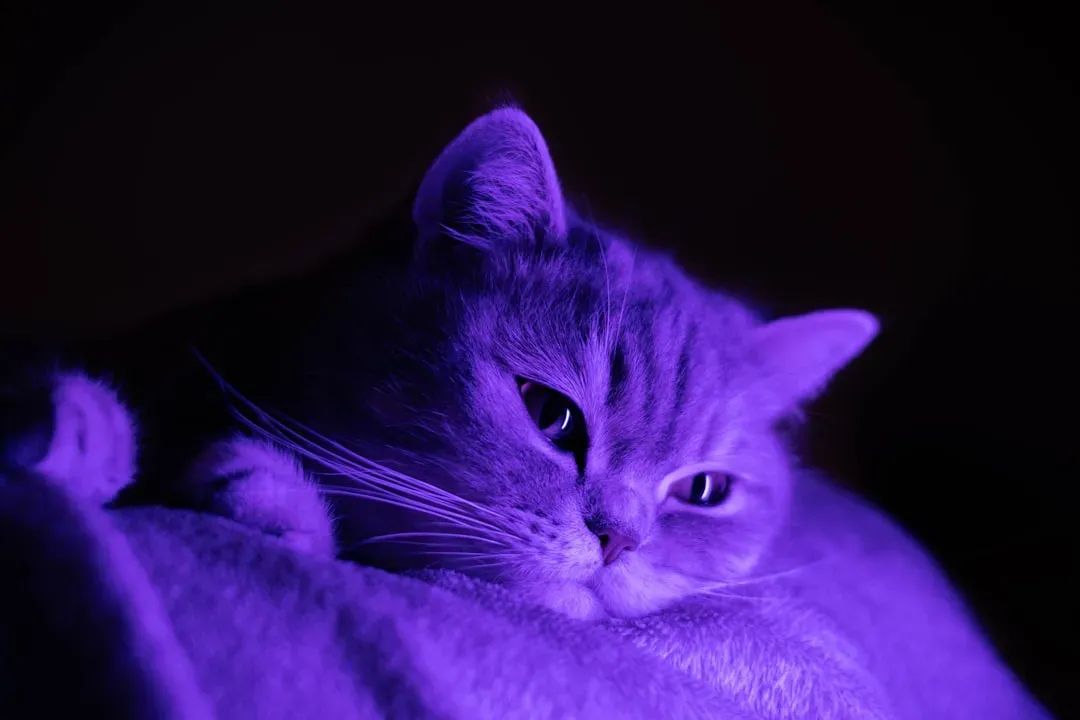
A study by Ron Douglas, a biologist at City University London, England, indicates that cats are thought to see in ultraviolet light. UV light is the wavelength beyond the visible light from red to violet that humans can see. Humans have a lens that blocks UV from reaching the retina, but cats might have the ability to see UV light, which would help explain why they are so adept at hunting prey. This is genuinely mind-blowing when you think about it.
Cats can see ultraviolet wavelengths, a part of the light spectrum invisible to humans. Many materials, from certain fabrics to cleaning products, reflect UV light in patterns we can't perceive. This makes objects, walls, or floor areas appear more interesting to them, explaining some of that intense staring. So that patch of wall your cat keeps eyeing? It might look completely different through your cat's eyes, lit up with patterns and reflections you'll never be able to see.
The Predator Within: Hunting Mode in Your Living Room
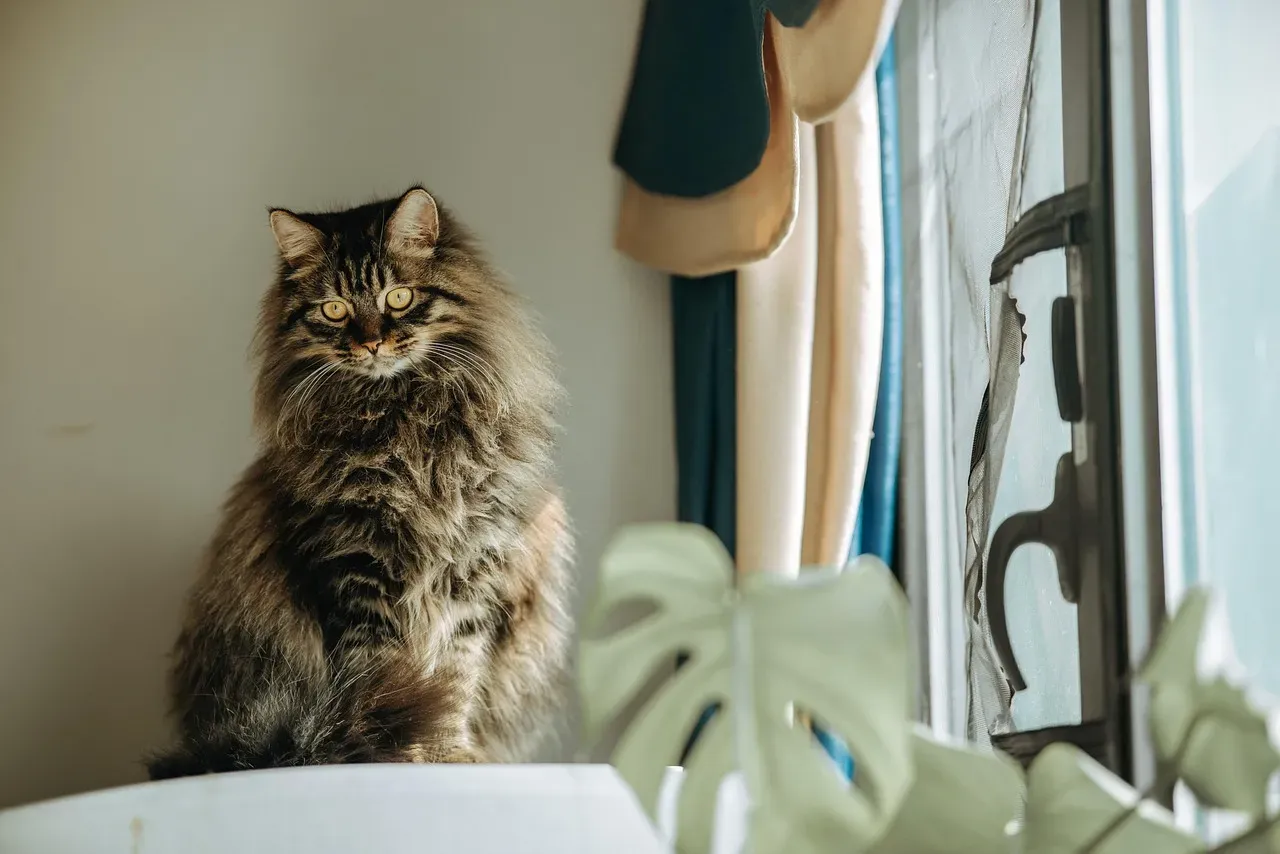
Despite their cozy lives indoors, cats retain strong instincts from their wild ancestors. In the wild, fixed staring is often part of hunting behavior. A cat will focus intensely on a potential target, conserving energy while calculating the perfect moment to pounce. Even if your cat has never hunted more than a toy mouse, that instinctual pattern remains deeply ingrained. Domestication softened their claws a little, but not that hunting brain.
This behavior hearkens back to their prey-stalking instinct. Cats are ambush predators, so they don't immediately charge after their target. Cats tune into sounds and sights of no importance to us. For example, one anthrozoology professor noticed her cat always staring at a particular spot at a certain time of night until she realized it was a gap in the curtains that revealed a flash of light from a passing car. It just looked like the cat was staring at the same part of the wall all the time, but in his mind he was monitoring it to see if that was going to come back.
Superior Night Vision That Leaves You in the Dark
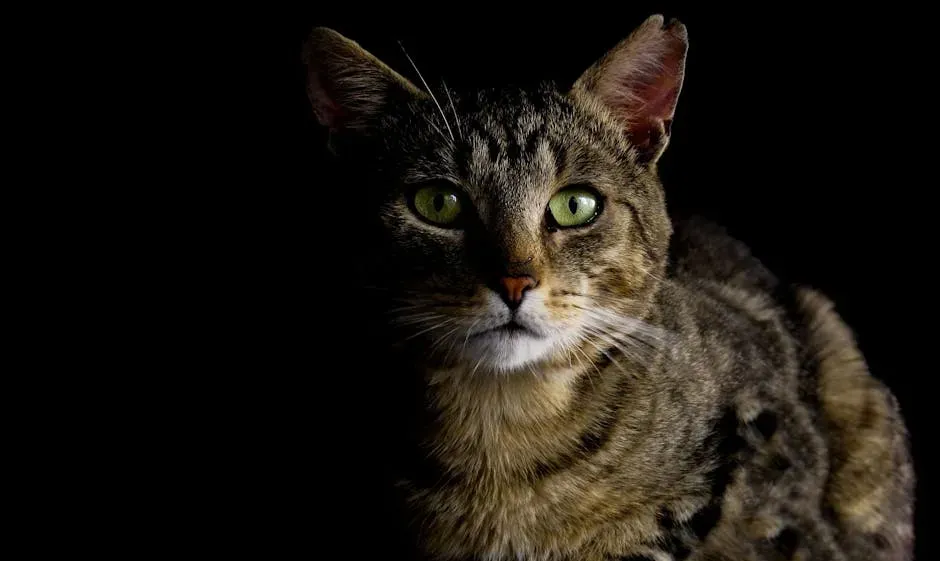
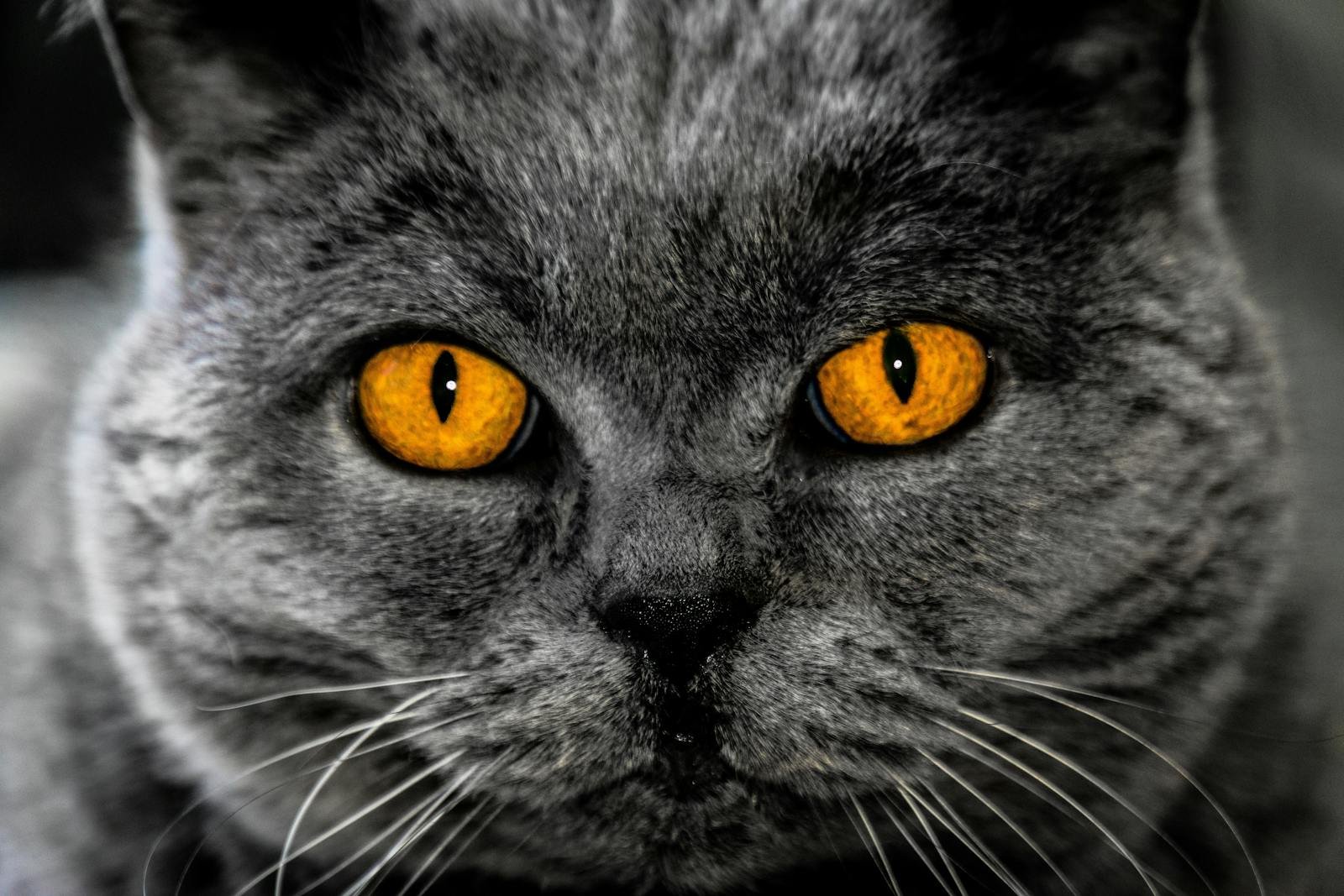
Cats have far better low-light vision than humans. Their eyes contain a higher number of rod cells, which are responsible for detecting light in dim conditions. So what looks like a shadowy corner to you may contain subtle movement or reflections your cat can clearly see. This is especially relevant during those late-night stare sessions that give you the creeps. Your cat simply has a totally different experience of darkness than you do.
Have you ever noticed your cat staring at something at night when you can't see a thing? That's because they have excellent night vision. A cat's retina has photoreceptor cells called rod cells and cone cells. While we might think they are looking at nothing, it's very well possible they can see something as minuscule as sunlight glinting off a fleck of dust. The next time your cat stares into a dark corner at 2 AM, just remember: they can probably see a whole lot more than you can.
Your Home Is Secretly a Sensory Jungle for Your Cat
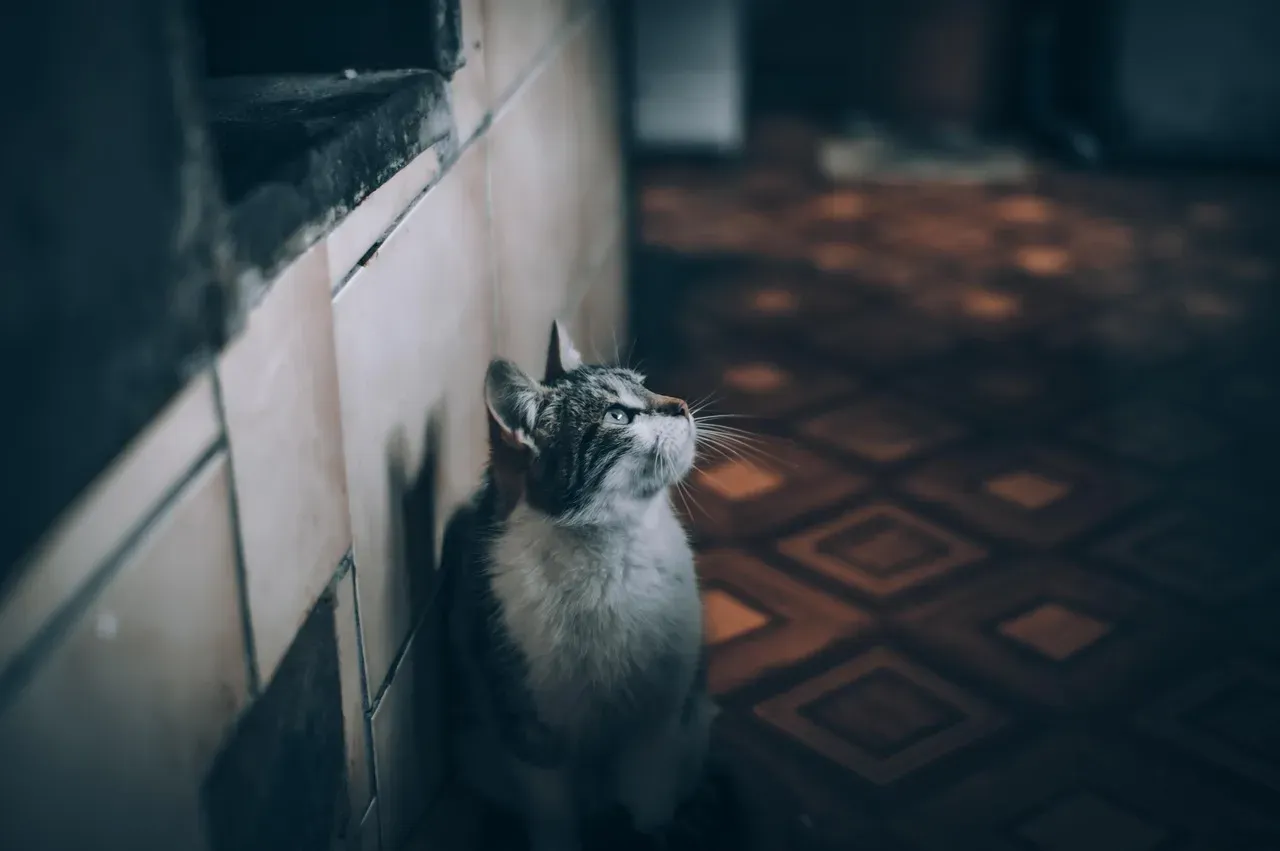
Modern homes amplify subtle sensory triggers. Hollow walls can carry distant sounds. LED lighting can create flicker invisible to humans but noticeable to cats. Certain flooring can hold scents longer, turning seemingly empty spaces into sensory hubs for your feline. Honestly, when you think about it this way, your entire home is basically an obstacle course of invisible stimuli from your cat's perspective.
Pipes, vents, and insulation can carry vibrations that your cat hears clearly. What sounds like silence to you may be a full soundscape to them. Cats use scent trails to orient themselves. HVAC systems and open windows can move scents around in ways that catch your cat's nose, and attention. That quiet corner of your hallway? To your cat, it might smell like the ghost of a fly that passed through three days ago. Quite literally.
When Quiet Hours Trigger Their Inner Alarm System
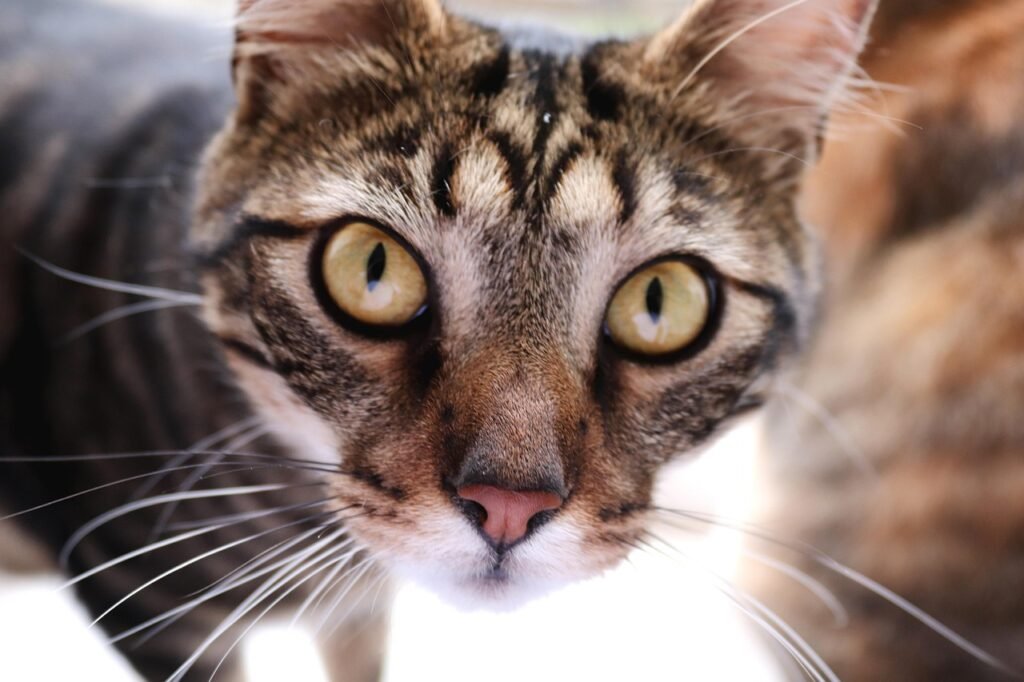
You may notice this behavior more often during quiet times of day, such as late at night or early morning. When the household settles down, background noise drops and your cat's senses shift into high gear. Sounds that were previously drowned out suddenly become noticeable. During these moments, your cat is essentially scanning their environment, checking for anything out of the ordinary. Think of it like your cat running a security check on the whole building every night.
Staring into a corner can be part of this environmental monitoring, a way of ensuring everything is safe and familiar. Sometimes, staring behavior has less to do with the environment and more to do with what's going on internally. Cats are curious thinkers, and they can become deeply absorbed in their own thoughts. A change in routine, a new smell, or even boredom can prompt them to fixate on a particular spot. So if you recently rearranged the furniture or brought home a new scented candle, that wall stare might actually be about you.
Is Your Cat Thinking? The Surprisingly Smart Answer
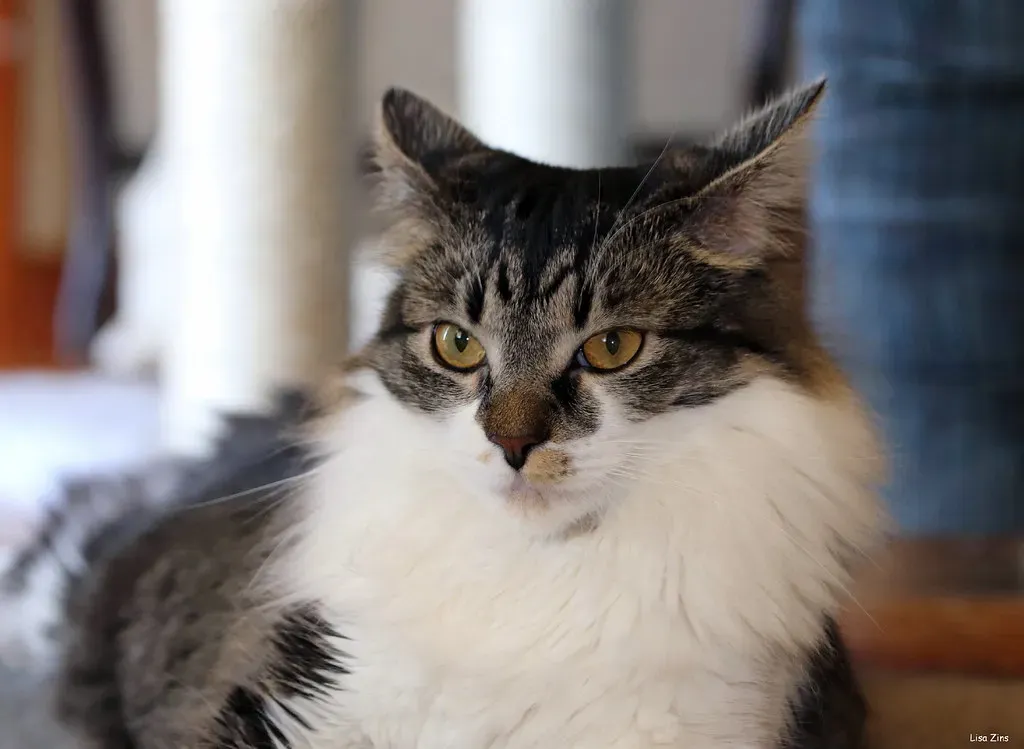
It's likely that cats, like us, sometimes stare into space when they're actively thinking about something. Maybe they're processing something they saw, heard or felt. Maybe they're trying to solve some spatial puzzle, such as how to jump on the fridge without making the plant fall, or maybe they're evaluating a risk. That blank gaze might actually be the feline equivalent of staring at the ceiling while you work through a tough problem.
What's likely happening is that your furry feline saw or heard something for less than a second, but even that was enough to get and keep their attention. They might not even be looking at anything, but are instead listening for sounds imperceptible to us and just looking off into space as they concentrate. Research also supports the theory that cats have episodic memory much in the same way as humans. So yes, your cat might genuinely be daydreaming. That's kind of beautiful, if you think about it.
When the Staring Becomes a Health Warning Sign

Here's where things get more serious, so pay attention. Not all staring is adorably mysterious. Unusual or prolonged staring, especially if paired with twitching, head tilting, or balance issues, can indicate neurological problems that require immediate veterinary attention. If your cat has trance-like periods of staring at the wall in between episodes of manic behavior, they could be suffering from feline hyperesthesia syndrome. The cause of this unpleasant syndrome in cats is not fully understood, but affected cats often meow or howl loudly, are sensitive to the touch, groom themselves frantically, especially at the tail base, and have enlarged pupils.
Just like humans, cats are susceptible to deteriorating brain function as they get older, and feline cognitive dysfunction (FCD), often referred to as feline dementia, can result in a range of different signs and behaviors like confusion, staring into space, and seeming to forget why they entered a room. Cats with FCD tend to be at least 12 to 13 years old. If your cat is suddenly staring at walls accompanied by hiding, appetite loss, or aggression, it's time to consult a vet. Behavior changes are often early health indicators in cats. Your gut instinct about your cat matters. Trust it.
Head Pressing Versus Staring: A Crucial Difference You Must Know
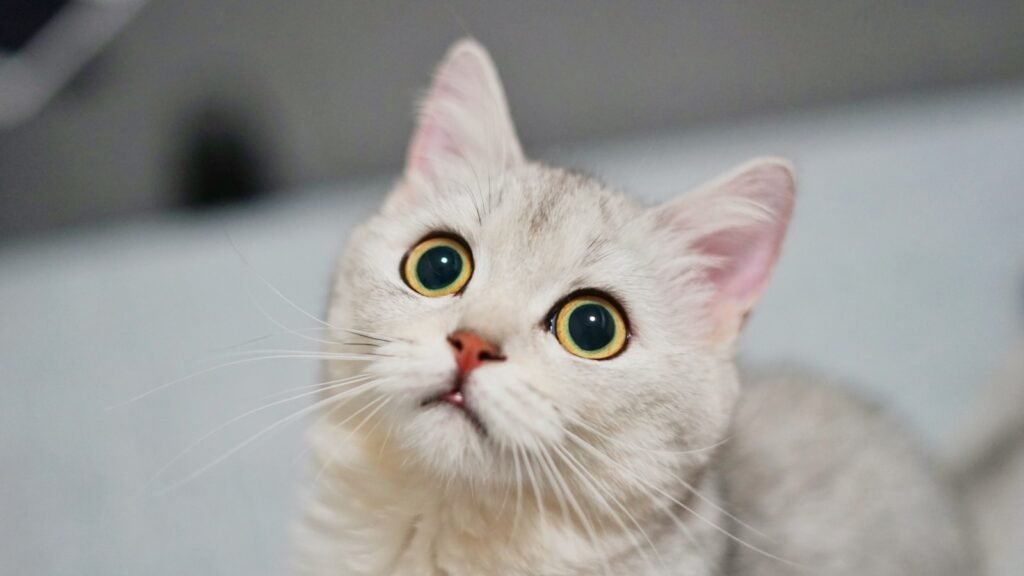
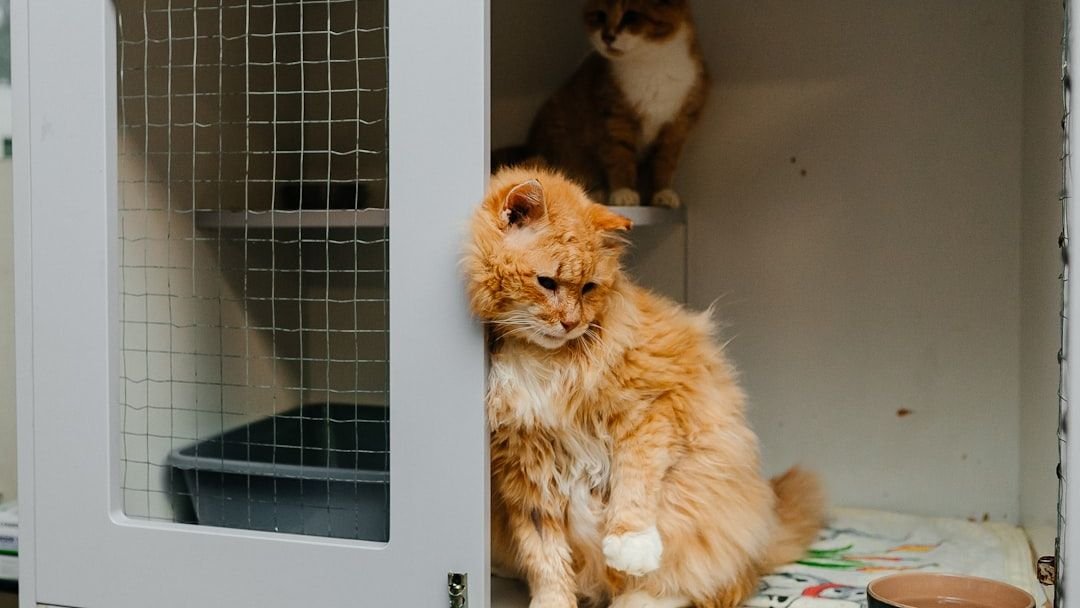
There's a difference between a cat who sits calmly staring, and one who sits with their face against the wall. Head pressing, literally pressing the head against a solid surface, is not normal, and can indicate serious neurological disease. If you see this behavior, contact your vet right away. This is genuinely one of the most important things any cat owner can know, so don't brush it off as quirky.
While wall and corner-staring are generally harmless, head-pressing tends to be ongoing, continual, and fruitless: your cat isn't looking at something specific or stalking prey, but sitting very still and most likely physically touching the wall at the corner. He may simply rest his head against the wall, or he may continually bump or press his face into a wall or corner, and both behaviors are a cause for concern. Head pressing is not the same as head butting, which your cat may do to your legs or hands to show affection. In fact, head butting is normal and a way for a cat to show other felines that his human belongs to him, by rubbing his scent on his owner. Know the difference. It could save your cat's life.
Conclusion: The Invisible World Your Cat Calls Home
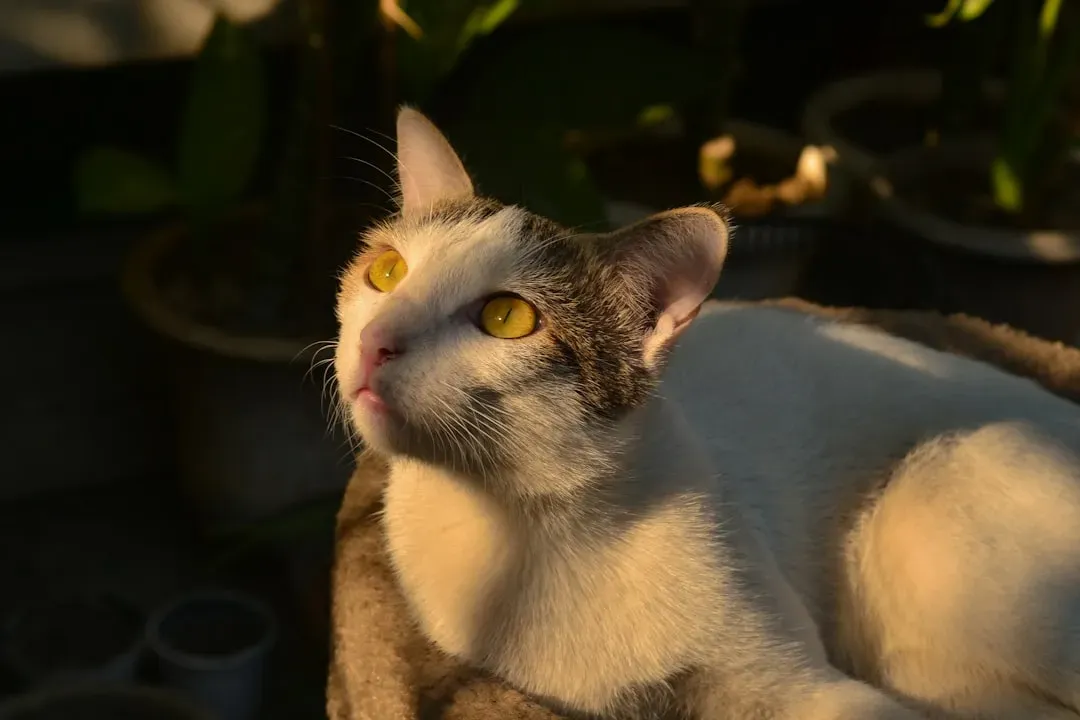
Your cat is not strange. Well, actually your cat is strange, but not for the reasons you think. Every stare aimed at that blank wall is a window into a sensory world that is richer, sharper, and far more complex than anything you experience in the same room. Part of the joy of living with cats is accepting that they experience the world in ways we never fully will. Their stares into empty corners remind us that there is always more happening beneath the surface than meets the eye.
Cats are prone to staring at what seems like nothing, and it's rarely cause for concern. They're simply engaging their drive for predation or self-preservation, noticing an odd noise and orienting towards it to determine if they should pursue, retreat, or do nothing. Most of the time, your cat is the smartest being in the room. They're just the only one who knows it.
The next time your cat freezes and locks eyes on an apparently empty corner, try not to feel left out. Instead, feel a little humbled. You're sharing your home with a creature tuned to frequencies, light spectrums, and scents you will never experience. That blank wall is anything but blank. So the real question is: what else is your cat noticing that you've been missing all along?