Most people hear their cat purr and think one thing: happy cat. It’s a reasonable assumption. After all, that warm, rhythmic rumble coming from a curled-up feline feels like the universal signal for everything being right in the world. But here’s the thing – that assumption is only scratching the surface.
Your cat’s purr is far more nuanced, far more layered, and honestly far more fascinating than most of us give it credit for. It carries meaning in its frequency, its context, and even its subtle tonal shifts. Science has started to catch up with what attentive cat owners have suspected for years: the purr is not a single message. It’s an entire vocabulary. Let’s dive in.
The Fascinating Mechanics: How Your Cat Actually Produces That Sound
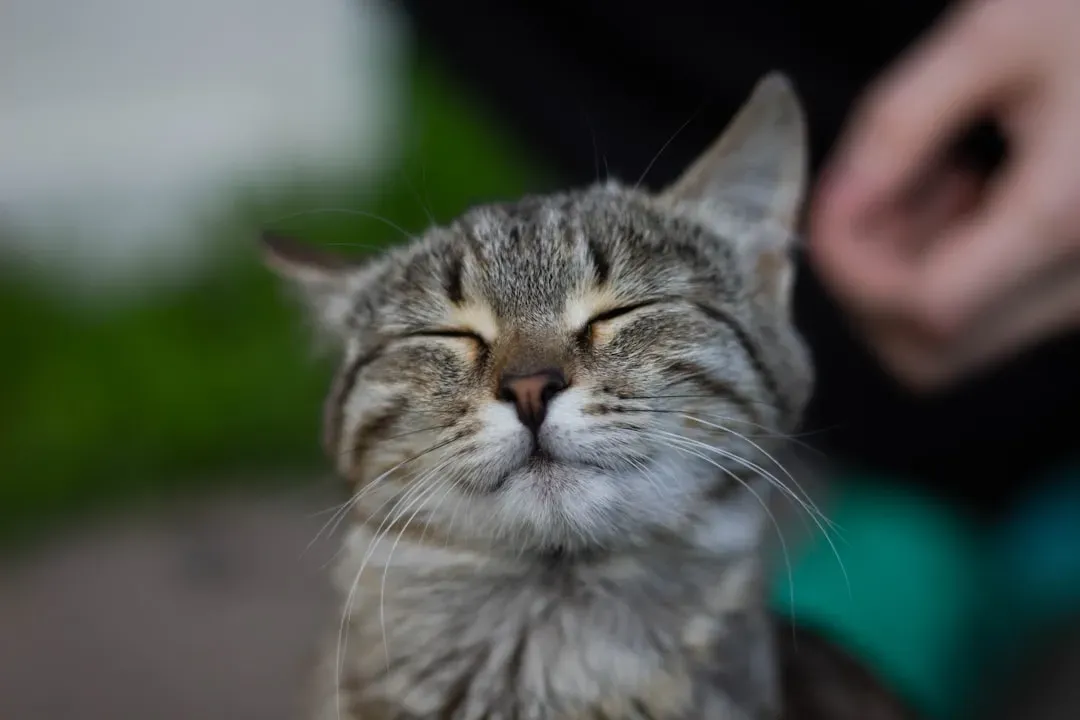
Before you can truly understand what a purr means, it helps to understand how it’s made. Your cat produces purring through coordinated contractions of muscles in their larynx and diaphragm, creating vibrations that resonate throughout their entire chest region at specific low frequencies. Think of it like a tiny engine idling inside your cat’s chest – steady, consistent, and surprisingly complex for something that sounds so effortless.
Unlike other cat vocalizations, purring occurs during both inhalation and exhalation, creating that continuous, rhythmic sound we know so well. Domestic cats possess special pads embedded within their vocal cords, which add an extra layer of fatty tissue that allows them to vibrate at low frequencies. What’s wild is that these cats are small animals – yet they produce sounds typically associated with much larger creatures.
Domestic cats are small, with most weighing around 4.5 kilograms, and researchers puzzled over how these animals manage to generate the low-frequency vocalizations typically between 20 and 30 hertz involved in purring. Such frequencies are usually only observed in much larger animals, such as elephants, which have far longer vocal cords. Honestly, it’s a bit like hearing a massive, rumbling bass guitar come out of something that fits comfortably in your lap.
It’s Not Always Happiness: The Many Emotional Triggers Behind Purring
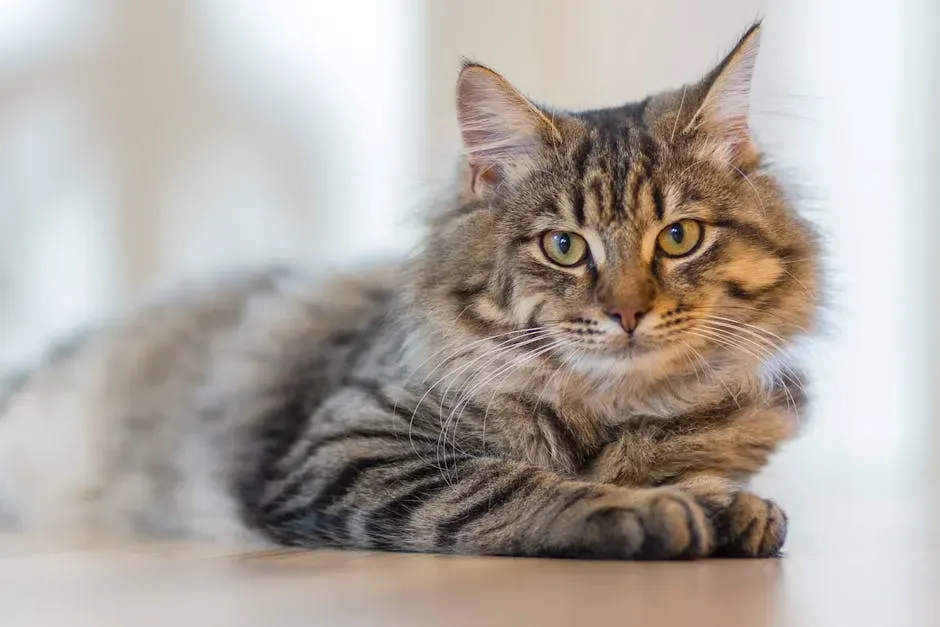
Many people assume that purring only means a cat is happy, but cats actually purr for various reasons beyond just contentment. In reality, purring is a much more complicated form of communication than most realize. If you’ve ever heard your cat purring during a stressful vet visit, you’ve witnessed this firsthand – and you may have wondered if something was wrong. Spoiler: it can actually mean your cat is trying to cope.
Some cats purr when they are anxious. They may walk around the house alternating between purring and meowing. This may be a coping mechanism to help reduce their anxiety. The biggest myth about cats is that a purr equals a smile. In reality, a purr is more like a human laugh – we laugh when we are happy, but we also laugh nervously when we are uncomfortable or trying to diffuse tension. That comparison is surprisingly spot-on, and it reframes everything.
The Solicitation Purr: When Your Cat Is Basically Manipulating You
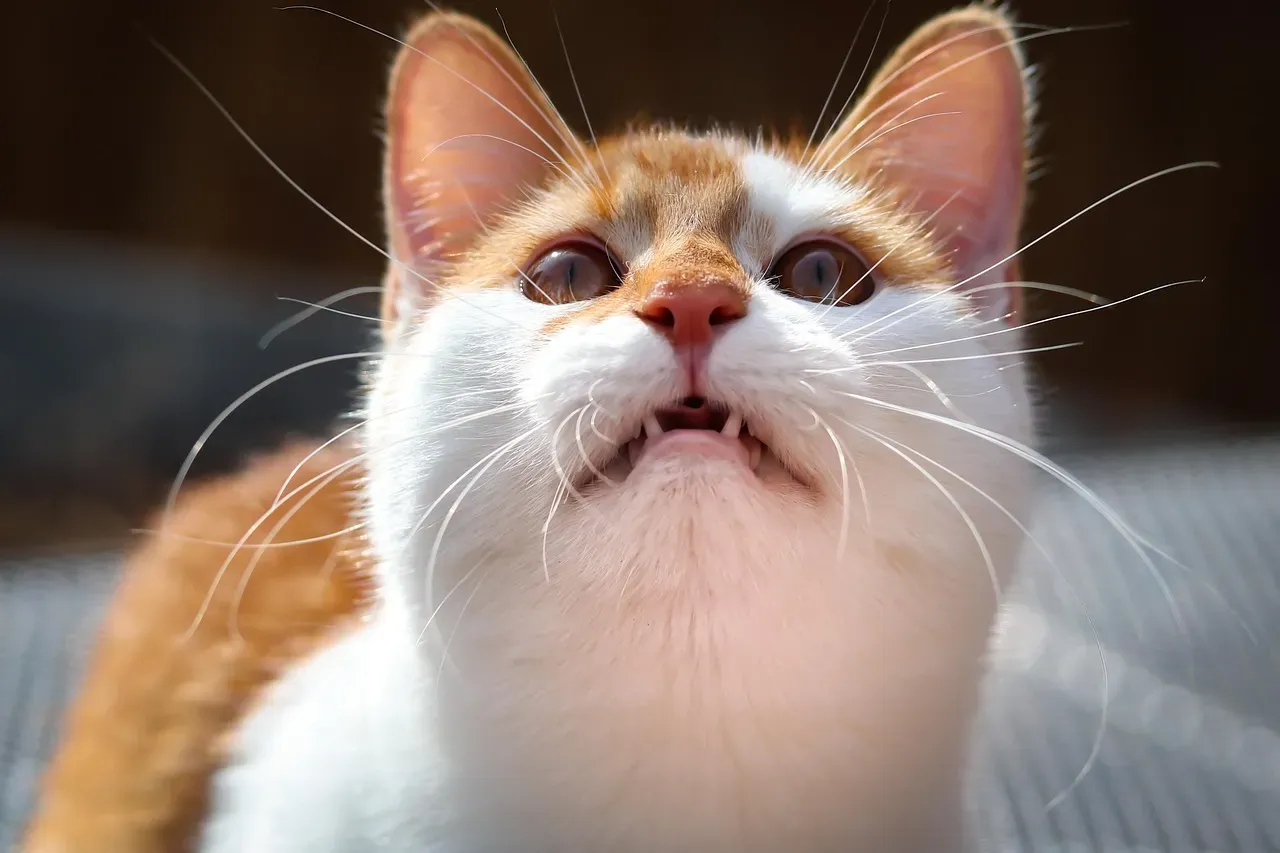
Let’s be real – if you have a cat, you have almost certainly been played. A “solicitation purr” is a specific type that includes a high-frequency element, similar to a baby’s cry, designed to grab the attention of people and elicit a response, such as feeding. It’s a masterclass in psychological manipulation, disguised as an adorable sound.
With these solicited purrs, domestic cats are effectively tapping into our own nurturing instincts to give them attention. Their cries of “feed me” are hidden in what may sound like a pleasant purr. Researchers believe that cats have learned to merge their purr’s natural sound with a cry at a frequency similar to a baby’s, making it hard for humans to ignore. So the next time you drag yourself out of bed at 5 a.m. to fill the food bowl, know that your cat planned this beautifully.
Purring as Self-Healing: Your Cat’s Built-In Therapy
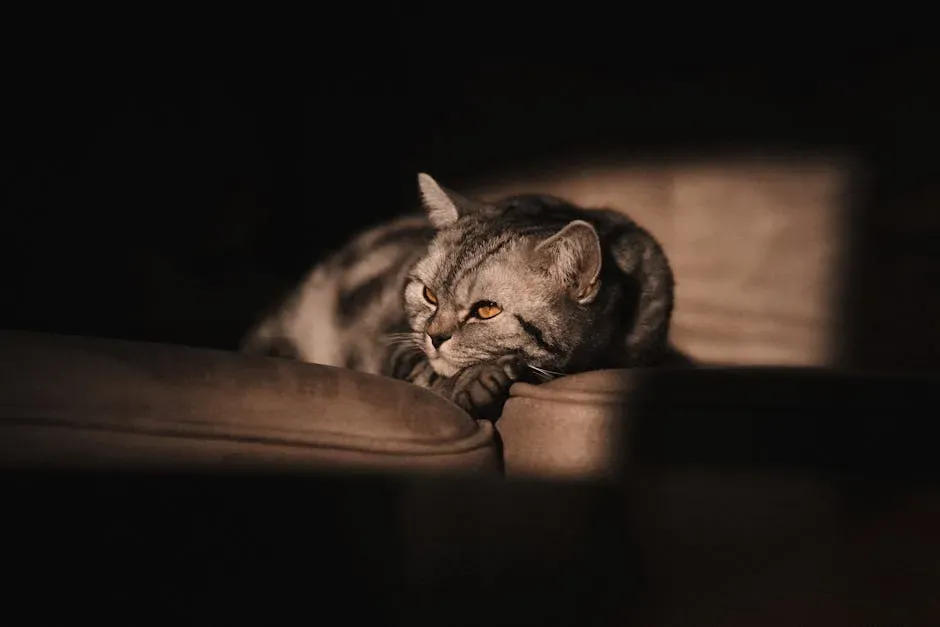
Here’s where things get genuinely surprising. The vibrations produced during purring occur at a frequency of 25 to 150 Hertz, which has been shown to promote healing and tissue regeneration and is known to positively affect bone density and tendon and muscle repair. That’s not mystical thinking – that’s measurable biology.
While cats purr when they’re feeling content, they sometimes do so as well when they’re not feeling so well or in pain. Cats’ gentle purrs may have the ability to help expedite the healing of burns and broken bones, and they may also provide a bit of pain relief. The act of purring can be self-soothing for cats, much the way people feeling anxious hum or sing to themselves. Think of it as your cat’s internal wellness practice – a built-in frequency generator running maintenance on the body.
Mother and Kitten Purring: The First Language of Life
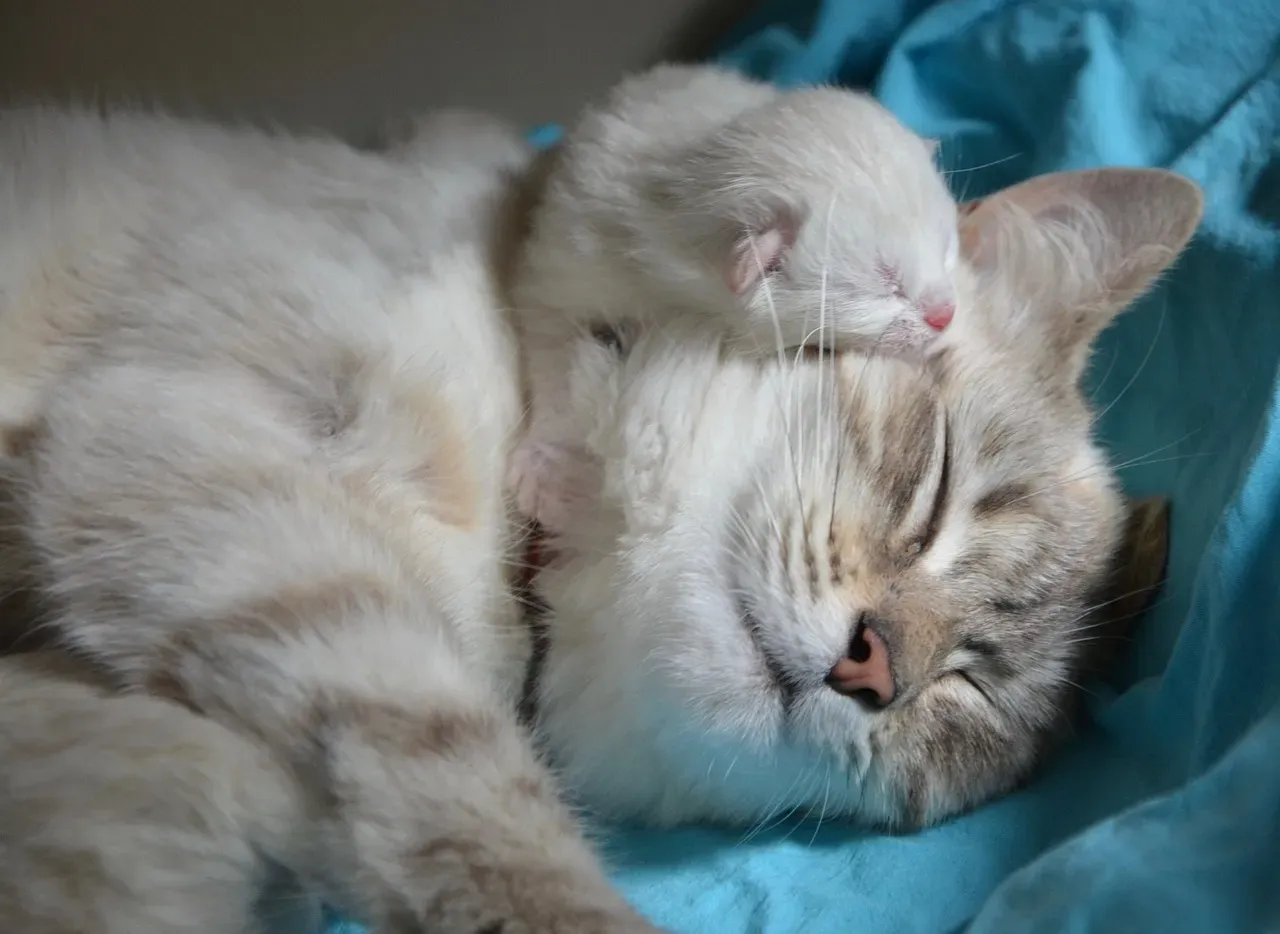
The purr begins remarkably early in a cat’s life. Kittens can purr as young as 2 days of age. They purr when they are nursing from their mother and only stop long enough to swallow. It’s one of the first forms of connection a kitten has with the world – before their eyes even open, before they can truly hear, before any of that.
Purring plays a crucial role in the early stages of a cat’s life. Kittens are born blind and deaf, so they rely heavily on their sense of touch and smell. Mother cats use soft vibrations to communicate with their kittens, signaling that it’s safe to come closer and nurse. Kittens, in turn, purr back to their mothers, creating a mutual sense of comfort and security. It’s a two-way vibration dialogue, and it’s deeply moving when you think about it.
Your Cat’s Purr as a Unique Vocal Fingerprint
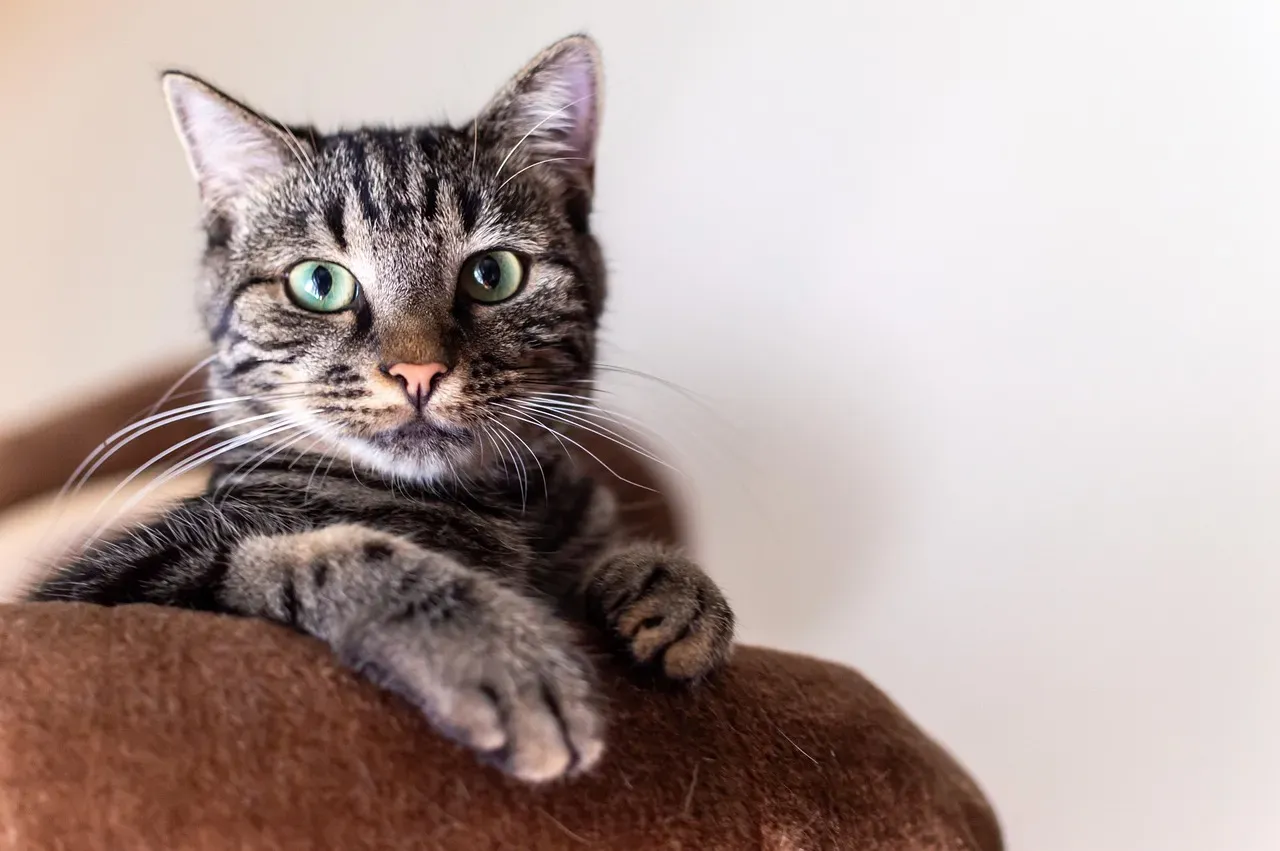
One of the most exciting recent discoveries is that your cat’s purr is uniquely their own. Scientists discovered that purrs are stable and uniquely identifiable, while meows change dramatically depending on context. The purr stays constant, making it a reliable marker of individual identity – a cat’s purr acts like a vocal fingerprint. It’s a surprisingly poetic idea: buried inside that everyday rumble is something irreplaceable and distinctly theirs.
In a formal study, researchers analyzed 276 meows from 14 cats and 557 purrs from 21 cats. Both call types carried sufficient individual information, but purrs had significantly higher classification accuracy and encoded more information content than meows. While meows evolved to flex and adapt in human homes, purring appears to preserve individuality, carrying subtle biological signatures that remain consistent across a cat’s life. In other words, when your cat purrs, they’re whispering their identity directly to you.
Reading the Full Picture: Body Language Is Everything
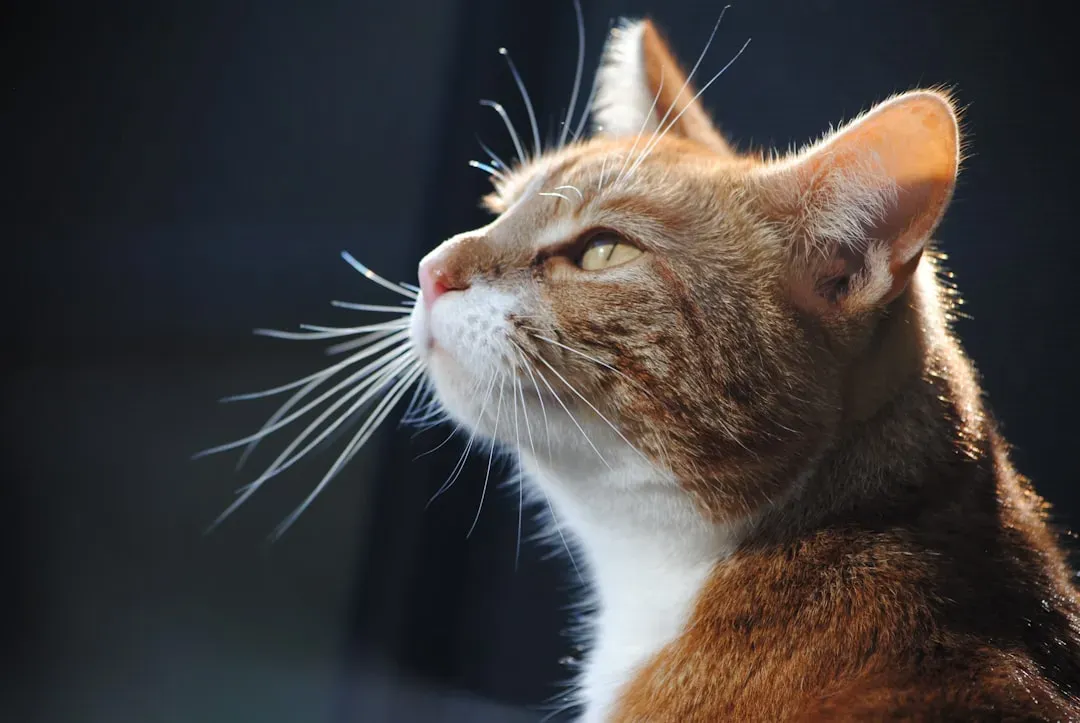
Here’s the thing that many cat owners miss. The purr alone tells you only part of the story. A purr alone doesn’t tell the whole story. To truly understand what your cat is communicating, you need to consider the complete picture – including body language, environment, and timing. It’s like trying to understand a sentence by only reading one word.
When your cat is genuinely content, you’ll notice they display open and relaxed body language: their muscles appear soft, their eyes may be partially closed or blinking slowly at you, their ears face forward, and their tail might sway slowly from side to side or stand upright in a friendly gesture. If the cat is crouched down with their ears pulled slightly to the side while purring, they may not be feeling well. Context is king, always – and learning to read both the purr and the body together is the real skill here.
The Healing Power of Your Cat’s Purr on You
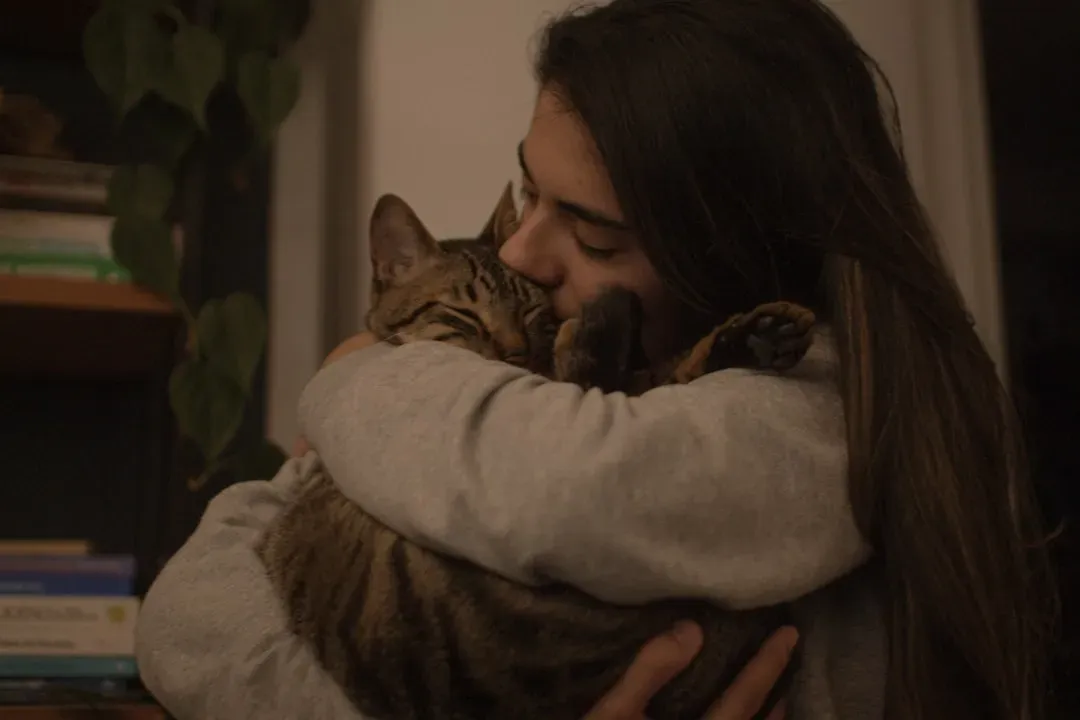
It would be incomplete to talk about a cat’s purr without addressing what it does to the humans around it. Cat purring stimulates the production of endorphins, which are natural chemicals that promote feelings of happiness and well-being. When a person interacts with a purring cat, their body releases serotonin, a neurotransmitter associated with mood regulation. This physiological response can help lower cortisol levels, the primary hormone associated with stress. That warm, melting feeling when your cat settles on your lap and starts to rumble? It’s biochemistry – not just imagination.
Beyond the biochemical effects, the simple act of petting a cat while it purrs can provide a form of mindfulness. Focusing on the rhythmic sound and feeling of a cat’s purr can redirect attention away from stressors and create a sense of present-moment awareness, similar to meditation or deep breathing exercises. For those suffering from insomnia or sleep disturbances, the purr can act as a natural lullaby. The consistency and frequency of a cat’s purr are like white noise machines used to aid sleep. I think there’s something deeply human about finding solace in an animal’s instinctual sound – it reminds us we’re not as separate from nature as we sometimes pretend to be.
Conclusion: A Language Worth Learning
Your cat’s purr is not background noise. It’s not just a signal that dinner is appreciated or that your lap is comfortable enough. It’s a layered, nuanced, scientifically remarkable form of communication that spans healing, identity, emotion, manipulation, and deep social bonding. The more you pay attention – really pay attention – the more you realize your cat has been speaking to you all along.
The purr is ancient, pre-dating your cat’s life with you by millions of years of evolution. It began between mothers and blind newborn kittens in the dark. It became a tool of comfort, of deception, of healing. And now it hums quietly in your living room every evening, carrying all of that history in its frequency. Honestly, that’s worth a moment of wonder.
So next time your cat curls up and starts to purr, don’t just smile and move on. Listen a little closer. What do you think your cat is really trying to tell you?
Kristina is a young writer from India. An arts graduate and an avid content creator, Kristina is passionate about animals and wildlife. She enjoys exploring topics related to pet care, animal behavior, conservation, and nature, combining thorough research with engaging storytelling.