Why Do Cats Knead? It's More Than Just a Comforting Gesture
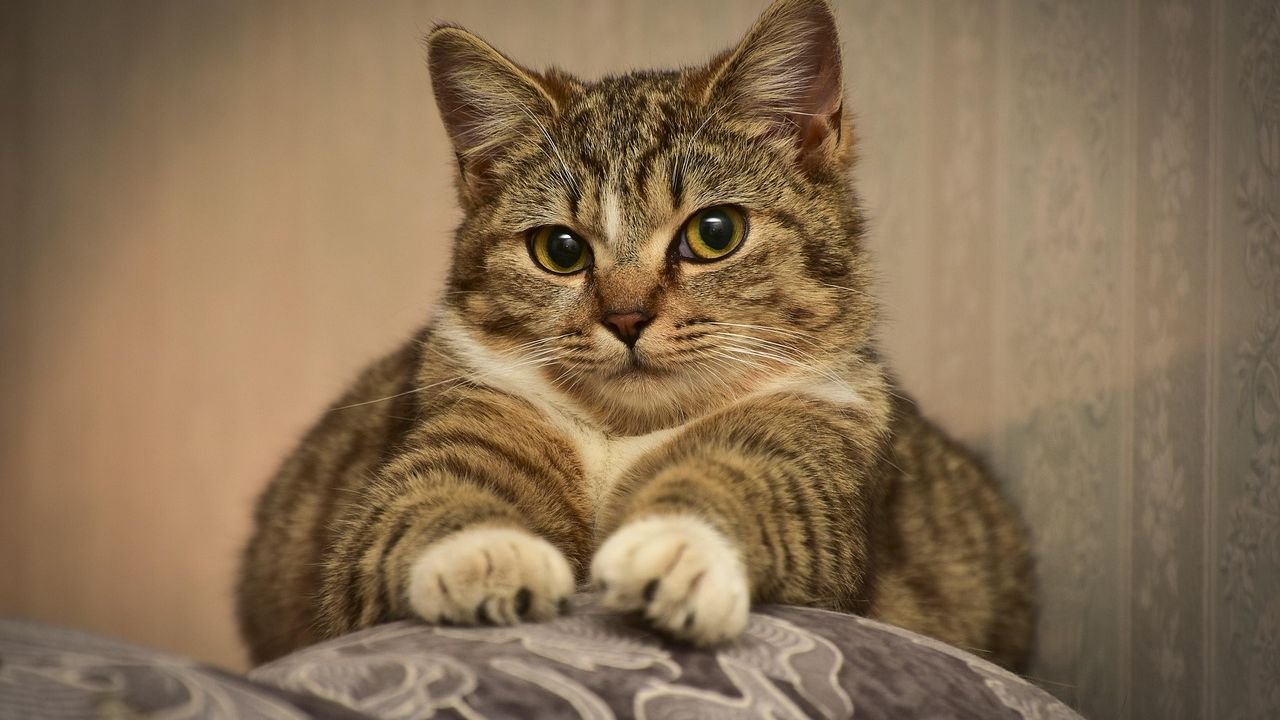
You've seen it a hundred times. Your cat climbs onto your lap, circles once, then starts rhythmically pressing their paws into you like a tiny, furry baker preparing dough. It's adorable, sure. Sometimes a little painful too, if those claws come out. But have you ever stopped to wonder what is actually going on inside your cat's head when they do that?
The truth is, cat kneading is one of the most layered, fascinating, and genuinely misunderstood behaviors in the feline world. It bridges ancient instinct, emotional bonding, brain chemistry, and even territory marking, all wrapped up in one endearing, repetitive motion. There's a lot more going on beneath the surface than you might expect. So let's get into it.
What Exactly Is Kneading, and How Does It Work?
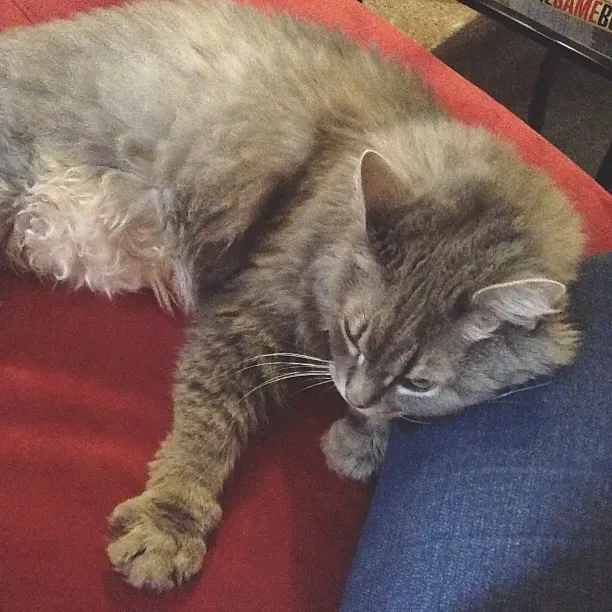
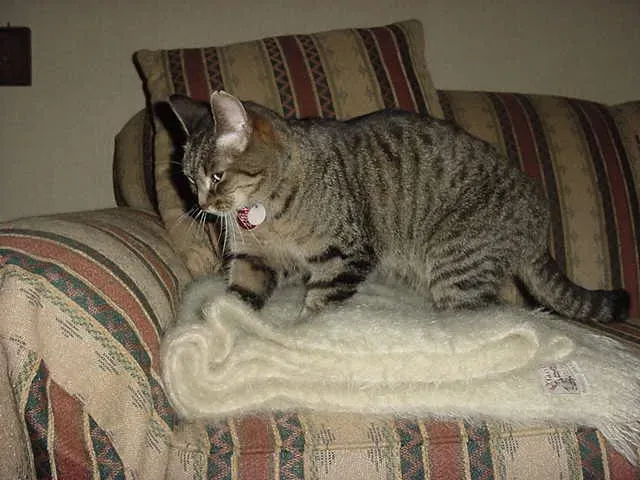
Kneading, often referred to as "making biscuits," is one of the behaviors domestic cats are best known for. It is an instinctual behavior where your cat alternates pushing their paws into a soft surface, such as a blanket, several times in a row, similar to how a person would knead dough. Think of it as your cat doing a slow, meditative push-up routine, except way cuter and with a purr soundtrack.
Each stroke is accompanied by a grasping motion of the claws as if your cat were kneading dough. Your cat exerts firm downward pressure with their paw, opening their toes to expose their claws, then closes their claws as they lift the paw. The process takes place with alternate paws at intervals of one to two seconds. Though cats will sit happily on a hard surface, they will only knead a soft or pliant surface, which tells you something interesting about how hardwired and texture-specific this behavior actually is.
It All Starts in Kittenhood: The Nursing Connection
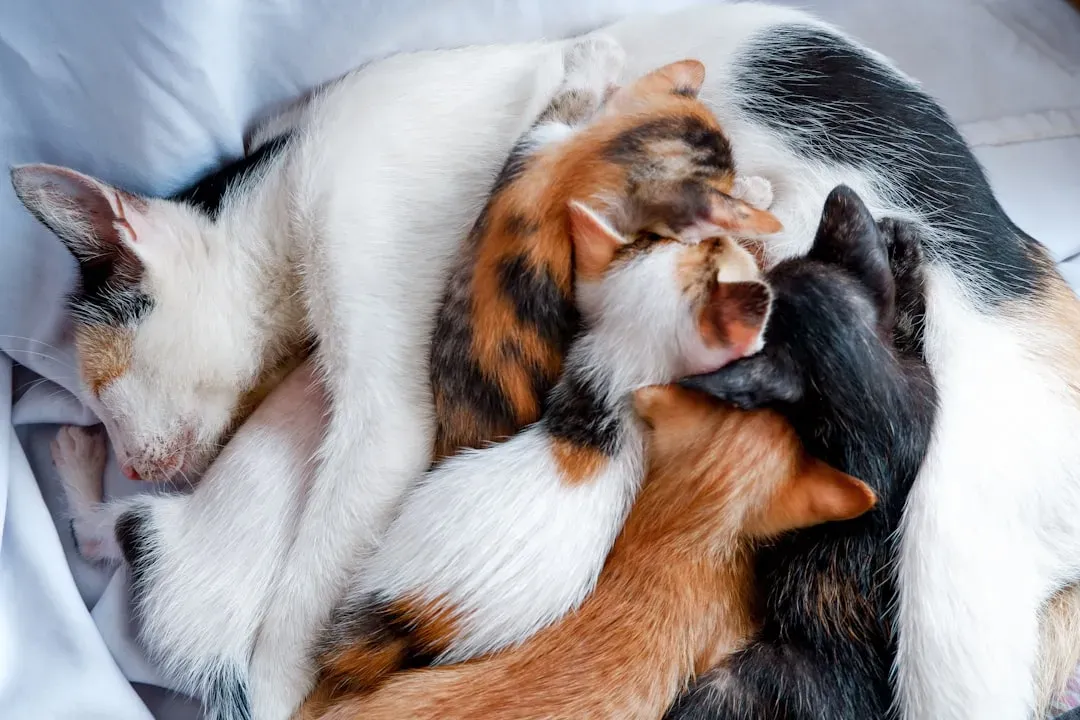
Kittens use a kneading action to stimulate milk production from their mother cat when nursing. Because nursing and being around a mother cat's calming pheromones encourages a sense of contentment in young kittens, many cats will continue to knead into adulthood to create a similar sense of calm and relaxation. It's honestly one of the sweetest things when you think about it. Your adult cat kneading on your lap is essentially reaching back to one of the earliest comfort memories of their life.
Kneading begins in kittens as an instinctual behavior that is associated with feeding; it's not something cats ever have to learn. The way the behavior starts is that they knead the mother's mammary glands to actually suck the milk. The kitten's kneading also stimulates milk flow and may release oxytocin, a social bonding hormone, in the mother. So right from day one, kneading is wrapped up in warmth, nourishment, and love. No wonder it sticks around.
The Brain Chemistry Behind the Behavior
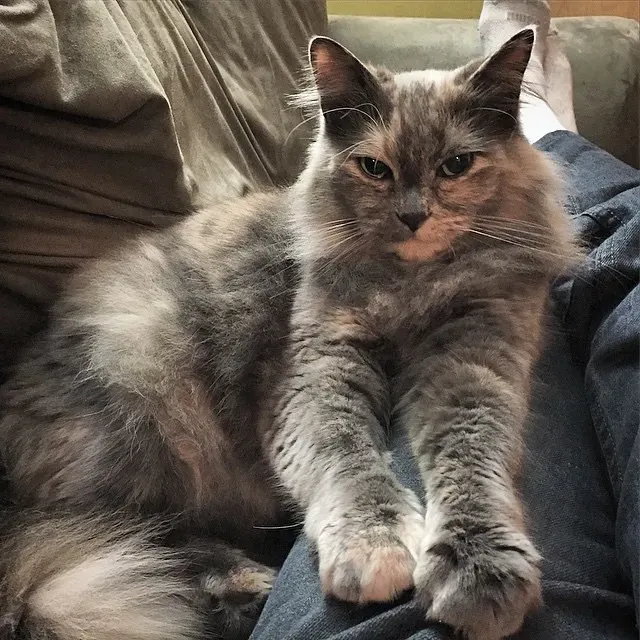
The action of kneading in cats causes the release of the pain-relieving, feel-good chemical dopamine in the brain. As such, increased or excessive kneading can be a sign that your cat is uncomfortable or anxious, and their kneading could be an attempt to soothe themselves. It's almost like how some people tap their foot or bite their nails when stressed. The motion itself becomes a neurological comfort loop.
Kneading helps cats release endorphins, which promote feelings of relaxation and well-being, making it a self-soothing behavior that brings them relaxation and security. Cats knead because domestication preserved a neonatal nursing reflex into adulthood through neoteny. Kneading activates an oxytocin-endorphin reward loop originally tied to the mother-kitten bond. Honestly, that reward loop sounds like something humans could use too.
Kneading as Territory Marking: Yes, Your Cat Is Claiming You
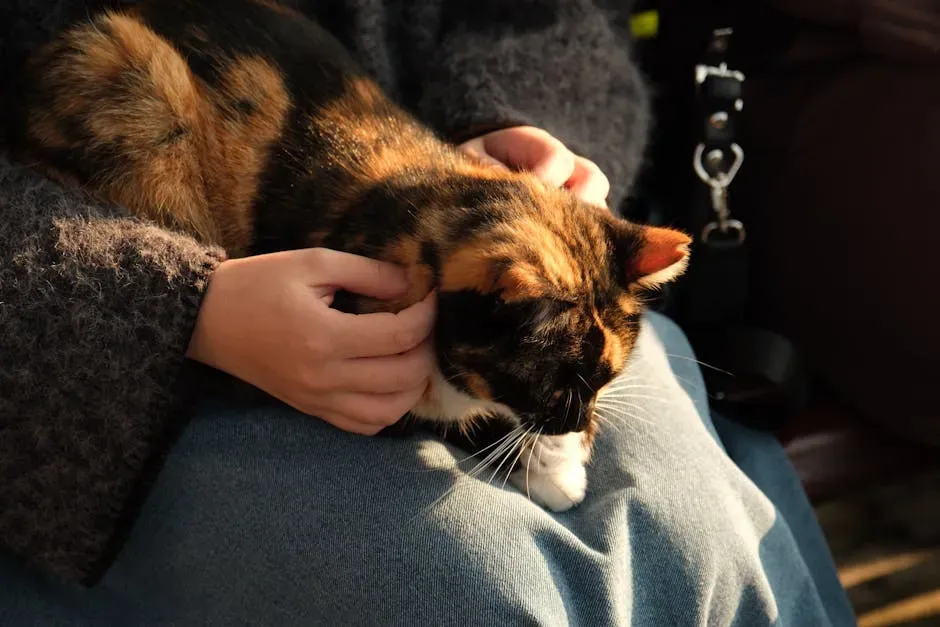
According to different hypotheses, cats use kneading to mark their territory and communicate through scent signals. Cats have scent glands located in the smooth pads of their paws, and by kneading, they release pheromones onto the surface they're pressing against. These pheromones function as an aroma marker, letting other cats know that the area is claimed and helping create a sense of familiarity and security for the kneading cat.
A possible answer to why cats knead is that they are trying to mark their territory, because there are scent glands that release pheromones in their paws. By pushing their paws in and out, they activate these scent glands, so they could be doing this on your lap to mark you as their own and warn other cats to back off. Let's be real, being claimed by your cat is kind of an honor. You're basically being stamped with an invisible "property of fluffy" label.
The Wild Ancestry Theory: Nest-Building in Your Living Room
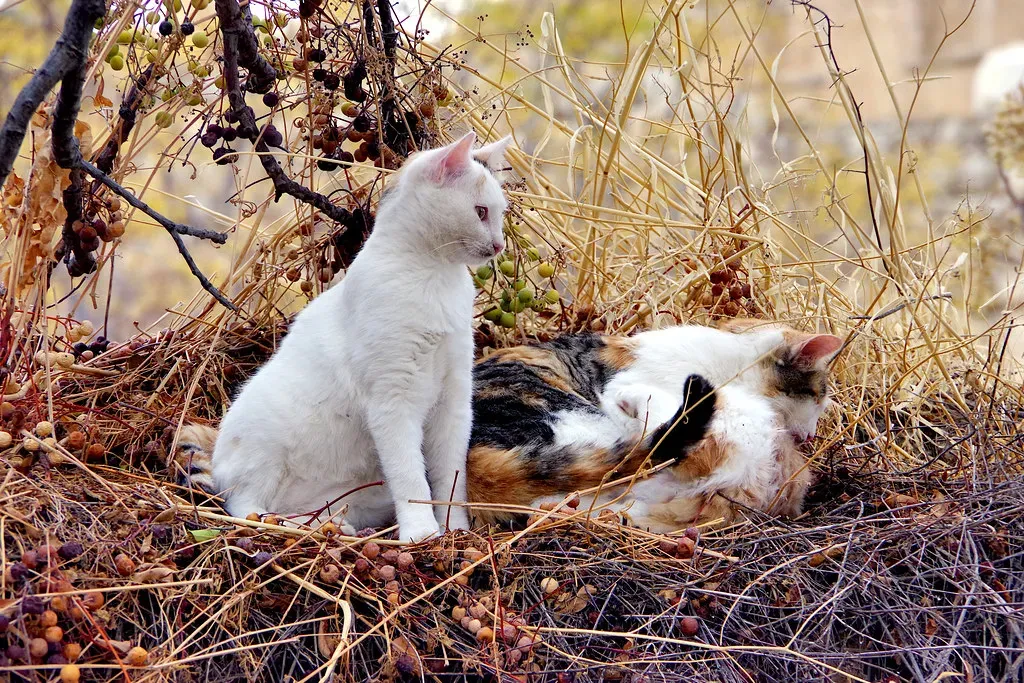
To understand the history of cat kneading, you must first consider the wild forebears of domestic felines. In the wild, cats would create nests or sleeping areas by patting down foliage or grass. These recurring movements helped to soften the ground, making it more comfortable for resting or giving birth. Over time, this behavior became ingrained in their instincts, even in the absence of such practical needs.
Before cats were domesticated, their wild ancestors would knead or press down on tall grass or leaves to create a safe, comfortable nest for sleeping or giving birth. This behavior can still be seen in modern-day cats, especially before they settle down for a nap. Even though cats now sleep on comfy pillows and beds, the instinct to "prepare" a resting spot remains. Think of it like making your bed before sleeping. Your cat just does it with their whole body and a lot more enthusiasm.
Kneading as a Love Language: What Your Cat Is Telling You
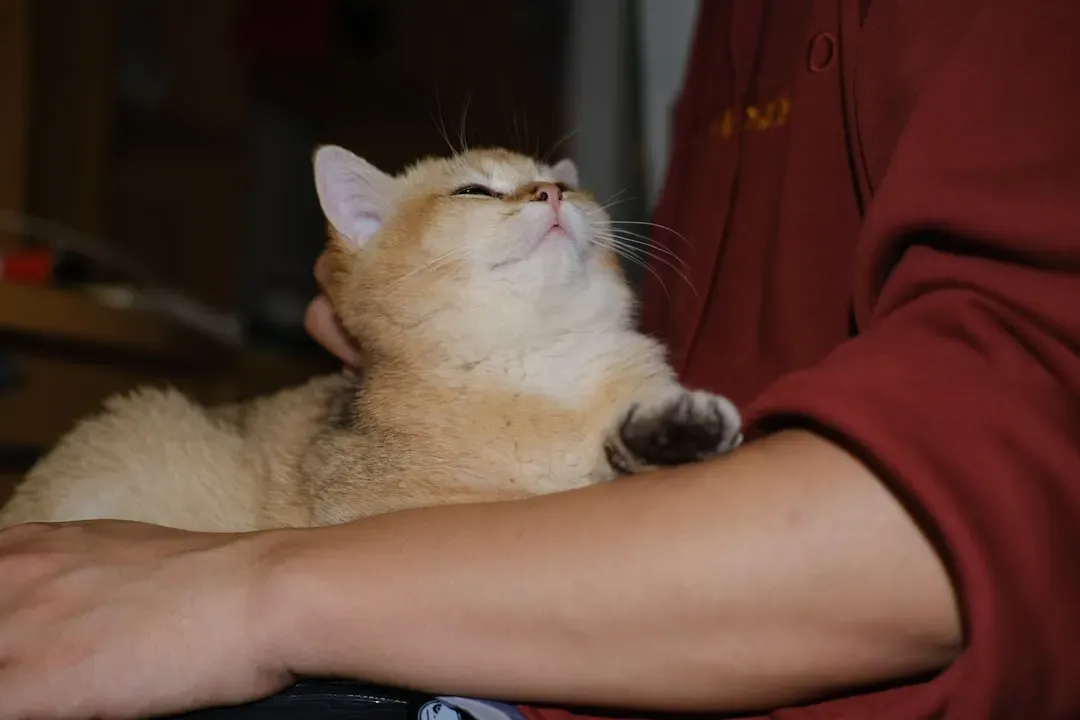
When a cat kneads their owner, it can be a sign of trust and affection. This behavior demonstrates that the cat feels safe and comfortable in the presence of their human companion. Kneading may also be a form of communication between owner and feline: because of the action's maternal connection, the behavior may be a communication of affection towards the cat's human companion. So when those little paws start working, take it as a genuine compliment.
In the same way as feeding from their mother made kittens feel safe, secure, and happy, continuing this behavior as an adult may well cause a release of feel-good neurotransmitters that create the same feeling. Your cat may well feel the same safety and security around you as they did with their mother, and so that instinct is triggered as a kind of love language. I think that's one of the most touching things about living with a cat. You become their mother figure and safe space all at once.
Neoteny: Why Your Adult Cat Still Acts Like a Kitten
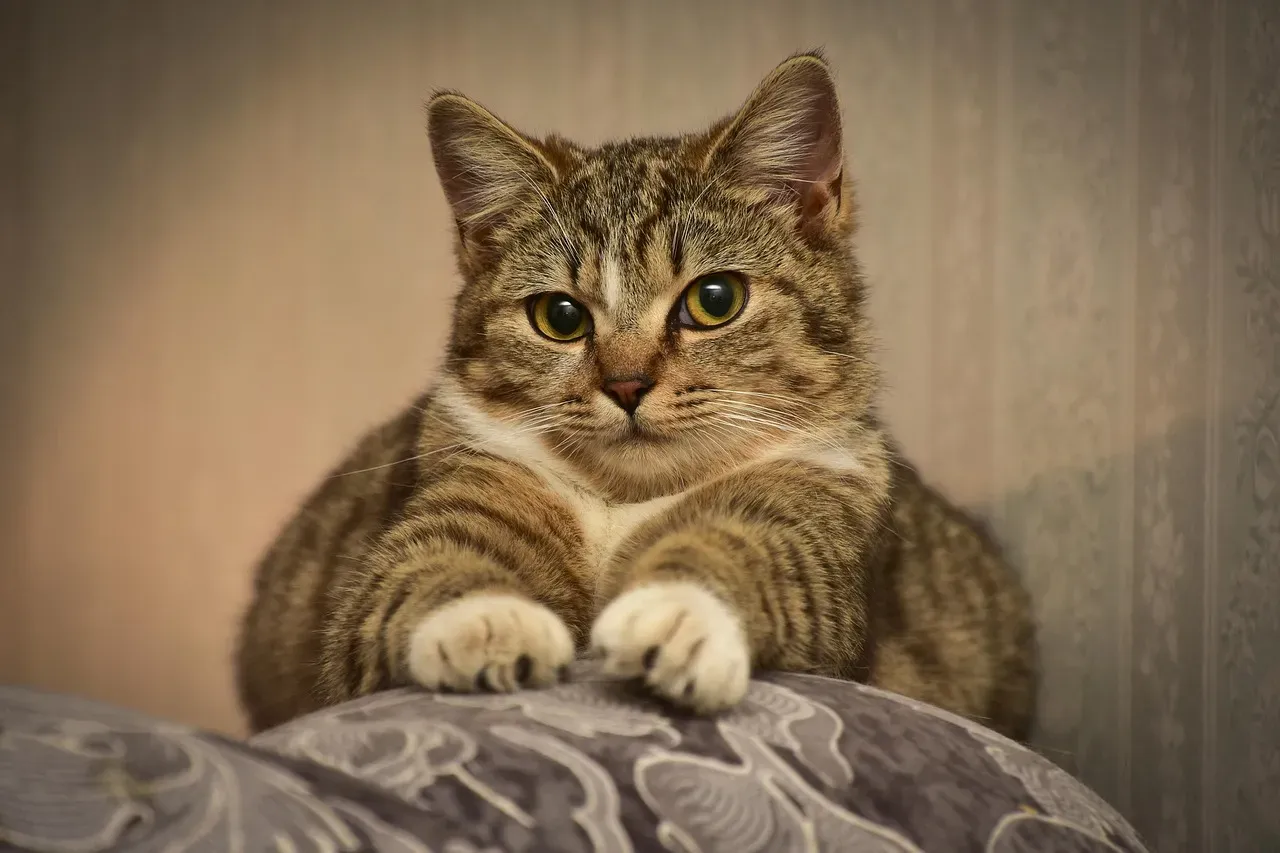
Adult cats sometimes keep the behavior long after they have fully developed. It's not unusual for domesticated animals to retain juvenile traits into adulthood, a phenomenon called neoteny that also explains, for example, why dogs look and act more like wolf cubs than adult wolves. Your cat is essentially frozen in a state of perpetual kittenhood, at least emotionally. And honestly, you probably helped make that happen.
Free-living domestic cats that aren't socialized toward humans don't tend to perform these behaviors when they leave the nest. To them, those behaviors are something they mostly only do when they're around their littermates and their mother, not as independent adult cats. Domestic cats, however, take these social behaviors into adulthood because they are in very social situations throughout their whole lifetime. In other words, the loving home environment you have provided is literally the reason your cat still "makes biscuits" as an adult. You shaped their behavior more than you probably knew.
When Kneading Becomes a Concern and What You Can Do
If your cat kneads excessively or suddenly kneads less than usual, it could mean that they don't feel well. Because kneading is a comforting action, cats who feel stressed or are experiencing pain may knead to soothe themselves. If you notice a significant change in your feline friend's behavior, schedule a visit with your veterinarian to rule out a medical or behavioral problem. It is a good rule of thumb to pay attention to patterns, because your cat is communicating even when they seem to just be zoning out on your lap.
When kneading becomes a problem, you should never yell at or punish your cat. Remember that kneading is a natural behavior, and your cat needs an acceptable outlet to express their instincts. Rather than preventing your cat from kneading, you can redirect their behavior to an appropriate location. Choose a thick, plush blanket and designate it as your cat's kneading surface. Kneading also gives cats a chance to stretch their muscles and maintain agility. The rhythmic movement engages their shoulder, leg, and back muscles, encouraging good circulation and easing any stiffness. So really, even the most vigorous kneading sessions have a physical benefit for your cat.
Conclusion: More Than Just a Cute Quirk
Kneading is one of those behaviors that looks simple on the outside but contains multitudes. It is ancient instinct meeting modern domesticity. It is neuroscience, history, emotion, and territory all rolled into one rhythmic, paw-pressing moment. The next time your cat settles onto your lap and starts their little baking session, you now know you're witnessing something genuinely layered and meaningful.
Feline experts agree that kneading is completely normal. Allowing your cat to express their instinctual behaviors in a healthy and non-destructive way can help keep them happy and content. Your cat is not just kneading a blanket or your lap out of habit. They are reaching back to their earliest sense of safety, claiming you as their own, releasing feel-good chemicals, and telling you, in the only language they know, that they trust you completely.
Keep a soft blanket nearby, trim those claws regularly, and let the biscuit-making continue. Few things in the world are as sincere as a cat that feels safe enough to knead. Did you realize just how much was packed into that one tiny gesture?