Most people won’t say it out loud, but losing a cat you raised from a tiny, palm-sized kitten is a grief unlike almost anything else. It isn’t just the absence of a pet – it’s the collapse of a daily language, a living routine, a relationship built on thousands of small, unrepeatable moments. And yet, when you try to explain that to your coworkers or your family, you’re often met with something that sounds uncomfortably close to: “It was just a cat.” Those four words can undo a person. Research tells a very different story – a 2024 study published in Qeios comparing grief in pet versus family loss among 200 participants found no significant differences in pain severity. That’s not weakness. That’s what real love costs.
What follows isn’t a checklist of clichés or a clinical breakdown of the grieving process. It’s the honest, specific, sometimes gut-punch truth of what happens when you lose the animal you raised from a helpless ball of fur into the creature who became the heartbeat of your home. Some of this will hit close. Some of it will hit harder than you expected. But every single thing on this list is real – and you deserve to know that what you’re feeling has a name.
#1 The Grief Hits You Like Losing a Family Member – Because It Is
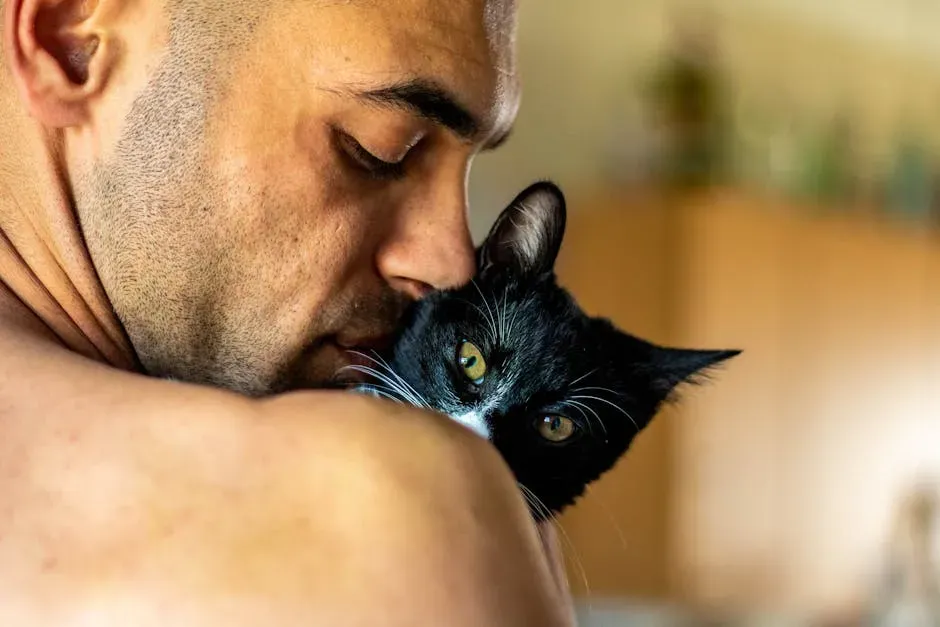
The single biggest thing non-cat people will never understand is that this isn’t an overreaction. It is a biologically real, deeply human form of loss – and the research backs that up completely. Studies comparing pet bereavement to human bereavement have found that losing a pet can be just as devastating as losing a person, depending entirely on the nature of the bond. When you raised this animal from a kitten – when you were there for the wobbly first steps, the 2 a.m. feedings, the slow unfolding of a whole personality – that bond isn’t casual. By every psychological definition, it is an attachment relationship. And severed attachment hurts in ways that don’t need anyone’s permission to be valid.
The reason it cuts so deep when you raised them from kittenhood specifically is that you were there for every single chapter of their life. You weren’t just their owner – you were their entire world. You are the whole story. And when they go, so does a version of yourself that only ever existed in their presence. That is not a small thing. That is enormous. Grief counselors who specialize in pet loss have noted again and again that the people who struggle most are often those who feel they “shouldn’t” be struggling – because they’ve been told by everyone around them that this grief doesn’t count. It does. It always did.
Fast Facts
- A 2024 study found no significant difference in pain severity between grief over a pet and grief over a family member.
- A 2026 PLOS One study found that people who experienced pet loss were 27% more likely to meet criteria for prolonged grief disorder than those who had not.
- The DSM-5 grief disorder symptom structure has been confirmed to apply equally to owners of deceased pets.
- Researchers describe the human-animal bond as a genuine attachment relationship – the same framework used to describe bonds between parents and children.
#2 Silence Becomes the Loudest Thing in Your House
One of the first things that ambushes you – and nobody warns you about – is the silence. Not the peaceful kind. The deafening, wrong, hollow silence that fills a space where a living creature used to exist. It arrives immediately, and it is one of the most disorienting parts of early grief. We rarely register how much noise a cat makes until it stops – the padding of small feet on hardwood floors, the rattle of a food dish, the low, chest-deep vibration of a purr settling in beside you at night. These were the soundtrack of your life for years, maybe decades. You didn’t notice them until they were gone.
Research into pet loss has documented a phenomenon that many owners experience: false recognitions – hearing the pet’s sounds, sensing their presence – that can persist for up to 24 months after the loss. Two full years of your brain playing back a soundtrack it hasn’t yet been told to stop. The silence itself becomes something you mourn. And it tends to arrive hardest in the most ordinary moments – when you walk in the front door and wait, just for a second, for the sound that isn’t coming anymore. That specific, quiet devastation is something only people who have been through it truly understand.
#3 You’ll Keep Hearing Them When They’re Gone
Following right behind that silence comes something that will genuinely make you question your own mind: you will keep hearing your cat when they are no longer there. A meow from the next room. A weight settling at the foot of the bed in the middle of the night. A flicker of movement at the edge of your vision – and for one heart-stopping half-second, you are absolutely certain they just walked past the doorway. This is not grief-induced delusion. It is a documented neurological phenomenon, and it happens to the vast majority of people who lose a deeply bonded pet.
Your brain spent years – sometimes over a decade – processing that cat as a constant, living presence in your environment. It catalogued their sounds, their movement patterns, their weight and warmth. It does not simply delete that programming the morning after you lose them. These phantom moments are, in their own strange and painful way, proof of how completely they were woven into the fabric of your daily life. Many owners report that these experiences eventually shift from being distressing to being oddly comforting – a brief, ghostly visit from someone the brain refuses to fully let go. You are not losing your mind. You are just someone who loved them enough for it to leave a mark.
“My husband and I keep hearing the bell on her collar, the scratching in her litter box. The only way I could think to describe it was as a phantom limb. The grief is immense.”
Pet owner, reflecting on 17 years with their cat
[article_quiz]
#4 Your Daily Routine Will Feel Completely Broken
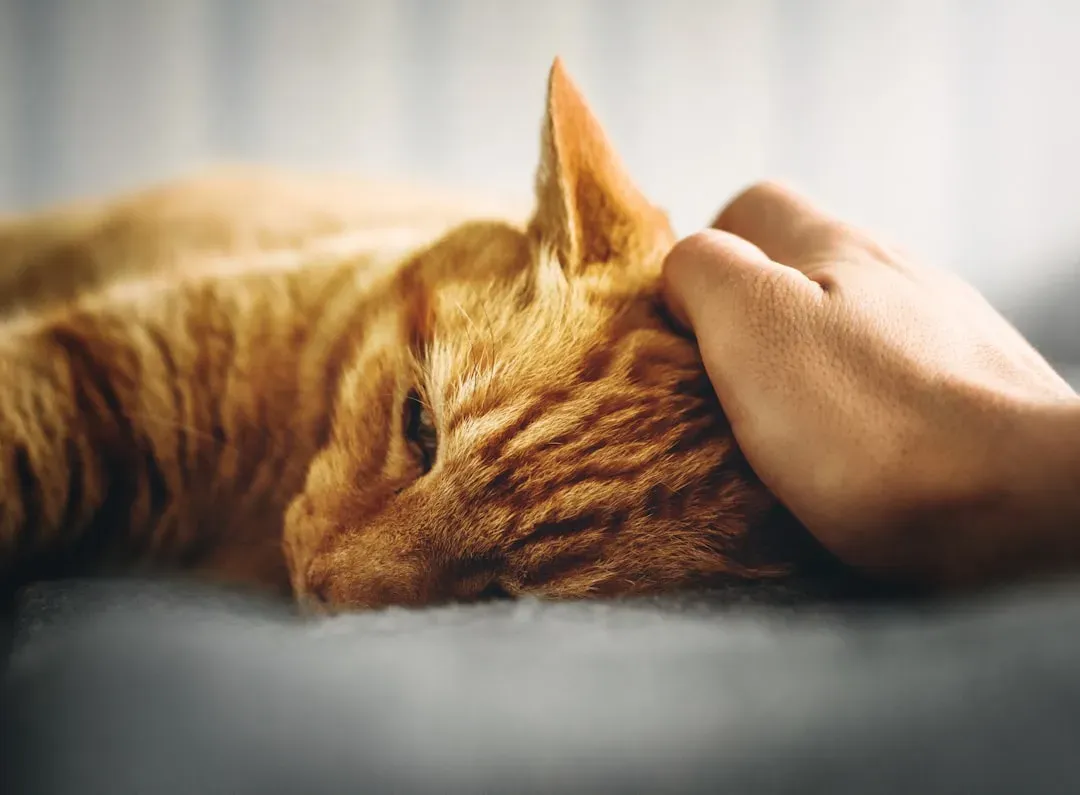
Here is something that blindsides even the most emotionally prepared cat owners: it isn’t only the emotional grief that undoes you – it’s the logistics of grief. Your entire day was quietly built around another living creature, and you probably didn’t realize how true that was until every single touchpoint of that routine suddenly pointed at nothing. The alarm you set for feeding time. The careful way you moved through the dark so you wouldn’t step on them. The instinct to check on them before you left the house. Coming home in a hurry because you didn’t want them to be alone too long.
When the cat is gone, those reflexes don’t vanish overnight. You will reach for the treat bag. You will glance at the empty bowl. You will move carefully around a spot on the floor where nothing is sleeping anymore. Grief researchers describe this as a disruption of psychological balance – a loss of the small rituals that quietly gave the day its structure and meaning. Caring for that cat wasn’t just love; it was purpose. It was a reason to get up, come home, stay present. Losing them doesn’t just break your heart. It breaks the shape of an ordinary Tuesday. And that’s a kind of loss that takes a long time to rebuild.
At a Glance: How Pet Loss Disrupts Daily Life
- Physical symptoms can mirror clinical depression – difficulty concentrating, sleep disturbances, and changes in appetite are all documented responses.
- Routine anchors vanish overnight – feeding times, bedtime rituals, and coming-home greetings are all suddenly gone at once.
- The nervous system registers it as a fundamental disruption, not just an emotional one.
- Work performance and focus are frequently affected, especially in the first weeks.
- Grief counselors note that the loss of pet-care purpose and structure is one of the least-discussed but most impactful parts of bereavement.
#5 Someone Will Say “It Was Just a Cat” – And It Will Destroy You
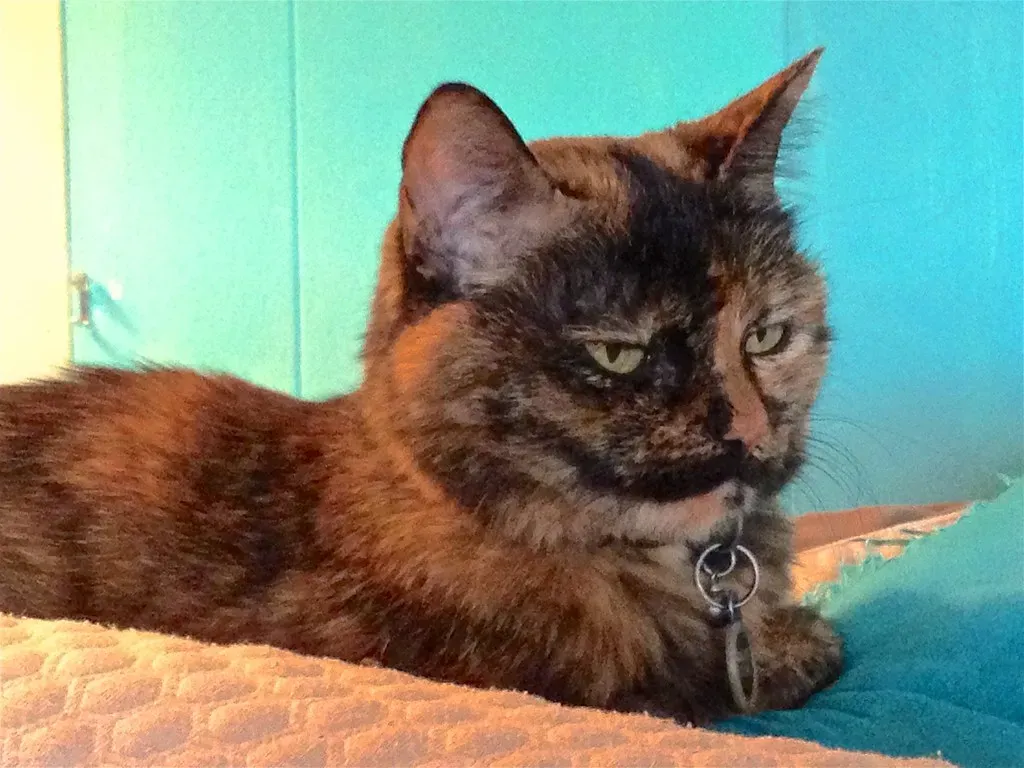
This one is almost universal. No matter how compassionate your circle is, almost every person who loses a cat they raised from kittenhood will eventually hear some version of it. “At least it was just a pet.” “You can always get another one.” “Are you still upset about that?” The words are usually spoken without malice. That almost makes it worse. Because what they’re really saying, without knowing it, is: your grief doesn’t qualify. It doesn’t get a seat at the table. It doesn’t count the way the real losses count.
Pet loss is one of the most widespread forms of disenfranchised grief in the world – grief that society refuses to formally recognize, which means no bereavement leave, no shared ritual, no casseroles on the doorstep, and often not even a single person asking how you’re holding up. And when you feel judged or unsupported in your grief, the research is clear: you are more likely to isolate, to self-censor, and to carry an extra layer of shame on top of an already devastating sadness. The shame piled on top of the grief is sometimes the heavier weight. You are not dramatic. You are not weak. You are a person who loved something completely and lost it – and that is exactly as serious as it sounds.
#6 The Guilt Will Be Relentless

No matter how well you cared for your cat – the vet visits, the premium food, the sleepless nights sitting on the bathroom floor because they weren’t well – the guilt after losing them will come for you hard. Did you take them in soon enough? Did you miss a sign? Should you have made a different choice at the end? These questions don’t wait for an invitation. They circle at 3 a.m. with a particular cruelty. And when you raised a cat from a kitten, the guilt cuts even deeper, because the responsibility always felt total. You brought them into the world, essentially. You were everything to them. How could you have let this happen?
What grief counselors return to again and again is this: guilt, in the context of pet loss, is almost always a distorted expression of love. It is your mind’s way of insisting that you cared so much that every decision mattered enormously – which is true, but which also isn’t the same as saying you failed. The people who feel the most guilt are almost always the people who loved the most fiercely, the people who took their responsibility to that animal with complete seriousness. Guilt is love with nowhere left to go. That doesn’t make the 3 a.m. questions any quieter, but it matters to understand what they actually are.
Worth Knowing: What the Research Says About Guilt and Pet Loss
- Guilt is especially intense for owners who made end-of-life decisions, including euthanasia – a burden unique to pet loss that human bereavement rarely carries.
- Research confirms that stronger attachment predicts stronger guilt – the more deeply you loved them, the harder this hits.
- Grief counselors consistently describe guilt as misdirected love, not evidence of failure.
- Studies show that people with high intrusive rumination after pet loss are at greater risk of prolonged grief – which is why gently redirecting those 3 a.m. thoughts matters.
#7 Grief Will Ambush You in the Most Random Moments

The first wave of grief is expected. Everyone braces for it. It’s the second wave, and the seventh wave, and the one that arrives forty-three days later in the middle of the grocery store – those are the ones nobody prepares you for. You’ll be fine, genuinely fine, and then you’ll turn down the pet food aisle and see their brand sitting on the shelf. Or a patch of afternoon sunlight will fall across the exact spot on the couch where they always slept. Or a song will come on. And suddenly you are not fine at all, and you are standing in a public place trying very hard to hold it together.
Research on pet bereavement documents grief peaks anywhere from two to six months after the loss – with some owners reporting another surge around the one-year mark, as anniversaries and seasonal memories bring everything rushing back. Up to 20% of pet owners still report significant grief symptoms a full year after the death. These ambushes are not a sign that you’re failing to heal. They are simply what grief does when it’s real. It doesn’t follow a schedule. It shows up when the light is right, or the smell is familiar, or the world goes quiet in a particular way – and for a moment, you are right back at the beginning. That is not weakness. That is evidence of a life well-loved.
#8 You Will Grieve the Specific Kitten They Once Were
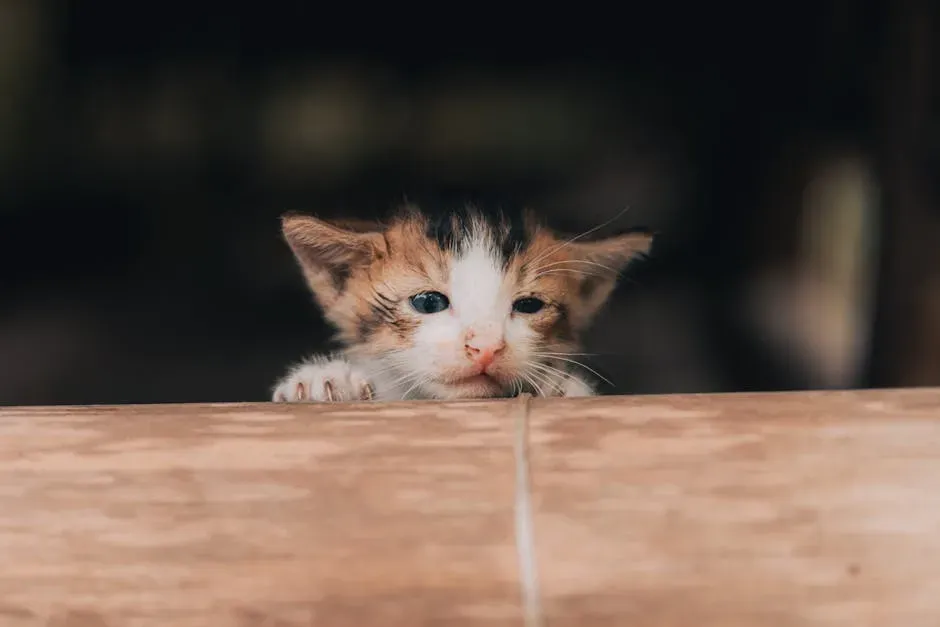
There is a grief within the grief that almost nobody talks about. You don’t just mourn the cat you lost at the end. You mourn every version of them you ever knew. The terrified, eyes-barely-open kitten who fit in the palm of your hand and cried until you held them against your chest. The chaotic, climbing adolescent who destroyed two sets of curtains and ate things they absolutely should not have eaten. The middle-years cat who had finally settled into their personality like a perfectly worn-in armchair – opinionated, comfortable, entirely themselves. Each of those stages was its own relationship. And you lose all of them at once.
This layered grief is unique to people who were there from the very beginning. If you adopted an adult cat, you stepped into an ongoing story. But if you raised them from a kitten, you were the author of the whole biography – chapter one through the last page. And losing them means losing every version of them simultaneously: the terrified newborn, the ridiculous teenager, the wise and settled elder. That is a specific, staggering kind of loss. One that compounds on itself in ways that are difficult to explain to anyone who hasn’t experienced it. It isn’t just a cat-shaped hole in your life. It’s a whole timeline.
Quick Compare: Adopting a Kitten vs. an Adult Cat – The Grief Difference
- Raised from a kitten: You grieve every life stage simultaneously – the baby, the teenager, and the elder, all at once.
- Adult adoption: You grieve the specific cat you knew, but not the full arc of their becoming.
- Kitten owners often describe grief as losing not one cat, but several – each version a distinct relationship.
- Both losses are valid and real – but the layered, timeline grief of kittenhood is a specific kind of weight.
#9 Their Belongings Will Wreck You

Nobody tells you what to do with the stuff. The food bowl. The collar. The toy they carried everywhere for years, worn soft and shapeless. The bed they curled into so many thousands of times that their outline is pressed permanently into the fabric. These objects sit exactly where they always sat, and they are devastating. Some people pack everything away within days because they cannot look at it. Others leave it untouched for months, unable to make the objects disappear because doing so feels like a second loss – an erasure. Neither approach is wrong. Both make complete sense.
Grief researchers now recognize the keeping of a pet’s belongings not as unhealthy clinging, but as a natural part of what they call “continuing bonds” – maintaining emotional connection while slowly, gently finding a new way to carry the love. The hardest object is almost always whichever one holds their scent the longest. You’ll pick it up without thinking one afternoon, and the smell – warm, specific, entirely theirs – will still be there. And in that moment you will understand something about grief and memory and scent that no one could have explained to you beforehand. It will undo you completely. And somehow, it will also feel like a gift.
#10 You’ll Feel Guilty for Laughing Again
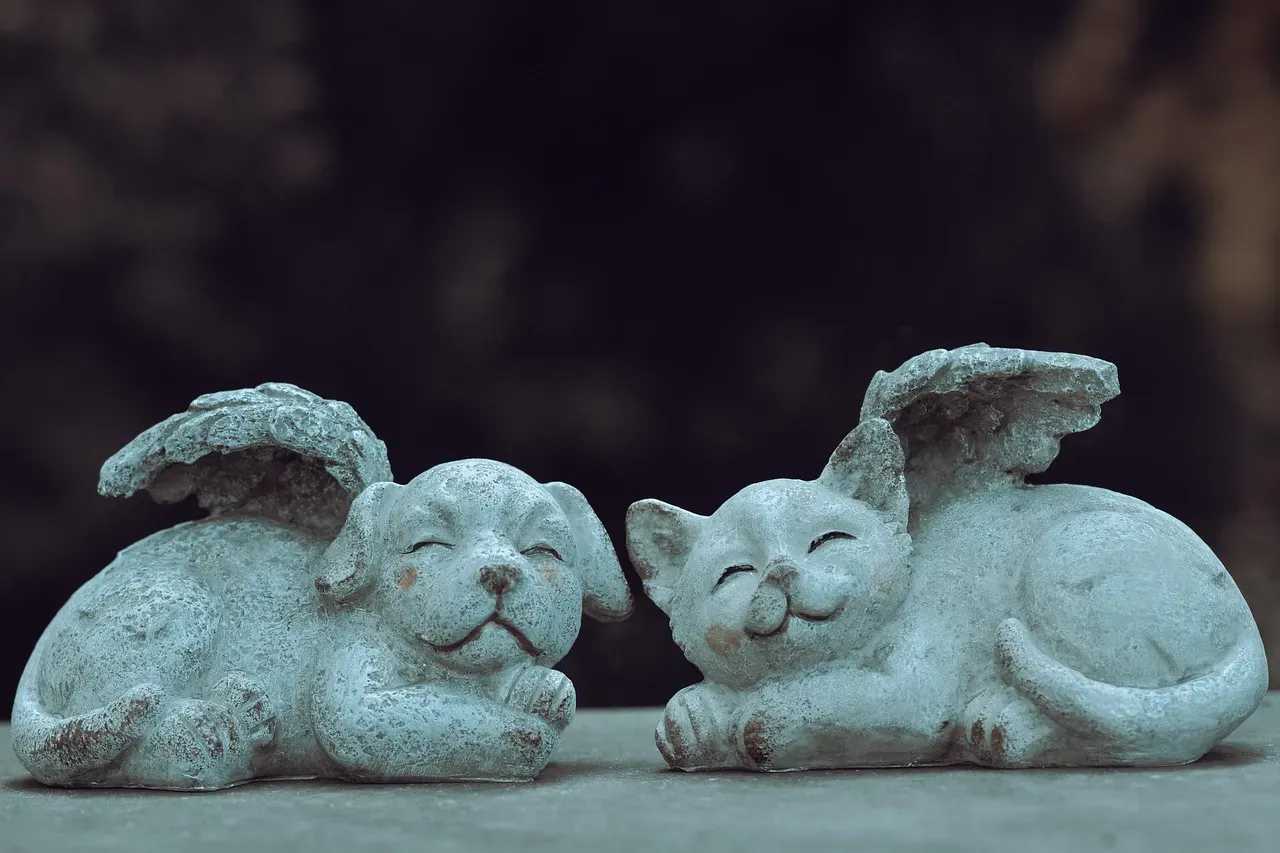
At some point after the loss, you’ll have a genuinely good moment. A real laugh with a friend. A peaceful afternoon where the sun is warm and you feel almost okay. A stretch of hours where you didn’t think about them at all. And then – almost immediately – the guilt arrives like a cold wave. How dare I enjoy myself. Doesn’t that mean I’ve moved on? Doesn’t that mean I’ve forgotten them? This feeling is one of the least-discussed and most universally shared experiences in pet bereavement, and it catches people completely off guard.
The truth is the opposite of what the guilt insists. Letting joy back in is not a betrayal. What grief counselors observe, consistently, is that the love for a lost pet eventually transforms – not disappears, transforms – from acute pain into something warmer, something that becomes a source of strength rather than a wound that keeps reopening. That transition is exactly what grief is supposed to do. Your joy is not proof that you’ve forgotten them. It’s proof that they gave you something worth getting back to. You are not moving on. You are moving forward – carrying them with you differently, more gently, in a way that doesn’t cut as deep. That is not forgetting. That is healing.
#11 You’ll Wonder Whether Your Cat Knew How Much They Were Loved
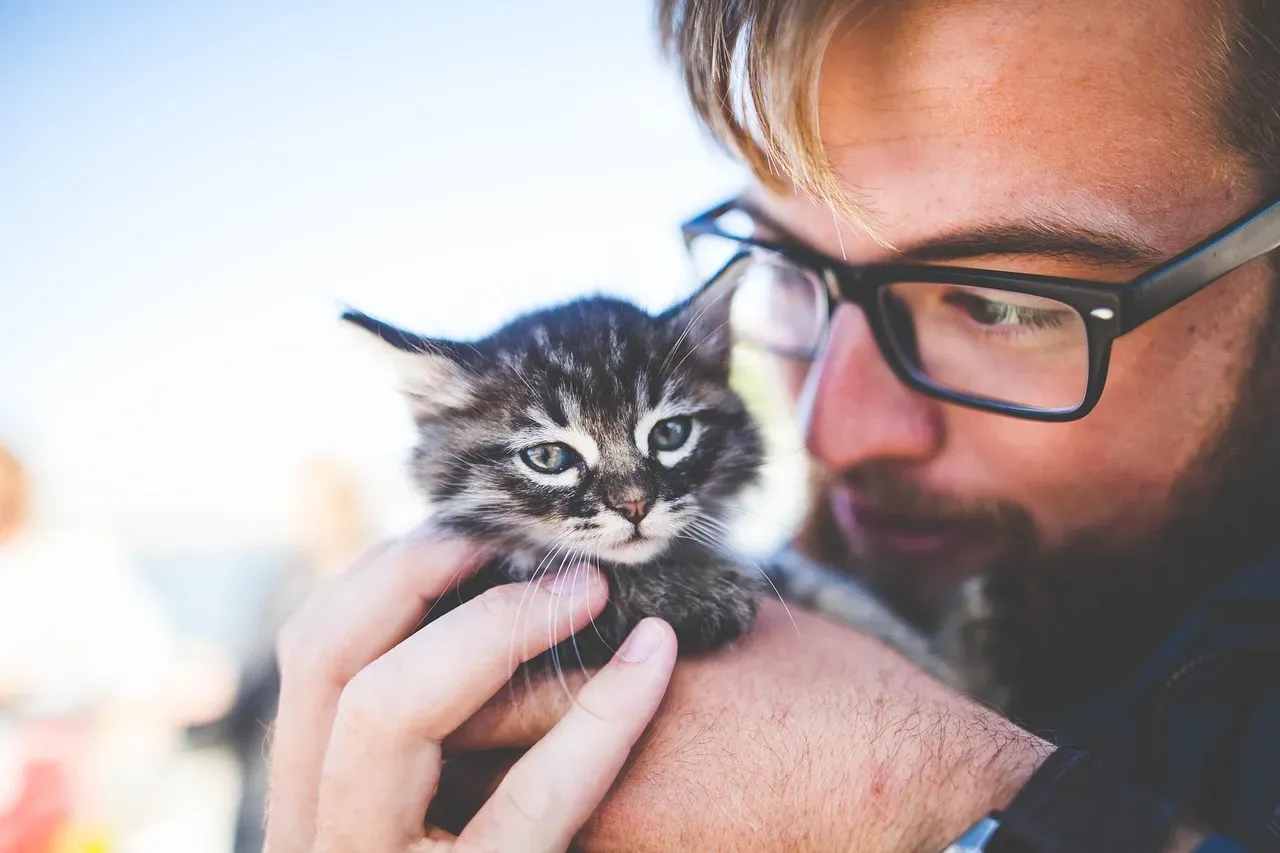
This question haunts almost every owner, especially those who watched a long illness or who made the final decision themselves: Did they know I was there? Were they scared? Did they understand, in whatever way a cat can understand, that they were completely and utterly loved? It is one of the most painful questions grief produces, because it cannot be answered with certainty. And the uncertainty is its own kind of torment.
Here is what science does offer, and it matters: cats identify their closest people primarily through scent – and research has shown that cats process familiar scents differently at a neurological level, spending less time investigating their owner’s smell because it is already deeply known to them. You were the most familiar thing in the world to them. Your scent, your voice, your heartbeat – these were the landscape of their entire life, woven in from the very first days. That same attunement that let them find you in a dark house, curl against you when you were sad, and appear silently whenever you needed company – it was present at the end too. If you were there, your presence was the safest, most recognizable thing they could have felt. Hold on to that, because it is true.
Why It Stands Out: What Science Says Your Cat Felt
- A study in Current Biology confirmed cats form genuine attachment bonds with owners – using the same test designed for human infant attachment.
- Cats identify their primary caregiver primarily through scent – the most deeply wired of all their senses.
- Securely attached cats showed measurable distress during separation and visible relief upon reunion.
- Research shows cats’ stress hormones rise significantly when deprived of contact with their bonded human – meaning your presence was physiologically comforting, right to the end.
#12 Other People’s Cats Will Make You Cry
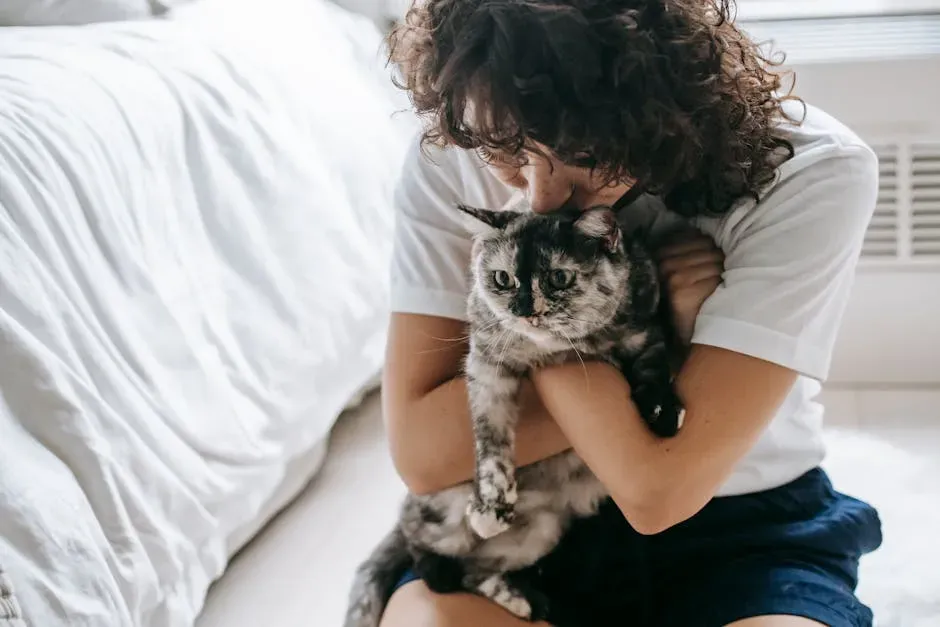
This one genuinely surprises people. You’d expect that seeing other cats would be comforting – a soft reminder of what you loved, a familiar shape. Instead, in the weeks and months after the loss, other cats tend to do the opposite. A friend’s cat sleeping in a patch of sunlight in the exact position yours used to favor. A kitten video on your phone at midnight. The sound of a meow in a certain pitch, from somewhere down the street, that sounds just familiar enough to stop you cold. None of it is comforting. All of it is a reminder of the one specific, irreplaceable cat who isn’t here.
This is also why the well-meaning suggestion to “just get another cat” lands so badly in the early days. It isn’t that the advice comes from a cruel place – it comes from people who genuinely want you to feel better and who don’t realize that a new cat isn’t a replacement. It’s a completely different relationship that hasn’t had time to become itself yet. The decision of whether and when to welcome another cat is deeply personal, and grief counselors consistently advise waiting until the acute grief has softened – not because another cat won’t bring love, but because they deserve to be loved for who they are, not who they aren’t. You’ll know when you’re ready. You won’t need anyone to tell you.
[article_quiz]
#13 You Will Love Again – But You Will Never Forget
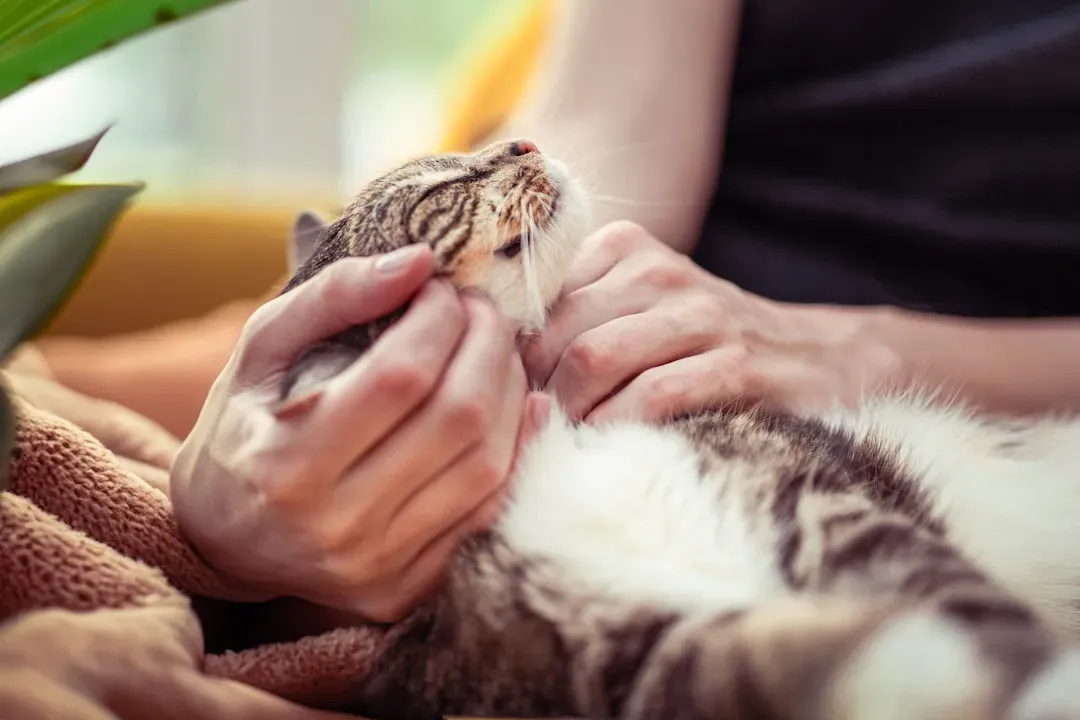
This is the truth that takes the longest to arrive, but it is the one that matters most when it finally does. The love you had for the cat you raised from a kitten does not have to compete with any future love. It doesn’t get replaced. It doesn’t diminish to make room for something new. It becomes part of who you are – as permanent and specific as a scar, as quietly present as the way you move through a house that was once shaped by someone small and irreplaceable. Over time, on a timeline that belongs entirely to you and no one else, the sharp edges soften. The memories that once made you cry begin to make you smile.
The bowl, the collar, the worn-out bed – they stop being symbols of loss and start becoming symbols of something remarkable: a life you had the privilege of shaping from its very first breath. That kitten changed you. In ways you are still discovering. In ways you will carry into every relationship, every quiet evening, every moment of unexpected softness that catches you off guard for the rest of your life. No amount of time, no new companion, no well-meaning advice will ever touch what the two of you built together. That belongs only to you. And it always will.
Worth Knowing: Gentle Reminders for the Road Ahead
- There is no correct timeline. Most people experience intense grief for 2 to 6 months, but some symptoms can surface again at the one-year mark – and that is completely normal.
- Keeping their belongings is recognized by grief researchers as a healthy “continuing bonds” practice – not a sign of being stuck.
- Memorialization helps. Studies suggest that rituals – photos, a small memorial, a dedicated space – can meaningfully reduce grief intensity over time.
- A new cat is not a betrayal. When you’re ready, love doesn’t divide – it expands.
- Professional support exists – many veterinary colleges, animal hospitals, and online communities now offer dedicated pet grief support groups.
This Grief Is Real – And So Is Everything You Felt
Losing a cat you raised from a kitten is a grief that is scientifically documented, emotionally complex, and still dangerously under-acknowledged by the world around us. The silence that swallows your house, the guilt that finds you at 3 a.m., the phantom sounds, the ambush grief on random Tuesdays, the shame of hearing someone say “it was just a cat” – every single one of these things is valid, studied, and shared by millions of people who have loved the way you loved. You are not being dramatic. You are not failing to keep perspective. You are grieving an entire relationship that started when they were small enough to fit in your pocket and ended after years of a life built together.
Honor the grief. Take the time it takes – not the time other people decide it should take. And when you are ready, let their memory become something you carry with pride rather than something that only hurts. The world is measurably better for the love that exists between people and the animals who chose them. Your cat knew that. Deep down, in whatever way a cat can know anything, they knew. And that is not nothing. That is everything.

Hi, I’m Andrew, and I come from India. Experienced content specialist with a passion for writing. My forte includes health and wellness, Travel, Animals, and Nature. A nature nomad, I am obsessed with mountains and love high-altitude trekking. I have been on several Himalayan treks in India including the Everest Base Camp in Nepal, a profound experience.