A severely injured cat named Queso arrived at a city shelter in critical condition, suffering from multiple jaw fractures and intense pain that left him unable to eat. Staff quickly assessed his dire state, but with resources stretched thin, euthanasia loomed on March 18. In a dramatic turn, animal welfare groups stepped in just hours before the scheduled procedure, providing the funds needed for immediate medical intervention.
A Shocking Arrival at the Shelter
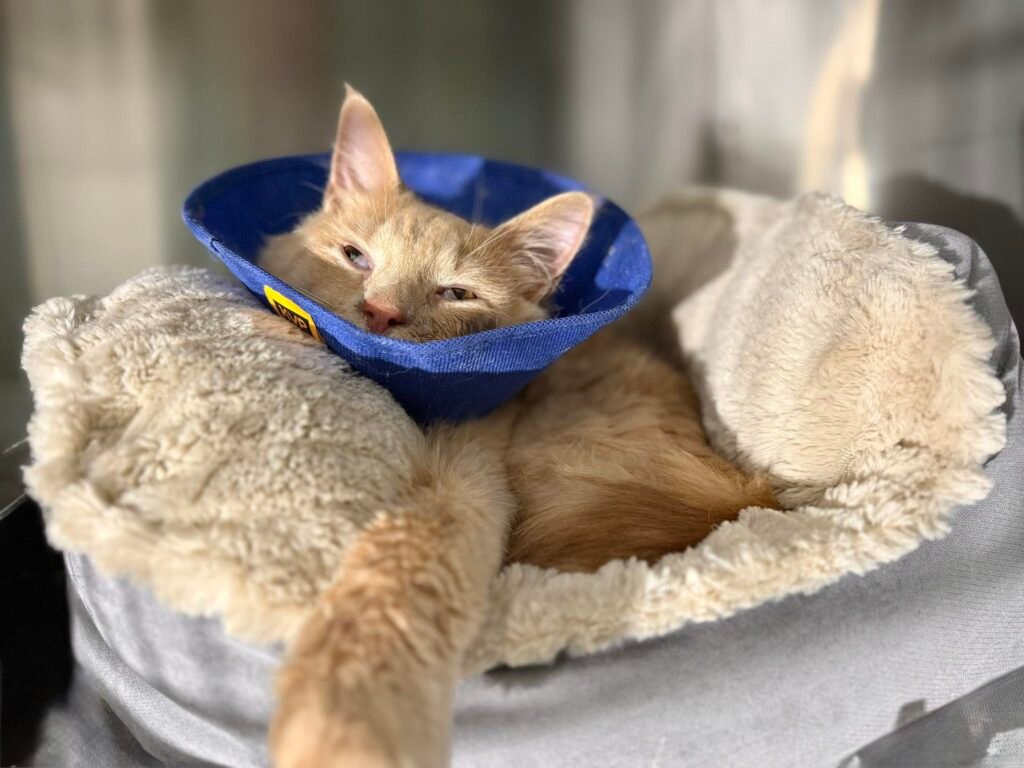
Queso captured attention the moment he entered the facility. Multiple fractures in his jaw rendered him helpless, causing extreme discomfort that was evident in his every movement. Shelter workers noted he could not consume food independently, a sign of the trauma’s severity.
Examinations revealed wounds inside his mouth that compounded the injuries. The cat’s condition deteriorated rapidly without prompt care. Time became the enemy as standard protocols pushed toward euthanasia to prevent prolonged suffering.
The Countdown to Euthanasia
March 18 marked a deadline no one wanted to meet. Queso’s pain persisted, and the shelter faced tough decisions amid limited options. Hours ticked by with his future hanging in the balance.
Advocates mobilized swiftly upon learning of his plight. The urgency stemmed from his inability to eat, which threatened starvation alongside the fractures. Euthanasia appeared inevitable until external support arrived.
Emergency Surgery Changes Everything
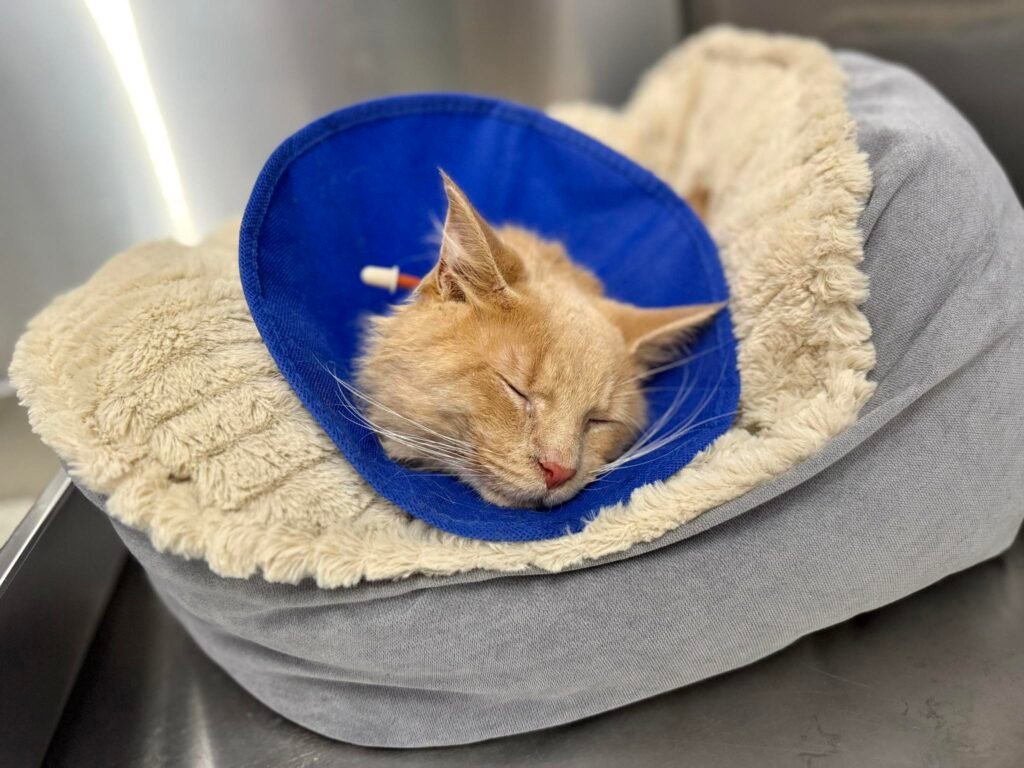
Just before the cutoff, surgeons repaired Queso’s oral wounds in a critical operation. X-rays confirmed the extent of the jaw fractures, guiding precise treatment. A feeding tube was inserted to sustain him during recovery.
Donations from organizations such as Philadoptables covered the costs, enabling this lifeline. The procedure addressed immediate threats, shifting focus from end-of-life measures to healing. Queso’s resilience shone through as he endured the interventions.
Steps in Queso’s Treatment Journey
The path forward involves careful monitoring and specialized care. Here are the key elements of his ongoing recovery:
- Surgical repair of oral wounds to reduce infection risk.
- X-rays to map jaw fractures and plan reconstruction.
- Feeding tube placement for nutrition without stressing the injuries.
- Daily pain management and wound checks.
- Weeks of rest in a supportive environment.
Each step builds on the last, with shelter staff tracking progress closely. Complications remain possible, but early action has improved his odds significantly.
Community Support Fuels Hope
Groups like Philadoptables demonstrated the power of collective action. Their contributions not only funded surgery but also highlighted broader shelter challenges. Such interventions often bridge gaps in public funding.
Queso’s case underscores how donations can alter outcomes for vulnerable animals. Recovery will span weeks, demanding patience and resources. Yet, the initial success offers encouragement for similar rescues.
Key Takeaways
- Swift intervention prevented euthanasia for Queso despite severe injuries.
- Donor funding enabled surgery, X-rays, and a feeding tube.
- Weeks of healing lie ahead, emphasizing sustained care needs.
Queso’s narrow escape reminds us that timely compassion can rewrite tragic stories. Shelters nationwide face similar pressures, making community involvement essential. What do you think about it? Tell us in the comments.
Kristina is a young writer from India. An arts graduate and an avid content creator, Kristina is passionate about animals and wildlife. She enjoys exploring topics related to pet care, animal behavior, conservation, and nature, combining thorough research with engaging storytelling.