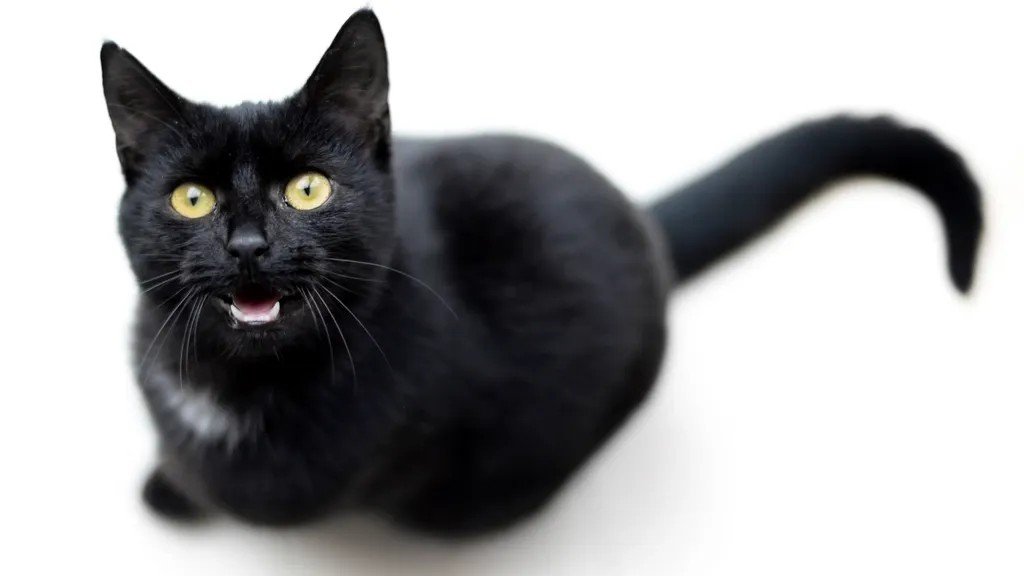
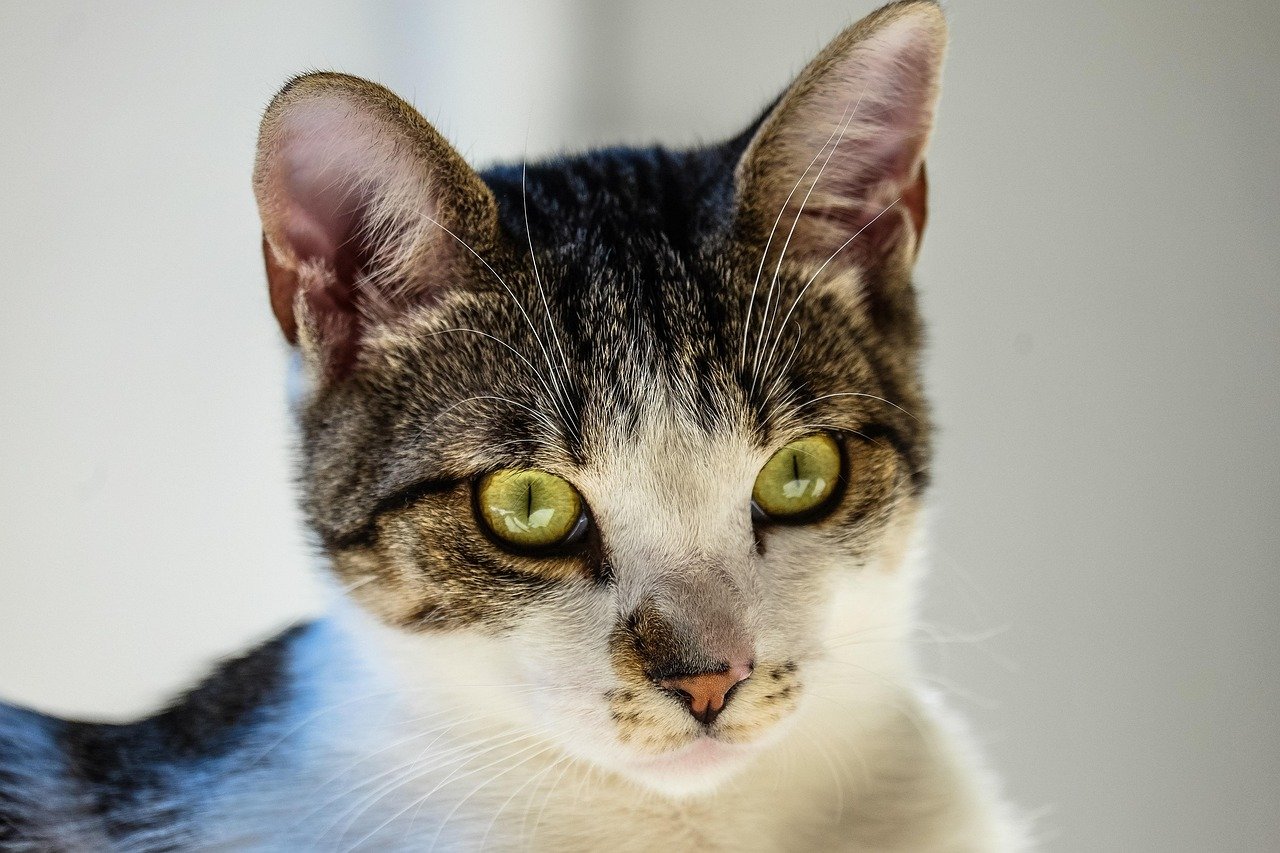
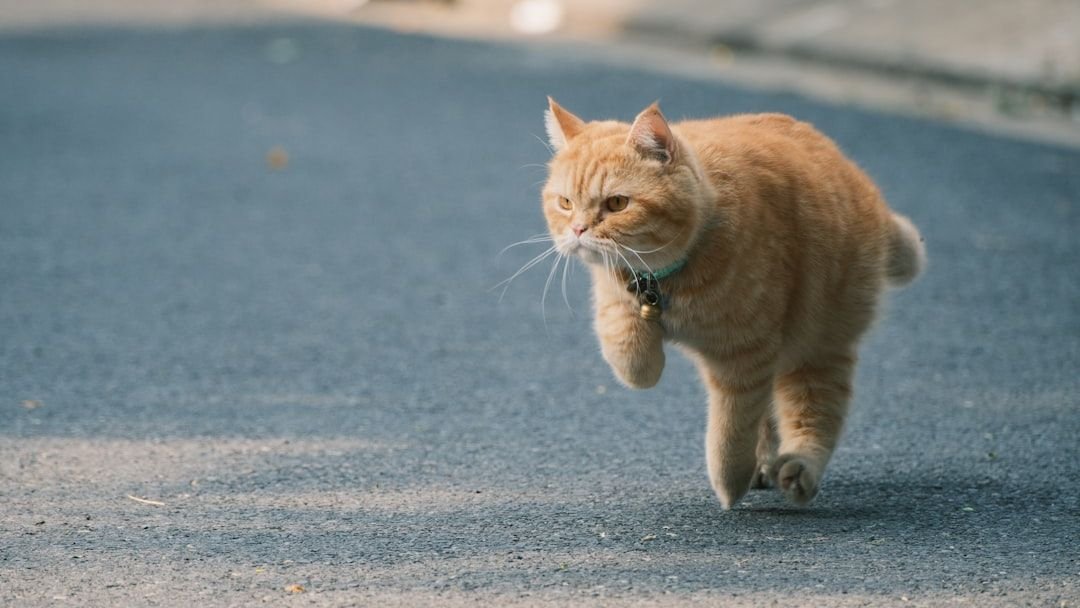
What Does Your Cat's Obsession with High Places Really Mean?
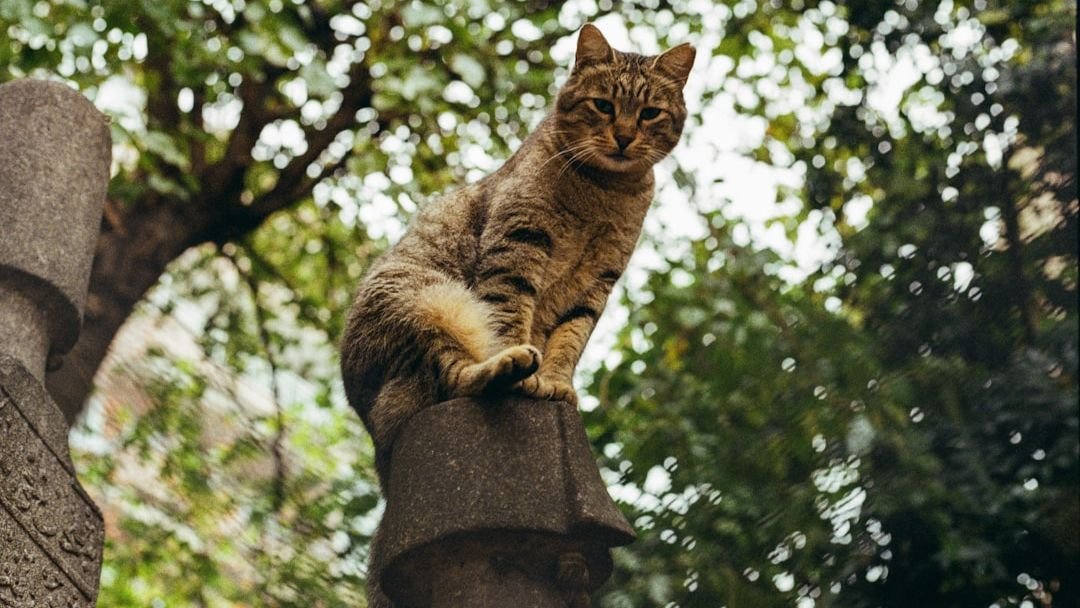
You glance over and notice your cat perched on top of the refrigerator again. Or maybe it's the bookshelf, the wardrobe, or that narrow ledge above the kitchen cabinet you didn't even think was reachable. Sound familiar? If you live with a cat, this is practically a daily ritual. It's one of those behaviors that is so common we almost stop noticing it - yet it carries a rich, layered story about who your cat really is at the deepest level.
There's a lot more going on up there than just a strange preference for heights. Your cat's love of elevated spaces ties together millions of years of evolution, fascinating psychology, and some surprisingly practical instincts. If you've ever truly wondered what your cat is thinking as it gazes down from its lofty perch with that look of quiet superiority, let's dive in.
It All Starts With Ancient Instincts
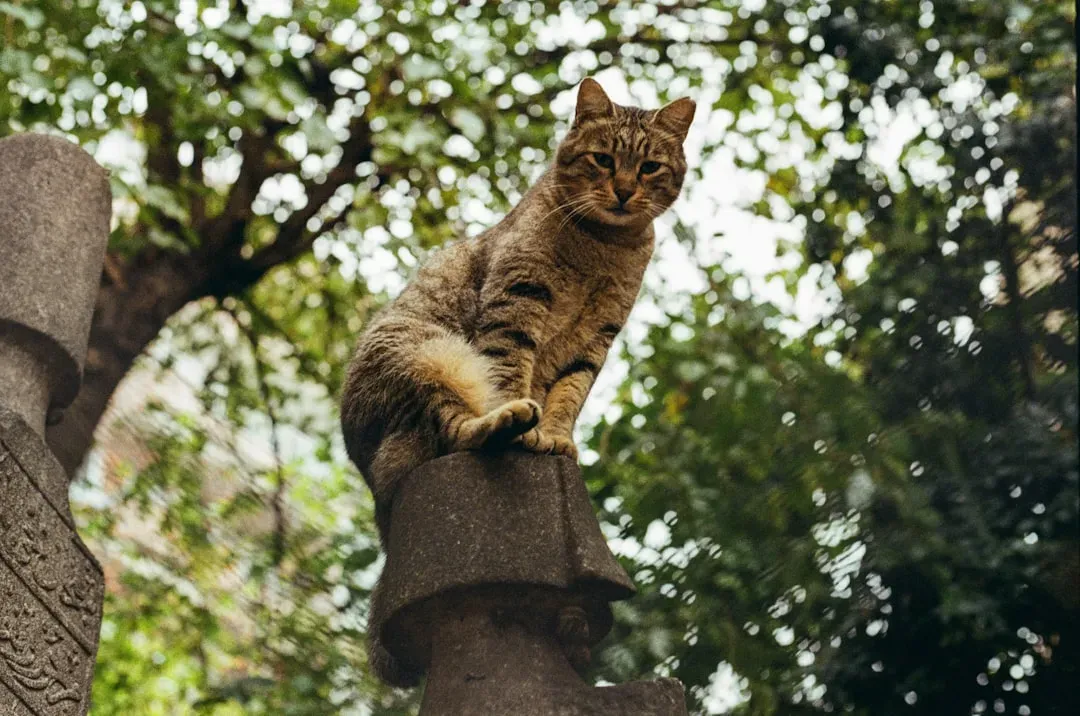
Here's the thing - your cat isn't just being weird or dramatic. The love of heights can be traced back to feline evolutionary history, as domestic cats descend from wild ancestors like the African wildcat, who thrived in environments where survival depended on keen observation and strategic positioning. Think of it like this: your pampered indoor cat carries the blueprint of a wild hunter inside its DNA, and no amount of premium kibble is going to erase that.
Cats in the wild that could adapt by climbing high were more likely to survive, so it's perfectly natural that this instinct runs strong in our domesticated friends today. Honestly, when you see your cat scaling your bookshelf, you're watching thousands of years of natural selection play out in real time. That's kind of incredible when you think about it.
Survival Mode: Predator and Prey at the Same Time
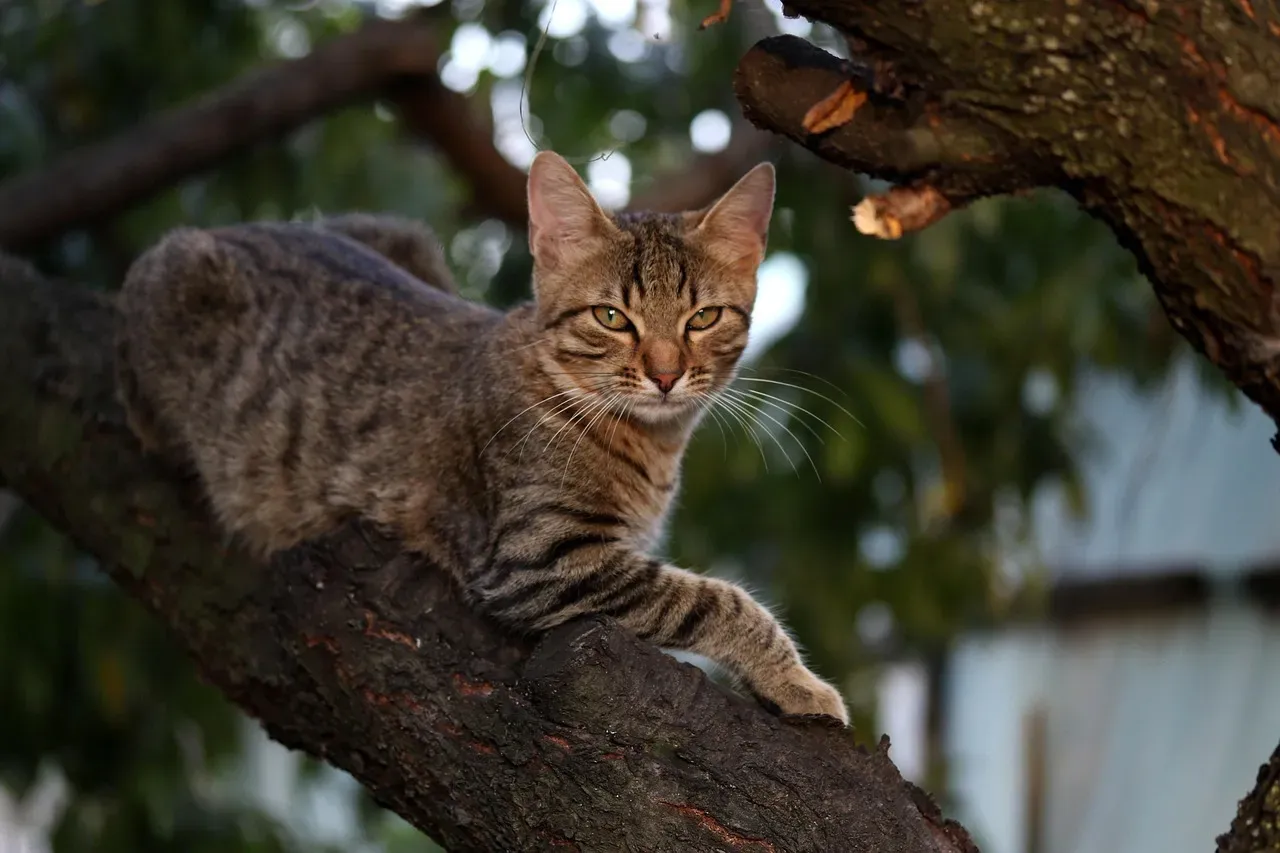
From a biological and evolutionary standpoint, cats are both prey and predators. Before cats graced our homes, they were potential meals for wild animals and sought out small rodents and birds to satisfy their hunger, and an aerial viewpoint helped with both. It's a strange dual identity - fierce hunter and nervous prey animal, often at the same moment.
Early cats were hunters that lived in the wild, and their climbing ability meant that they had somewhere to retreat away from larger predators, plus the capability of attacking smaller prey high up in the branches. Therefore, climbing and being up high was natural, and this has been passed down to the cats we keep as pets today. Your cat lounging on top of the kitchen cabinets isn't laziness - it's tactical genius inherited from ancestors who had real stakes involved.
Safety and Control: Why Height Equals Peace of Mind
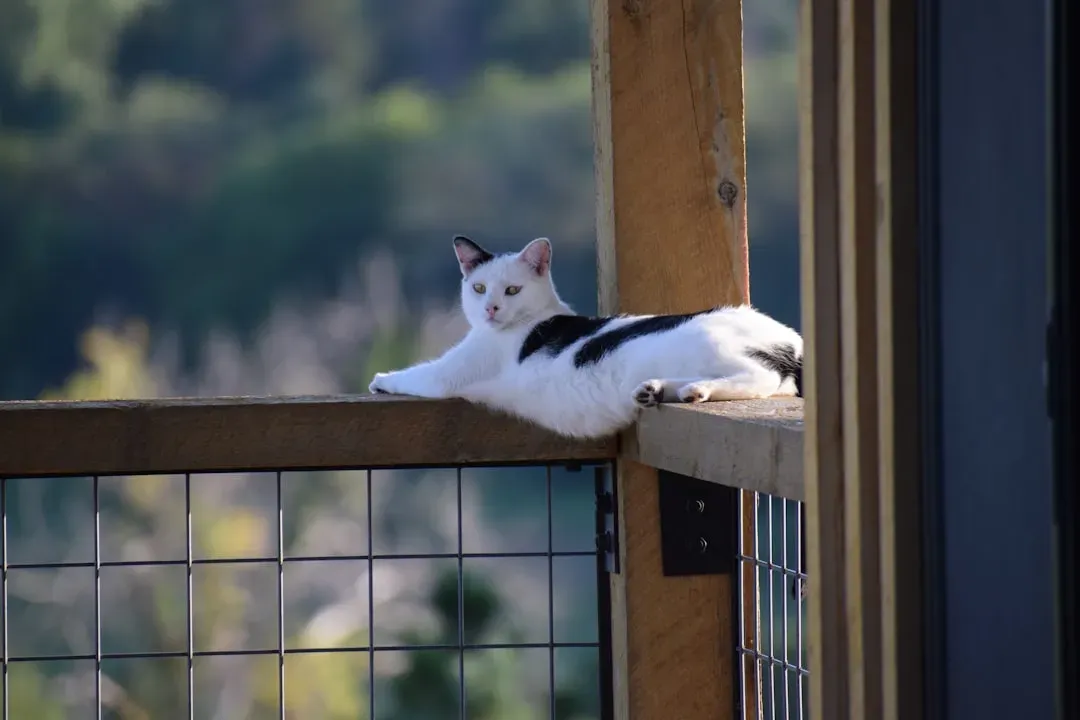
For cats, high places aren't just fun - they're safe havens. Elevation offers a strategic advantage, as from up high a cat can observe everything happening in the environment without being in the middle of it. This is especially important in households with multiple pets, young children, or loud environments, where cats may feel overwhelmed or outnumbered. Think of it as your cat's version of sitting with your back to the wall at a restaurant. They just want to see everything coming.
Cats feel safest when they can observe their environment from an elevated position. Climbing to a high perch allows them to feel more in control and less vulnerable to sudden changes in their surroundings. High perches are considered one of the key resources every cat needs to feel safe and secure. So the next time your cat glares at you from atop the wardrobe, understand that it isn't defiance - it's a deeply wired need for security.
Stress Relief in Surprising Places
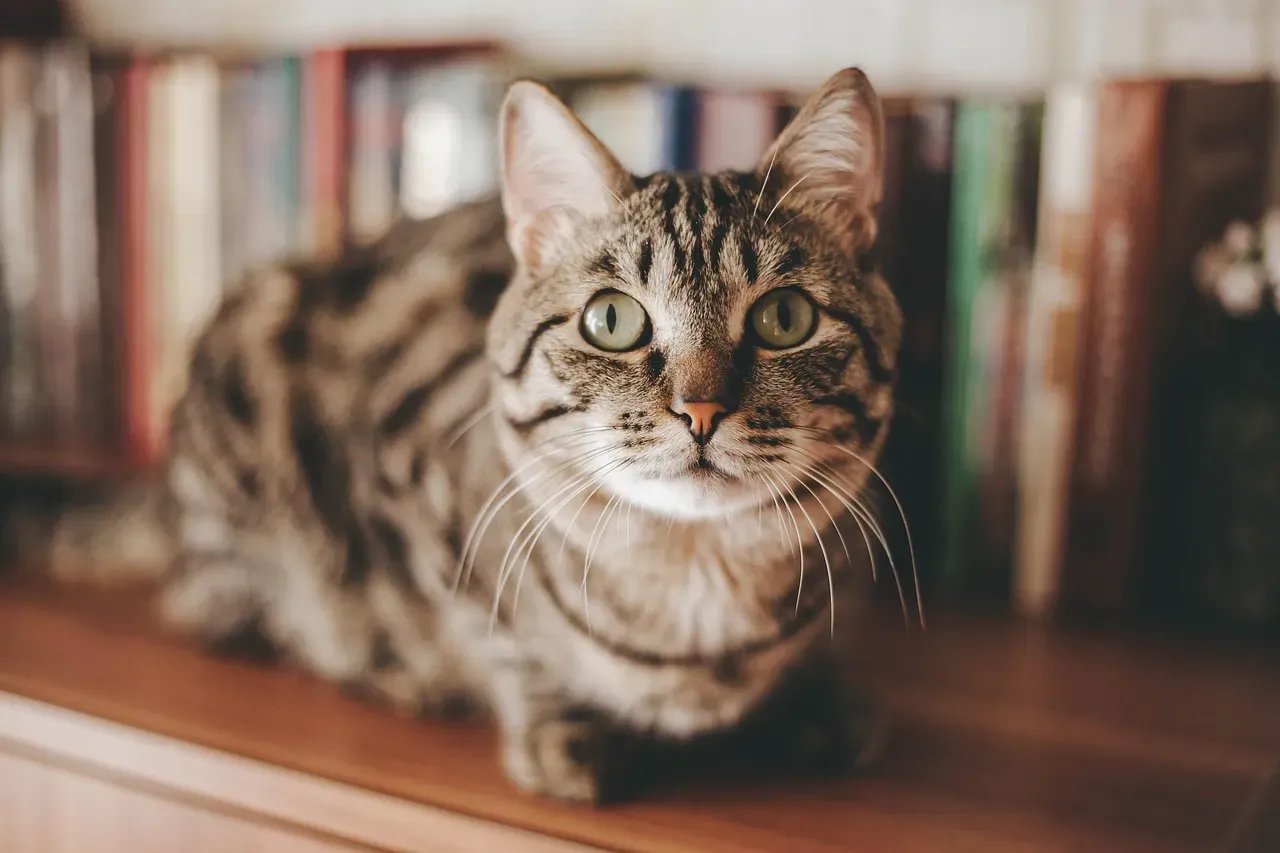
Cats are sensitive to changes in their environment, especially new family members and visitors to the home. This can be a real source of stress and anxiety for some cats, and hiding from a perceived threat is a common response. Having a high perch gives them that sense of safety while allowing them to still be part of the action and see what's happening. It's a brilliant middle ground, really - close enough to observe, far enough to feel untouchable.
When cats are experiencing stress or even illness, they might seek out high spots more often in order to feel safe and secure, which is one reason why providing ample and accessible elevated spaces is so important for cats. So if you notice your cat retreating upward more than usual during a stressful period, that behavior is practically them telling you exactly how they feel. It's worth paying attention to.
Territory, Status, and the Unspoken Hierarchy
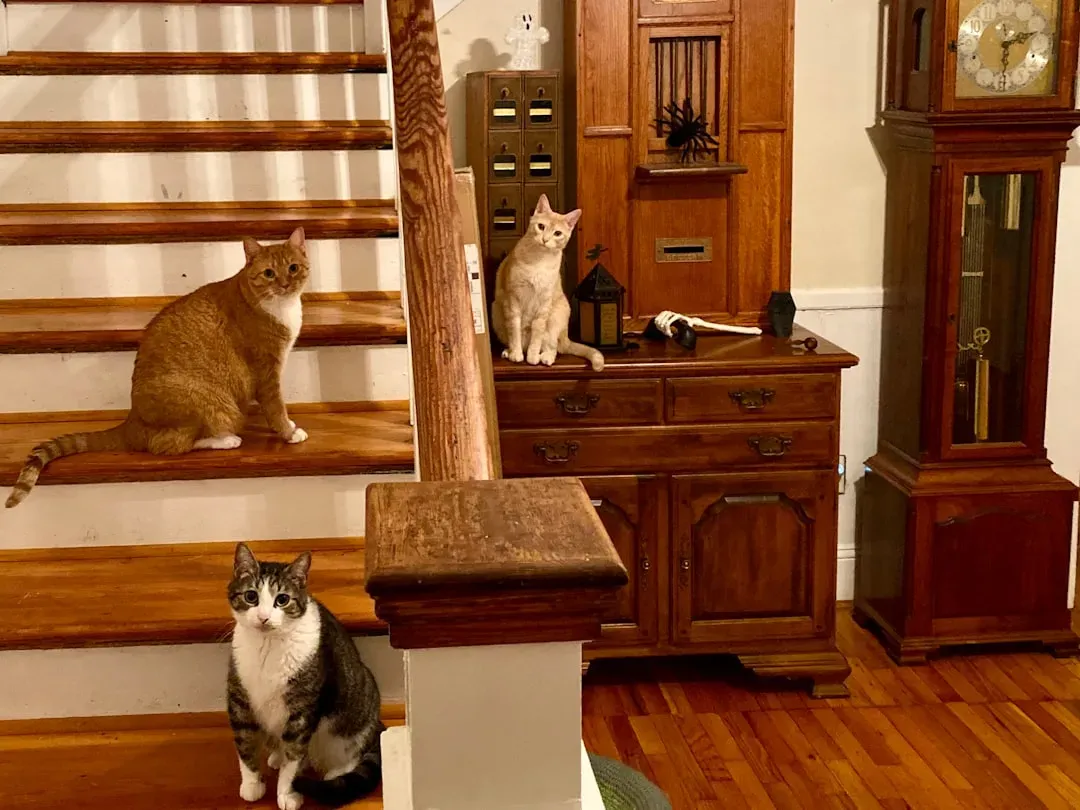
Height can also be a sign of dominance in the feline world, and in multi-cat homes, the top perch often goes to the alpha. I know it sounds like something out of a wildlife documentary, but your living room is essentially a miniature ecosystem with its own social order. The cat who claims the highest spot is quietly but firmly making a statement to every other pet in the house.
A cat of higher status in a multi-cat household may choose to climb to an elevated location, often the highest location, as a way to show indifference when there's potential for confrontation. That display of climbing to the top perch will often prevent an actual physical altercation. It's almost elegant, isn't it? Rather than fighting, the dominant cat simply climbs higher. Conflict resolved without a single swipe.
Warmth, Comfort, and the Physics of a Perfect Nap
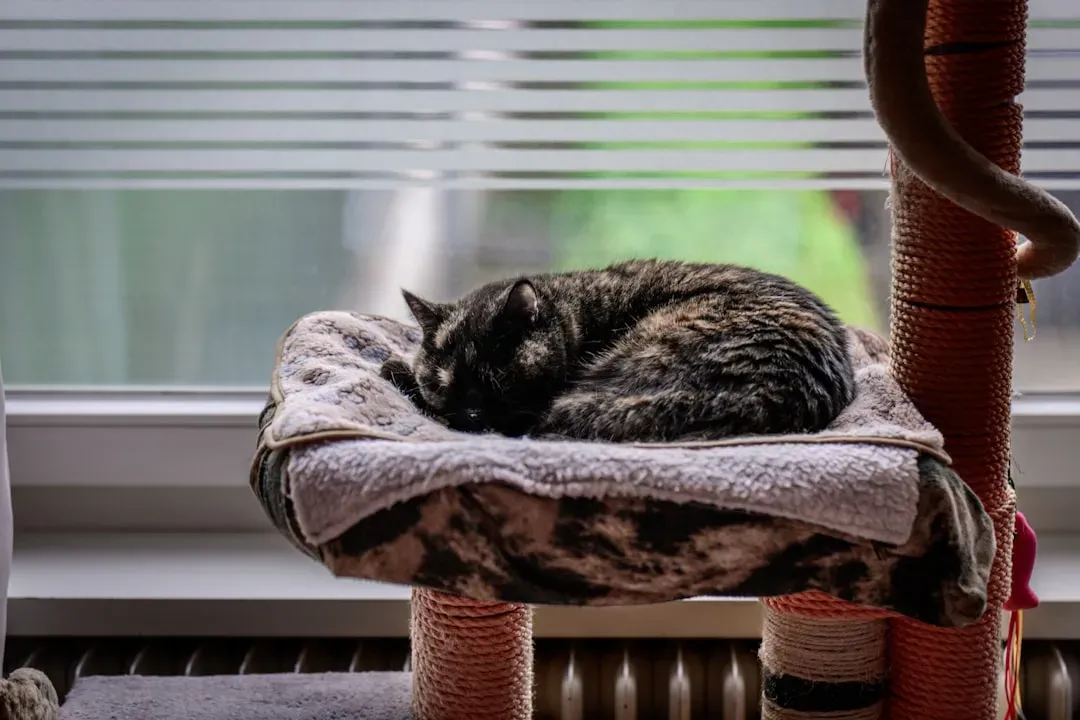
Another basic function of high places, especially in climate-controlled homes, is to provide a warm location for cats to rest. Because warmer air rises, cats might prefer the tops of appliances, cat trees, and bookshelves over cold floors, and this can be especially true during the winter when it's colder in many places. Your cat isn't ignoring your perfectly good cat bed on the floor. It's just that the top of the fridge is a degree or two warmer, and your cat noticed.
You wouldn't think that where a cat sleeps would affect how well they sleep, but it does. When a cat sleeps on a chair in the living room, they may experience too much noise and commotion, which can be a stressor. Curling up somewhere high and away from the rest of the house helps the cat sleep deeply, peacefully, and without worrying about someone waking them up at every turn. Quality sleep, it turns out, is a serious priority for your cat. Fair enough, honestly.
The Physical Superpowers That Make It All Possible
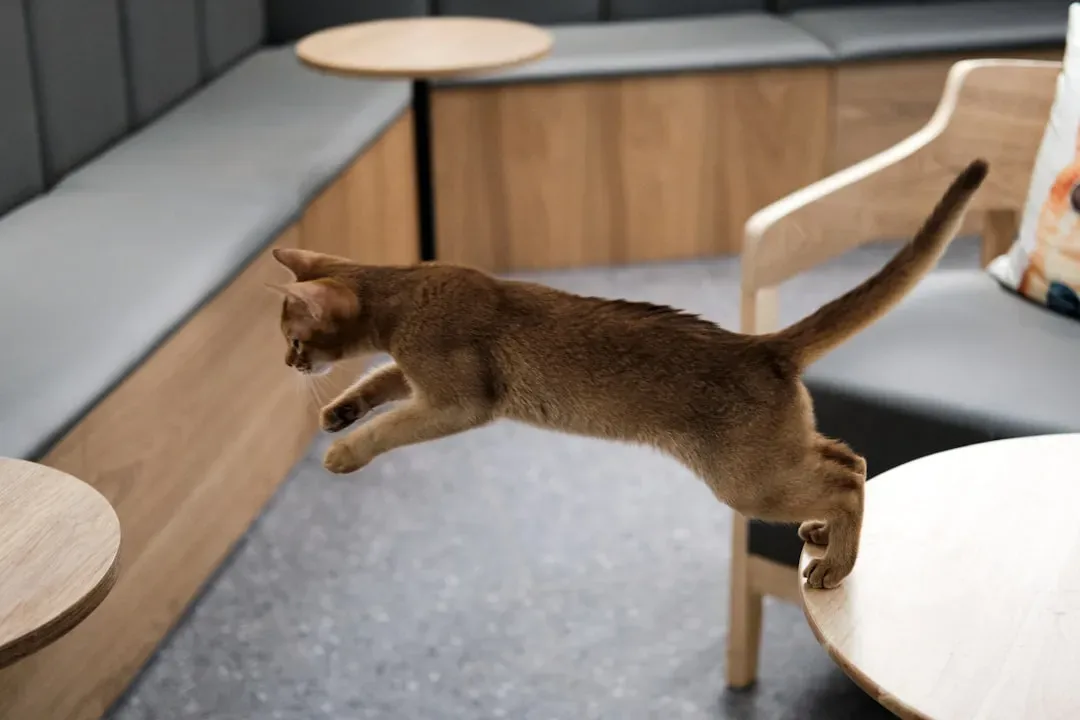
Cats' bodies are uniquely adapted for climbing and perching. Their anatomy supports this behavior in several ways: strong hind leg muscles allow them to jump several times their body length, making reaching high places seem effortless. Retractable claws provide support when climbing trees, furniture, or cat towers, while an exceptional sense of balance, aided by flexible spines and inner ear structures, makes them adept at navigating narrow or precarious perches.
Watch a cat before it leaps onto a high place. It leans back and stares, seeming to calculate angles from where it is to where it's going. Without taking its eyes from the intended spot, the cat suddenly becomes airborne, but it doesn't land with a thud. Making a graceful jump, the cat seems to hover momentarily before its paws softly touch down. It's a kind of physics poetry that no amount of human athleticism can really compete with.
Mental Stimulation and the Need for Novelty
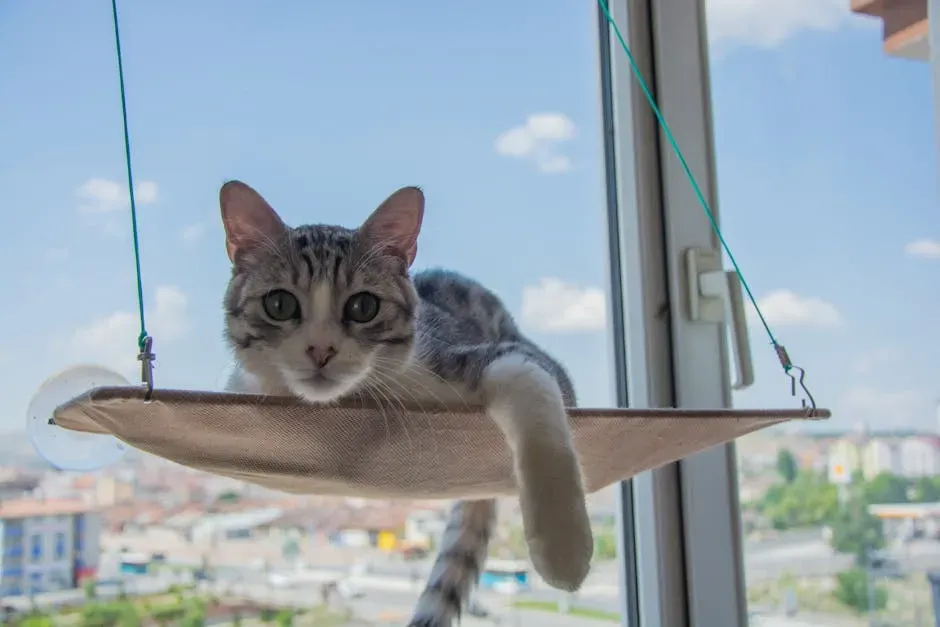
Perching at different heights gives cats new views, helping to keep their environment interesting. It also allows them to engage in natural behaviors like watching the action below, which stimulates their mind and reduces boredom. Climbing and perching provide mental enrichment, as cats are curious animals and exploring vertical spaces satisfies their need for stimulation. Boredom in cats is a real problem, and height is one of the simplest natural cures available.
Many cats enjoy sitting near windows because they can watch birds, people, and outdoor movement. This behavior supports their natural hunting instincts without requiring actual hunting. Watching outdoor activity helps satisfy curiosity and provides mental stimulation. You could almost think of a window perch as your cat's version of scrolling through their favorite content. Engaging, endlessly absorbing, and occasionally infuriating when a bird disappears from view.
How You Can Give Your Cat the Vertical World It Craves
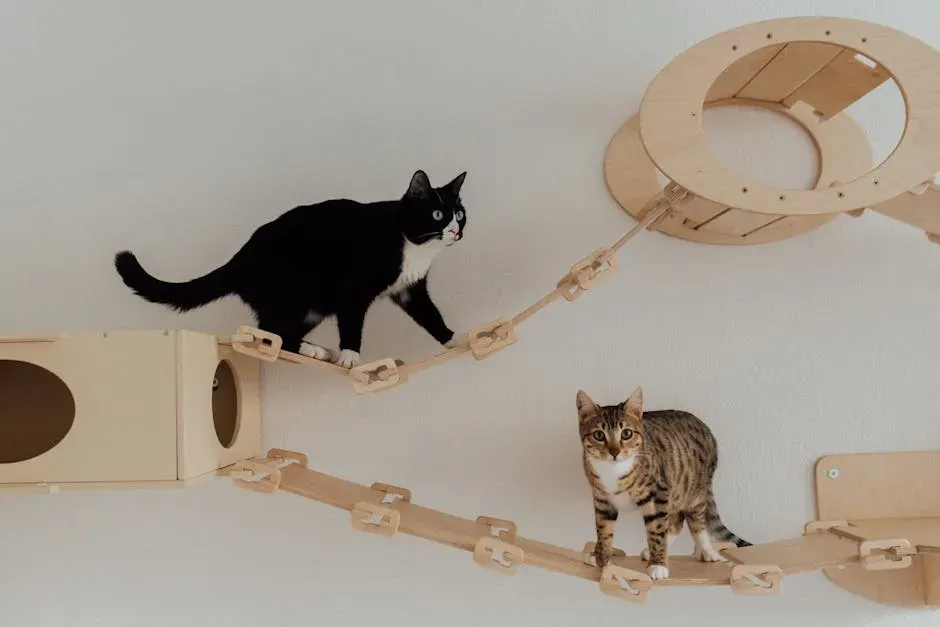
If your cat is always scaling the fridge or balancing on curtain rods, it's not misbehaving - it's telling you it needs more vertical territory. Fortunately, you can meet this need in a way that benefits both of you. Cat trees, wall-mounted shelves, and window perches are excellent tools to offer your cat the height it craves. These not only satisfy climbing instincts but also reduce stress, prevent boredom, and help manage territorial behavior, especially in homes with multiple cats.
Especially in multi-cat households, high places serve to expand the available territory so cats can avoid conflict with each other. For example, one cat might have dominion over the floor spaces while another might claim the elevated spaces. For elderly cats or cats with mobility issues who like to climb, it's best to install cat stairs near vertical areas to help them reach their favorite places easily and safely. Every cat, regardless of age or agility, deserves their own corner of the sky.
Conclusion
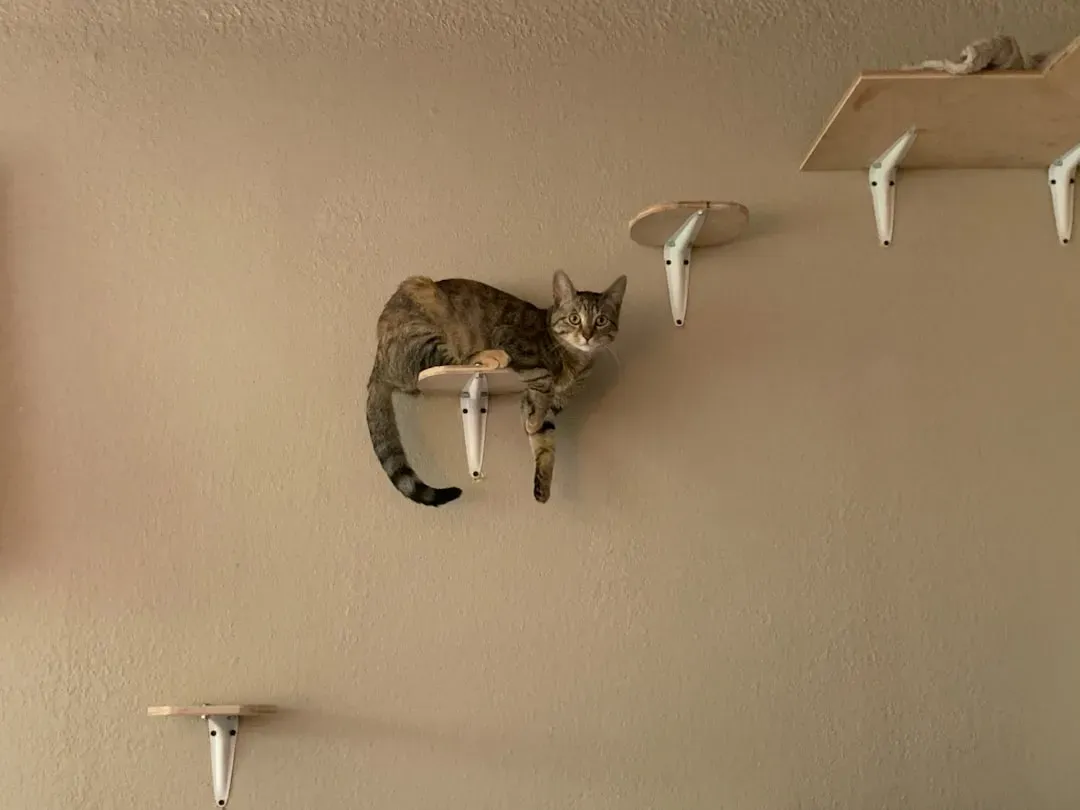
Your cat's obsession with high places is far from random or mysterious. It's a rich, layered behavior that speaks to survival instincts, emotional needs, territorial expression, physical capability, and the simple pleasure of a warm, undisturbed nap above the chaos of daily life. Cats' love of heights is a fascinating blend of evolutionary instincts, psychological needs, and physiological adaptations. From the survival strategies of their wild ancestors to their modern-day need for security and stimulation, vertical behavior is a core aspect of feline nature.
The next time you find your cat perched up high with that knowing gaze, remember - you're not looking at a quirky pet. You're looking at a perfectly evolved creature doing exactly what millions of years of history designed it to do. The real question isn't why your cat loves heights. It's whether you've given it enough of them. What do you think - does your home have enough vertical space for your cat to truly thrive? Let us know in the comments.