7 Common Cat Care Myths That Could Be Harming Your Feline Friend
You think you know your cat. You've had one for years, maybe even decades. You know their quirks, their moods, their favorite napping spots. Yet there's a startling chance you've been operating on outdated, flat-out wrong information about how to care for them properly. Some of the most widely believed "facts" about cats are actually myths - and a few of them could genuinely be putting your feline's health and happiness at serious risk.
It doesn't matter how devoted a cat owner you are. For centuries, cats have captured human imagination, spawning countless myths, superstitions, and misconceptions that persist even today, and these widespread beliefs often influence how we care for them, sometimes to their detriment. The good news? Once you know the truth, you can do better. Let's dive in.
Myth #1: A Purring Cat Is Always a Happy Cat
Here's the thing - we've all been conditioned to see purring as the universal cat smile. Your cat curls up beside you, starts rumbling away, and you assume all is right in the world. It's a comforting thought. But it's only part of the picture.
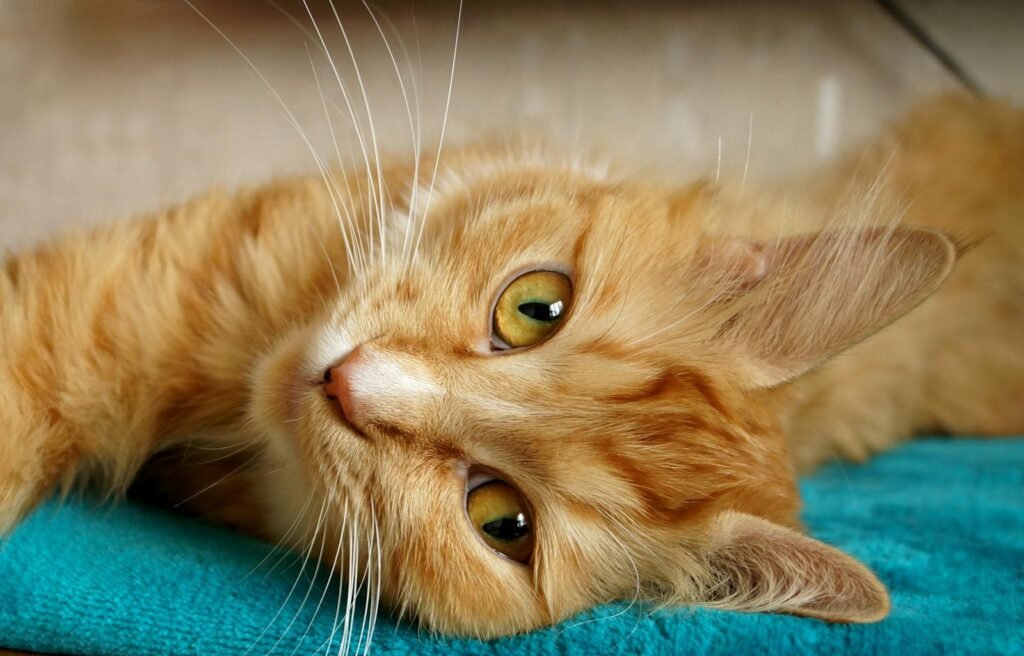
It's common knowledge that purring indicates a happy, content kitty. However, the truth is more complex. While cats do purr when they're relaxed and comfortable, they also purr to self-soothe when stressed, sick, or in pain. So if you've been taking your cat's purr as a green light that everything is fine, you may have been missing genuine distress signals. The purr is more like a self-regulating mechanism than a simple happiness meter. Think of it like a person who hums quietly to calm themselves down during a dentist visit - not exactly a sign of joy.
Cats often purr when they're happy, such as when they're getting attention from you. But that's not the only reason they produce this noise - they can also purr when they're frightened or feeling unwell or in pain, in order to provide comfort to themselves. Cats can also purr to comfort their young. The lesson here is to never rely on purring alone as a barometer of your cat's wellbeing. Combine it with their body language, appetite, and energy levels to get the full story.
Myth #2: Cats Don't Need Regular Vet Visits If They Seem Healthy
This one is surprisingly dangerous, and honestly, it frustrates me every time I hear it. The reasoning usually goes something like: "My cat never goes outside and seems perfectly fine, so why bother with the vet?" It feels logical on the surface. It really isn't.
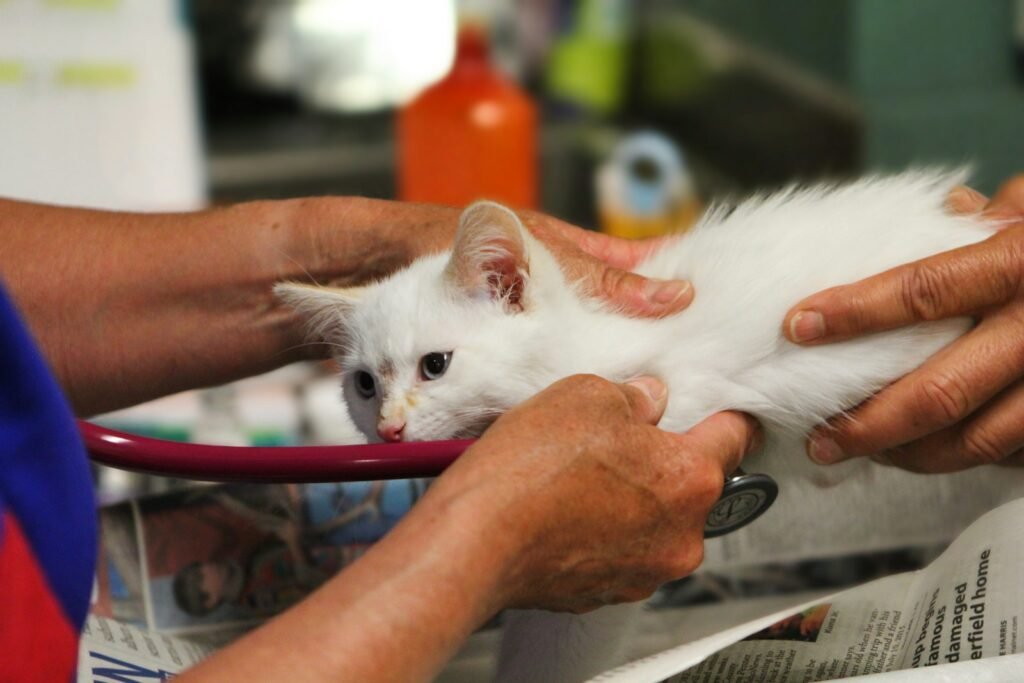
Regular veterinary care is incredibly important to your cat's overall health. Many medical problems can be prevented or treated successfully with early intervention. Annual visits also give your veterinarian a chance to get to know your cat so they can monitor for changes over time. Cats are masters at hiding illness - it's an evolutionary survival trait. By the time symptoms become visible to you, the problem may already be advanced. A vet can catch what you can't.
For most adult cats, a yearly visit will suffice assuming there aren't any urgent medical concerns. This is different for both kittens and senior cats. Kittens require monthly vet visits until they are four months of age, whereas senior cats should be seen every six months. Your cat's health timeline changes drastically across their life stages. Skipping check-ups because they "seem fine" is a little like never going to your own doctor because you don't feel sick today. It's a gamble that rarely pays off.
Myth #3: Declawing Is Just Like Trimming Nails
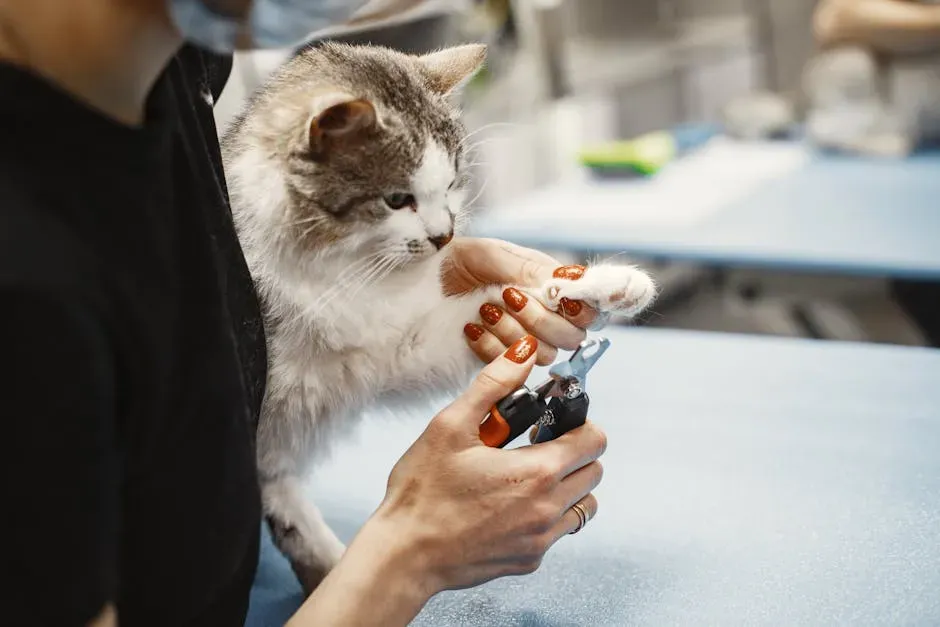
I know it sounds crazy, but this myth has caused genuine, lasting harm to enormous numbers of cats. People genuinely believe that declawing is a minor, cosmetic-level procedure - a simple fix for a scratching problem. The reality is sobering.
Declawing is a surgical procedure that would be the equivalent of amputating your fingers at the knuckles closest to the fingertips. Unless a vet recommends the procedure for a medical reason, you should never declaw your cat, as it leads to long-term pain that your cat will have to deal with for the rest of their life, as well as potentially long-term behavioral issues. That's not a minor inconvenience - that's a life-altering surgery with consequences that follow your cat every single day.
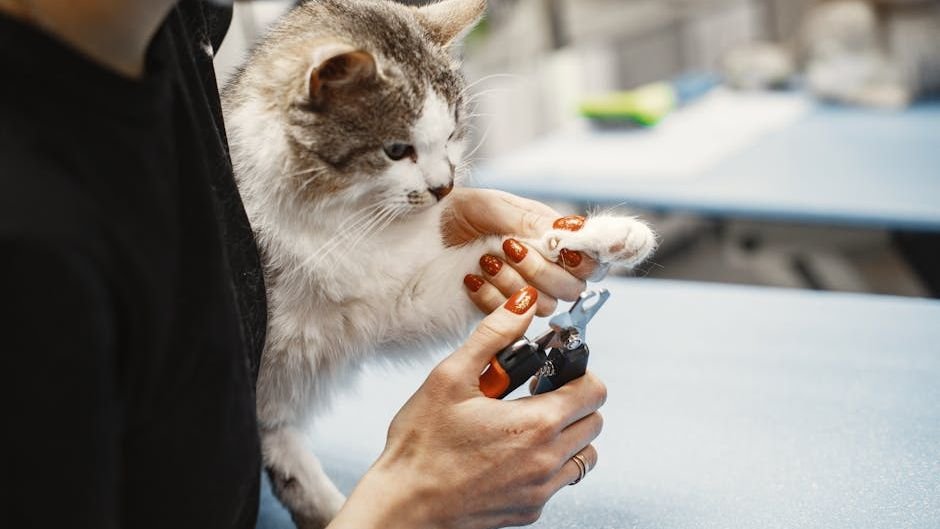
Declawing is a surgical procedure done under anesthesia and involves amputating the third digit, which contains the nail. Many cats go on to develop chronic pain from arthritis, and many cats develop aggression because of this pain. Fortunately, there are alternatives to declawing - just ask your veterinarian. Scratching posts, nail caps, and regular trimming are all effective, humane alternatives. Your sofa isn't worth your cat's lifelong suffering.
Myth #4: Cats Are Fine Drinking Cow's Milk
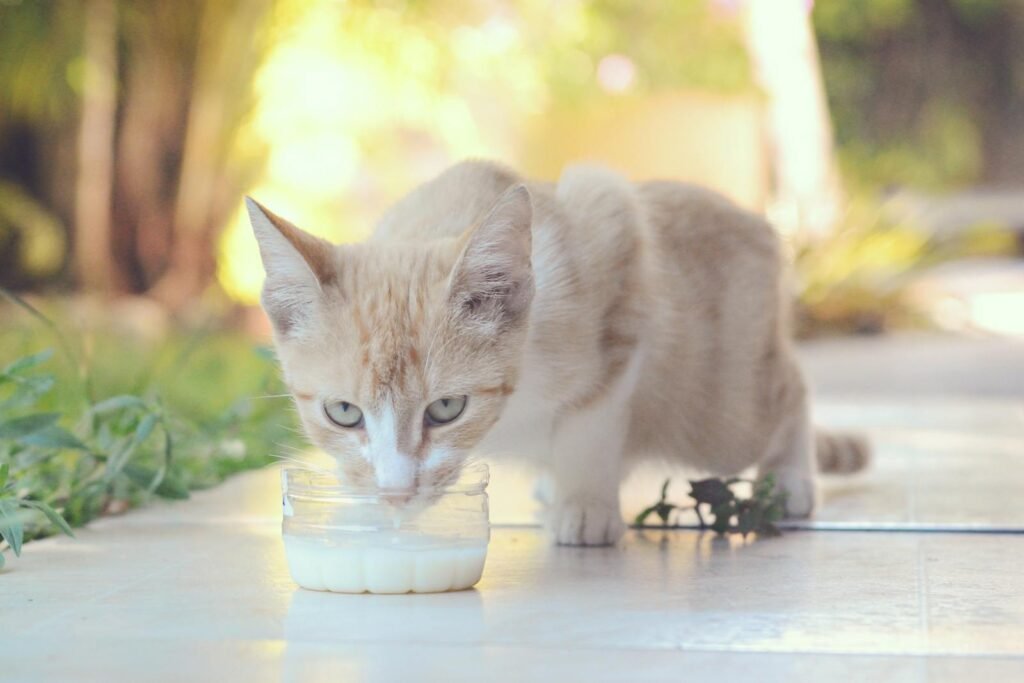
The image is practically iconic - a little cat contentedly lapping milk from a saucer. It's in children's books, old cartoons, and classic paintings. So it feels completely natural to pour your cat a small bowl, right? Let's be real: this one has misled generations of well-meaning cat owners.
This myth originated from feeding orphaned kittens cow's milk. While kittens can digest cow's milk, cats lose the enzyme necessary to digest milk as they age and become naturally lactose intolerant. Feeding a cat milk does not provide the right nutrients and may cause diarrhea or vomiting. So what looks like a loving treat could actually be quietly upsetting your cat's digestive system.
While we're all familiar with the image of a cat lapping from a saucer of milk, cow's milk and any other milk containing lactose without lactase can cause digestive upset in cats who've been weaned. If you want to offer your cat something special to drink, fresh water is genuinely the best gift you can give. A water fountain can even encourage proper hydration, which benefits their kidneys tremendously.
Myth #5: Indoor Cats Don't Need Flea Prevention
This one tends to catch people off guard. Your cat never sets a paw outdoors. The windows are closed. No other pets bring anything in. So parasites simply aren't a concern, surely? If only it were that simple.
Your furball still needs regular flea prevention - and this may come as a surprise to strictly indoor cat parents. Fleas thrive in regulated indoor temperatures and can catch rides inside on humans. Plus, flea eggs and larvae can remain dormant inside carpet fibers or floor cracks for months, just waiting to hatch. Think about that for a second. You could unknowingly carry flea eggs in on your shoes from a neighbor's hallway or a park bench, and suddenly your "safe" indoor environment isn't so safe anymore.
Indoor cats need to be vaccinated as often as cats that go outside. The same is true for deworming, external parasite control, and regular preventive healthcare visits to the veterinarian. While Fluffy may not be free-range, their owner may fail to take into consideration potential contact with other animals on the balcony, rooftop patio, walks on a harness, in a catio enclosure, visits to an apartment neighbor down the hall, boarding, traveling, holidays with family, and visits to the veterinary clinic. The world finds its way in. Keep your cat protected regardless.
Myth #6: Cats Are Low-Maintenance and Emotionally Independent

Ah, the classic "cats take care of themselves" belief. It's arguably the most damaging myth of all, because it shapes how people approach the entire relationship with their cat. It excuses neglect without anyone realizing that's what it is.
Despite the cat's popularity as a companion species, many owners and practitioners lack high quality information about important aspects of their behavior and management. Myths, anecdotes, and narratives of cats as 'low maintenance, self-sufficient' animals are pervasive, and the degree to which these may underlie complacency about fully meeting cats' needs is unknown. Science is catching up to what attentive cat owners have always sensed: these animals have genuine emotional needs.
Cats may have a reputation for being indifferent and standoffish, but cats bond with their people, often just as much as dogs do. Studies show that most cats create strong attachments to their guardians and experience feelings of comfort and safety by being around them. Cats show their love in many ways, like purring, kneading, slow blinking, rubbing up against your legs, and following you from room to room. Your cat isn't cold - they just speak a different love language. Learning to read it changes everything about your relationship with them.
Myth #7: Cats Can See Perfectly in Complete Darkness
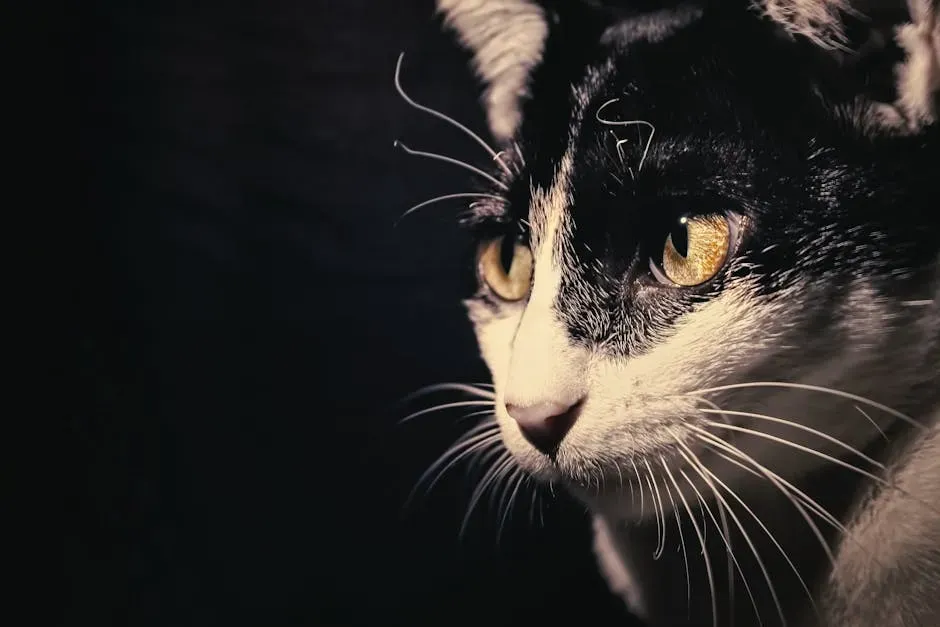
It's hard to blame anyone for believing this one. Watch a cat confidently stroll through a pitch-black room and it certainly looks like they have some kind of superpower. Their night vision reputation is legendary. It's just not entirely accurate.
There's no doubt that cats have incredibly sharp vision and can see well in low-light situations. But low light doesn't mean no light. When things are completely dark, cats can't see. This is why outdoor cats typically hunt at dusk and dawn - there's not as much light, which helps them stay hidden, but there's enough light that still allows them to see well. In total darkness, your cat is just as blind as you are.
Cats aren't able to see in complete darkness any better than humans. However, due to their thinner corneas and irises, they adapt better than humans in low light. They also have extra rods in their retinas and a highly-developed reflective area in the back of their eyes, which allows them to amplify light. So while their low-light vision is genuinely impressive, it still needs at least some ambient light to function. Leaving a small nightlight on isn't babying your cat - it's actually thoughtful.
Conclusion: Better Information Means Better Care
Caring for a cat well isn't complicated, but it does require letting go of the comfortable old stories we've inherited. When it comes to safely raising our beloved furry companions, separating fact from fiction is critical. If one lesson can be gleaned from examining common pet myths, it's that making assumptions rarely empowers us to care for animals appropriately.
Your cat relies entirely on you to make good decisions on their behalf. They can't read a vet's handbook or scroll through research articles. That responsibility falls to you. The seven myths covered here are just the beginning - there are layers more to uncover the deeper you dig. What matters most is staying curious, staying skeptical of "everyone knows" statements, and asking your vet when you're unsure.
Regular vet visits, daily exercise and mental enrichment, and plenty of positive attention from their guardians are all essential to a cat's well-being. None of that is complicated. All of it matters enormously.
Your cat gives you their whole world. How many of these myths were you still secretly holding onto?