Cats are often misunderstood. People call them aloof, detached, emotionally unavailable – basically the introverts of the animal kingdom. Honestly, that reputation is a little unfair. The truth is, your cat is paying close attention to everything you do, from the tone of your voice to how you move around the room. They feel things deeply. They just express it differently than a dog would.
What most cat owners don’t realize is that it doesn’t take grand gestures to make a feline feel truly loved and secure. It’s the small, consistent things – repeated daily, almost without thinking – that build an unshakeable bond. Some of these gestures are so subtle you might already be doing them without knowing it. Let’s dive in.
1. The Slow Blink That Says “I Trust You”
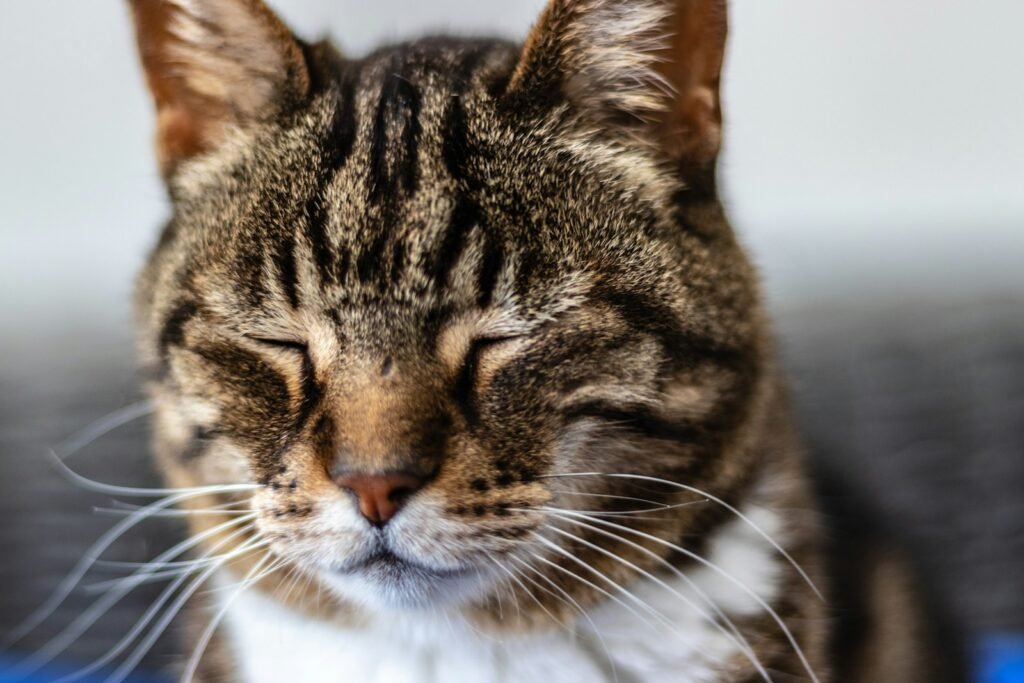
Here’s something that genuinely surprised me the first time I learned about it: your cat is speaking to you with their eyes, and most people have no idea how to respond. Cats communicate trust and relaxation through a simple gaze known as the slow blink – you gaze at your cat, slowly closing your eyes halfway and then gradually opening them again. That’s it. That’s the whole gesture. Simple, right?
A slow blink, often with both eyes, is a sure sign of trust and affection, and it can be likened to a “kitty kiss” – one you can even reciprocate by slow blinking back to strengthen the bond between you and your feline friend. Think about what that means from a survival perspective. In the wild, closing one’s eyes makes an animal vulnerable to predators, so a slow blink signals that your cat feels secure and at ease in your presence. You’re essentially telling each other, “You’re safe with me.” That’s powerful.
2. Honoring Their Need for a Safe, Personal Space
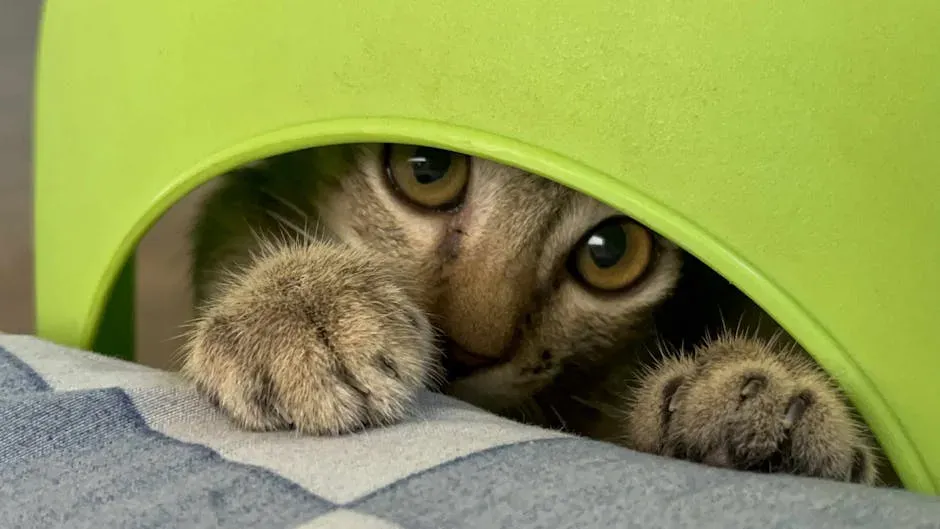
You can’t always guarantee your home will be filled with nothing but peace and quiet – loud visitors, building work, a new baby – all these things could leave an already nervous cat feeling even more anxious. Providing them with their own safe space in the house, whether a room to themselves or a den behind a piece of furniture, ensures they have somewhere to go when things get too much.
When cats feel frightened, unsure, or unsafe, they often like to retreat to a safe space. For a cat, height means safety, as they can get away from predators and observe the world from a good viewpoint. Having some perches, cat trees, or shelves that are accessible and up high will encourage feelings of security. Think of it like this: everyone needs a corner of the world that feels entirely their own. Your cat is no different.
3. Keeping a Predictable Daily Routine

Cats are creatures of habit who feel most secure when they know what’s coming next. Feeding your cat at consistent times each day creates a comforting rhythm they can count on. It sounds almost too simple, doesn’t it? Yet this single act sends a powerful message of reliability. You become someone they can count on – and that’s the foundation of every good relationship, human or feline.
Try to establish a routine with your cat: feeding, grooming, and playtime can all be scheduled so that your cat always knows what is happening and what is coming next, which in turn helps them feel secure. The more they know when to expect what, the more confident and relaxed they’ll feel at home – which provides more incentive for them to seek closeness with their human family members. Routine is basically the love language of cats. Let that sink in.
4. Gentle Petting in All the Right Places
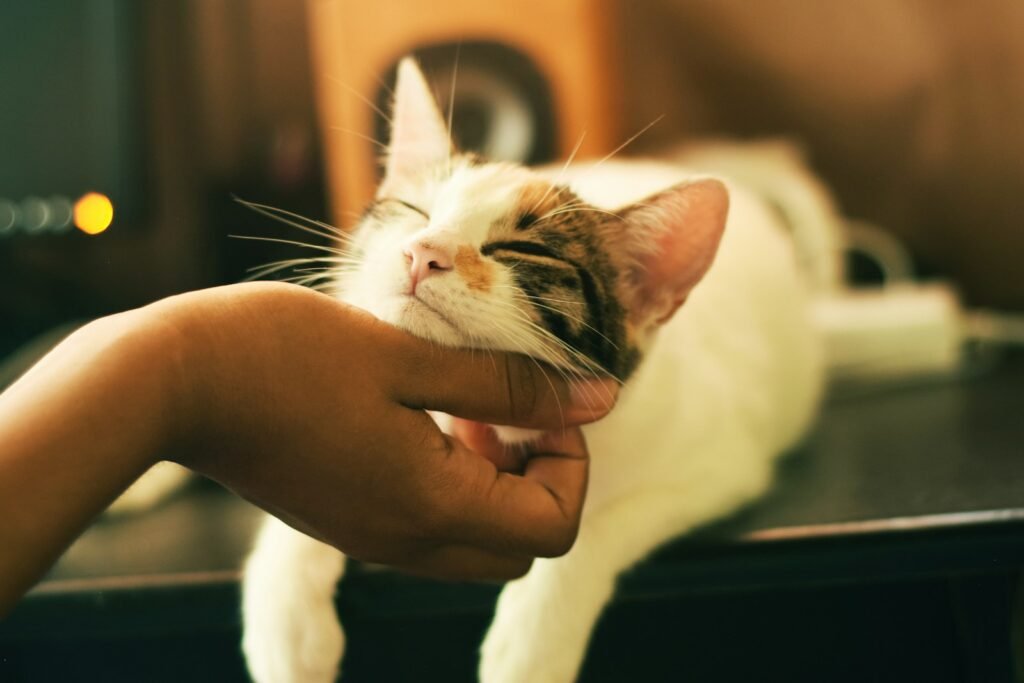
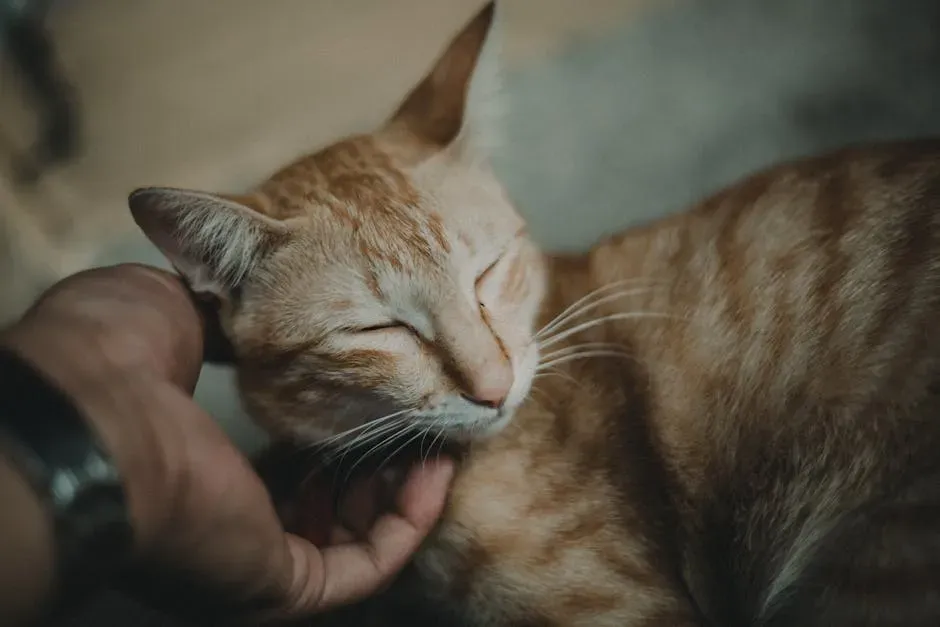
Gentle petting and grooming sessions can be incredibly soothing for your cat, providing them with a sense of love and security. The key word there is “gentle.” Cats are surprisingly sensitive animals, and the way you touch them matters enormously. Too much pressure, wrong spot, wrong moment – and you’ve gone from bonding to boundary-crossing in about two seconds.
Start slowly if your cat isn’t used to grooming, and pay attention to their favorite spots. Most cats melt when you find their sweet spot behind the ears or under the chin. Take short breaks when petting your cat – this gives them the option to end the interaction or invite more pets. It’s the cat equivalent of checking in during a conversation. A small act of respect that makes a huge difference to how safe they feel.
5. Speaking to Them in a Soft, Calm Voice
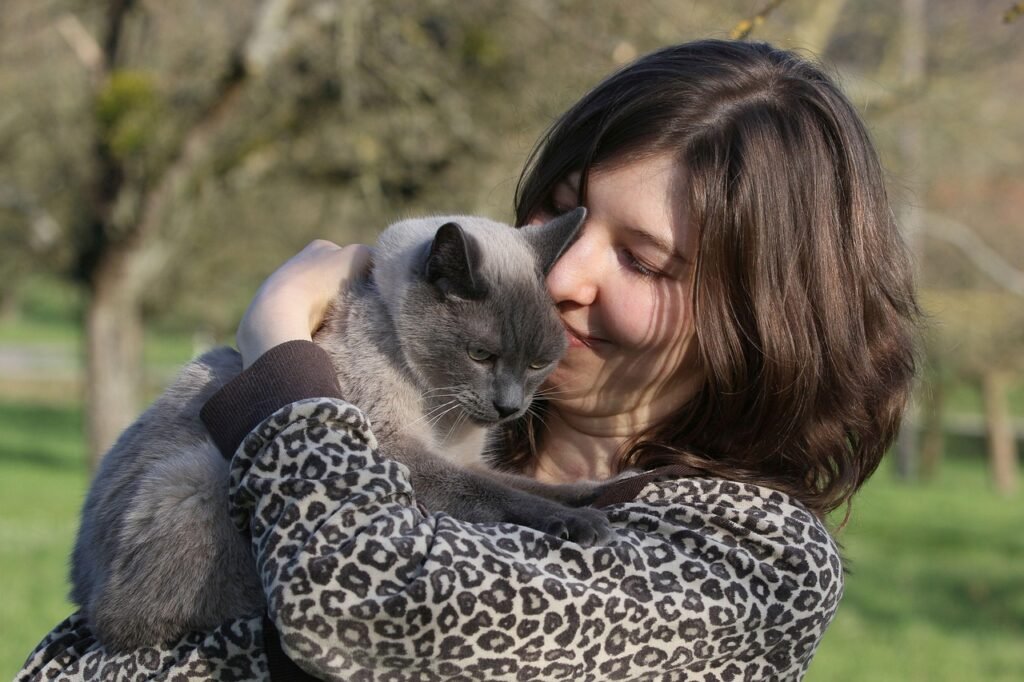
Your tone of voice is like a magic wand for your cat’s emotions. Cats are incredibly sensitive to vocal energy and can instantly tell if you’re stressed, angry, or calm. You don’t need to have a full-on conversation with your cat – though honestly, that’s kind of fun too – but the tone you use around them shapes their entire emotional environment.
Cats are intuitive, picking up on moods, energy, and interpreting your intentions through gestures and tone of voice. One study even showed that cats are more likely to respond to higher-pitched, sing-song tones. On the other hand, forceful handling, loud gestures, and harsh tones can all come across as threatening. Imagine living with someone who occasionally explodes without warning. That’s how your cat experiences a loud, unpredictable household. Keep it calm, keep it kind.
6. Letting Them Initiate Contact on Their Terms
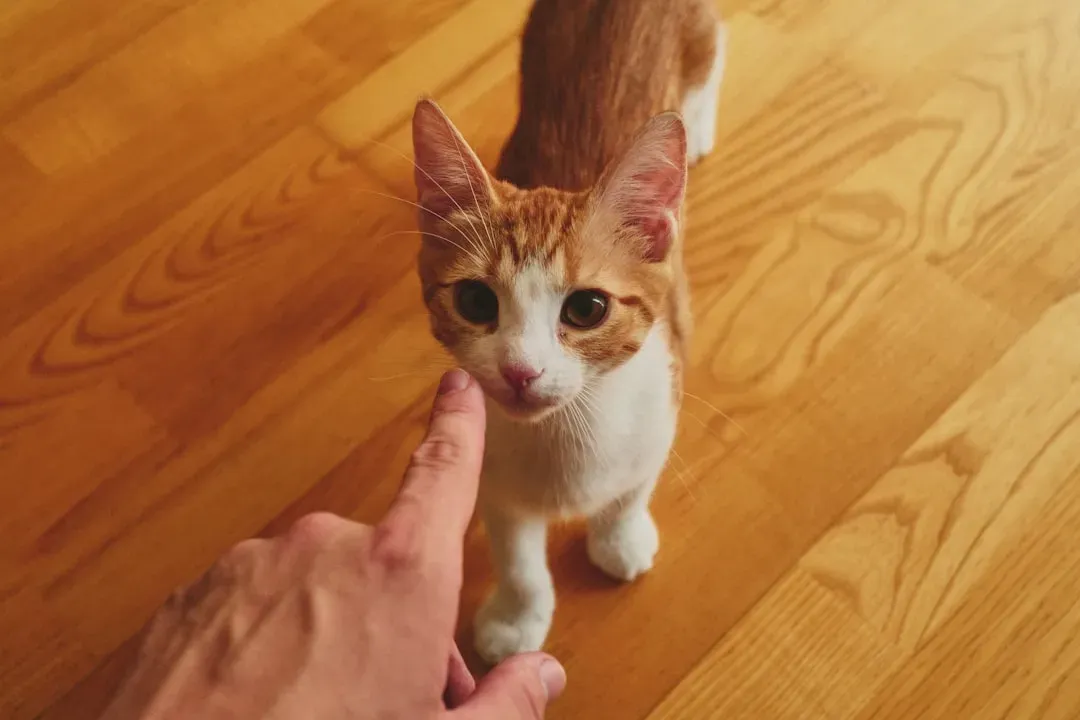
Cats are masters of consent, and respecting their boundaries is one of the most loving things you can do. Unlike dogs who often welcome attention anytime, cats have specific moods for socializing. Forcing a cuddle when your cat isn’t in the mood doesn’t just fail – it actually erodes trust over time. Let’s be real: nobody likes being grabbed when they’re not ready for it.
As eager as you may be to cuddle your new cat, it’s best to allow them to initiate interaction with you when they are ready. Unexpected or uninvited handling can be scary, especially if the cat has experienced trauma or is nervous around strangers. Respecting their autonomy actually makes them more likely to seek you out for affection later. It’s like being a good friend who knows when someone needs space. Your cat will trust you more deeply when they know you won’t force interactions.
7. Providing Vertical Spaces for Climbing and Observing
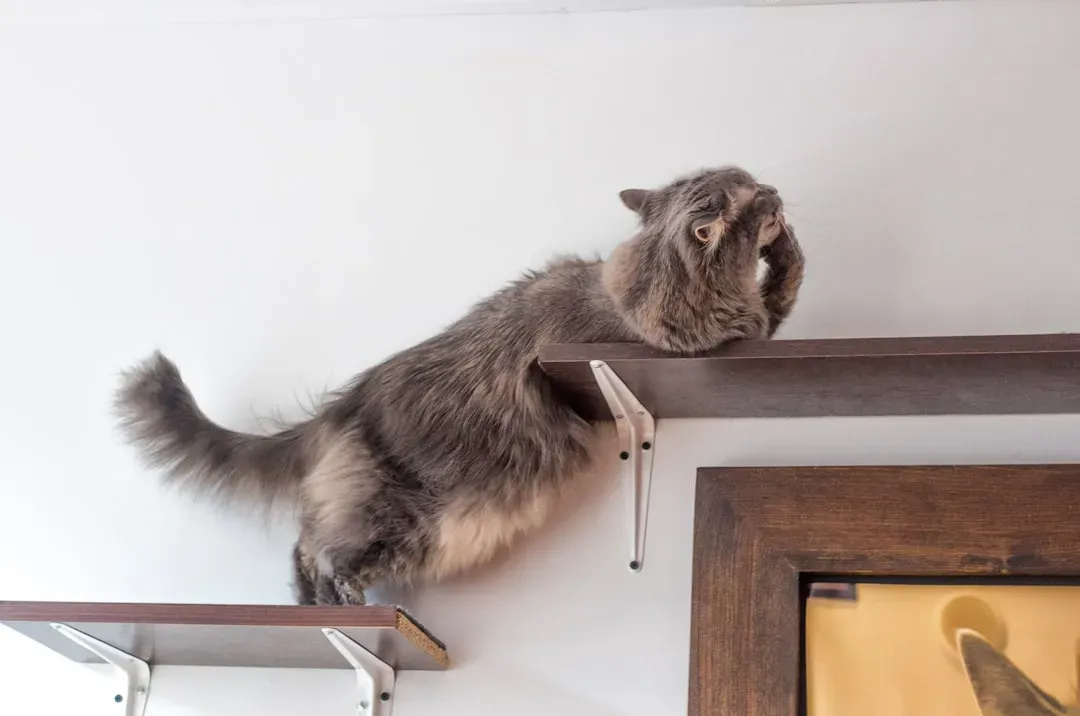
Cats love to climb and observe their surroundings from high vantage points. Providing vertical spaces like cat trees or shelves caters to this instinct, making them feel safe and in control. Think of it as giving your cat their own watchtower. From up high, they can survey their kingdom, relax without worry, and feel that delicious sense of being in charge – even if you’re the one buying the food.
High spaces allow them to retreat when they need privacy and offer a sense of security as they survey their environment. By accommodating their desire to climb, you show understanding of their needs, fostering emotional well-being and enhancing their confidence and security at home. It’s a practical gesture with a huge emotional payoff. A simple wall-mounted shelf can genuinely transform a nervous cat into a confident one. I think that’s remarkable for such a small investment.
8. Engaging in Regular, Meaningful Playtime
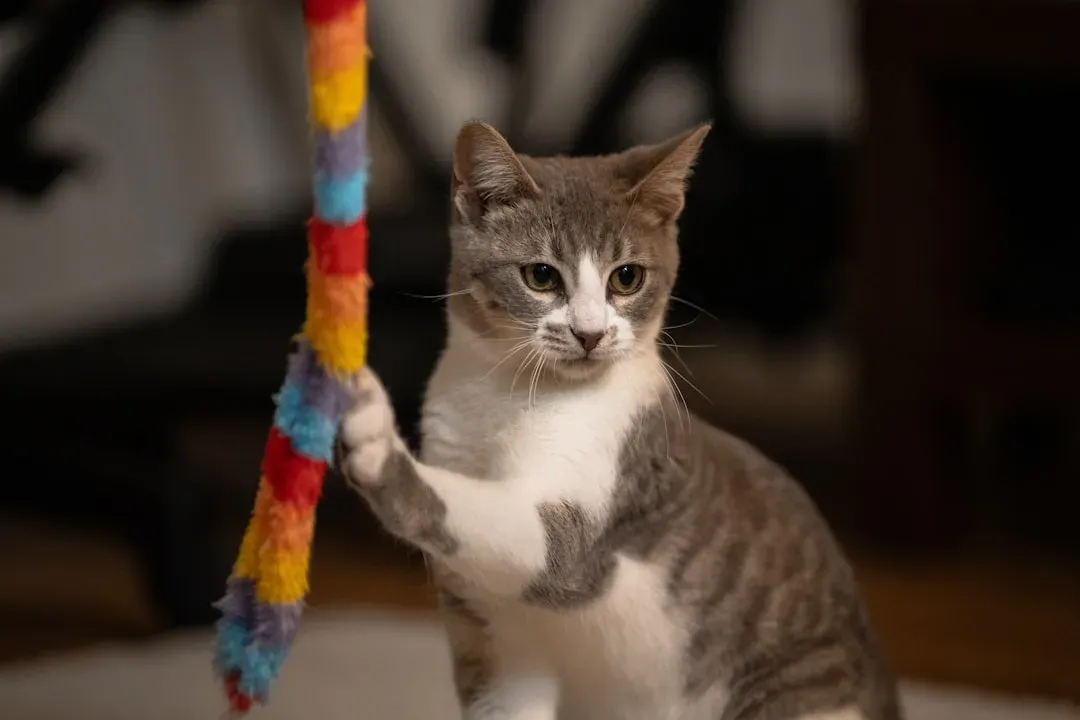
Interactive playtime is not just about keeping your cat physically active – it’s also a crucial component of their emotional security. Cats are natural hunters, and engaging them in play that mimics hunting behaviors can satisfy their instincts and provide mental stimulation. Use toys like feather wands or laser pointers to get your cat moving and thinking. It’s almost like running together – you’re doing something active side by side, and the shared energy builds closeness.
Regular play sessions have the double benefit of keeping stress levels down and fitness levels up. Sessions should be around 10 to 15 minutes long, with two a day enough to provide plenty of stimulation. Playing with your cat will cause their brain to release feel-good hormones called endorphins and help them to burn off all that excess energy. In other words, a ten-minute play session isn’t just fun – it’s medicine. For both of you, if you ask me.
A Final Thought Worth Remembering
It’s easy to assume that cats simply don’t need much from us. They sleep most of the day, rarely come when called, and seem perfectly content doing their own thing. But that independence is a little misleading. Underneath it is a creature that notices every gentle word you say, every time you give them space, every routine feeding that arrives right on schedule.
Cats require emotional security to thrive in their surroundings, just like people do. When they feel safe, they are more relaxed and content, allowing them to form stronger bonds with their owners. Small gestures of love and care play a pivotal role in creating this sense of security. Your cat doesn’t need a bigger home or fancier toys. They need you – showing up, staying calm, and speaking their language. Do that consistently, and you’ll have something rare: a cat who genuinely feels adored. Did you ever imagine that something as small as a slow blink could change everything?
Kristina is a young writer from India. An arts graduate and an avid content creator, Kristina is passionate about animals and wildlife. She enjoys exploring topics related to pet care, animal behavior, conservation, and nature, combining thorough research with engaging storytelling.