That 'Crazy Cat Lady' Stereotype? It's Actually a Badge of Honor
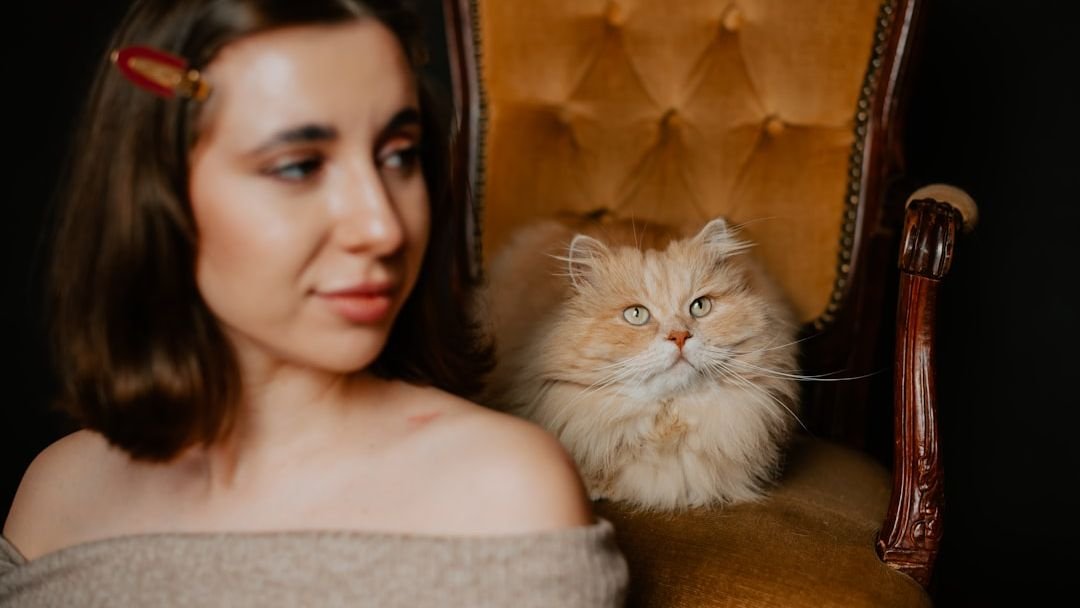
There's a two-word label that has been weaponized against women for centuries, tossed around in sitcoms, used in political attacks, and scrawled on novelty mugs with a knowing wink. You've heard it. You might have even worn it. The "crazy cat lady" - that iconic, slightly frazzled figure surrounded by felines and presumably allergic to human interaction - has lived a long, complicated, and surprisingly fascinating life in the cultural imagination.
Here's the thing though: the more you dig into the actual history of this stereotype, the more you realize it says far less about cat-loving women than it does about the society that invented it. Spoiler alert - there's nothing remotely "crazy" about any of it. So let's get into it, because you might be surprised by what you're about to discover.
Where It All Began: Ancient Goddesses and Sacred Felines
Before anyone dared attach the word "crazy" to a woman with a cat, the pairing of women and felines was something deeply sacred. In ancient times, cats and feminine deities went hand in hand. Egypt's half-cat, half-woman Bastet was the goddess of domesticity, childbirth, and women's secrets, while Chinese cat goddess Li Shou was a symbol of fertility. In Norse mythology, Freya, the goddess of beauty and strength, rode a chariot led by cats.
Honestly, that's not a bad origin story for anyone. You go from being associated with goddesses of strength, fertility, and divine power to being the punchline of a late-night sketch. Bastet was originally a simple goddess who protected humankind against misfortune, later becoming associated with playfulness, fertility, motherhood, and female sexuality - all characteristics of domestic cats. No negative connotations existed back then. This was pure reverence.
The Middle Ages: When Cats Became Sinister
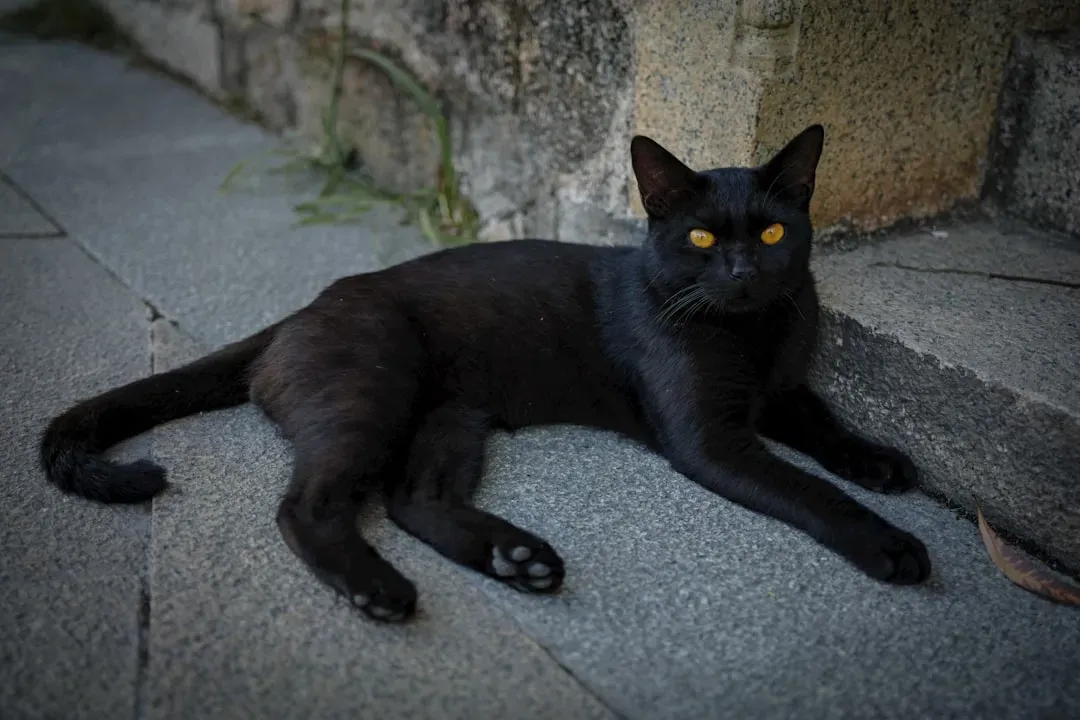
Things took a sharp and rather dark turn in medieval Europe. Cat lady stereotypes originated in medieval Europe, a time in which any woman's behavior that went against social norms was considered witchcraft - and what pet goes better with standard witch imagery than a black cat? This is where the poison entered the well.
During the witch trials, Pope Innocent VIII declared war on cats, torturing and killing hundreds of thousands of them. He claimed they were conduits of Satan. As Christianity gained popularity during the Inquisition, there was a strong condemnation and vilification of pagan deities and goddesses, many of whom took cat-like forms. Think about that for a moment. You could literally be killed for owning a cat. During this period, cats and their owners were often killed together. In some instances, cats were suspected to be human witches in disguise, so they were killed because they obviously could not prove their innocence. The whole thing is as horrifying as it sounds.
The Suffragette Era: A Political Weapon Against Independent Women
Fast forward a few centuries. Women began fighting for the right to vote, to work, to own their own lives - and the cat lady image became a remarkably effective political cudgel. The "cat lady" trope took off during women's suffrage movements. Anti-suffragette propaganda included cats in its imagery to represent the "loss" of a man's role in the family if women got the right to vote, reinforcing the stereotype by suggesting women own cats as a way to cope with loneliness caused by independence, career ambition, singleness, and childlessness. It presumed the only way to feel safe and secure is to be protected by marriage.
Let's be real: this wasn't about cats at all. Unfortunately, because single women of the time were so often viewed as a nuisance - without access to jobs, unmarried women had to rely on the kindness of relatives for financial support - the cat lady became a figure of ridicule. As resentments towards these women grew, so did the popularity of the stereotype. The cat was essentially a prop, used to imply that any woman choosing autonomy over marriage was somehow broken.
Pop Culture's Role in Keeping the Myth Alive
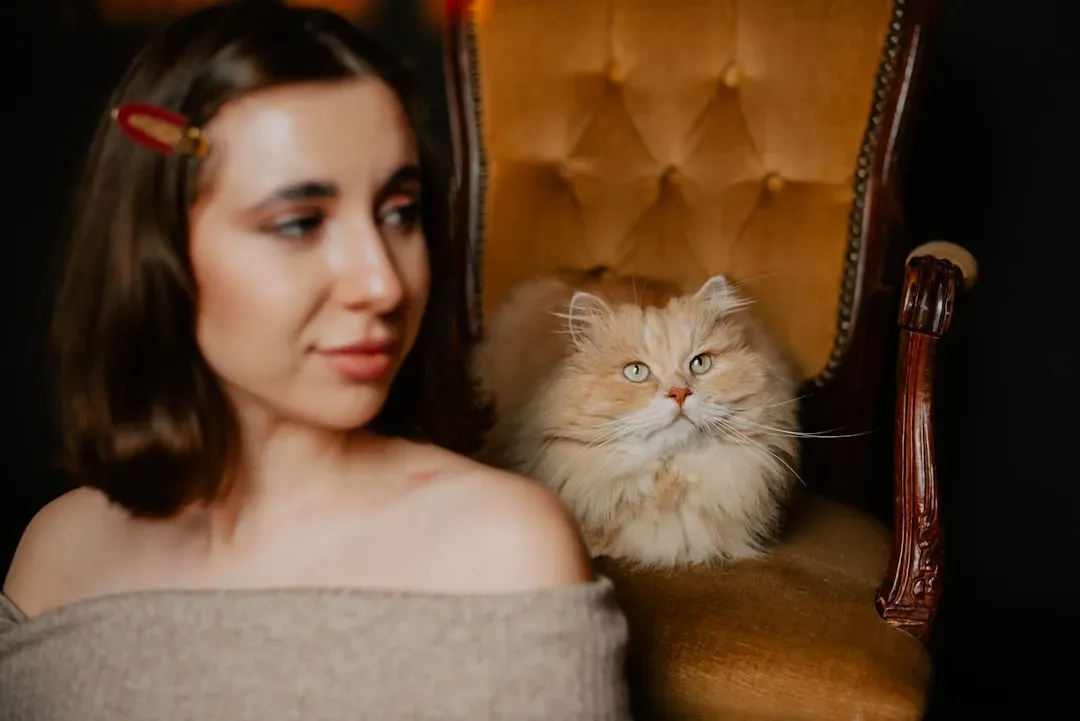
Hollywood and television took what centuries of social stigma had built and ran with it enthusiastically - and not always kindly. The "crazy cat lady" often appears in films and TV shows as a woman grappling with mental health challenges, usually portrayed as isolated, a bit quirky, and always in the company of her many cats. These character sketches, while fictional, continue to dot the landscape of popular culture, influencing perceptions and keeping the trope fresh in our collective memory.
The crazy cat lady stereotype reached a visibility high point in the 1990s, with the character Eleanor Abernathy, MD, JD, from The Simpsons, who throws cats and raves incoherently. Notably, the character had two advanced degrees - a doctor AND a lawyer. The joke seems to be that even with extraordinary achievement, a woman alone with cats is still worthy of mockery. In The Office, Angela is obsessed with cats, watching her pets via nanny-cams at work, keeping them in filing cabinets, and bemoaning the lack of "cat maternity" leave at Dunder Mifflin. Funny? Sure. But the underlying implication is always the same.
The Science Behind the Stigma - and Why It Falls Apart
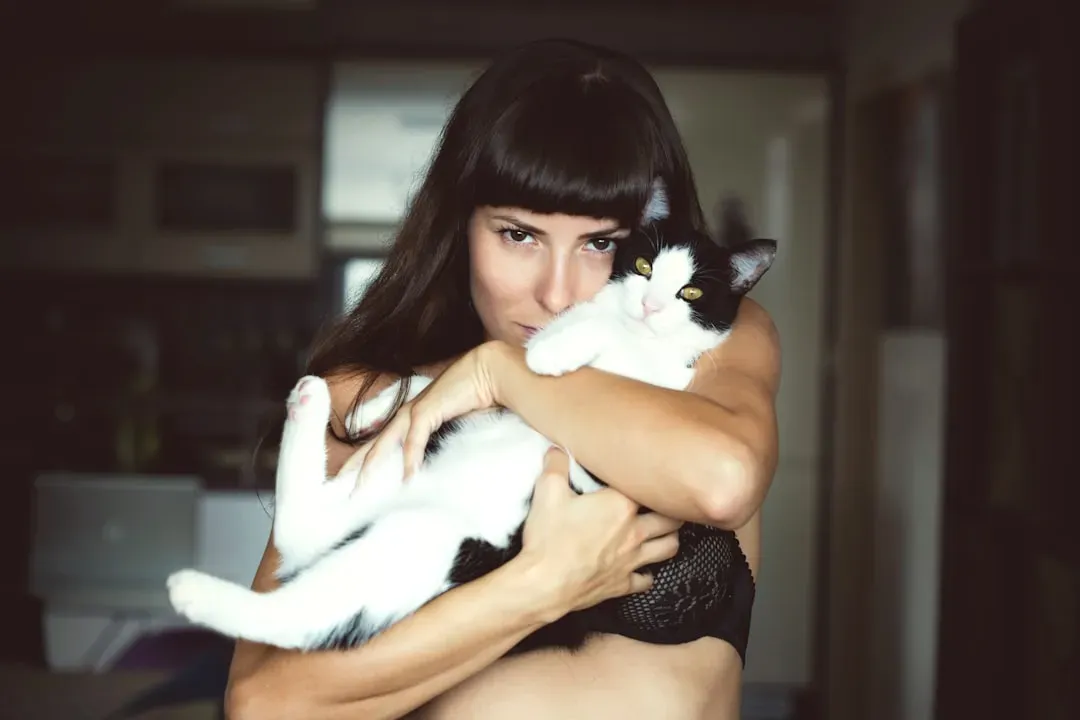
At some point, a sciency-sounding term entered the conversation to give the stereotype a veneer of credibility. Crazy cat-lady syndrome is a term coined by news organizations to describe scientific findings that link Toxoplasma gondii to several mental disorders and behavioral problems. It sounds alarming, right? It's really not.
The "crazy cat lady" stereotype gets a bit of its scientific flavor from concerns about Toxoplasma gondii, a parasite that calls cat waste home and can make the leap to humans. Cats usually pick up this uninvited guest from eating things they probably shouldn't. Although cats are the usual carriers, the impact on human health is generally low, with serious symptoms being a rarity, mostly affecting those with compromised immune systems. In other words, you've probably seen dramatic news stories suggesting that living with cats could somehow be linked to mental health issues due to parasites. This kind of sensational reporting has fueled misconceptions, overshadowing the real deal: the many studies that highlight how having cats around is actually pretty great for your mental health and overall happiness.
What the Research Actually Says About Cat Owners
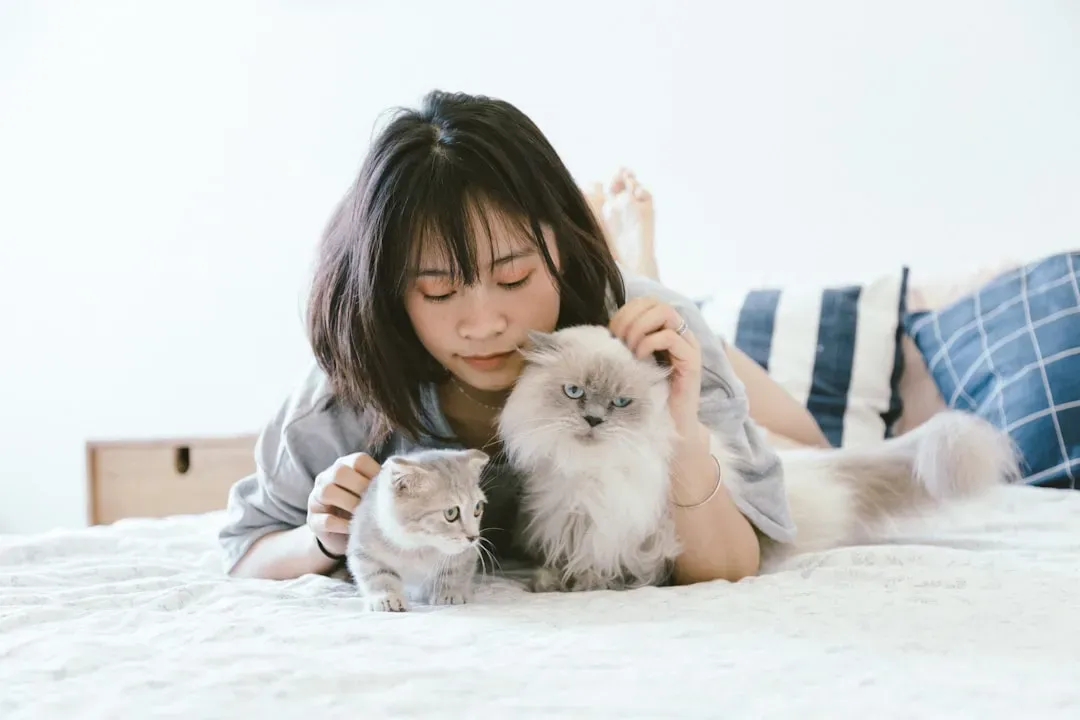
Here's the part where the stereotype doesn't just wobble - it collapses entirely. The idea that cat companionship is a sign of poor mental health is patently false. The Mental Health Foundation says that pets are highly effective at relieving stress and anxiety. Other research has shown that cats are good for humans in a multitude of ways, with cat owners having significantly lower risks of both stroke and heart attack.
A 2024 study confirmed that people who have a pet (a dog or a cat) are generally much happier than those without. The emotional logic here isn't complicated. People either sat in a room alone, with their pet roaming around, with their spouse, or both. Before the stressful tasks began, the cat owners had a lower resting heart rate and blood pressure than people who didn't own any pets. Think of a cat like a living, purring stress ball - one that occasionally knocks things off the table but genuinely helps keep your cardiovascular system in check.
The Numbers Don't Lie: Who Actually Owns Cats?
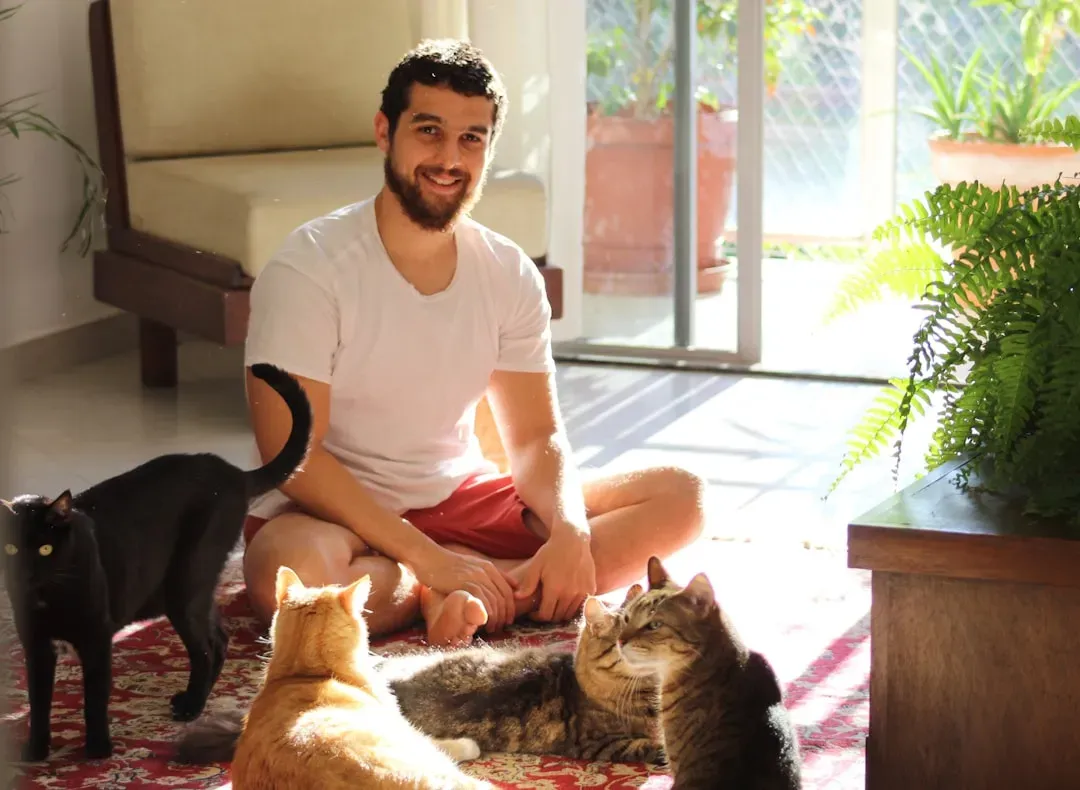
Here's a fact that should immediately dismantle the stereotype at its foundation. Today, cat ownership is more common than dog ownership globally, with more men (roughly 52% male versus 48% female) being cat owners. That's right. Men, on a global scale, own more cats than women do. The "crazy cat lady" is increasingly, statistically, a man.
Surprisingly, the most significant growth in cat ownership was among Gen Z and Millennial men, with 38% of Gen Z and 46% of Millennial cat owners being men, a 17.8% and 23.9% increase from 2023, respectively. The cat population has grown to 76.3 million in 2025, compared with 73.8 million in 2024 and 59.8 million in 1996. Cats are more popular than ever, among everyone, across all genders. The stereotype has never been more disconnected from reality.
Celebrated Women Who Proudly Wore the Label
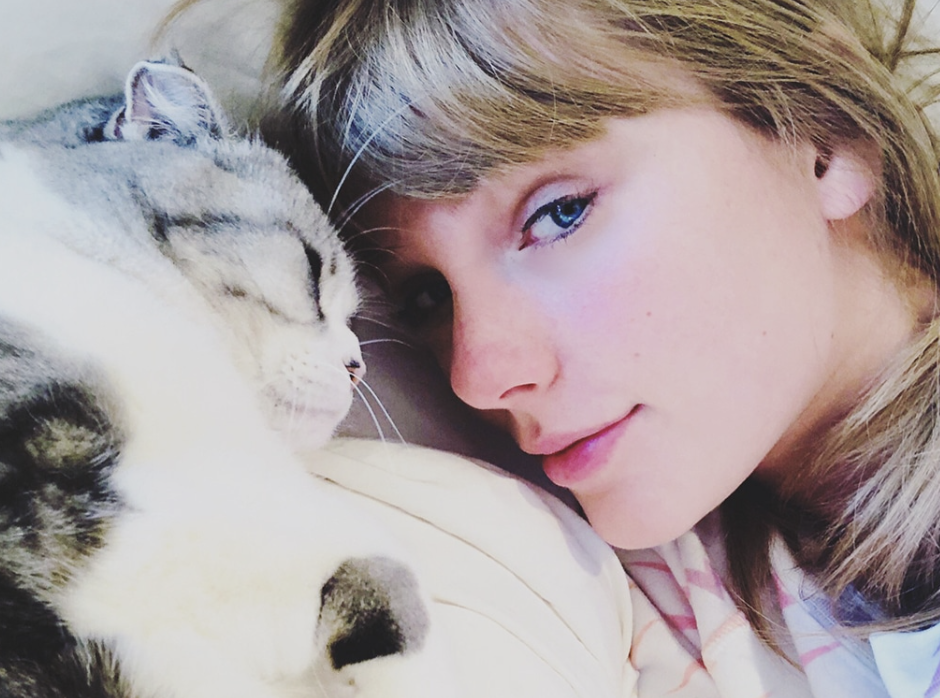
I think one of the most satisfying ways to take apart a stereotype is to point at the extraordinary people who embody it. Few modern celebrities are as famous for loving cats as Taylor Swift. Her three cats - Meredith Grey, Olivia Benson, and Benjamin Button - frequently appear in interviews, music videos, and social media posts, turning them into internet-famous felines.
Celebrity Taylor Swift has referred to herself as a cat lady on multiple occasions. In an Instagram post endorsing Democratic presidential candidate Kamala Harris in the 2024 United States presidential election, Swift signed the post off referring to herself as "Childless Cat Lady" in reference to Vance's comment. It was a masterclass in reclamation. Swift helped redefine the modern cat lady aesthetic, proving that loving cats can be both fashionable and culturally influential. And she is, by any measurable standard, doing just fine.
Reclaiming the Title: From Insult to Identity
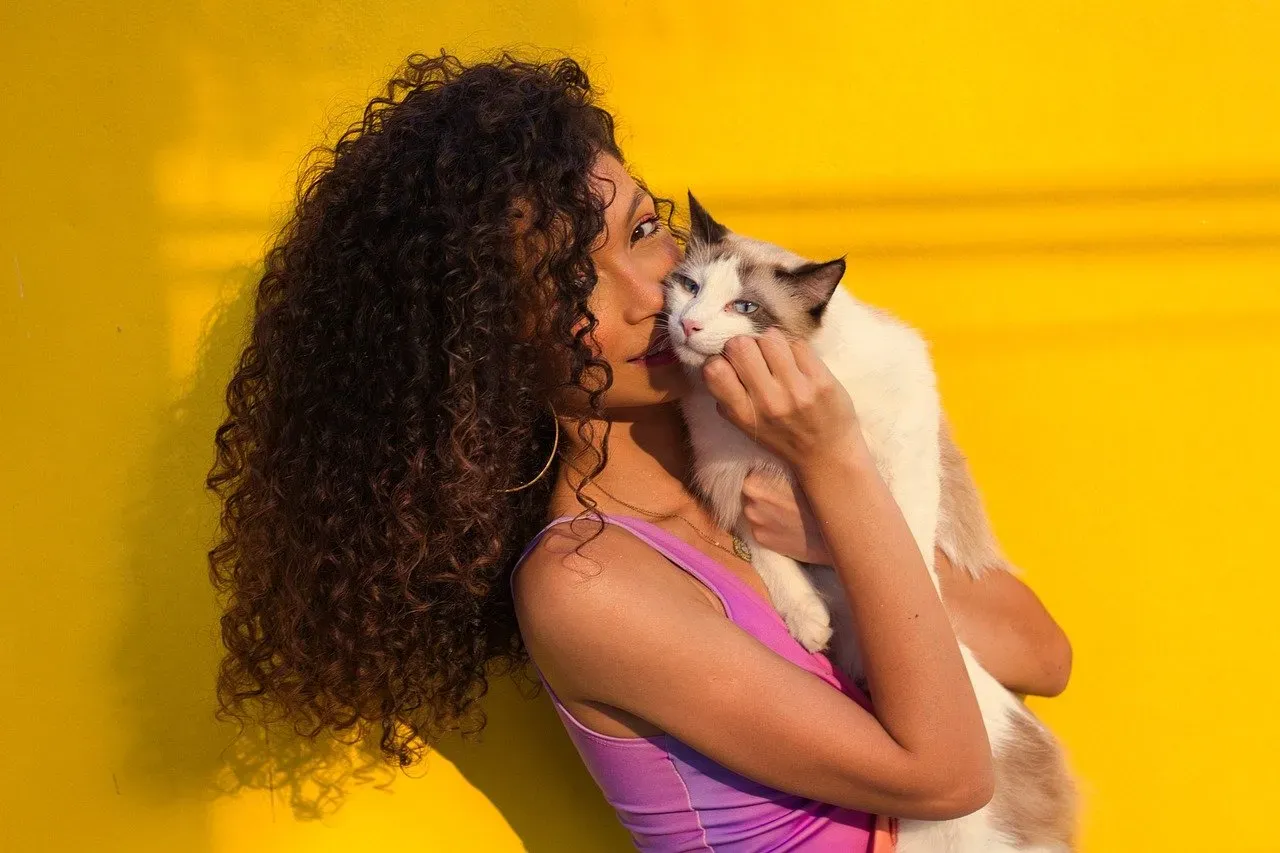
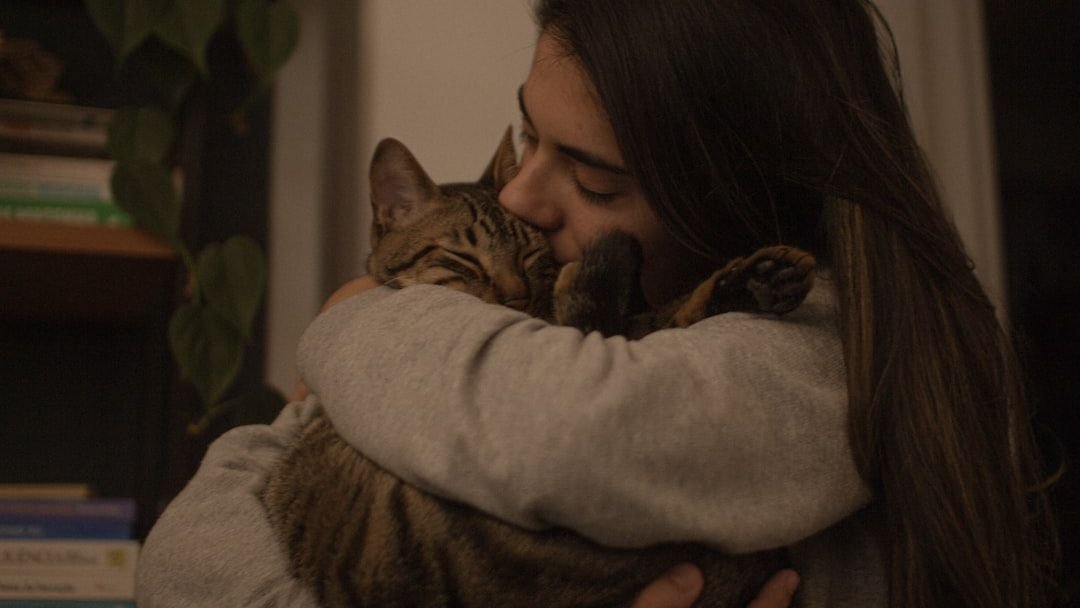
Something genuinely exciting has been unfolding over the past decade or so. Some writers, celebrities, and artists have challenged the gender-based "Crazy Cat Lady" stereotype, and embraced the term to mean an animal lover or rescuer who cares for one or multiple cats, and who is psychologically healthy. That's not a small shift. That's a cultural earthquake.
The shift in the cat lady image reflects bigger changes - more people living solo, shifting views on marriage and kids, and a deeper appreciation for animal welfare. These trends have painted cat ownership in a whole new light. Nowadays, the modern cat lady could be anyone from a busy young professional to someone enjoying retirement. She's redefining old-school views on what women should be like and finding happiness in the company of her cats. The old "crazy cat lady" stereotype has turned into a new and beautiful concept that has consideration for all the cat parents around the world, regardless of gender, age, and lifestyle.
Conclusion: A Stereotype That Was Never Really About Cats
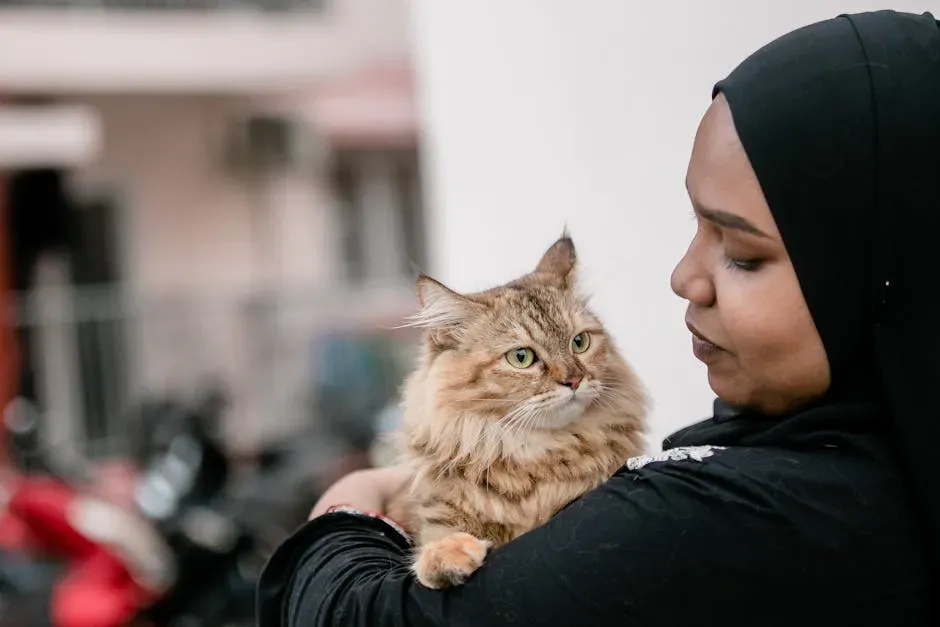
When you stand back and look at the full arc of this story, from Egyptian goddesses to SNL sketches to Taylor Swift signing posts as a "Childless Cat Lady," one thing becomes crystal clear. The "crazy cat lady" was never really about cats. It was about control - specifically, about what happens when women dare to define their own happiness on their own terms.
One particularly salient and startling element of the cat lady stereotype is the element of control embedded within it. Whether cat ladies are characterized as childless, lonely, or crazy, the underlying message about what marks a successful versus an unsuccessful woman does not go unnoticed. Every time someone uses that label as an insult, they're unknowingly echoing centuries of social anxiety about female independence. So yes, if someone calls you a crazy cat lady in 2026, take it as a compliment. You're in the company of goddesses, champions, and some genuinely spectacular humans who chose joy - furry, four-legged, occasionally chaotic joy - on their own terms.
What do you think - is it finally time the world retired this tired old stereotype for good, or has reclaiming it become the better victory? Tell us in the comments.