8 Heartbreaking Ways a Cat Says Goodbye Before Crossing the Rainbow Bridge
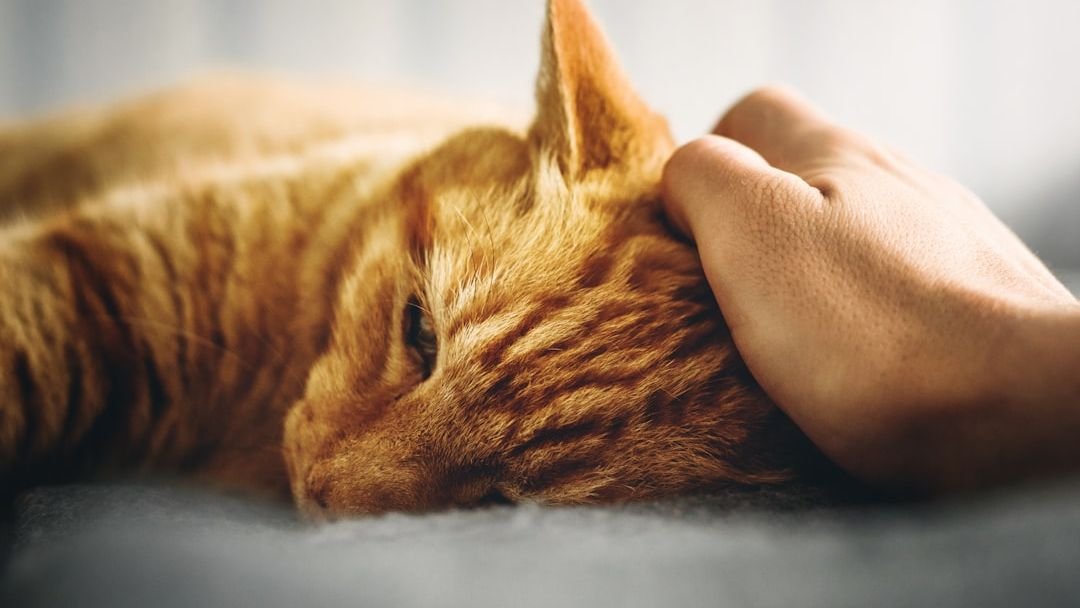
There is a particular kind of grief that only cat owners know. It's quiet, creeping, and often arrives before you're ready. Your cat has been your shadow, your lap warmer, your 3 a.m. companion - and now something feels different. Something in their eyes, their movements, their silence.
Cats give off both physical and behavioral cues that they're nearing the end of life. The trouble is, these signs can be so subtle, so wrapped in feline mystery, that you might miss them entirely - or mistake them for something less final. Honestly, that's the cruelest part. Your cat may already be saying goodbye, and you might not even realize it yet. Let's dive in.
1. Retreating Into Solitude and Hiding Away
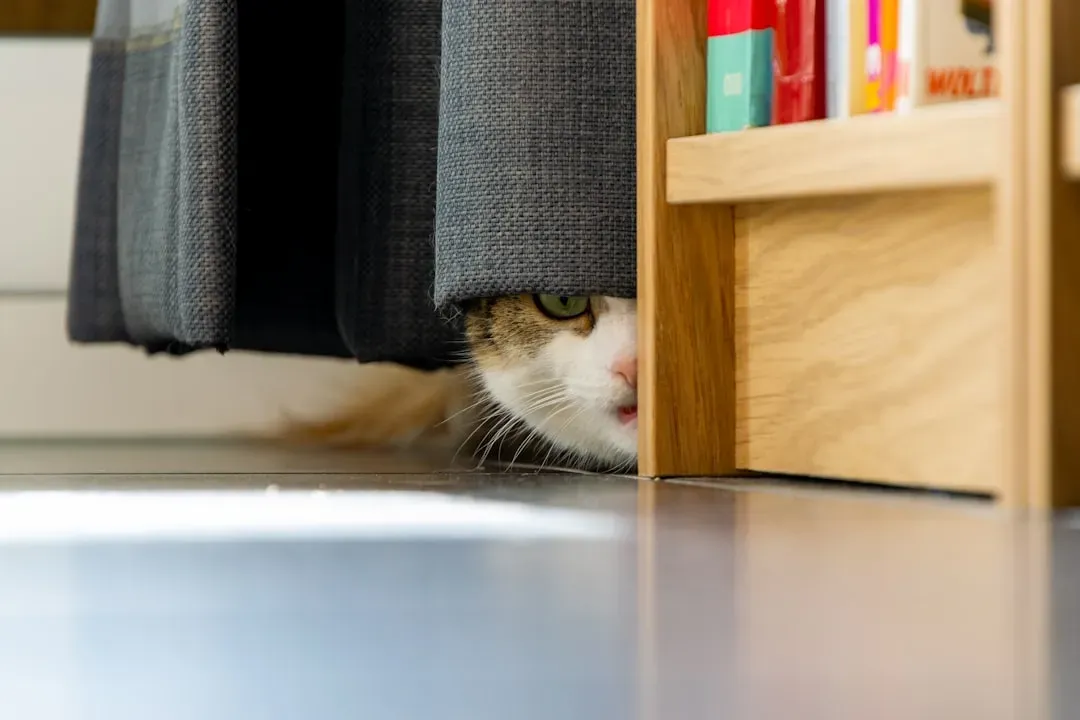
If your cat has always been the type to curl up beside you on the couch but suddenly starts disappearing into the back of the closet or under the bed for hours, pay close attention. Cats often choose solitary places when they're nearing the end of their life, a behavior that harks back to their wild ancestors who, when feeling vulnerable, sought secluded spots to protect themselves from predators.
Some cats, when sensing their time is near, will hide or seek out secluded places. This is a natural, instinctive behavior that reflects their desire for privacy in their final moments. Respecting their space is essential, as it allows them to feel safe during their last days. Hiding may be how some cats say goodbye - by retreating into a quiet, comfortable spot away from disturbance. Think of it less as rejection and more as a deeply instinctual act of self-preservation. They are not pulling away from you out of indifference. They are simply following something ancient inside them.
2. A Sudden and Heartbreaking Loss of Appetite
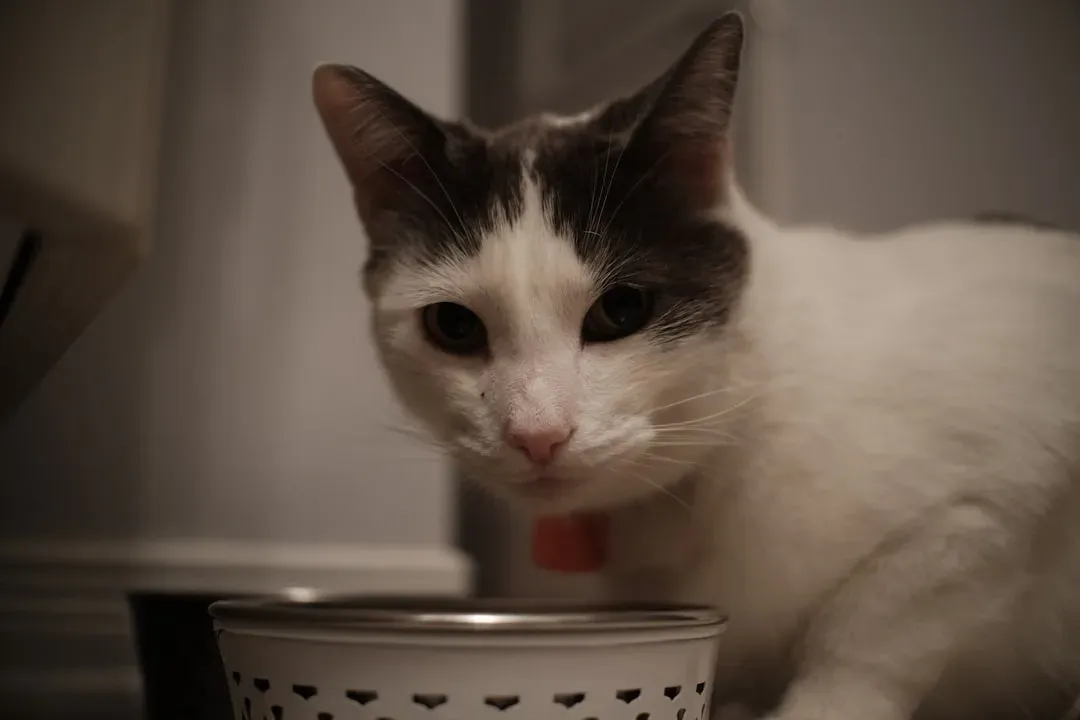
You set down their favorite bowl - the one they used to sprint toward - and they just look at it. Maybe they sniff it. Maybe they turn and walk away. A noticeable decline in appetite is a common sign a cat is nearing the end of its life. Cats may no longer be interested in food or even refuse to eat altogether. This is due to their body's gradual shutdown, making it difficult to process food. As their bodily functions weaken, the decrease in appetite serves as one of the clearer signs a cat is dying.
Cats with terminal illnesses like lymphoma and cancer may experience a loss of appetite due to a compromised gastrointestinal tract, leading to difficulty in maintaining normal feeding. It's worth knowing that this isn't a behavioral choice on your cat's part - their body is simply losing the ability to process nourishment the way it once did. If your four-legged pal is eating far less than usual or appears to be losing weight despite eating, this could be a sign that their body is beginning to shut down. If your cat refuses to drink water or eat anything, you may wish to pay a visit to your vet to discuss options.
3. Unusual and Unexpected Clinginess
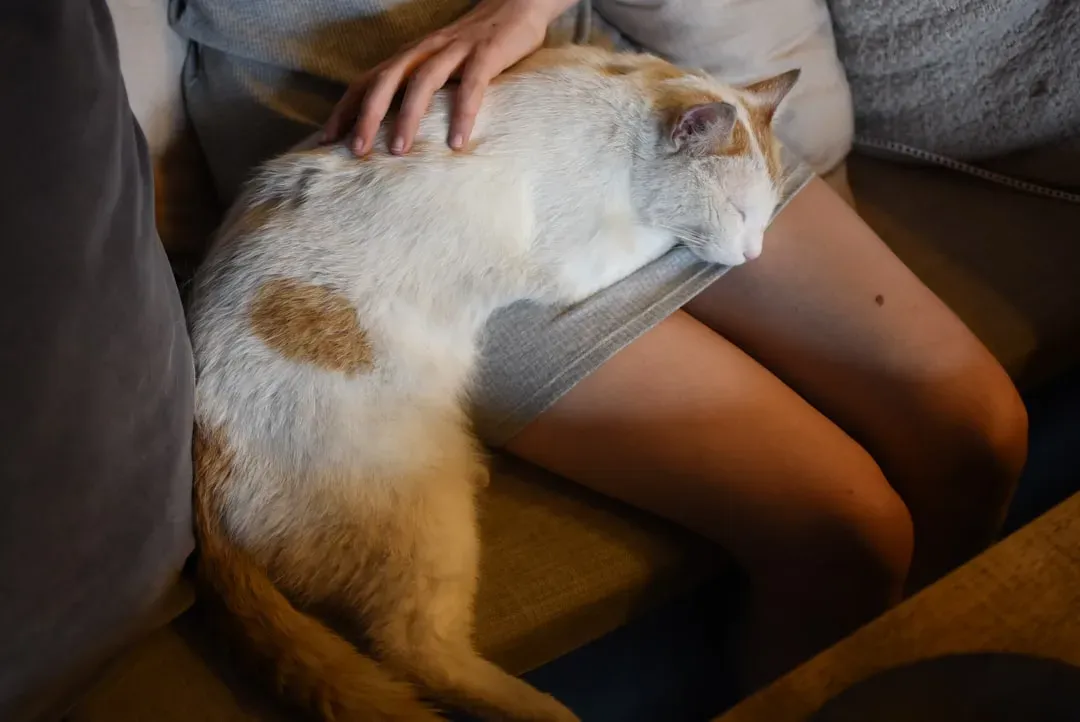
Here's the thing - some cats do the opposite of hiding. Instead of pulling away, they press closer. Suddenly, your independent, aloof cat who once barely tolerated being picked up won't leave your side. When a cat senses its life is nearing an end, it may seek out more affection from its owner. You may notice your cat lingering closer, craving your touch, or trying to snuggle more often. This behavior is one of the signs a cat is dying, as they instinctively seek the comfort of their loved ones in their final moments. It's a way they say goodbye, by looking for warmth and affection from those they trust most.
Cats will often become more affectionate as they approach their last days, wanting more attention than normal and being more vocal. If you've ever had a normally standoffish cat suddenly climb into your lap and stay there for an entire afternoon, you'll understand how bittersweet that moment can feel. Cherish it. It might be one of their final love letters to you, written entirely in warmth and closeness.
4. Dramatic Decline in Grooming Habits
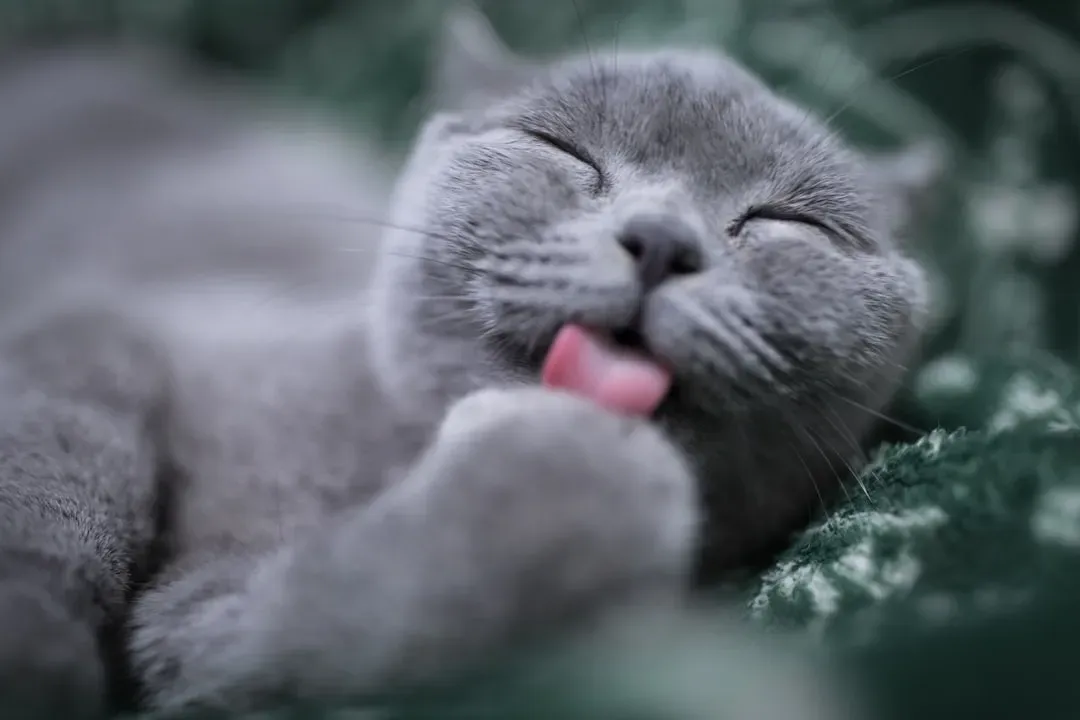
Cats are known for their fastidious grooming habits, so a sudden decline in their personal hygiene can indicate something is wrong. If your cat is neglecting their fur care, it may be because they lack the energy to groom themselves or because their joints are too stiff. This alteration can be one of the earliest indicators that your feline friend is not well. For a creature that typically spends a significant portion of their waking hours keeping themselves pristine, letting go of that routine is deeply telling.
The skin microbiome of cats changes in the face of disease, causing dying cats to develop a matted or unkempt appearance as self-grooming decreases or stops entirely. You might notice tangled fur around their back or hind legs first - areas that require more flexibility to reach. A cat that is feeling severely ill or is in significant pain may stop grooming itself. If you start noticing matted fur or similar problems, pay close attention to any other changes in the animal's behavior. Gently brushing them yourself can be a beautiful act of care in these moments.
5. Deep, Prolonged, and Unusual Lethargy
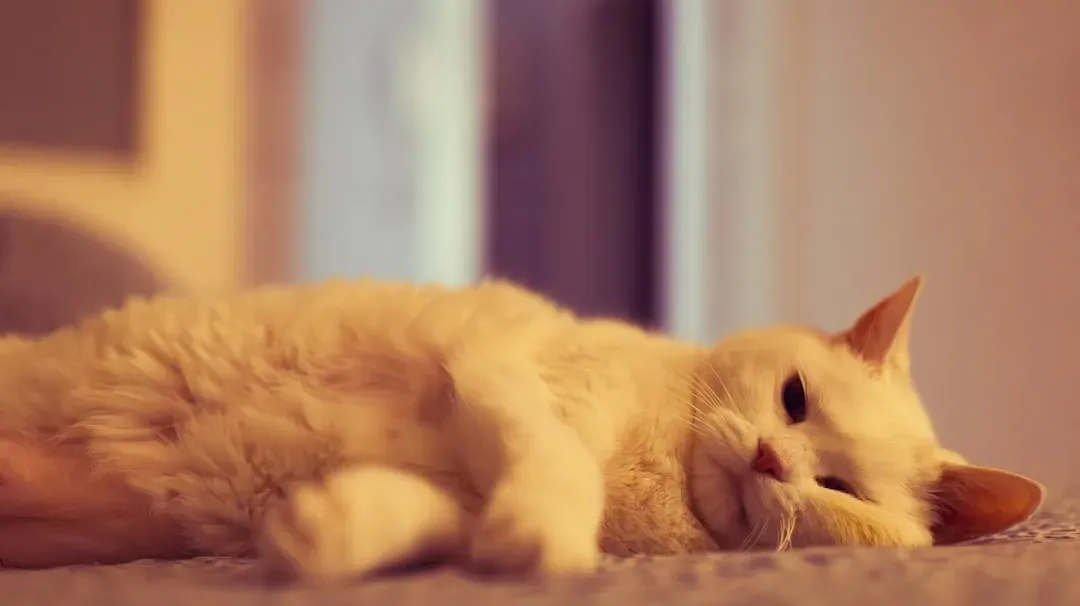
Yes, cats sleep. A lot. We all know that. I think this is exactly why this sign is so easy to dismiss - until you realize that what you're witnessing isn't ordinary napping. A cat nearing the end of its life will often sleep more than usual. Increased lethargy and a decline in activity levels can be indicative of their declining health. This behavior is normal as their body expends energy in trying to heal or cope with illness, leading to longer and deeper periods of rest.
When the end is near, your cat may be harder to wake and sleep through mealtimes. Of course, cats love to sleep, but if your senior cat is unusually sluggish, this could be a sign. The difference is stark once you see it: this is not cozy, peaceful napping. This is exhaustion at a level the body cannot fight off. As your cat's health deteriorates, they will lose interest in things they once enjoyed. They may no longer want to play with their toys, may turn their nose up at their favorite treats, and may even stop purring when petted. Disinterest in the world around them and a lack of joy for things they once loved are signs that your cat is ready to pass on.
6. Changes in Vocalization - Silence or Sudden Crying
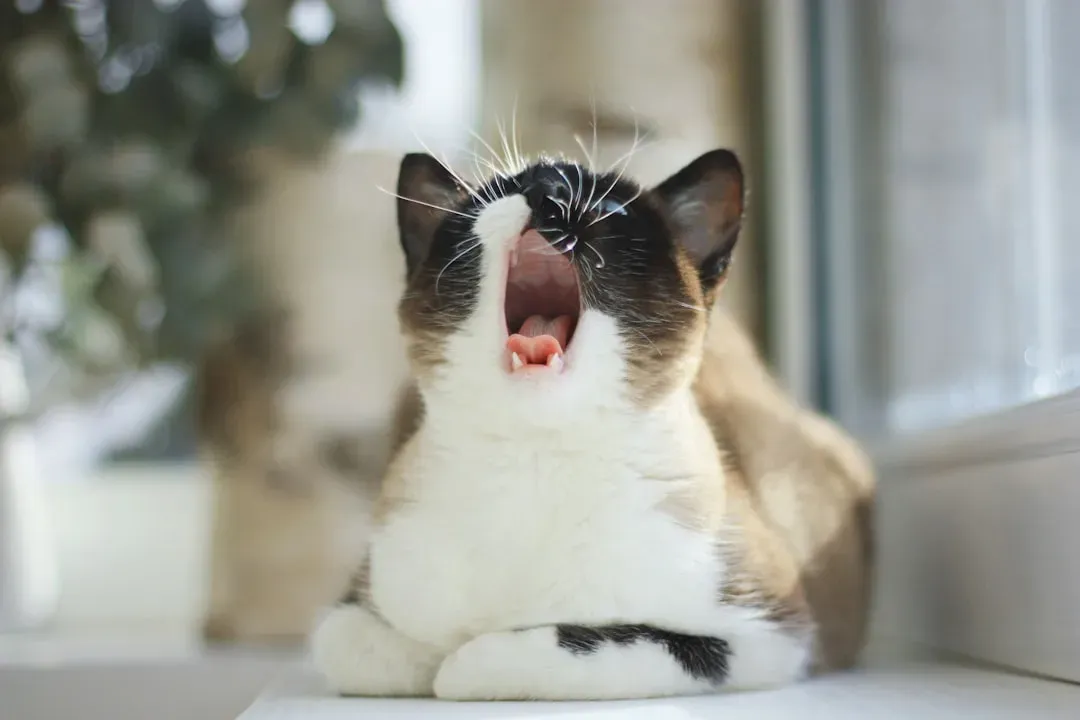
Changes in vocalization - such as yowling, meowing excessively, or falling into complete silence - are among the behavioral signals cats display as they approach their final days. It might sound counterintuitive, but both extremes can mean the same thing. A cat who suddenly goes quiet after years of chatty meowing, or one who begins yowling at odd hours without apparent cause, is communicating something profound. Their vocabulary is shifting.
Senior cats and cats nearing the end of life might develop cognitive dysfunction much like human dementia. They may forget where they are and feel lost in their own home. Confused cats might express their distress through yowling and other loud vocalizations. It's heartbreaking to hear, honestly. If your cat suddenly begins meowing more or is making other out-of-the-ordinary noises, this could indicate discomfort or pain. Cats can be noticeably vocal when they aren't feeling well. Trust your gut. You know your cat's voice better than anyone.
7. The Long, Lingering Gaze
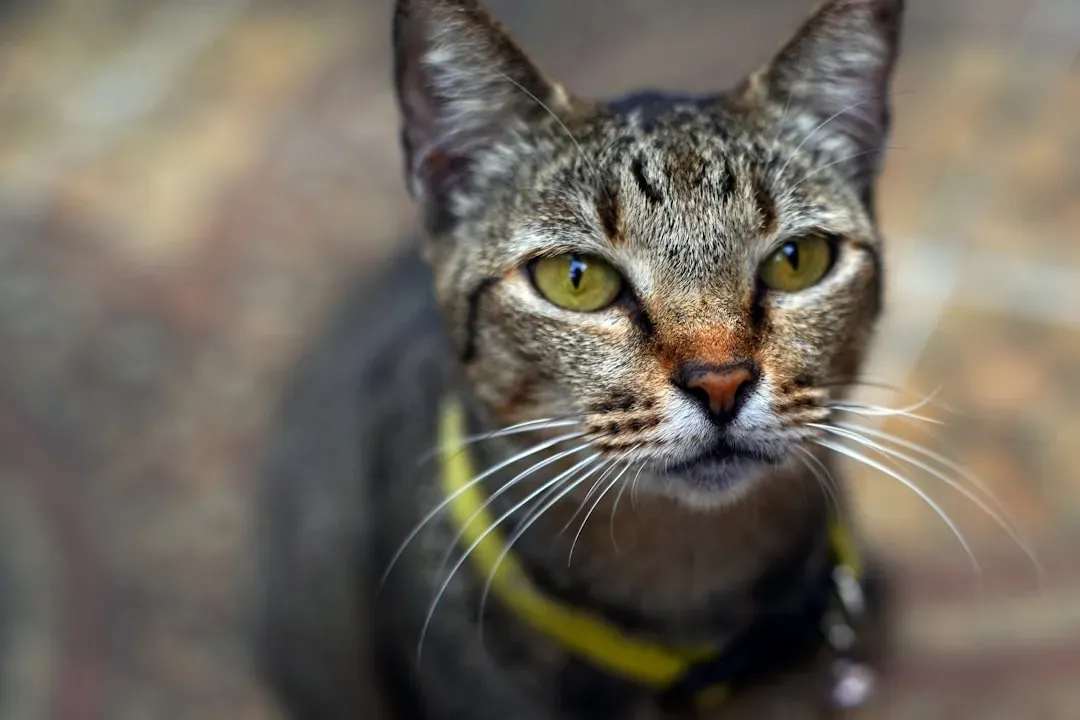
This one is perhaps the most emotionally overwhelming sign of all - and also the hardest to describe to someone who hasn't experienced it. As a cat approaches the end of its life, its gaze may change, becoming deep and serene. This subtle shift in their eyes can sometimes feel like they are communicating with you for the last time. Many believe this is the cat's way of saying goodbye, offering one final moment of connection before they pass on.
A cat's eyes are windows to its soul, and in their final days, they use them to communicate the unspeakable. A lingering gaze from your feline friend is filled with love and gratitude. Their eyes, once full of mischief, now convey wisdom and peace. It's as if they're etching your image into their memory. Stop what you're doing when this happens. Put the phone down. Meet their gaze. They do tell us with their eyes when it's time to go, and giving them that dignity is the greatest sacrifice we can make, despite knowing how deeply it will break our hearts.
8. Labored Breathing and a Drop in Body Temperature
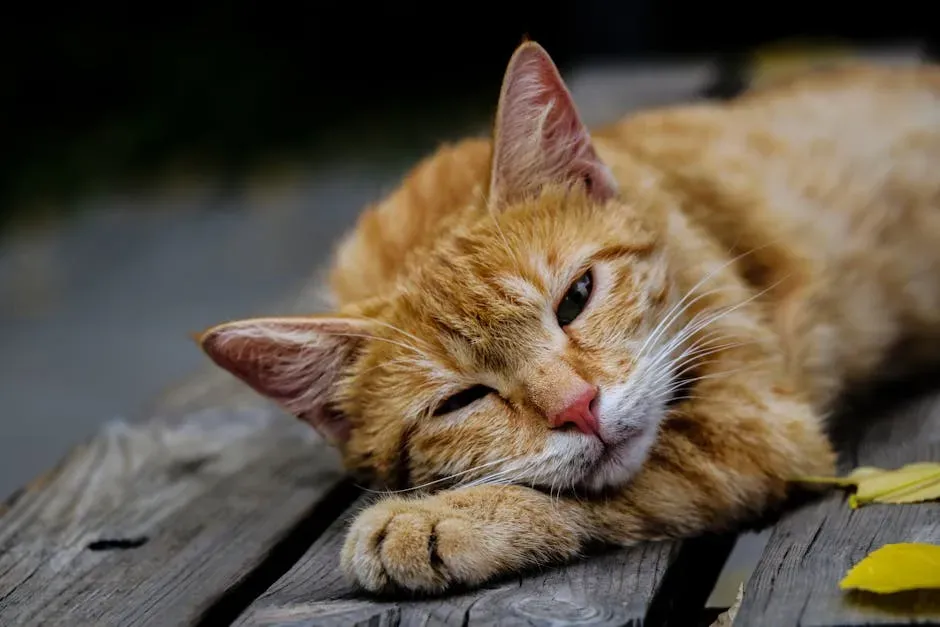
Irregular, shallow, or labored breathing is a warning sign that a cat may be dying. Particularly in a pet's final hours, a gasping breath pattern may occur. Because breathing difficulties can be painful and distressing, you should seek timely veterinary care or rapid euthanasia to reduce suffering if you notice this end-of-life behavior in your pet. This is the stage where the body is working incredibly hard just to keep going, and it's often the clearest signal that the end is very close.
Senior cats increasingly have trouble regulating their body temperature, and will be more susceptible to heat and cold than healthy adult cats. Even when provided with a warm bed and environment, cats nearing death often have a low body temperature. If you notice their paws or ears feeling unusually cold to the touch, gently wrap them in a soft blanket and stay close. Recognize that your kitty's body is in the process of shutting down. Hold them as you tell them how much you love them and say your goodbyes. Your warmth and voice are the greatest comfort you can offer them now.
A Final Word: Honor Their Goodbye
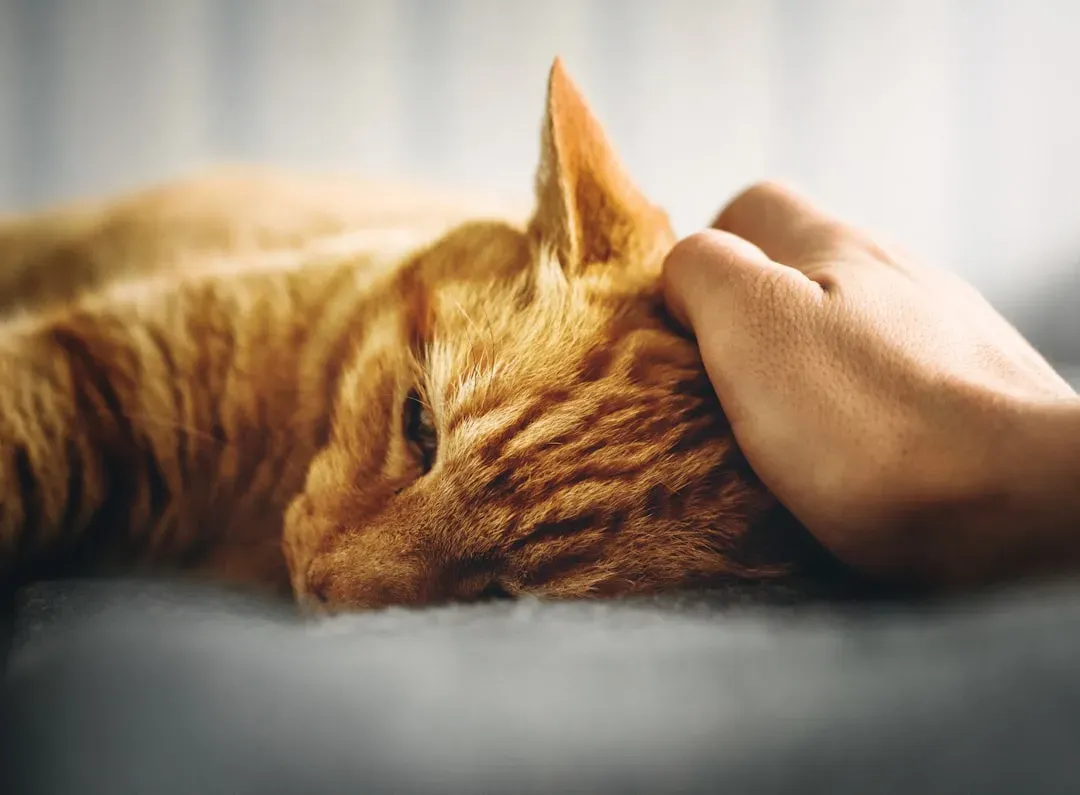
Losing a cat isn't "just losing a pet." It's losing a daily ritual, a presence, a heartbeat that shared your home for years. Not understanding the signs a cat might display in their final life stages can leave pet owners with lingering questions and a sense of regret, potentially hindering the grieving process and the ability to find peace. That's why recognizing these eight signs matters so much - not to prepare for loss alone, but to make the most of the time that remains.
Families can help make their cat's last days as peaceful as possible by creating an end-of-life plan before an urgent situation arises. Whenever possible, plan ahead with your family and veterinarian well before you need to act. Your veterinarian can explain the expected course of your cat's condition, offer palliative and hospice care options, and discuss aftercare and memorial choices. Your cat walked through life quietly beside you, asking for very little. In these final days, they deserve every ounce of gentleness, patience, and love you have to give.
The Rainbow Bridge is a beautiful metaphor - not because it softens the pain, but because it reminds us that the bond never truly ends. Have you noticed any of these signs in your own cat? Share your story in the comments. You are not alone in this.