13 Things Your Cat Wishes You Understood About Their Feelings
You share your home with one of the most emotionally complex creatures on the planet, and the wildest part? You might only be understanding about half of what your cat is actually trying to tell you. Most people assume their cat is either happy or grumpy, but the emotional world of a feline goes far deeper than that. Cats carry feelings that are nuanced, layered, and surprisingly similar to what we experience ourselves.
The tricky thing is that cats don't shout their feelings from the rooftops the way dogs do. They don't leap at you with uncontainable excitement when you walk through the door. Their emotional signals are quiet, subtle, and so easy to miss. If you've ever felt like your cat is a mystery wrapped in fur, you're not alone. Let's dive in, because what your cat has been trying to tell you this whole time might surprise you.
1. Your Cat Genuinely Has a Rich Emotional Life
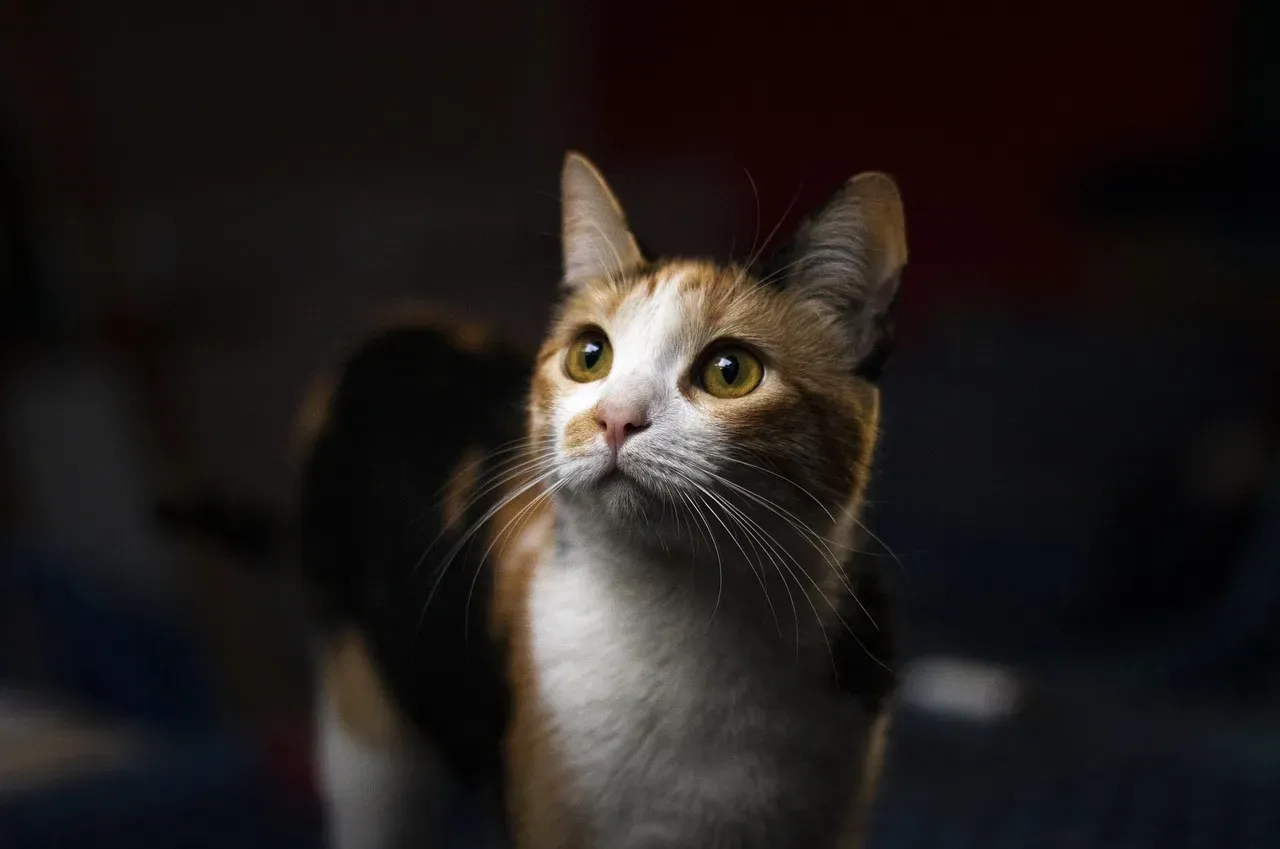
Let's start with the big one. Your cat is not an emotionally blank machine that only wants food and warmth. Your cat can feel the six basic emotions of anger, happiness, fear, surprise, disgust, and sadness. That's not a small thing. That's nearly the same emotional range scientists describe in human toddlers.
Cats have the same hormones that play a role in the human stress response, namely cortisol and adrenaline, which suggests that they likely experience fear and anxiety in much the same way as humans do. Think about that the next time you dismiss your cat's hesitation about a new situation as "just being difficult." Their reaction is real, physical, and deeply felt.
2. Your Cat Knows When You Are Sad
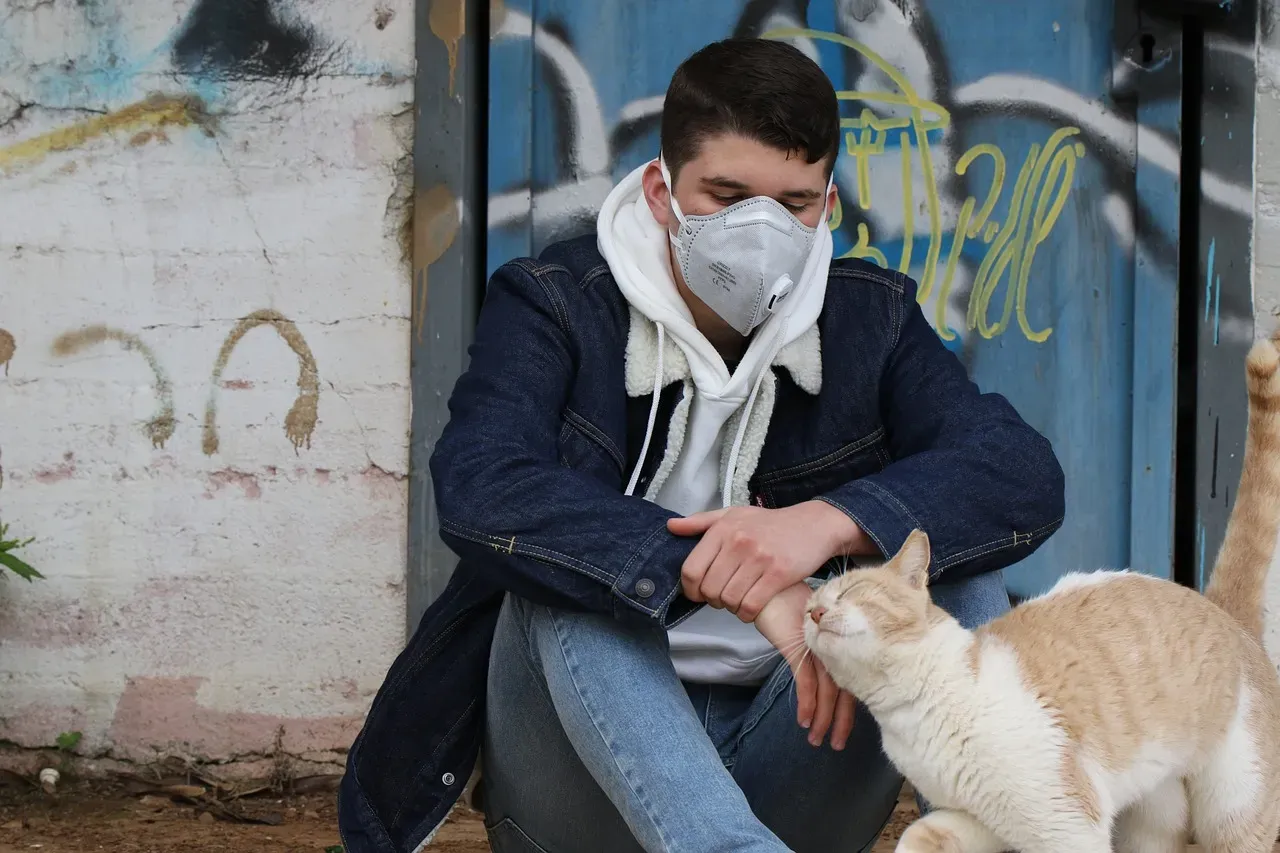
Honestly, this one gave me chills when I first read about it. Although cats may not specifically understand what you are feeling, they can recognize the body language and movement changes that happen when you become sad. They may not be able to pick up certain nuances between human negative moods such as loneliness or grief, but they know when you are in a low mood compared to when you are feeling happy.
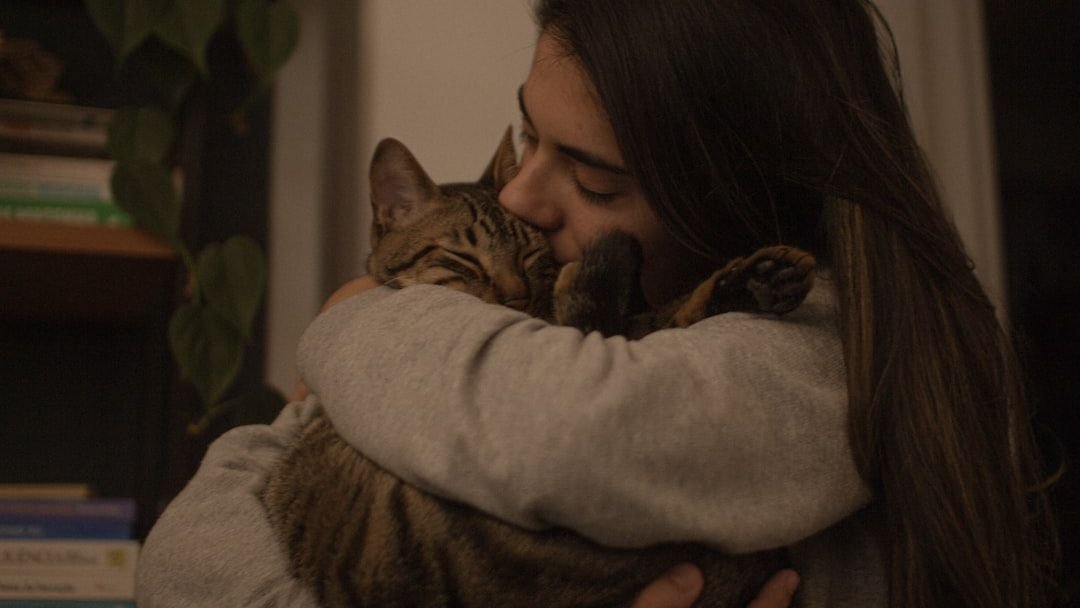
The closer your bond is with your cat, the more likely they are to be in sync with you and understand your different moods. So that moment your cat sauntered over and sat next to you on your worst day? That was not a coincidence. That was your cat reading the room and choosing to be present with you.
3. Your Mood Directly Affects Your Cat's Emotional State
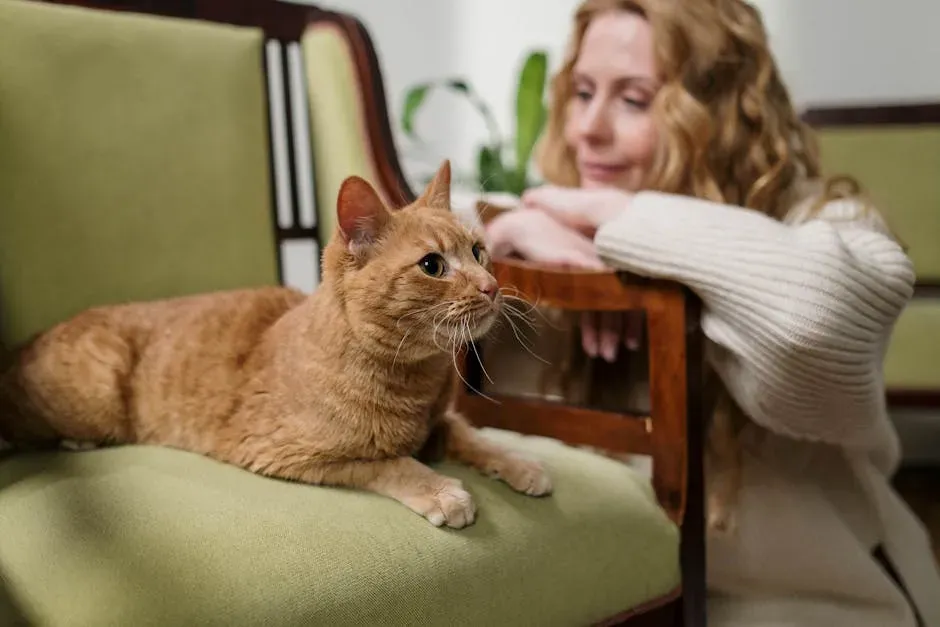
Here's the thing that many cat owners don't fully grasp: your emotional energy is contagious to your cat. Cats see that you are stressed and they become stressed. Cats see that you are relaxed and calm, and they become relaxed and calm. It's almost like living with a little emotional mirror.
While not all cats will necessarily acknowledge your emotional state, it is important to understand that your emotional state does affect your cat. There are clients whose cats had behavior issues, with the emotional state of their guardians as a contributor to the problem. In other words, if your cat is acting out, the answer might start with your own stress levels, not their temperament.
4. Your Cat Can Actually Smell Your Fear
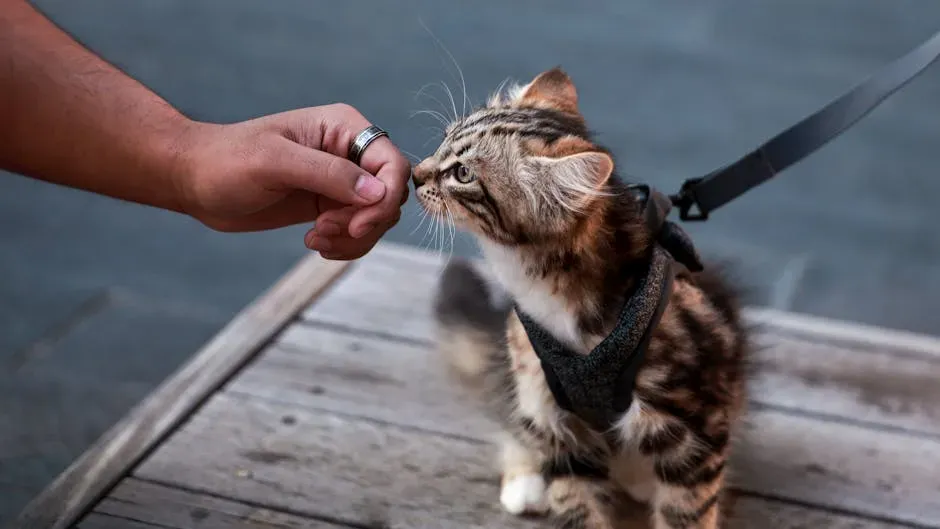
This sounds almost too cinematic to be true, but the research is genuinely fascinating. A recent study shows cats can detect human emotions through scent, especially fear, suggesting our cat friends might understand us more than we realize. You don't even have to say a word or make a single gesture. Your body chemistry tells them everything.
The study revealed that cats' behaviors changed significantly based on the emotional odors presented, particularly fear-related scents. When exposed to the "fear" odor, cats exhibited more severe stress-related behaviors compared to when they were exposed to "physical stress" and "neutral" odors. Your cat is a walking, purring emotional detector, picking up signals you don't even know you're broadcasting.
5. A Slow Blink Is Your Cat's Way of Saying "I Love You"
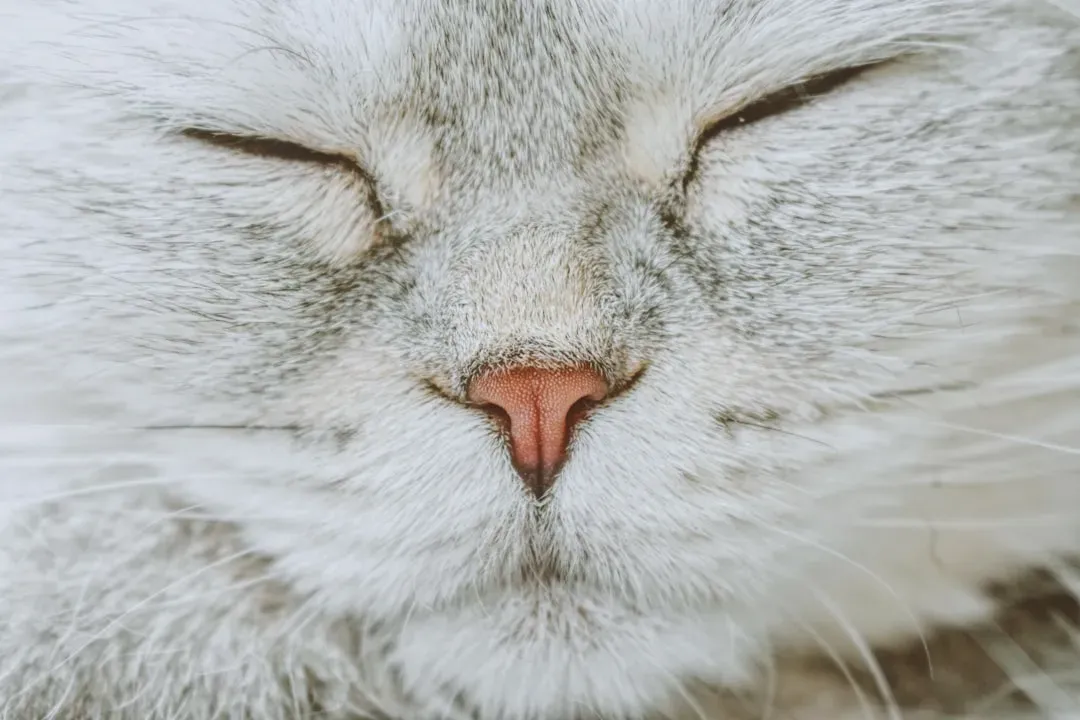
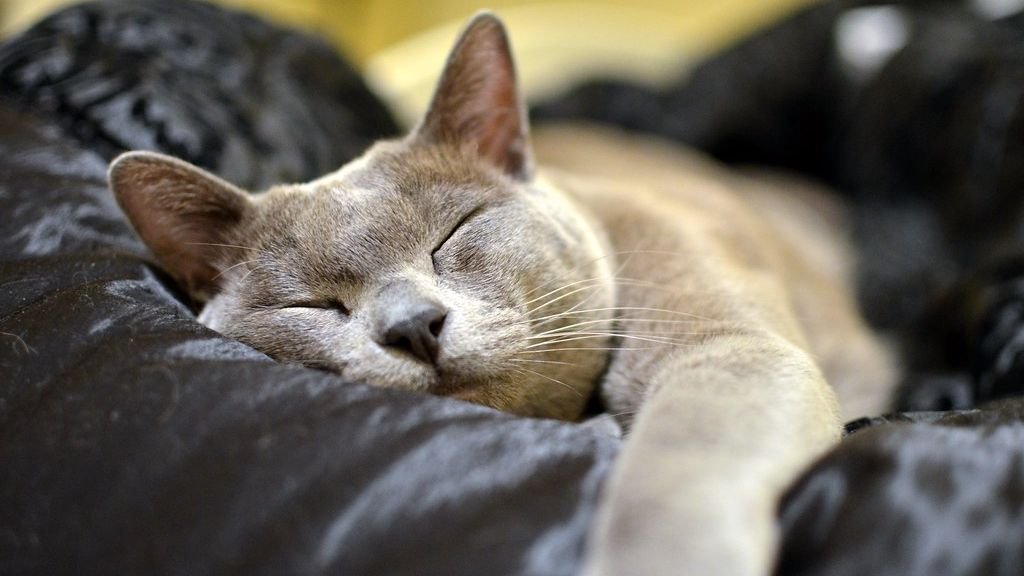
This is probably the most heartwarming thing in the entire world of cat science. Often called a "cat kiss," the slow blink is one of the most profound ways cats show trust and affection. When your cat looks at you with half-closed eyes and deliberately blinks slowly, they're expressing complete comfort and love in your presence.
The reason this is such a big deal is rooted in survival instinct. Closing their eyes, even for a second, is a vulnerable act for cats in the wild. Some cats even sleep with their eyes open so they can quickly flee from predators. So it's a big deal when your cat blinks or closes their eyes around you, meaning they fully trust and love you. You can reciprocate this gesture by returning the slow blink, creating a special moment of connection.
6. Kneading on You Is a Deeply Affectionate Emotional Signal
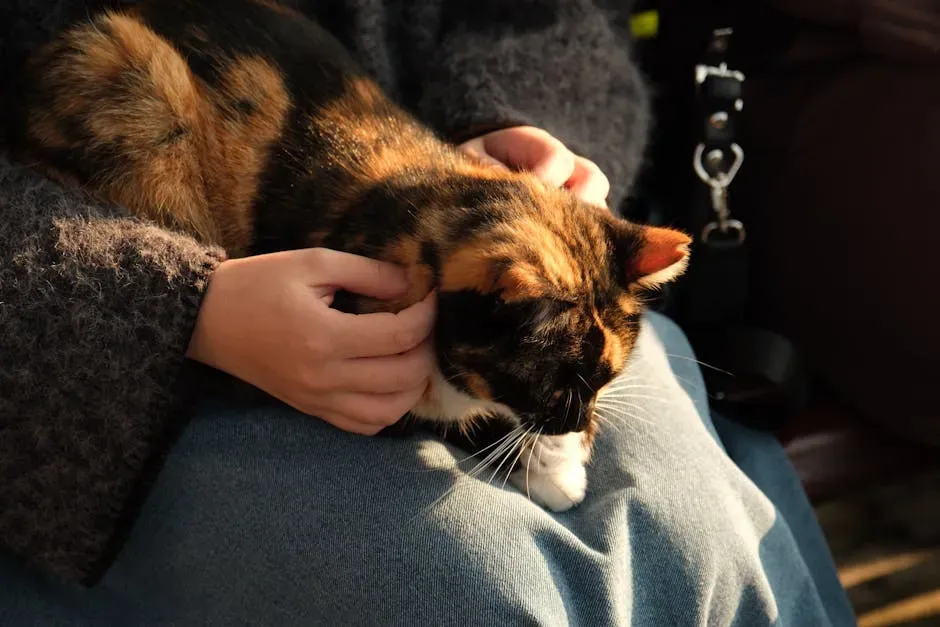
That rhythmic, slightly painful pawing your cat does on your lap? That's pure emotional expression. It may look like the cutest thing you've ever seen, but it's actually a leftover behavior from kittenhood. It reminds them of the comfort and safety they felt while nursing. When an adult cat kneads, it's a sure sign they're relaxed and content.
Kneading is a comforting behavior from kittenhood, indicating trust and affection. When cats knead on you, it's a strong sign your cat is bonded to you, showing they feel secure. Think of it less like a massage and more like your cat saying, "You feel like home to me." That is something to treasure.
7. Your Cat Can Recognize Your Face and Voice Together
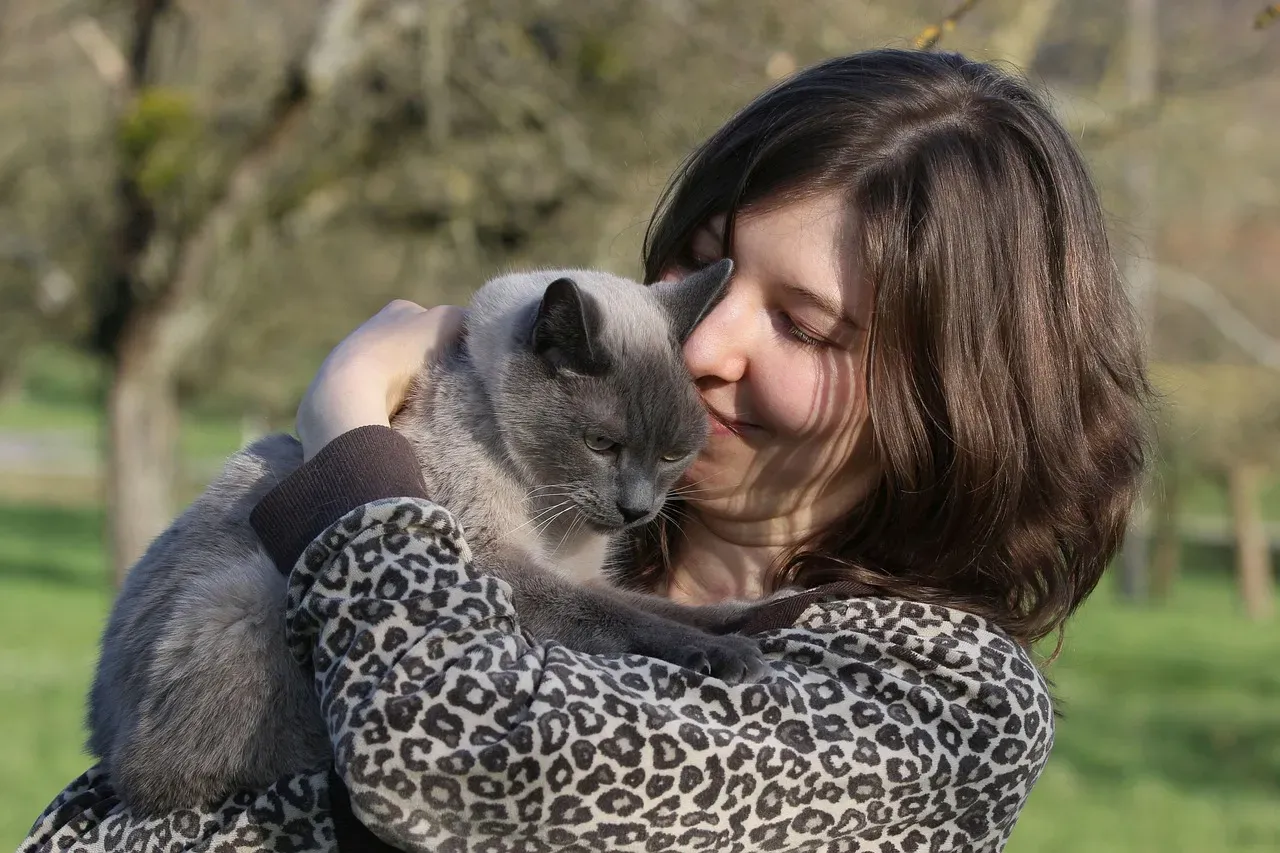
It's hard to say for sure just how deep this ability goes, but the science is genuinely impressive. A recent study has provided evidence about cats' cross-modal ability to recognize humans by matching individual voices and faces. However, this ability appears to be limited to their owners and is not extended to unfamiliar people. Cats can predict the owners' face upon hearing their voices.
Research results demonstrate that cats integrate visual and auditory signals to recognize human and conspecific emotions and they appear to modulate their behavior according to the valence of the emotion perceived. In simple terms, your cat isn't just hearing sounds. They are connecting the dots between your face, your voice, and your emotional tone, all at once. That's not a simple animal. That's a deeply attentive companion.
8. Your Cat Can Grieve and Experience Depression
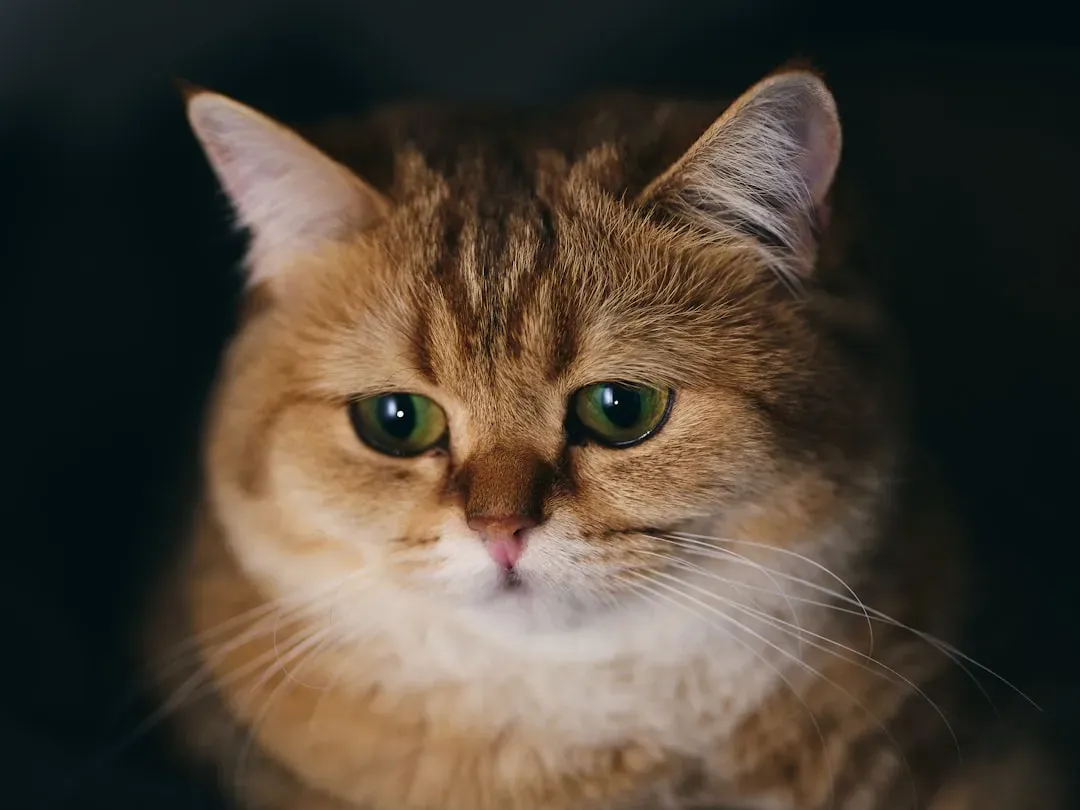
People often underestimate this one. While sadness is technically a human emotion, cats can experience similar feelings. Cats are known to show signs of depression and grief. A change in their environment or even routine can cause feelings of depression in cats. They may also show signs of grief with the loss of another pet or human.
Depressed cats are listless, may lose their appetites, and tend to sleep more. They lose interest in playing and may seek out a hiding place. If you notice that your cat is acting sad or depressed, it's best to consult the vet for a health check to rule out a medical issue. Grief in a cat doesn't look dramatic. It looks quiet. It looks withdrawn. Pay attention to that silence.
9. Your Cat Feels Anxiety and Picks Up on Yours Too
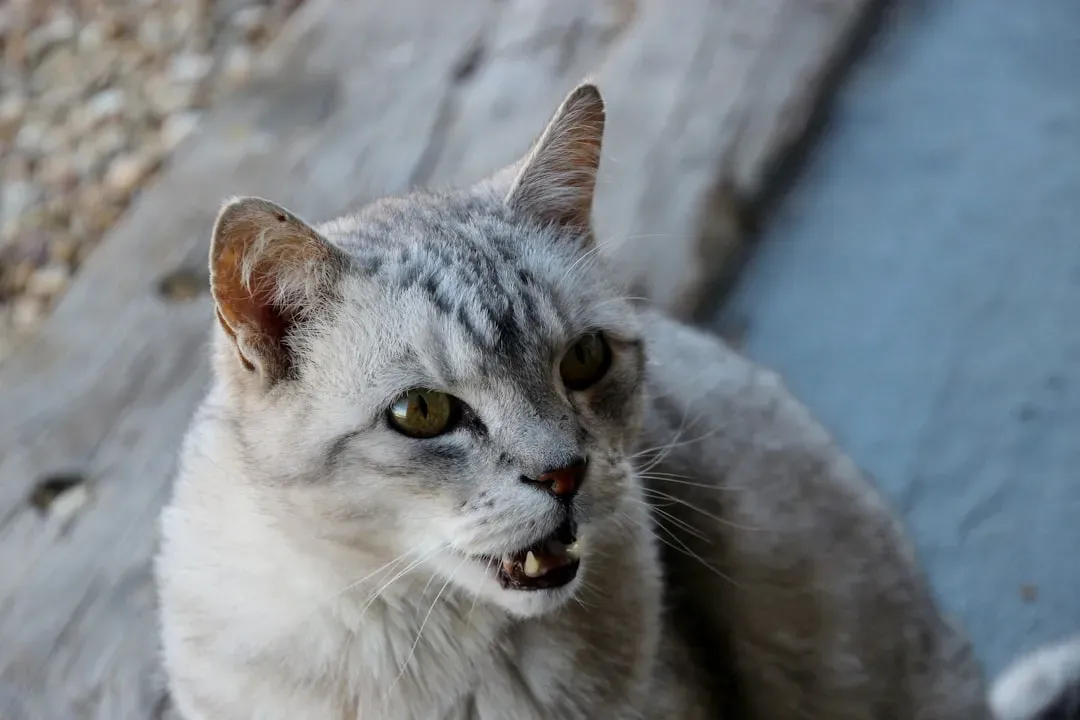
Cats are incredibly tuned into anxiety, both their own and yours. Research has demonstrated that cats can sense anxiety and anxiety attacks as well. A study by Animal Cognition showed that cats are looking at their owners for signals, in what is known as "social referencing." They look to you the way a child might look to a parent in an unfamiliar situation.
Research shows that cats respond functionally to their owner's emotional stimuli, and their stress levels were higher when their owner showed "anger" or "anxiety," compared to when they were shown "happiness." Research from Nottingham Trent University found that cats are able to determine when their humans are anxious or stressed, and can also mirror their human's emotions and well-being. Your anxiety is not invisible to your cat. They feel it alongside you.
10. Hiding Is Not Rudeness, It Is a Genuine Emotional Need
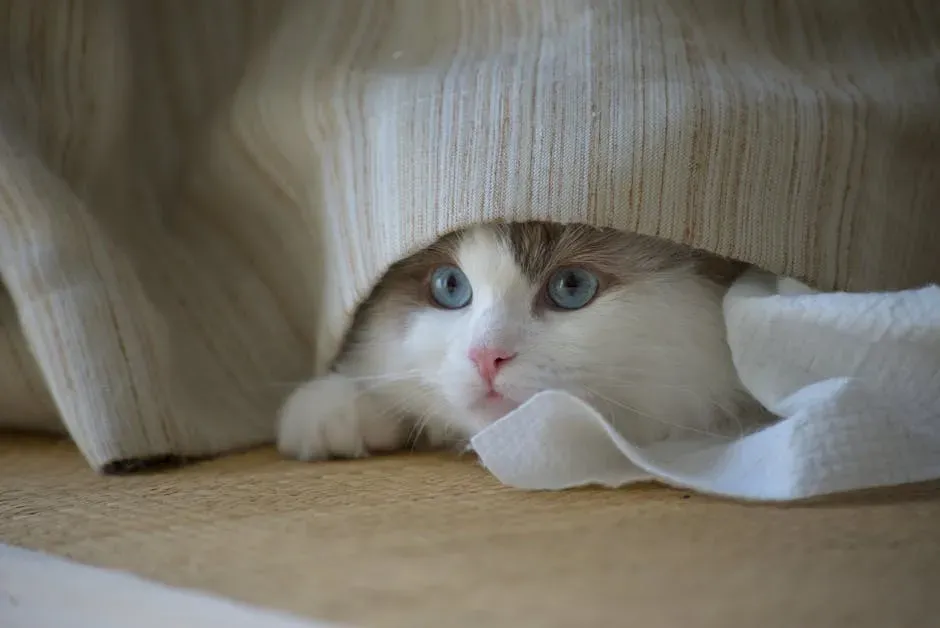
You might take it personally when your cat disappears under the bed for hours. Please don't. Cats love cozy hiding spots, and retreating to one doesn't mean they're scared. It's how they recharge their adorable little batteries. Even if you run a single-cat home, providing your cat a few dark, cozy spots away from human activity can reduce stress and help them feel more secure.
Think of it the way an introvert needs to step away from a crowded party, not because they hate the people there, but because their system needs quiet to recover. Anxious cat behavior might be subtle, but when your cat is afraid, their body language is telling you they're frightened, and it will only return to normal when they feel safe. Forcing interaction during these moments doesn't help. Giving them space does.
11. You Are Probably Misreading Their Negative Emotions
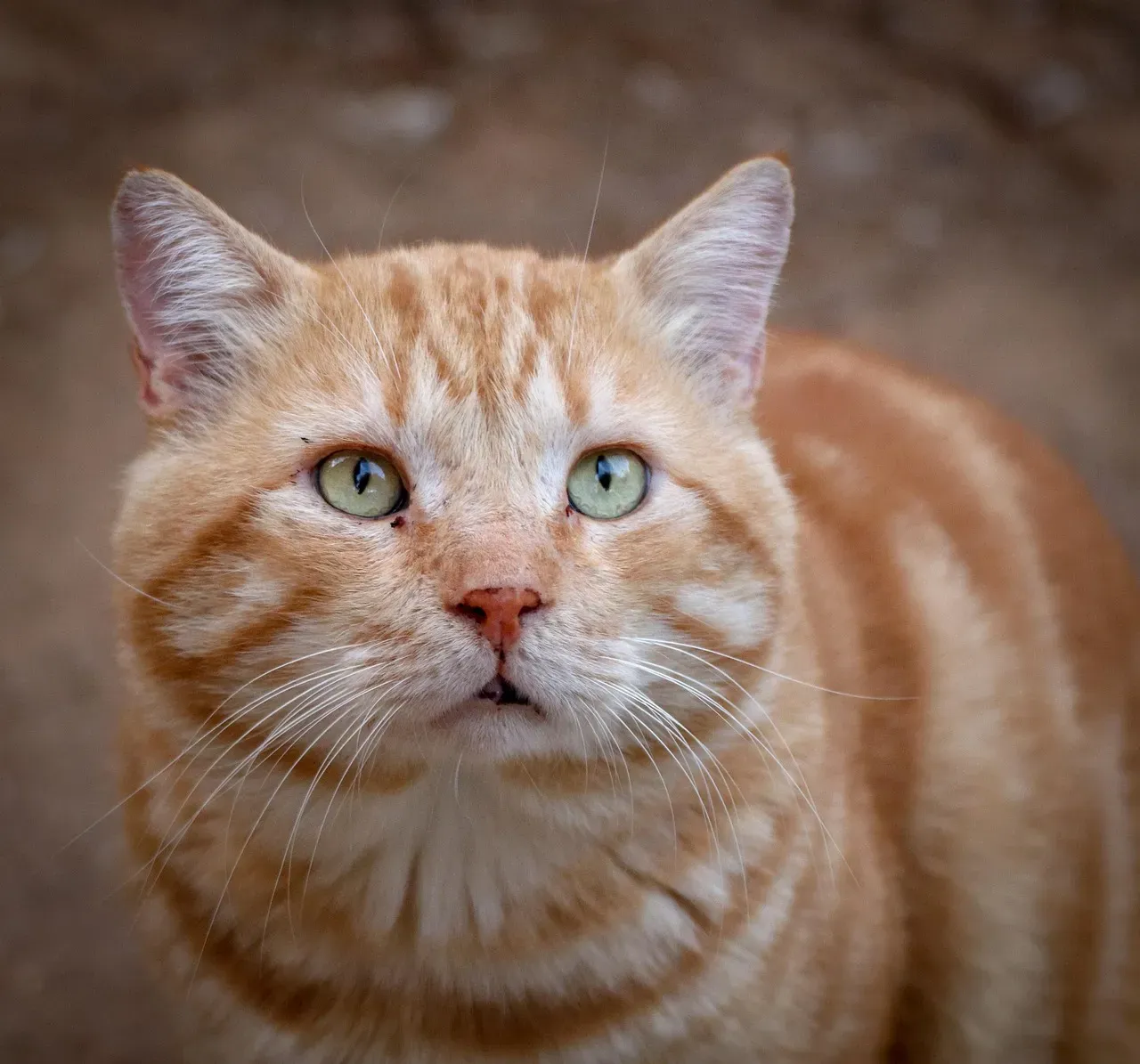
Here's an uncomfortable truth. Research showed that we tend to misread cats' cues indicating negative emotional states like stress, discomfort, or threats at an alarming rate of nearly one third of the time. In contrast, we are much better at recognizing when a cat is feeling content and friendly based on their communication signals. We're good at seeing the happy signals but we miss the unhappy ones with alarming regularity.
Studies that investigated humans' ability to recognize cats' stress-related behavioral states expressed through visual body language, including facial expressions, posture, and tail position, found that response accuracy exceeded chance level but remained relatively low, indicating that the task was challenging. The lesson here is to keep studying. Your cat is communicating. The responsibility to learn the language is yours.
12. Your Cat Mirrors Your Emotions Through Emotional Contagion
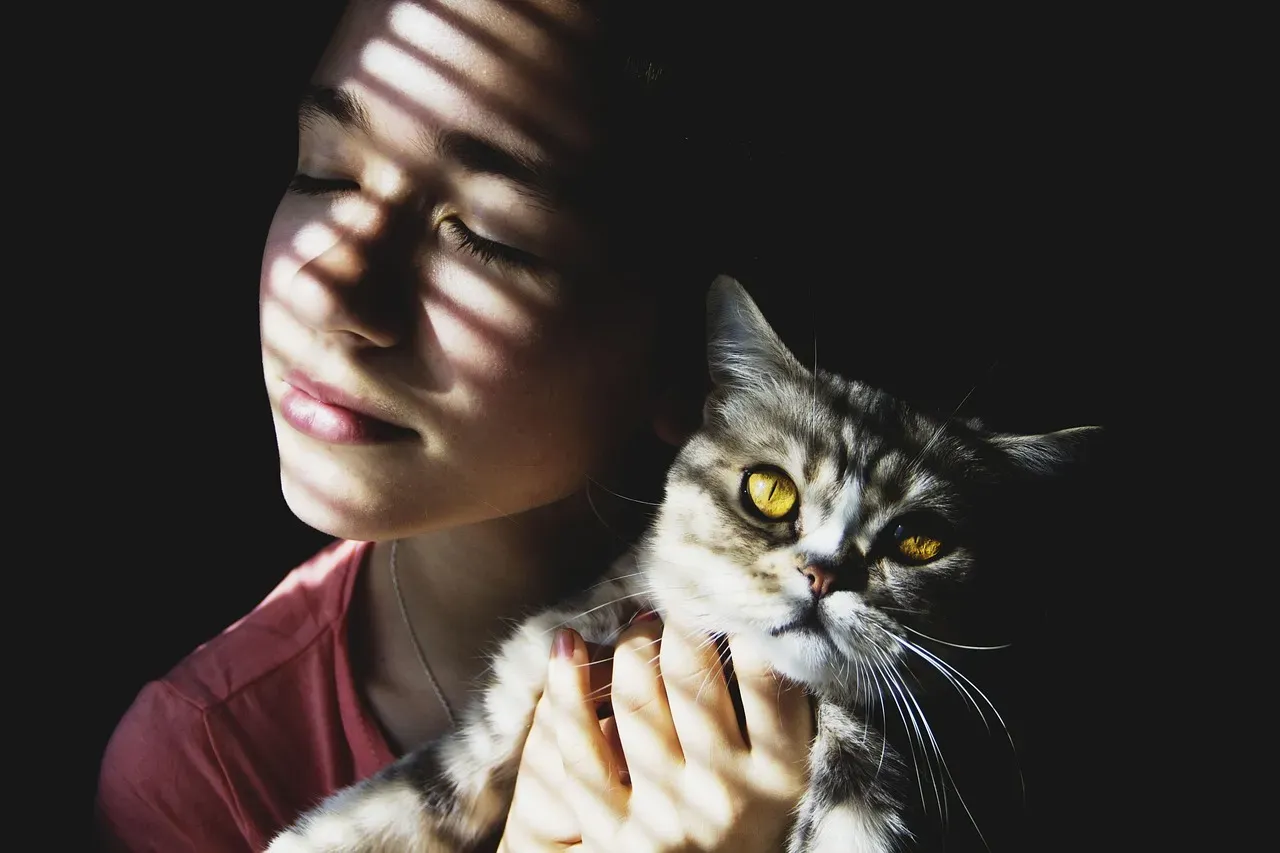
Cats are particularly good at picking up on and mimicking their human's emotions, which is called emotional contagion. When a cat sees that their human is sad or anxious, they may socialize with them more, and they too may express similar feelings. This is a remarkable and deeply touching phenomenon when you really sit with it.
These findings challenge the stereotype of cats as indifferent to human emotions. While they may not express their attachment in the same overt ways as dogs, cats are clearly tuned into the emotional states of their humans. They not only recognize human emotions but may also respond to them in ways that reflect their own emotional states. Your cat does not live in an emotional bubble separate from yours. You share an emotional space together.
13. Purring Is Not Always Happiness, It Can Mean Much More
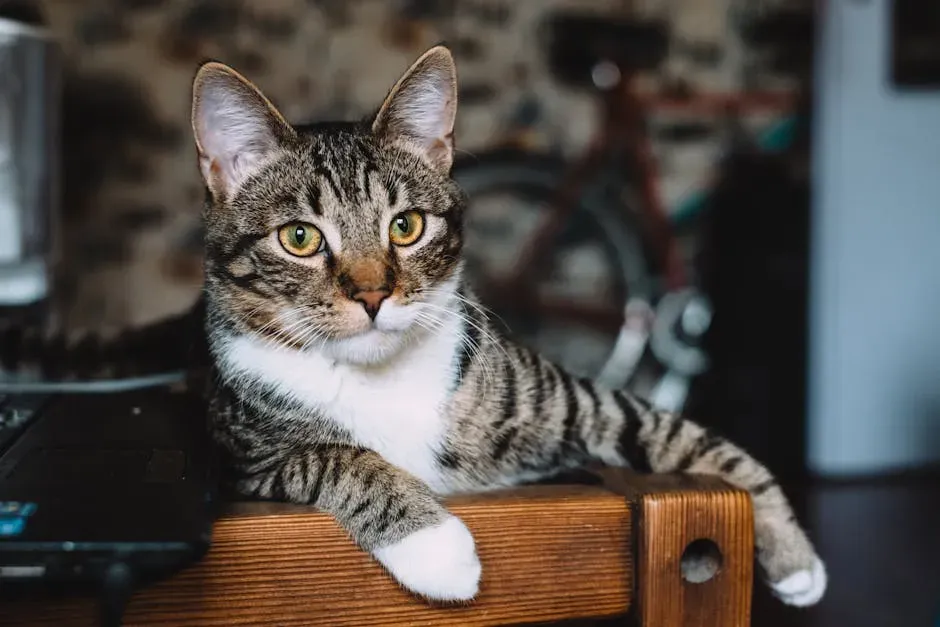
A soft, steady purr often means your cat is content, but it can also be a form of self-soothing when they're anxious or not feeling well. Pay attention to the context: if your cat is purring while relaxed and kneading, it's pure bliss. If they're purring during a vet visit or while hiding, it might be comfort-seeking.
Even more astonishing, the vibrations from cat purrs have healing properties. The frequency of 25 to 150 Hz is believed to reduce pain and release stress. So when your cat purrs on your chest, they may be healing both of you at once. There is a kind of poetry in that, honestly. A cat's purr is one of the most quietly powerful things in the emotional vocabulary of any animal you'll ever share your life with.
Conclusion
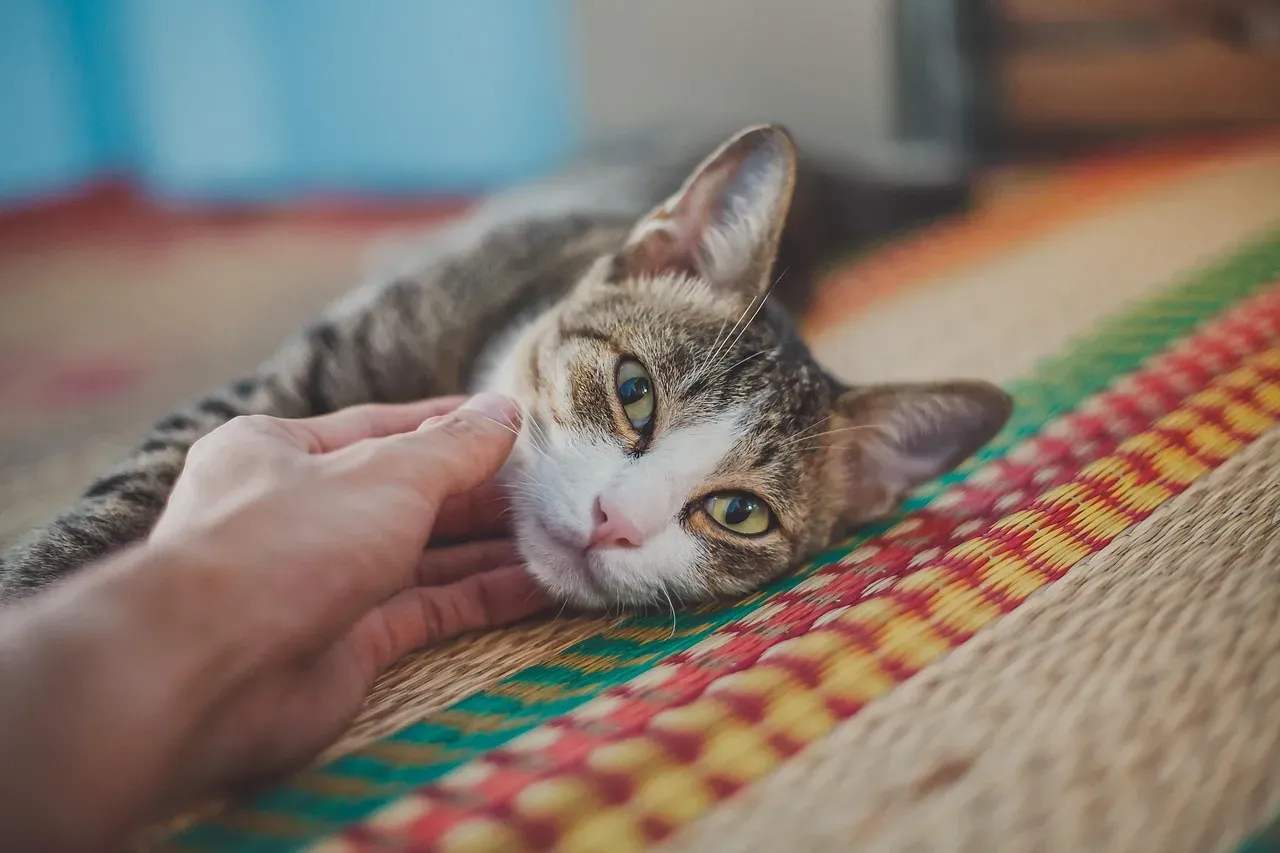
Your cat is not aloof. They are not indifferent. They are not "just an animal." They are a sentient, emotionally aware being who reads your face, smells your fear, grieves your losses, and loves you in ways so subtle you might have been walking right past them every day. The gap between what cats feel and what we understand them to feel is real, but it's getting smaller with every new study.
The most powerful thing you can do is slow down, watch, and learn. Notice the slow blink. Respect the hiding spot. Recognize the knead for what it truly is. We have to realize that we contribute to our cats' emotional health in ways that we are often unaware of. Cats thrive on harmony, and it's up to us to give it to them. Once you start seeing your cat's world through their emotional lens, the relationship transforms into something genuinely extraordinary.
So the question worth sitting with is this: how many emotional signals from your cat have you been missing all along? Start paying attention today, and I think you'll be surprised by just how much your cat has been trying to tell you.