What Does Your Cat's Tail Language Really Mean in Everyday Interactions?
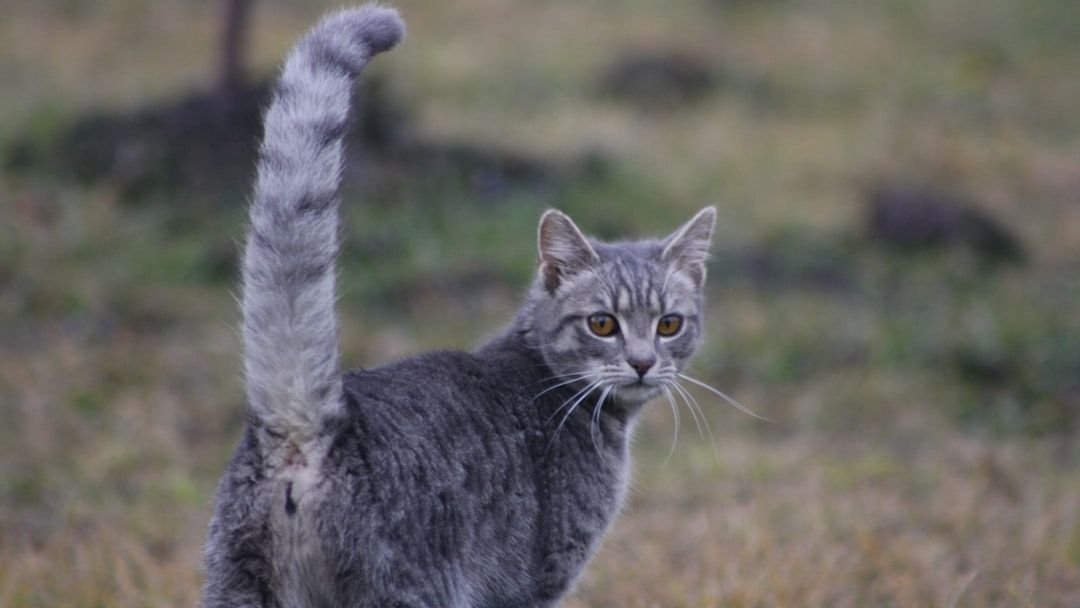
You live with one of nature's most expressive creatures, and there's a good chance you've been misreading it for years. Your cat is not ignoring you. Your cat is not being randomly moody. There is a full, nuanced, and surprisingly rich conversation happening every single day, and it is playing out right at the end of your cat's spine.
Honestly, most people think cats are impossible to decode, especially compared to dogs. Yet the truth is almost the opposite. Cats use their tail movements, along with their eyes, ears, and body postures, to communicate. The tail, in particular, is shockingly readable once you know what to look for. So if you've ever wondered what your cat is actually thinking when they stroll toward you, freeze up suddenly, or start whipping that tail like a metronome, you're about to find out. Let's dive in.
Why the Tail Is Your Cat's Most Honest Body Part
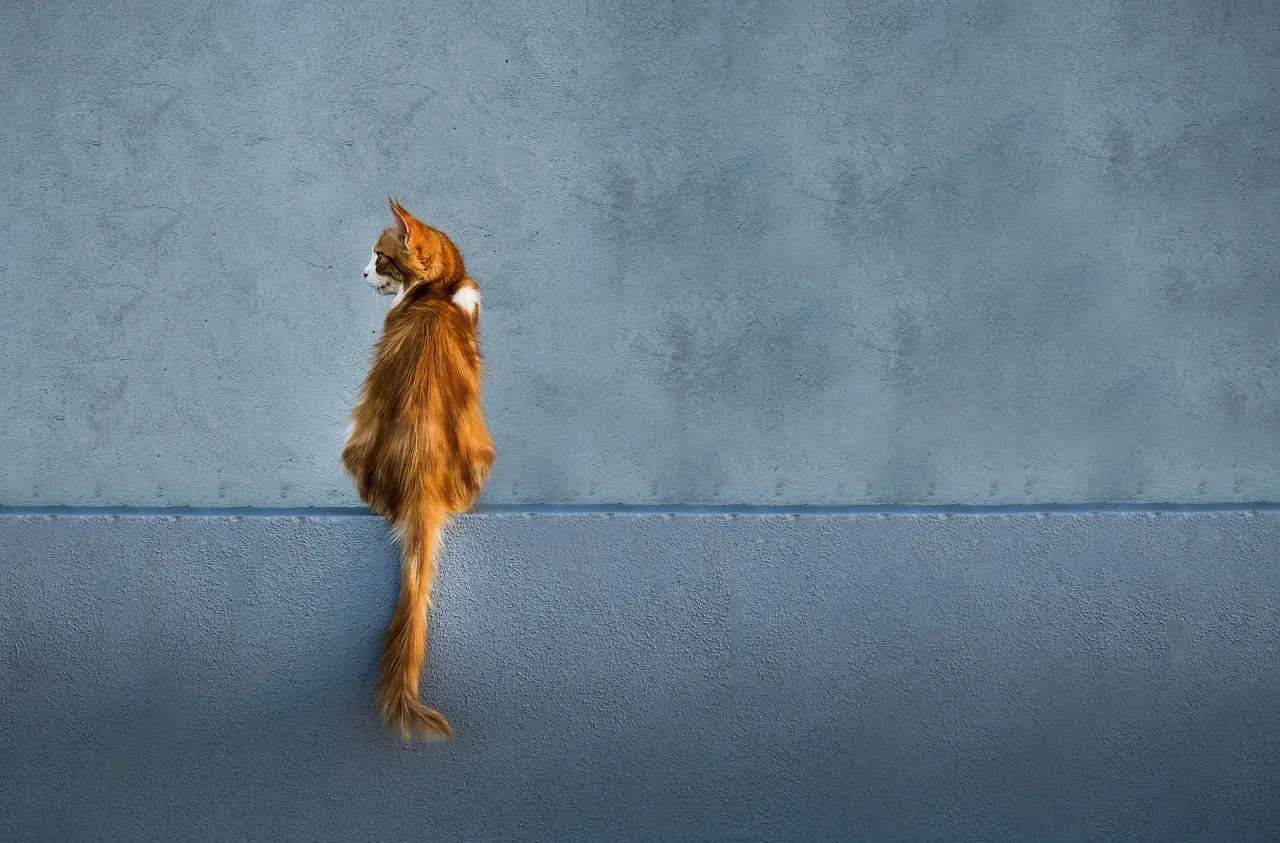
Think of your cat's tail as a live mood dashboard. It updates in real time and, unlike meowing, it doesn't lie. A familiar phrase claims that the eyes are the windows to the soul. In cats, it's their tail position that provides the greatest insight into what a cat is feeling. That is a genuinely bold statement, and I think it holds up.
The tail is an extension of the spine: while the human spine stops at our pelvis, in animals, including cats, the spine continues backward for another 18 to 23 small bones. Tail signals are an important part of your cat's communication repertoire, and understanding them better equips you to understand what your cat is saying using this complex, subtle, and expressive part of their anatomy.
The High, Straight-Up Tail: Your Cat's Friendliest Greeting
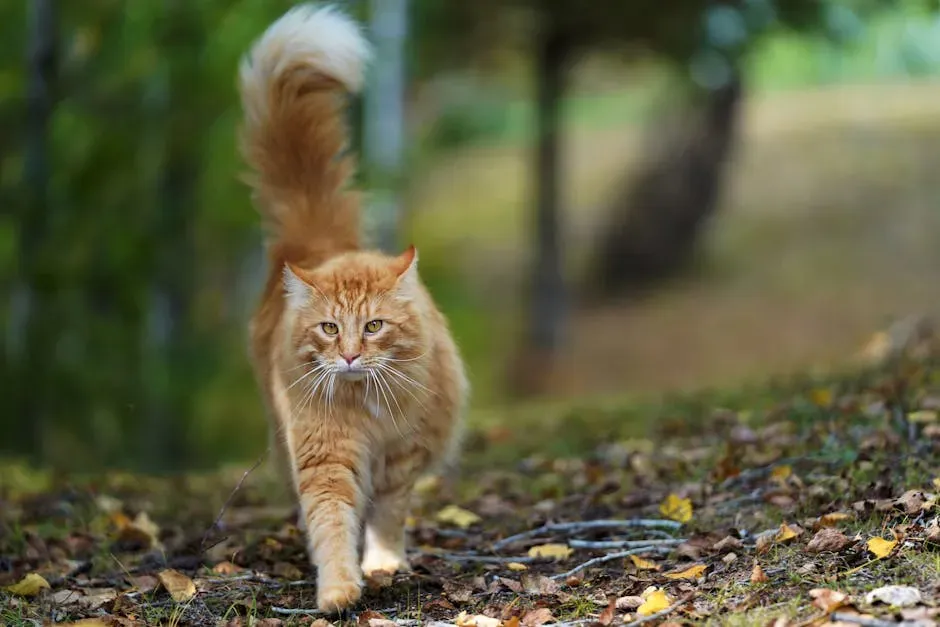
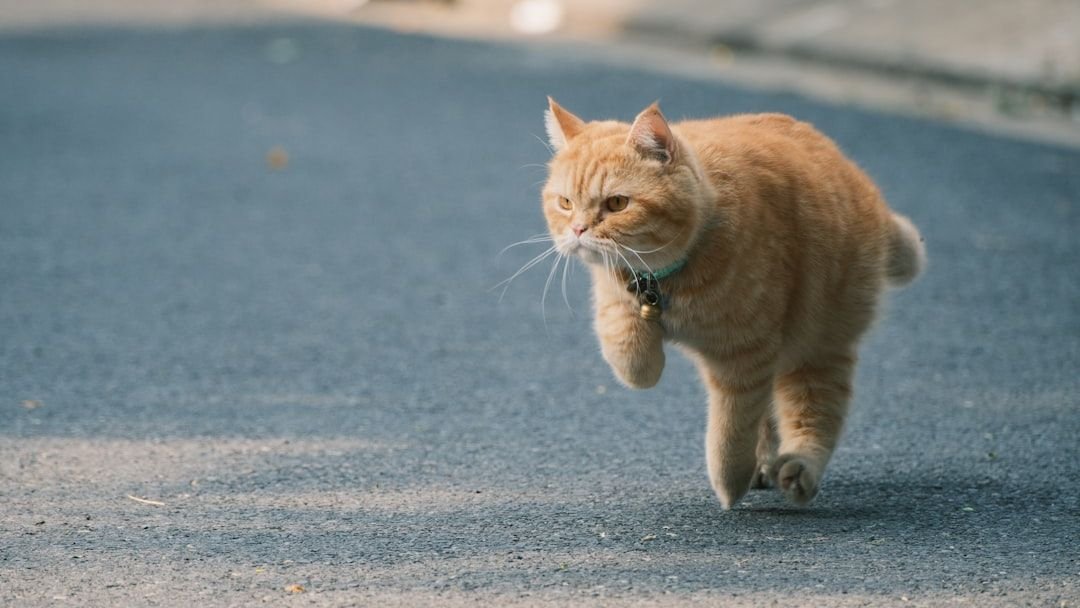
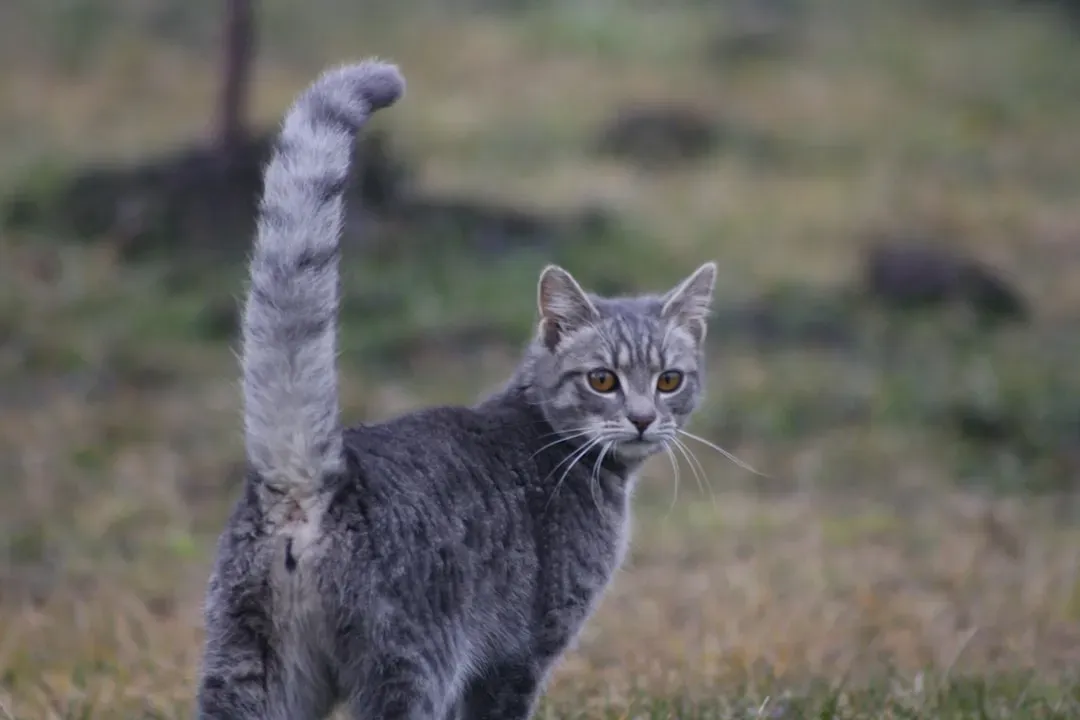
When your cat walks into the room with their tail pointing straight toward the ceiling, that is about as warm a welcome as felines get. If a cat walks into the room with a tail sticking straight up, they're feeling confident, comfortable, and ready to engage in some friendly interaction. It's the equivalent of a cheerful wave hello. No drama, no hidden agenda.
When a cat's tail is upright, they are feeling social and confident, and are approaching in a friendly manner. This tail language indicates a friendly greeting between cats, and it's how kittens greet their mothers. So when your cat does it to you, they are essentially treating you like their beloved parent. That is actually quite sweet when you think about it.
The Question Mark Tail: An Invitation You Should Never Ignore
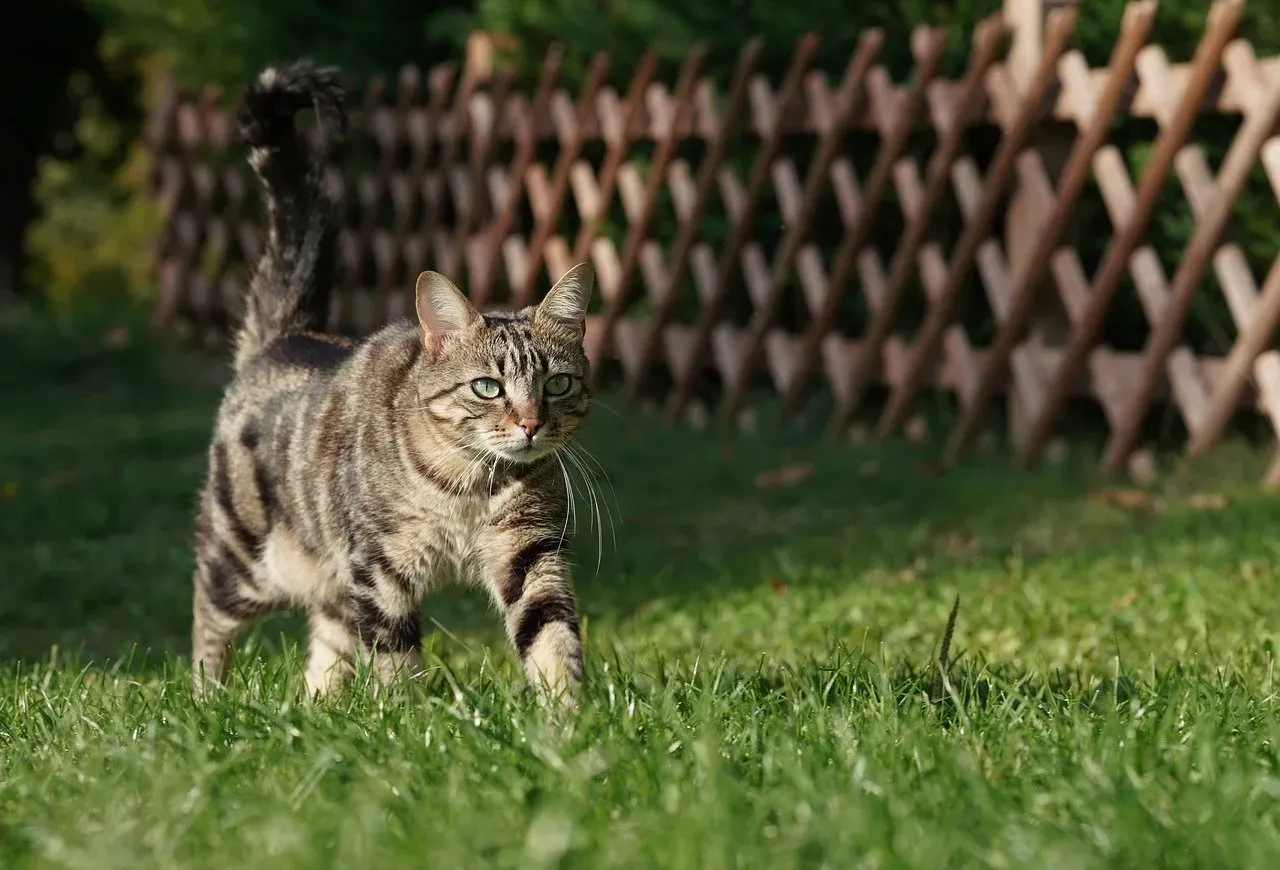
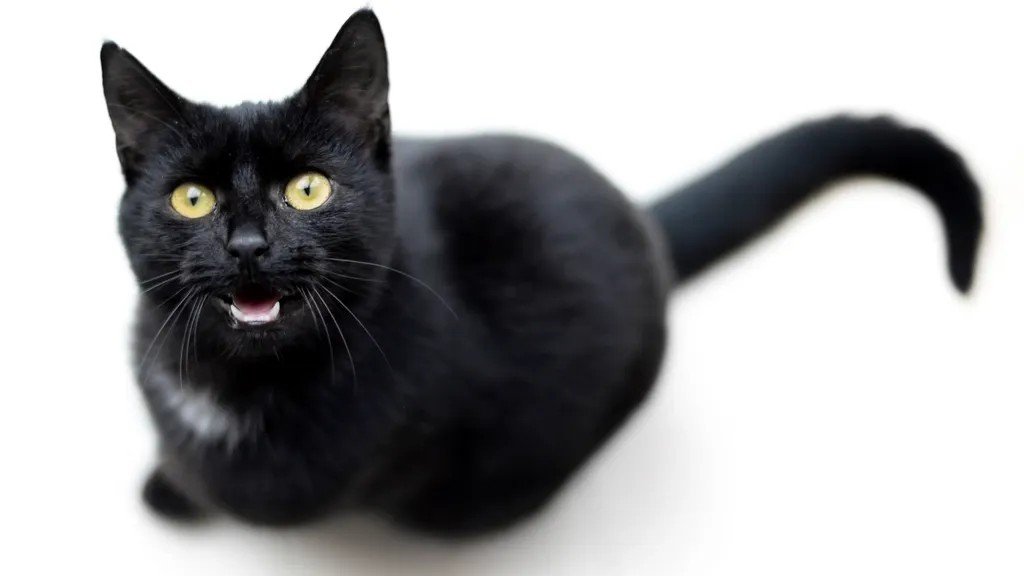
Let's be real, the question mark tail is one of the most charming things a cat can do. You may notice that sometimes your cat's tail looks like a question mark - it stands upright but curls at the end. This cat tail language indicates that your cat is happy and approaching amicably. When your cat's tail is in this position, it means it's an invitation to interact.
When a cat bends its tail in the shape of a question mark, this is good news - that's because the question mark-shaped tail position is a cat's way of asking you, "Would you like to play?" If you see this, stop whatever you're doing. Your cat is in a generous mood and reaching out to you. If you see your cat's tail sticking out with a curl towards the end, take a moment to give them a stroke or a snuggle or a headbutt.
The Quivering or Vibrating Tail: Excitement Levels Through the Roof
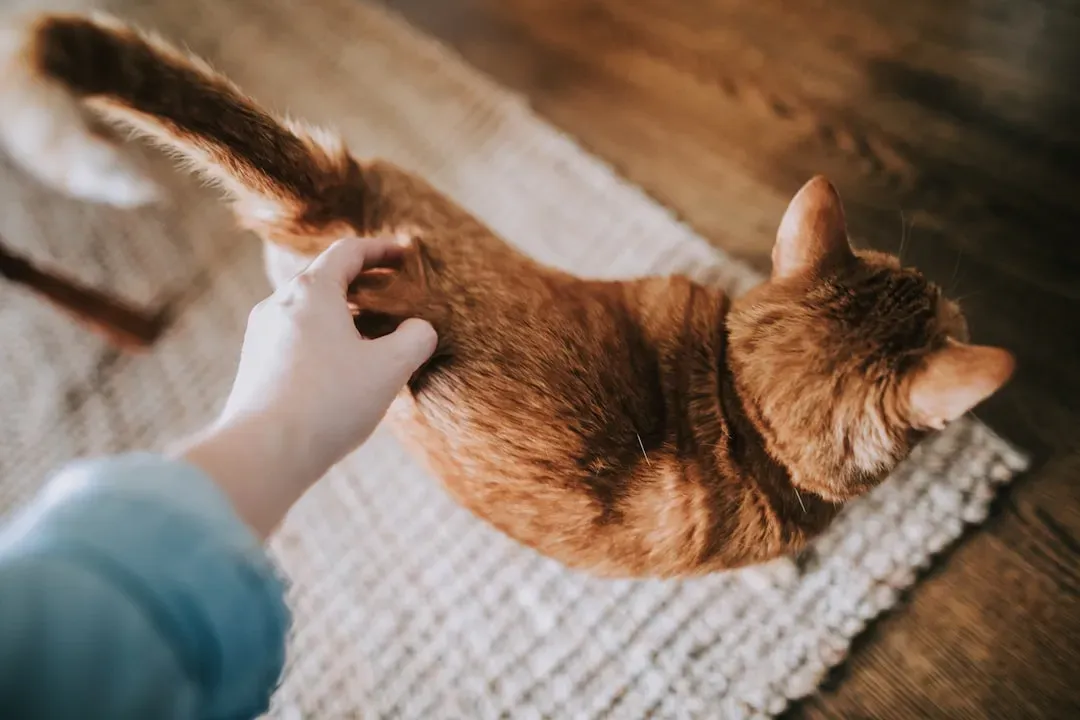
You've probably noticed your cat's tail doing a subtle, rapid little vibration sometimes, almost like a tiny earthquake running through the tip. When your cat is approaching you and holding her tail straight up, it means that she is open and happy to meet you. If her tail is quivering, it may mean that she is excited to see you or whomever she is encountering.
A tail that points up accompanied with a quiver at the base of the tail is often an indication your cat is especially excited to see you or to be getting a tasty bowl of cat food. I think this is one of those signals that, once you recognize it, makes you realize just how emotionally invested your cat actually is in you. If you see a cat's tail lightly quivering, they are generally happy and ready for play or whatever love and attention you want to give them. They are so excited that they can hardly contain their emotions.
The Thrashing or Lashing Tail: Your Final Warning Sign
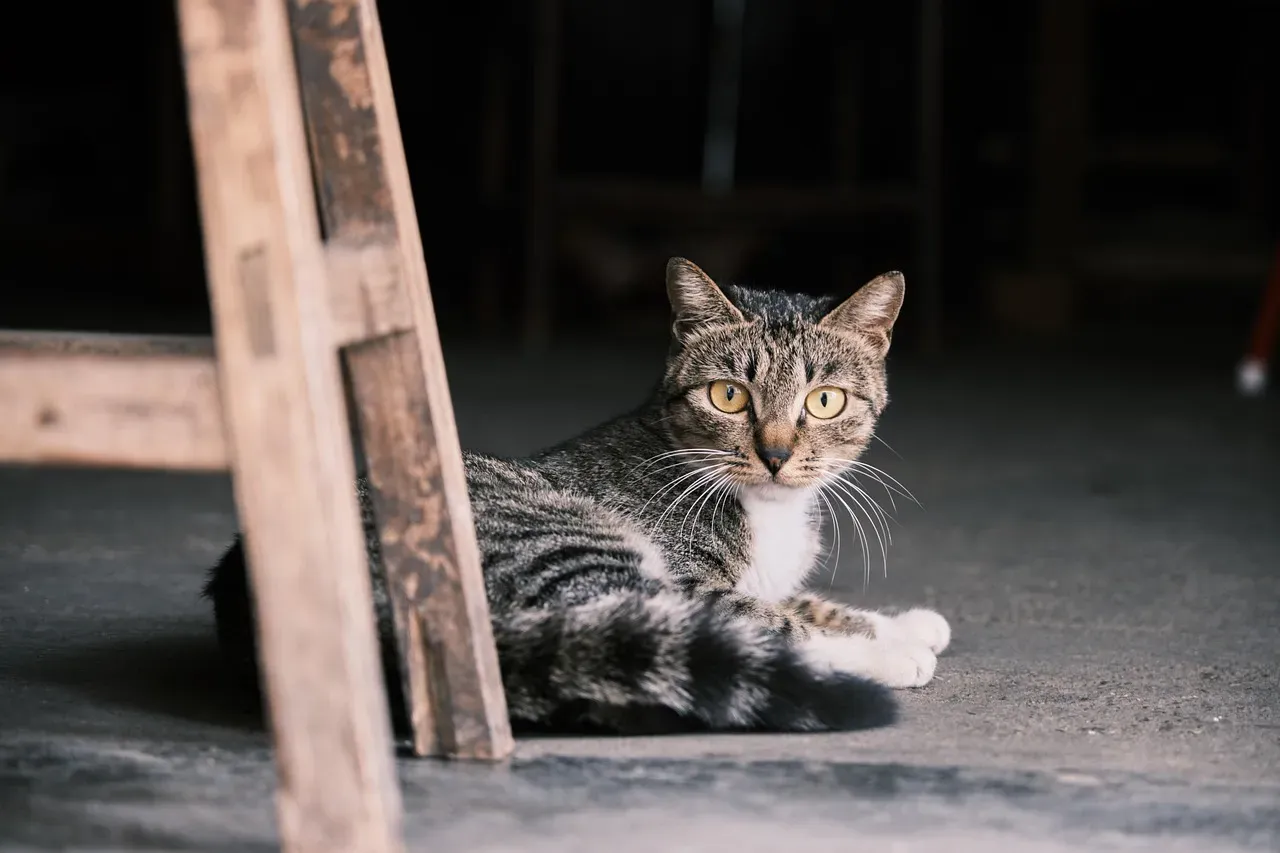
Here's the thing - this one gets people in trouble all the time. You're petting your cat. Everything seems fine. Then suddenly, out of nowhere, they bite. Sound familiar? When your cat thrashes their tail or is thumping it on the ground, they are irritated, annoyed, or angry. This tells you that something is bothering your cat.
If you are petting your cat and they start thrashing their tail, they are trying to tell you to stop. If you don't, then the thrashing tail may be a prelude to hissing, growling, swatting, or biting. Think of it like a traffic light turning red. Your cat has been politely flashing yellow for a while, and you just missed all the signs. If you or a visitor is petting your furry friend and tail thrashing starts, your cat might be shouting, "Stop!" It is wise to do so unless you want to witness an entirely different kind of communication, such as hissing or swatting.
The Puffed-Up Tail: Pure Fear in Fluffy Form
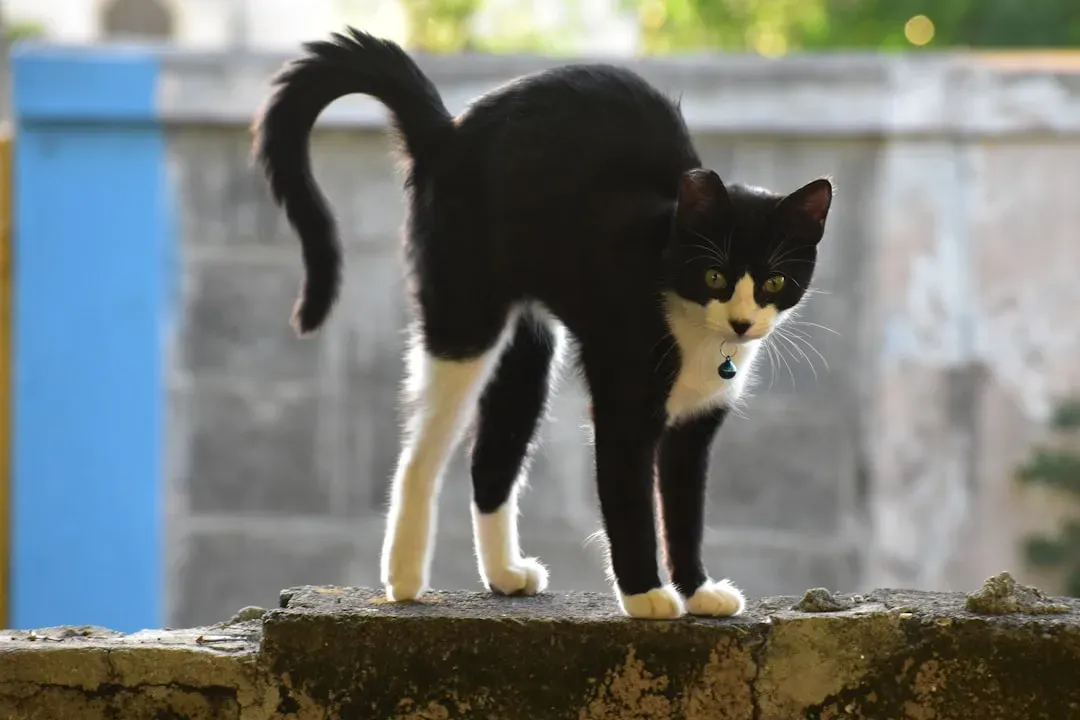
You've definitely seen this one. Your cat suddenly looks twice their normal size, tail puffed out like a bottlebrush. It looks dramatic. That's because it is. The puffed-up tail is a telltale sign that a cat is definitely not happy. It's a natural survival instinct that cats use whenever they feel threatened. A puffy tail and arched back make a cat appear bigger, which can help deter predators.
A tail that suddenly flares out like a chimney sweep's brush is an undeniable sign of fear. This is a biological defense mechanism to make the cat look larger to a predator. So whatever just happened in your home, your cat genuinely felt in danger. This tail position is often triggered by feeling threatened, such as by other animals in the yard, approaching dogs, visitors in the home, or sudden noises. Remove the inciting triggers to decrease your cat's stress.
The Tucked or Wrapped Tail: Fear, Pain, or Both
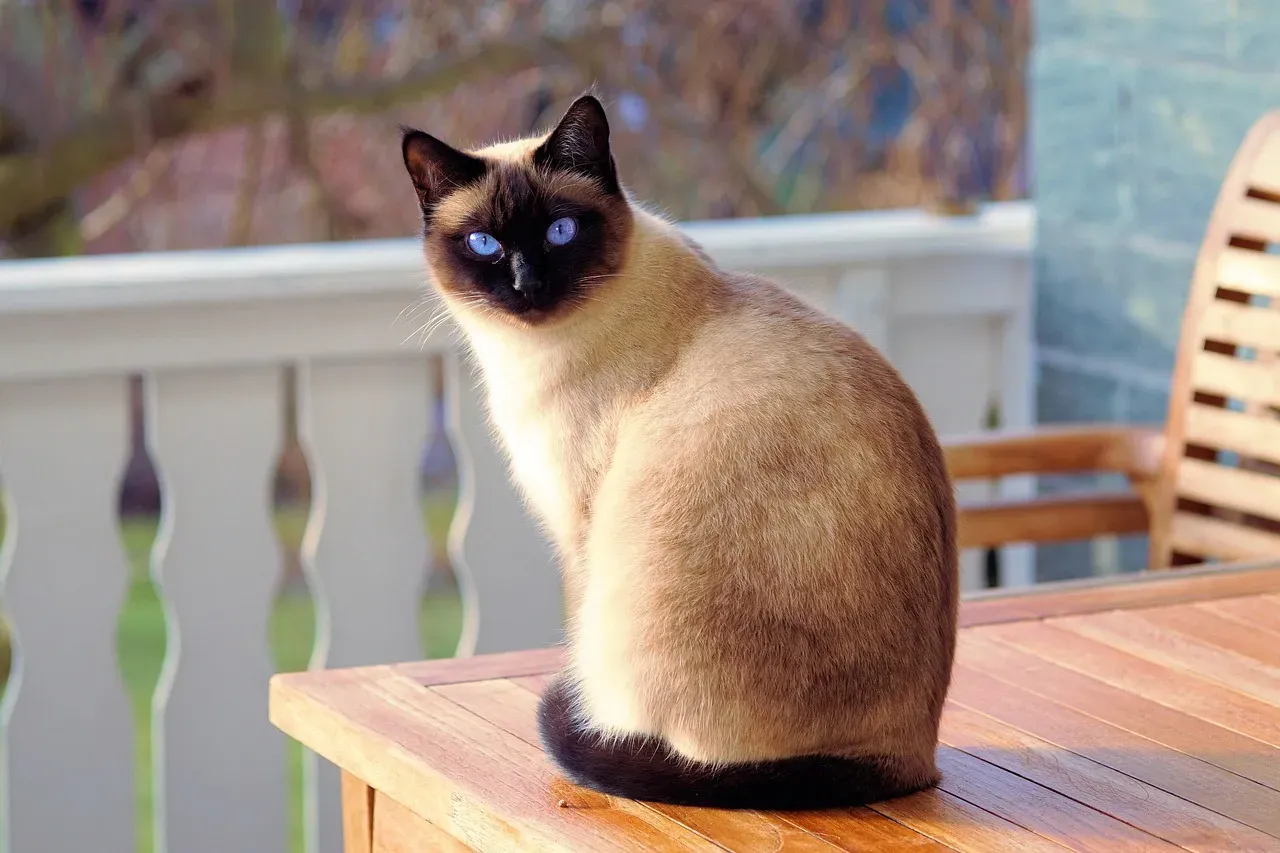
A tucked tail in a cat is one of those signals that people often miss entirely because cats tend to hide discomfort so well. A cat may lower their tail below the level of their back if they are frightened or anxious. If your cat's tail is tucked between their legs, then they are really scared or may be experiencing pain. That distinction, fear versus pain, is an important one to pay attention to.
When your cat sits with its tail wrapped around its body in a curved position, it's often communicating discomfort or anxiety. This protective posture serves as a defensive mechanism, creating a physical barrier between your cat and potential threats. Cats typically adopt this position when they feel frightened, defensive, in pain, or unwell. If your cat does this frequently, it may be worth a vet visit. If your cat frequently crouches with their tail curled tightly around their body for more than a few days, an evaluation by your veterinarian is warranted to rule out pain or illness.
Tail Wrapping Around You: The Highest Compliment a Cat Can Give

There is something genuinely touching about a cat who wraps their tail around your leg or your arm. It feels gentle, almost accidental. It is not accidental. When your cat wraps his tail around you, he's basically giving you a kitty hug. A cat's scent glands are in his tail, so when he wraps his tail around you, he's sharing his scent with you: a sure sign of affection.
Cats rubbing their tails against you is actually a form of communication and affection. When your feline friend brushes its tail on you, it's essentially marking you as its own. There's something almost territorial about it, sure, but it's territorial in the most loving way possible. Just as we greet one another with handshakes or hugs, cats may greet by curling their tails around people and by intertwining their tails with other cats. Tail wrapping is an affiliative behavior that demonstrates a willingness to interact. So the next time your cat does this, take a moment to appreciate it. You've earned their trust.
Reading the Whole Picture: Tail Language Doesn't Work Alone
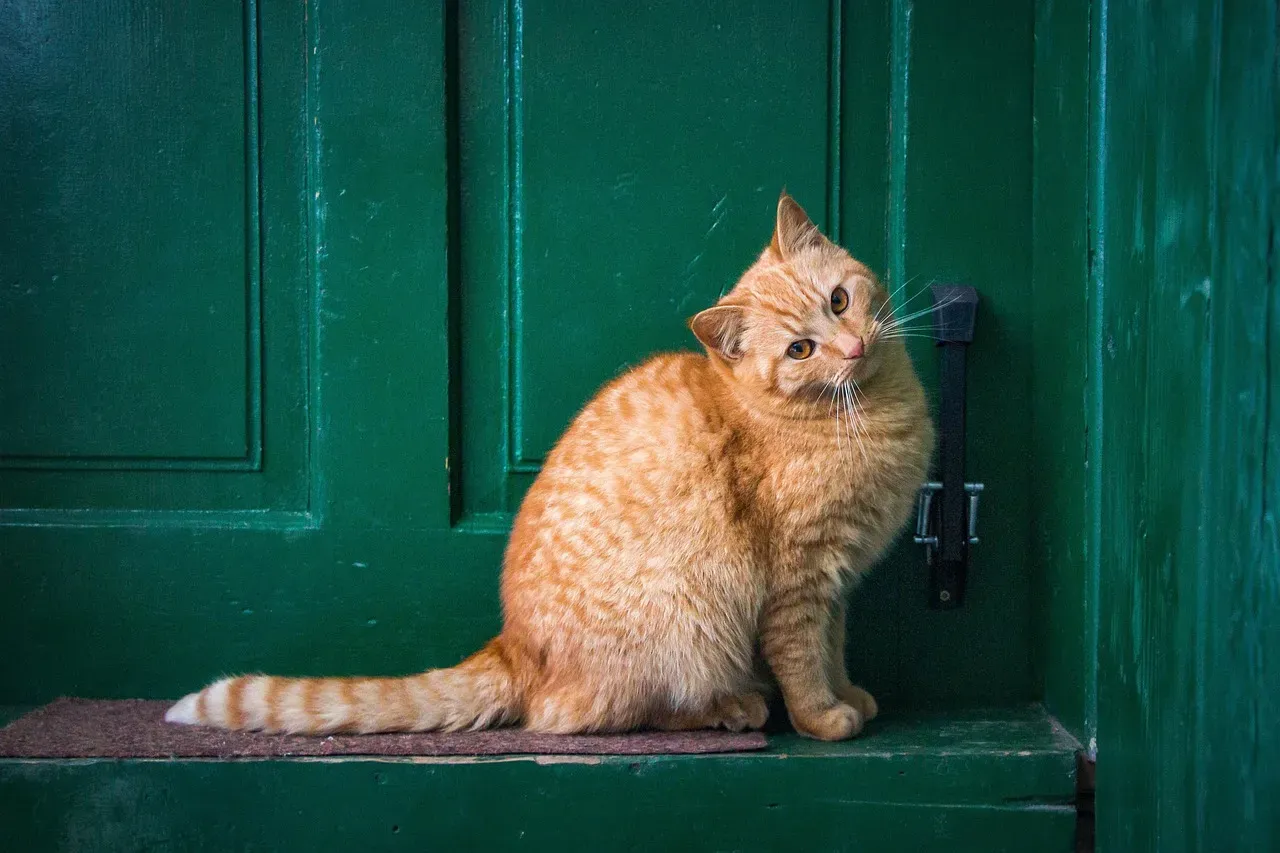
Here's something that trips up even the most devoted cat parents. Tail position alone does not always tell the full story. A high tail, for example, usually signals friendliness, but context matters enormously. Most of the time, a high tail position indicates that the cat feels comfortable and open to interaction. However, in certain contexts, like warding off a strange cat in his own territory, a high tail can also indicate a willingness to attack.
When reading feline body language, don't just look at the tail position. Pay attention to things like ear position, back, and full body posture to get a better idea of your cat's current behavior and mood. Think of it like reading a sentence rather than a single word. The movements of a cat's tail have meaning, and many of them are easy to interpret. Remember to interpret these tail movements in the context of your cat's other body language signals and the current situation. The more you become aware of your cat's body language, the better you will be at knowing how they're feeling.
Conclusion
Your cat has been speaking to you this entire time. Every flick, every curl, every dramatic puff is a sentence in a language you now have the tools to understand. It's hard to say for sure that mastering cat tail language will transform your relationship overnight, but I genuinely believe it gets you one step closer to the bond your cat has been reaching for all along.
Reading your cat's body language will help you determine how your kitty feels about particular interactions. This allows you to identify the situations or environments that make your cat happy or cause fear. That knowledge is powerful. Once you start noticing the signals, you cannot unsee them, and your cat will thank you for it in their own quiet, perfectly feline way.
So the next time your cat walks into the room with that tail raised high, curled at the tip like a tiny question mark, you'll know exactly what they're saying. Now the real question is: how many signals has your cat been sending that you've been missing all this time?