Your Cat's Favorite Napping Spots Reveal Their Secret Comfort Zones
You probably think your cat just plops down wherever looks soft. But here's the thing - every single nap location your feline chooses is a carefully calculated decision, shaped by instinct, emotion, temperature, and trust. It's not random. It never was.
Cats are wired differently from most animals. They follow a polyphasic sleep pattern, meaning they have multiple periods of sleep throughout the day, and unlike humans, they are crepuscular - most active at dawn and dusk. That means the places they choose to rest in between those activity bursts genuinely matter. So let's dive in.
The Science Behind Why Your Cat Picks a Spot at All
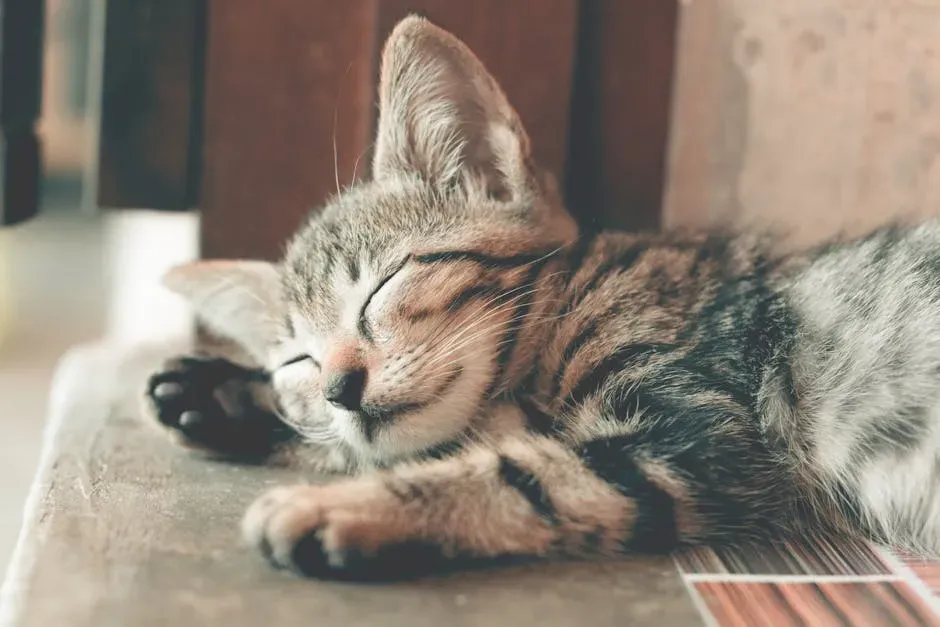
Honestly, it's easy to overlook how much thought goes into a cat's nap. Your cat's sleeping positions and spots are far from arbitrary. Whether curled into a ball or resting with their abdomen exposed, each posture and location serves a specific function, ranging from thermoregulation and protection to signals of emotional comfort or discomfort.
As creatures that sleep between 12 to 16 hours daily, cats are particular about where they rest. Their choice of sleeping location is influenced by various factors, including safety, temperature, comfort, and their inherent predatory nature. Think of it like a human choosing between sleeping on a park bench and their own cozy bed. The difference matters enormously to your cat.
Cats spend an average of 12 to 16 hours sleeping each day, and their choice of sleeping position isn't random. These positions have evolved from their wild ancestors and serve specific purposes related to safety, comfort, and temperature regulation. Your cat is, in many ways, still partially wild - right there on your couch.
Sleeping on You: The Ultimate Trust Signal
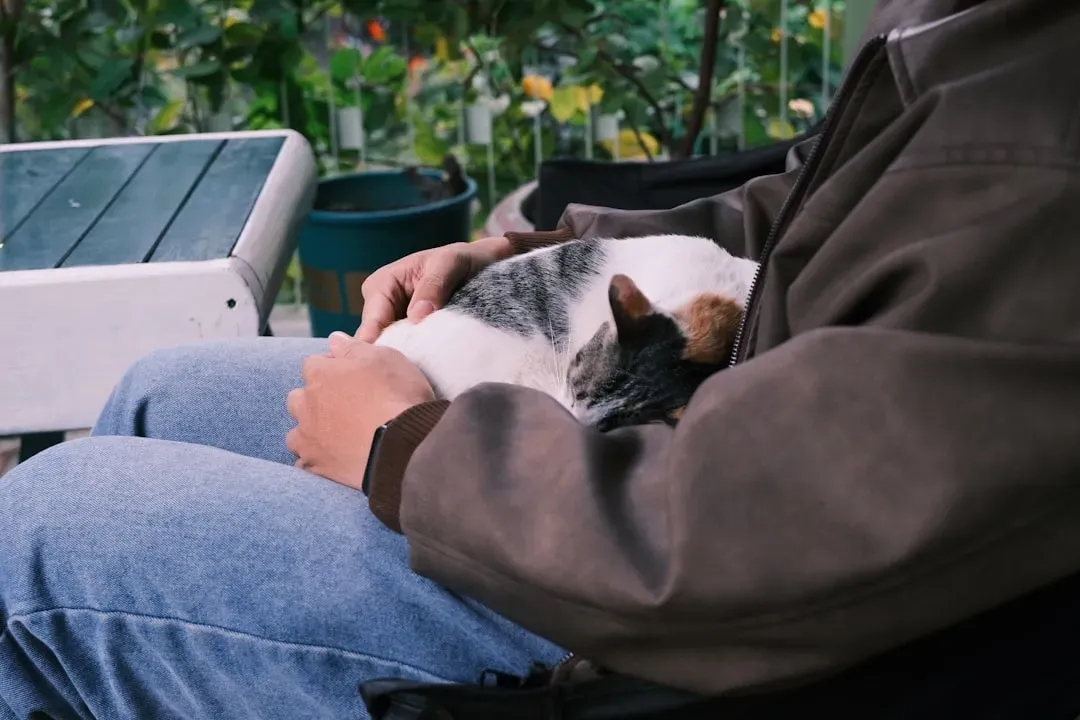
When your cat chooses to sleep on top of you, take it as a compliment. The relationship you have with your individual cat is unique in nature. Many cats display their affection through napping on top of their owners, and there's also the added bonus of warmth in cooler months. Your cat is feeling secure and at ease, strengthening the human-animal bond.
There are many reasons your cat might sleep on your chest. If your cat is bonded to you, they may lie on your chest because they want to be close. Your cat may also want to be near your mouth, as your voice may provide comfort. In much the same way that a heartbeat can soothe an infant, your cat may be soothed by the sound of your heart and the rhythmic motion of your breathing. That's not just adorable. It's profound.
The Window Perch: Your Cat's Personal Observatory
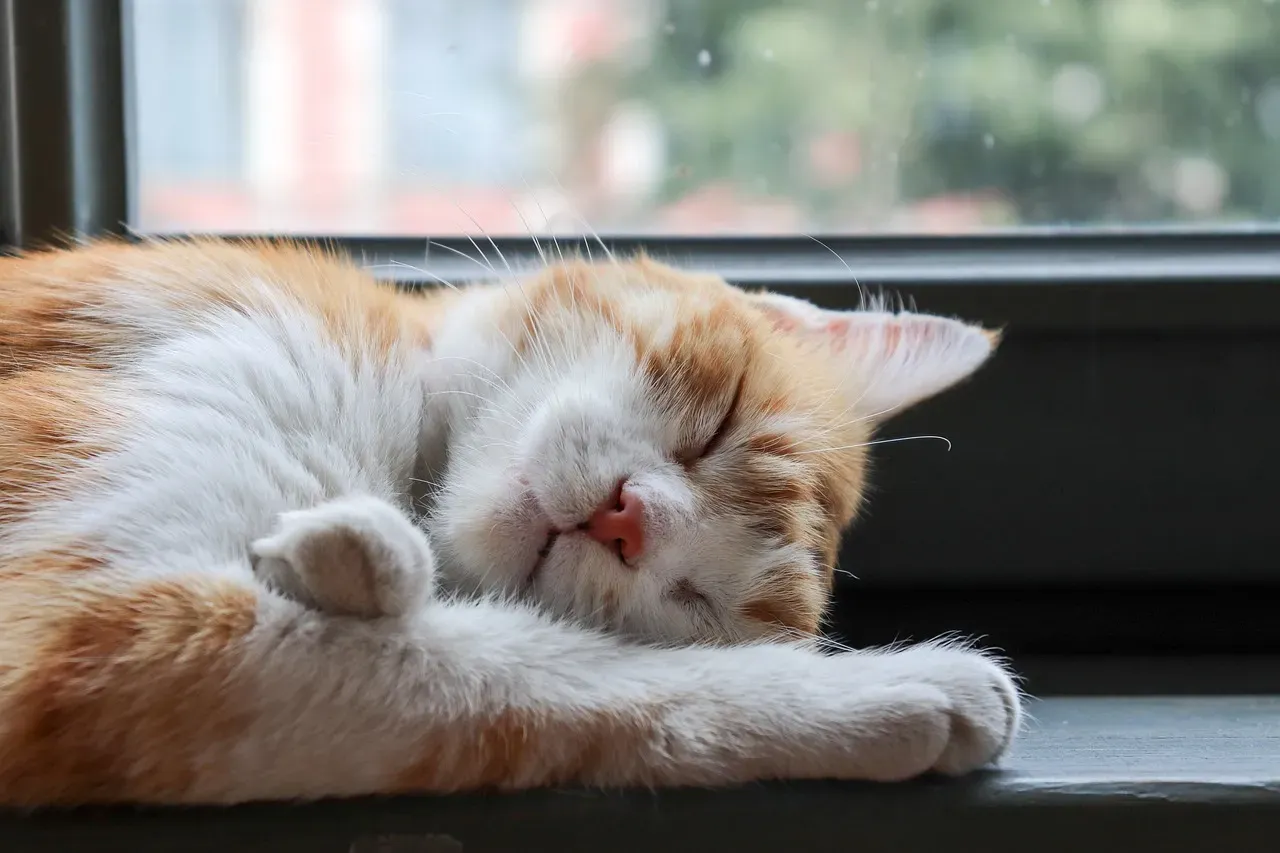
Cats naturally gravitate toward high spots for sleeping, such as cat trees, windowsills, and tall furniture. If your cat's favorite nap spot involves a window ledge with a view, you're dealing with a feline that values both visibility and security in equal measure. It's not just comfort - it's strategy.
Sometimes cats like to feel hidden away, so they'll seek out spaces where they can survey their territory with little to no threats of intruders. Since they're so agile, it's easy for them to scale obstacles to get to the top of the fridge and peruse their kingdom from high above. I think of it like a general surveying the battlefield from a hilltop. Your cat is always watching, even while napping.
Boxed In and Loving It: The Appeal of Enclosed Spaces
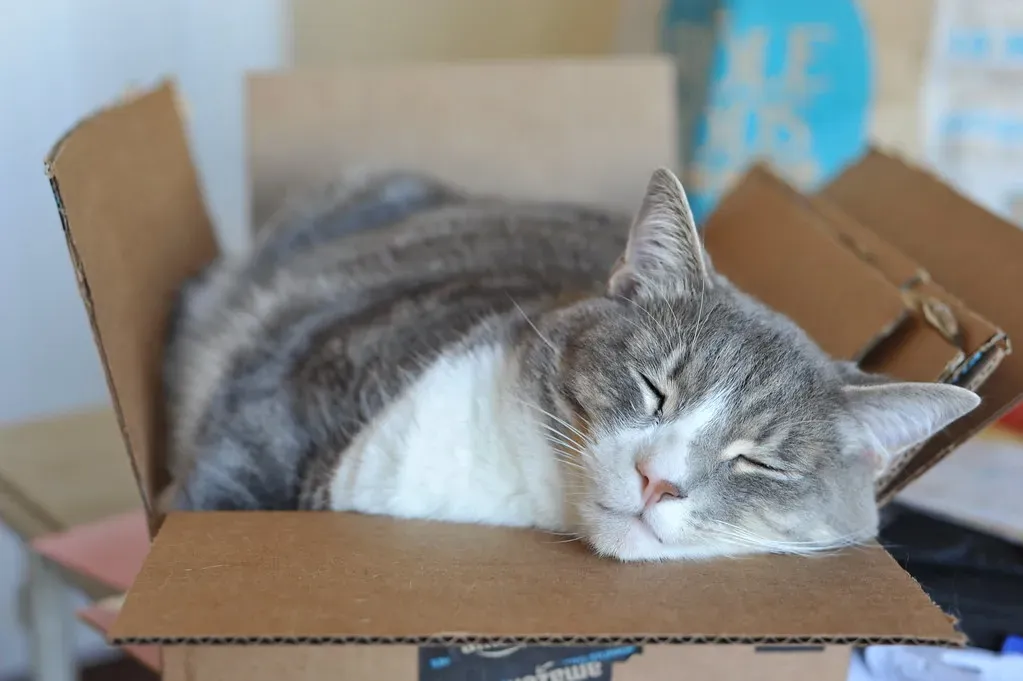
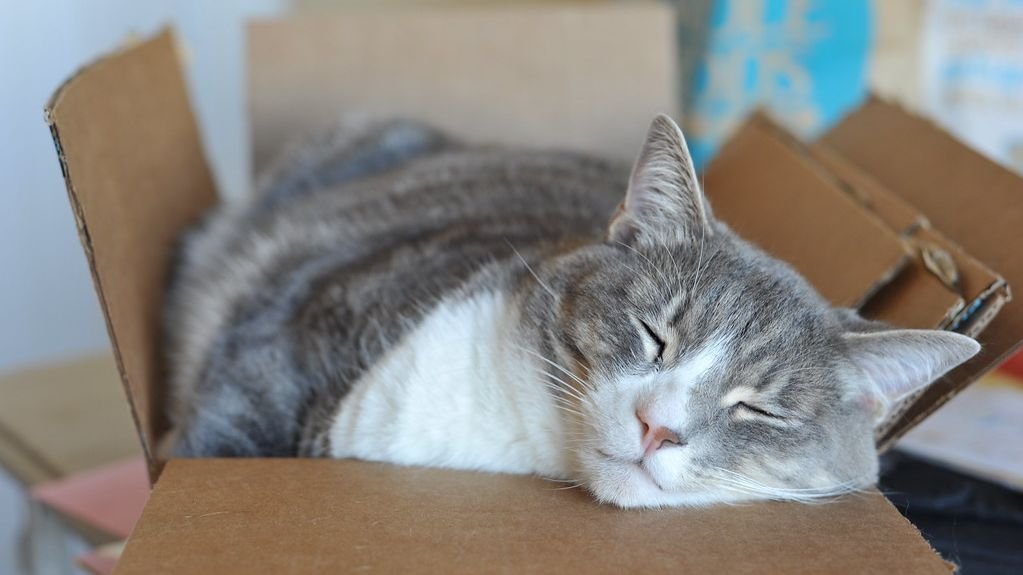
Boxes, closets, and under-furniture spaces are popular sleeping spots because they satisfy cats' instinctive need for shelter. These enclosed areas provide a sense of security and protection, similar to the dens their wild ancestors would seek for safety. This is why your cat gravitates to that Amazon box you planned to recycle. It's not inconvenient - it's instinct.
Many cats will seek out tight spaces for their naps, whether that means snuggling into a corner or loafing in a too-small box. Not all cats like being under covers or tucked in, but some crawl under blankets with their noses poking out. Most of these cats seek it out as a form of security and comfort, with the assurance of a quiet place to sleep and protection. Another reason your cat may sneak under a blanket is to conserve body heat.
Sunny Patches and Warm Surfaces: Temperature Comes First
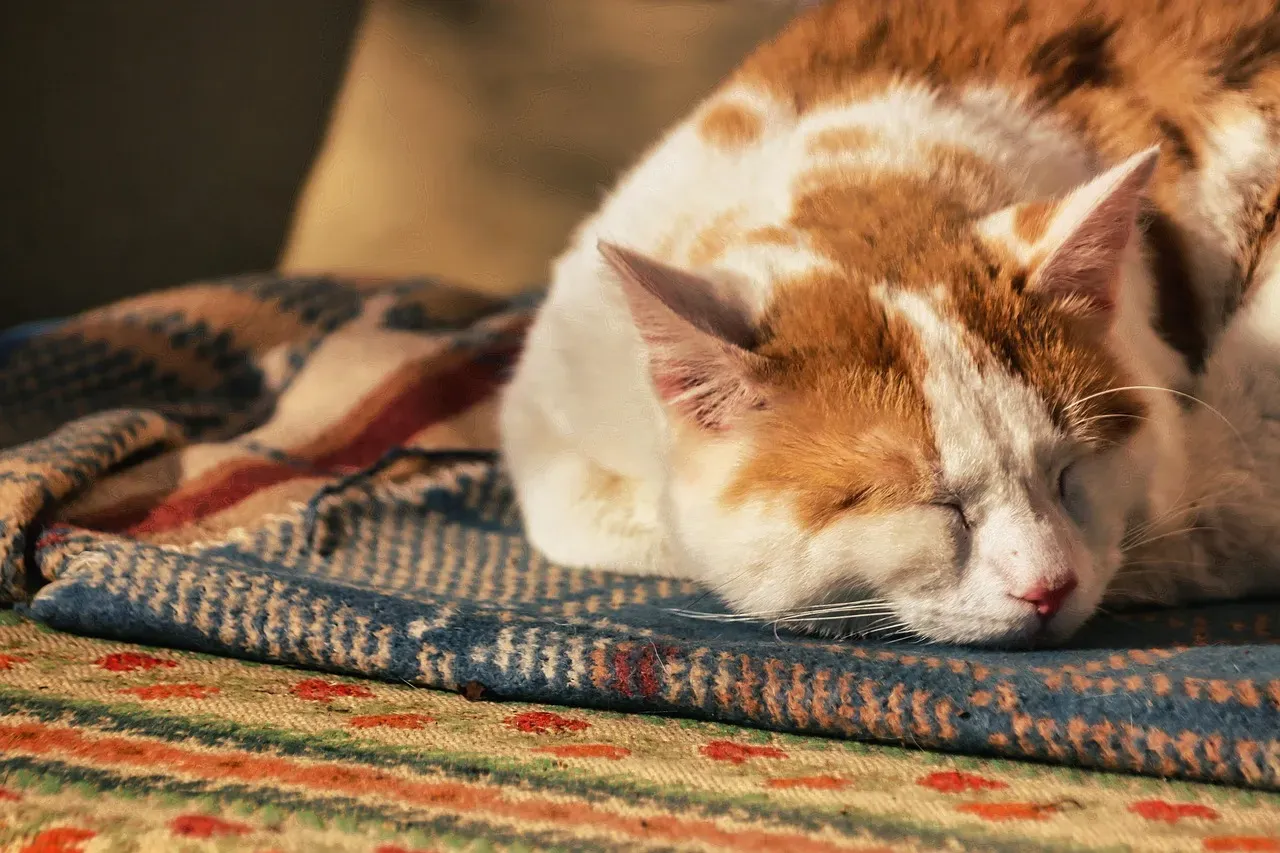
Let's be real - temperature might be the single biggest factor in where your cat decides to crash. Temperature tends to be the biggest factor. Depending on the changing weather and season, cats might prefer a spot that is particularly warm or cool based on their needs. That explains why your cat follows a sunbeam across the floor like it's a full-time job.
The changing seasons usually dictate where your cat will spend its time. When it gets colder outside, cats will migrate to sunnier, warmer spots like windowsills or furniture near a heat source - or inconveniently on top of your laptop keyboard. If the weather is hot, or the heater is cranked up inside, cats may choose to lie on a tile or hardwood floor to cool down. They are, honestly, brilliant little thermal engineers.
Sleeping Near Your Head: Scent, Bonding, and Deep Trust
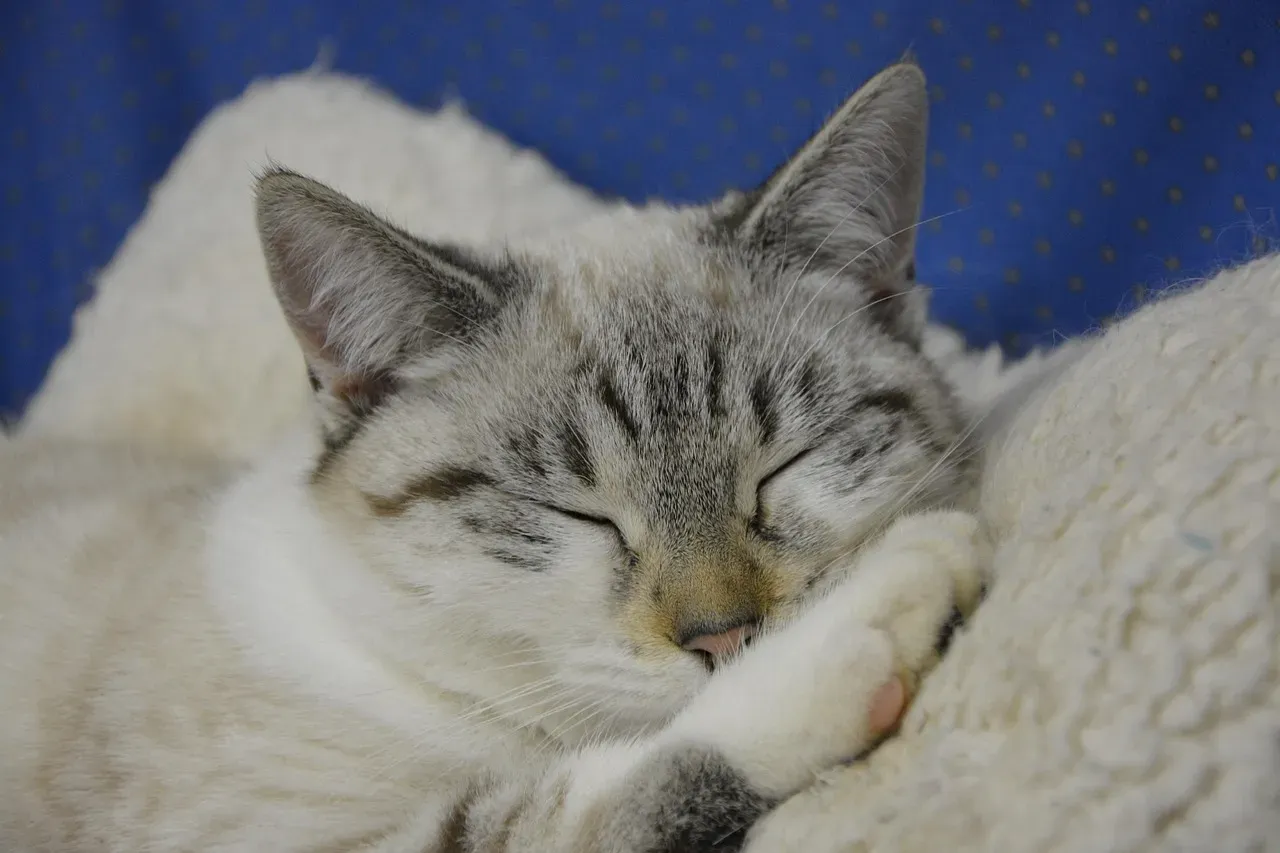
If your cat prefers to sleep close to your head, it's not just a random habit - it's a behavior rooted in scent, comfort, and emotional bonding. Cats are highly reliant on their sense of smell to navigate their world and establish a sense of security. A cat's sense of smell is approximately 14 times stronger than a human's, making scent one of the primary factors influencing their sleeping preferences. Your head produces the strongest scent due to hair, breath, and skin oils, making it a natural comfort zone for your cat.
If your cat sleeps near your head or on your pillow, it indicates a strong bond and a sense of trust. On the other hand, if your cat prefers the foot of the bed or sleeps at a distance, it might be their way of showing independence while still feeling safe within your presence. Either way, your cat has chosen to be near you. Take the win.
Switching Spots Constantly: Wild Instincts, Not Boredom
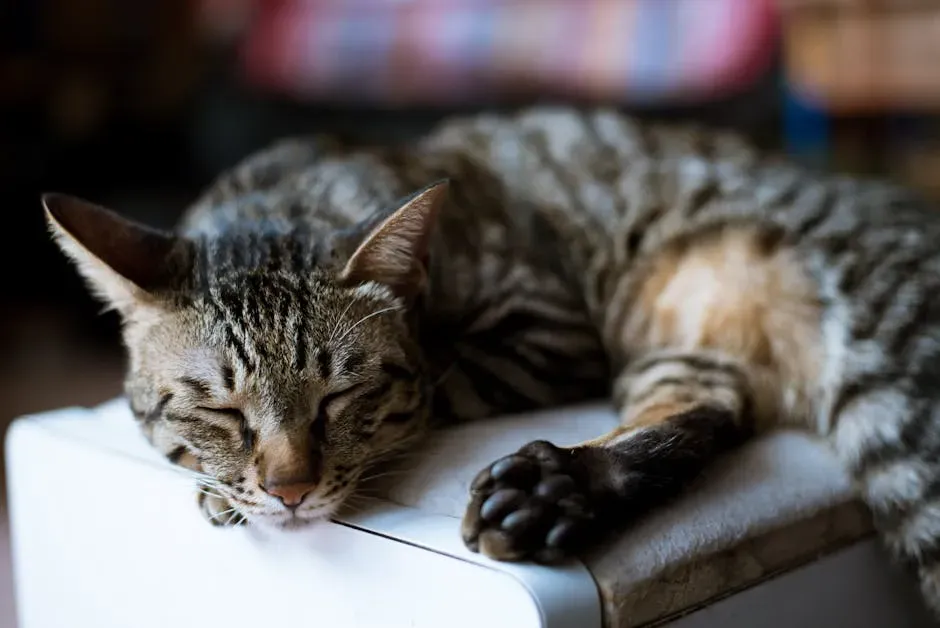
You've probably noticed your cat abandoning a beloved nap spot without warning, moving on to somewhere new and seemingly random. Changing sleeping locations is a cat's natural instinct and reminds us that cats might be domesticated, but they retain wild behaviors. Eons ago, cats developed the practice of changing up their sleeping locations for their own protection. Cats' sleeping spots soon acquire their scent, allowing predators to track them to their lairs.
Just as your kitty seeks out a safe spot to sleep, she thinks she needs to move frequently to protect herself. While she may not have to worry about predators much now, she still retains the instinct to switch sleeping spaces. Cats will also move to adjust their bodies or regulate their temperature. When she gets too warm in her sun spot, she'll move to that cool sink. When the floor gets too cold, she'll seek out your bed. It's all purposeful, even when it looks chaotic.
Hidden Away in Dark Corners: Seeking Stillness and Solitude
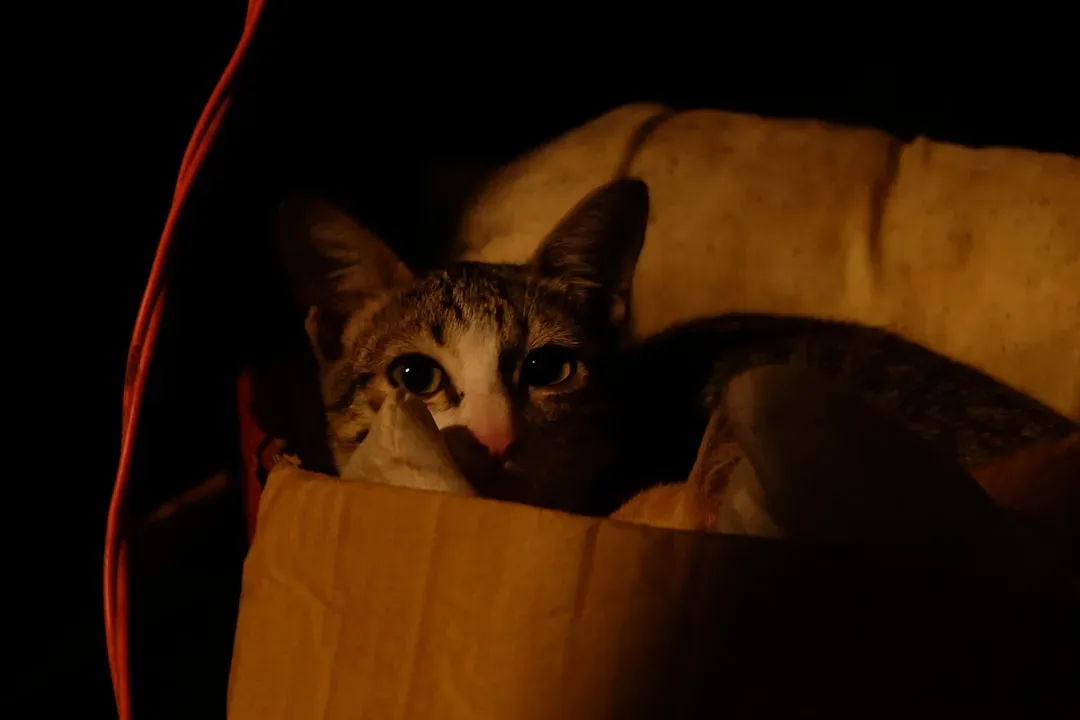
Even if your cat isn't giving in to nocturnal inclinations, it doesn't mean that it won't search out a space that's dark. Cats love finding tucked-away places that are dark during the day. It's the feline equivalent of drawing the curtains and turning off your phone. They want full, uninterrupted silence - and honestly, who can blame them?
Cats, like most creatures, find comfort in silence and will often seek out quiet spots to rest. They also have much better hearing than humans, so they may avoid spots that seem quiet to us because they can hear something we cannot. The behavior of hiding the head during sleep is typically an attempt to seek warmth or minimize sensory input, indicating that the cat desires undisturbed rest or is possibly overstimulated. Your cat isn't hiding from you. It's recharging.
When Nap Spots Signal a Health Warning
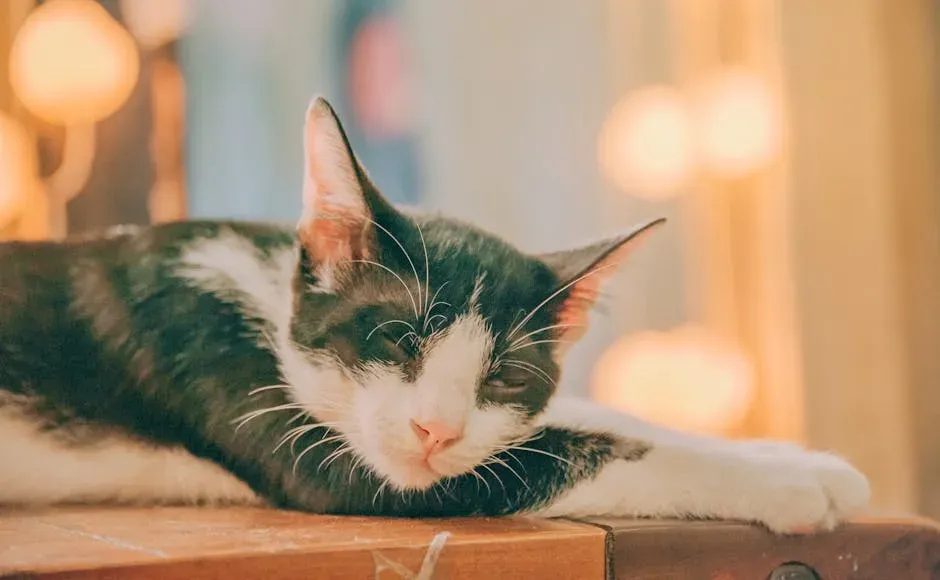
Here's where things get a little more serious. A sudden, dramatic change in where your cat sleeps isn't always about comfort or instinct. If your cat suddenly starts sleeping in abnormal spaces or exhibits changes in their sleeping postures and patterns, it may indicate they're struggling to find a comfortable resting stance or are in pain. Watch for other clinical signs like a tense body posture, eye squinting, shifts in facial expressions, decreased appetite, and increased vocalizations - all warranting a vet exam.
Changes in sleeping location or duration can indicate health issues or stress. If your cat suddenly abandons favorite sleeping spots or sleeps significantly more or less than usual, consult your veterinarian to rule out potential problems. Older cats may also experience changes in sleep due to health issues like arthritis, which can make them seek more rest to alleviate discomfort. Understanding these age-related changes in sleep patterns is key to ensuring your pets are healthy and comfortable at every stage of life. Keep your eyes open. Their habits speak volumes.
Conclusion: Your Cat Is Telling You Everything - You Just Have to Listen
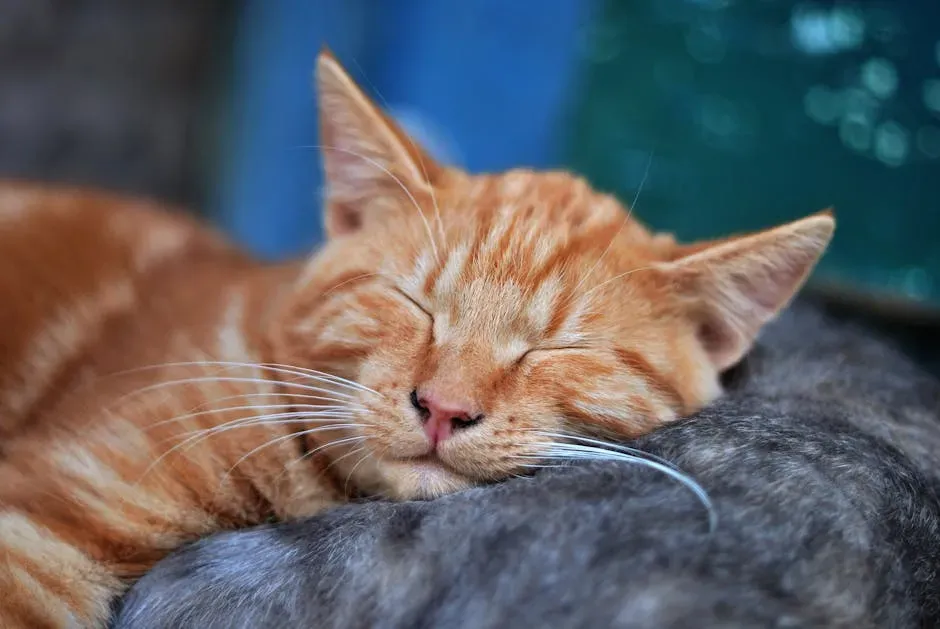
Every nap is a message. Every spot your cat chooses - whether it's your chest, a cardboard box, a sunny sill, or a dark corner under the bed - is a window into what they need, what they feel, and how much they trust their world. You don't need to speak meow to understand. You just need to pay attention.
Understanding your cat's sleeping positions helps you recognize their comfort levels, stress signals, and trust development. This knowledge allows you to make appropriate environmental adjustments and respect their space when needed, strengthening your bond. So the next time your cat settles in somewhere new, resist the urge to move them. Watch instead. You might learn something surprising.
Now you know the secret hidden in plain sight every single day. The real question is - what has your cat been trying to tell you all along? Let us know in the comments.