8 Myths About Cats Debunked by Science (What You Thought Was True)
Cats are among the most popular pets on the planet, yet they remain one of the most misunderstood creatures sharing our homes. You've probably repeated at least one widely held "fact" about cats that, well, simply isn't true. Some of these myths are harmless. Others are the kind that actually affect how people care for their feline companions, and that matters.
A team of Brazilian scientists published a paper earlier this year in the journal Pets, noting that misperceptions have followed cats for thousands of years. Honestly, it's a little embarrassing that in 2026, we're still getting so many things wrong about our furry housemates. So if you've ever sworn that your cat is just a loner, or that its purring means everything is fine, you're in for a few surprises. Let's dive in.
Myth 1: Cats Are Cold, Independent, and Don't Need Your Affection
This is probably the most stubborn myth of them all. You've heard it a hundred times: cats don't care about you, they just tolerate your presence. But science has firmly slammed the door on that idea.
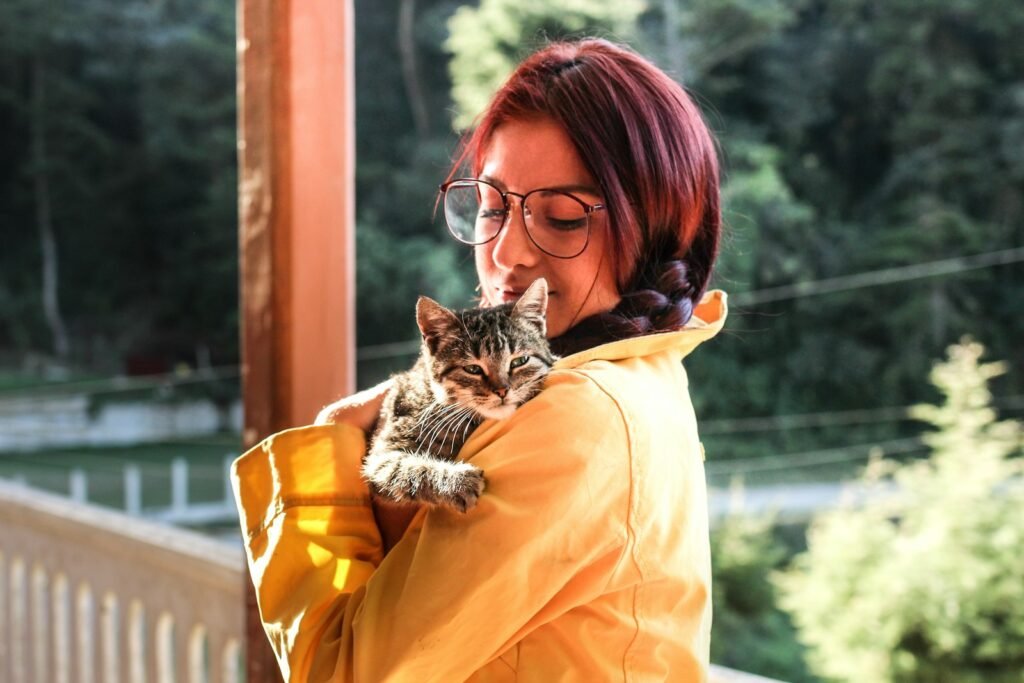
Feline researcher Dr. Kristyn Vitale, who studied for her PhD at the University of Oregon, published research in 2019 showing cats develop attachments to their caregivers in much the same way dogs do. The study placed cats in an unfamiliar environment where they spent time with their human caretakers, then alone, then reunited. Cats with a "secure attachment" showed reduced stress while the caregiver was present.
Cats are likely viewed as aloof because they are often compared to dogs, which are undeniably more social. Sadly, viewing cats as antisocial can harm them, as their caretakers are less likely to provide affection, exercise, hair brushing, toys, and veterinary care. Think about that for a second. A myth you casually believe could literally be affecting your cat's quality of life.
Myth 2: Purring Always Means Your Cat Is Happy
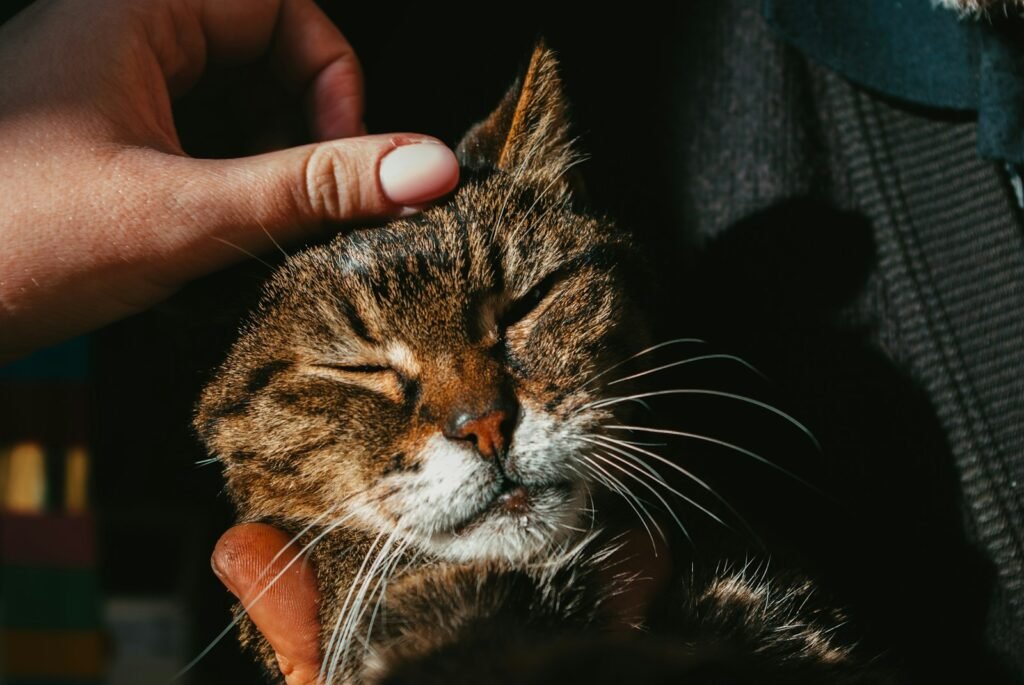
There's something almost universally comforting about the sound of a cat purring. You naturally assume it's the feline equivalent of a smile. Here's the thing, though: it's far more complicated than that.
The soothing sound of a cat's purr is typically associated with contentment, but scientific analysis reveals that cats might also purr when they are in pain, scared, or anxious as a form of self-soothing. Some studies even suggest that the frequency of purring may have a healing effect, promoting bone density and healing tissue.
Cats may purr when they feel stressed, frightened, or even in pain. A common example is a cat purring during a veterinary visit, which often signals anxiety rather than happiness. So next time your cat is purring during a car ride to the vet, don't be fooled. That little sound is doing a lot of emotional work behind the scenes.
Myth 3: Cats Always Land on Their Feet
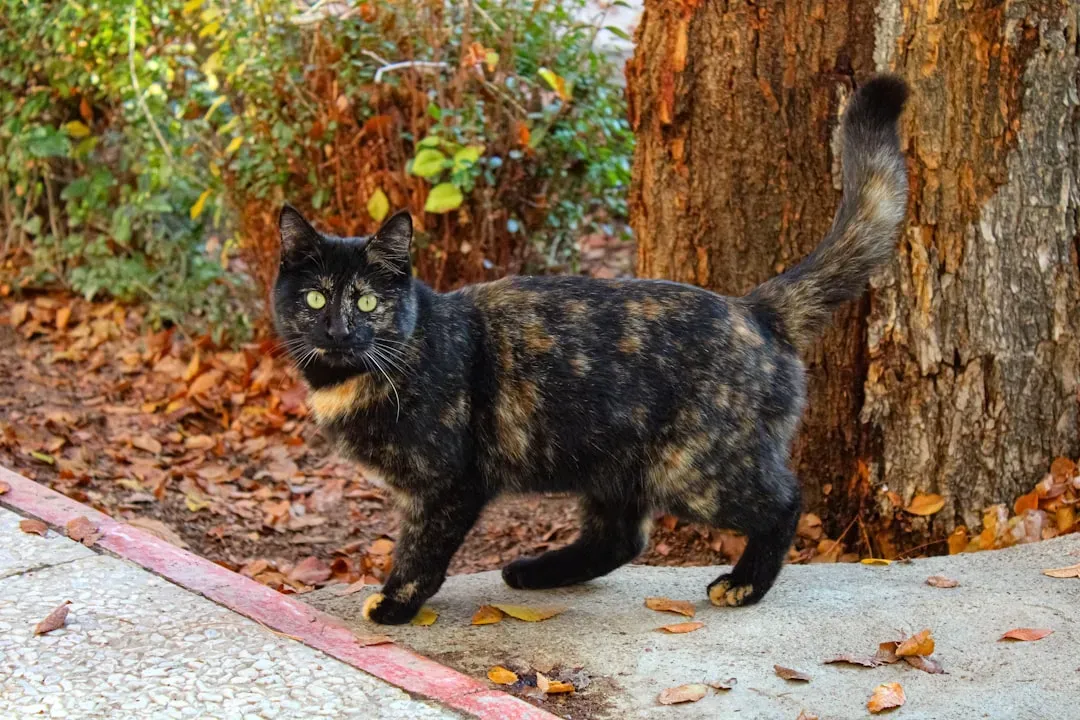
Ask just about anyone and they'll confidently tell you that cats always land on their feet. It sounds so true that questioning it almost feels foolish. I get it. Yet the science tells a very different story.
While cats do have a unique skeletal structure and a highly developed righting reflex that allows them to twist their bodies in mid-air, this doesn't guarantee a safe landing every time. Numerous studies have shown that falls from significant heights can still result in serious injuries.
While they do have a "righting reflex" that helps them twist their bodies mid-air, this doesn't guarantee a safe landing. Studies show that falls from lower heights can actually be more dangerous since cats may not have enough time to adjust their position properly. Let that sink in. A fall from your second-floor window could be riskier than one from higher up. Please keep those windows secured.
Myth 4: Cats and Dogs Can Never Get Along

Cats versus dogs. It's practically a cultural institution. You've seen the cartoons, heard the jokes, watched the chaotic viral videos. The idea that these two species are natural enemies is deeply baked into how we think about pets.
Dogs and cats co-exist peacefully more often than not. Although there are social differences, when conditions are right, both species can express friendly behavior toward each other. The compatibility between dogs and cats is influenced by several factors, such as the personality of the individuals, early socialization, and environmental factors.
Nose-to-nose sniffing between dogs and cats has been observed as a common affiliative behavior. While there is a lack of scientific studies focusing on interactions within domestic environments, laboratory studies have shown that under certain conditions, cats and other species can form peaceful relationships. Basically, it comes down to upbringing and environment, not some ancient biological grudge.
Myth 5: Cats Love Milk and It's Good for Them
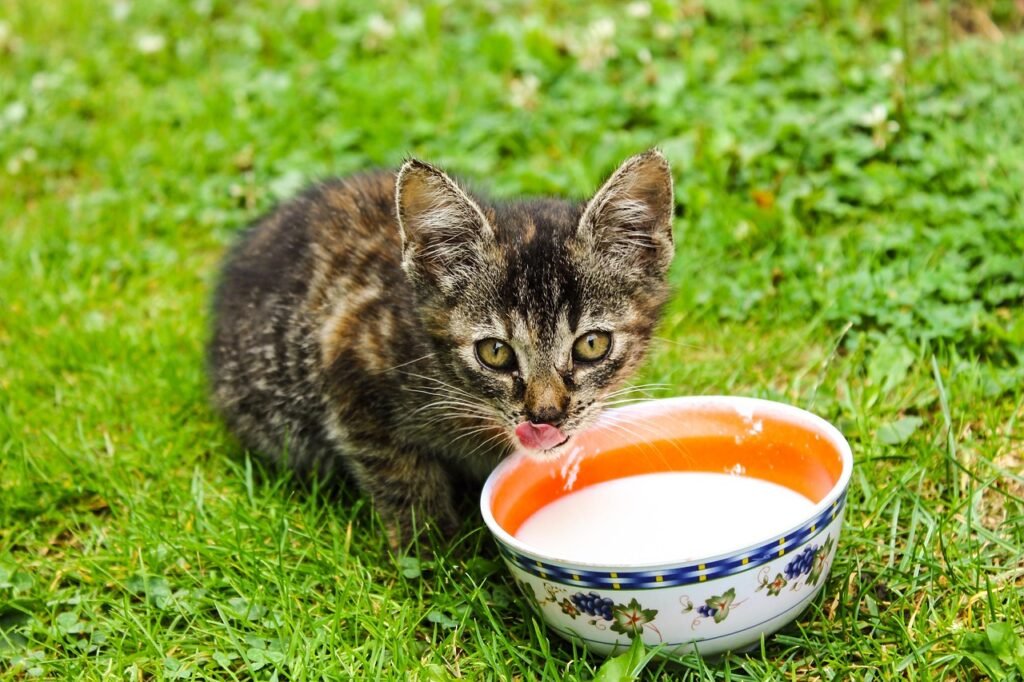
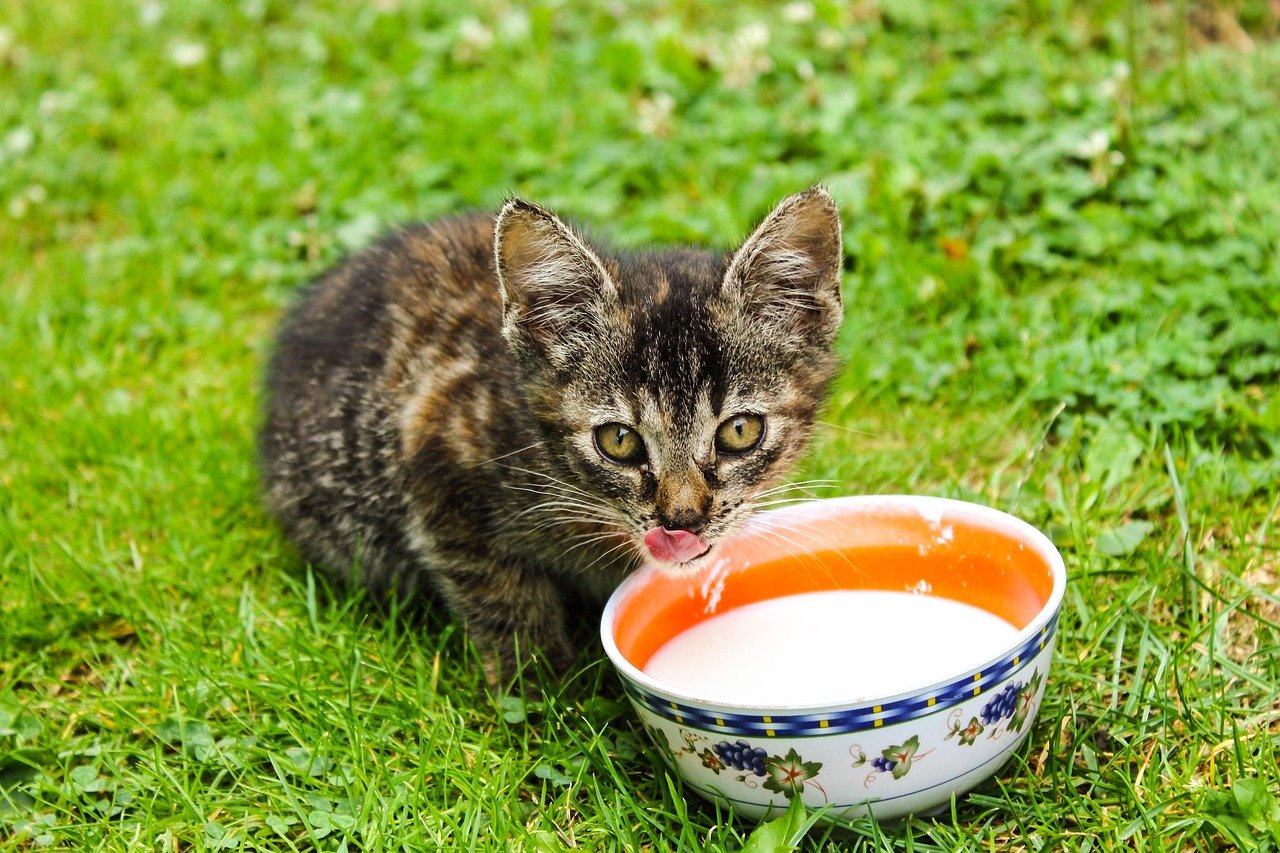
This one is so deeply embedded in popular culture that it almost feels like an attack on childhood to debunk it. We've all seen the charming image of a little cat contentedly lapping from a bowl of milk. It's iconic. It's also completely wrong.
While kittens can digest cow's milk, cats lose the enzyme necessary to digest milk as they age and become naturally lactose intolerant. Feeding a cat milk does not provide the right nutrients and may cause diarrhea or vomiting.
Most adult cats are lactose intolerant because they lack the enzyme needed to digest milk. When cats drink milk, it can lead to digestive upset such as diarrhea or vomiting. The American Veterinary Medical Association reports that more than 60% of cats experience some level of lactose intolerance. So that cozy bowl of milk you've been offering as a treat? It might be causing your cat real digestive distress. Stick to fresh water.
Myth 6: Cats Are Nocturnal Creatures
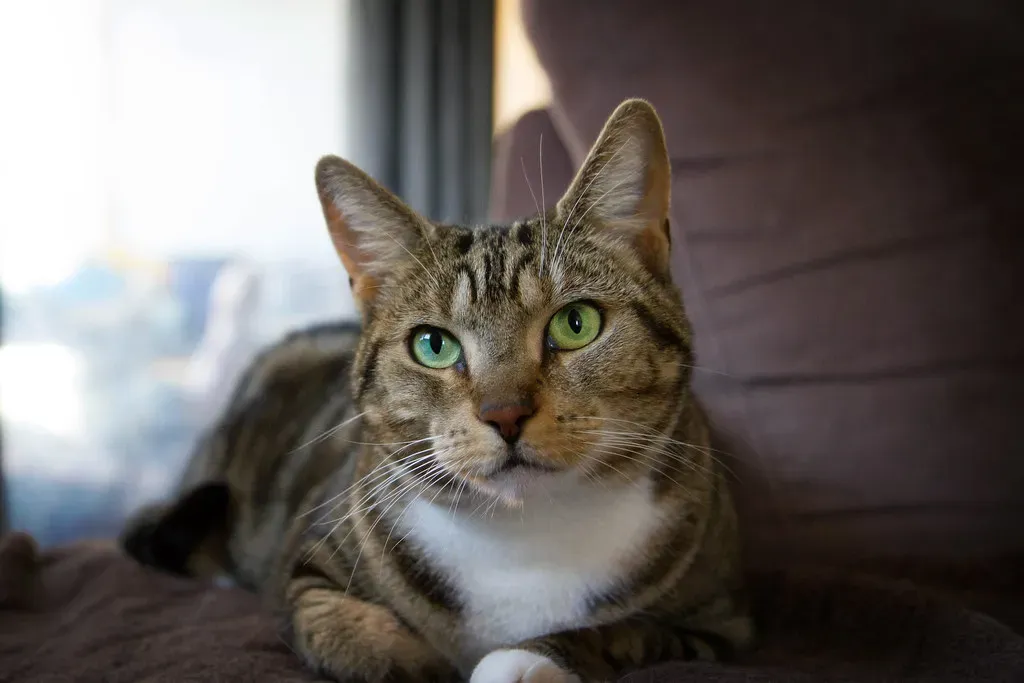
You've probably grumbled about your cat waking you up at 3 a.m. and concluded that they must be nocturnal animals, designed to wreak havoc while you sleep. It's a reasonable assumption. It's also not quite accurate.
The truth is that cats are crepuscular, which is just a fancy way of saying they are most active at dusk and dawn. Think of them less like owls and more like that early morning jogger who also goes out at twilight. They're working on a schedule tied to natural light cycles, not your sleep schedule.
Birds and mice are very active at dawn, and cats evolved to take advantage of this by developing the ability to see in low-light conditions. They get the bulk of their hunting done while it's mostly, but not entirely, dark. If your cat's evening antics are a problem, consider a play session right before bed and feeding them a small amount, which can re-create the natural hunting cycle. That midnight zooming is actually a deeply ancient biological impulse. Respect it, even at 2 a.m.
Myth 7: Cats Are Impossible to Train

Dogs sit, shake, and roll over on command. Cats, the story goes, do whatever they please and cannot be trained. If you've ever tried to call a cat and watched it stare directly at you before walking in the opposite direction, you might feel this myth has real merit.
While cats are not as easily trainable as dogs, they are far from untrainable. Recent studies and behavioral experiments have shown that through positive reinforcement and patience, cats can learn commands, tricks, and even how to use the toilet. Techniques involving rewards such as treats, playtime, or affection can effectively instill desirable behaviors.
Training is, in fact, useful for cats' behavioral and cognitive development and for basic care. Clicker training, reward-based systems, and patience can teach cats to sit, fetch, use harnesses, and even walk on a leash. Training is also a great way to strengthen your bond and improve your cat's mental stimulation. The key difference from dogs isn't ability. It's motivation. Understand what your cat values and you'll be surprised how quickly they learn.
Myth 8: A Cat's Coat Color Tells You About Its Personality
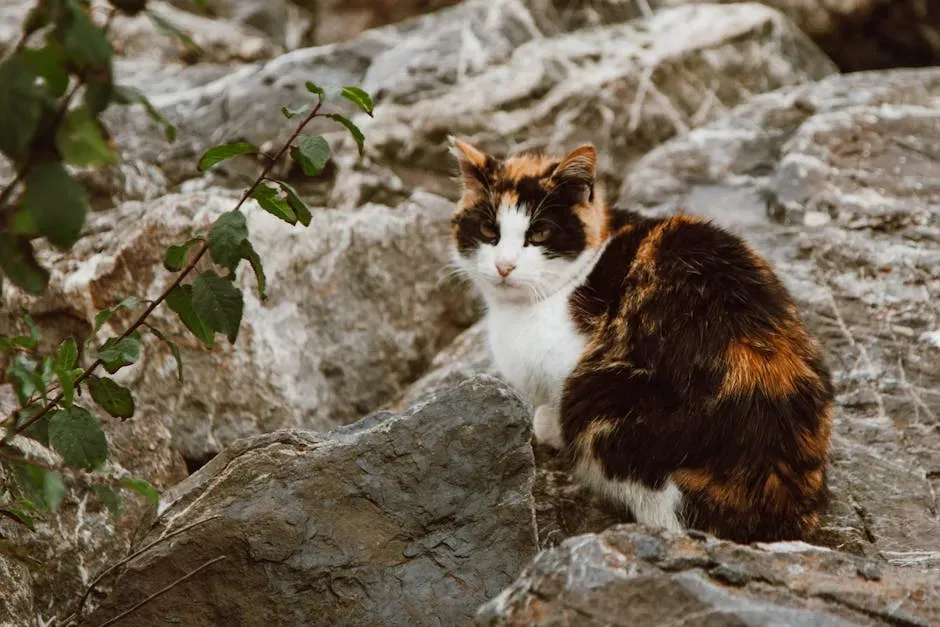
How often have you heard someone say that ginger cats are friendlier, black cats are mysterious, or tortoiseshell cats are feisty? These personality stereotypes tied to coat color are surprisingly common, and honestly kind of fun to believe. Science, unfortunately, isn't playing along.
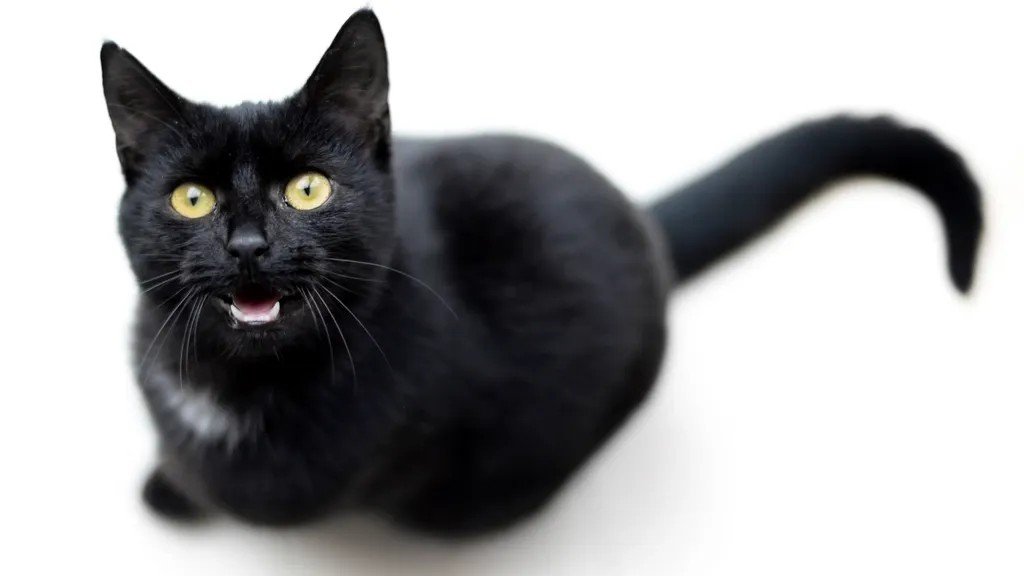
Research has found there is a lack of evidence for a relationship between cat coat color and personality. Just like judging a person's character by their hair color, coat-based personality typing in cats is essentially folk storytelling dressed up as fact. It's charming, but it isn't real.
Cat social behavior is flexible and individual preferences for interactions vary widely. Early social exposure, life experiences, and relatedness are what actually influence a cat's sociality, not the pigment in their fur. Every cat is its own individual, shaped by its history and environment. Judging them by color is not just inaccurate but also, when it comes to black cats and adoption rates, genuinely harmful.
Conclusion: Your Cat Deserves Better Than Myths
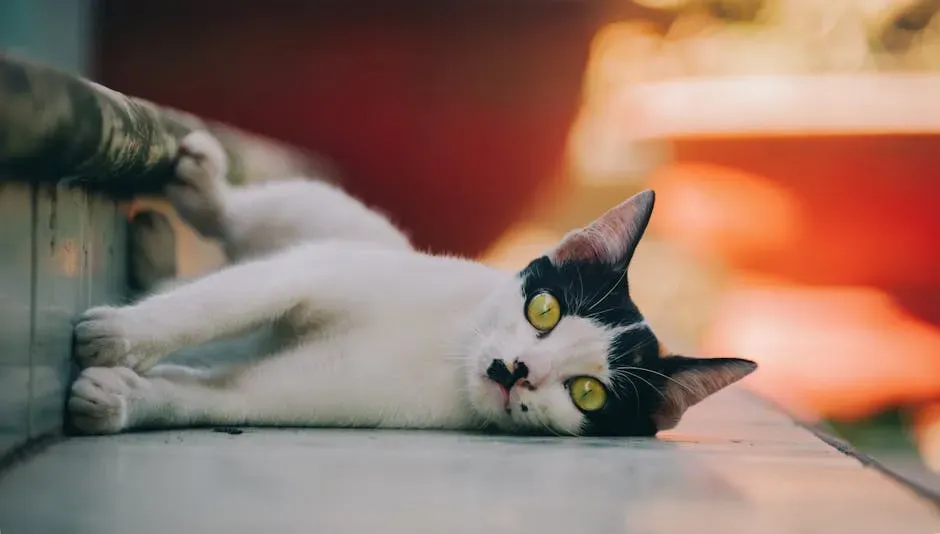
Honestly, what strikes me most about all of this is just how consequential these myths can be. They aren't just harmless pieces of folklore passed down through generations. Replacing misconceptions with scientifically generated information could have a significant impact on the behavioral management of cats, positively influencing their physical health, mental stimulation, and well-being, and reducing stress for both cats and the people caring for them.
Pet myths can delay treatment, hide warning signs, and create preventable health problems. When pet owners replace misinformation with accurate guidance, pets benefit from earlier care, healthier habits, and better quality of life. That's worth taking seriously.
You share your home with a creature that has been misunderstood for centuries. Cats have been surrounded by myths and misconceptions for centuries, some of which affect how people care for their feline companions. Science has helped unravel the truth behind many of these myths, proving that cats are more complex and fascinating than many believe. The least you can do is see yours clearly. What myth surprised you the most? Drop it in the comments.