You’re sitting on the couch, minding your own business, maybe halfway through a snack or a show, and then you feel it. That unmistakable, almost theatrical weight of two eyes boring into the side of your face. You look over and there’s your cat, motionless, staring at you like you just said something deeply insulting in a language you didn’t know they spoke.
Honestly, it’s one of the most relatable and mysterious things about living with a cat. Cats are among the most enigmatic creatures on the planet, and one of the most common behaviors cat owners encounter is when their feline friends stare at them for extended periods. So what’s really going on behind those unblinking eyes? The answer, it turns out, is far richer than you’d ever expect. Let’s dive in.
The Eyes Have It: Why Cats Communicate Through Staring
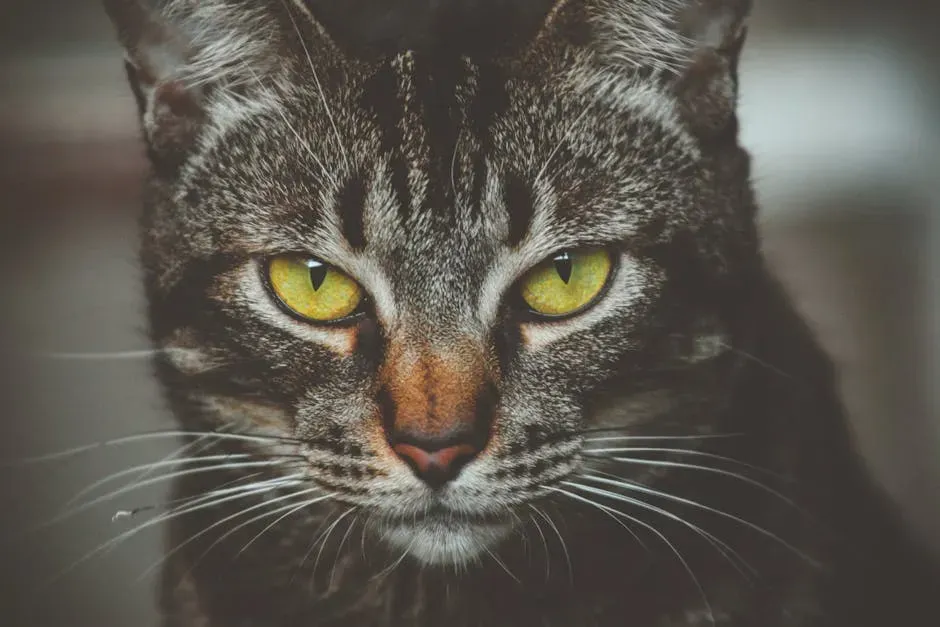
Cats may have a reputation for being aloof, but they are actually expressive and affectionate. One way they communicate is by staring. Think of it like a conversation happening entirely through eye contact, a language made of gazes, blinks, and pupil shapes. It sounds strange to us humans, but for a cat, it’s completely natural.
Cats use body language to communicate with humans and other animals. Staring is one of the most common cues they use to convey different messages. When a cat stares at a human, it is usually trying to communicate something important. So the next time your cat locks eyes with you, consider the possibility that they’re not being weird. They’re just talking. In their way.
Reading the Room: Soft Stare vs. Hard Stare
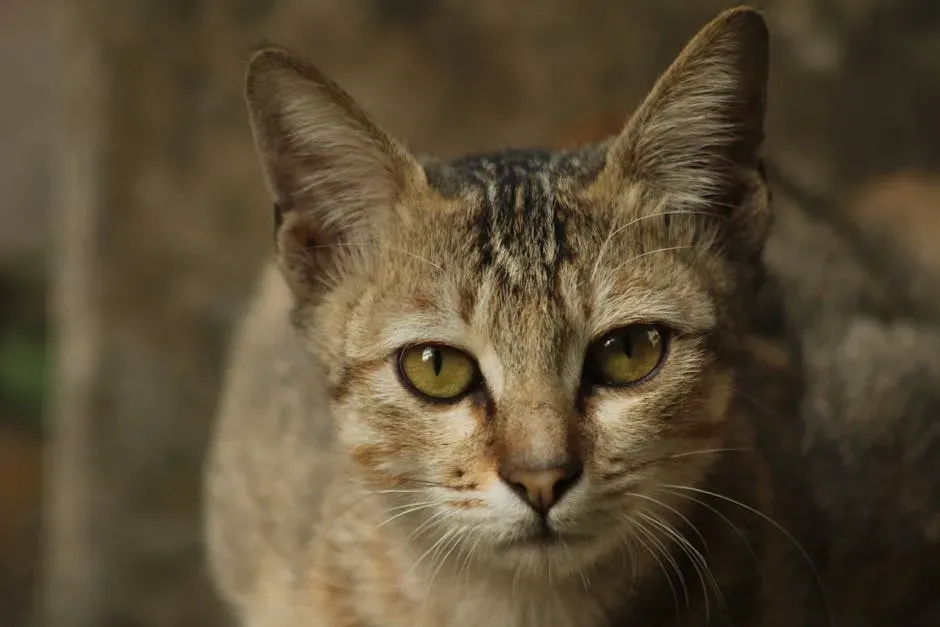
Here’s the thing most people miss: not all cat stares are the same. Not even close. There are two types of kitty stares, a “hard stare” and a “soft stare.” These mean totally different things, but the two stares look nothing alike. Learning to tell them apart is genuinely one of the most useful things you can do as a cat owner.
While you can appease a soft-staring cat with treats or pats, a hard stare is something you definitely need to pay attention to. A hard stare means your cat is afraid or feeling threatened. A cat who stares at you with soft, half-closed eyes and slow blinks is expressing trust and affection. Same animal, completely different message. Context is everything.
The Slow Blink: Your Cat’s Version of “I Love You”
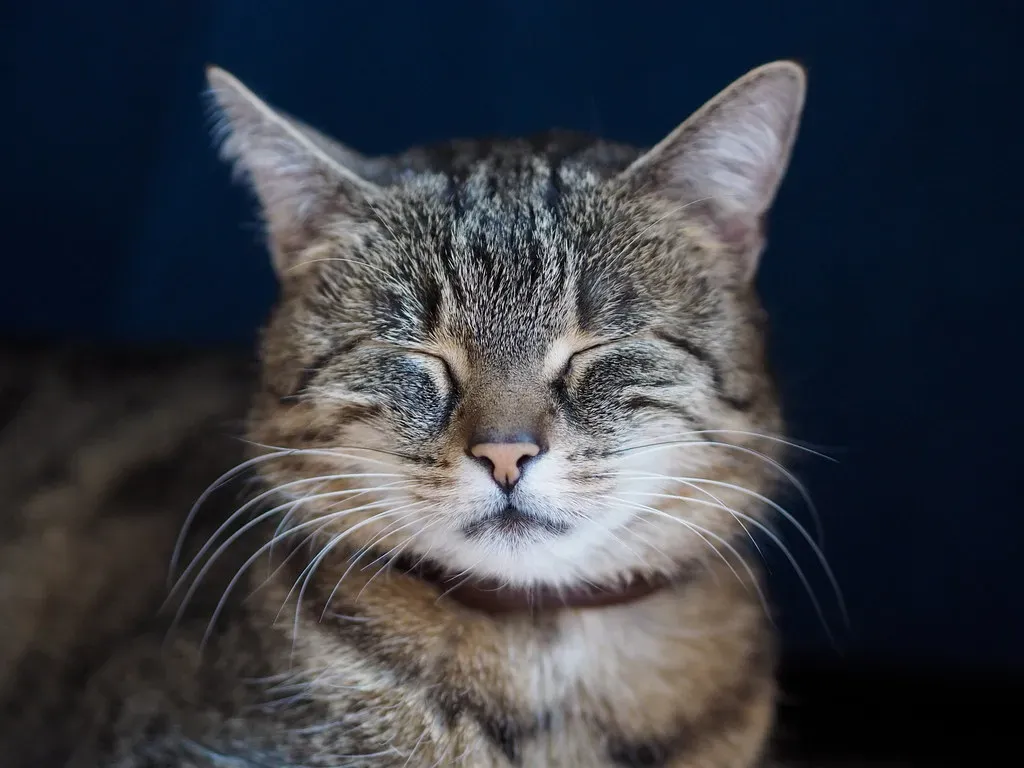
If you’ve never tried slow-blinking back at your cat, you’re genuinely missing out. When a cat slow blinks at you, they are often expressing a sense of trust, contentment, and affection. In the feline world, closing their eyes in the presence of another creature makes them vulnerable, as they are unable to detect potential threats. So the fact that they’re willing to do it around you? That’s a pretty big deal.
A study published in 2020 confirmed that slow blinking plays a key role in feline communication. The results showed that cats are more likely to slow-blink at their humans after their humans have slow-blinked at them, compared to the no-interaction condition. You can literally start a conversation with your cat using nothing but your eyelids. I think that might be one of the most quietly magical things about owning a cat.
The Hunger Stare: Your Cat Knows Exactly What It’s Doing
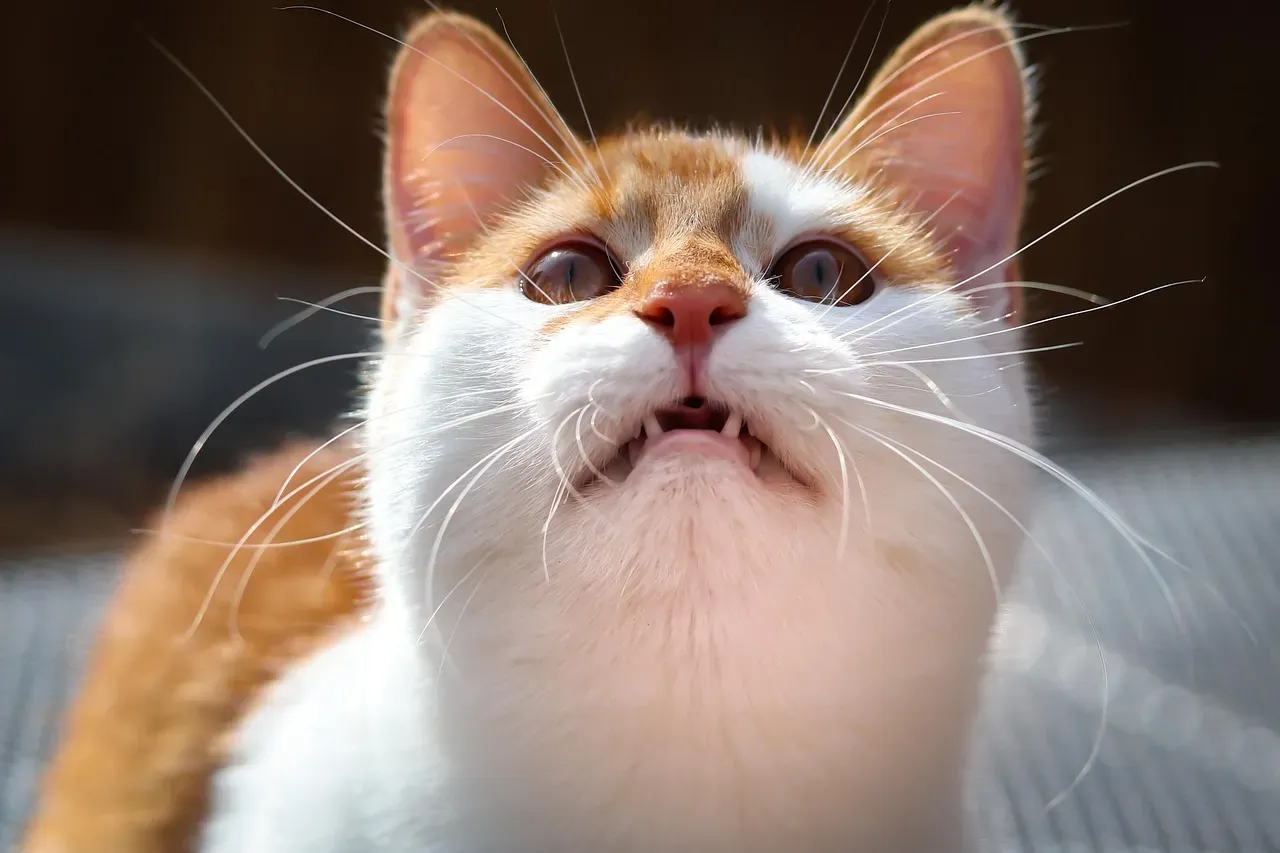
Let’s be real, sometimes the gaze isn’t poetic at all. Sometimes it’s just about food. As mealtime approaches, or sometimes even hours before, many kitties spring into action with a routine: they sit next to their food bowls, make direct eye contact with their humans, and unleash a relentless stream of meows and purrs. Sound familiar? Of course it does.
This behavior isn’t just cute or annoying, it’s calculated. Cats are intelligent and observant animals. Over time, they learn what actions lead to results, and staring at their humans without blinking has proven to be remarkably effective. If your cat has stared at you in the past and you took it to mean they want food or attention, giving them a treat or a fuss in response, your cat will have learned to associate eye contact with an enjoyable reward, and will want to try it again. The more you reward this behavior over time, the more likely your cat is to stare at you to get their way. You’ve essentially been trained. Don’t feel bad. It happens to the best of us.
Pure Curiosity: Your Cat Thinks You’re Fascinating
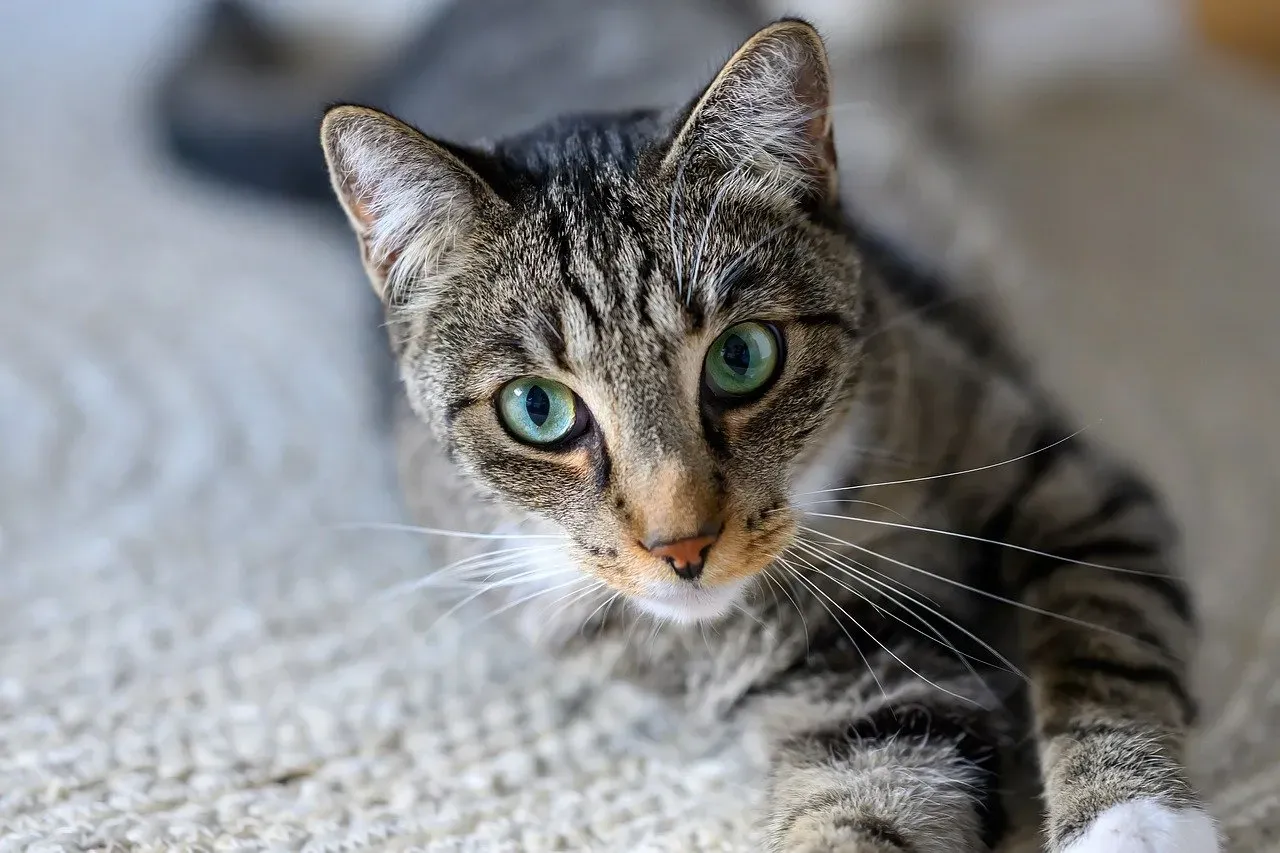
Sometimes there’s no hidden agenda at all. Your cat is just watching you. When a cat stares at a person, they often use that same instinctive focus to gather information. They may think they are simply watching you, but they are reading your movements, tone, and behavior. Think of your cat as a tiny, furry researcher studying the most interesting subject in the room: you.
One reason why cats stare at humans is simply out of curiosity. Cats are naturally curious animals and are always on the lookout for new things to explore. When a cat stares at its human companion, it may be trying to communicate its curiosity or trying to understand what the human is doing. A cat perched on a sturdy cat tower or resting on a relaxed spot may watch you simply because you are the most interesting thing in their environment. A relaxed posture during this observation means your cat feels content. Honestly, it’s kind of flattering if you think about it.
Hunting Mode: The Primal Stare You Should Know About
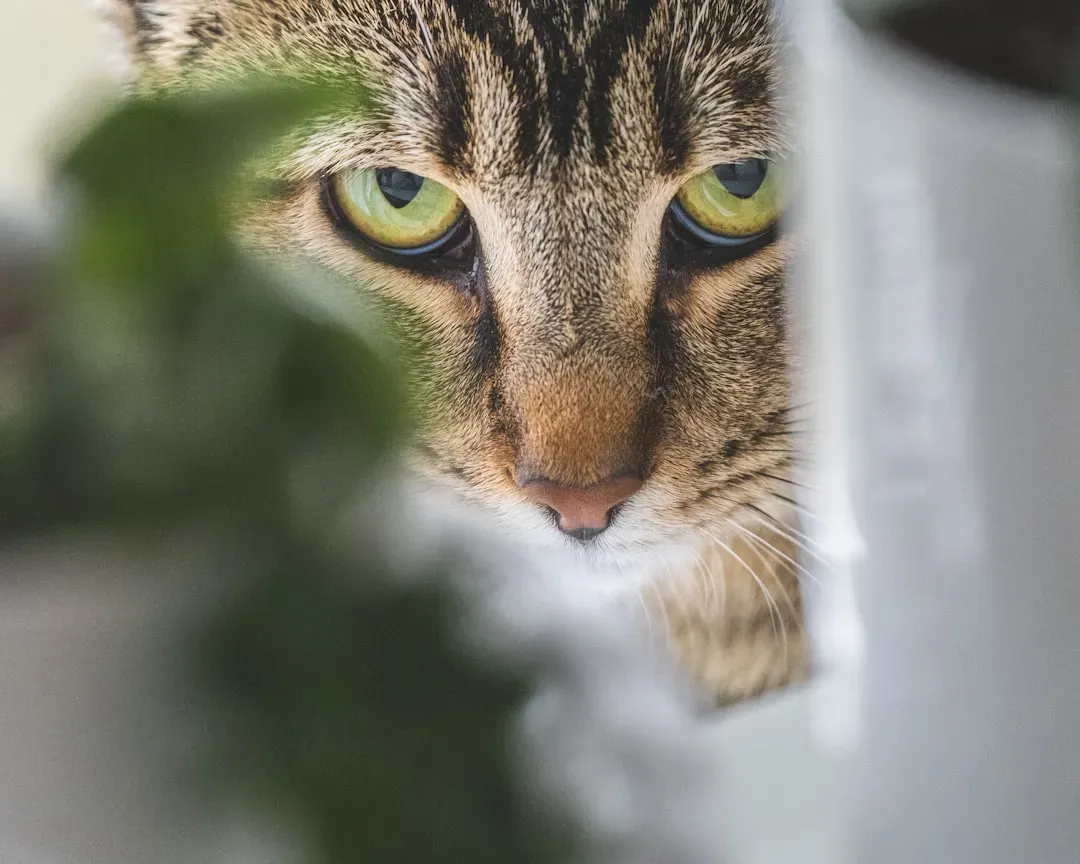
Another reason for cats staring is their razor-sharp hunting instinct, meticulously honed through millions of years of evolution. Cats have a binocular field of vision, with a high area of visual overlap between both eyes, a trait shared with many predators. Such a field of vision allows them to properly perceive depth, height, and distance, which are needed to successfully pounce on their prey.
The first step in the prey sequence begins when your cat crouches down low, their eyes getting really big as they lock onto their target. While a domesticated cat’s motivation to hunt may not be for food, it’s instinctive and hard-wired in their brains to hunt, even if they just play with whatever creature they’ve caught. So when your cat stares at your feet from across the room with pupils like dinner plates, they’re not being hostile. They’re just being a cat. A tiny, perfectly designed predator living in your home.
The Fear Stare: When the Gaze Is a Warning Sign
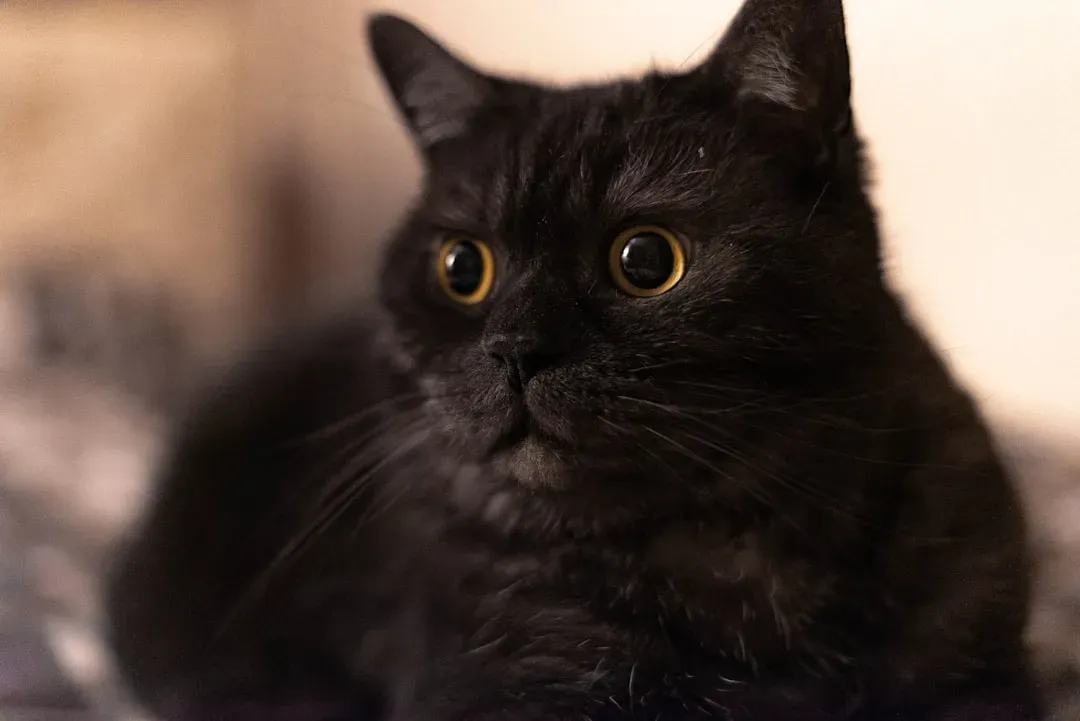
Not all staring is warm and fuzzy. Sometimes your cat is scared, and that wide-eyed, frozen look is their way of telling you something feels very wrong. Sometimes a cat stares at a person, another animal, or an object out of fear. You should look for other indicators of fear and anxiety in your cat’s body language. The cat is staring to keep their eyes on the stimulus they are worried about.
If your cat pairs staring with tense posture, flattened ears, or hiding, the behavior may reflect unease. Cats sometimes observe closely when they feel unsure about a situation or a change in their environment. In these cases, the stare is not meant to communicate affection. Instead, it allows the cat to evaluate potential threats or unfamiliar routines. The right move here is simple: give your cat space, speak softly, and move slowly. Think of yourself as the calming presence rather than the threat.
When the Stare Signals a Health Problem
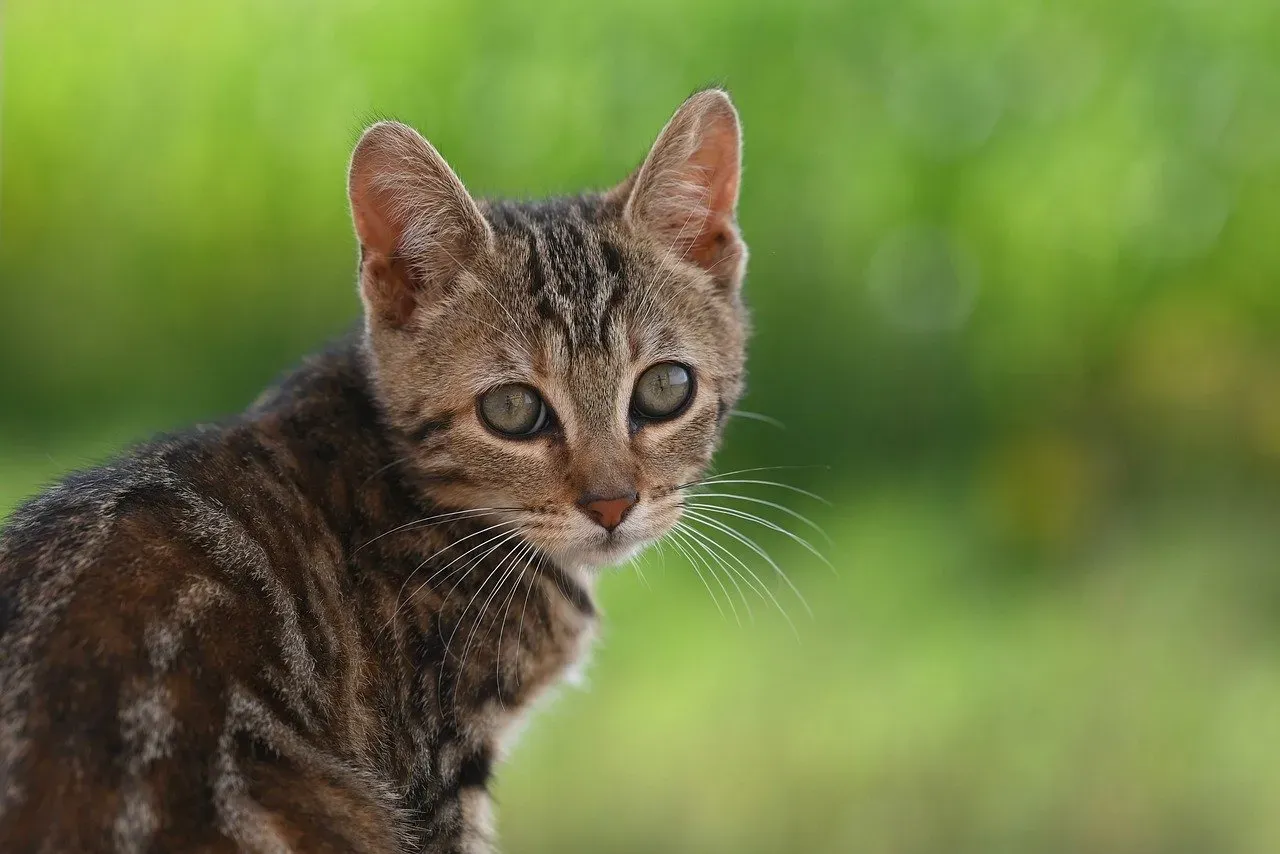
Here’s the part that’s easy to overlook, and genuinely important. Sometimes a change in staring behavior is your cat’s body sending you a signal about their health. In some cases, a cat’s stare can indicate discomfort or health issues. If their eyes are wide and pupils dilated while they maintain a fixed gaze, it might mean they’re stressed or feeling threatened. You should pay attention to other body language cues, such as a tense posture, flattened ears, or a flicking tail, which can signal unease.
Older cats can develop feline cognitive dysfunction, similar to dementia in humans. Symptoms include disoriented staring, pacing, and changes in sleep patterns. If your senior cat stares more often and seems confused, a vet visit is warranted. High blood pressure, which often goes hand-in-hand with kidney disease, heart disease, or hyperthyroidism, can cause dilated pupils in cats. It’s hard to say for sure when something serious is brewing, which is exactly why knowing your cat’s normal patterns matters so much. A sudden shift is worth acting on.
How to Respond to Your Cat’s Gaze Like an Expert
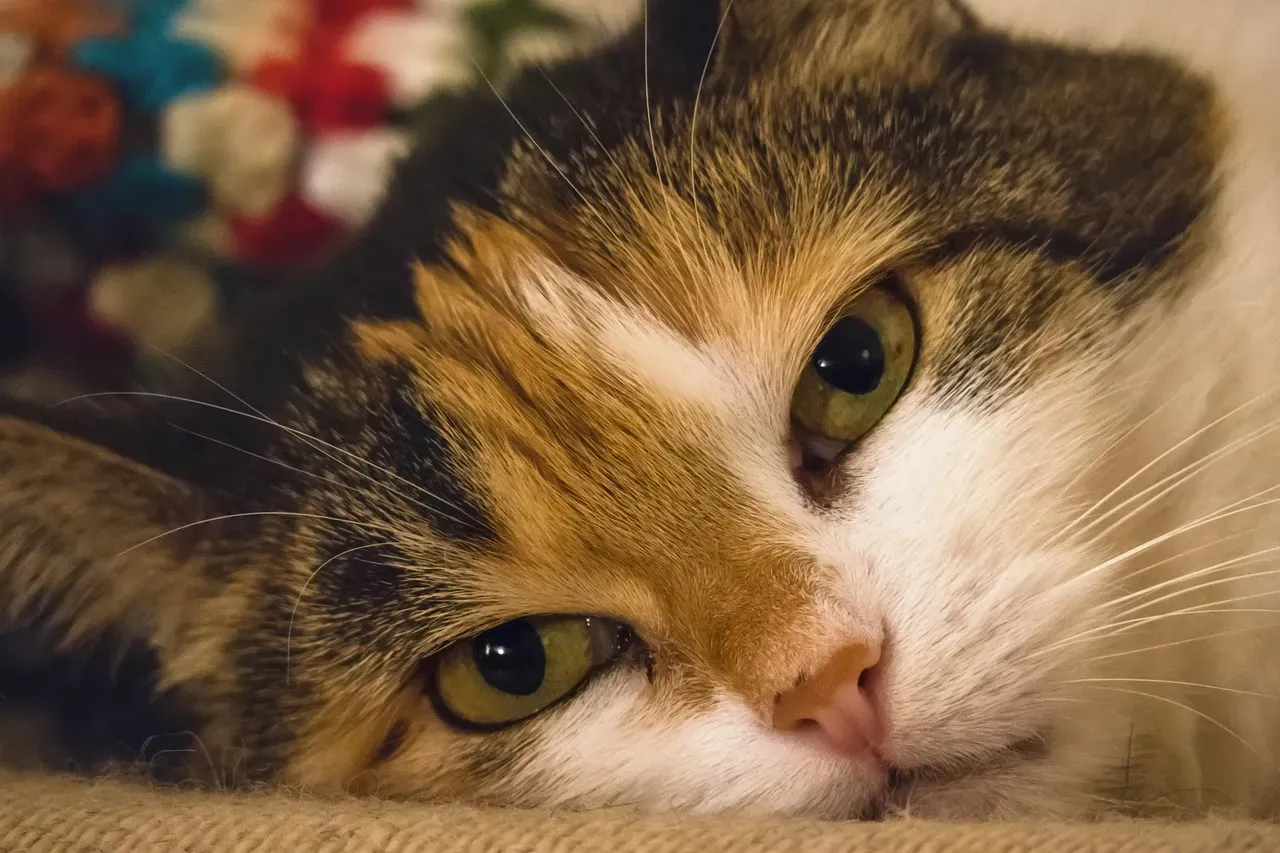
Now that you understand the language your cat is speaking, the question becomes: how do you speak it back? Researchers have outlined a simple method to engage in this form of nonverbal communication. You should sit about three feet away from your cat when they are calm and relaxed, wait until your cat looks directly at you, gently narrow your eyes as if you are smiling, slowly close your eyes for a moment, and then open them again. Essentially, you are sending a clear message: I’m not a threat, and I’m open to interaction.
You should skip the unblinking stare, as cats may take that as a challenge. Cat behaviorists agree it’s best not to hold prolonged eye contact with a cat, as they may interpret it as a threat. A slow blink, on the other hand, is often interpreted as friendly and affectionate. One 2020 study found that cats were more likely to approach people who slow-blinked at them than those who kept a straight face. Slow blinking at your cat shows them you’re a safe person they can trust. Slow blinks are also a great tool to initiate other bonding activities, such as playing, petting, and grooming. So the next time your cat holds your gaze, lean in to the moment. Blink slowly. You might just have your first real conversation.
Conclusion: Every Stare Tells a Story
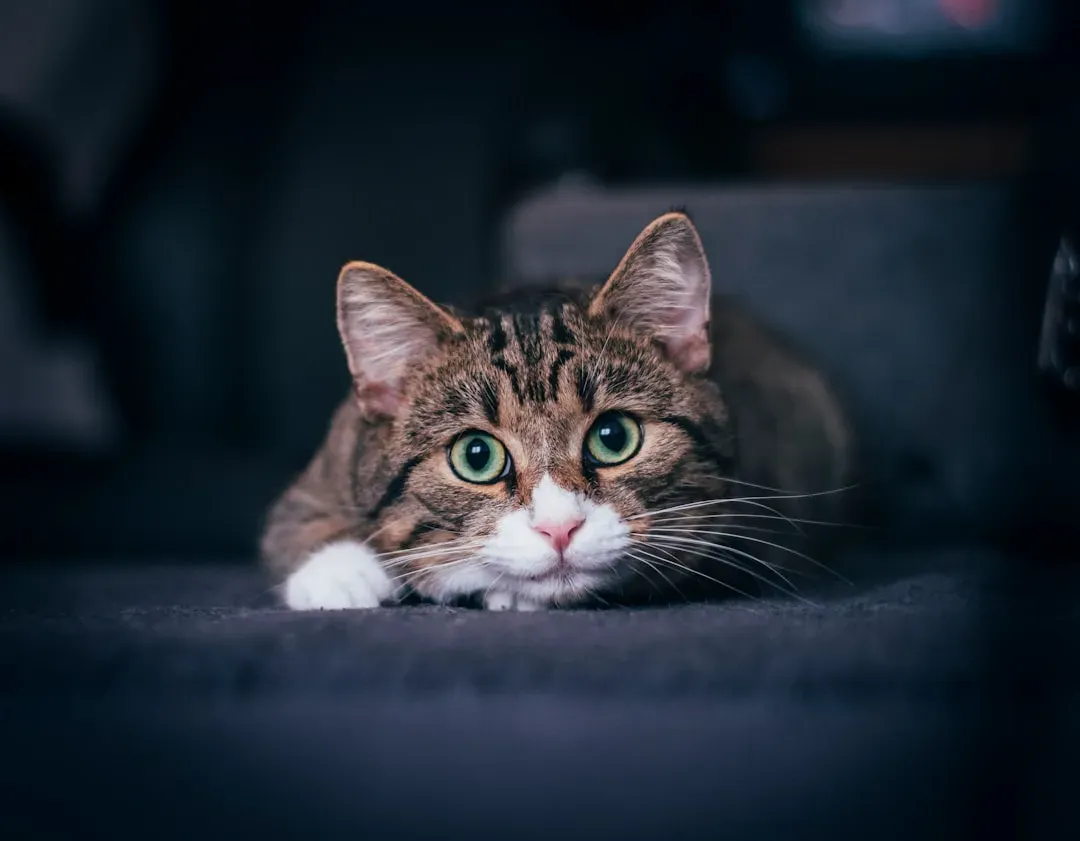
Your cat is not staring into the void. They are not zoning out or malfunctioning. They are communicating with you in the only way they know how. Cats are masters of non-verbal communication, and their body language, especially their eyes, can reveal a lot about their feelings, needs, and instincts.
Once you start paying attention to the full picture, the posture, the ears, the tail, the pupil size, it becomes one of the most rewarding things about sharing your life with a cat. Understanding why your cat stares at you helps transform a simple moment into meaningful communication. That steady gaze often reflects trust, curiosity, or a desire to stay connected. While every cat expresses this behavior differently, the message usually comes from familiarity rather than concern.
The next time your cat locks eyes with you across the room, pause. Look back. Blink slowly. You just might be surprised by what stares back. What does your cat’s gaze tell you? Share your thoughts in the comments below.