You live with a creature that stares at you from across the room, randomly knocks your coffee mug off the table, and then curls up purring on your lap like nothing happened. Cats are delightfully baffling. Most of us love them deeply and yet, honestly, we misread them constantly. It is almost embarrassing how often our well-meaning human interpretations miss the mark.
The truth is, many people who keep cats lack the basic knowledge to optimize their environments and overall wellbeing, and in one study, a number of domestic cat owners appeared unable to interpret the behavior of their pets, particularly when it came to gauging their stress responses. That gap between what we think our cats are saying and what they are actually communicating can affect both your cat’s wellbeing and your relationship. So let’s clear the air on nine behaviors that trip up even the most devoted cat owners. Prepare to see your furry companion in a whole new light.
The Slow Blink Is Not Drowsiness, It Is a Love Letter
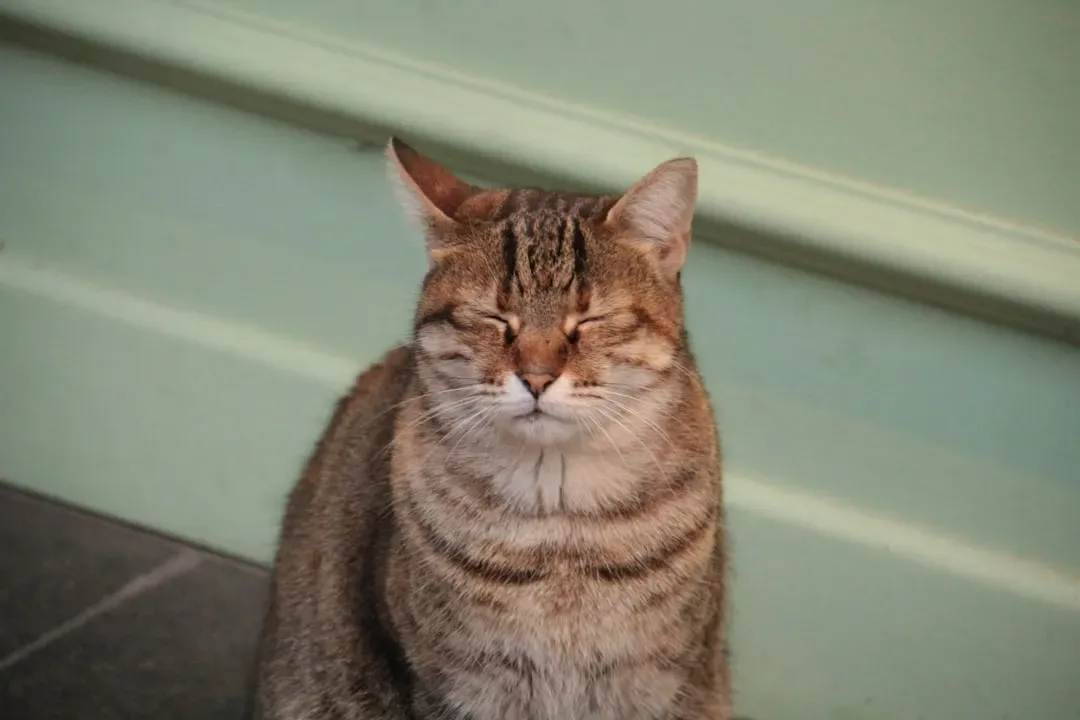
You have probably noticed your cat sitting across the room, gazing at you with half-closed eyes, slowly blinking like they are barely keeping themselves awake. Most people assume their cat is simply tired or mildly bored. The reality is far more touching than that. Animal behavior experts theorize that the slow blink is how a cat tells her human family that she feels safe.
This is not a reflex, either. Research published in The Journal of Physiology notes that cat slow blinking, when both the closing and the opening of the eyelid happen at a slow pace, differs from the velocity of a typical cat blink. This observation is noteworthy because it shows that slow blinking is not a reflexive movement, it is an intentional behavior. Think of it as the feline equivalent of whispering “I trust you completely.” You can actually blink back slowly, and your cat will likely respond in kind. In studies, cats had a higher propensity to approach an experimenter after a slow blink interaction than when the experimenter had adopted a neutral expression. Try it tonight. It works.
Kneading Is Not Kneading You, It Is Loving You
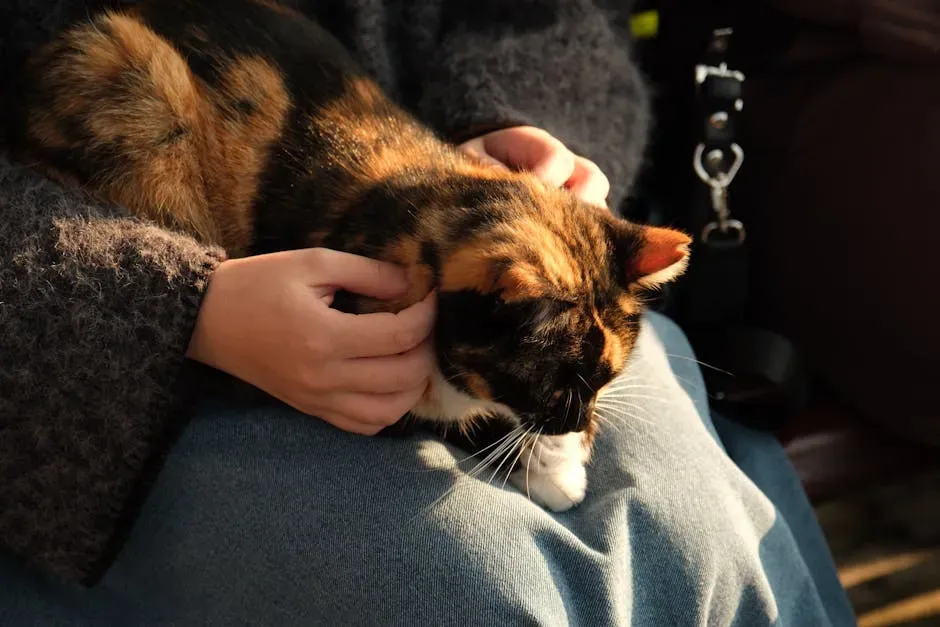
When your cat climbs into your lap and starts rhythmically pushing their paws into your thighs like tiny, determined bakers, your first instinct might be to wince rather than smile. Especially if they have sharp claws. But here’s the thing: this is one of the purest forms of affection a cat can show you. Kneading is a common behavior in cats where they rhythmically push their paws against a soft surface. It signifies contentment, relaxation, and stems from their kittenhood when they stimulated milk flow from their mother’s mammary glands. It can also be a sign of affection and territorial marking through scent glands in their paws.
Kneading is believed to release dopamine in cats, which can be a reason they return to this habit again and again. If a cat kneads you, it can be a sign that your cat feels comfortable with you and may even associate you with its mother. I know that last part sounds a little peculiar, but take it as a compliment. You are their safe place. Still, worth noting: excessive kneading can be a sign of stress, which is worth bringing up with a veterinarian, especially if you notice your cat is kneading a lot more than usual.
Purring Does Not Always Mean Your Cat Is Happy
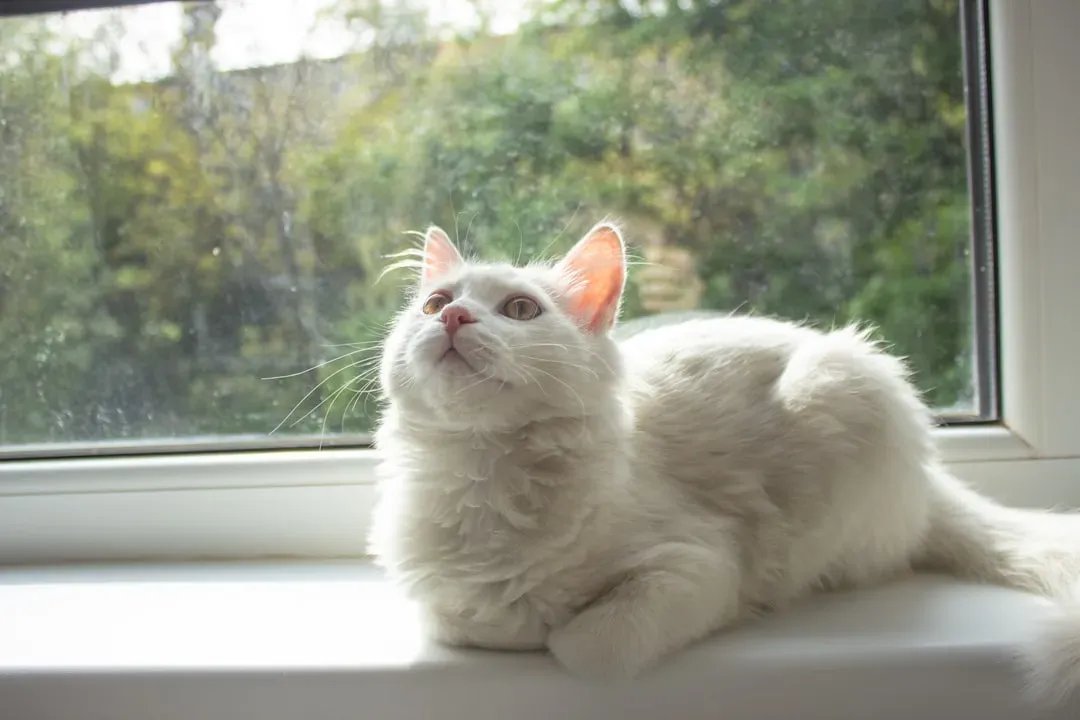
This one catches nearly everyone off guard. Purring feels like the universal cat signal for contentment. Warm. Safe. All is well. Except, that is not always true. Cats can purr when they are happy, but they can also purr if they are anxious or not feeling well. The purr itself does not change the message as much as the context around it does.
Cats can show their stress in many ways, which does sometimes include purring. It is a form of self-soothing that can help a cat calm down and put them more at ease. It is similar to any technique you might use when stressed, like squeezing a stress ball or meditating. Beyond stress, cats also purr when in pain, while giving birth, and when they are dying. Purring can actually help a cat feel better when going through painful situations because it releases endorphins. So next time your cat purrs at the vet clinic with wide eyes and pinned-back ears, you will know that is not a happy purr. That is survival mode.
Your Cat’s Exposed Belly Is NOT an Invitation for a Rub
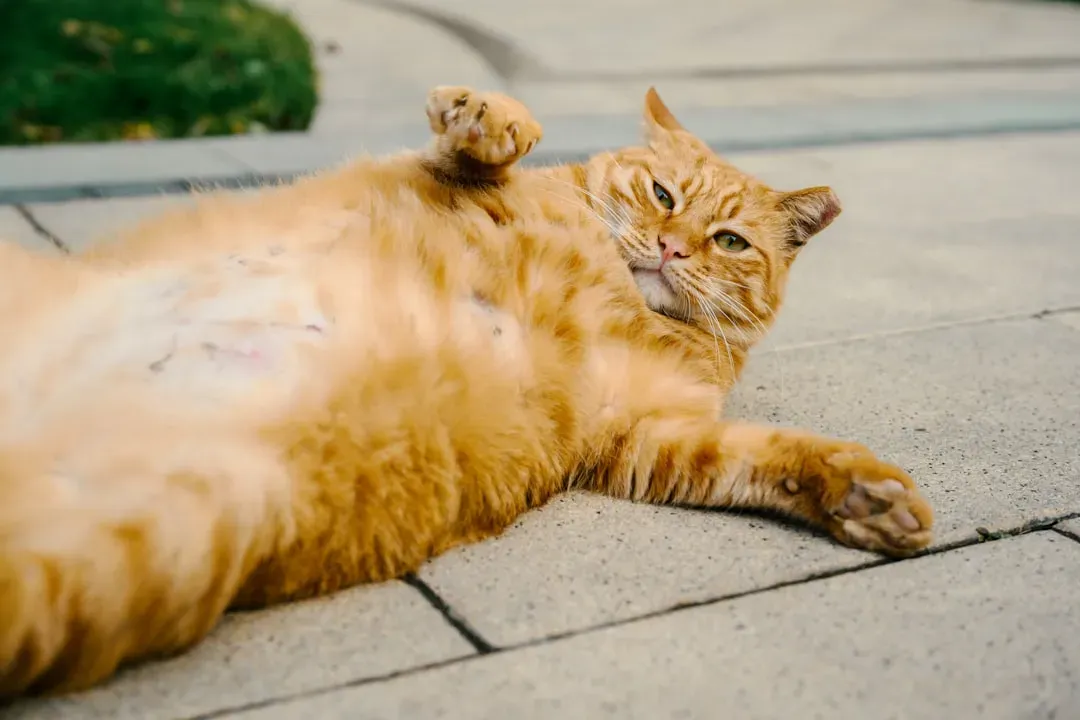
Here is a scenario almost every cat owner has experienced. Your cat stretches out dramatically, rolls onto their back, and presents their fluffy belly to the world. You reach down. You touch the belly. Suddenly, you have four paws wrapped around your arm and a mild bite on your wrist. What just happened? Many people see a cat with its belly up and think it is safe to rub or pet the cat’s belly. The exposed belly is a sign of comfort and trust, but it is not necessarily an invitation for a belly rub.
When cats expose their bellies to us, they are saying they trust us. But when we take them up on this “offer” by rubbing their bellies, they may retract it with a bite or a scratch, as it was only meant as a form of communication. It is essentially a cat saying “I feel safe enough with you to be vulnerable.” It is not them offering a petting station. The distinction is subtle but crucial. Some cats genuinely enjoy a belly rub, but most are communicating trust, not granting access. Read the rest of their body language before you reach in.
Head-Butting You Is the Highest Form of Feline Flattery
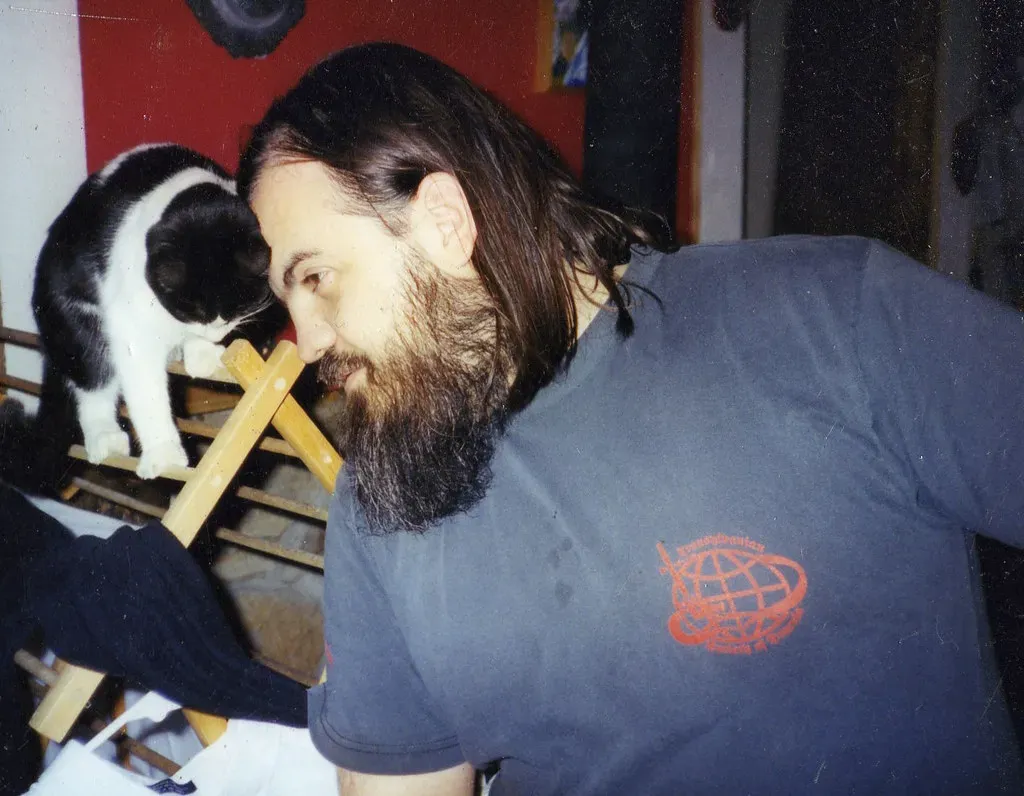
When your cat marches over and bonks their head firmly against your chin, cheek, or hand, it might seem random or even mildly aggressive. It is actually one of the most affectionate gestures in a cat’s entire behavioral vocabulary. When your kitty rubs their head on you, they are doing more than showing affection and saying hello. They are actually doing something that behaviorists call “bunting.” Pheromones are being released from the cat’s head, and it is their way of showing ownership over you. Just as a cat would rub on furniture to leave their scent and mark territory, they are showing pride that you are theirs.
Also known as “bunting,” cats engage in this behavior primarily to seek attention and leave their pheromone scent on people, objects, and fellow felines. Cats will bump their heads and rub their cheeks to calm themselves and create a “colony scent,” marking someone or something as a safe zone. So when your cat head-butts you first thing in the morning, they are essentially stamping you with “mine, beloved, safe.” It is ownership wrapped in affection. Honestly, there are worse ways to start your day.
Scratching Your Furniture Is Not Revenge, It Is a Necessity
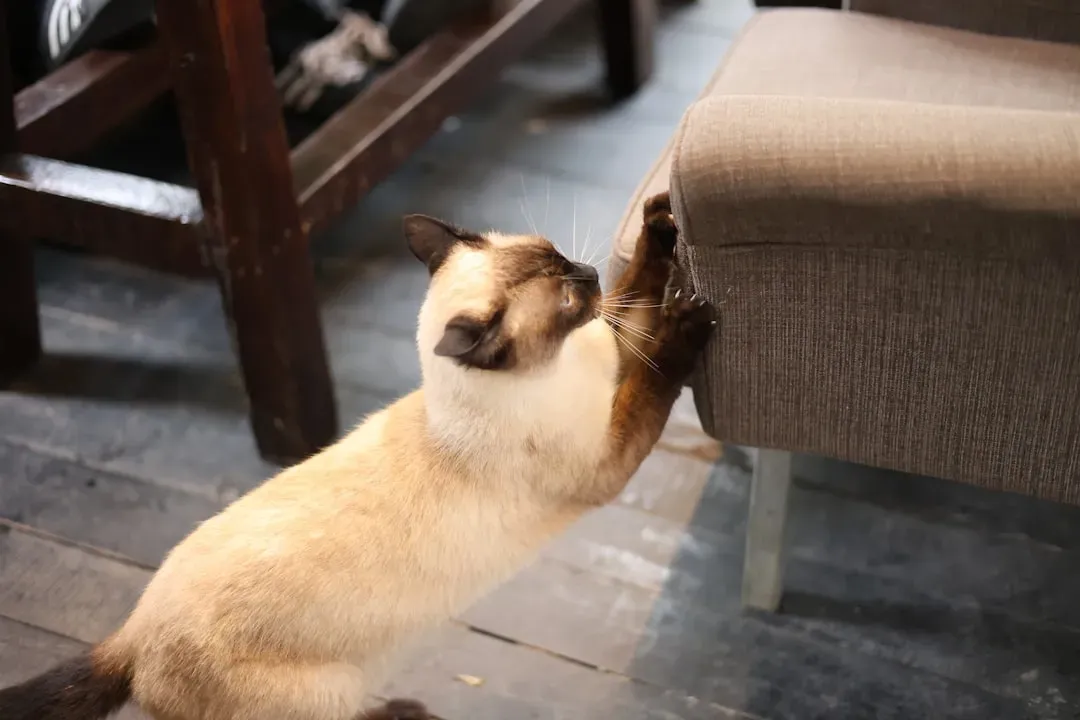
Let’s be real: few things are more frustrating than watching your cat slowly, methodically, and very deliberately shred the side of your brand-new sofa. It is easy to assume they are punishing you for working late or ignoring them. They are not. One common misconception is that cats are “out for revenge” when they destroy household items, but these behaviors are usually part of normal investigation and play. Cats that scratch your favorite sofa or expensive drapes are not on a mission to destroy your home, but rather wish to satisfy certain needs.
Scratching is a normal, instinctive feline behavior, not a misbehavior. Cats scratch to mark territory, stretch their muscles, maintain healthy nails, and relieve stress. Think of it like this: scratching is to a cat what a long morning stretch is to you, except it also sends a message to every other cat in the vicinity. Marking territory is a very reassuring and soothing activity for cats, which is why cats who are anxious or afraid may scratch furniture more often. The solution is not punishment. It is providing better, more appealing alternatives like tall scratching posts placed near where they already like to scratch.
The Zoomies Are Not Madness, They Are Medicine
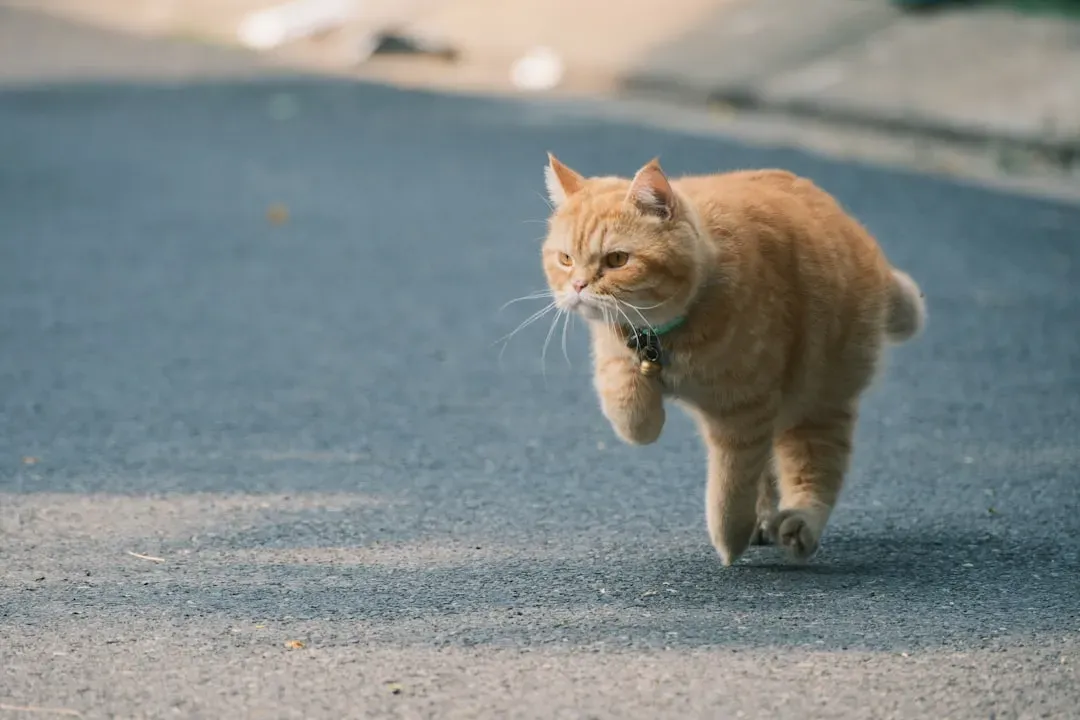
It is two in the morning. Your home is quiet. And then it begins. A thunderous gallop from one end of the hallway to the other, a dramatic leap onto the couch, and then silence. The zoomies. Most owners interpret this as their cat simply being chaotic or even mocking their need for sleep. In reality, it is perfectly normal feline physiology at work. According to veterinary sources, zoomies are more formally known as frenetic random activity periods, and both cats and dogs can experience them. These periods are completely normal, and they can have a number of causes. The most common catalyst for the zoomies is pent-up energy: some cats just need to burn off some steam.
Zoomies can also be caused by boredom, hunger, or latent hunting instincts that surge and cause cats to chase after imaginary prey. They often occur at dawn or in the evening because cats are crepuscular creatures, meaning they are most active at twilight but typically sleep intermittently throughout the day. So your cat is not haunted or mildly unhinged. They are following the biological clock of a natural predator. Veterinary experts recommend regularly exercising your cat during the day in order to avoid random sprints throughout the house in the middle of the night. A good play session before bedtime goes a long way.
Knocking Things Off Tables Is Not Pure Evil, It Is Complex
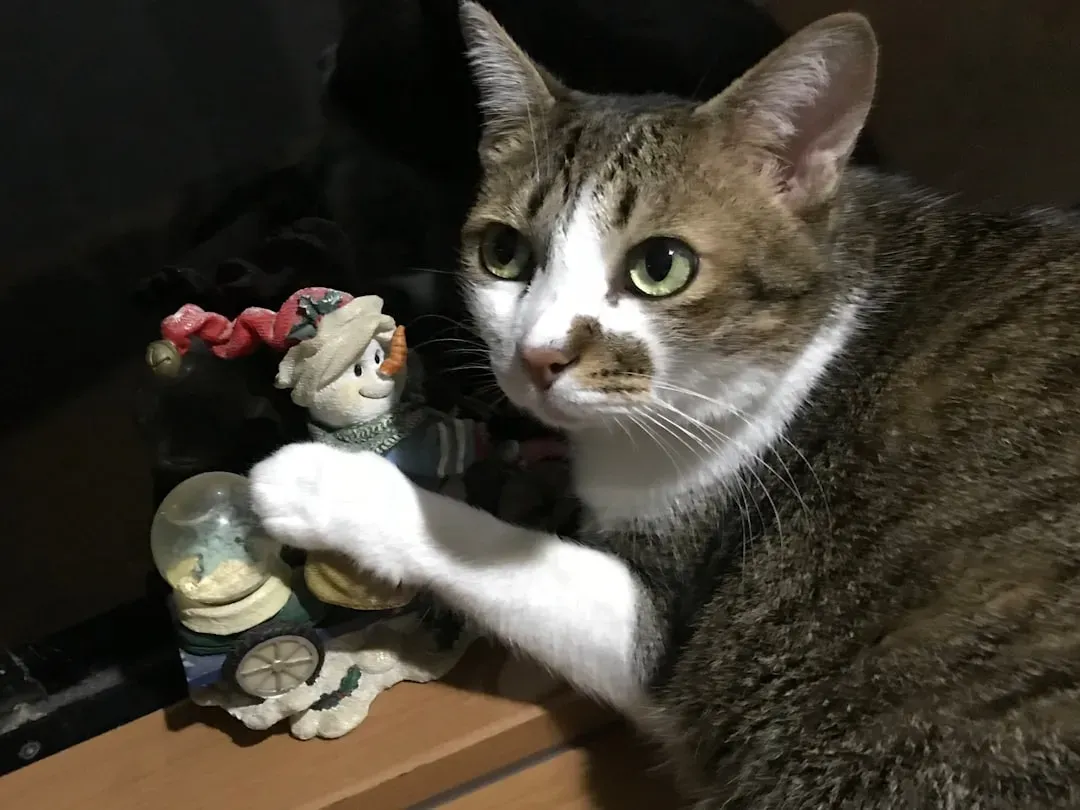
Your cat locks eyes with you. Slowly, deliberately, they place one paw on your water glass. You say “no.” They push it off the edge. They watch it fall. They look back at you. It feels personal. It is not. There are many theories about this behavior, including everything from boredom to attention-seeking to hunting to simply being playful. Cats are naturally curious, and while dogs explore their environment with their mouths, cats are more likely to explore by touching and pushing an object with their paws.
Most cat behavior analysts believe this behavior has its roots in cats’ instinctual desire to hunt. Simple curiosity can also play a role, and your cat might constantly knock things over while you are around because it has learned that you will always come over when they do that. There it is. It is likely that they are just attention-seeking, and the negative attention they get from you for knocking something over is better than getting no attention at all. In other words, if you sprint over every time your cat topples something, you have accidentally trained them to do it more. Try your best to ignore it and offer enrichment instead.
Chirping at Birds Is Not Frustration, It Is Instinct Talking
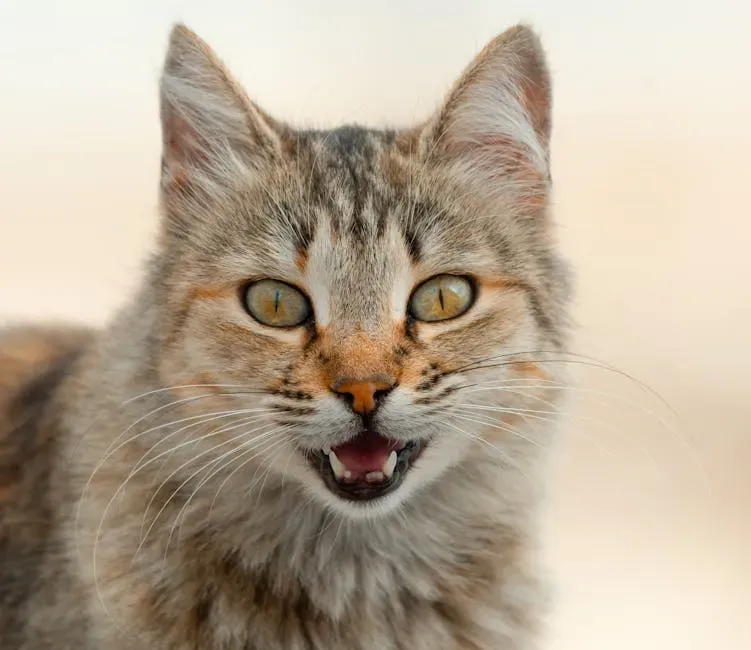
You have seen it. Your cat perches on the windowsill, tail flicking, pupils wide, watching a bird outside, and then out comes that strange, rapid chittering sound from their mouth. Almost like a tiny machine gun of clicks and chatters. It sounds so odd that most owners assume their cat is confused, frustrated, or somehow broken. The truth is far more fascinating. Although the exact reasoning behind the occasional chirps from cats when they watch prey is unclear, animal behaviorists believe the sound reflects their excitement, particularly when they see prey they cannot catch.
Chattering occurs when hunting or tracking potential prey. It consists of quick chirps made while the mouth vibrates. It is a deeply instinctual response, rooted in thousands of years of predatory behavior. Some researchers believe the chattering may even be an attempt to mimic the sounds of prey, though that theory is still debated. Cats wagging their bodies before pouncing on toys could serve multiple purposes, including priming their muscles to make a jump or getting a better view of the prey and improving their depth perception. Your cat, in that moment at the window, is not bored or neurotic. They are a hunter trapped in a domestic paradise, living their most primal moment.
Conclusion: Your Cat Is Smarter Than You Think, and More Loving Too
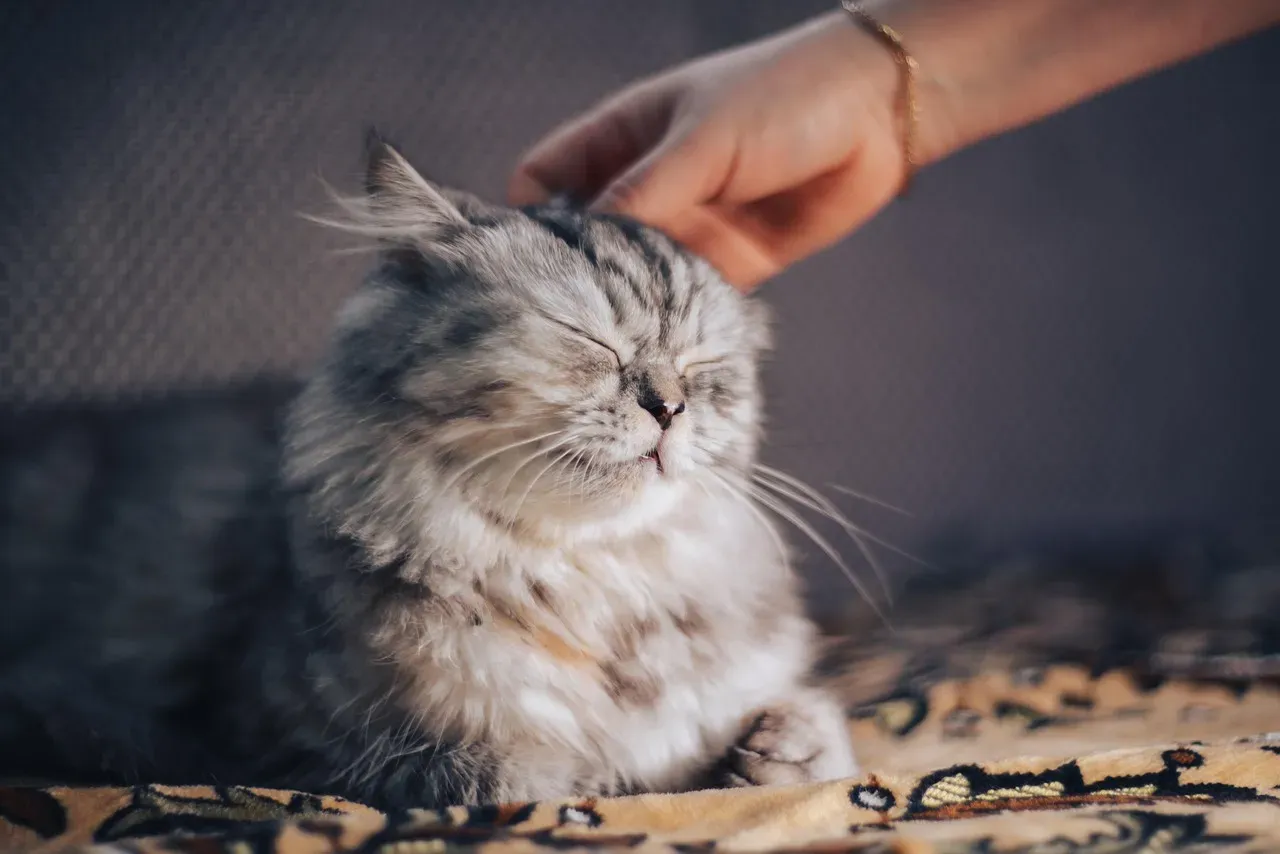
Here is what it all comes down to: cats are not aloof, cold, random, or difficult. They are incredibly communicative creatures who speak a language most of us never learned to read. Owners tend to agree that cats are independent and have less social needs than other animals. Beliefs such as these are not supported by scientific data on cat social behavior and may result in failure to meet cats’ individual social or environmental needs.
Once you start seeing the slow blink for what it is, the kneading for what it means, and the furniture scratching for the instinct it represents, everything shifts. Your cat stops seeming like a mysterious, occasionally hostile roommate and starts feeling like the deeply bonded companion they truly are. Paying attention to what your cat is trying to say can make life together smoother and strengthen your bond. That way, you will not be questioning your feline’s actions as much and instead you will be smiling the next time you catch them doing something because you will know it is a sign that your cat loves you, trusts you, or feels safe with you.
So the next time your cat does something that makes absolutely no sense to you, pause before assuming the worst. Look at the context, observe their whole body, and ask yourself what they might actually be trying to say. You might just find that the “weird” thing your cat does is their most honest attempt to connect with you. How many of these behaviors were you getting wrong?