You’ve probably been told that cats are emotionally detached. Cool, indifferent, too dignified to care. Pop culture loves to paint them as tiny furry creatures who tolerate your presence at best and plot your downfall at worst. So the idea that your cat could actually feel jealous? Sounds almost laughable.
Honestly, though, it shouldn’t. The more researchers dig into feline behavior, the clearer it becomes that cats carry a surprisingly rich emotional life behind those half-lidded eyes. Something real is happening when your cat wedges itself between you and a new puppy, or suddenly starts meowing frantically every time you pick up your phone. Let’s dive in.
The Science Has Something to Say About This
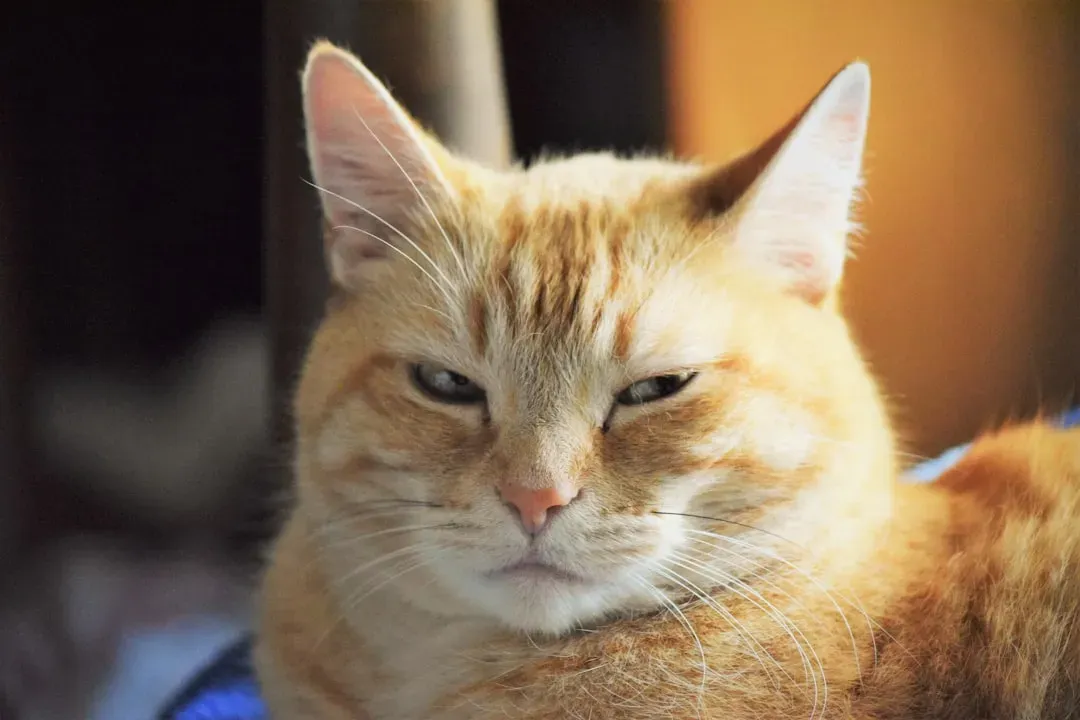
Most people assume jealousy is a uniquely human experience, filed neatly alongside existential dread and tax anxiety. But we’ve historically assumed the same about many traits we’ve since found to exist in animals: humor, grief, language, tool use, and even art. Jealousy might just be next on that expanding list.
Research has shown that cats have the brain structures associated with emotions in humans, including a well-developed limbic system. That’s not a minor detail. The limbic system is essentially the emotional engine of the mammalian brain. If you have it, you feel things.
A 2021 study in animal cognition found that cats monitored their owner’s interactions with a realistic-looking stuffed cat and showed behavioral responses consistent with jealousy, such as approaching and pushing the fake cat away. While researchers stopped short of calling it jealousy, they acknowledged that cats clearly respond to perceived threats to their social bonds.
Cats in the homes did show some semblance of jealousy given their focus on the cat plushies after their owners petted them. Their relative apathy in the stranger condition indicates that their behavior must have to do with the bonds they forged with their humans. In other words, it wasn’t random. It was personal.
What Jealousy Actually Looks Like in Cats
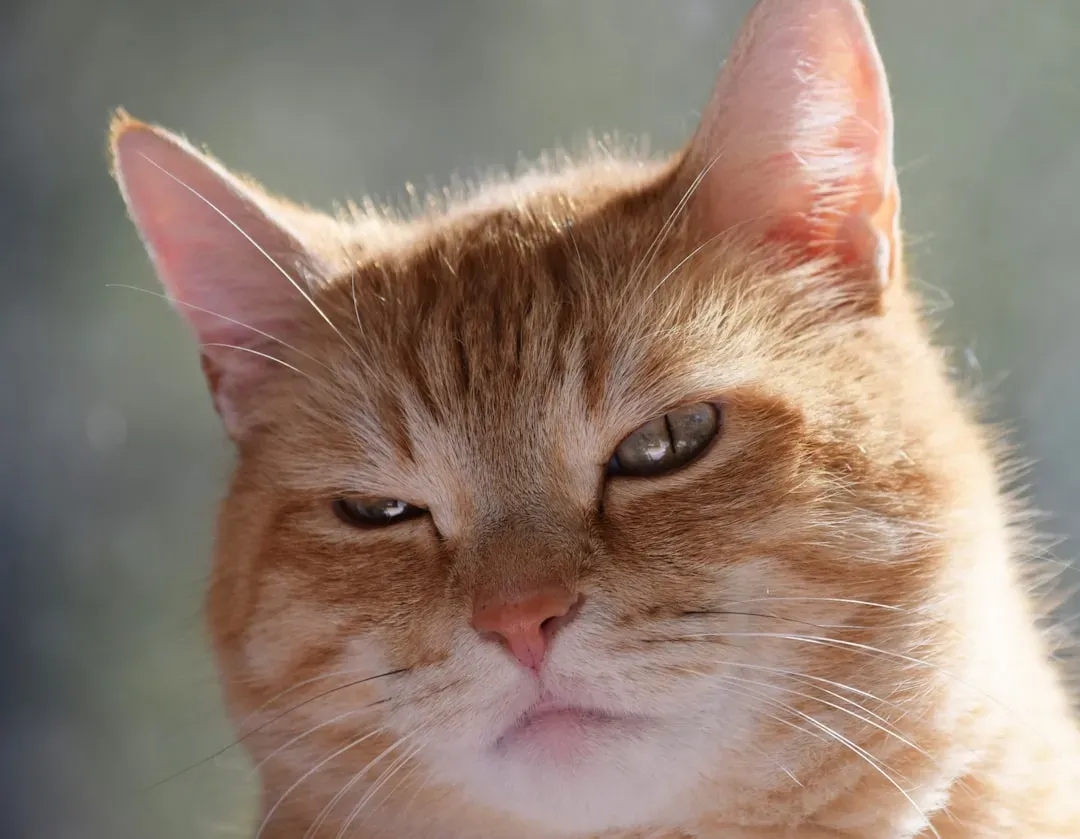
Here’s the thing: you won’t catch your cat sulking dramatically on the couch and sighing loudly like a jilted soap opera character. Feline jealousy is way more subtle than that, and frankly, a lot more interesting. Unlike humans, cats don’t display their feelings with dramatic gestures; instead, their emotions peek through in subtle body language and vocalizations. If you’ve ever watched your cat’s tail flick or seen their ears swivel, you’ve witnessed the tip of their emotional iceberg.
Common jealousy-like behaviors in cats include pushing between you and another person or pet, swatting or hissing at the rival, increased vocalization, spraying or inappropriate elimination, over-grooming, blocking doorways, knocking objects off surfaces for attention, and refusing to eat. That’s quite a repertoire for an animal supposedly incapable of complex emotion.
Many cats seek extra attention by approaching more frequently, rubbing against you, or lying down in a spot right in front of you or on top of what you are working on. Sound familiar? Yes, that cat on your keyboard isn’t just bored.
Why Your Cat Sees Rivals Everywhere
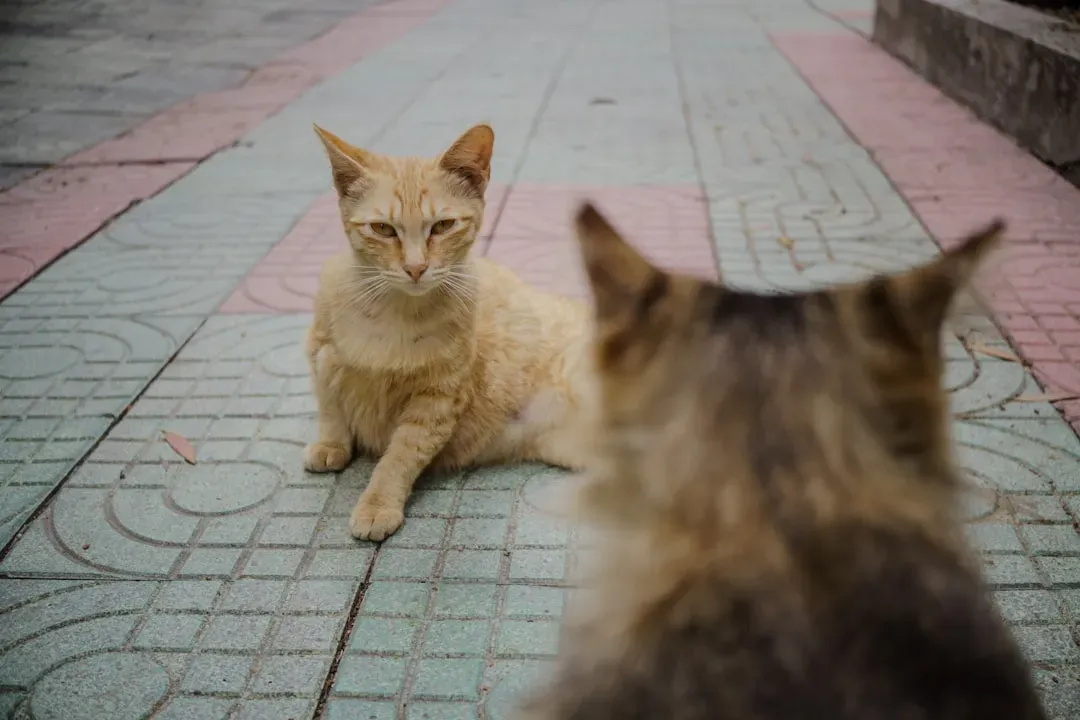
Think of a cat’s relationship with you the way you might think of a favorite seat at a restaurant. Once it’s yours, any threat to it feels outrageous. This competition isn’t just about affection; it’s about security and feeling safe in their territory. Your attention, your lap, your scent on the couch, all of it gets filed under “mine.”
Jealousy in cats is often better described as a combination of territorial behavior, resource guarding, and attention-seeking. Cats form strong bonds with their humans and develop routines and expectations. When something or someone new disrupts that bond, like a new pet, baby, or even a change in your schedule, it can trigger what we perceive as jealous behavior.
Jealousy can be triggered by a pet parent adopting a new pet, starting a relationship, work preoccupation, or any routine change that results in less attention, treats, playtime, or access to valued resources. That last one stings a bit. Your cat might be jealous of your job.
The New Pet Problem: A Cat’s Worst Nightmare
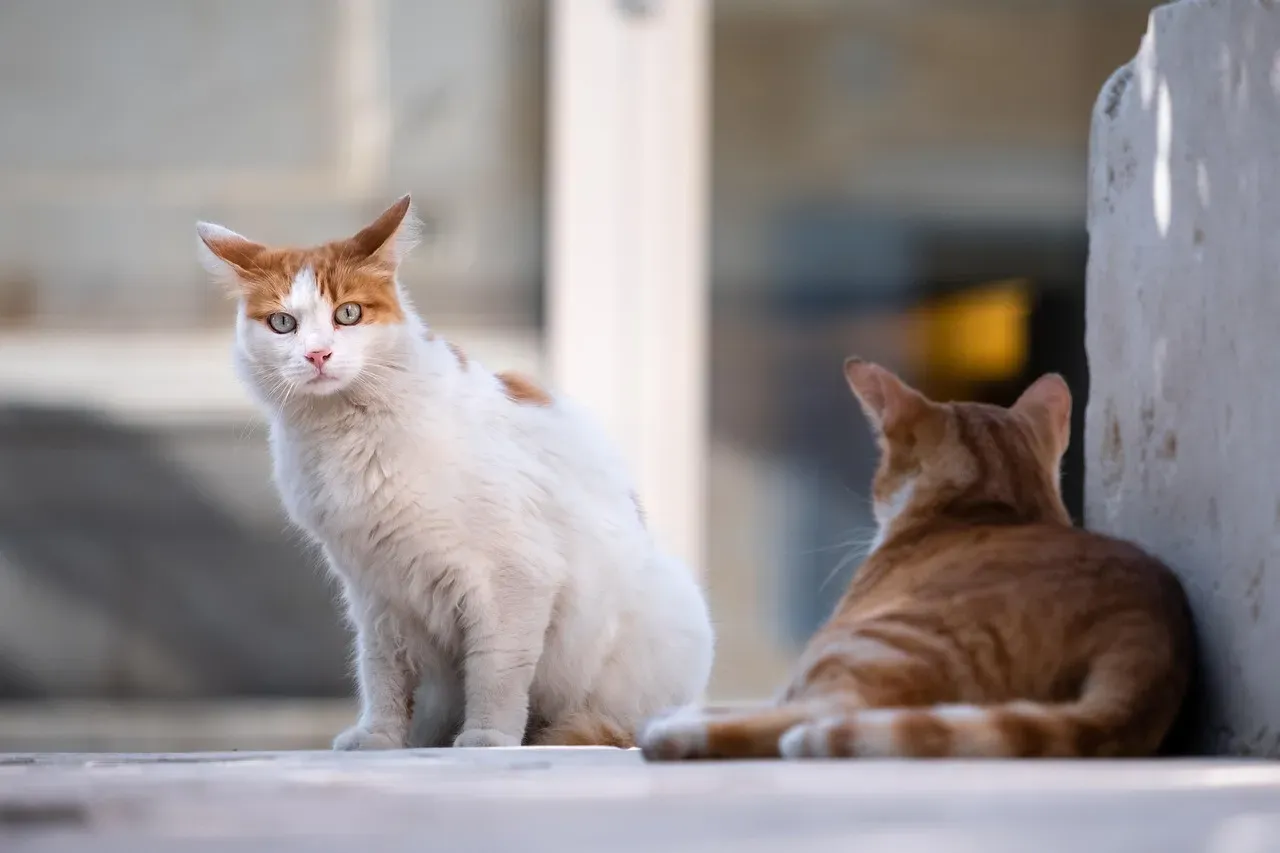
Bringing a new animal home is arguably the most reliable way to trigger jealous behavior in your cat. Let’s be real: you’ve essentially invited a stranger into their kingdom and told them to share. New people or pets in the household can make cats feel jealous in two ways: stress about having fewer resources because the newcomer will take them away, and insecurity about their place in the household and the amount of attention they will get versus the newcomer.
Many cats do show jealousy-like behaviors when a new kitten is introduced. The resident cat may feel that their territory, resources, and your attention are being threatened. That feeling isn’t irrational, either. You really are dividing your time, and the cat knows it immediately.
When a new cat is introduced to a space that your cat already dominates, it can cause feelings of fear and uncertainty. When they exhibit the above behaviors, it is a way for them to try to re-establish control over their environment. Think of it as a very small, furry power negotiation.
Babies, Strangers, and Other Threats to the Throne
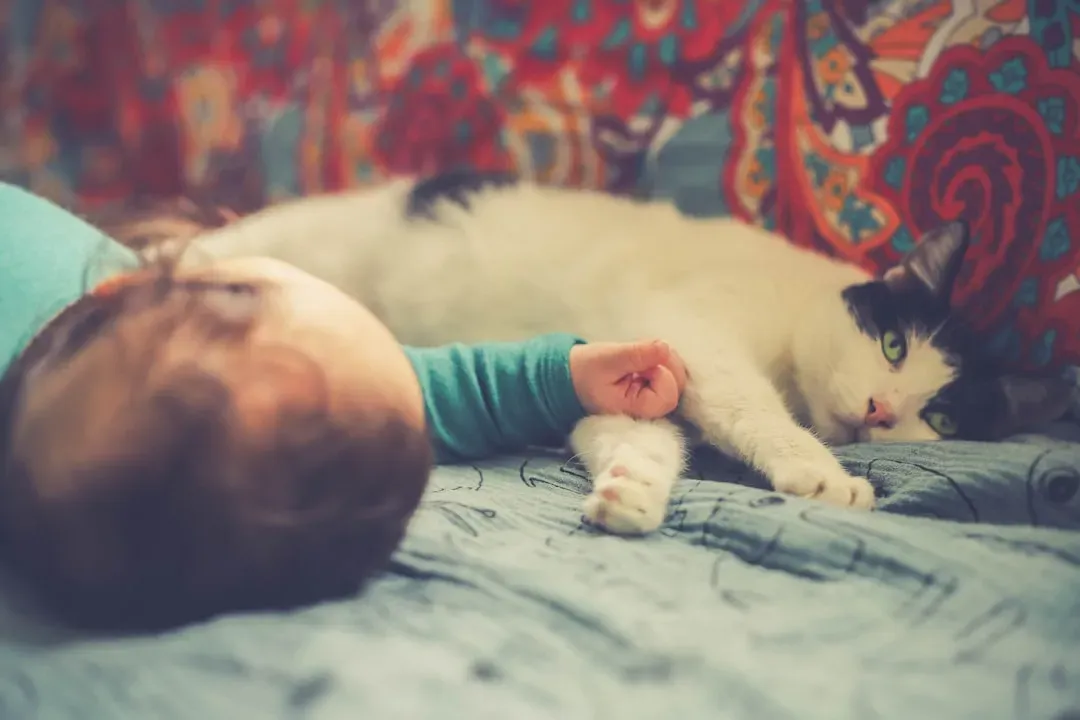
A new baby arriving at home is another major jealousy trigger, and honestly, it makes total sense when you look at it from the cat’s perspective. Very much like dogs that move into a household, babies also tend to upend a cat’s environment. They make unexplainable noises and produce strange smells from your cat’s point of view. Nighttime is no longer a quiet time for your cat to roam around the house, and stress levels in the house tend to rise.
Like many animals, cats are territorial. That means, when they feel someone or something has invaded their territory, they may act aggressively. They may hiss at the intruder or even try to attack them. It could be another cat, a new baby in the household, or a guest they haven’t met before.
It sounds alarming, but it’s really just your cat telling you, in the only language they have, that they feel displaced. They aren’t being dramatic. They’re genuinely unsettled, and they need you to notice.
The Role of Insecurity and Personality in Feline Jealousy
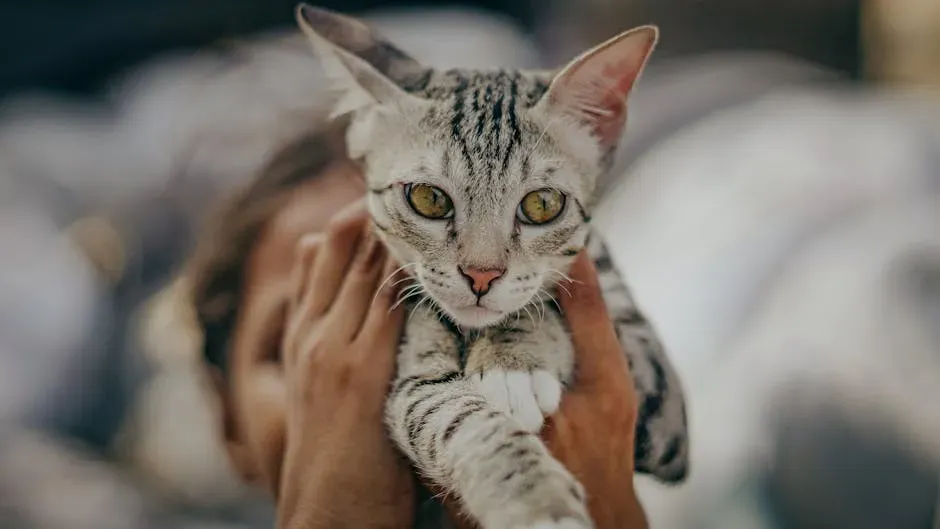
Not every cat responds to the same triggers with the same intensity. I think this is one of the most overlooked parts of the whole conversation. Some cats are simply more confident and composed by nature, while others carry deep-seated insecurities that make them far more reactive. All cats have different personalities, and some will be made insecure and display jealousy more easily than others.
Cats can become jealous and stressed for several different reasons that have to do with being insecure in some way. Insecurities can arise anytime there are big changes in a household and your cat doesn’t feel in control of their environment. Control is a big deal to cats. Remove it, and you’ll see the emotional consequences fast.
There is no such thing as certain breeds acting more jealous than others, but some high-energy cat breeds might be more demanding of your attention or more prone to anxiety. These traits can sometimes be mistaken for jealousy in cats. Siamese cats are naturally vocal and love attention, and they aren’t afraid to ask you for it, time and time again. They can become more clingy or chatty if they feel their needs aren’t being met.
When Jealousy Affects Your Cat’s Health
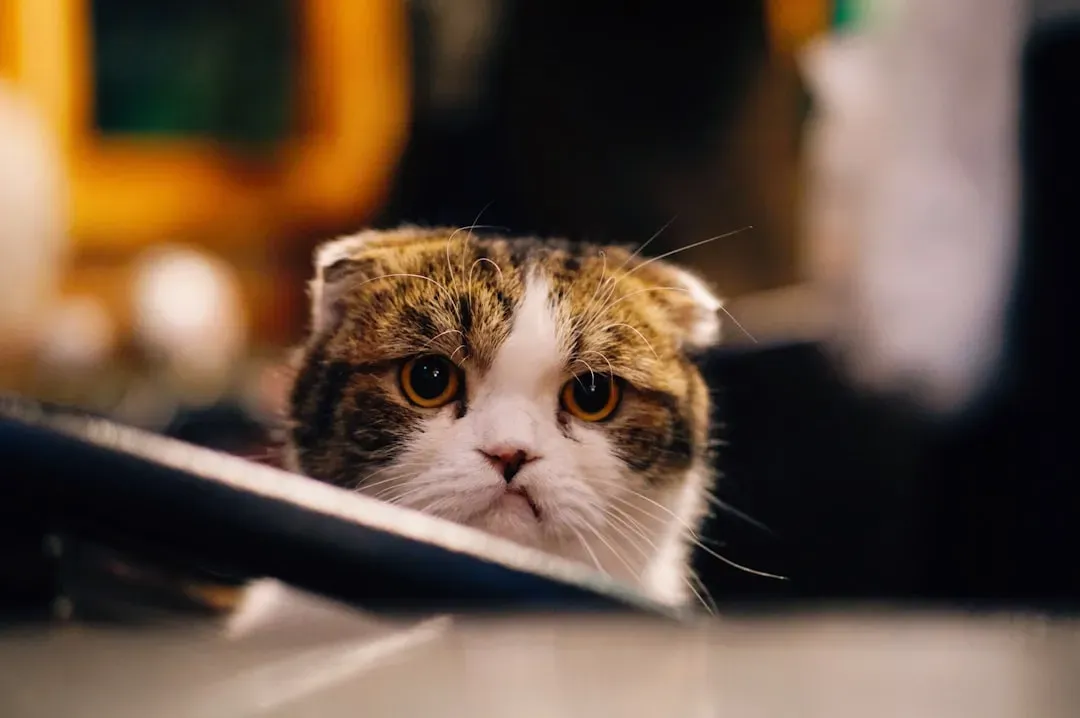
This is where things get genuinely serious and worth paying close attention to. Cat jealousy isn’t just a behavioral curiosity. It can have real physical consequences. If your jealous cat is stressed or anxious, you might notice them overgrooming, leaving their fur with bald patches or even sores and scabs. They might also develop cystitis, causing them to be back and forth to the litter box and frequently straining. If you look closely you might see some blood in their urine, or they might start peeing in the bath or behind the TV.
Cats can become very easily stressed and anxious when they aren’t getting along, leading to medical problems and poor health. So, if cats can experience feelings of jealousy, it could affect their behavior and even cause them certain health issues. That’s not something to brush off.
Stress doesn’t always show so obviously, even a subtle change in your cat’s behavior could be a sign that they’re feeling anxious. If you’re concerned, a trip to see the vets might be in order. When in doubt, get a professional perspective. Your cat is worth it.
How to Actually Help a Jealous Cat
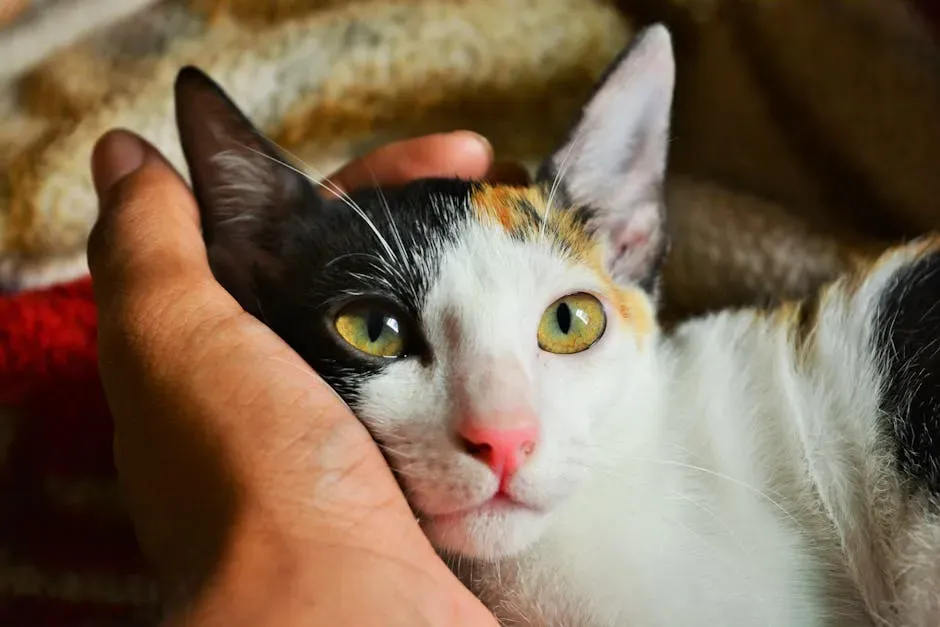
Here’s the good news: most cases of feline jealousy can be managed with fairly straightforward adjustments. You don’t need a degree in animal psychology. You need consistency, patience, and a willingness to see things from four paws down. Cats love a routine, and by sticking to feeding, playtime, and grooming schedules, they know what to expect and can be less anxious about day-to-day activities in the house.
To manage jealousy-like behavior, maintain your cat’s routine as much as possible, provide dedicated one-on-one time daily, ensure each cat has their own resources in multi-cat households, use positive reinforcement when your cat behaves calmly around the trigger, and never punish jealous behavior as it increases stress. That last point is critical. Punishment makes everything worse.
Don’t just throw the cats together and hope for the best. Take your time introducing the cats so they can feel comfortable throughout the process. It might take some time, but eventually the cats should learn to accept each other. Each cat needs to have a space of their own where they can retreat until they feel safe.
Rethinking the “Aloof Cat” Myth Once and For All
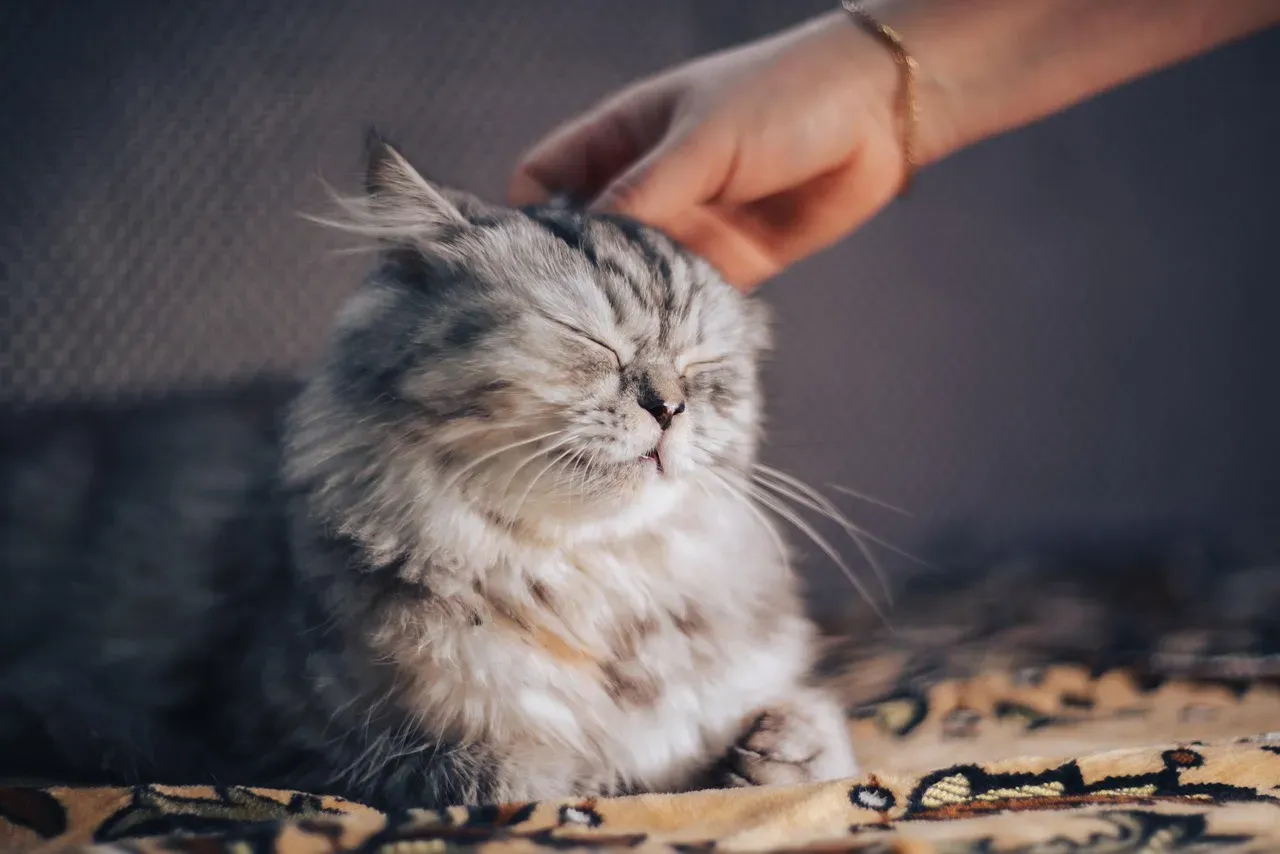
The idea of the emotionally unavailable cat is, honestly, a pretty lazy narrative. Anyone who has actually lived with a cat knows these creatures are woven into your emotional atmosphere in ways that are hard to articulate. Like dogs, cats have been found to bond closely with their owners and to become distressed when separated from their owners. Therefore, it is certainly plausible that cats too may feel jealousy regarding their owners’ attention.
Jealousy is a complex emotion, and cats are delightfully complex beings. Although there is not conclusive research about jealousy in cats yet, it is far easier to imagine they experience this emotion than to imagine a world in which they don’t. That’s a refreshingly honest take from the scientific community.
Cats are emotionally intelligent animals capable of forming deep attachments. Jealousy is a sign that your cat values your presence and feels threatened by changes to their environment or social group. That’s not a flaw. That’s connection. And it deserves to be taken seriously.
Conclusion: Your Cat’s Green Eyes Aren’t Just for Show
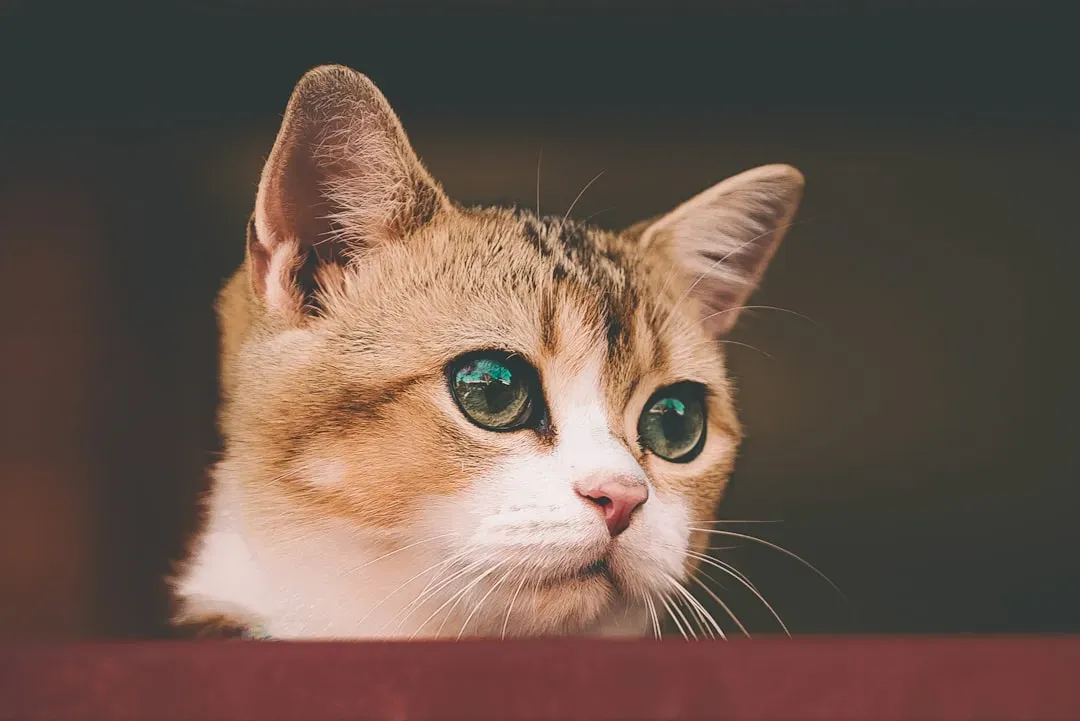
The evidence is stacking up, and it’s harder to dismiss than ever. Your cat is not a cold, indifferent machine operating on pure instinct. When they stare daggers at your new partner, wedge themselves between you and the dog, or suddenly become the neediest creature alive the moment you bring home a kitten, something emotionally genuine is happening.
Recognizing feline jealousy for what it is doesn’t just change how you see your cat. It changes how you respond to them. With patience, routine, and a little extra love distributed fairly, most cats can find their emotional footing again. Their jealousy is, in its own strange, whisker-twitching way, proof that they care about you deeply.
So the next time your cat shoves your laptop off the table right as you open a video call, maybe don’t just laugh it off. Maybe ask yourself: who does my cat think you are? What do you think – does your cat have a jealous side you’ve been ignoring all along?
Kristina is a young writer from India. An arts graduate and an avid content creator, Kristina is passionate about animals and wildlife. She enjoys exploring topics related to pet care, animal behavior, conservation, and nature, combining thorough research with engaging storytelling.