You walk into your kitchen, still half-asleep, coffee not yet in hand, and there it is. A small, very dead mouse, placed almost ceremonially on your kitchen floor. Your cat sits nearby, looking unmistakably proud. Your first instinct? Horror. Your second? Confusion. After all, you filled that food bowl last night.
Here’s the thing, though. That grim little offering might actually be one of the most touching things your cat has ever done for you. There is a whole world of ancient instinct, deep-rooted trust, and feline logic happening behind those blink-slow, golden eyes. Before you reach for the rubber gloves and a garbage bag, let’s take a closer look at what your cat is really trying to tell you. Be surprised by what you discover.
The Ancient Hunting Instinct You Can’t Switch Off
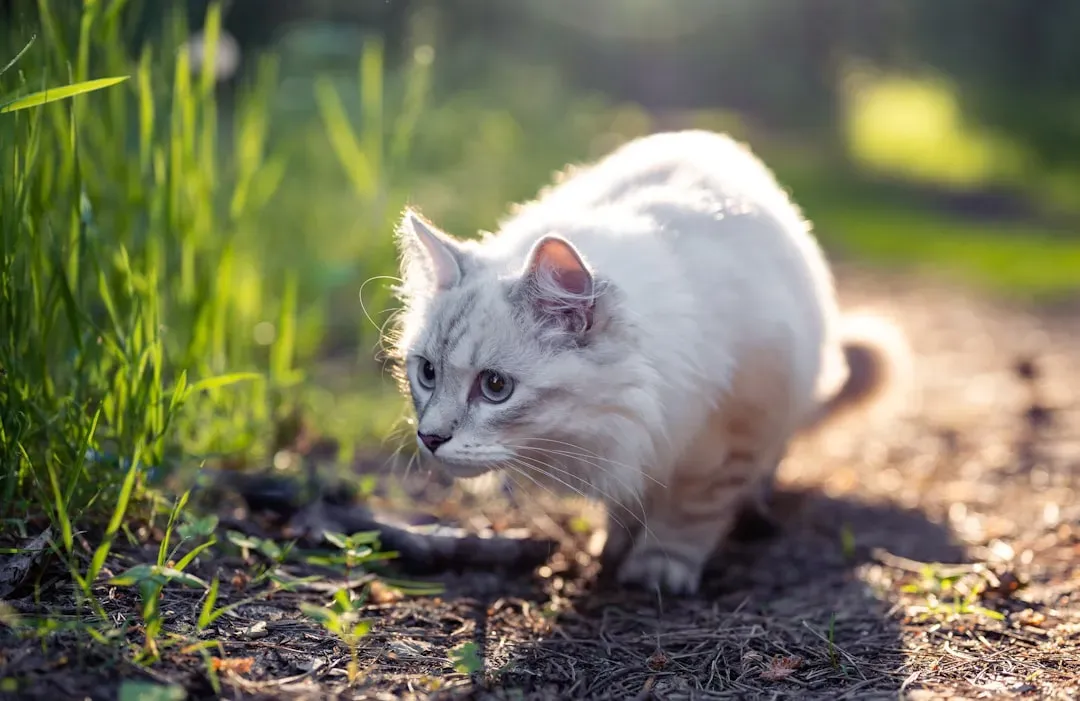
The simple answer to why your cat brings you dead animals is because of natural instinct. Your feline is a tiny predator, and although cats have been domesticated for thousands of years, this instinct to stalk and hunt can still be seen today, even though they have no need to hunt for food. Think of it like a musician who still hums tunes even after they’ve retired. The music doesn’t just stop.
Hunting behavior is hard-wired into your cat’s DNA. It’s your cat’s wild ancestors that developed their hunting skills over millions of years of stalking and chasing prey to feed themselves and their young. Along with the urge to procreate and to defend their territory, the hunting instinct is one of the most distinctive behavioral patterns in cats. The desire to hunt is not governed by hormones and therefore does not diminish after neutering. That last point surprises a lot of people.
Your Home Is Your Cat’s Sacred Safe Zone
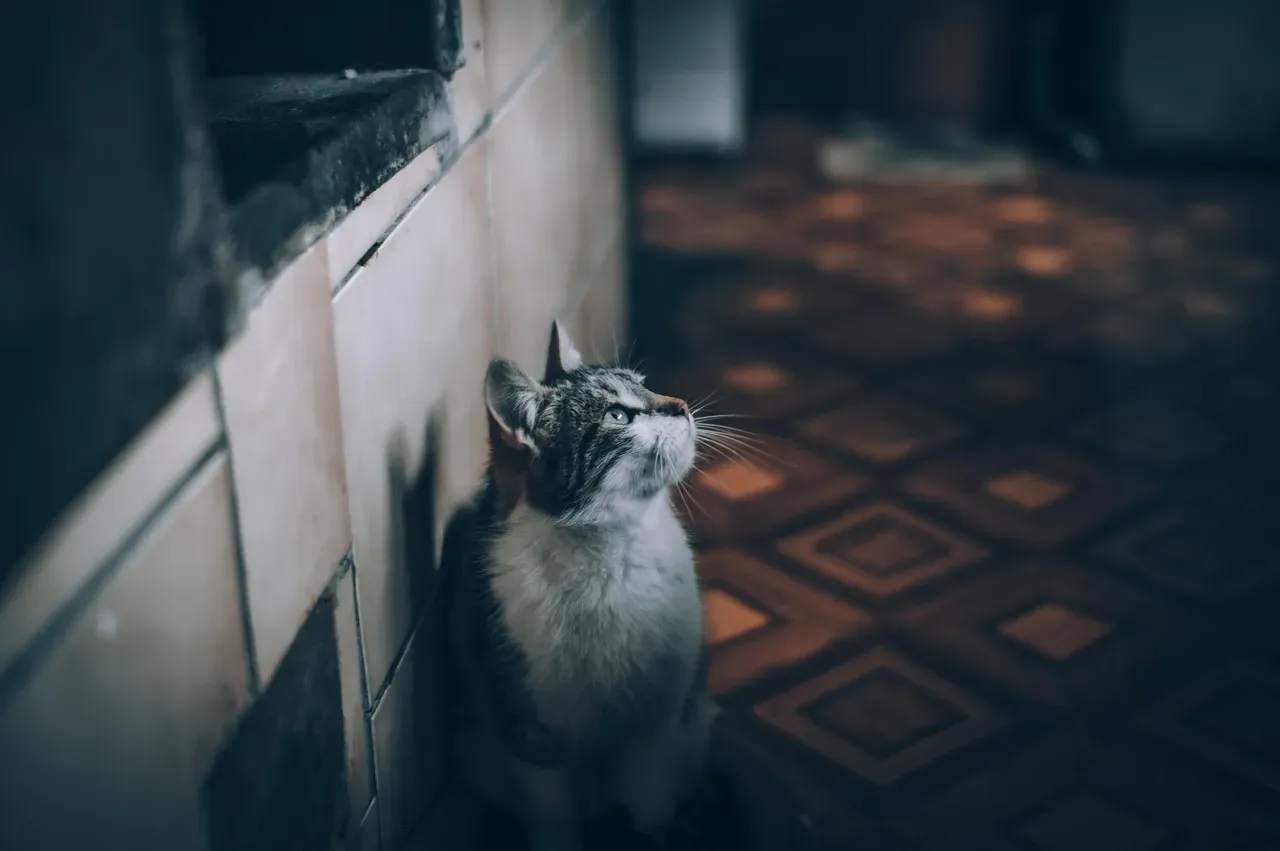
The real reason why cats bring these gifts home is because their home is where they feel safe and secure. When cats catch prey, they may not want to eat it or leave it where other animals could steal it from them. This is why they bring it back to their core territory, where they know they can eat it undisturbed, or store it safely for later. It is, essentially, their refrigerator and their fortress all in one.
A cat-friendly home is a place where your feline can be comfortable and at ease. It’s essentially their den. So it’s only natural for your cat to bring their prey to a place where they feel safe. It’s possible your cat is following this natural instinct to bring dead animals home with the intention of consuming them in safety, only to abandon their prey for the yummy contents of their food bowl! Honestly, that last bit is both funny and oddly relatable.
You’re Family, and They’re Feeding You
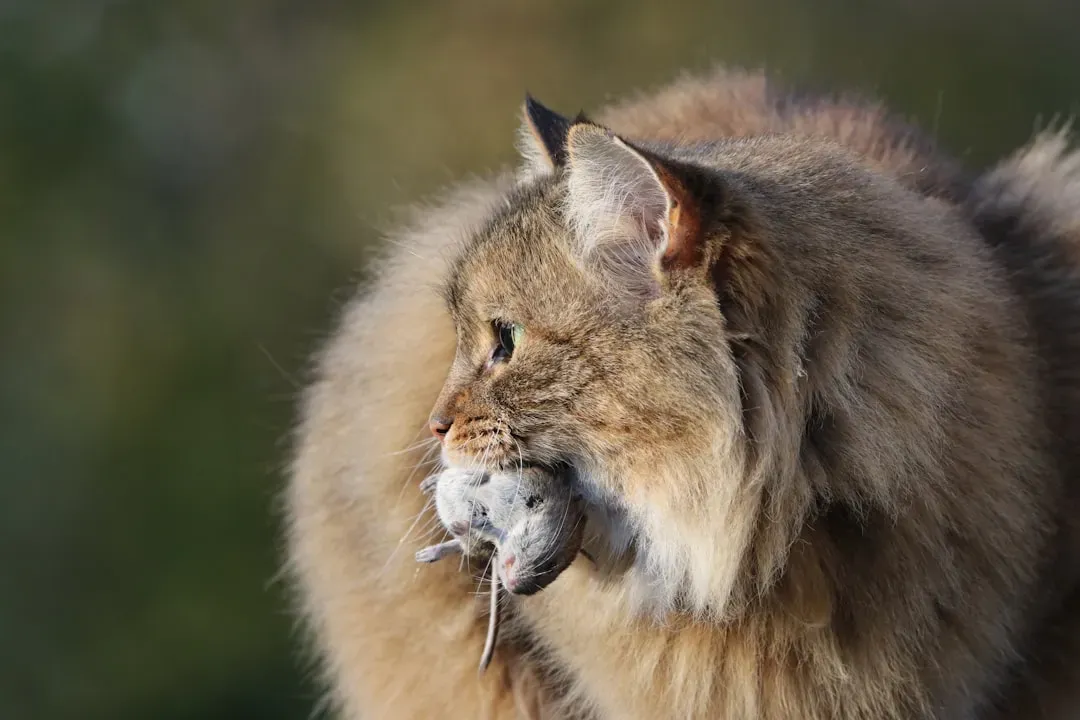
The most fundamental reason that cats bring dead animals to you is because they are treating you as family, presenting the catch to their clan, and attempting to teach you to do likewise. Bringing their prey back to their den or family is a way for cats to show their hunting skills and to provide food for their loved ones. Domesticated cats have retained this instinct, and bringing their prey to their owners is a way for them to show their affection and trust.
This behavior may be a sign that your cat considers you a part of their family. They’re sharing the bounty of their hunt, just as Mama Cat may have done with them when they were kittens. In general, your cat actually sees you as a bigger, clumsier cat! Let that sink in for a moment. Your cat looks at you, a fully grown adult human, and sees someone who desperately needs help putting food on the table.
The “Teaching You to Hunt” Theory
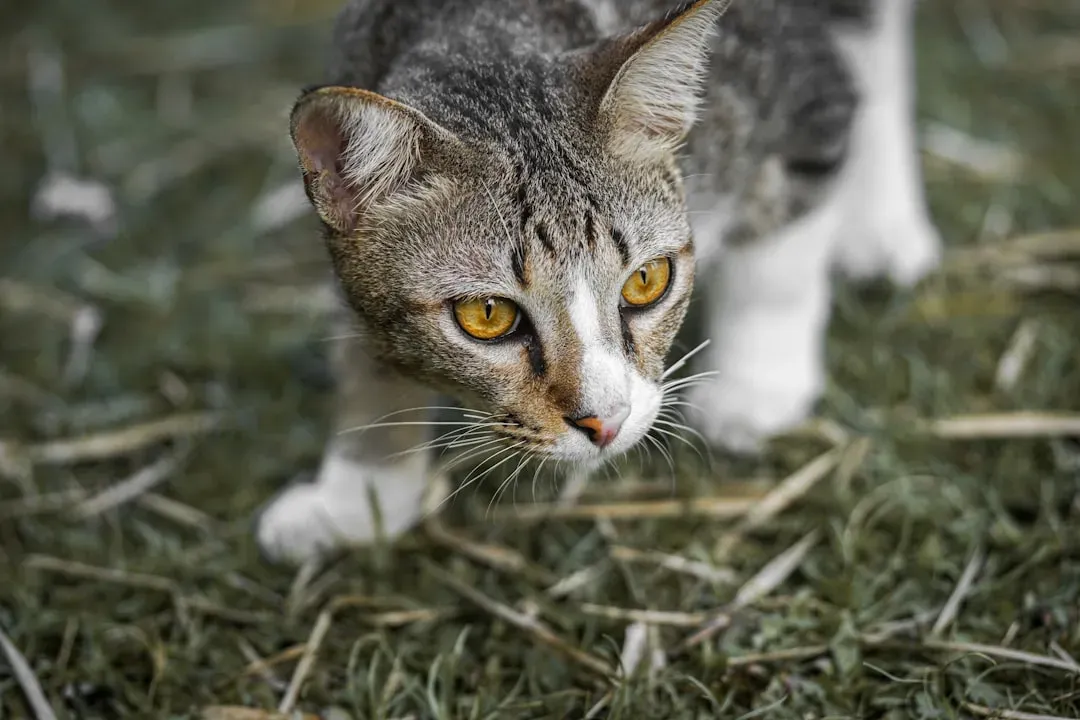
To your cat, you may seem like a large, furless, clumsy individual who was never taught how to hunt. So, your cat brings you dead animals in an attempt to teach you important survival skills! One theory suggests that cats with no young still naturally want to pass on their hunting skills. Since we are their family, and since we are clearly very poor hunters from a cat’s point of view, they may be trying to help train us to provide for ourselves. I find this theory equal parts hilarious and humbling.
It may be similar to the way wild cats provide for their young while teaching them valuable survival skills. Since most domestic cats are neutered and have no young to provide for, they may transfer these instincts to their owners instead. Felines may be born with natural hunting instincts, but they still have to learn skills to be effective hunters. Mothers will often bring their kittens wounded animals in order to teach them how to kill prey. This is a safe way for kittens to practice killing easy prey before graduating to more difficult hunting.
It’s a Deep Sign of Trust and Love
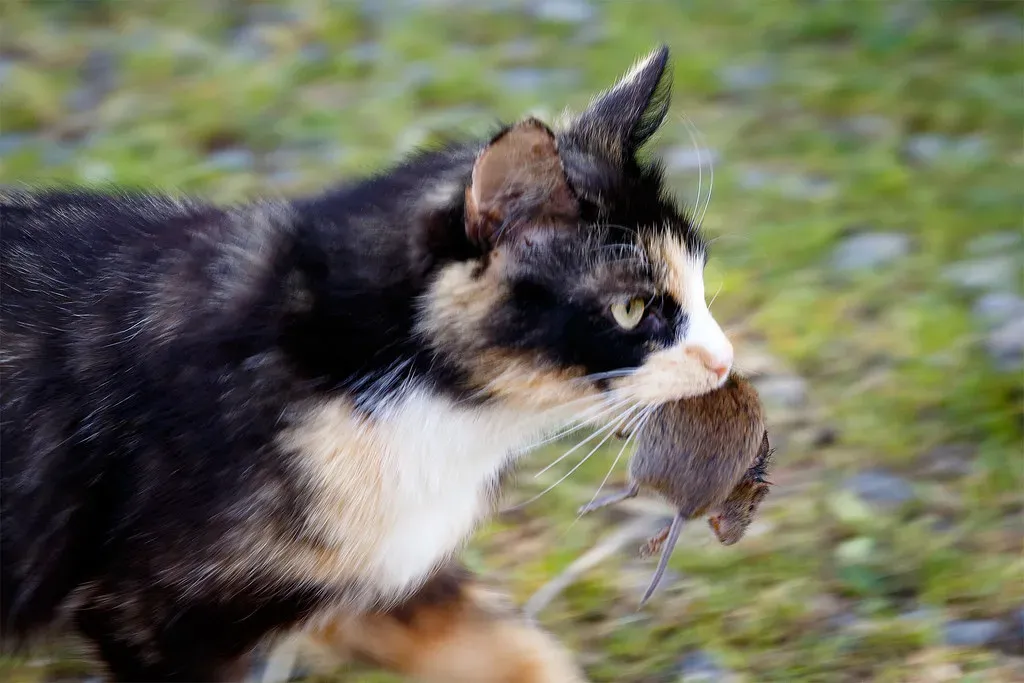
Trust is invaluable in the feline world. A cat showing trust is the highest form of flattery. When a cat brings you a gift, it may be a sign that it trusts you enough to share its catch. When a cat brings a dead animal to its owner, it is often seen as a gift or a token of affection. While it may seem gruesome to us, cats see it as a sign of love and trust. It is their way of saying that they love and care for their owner and are willing to share their hunting spoils with them.
While it’s not a gift or present for you in the way humans understand gifting, it can still be considered a sign of love, as it shows they feel safe with you. A common explanation for your cat’s gifts is that they are their highest compliment to the family they live with and love. Your cat wants to share their catch with you, or possibly thank you for the love and food you give them. Hard to stay grossed out when you look at it that way.
Attention-Seeking and Bond-Building in Disguise
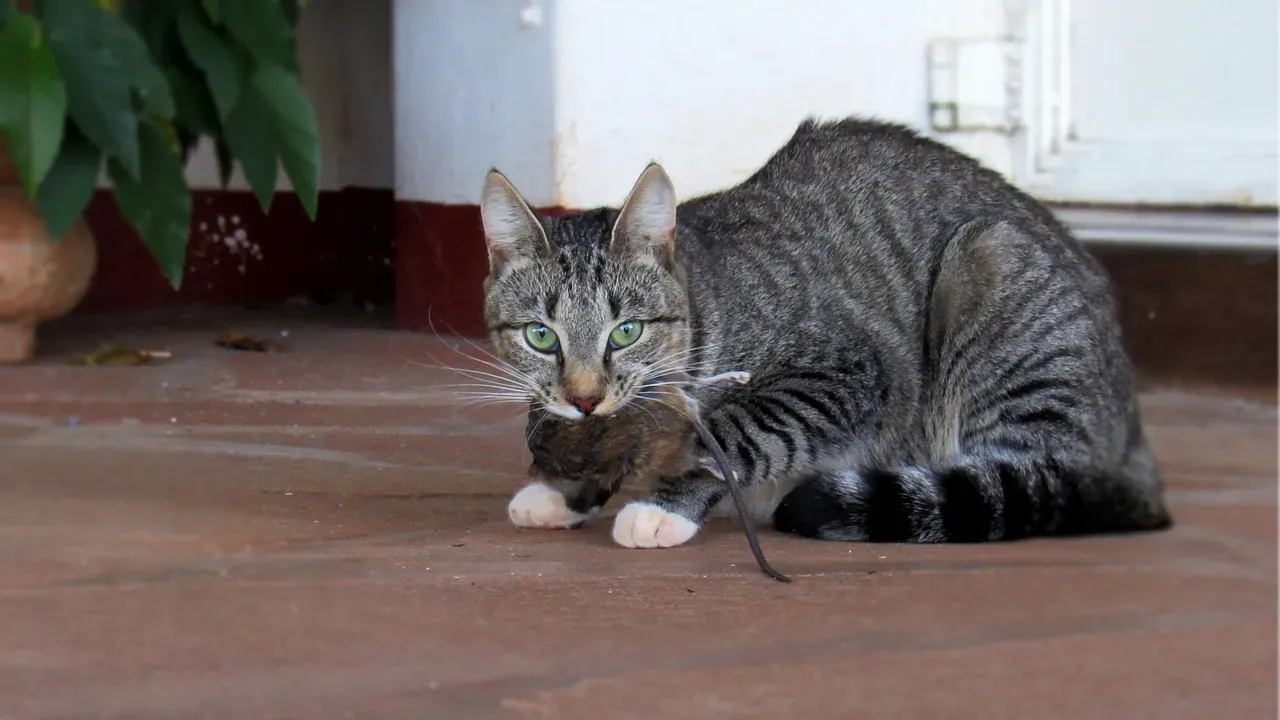
Because cats will often play with their prey before eating it, your cat might bring you dead animals or toys to engage in a play session with you. As such, gift-giving might be a kind of attention-seeking and bond-building behavior in cats. Moreover, some cats are quite vocal when they engage in this behavior. They may meow persistently while bringing prey home, which can be interpreted as seeking attention or announcing their accomplishment.
Your cat might have learned that bringing back a gift gets them attention, even if it’s not the kind they expected. Animals, like people, can quickly learn what actions lead to specific reactions. Cats, being the enigmatic creatures they are, often communicate with us not through sound but through their actions. Understanding these behavioral cues is pivotal for cat owners, offering insights into their pet’s wellbeing, mood, and needs. Your cat is having a full conversation with you. It’s just written in a language that involves small deceased rodents.
Which Cats Are More Likely to Bring You “Gifts”?
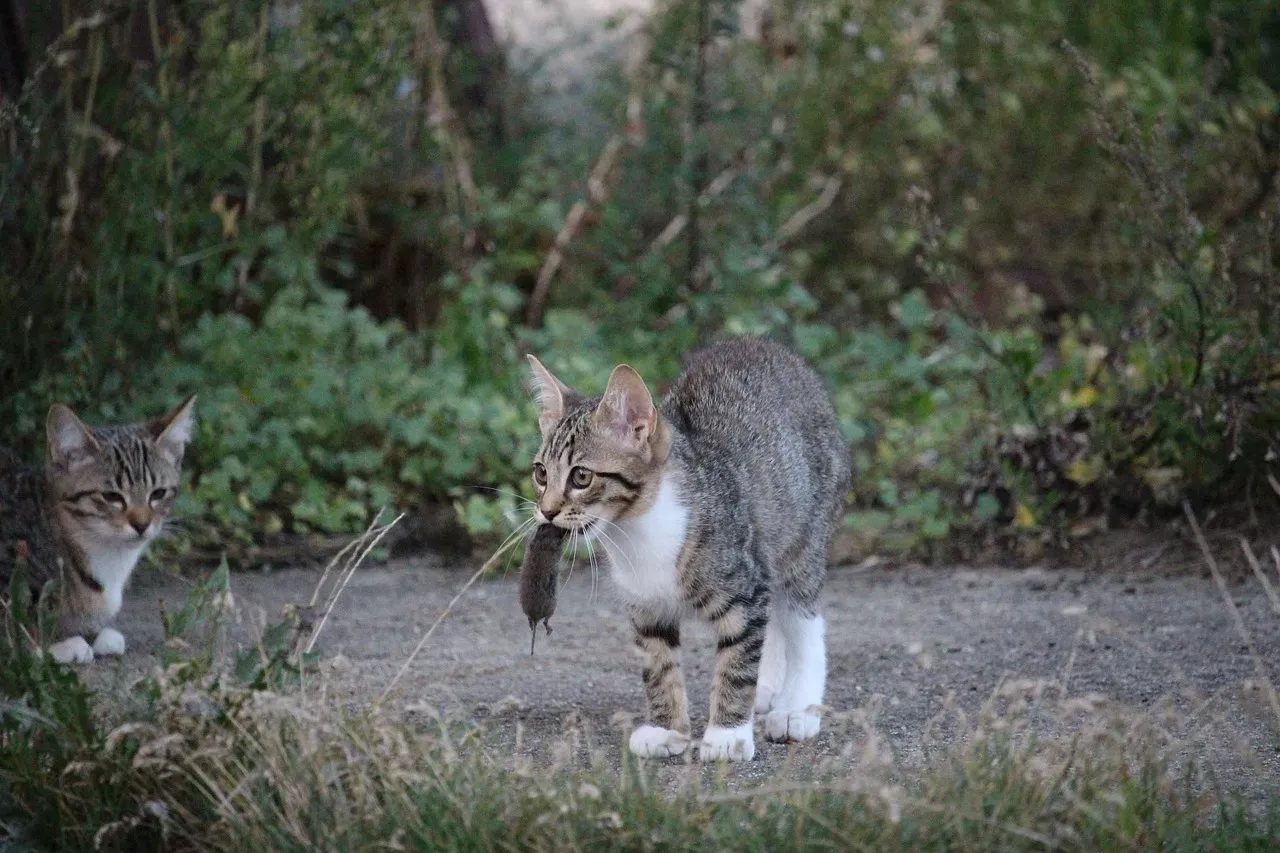
Research exploring the factor of personality showed that dominant, aggressive, and active cats, as noted by their owners, brought back more dead animals into the home. In contrast, cats that were shy and friendly with their owners tended to bring home less prey. So if your cat has a bold, assertive personality, congratulations, you are probably receiving more presents than most.
Not all cats bring their prey back to their owners. While some cats are more prone to this behavior than others, male cats are more likely to bring dead animals to their owners than female cats, and outdoor cats are more likely to hunt than indoor cats. Other research also found that how much hunting a cat does depends on both its environment and how much time it spends outside. A cat that lives in a rural area may have more space to roam and access to more prey than city cats, so urban pet owners may get fewer dead animals brought to them than those in the countryside.
The Real Risks You Shouldn’t Ignore
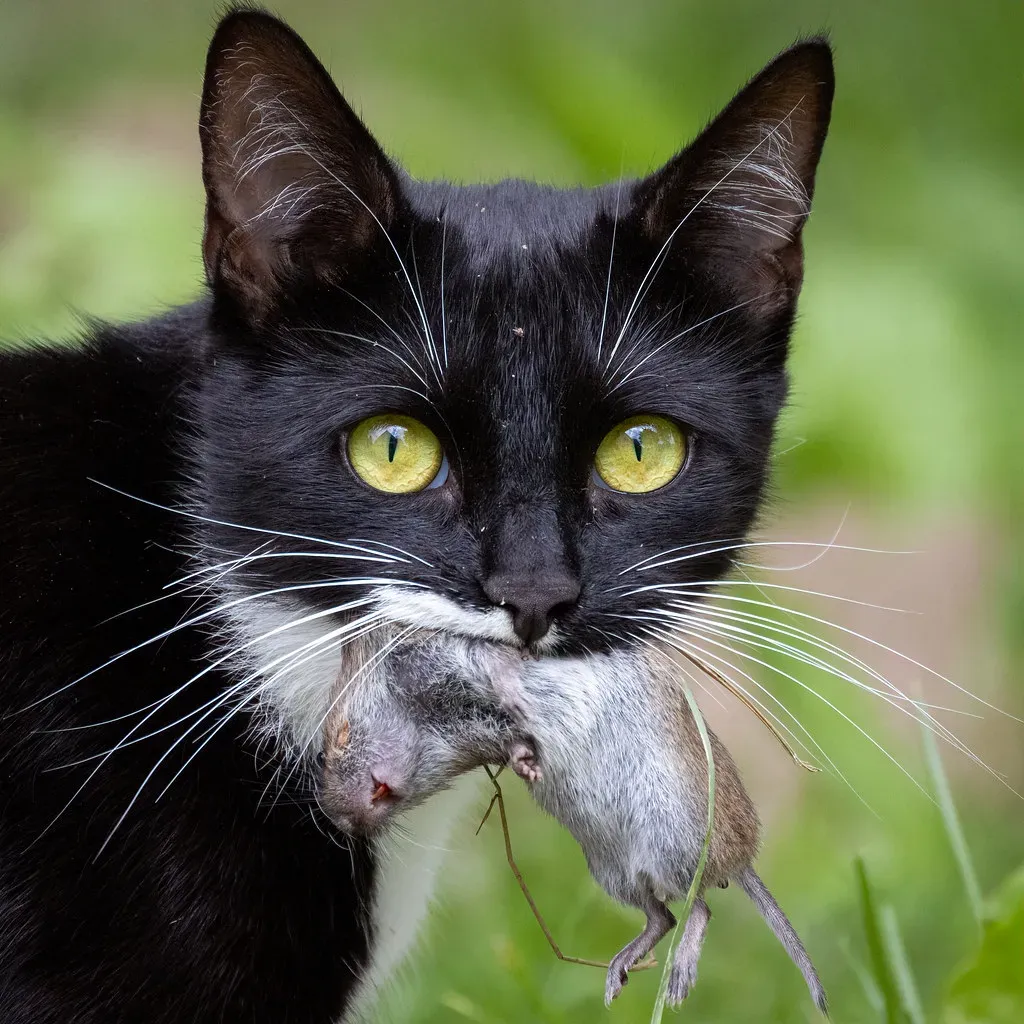
Small rodents, such as mice or rats, that your cat might put in their mouth can carry parasites like tapeworms or might have ingested rodenticide poisons, both of which can make your cat sick. Your cat could also be injured if the prey animal bites or scratches them. Beyond potentially harming themselves, your cat’s hunting habits could also impact your local wildlife. According to research published in Nature, domestic cats kill anywhere from 1.3 to 4 billion birds and 6.3 to 22.3 billion small mammals annually in the United States. This makes cats one of the country’s most significant non-human causes of animal death.
Never touch the dead animal with bare hands. Wild rodents and birds often carry parasites like fleas and ticks, or diseases like Toxoplasmosis. Wear gloves, double-bag the carcass, and dispose of it in an outdoor bin immediately. If your cat brings home a dead bird, you may even need to call your state health department so they can test the bird for avian flu. It’s not exactly what you signed up for as a cat parent, but it is the reality.
How to Redirect the Behavior Without Hurting Your Bond
It’s important not to punish your cat for catching wildlife or bringing their prey home. They won’t understand what they’ve done wrong. As hunting is a natural instinct for cats, shouting at them won’t deter them from doing it again. It will only cause them stress, which could lead to other unwanted behaviors. Scolding your cat for this is like being angry at the rain for being wet.
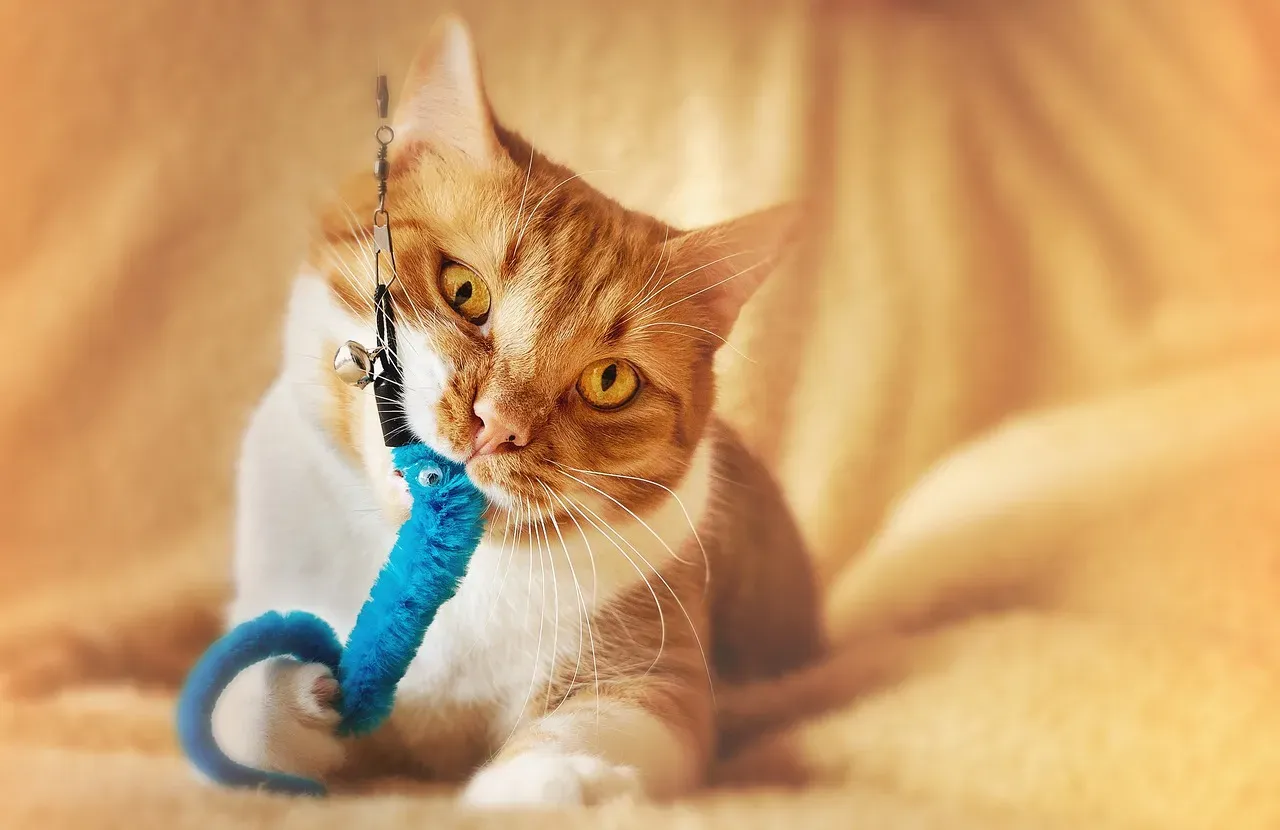
If you give your cat an outlet for their instinct to hunt, it will help to satiate their prey drive. This isn’t just throwing them a catnip mouse, however. Cats need to stalk, chase, and pounce on things that move, which means joining in with these games. There are endless toys on strings that you can buy to indulge your cat’s hardwired predatory behaviors. Try hiding food in different parts of your home to encourage your cat to hunt it out. Alternatively, try puzzle feeders to challenge your cat as they work to get their food.
Conclusion
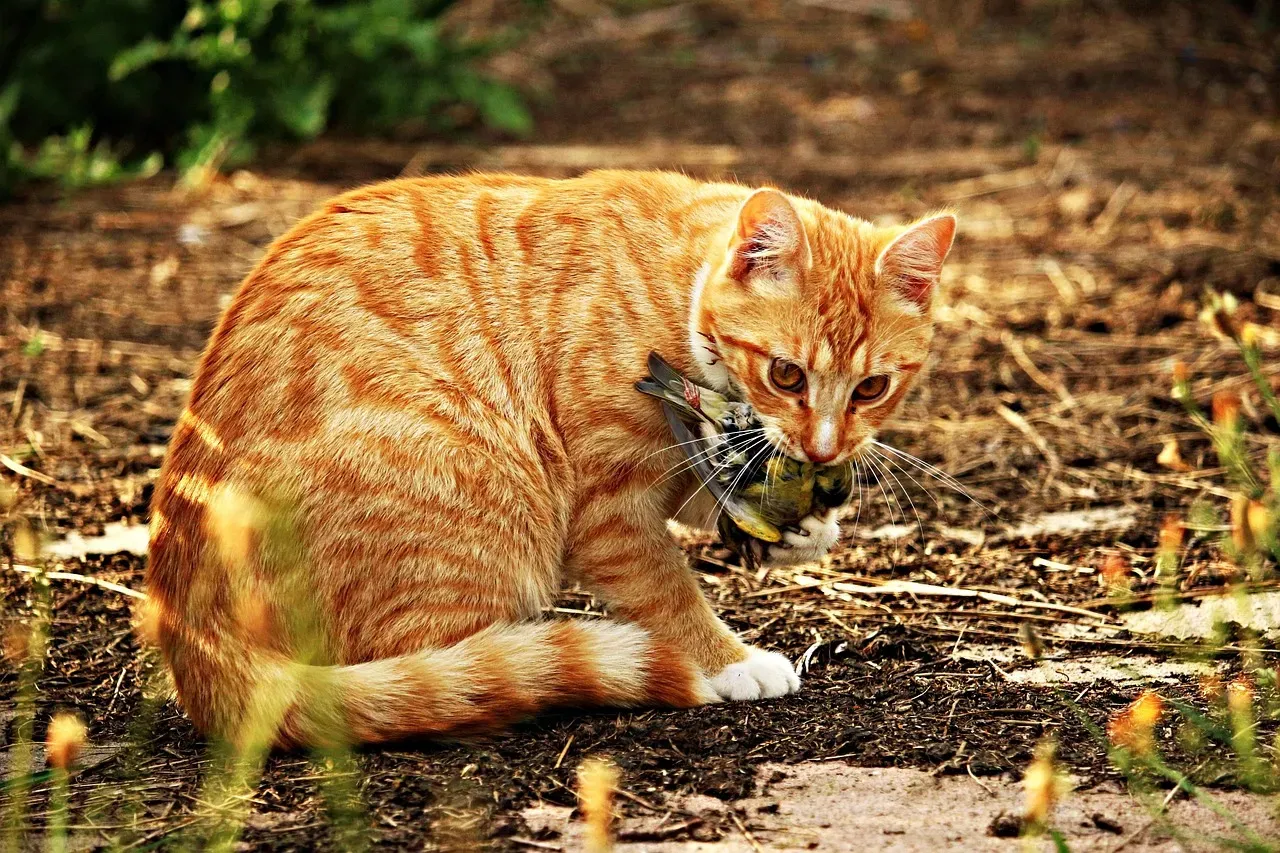
So the next time your cat drops a small, limp, feathered or furry “surprise” at your feet, try to pause before the shriek. What you’re actually looking at is a creature who trusts you completely, loves you genuinely, and has decided, in their ancient feline logic, that you deserve a share of their hard-earned catch. That’s not gross. That’s devotion, wrapped in instinct.
Your cat doesn’t send birthday cards. They don’t bake cookies. But they do bring you the very best thing they know how to give. The fact that it arrives deceased and occasionally headless is beside the point entirely. Redirect the behavior gently, protect the local wildlife, keep your gloves handy, and remember: in the eyes of your cat, you are cherished enough to be fed. Not everyone gets that kind of love.
Does knowing all of this change the way you’ll feel the next time you find a “gift” on your doorstep? Tell us in the comments below.
Kristina is a young writer from India. An arts graduate and an avid content creator, Kristina is passionate about animals and wildlife. She enjoys exploring topics related to pet care, animal behavior, conservation, and nature, combining thorough research with engaging storytelling.