Cats have a reputation. Aloof. Cold. Indifferent. People love to joke that cats only tolerate their owners – that they’re basically tiny furry roommates who pay rent in mild annoyance. But here’s the thing: that reputation is almost entirely wrong.
Cats show love differently than humans do, often expressing affection through subtle behaviors. Slow blinking, headbutting, and following you around are all signs a cat loves you, and every cat expresses affection in their own way – so learning to read your cat’s body language cues is everything. The science backs this up too. A study published in Current Biology found that cats form attachment bonds to their human caretakers in very much the same way that dogs and human children do, with researchers from Oregon State University concluding that we may be underestimating cats’ socio-cognitive abilities.
So before you assume your cat is ignoring you, consider that they might actually be speaking a language you just haven’t learned yet. Some behaviors are clear expressions of love. Others are wildly misread. Let’s break it all down.
1. The Slow Blink: Your Cat’s Version of “I Love You”
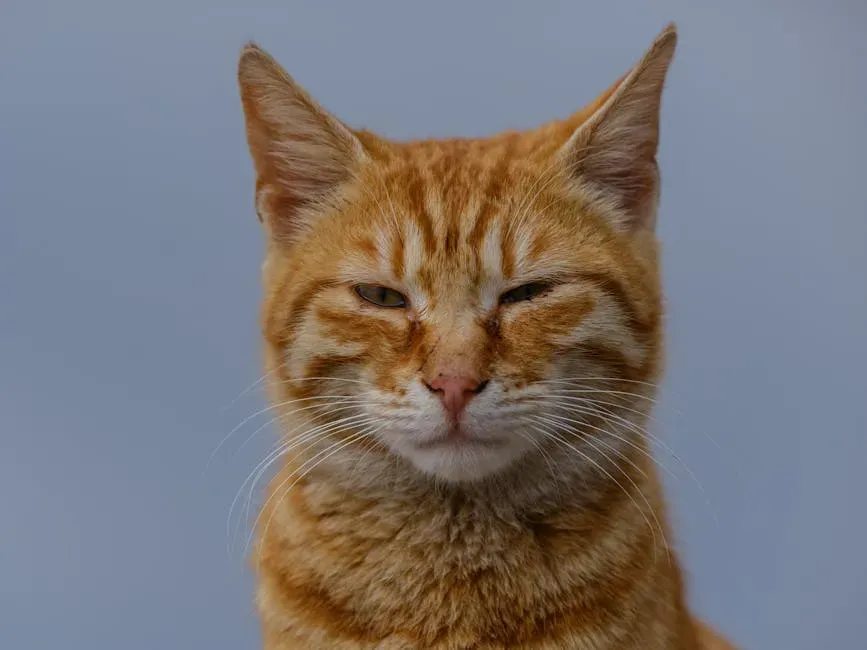
Cats communicate relaxation and trust through slow, intentional eye blinking. This behavior, often referred to as a “kitty kiss,” signifies contentment and a sense of security. When a cat looks at you and blinks slowly, it’s their way of saying, “I trust you, and I feel safe in your presence.” Honestly, it’s one of the most beautiful things a cat can offer you, and most people completely miss it.
Slow blinking is one of the clearest signs your cat feels relaxed and safe around you. When a cat slowly closes and opens their eyes in your presence, it’s a signal of trust. You can even blink back slowly to return the gesture. Think of it like a silent conversation – a moment of emotional exchange that doesn’t need a single sound.
2. Head Bunting and Cheek Rubbing: “You Belong to Me”
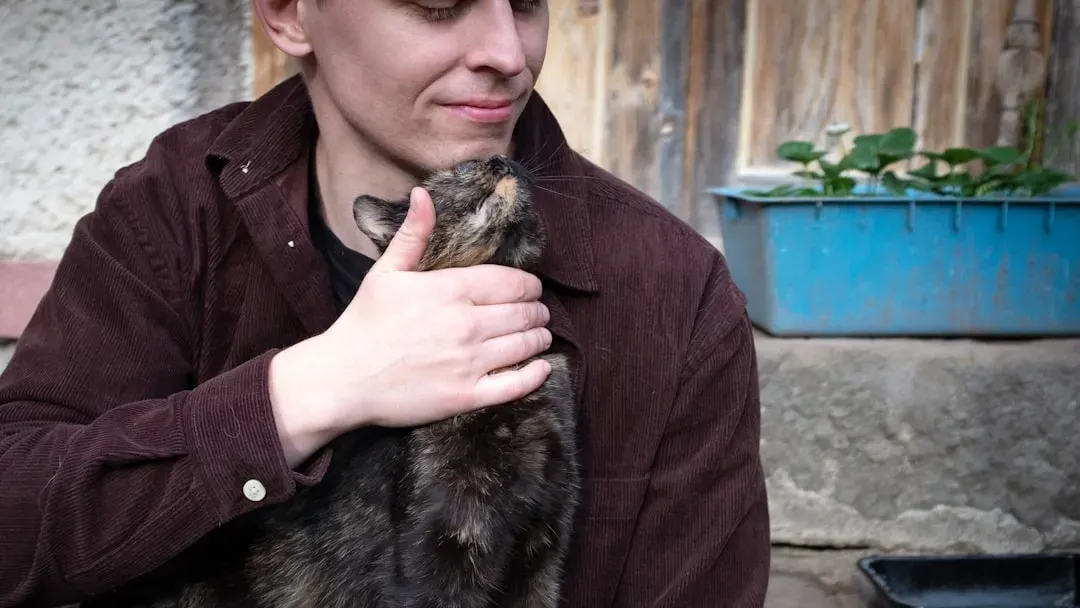
Your cat may bump their head against you or rub their cheeks against you to show affection. This is a social behavior formed in kittenhood through headbutting other kittens and their mother. Headbutting is often an attempt to mark you with their scent to claim you as one of their own, and it helps cats bond – offered to their humans as a show of love.
When a cat bumps their head against you or rubs their cheeks on your hand or leg, they’re doing more than being cute. This behavior deposits scent from glands on their face, marking you as familiar and safe. In cat language, that’s a sign of social bonding. Think of it as your cat stamping you with their personal seal of approval. It’s a membership badge, and you earned it.
3. Kneading: The Softest Compliment You’ll Ever Receive
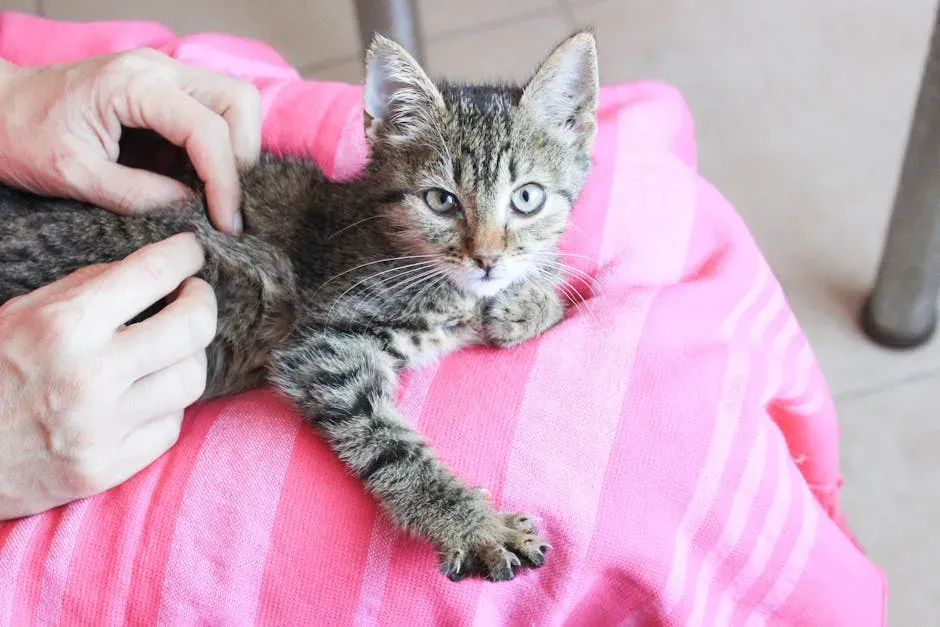
Cats usually knead with their front paws. This is a behavior that begins in kittenhood and is associated with nursing on their mother. Kneading is believed to bring comfort by releasing endorphins to reduce stress and promote relaxation. Relaxed cats that knead are showing contentment, and they will often knead when you gently pet or stroke them.
As adults, kneading is a sign of comfort and relaxation. If your cat is kneading on you, take it as a compliment – they feel happy and secure in your presence. Sure, the claws can be a little sharp sometimes, but try to look past the pain. Your cat is essentially telling you that being near you makes them feel like a kitten again, safe and nurtured. That’s pretty special.
4. Purring in Your Presence: A Sound Built for Bonding
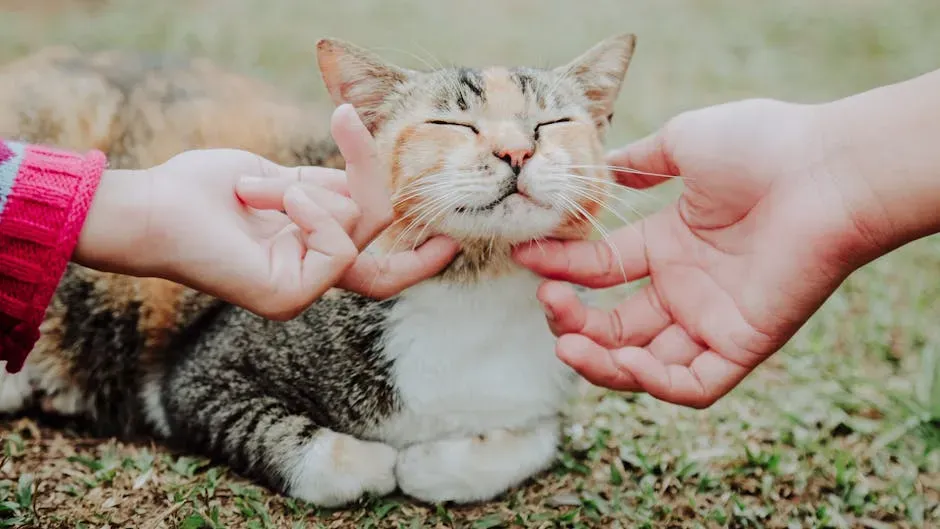
Feline behaviorists have found that cats purr for a variety of reasons, but they believe that purring first starts as a form of communication and a bonding mechanism between kittens and their mothers. It’s also a common indicator of comfort and ease. If your cat purrs contentedly when they are around you, there’s a good chance they feel bonded with you and are relaxed in your presence.
Soft trills, chirps, or conversational meows can also be signs of affection. Purring, while not always exclusive to happiness, commonly goes hand in hand with calm, positive moments. The purr is your cat’s signature sound of trust. When it happens curled up beside you on the couch on a quiet evening, there’s genuinely nothing better in this world.
5. Social Grooming: When Your Cat Licks You
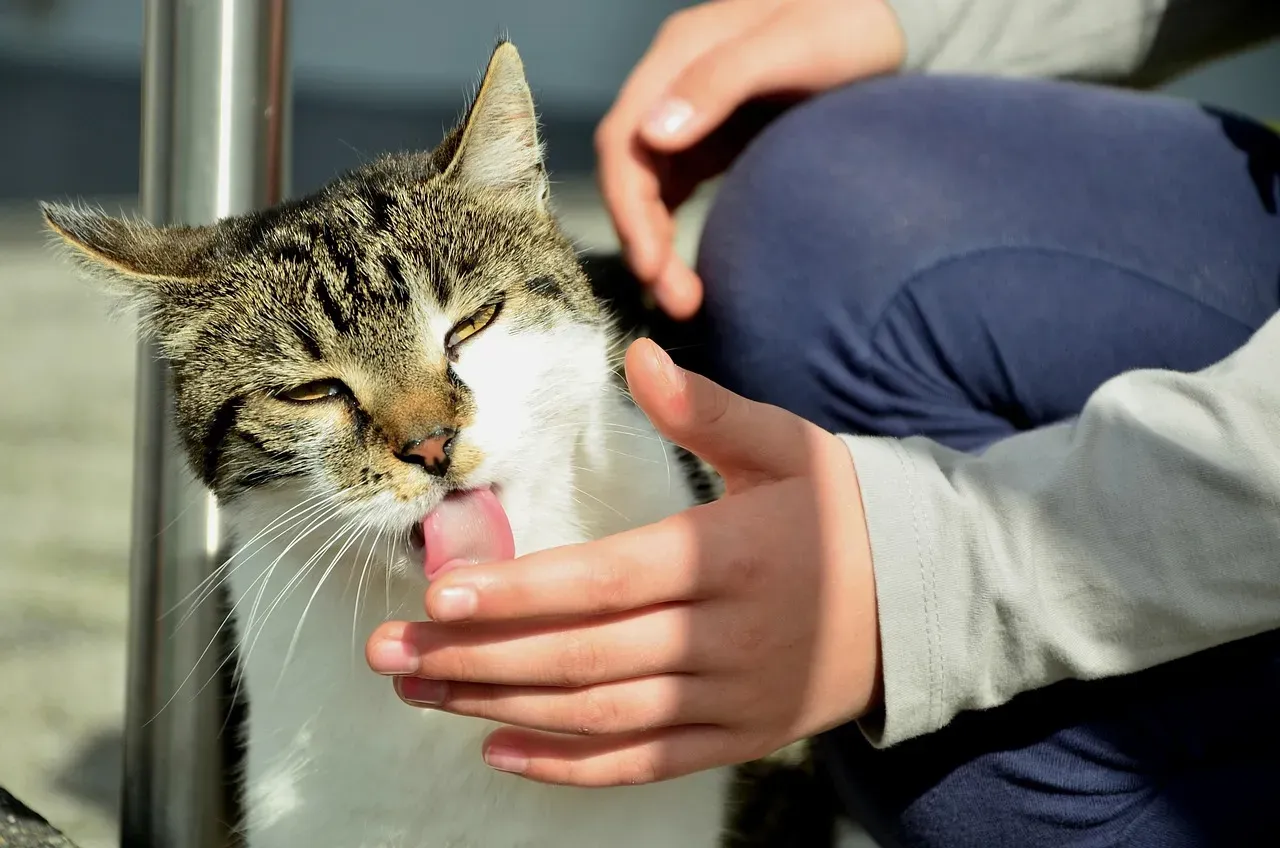
Cats groom each other as a display of affection, and this behavior will extend to humans when trust is built. Cats will often lick their people or allow them to brush them. Licking is similar to the grooming cats perform on their feline friends, allowing them to mark each other and build their bond.
If your cat licks your hand, hair, or even your clothing, they may be engaging in social grooming. In multi-cat households, grooming is a bonding behavior. When directed at a person, it’s often a sign your cat considers you part of their social group. It’s a little rough, honestly – cat tongues feel like sandpaper – but the meaning behind it is pure. You’ve been accepted into the inner circle. That’s a big deal in cat society.
6. Sleeping Near You or On You: The Ultimate Trust Signal
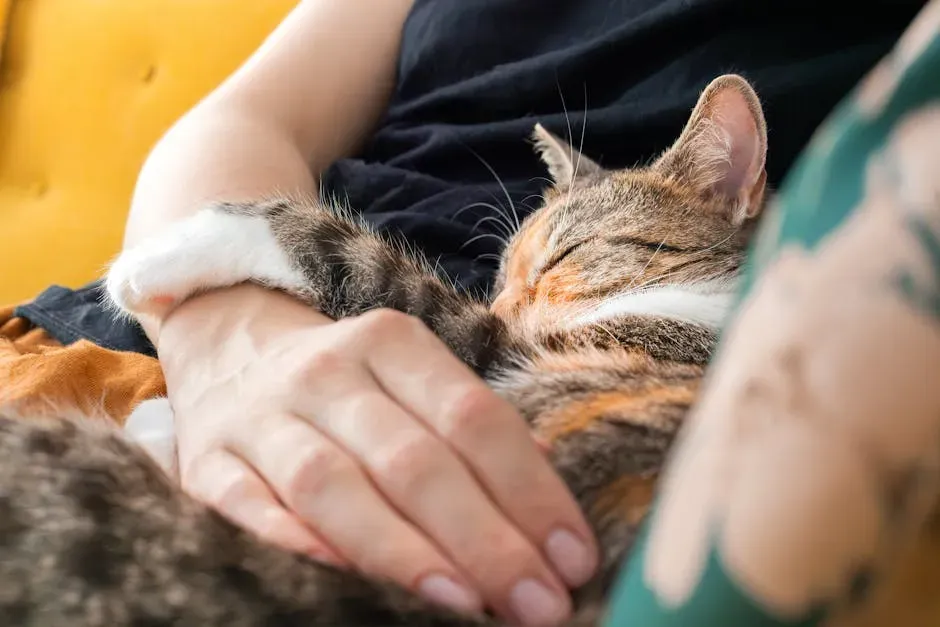
Sleep is a vulnerable state for cats. Choosing to nap next to you – or even in the same room – is a strong indicator of trust. Some cats may sleep at your feet or nearby rather than directly on you, but that close proximity still counts as a sign of love.
Cats pounce on their prey, but if your kitty comes and sits on you calmly, it’s an indicator of trust and affection. This is especially true if your cat purrs while they do so. When a cat chooses to sleep on you, they are choosing the most vulnerable moment of their day and spending it with you. That isn’t indifference. That’s deeply intentional.
7. Following You From Room to Room: You Are Their Favorite Person
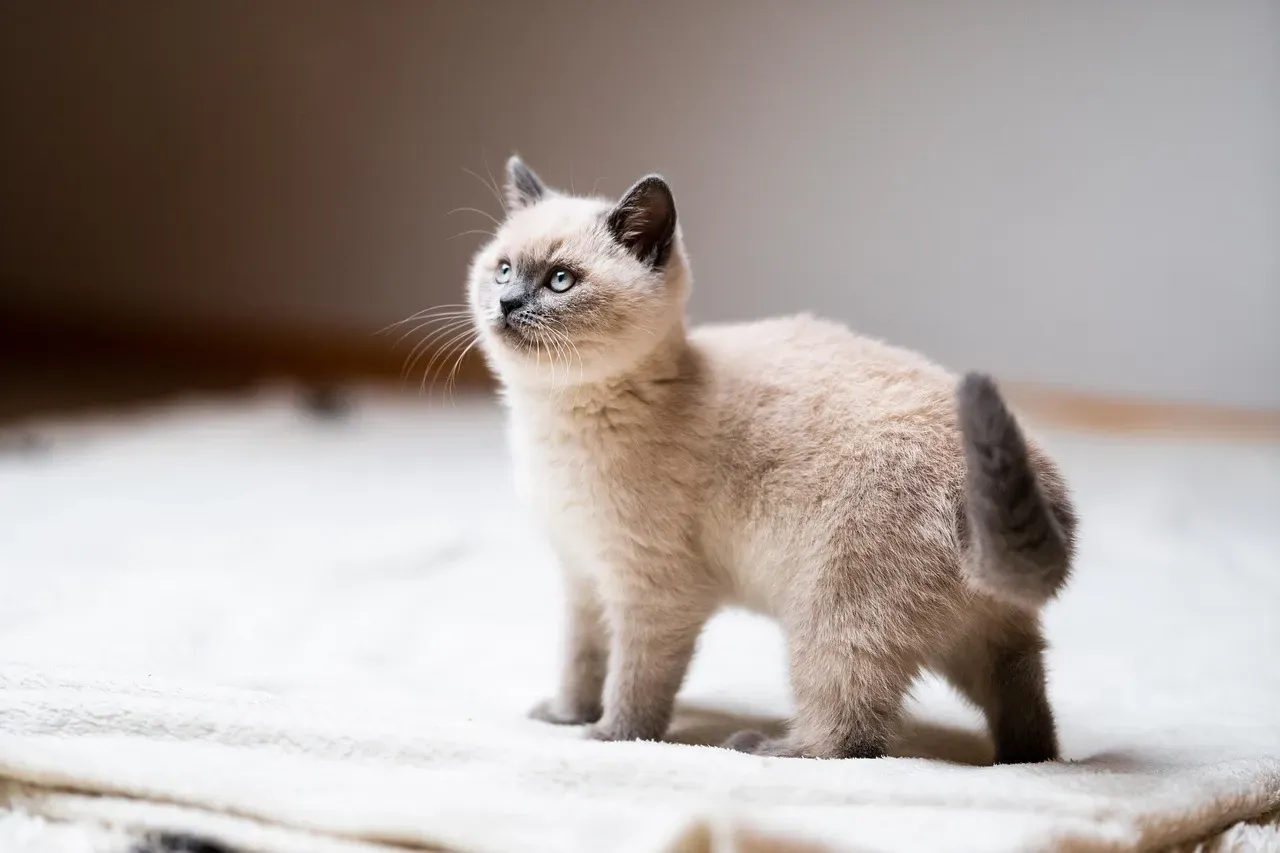
Have you ever noticed that your kitty likes to trail you around the house? There can be many reasons for this – from wanting food to being anxious – but there are many cases in which your cat simply enjoys your company and wants to be with you. If it’s not close to feeding time and your cat isn’t acting like they want anything, chances are they are just trying to bask in your presence.
Cats are creatures of habit. If your cat consistently joins you for morning coffee or nighttime TV, that shared routine reflects a bond. These predictable moments help cats feel secure, and participating in them is a form of affection. It’s like having a tiny shadow with opinions. And I think that’s oddly comforting.
8. Trilling and Chirping Just for You: Their Private Love Language
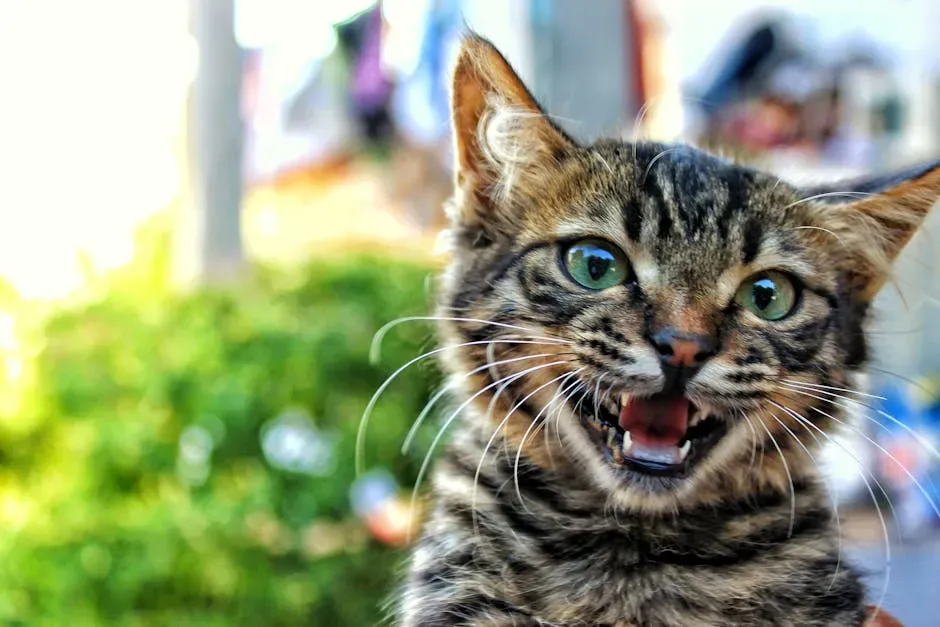
Not all cats are chatty, but many reserve certain sounds just for their favorite humans. Soft trills, chirps, or conversational meows can be signs of affection. These aren’t random vocalizations – they’re directed specifically at you. It’s worth paying attention to when and where your cat makes these sounds, because the pattern usually reveals a lot about what they’re feeling.
The visual and acoustic behavioral elements used to communicate and interact with other cats can be perceived by people and are also employed by the cats when interacting with them. In other words, your cat is essentially adapting their natural communication toolkit for your benefit. They’re speaking in a language they modified just to reach you. How cool is that?
9. Showing You Their Tail: A Flag of Friendship
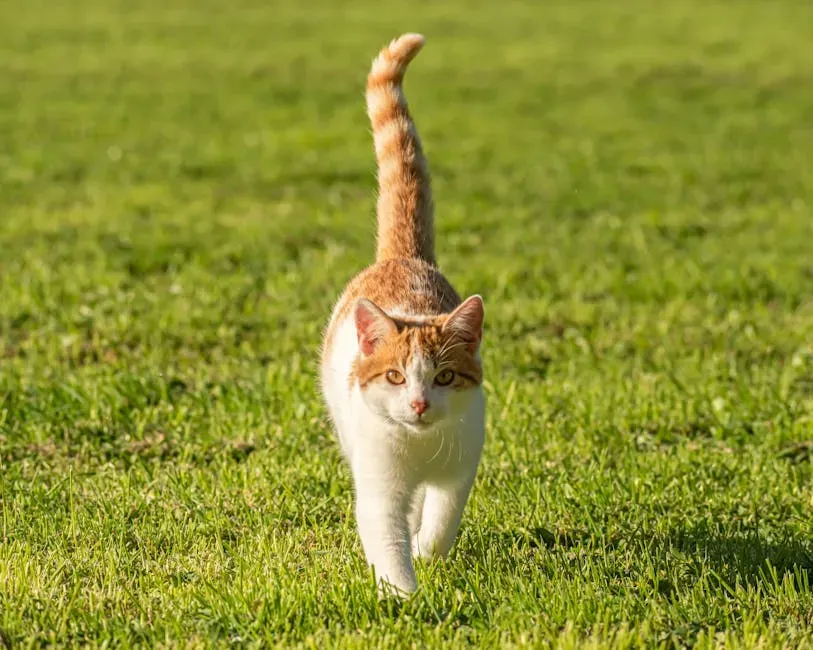
If you wonder whether your cat loves you, take a look at their tail. According to animal behaviorists, felines often show affection through their tails. A curved tip is a friendly greeting and an invitation to interact with your cat, while a more demonstrative display of love is your cat wrapping their tail around your hands, ankles, arms, or any part of your body.
One of the most reliable signs of a confident cat is a tail that’s lifted vertically, high in the air. Most of the time, this tail position indicates that the cat feels comfortable and open to interaction. When your cat walks toward you with their tail held high and slightly curved at the tip, treat it like a wave hello from a best friend. Because that’s exactly what it is.
10. Bringing You “Gifts”: A Hunter’s Greatest Compliment
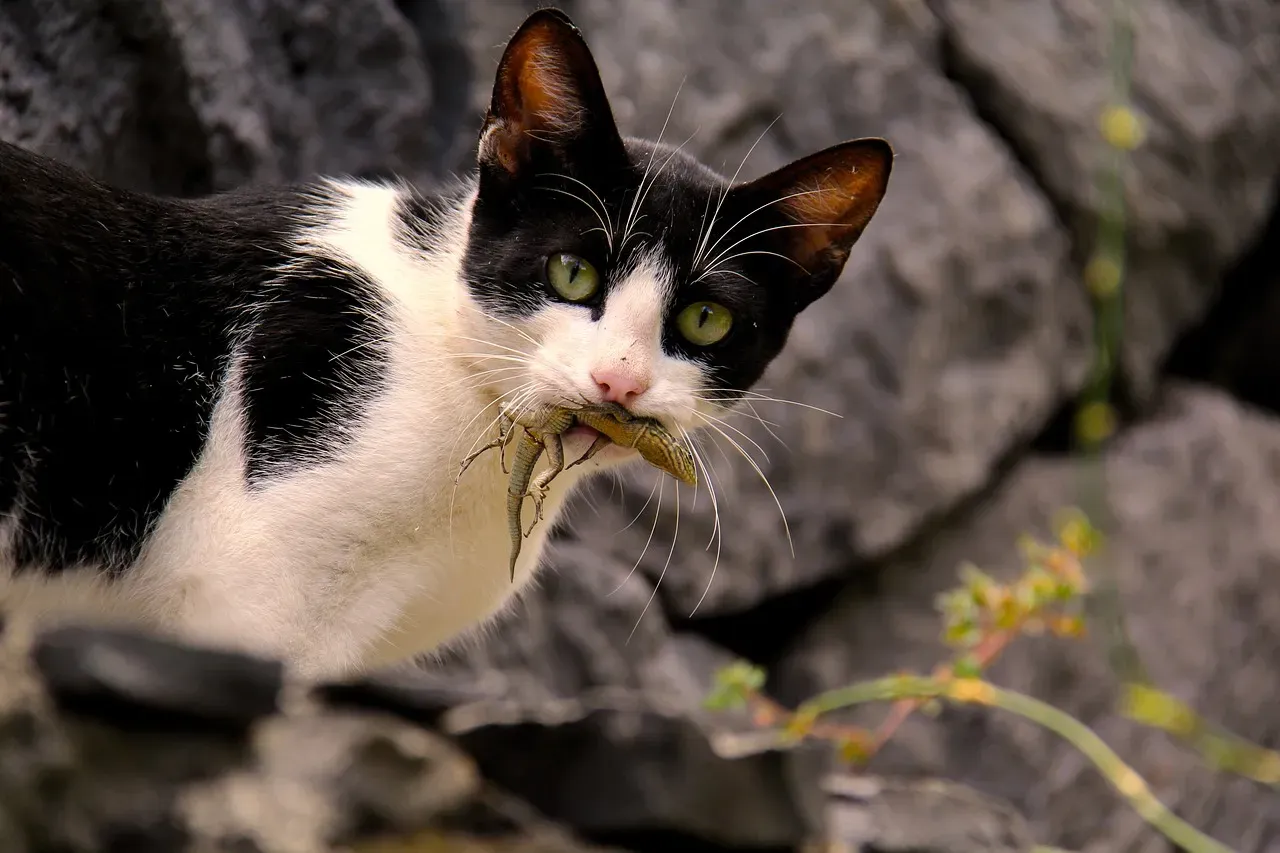
Play is a social behavior for cats, especially when it’s initiated by them. Bringing you toys – or occasionally less welcome “gifts” they’ve hunted in the yard – can also reflect bonding. From your cat’s perspective, sharing resources or playing together is a form of connection.
I know it sounds crazy, but finding a dead mouse on your doorstep is actually your cat saying they care about you. In feline logic, sharing prey is one of the highest forms of generosity. Cats tend to form close bonds with a small number of individuals rather than spreading affection widely. If your cat shows you specific behaviors they don’t offer to others, that’s often a sign you are one of their chosen few. Being chosen by a cat feels exactly as meaningful as it sounds.
11. Sitting Near You Without Demanding Attention: Quiet Companionship
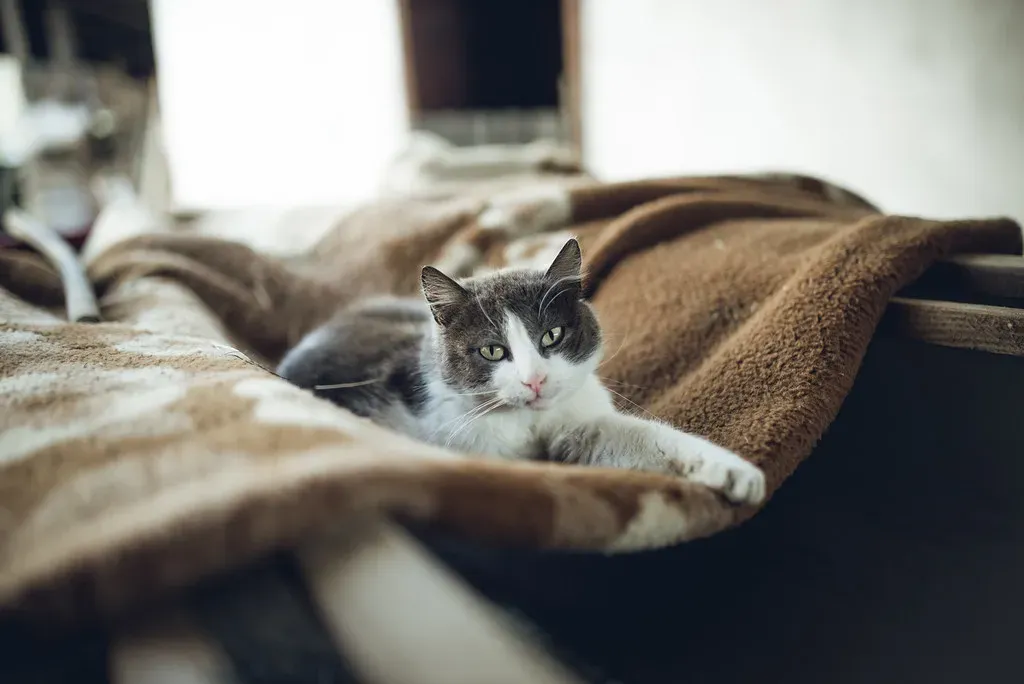
If a cat is in the same room as you but not directly interacting, you shouldn’t assume they don’t like you or are ignoring you. Cats don’t always crave physical closeness the way dogs do. If your feline friend is sitting on the other end of the couch with you, they’re choosing to hang out because they like you.
Feline affection isn’t always overt or constant. Instead, it’s often built around trust, safety, and selective social connection. Cats tend to show love through behaviors that signal comfort and familiarity rather than attention-seeking. Think of it as the cat equivalent of companionable silence between two good friends. Presence itself is the gift. Not every moment of love has to be loud.
Misunderstood Behavior #1: The Exposed Belly – Not an Invitation
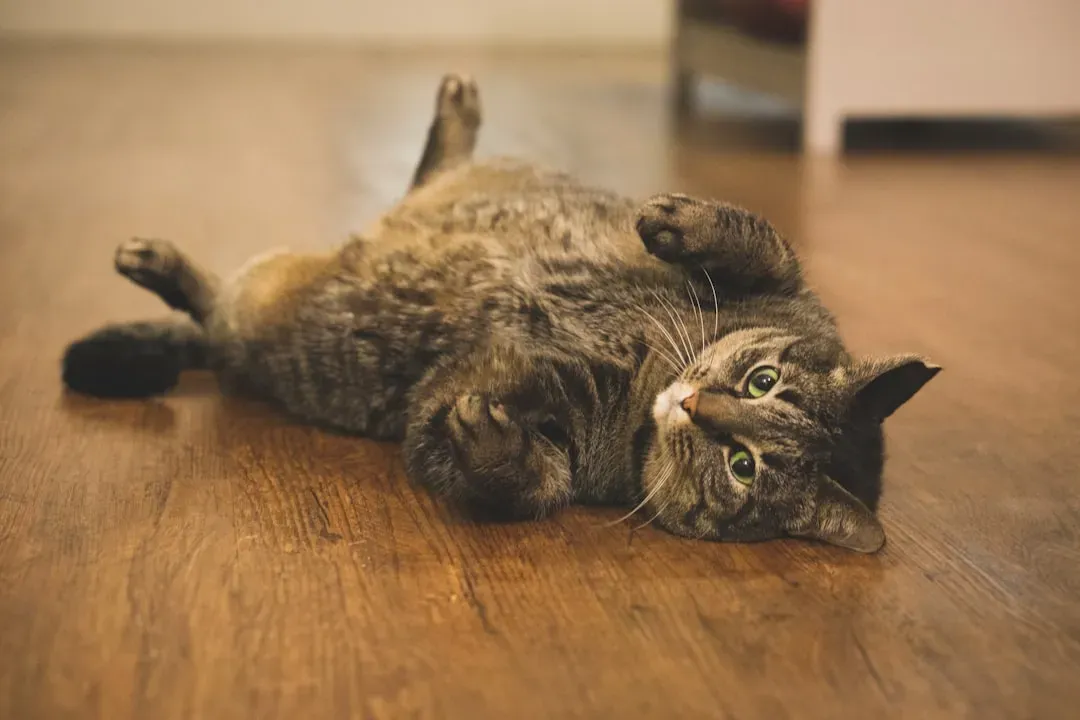
While a cat’s exposed belly may appear inviting and cute, it is not always an invitation for belly rubs. In most cases, a cat exposing its belly is a defensive mechanism. It is a vulnerable area, and when they show it to you, they are implicitly saying, “I trust you and feel safe in your presence.”
If your cat rolls over and shows you their belly, they’re displaying vulnerability and trust. However, this doesn’t always mean they want belly rubs! Unlike dogs, many cats don’t enjoy having their stomachs touched and may react defensively if you reach for it. The exposed belly is a compliment, not an open invitation. Admire it. Don’t necessarily touch it. This is one of the most common mistakes cat owners make, and it can really damage trust.
Misunderstood Behavior #2: Rubbing Against Your Legs – It’s Territorial, Not Just Sweet
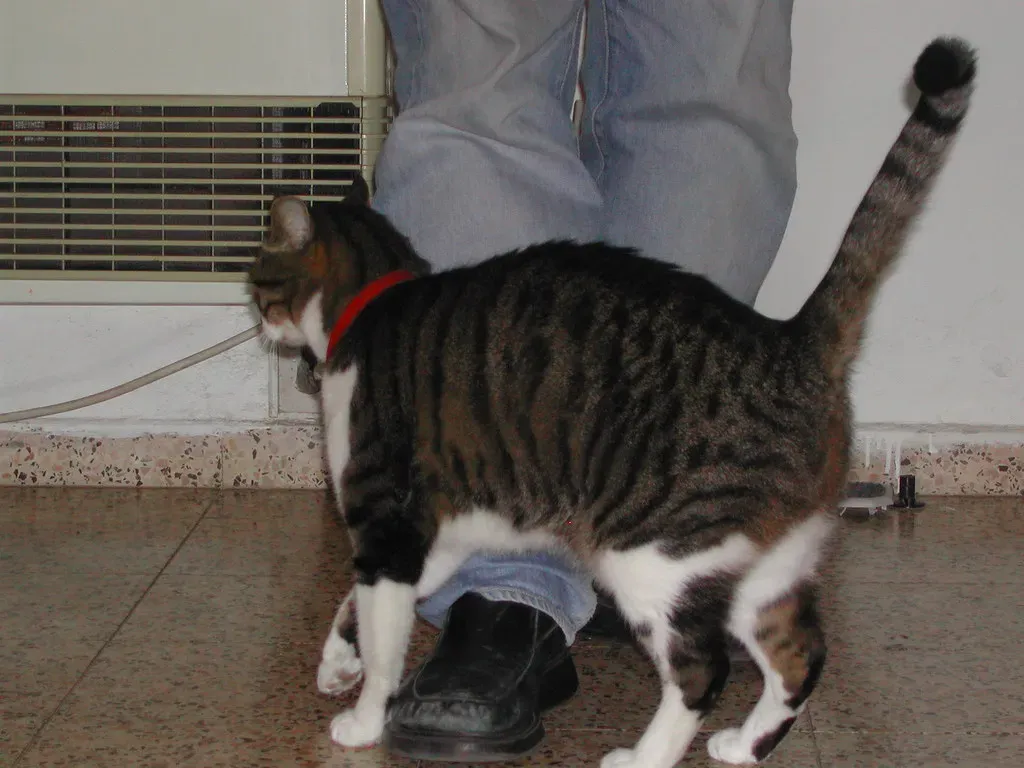
You might think that your cat is rubbing against your legs to butter you up when they want something, but that’s not entirely the case. It’s more likely a sign of affection and ownership. When they rub against you, they transfer their pheromones onto you, marking you as theirs. So next time a cat does this to you, you should consider it a high compliment.
What they’re really doing is marking their territory. You’ll notice that they also rub the chair, the door, their toys, and everything in sight. They’re telling everyone that this is their stuff, including you. It’s affection wrapped inside a territorial instinct. Endearing, when you think about it. Your cat isn’t just showing love – they’re proudly announcing to the world that you belong to them.
Misunderstood Behavior #3: Purring Doesn’t Always Mean Happy
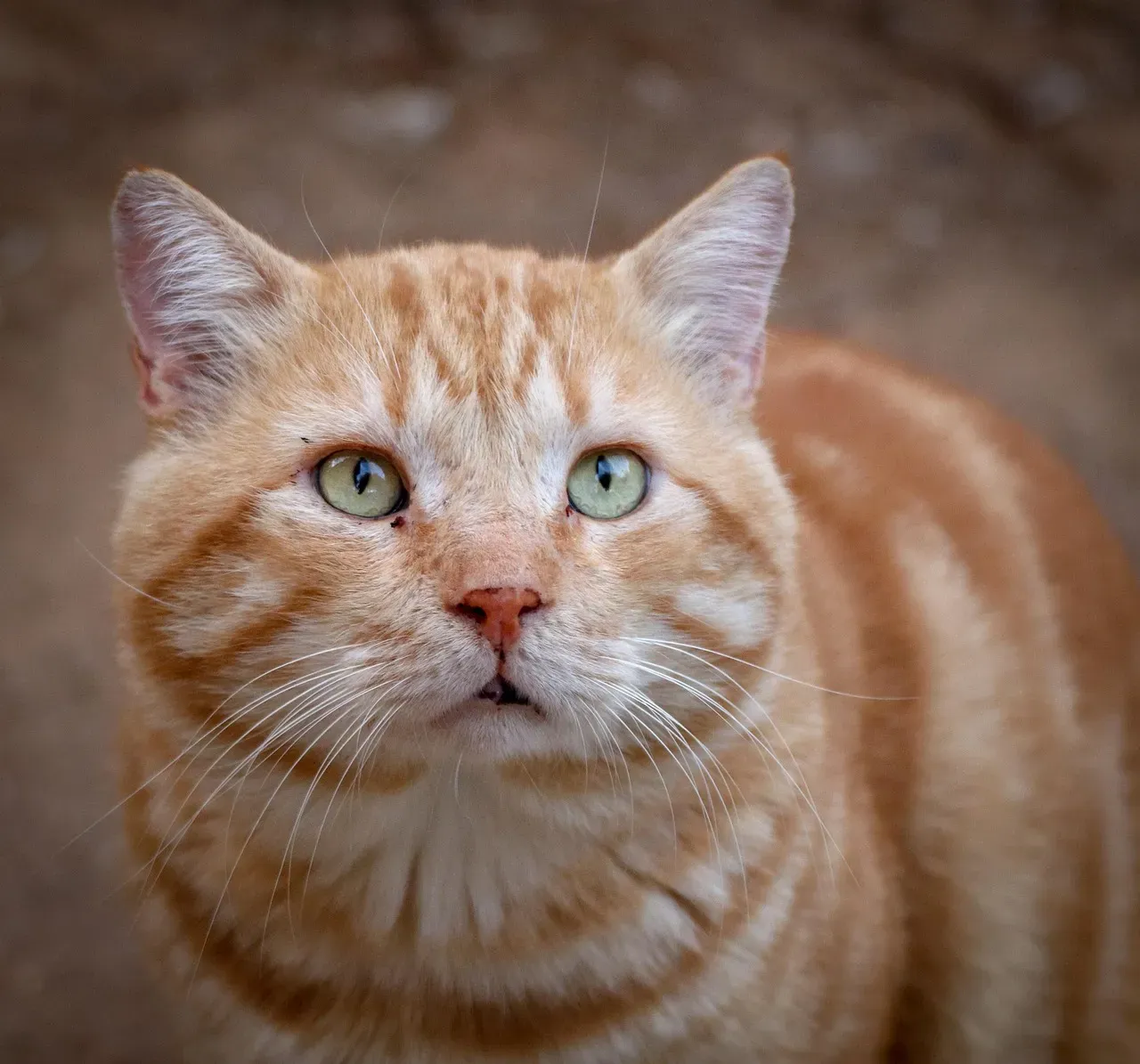
We often think that our cats are happy when they purr. This is only true if their body language is relaxed. They can also purr to get your attention and fuss. Sometimes cats can purr in stressful situations, such as going to the vet – which doesn’t necessarily mean they’re happy at the vet. They can also sometimes purr if they are in pain.
Purring is usually associated with a happy cat. When your feline curls up in your lap and purrs softly, they are expressing contentment and comfort. However, cats also purr when they are anxious, in pain, or seeking comfort, so context is important. If your cat is purring but showing other signs of distress, it might be time for a vet visit. The takeaway? Always read the whole picture, not just the soundtrack.
Misunderstood Behavior #4: Playing Rough – Aggression or Affection?
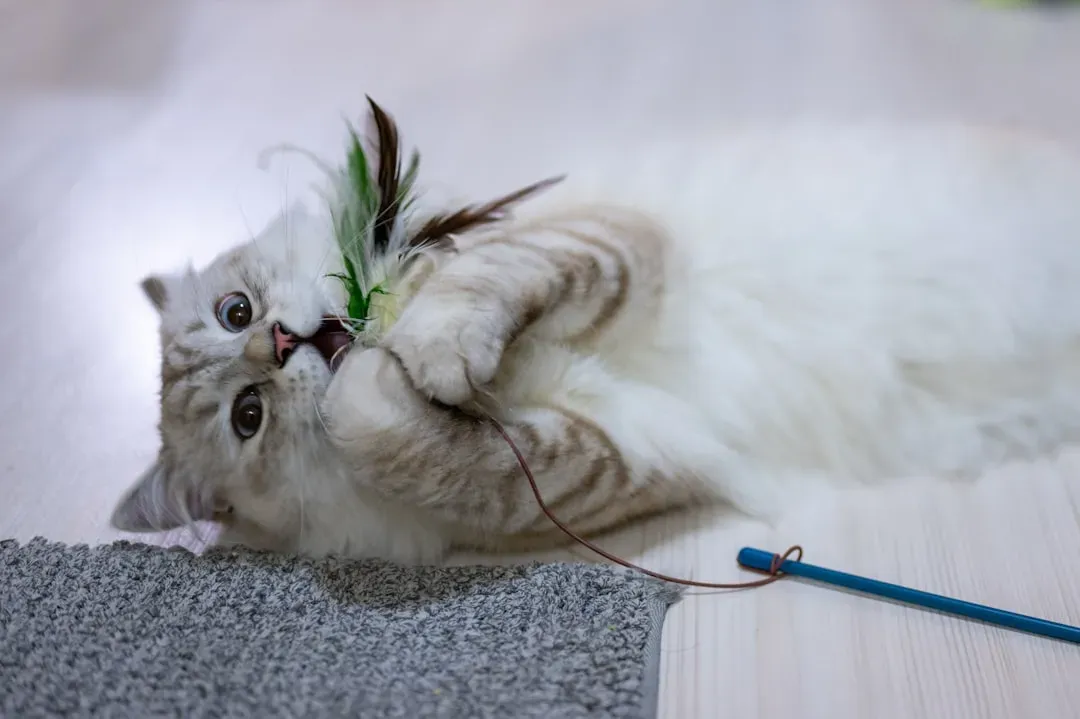
A cat who’s playing will look a bit different from a cat who is relaxed. That’s because play mimics hunting behaviors, so cats might appear to be aggressive when they’re simply playing. Playful cats’ pupils might dilate and their eyes might get really wide.
The difference between play behaviors and the “real thing” is that play will be quieter, softer, and more inefficient. When playing, cats will put themselves into compromising positions, such as rolling on their back, something they wouldn’t do in the face of real danger or if they were hunting actual prey. So if your cat is pouncing on your feet and looking a little wild-eyed, don’t panic. They’re probably having the time of their life, not plotting your demise.
Misunderstood Behavior #5: Sudden Clinginess – Check the Context
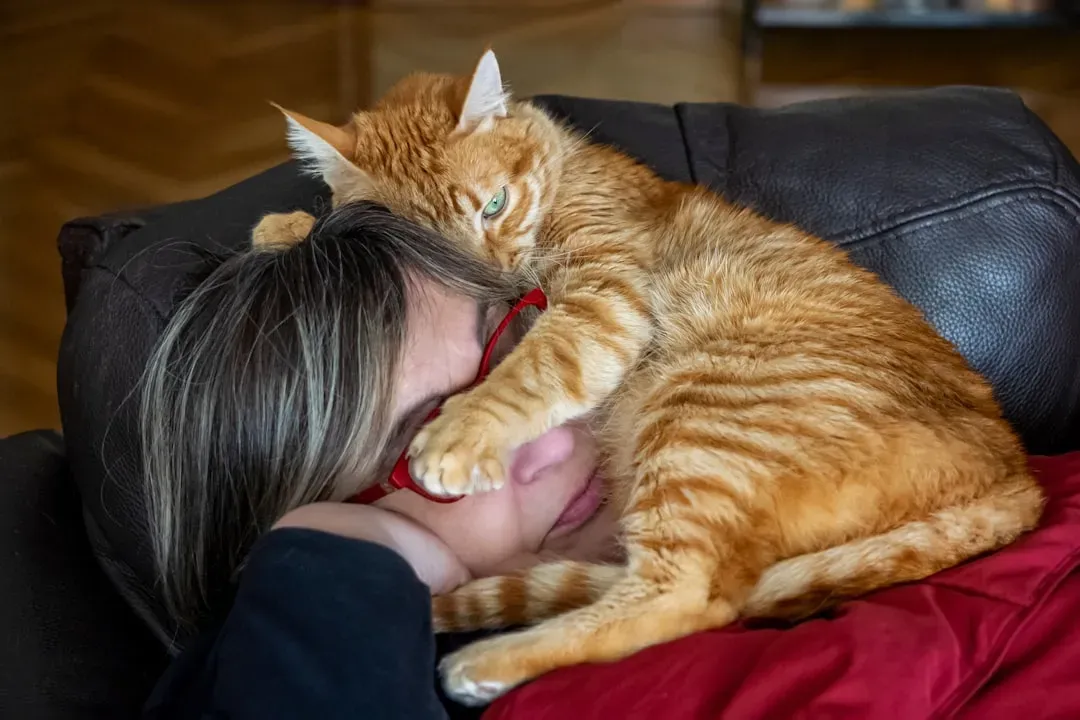
A sudden increase in affection can have various causes, including medical issues. If your cat becomes unusually clingy or shows other symptoms like excessive vocalization, schedule a vet appointment.
A sudden increase in some affectionate behaviors, such as vocalizations or asking for attention, are reasons to take your cat to the vet for an exam. For instance, some cats that develop hyperthyroidism become more active and affectionate. Cats that initially develop diabetes mellitus may also be more affectionate and vocal because they are hungry all the time. Older cats may suddenly become more affectionate and vocal as they age and potentially develop hypertension or cognitive dysfunction. It’s hard to say for sure without a vet’s input, but a sudden personality shift in your cat is worth taking seriously. Love it, but investigate it.
Conclusion: Your Cat Speaks – You Just Need to Listen
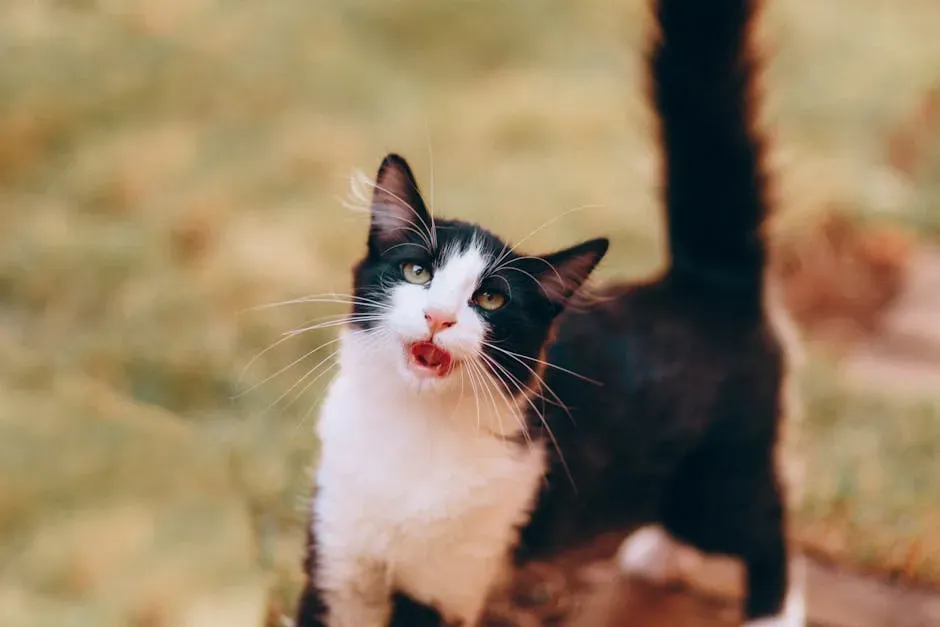
Understanding your cat isn’t about turning them into something they’re not. It’s about meeting them where they are. Cats are much more subtle in showing their love, though that doesn’t mean the shared bond between cats and humans is any less than with dogs. It just means you’ll need to work harder to understand your cat’s love language and boundaries to build trust.
A cat’s body language and behaviors should be looked at as part of a single big picture. By using the context of the entire situation, trying to see things from the cat’s point of view, and looking for subtle cues in body language, you’ll have an excellent chance at understanding your feline friend. Once you start seeing the slow blink for what it is, or recognizing that the tail-up greeting is a sign of joy, everything changes. Your cat was never distant. They were just waiting for you to learn their language.
The real question is: now that you know what your cat has been saying all along, how many quiet little “I love yous” have you missed? Tell us in the comments – we’d love to hear your cat’s favorite way of showing affection.
Kristina is a young writer from India. An arts graduate and an avid content creator, Kristina is passionate about animals and wildlife. She enjoys exploring topics related to pet care, animal behavior, conservation, and nature, combining thorough research with engaging storytelling.