You’ve spent good money on those fancy cat toys. The crinkle balls, the electronic mice, the feather wands with interchangeable heads. You set them all out like a buffet, stood back, and waited. Your cat walked over, sniffed once, and promptly sat inside the delivery box the toys arrived in. Sound familiar? Honestly, if you’re a cat owner, this is basically a universal rite of passage.
Here’s the thing about cats – they are built for exploration, driven by instinct, and deeply unimpressed by anything you think they should care about. Your home, from their perspective, is not a living room. It’s an untamed wilderness packed with mystery, texture, movement, and scent. Every ordinary object is a potential mission. So let’s dive into what your cat is really looking at when it strolls past your stuff.
1. The Cardboard Box
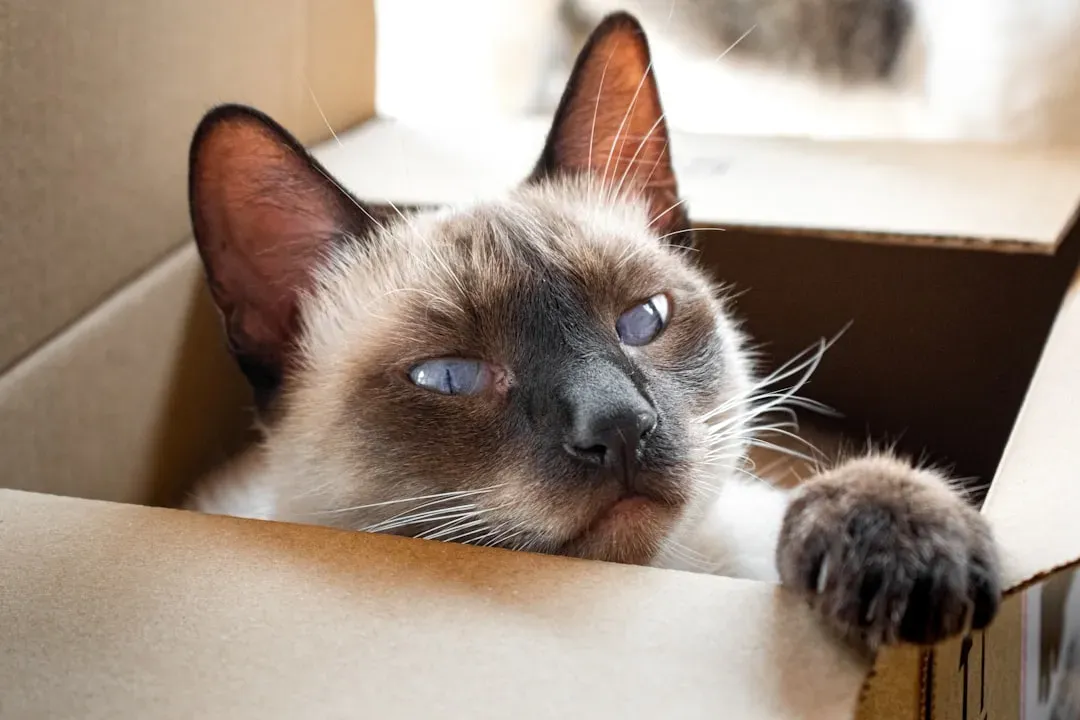
Let’s be real – this is the one that started it all. Leave a cardboard box on the ground and wait. A cat will be in that box in a matter of minutes, if not seconds. It doesn’t matter if the box once held a blender, a pair of boots, or a $60 cat toy – your cat sees none of those distinctions. What it sees is a cave, a fortress, a command center.
The enclosed environment of a box triggers a cat’s natural hunting behavior, curiosity, and need for a safe hiding spot. On top of that, cardboard and paper have an organic texture that feels a lot like the kinds of surfaces cats use in nature to scratch, chew, or climb, and corrugated cardboard can even mimic tree bark, giving your cat plenty of temptation for scratching or climbing. It is basically a jungle gym that you paid nothing extra for.
2. The Paper Bag
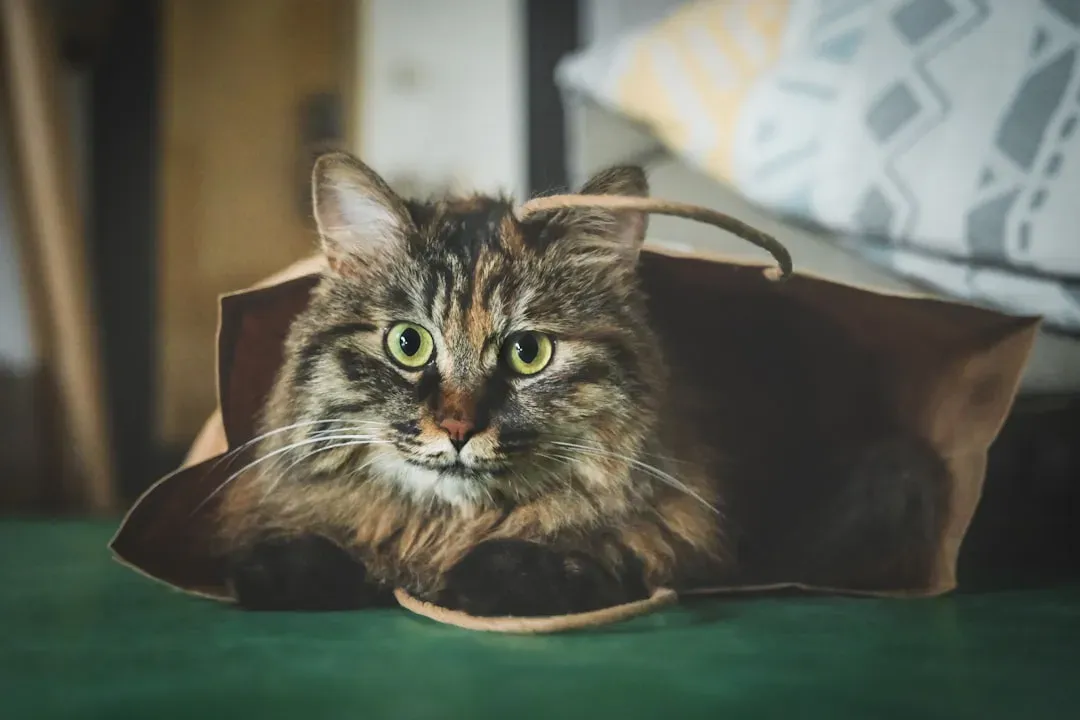
Some cats love paper bags, and you may even find it difficult to empty the groceries without your feline friend trying to climb into the bags. Think about the combination of sensations going on there – a new smell, a crunchy texture, an enclosed space just the right size to crouch in. To your cat, that bag you just carried home from the farmer’s market might as well be a surprise adventure kit.
Paper bags offer intriguing auditory stimulation. The rustling sound created by a cat moving in or around a paper bag can mimic the sounds of prey in the wild, which not only piques a cat’s curiosity but also engages their hunting instincts in a playful manner. Just remember to always remove the handles before you let them loose in there – they can get tangled in a way that turns exploration into stress pretty quickly.
3. The Toilet Paper Roll
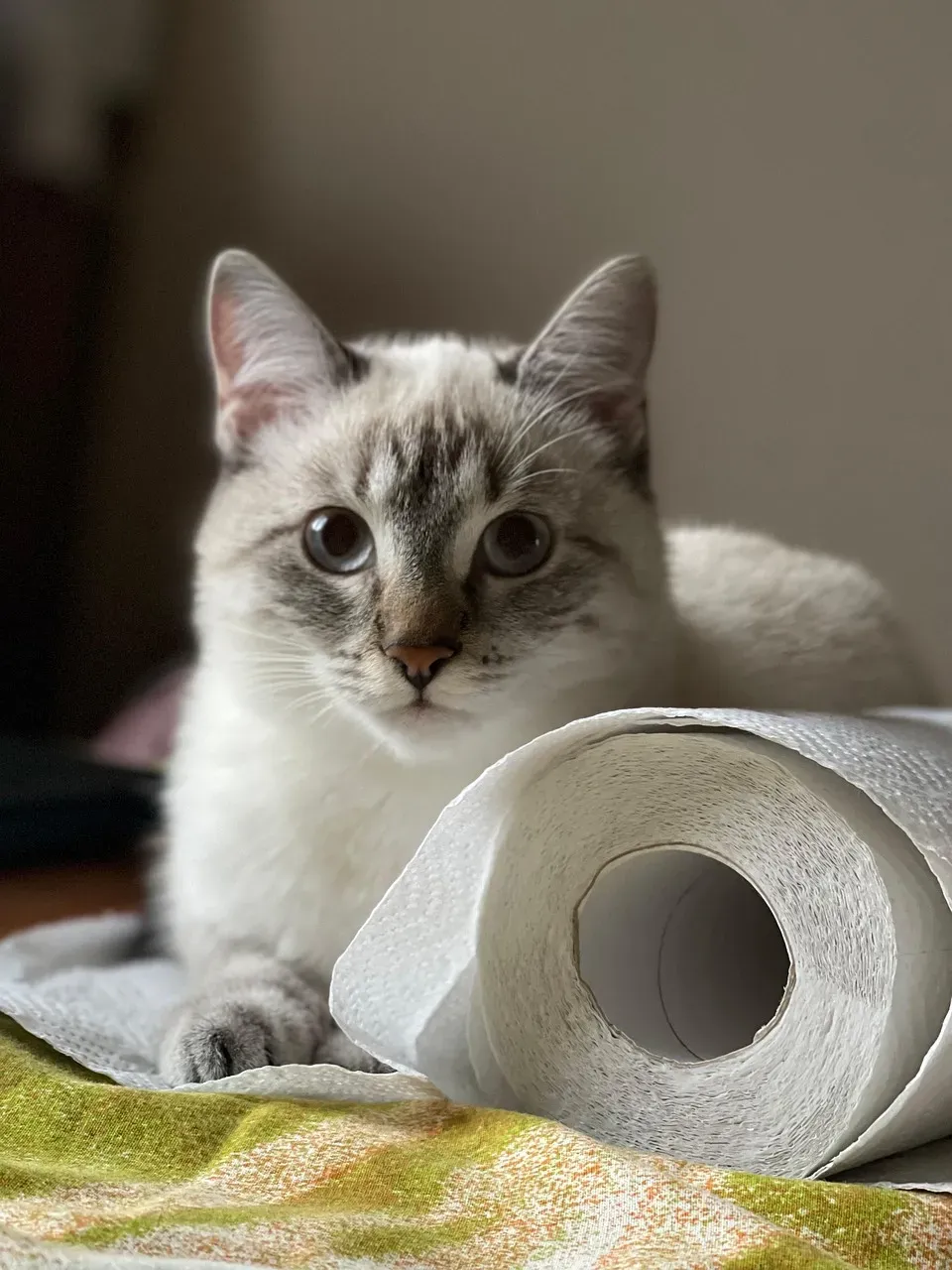
You’ve seen the videos. You know exactly what a cat does with a toilet paper roll left within reach. One of the most common household items cats are obsessed with is the infamous roll of toilet paper. It spins, it unravels, it makes a satisfying rustling noise – it is, to a cat, basically a party in cardboard form. The destruction is half the fun.
Toilet paper and paper towel tubes can even be converted into treat dispensers, by cutting out holes just big enough for a piece of cat treat or kibble to slip out, filling the rolling tube with treats, and sealing both sides with tape, resulting in a food puzzle toy that offers the pet mental as well as physical stimulation and satisfies its hunting needs. So yes, the roll has actual enrichment potential – if you get to it before your cat dismantles it first.
4. The Bathroom Sink
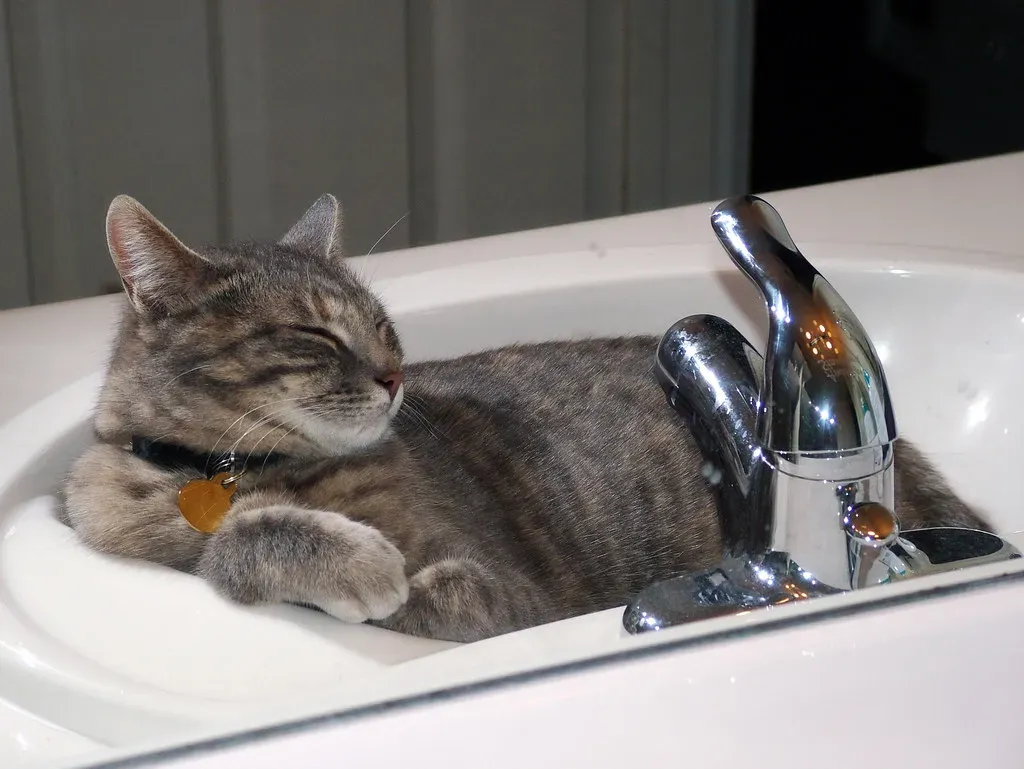
You turn on the tap to wash your hands and suddenly your cat materializes out of thin air, perched on the edge of the basin like a gargoyle. Many cats are fascinated with running or dripping water, and they might develop a habit of visiting the sink. Another attraction for your cat is the proximity to the faucet – cats just love to drink from running water. It’s not quirky. It’s evolutionary.
Historically, cats would have avoided stagnant water as it might be contaminated. Running water is considered safer as it is cleaner and fresher, so a cat’s survival instincts draw them to the running water source. Beyond the water itself, the cold ceramic or porcelain of the sink offers your cat some comfort as it allows them to cool down. If the weather is warm, the temperature might be too hot for your cat, since they are covered in a thick layer of fur – and the sink is perfect for cooling off as the material transfers heat away from their body.
5. The Laundry Basket
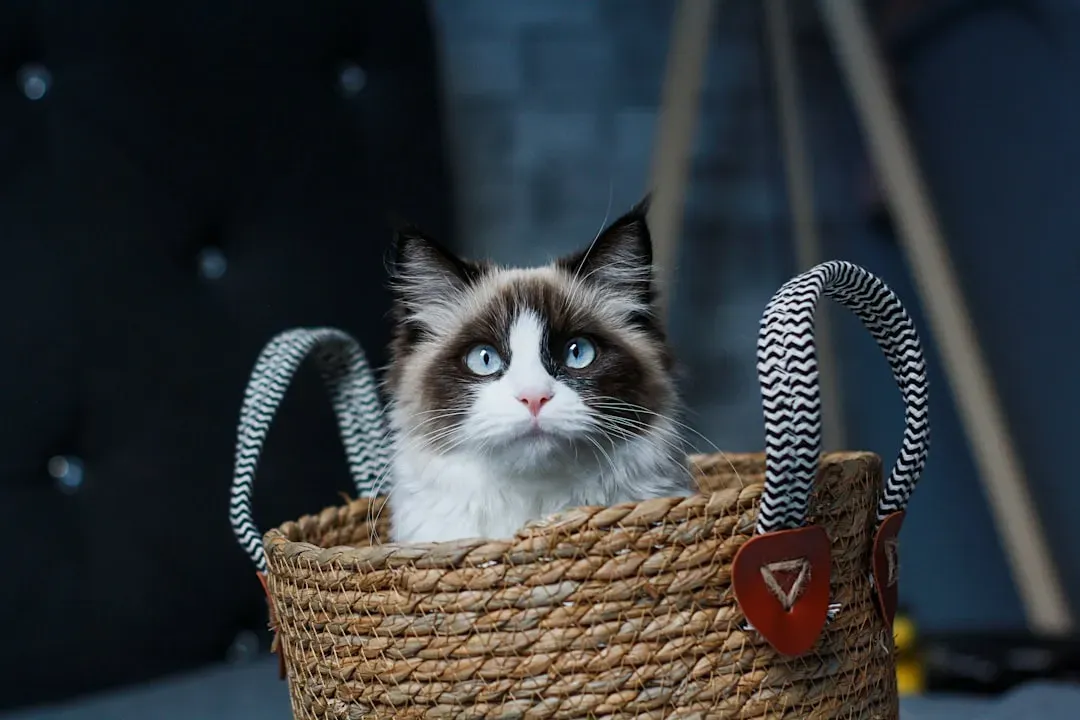
Picture this: you’ve just done the laundry. You’ve folded everything neatly. You turn around for thirty seconds and your cat is nested inside the basket like it has always lived there. Cats retreat to the laundry basket because the enclosed space and familiar smell probably makes them feel safe and protected. Your scent is embedded in every piece of clothing in there, which to a cat is the equivalent of being wrapped in a hug.
Your used sock or clothing item can be a big comforter for your home-alone pet cat – your smell can help comfort and reduce the cat’s stress when you aren’t around. I think this one is genuinely sweet, if you can overlook the fur situation. The laundry basket is not just a container to your cat. It is a sanctuary that smells like you, and that is something no store-bought toy can replicate.
6. Window Blinds and Their Cords
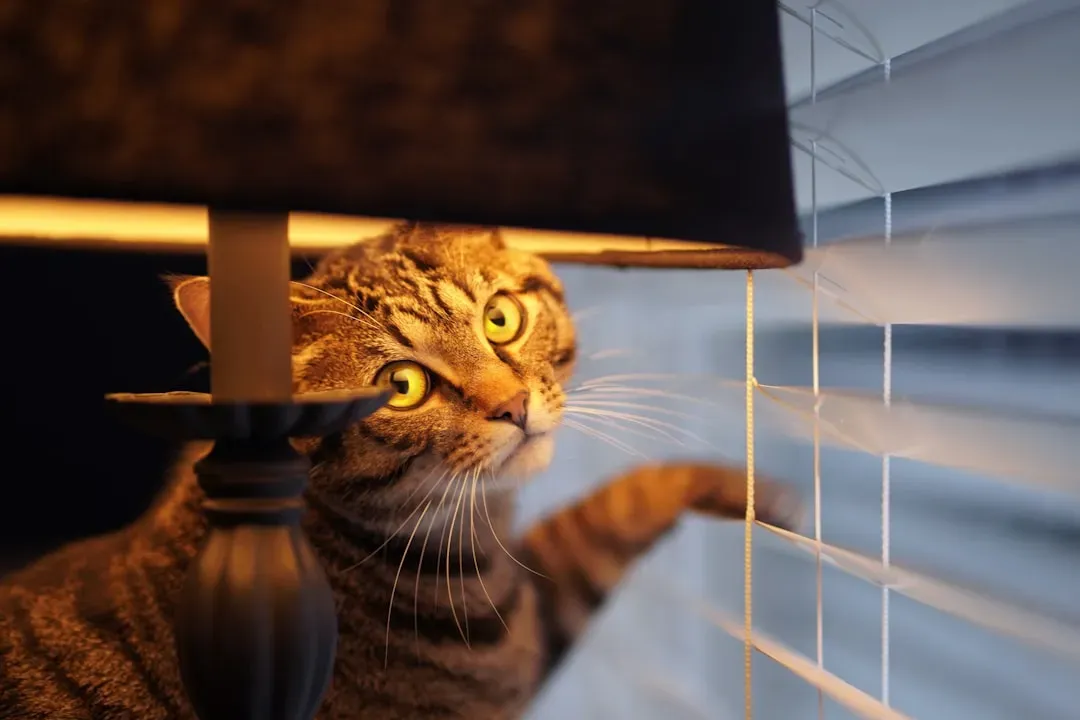
If your blinds have survived life with a cat intact, consider yourself statistically unusual. Roller blind cords are one of the biggest temptations for a cat, as this swinging piece of cord is essentially a massive bit of string for them to play with, and cords are commonly mistaken for cat toys. Add to that the fact that the blinds themselves offer a peek at the outside world – birds, movement, wind – and you have an irresistible combination of visual stimulation and dangly prey.
The blinds are also a gateway to the window, which is itself an entertainment screen your cat never stops watching. It is worth noting, though, that safety must come first, as dangling cords are a strangulation hazard, and heavy curtain and blind fixtures can cause injury if they fall. Cordless blinds are genuinely worth the investment here – for your sanity and your cat’s safety.
7. The Bathroom Mirror
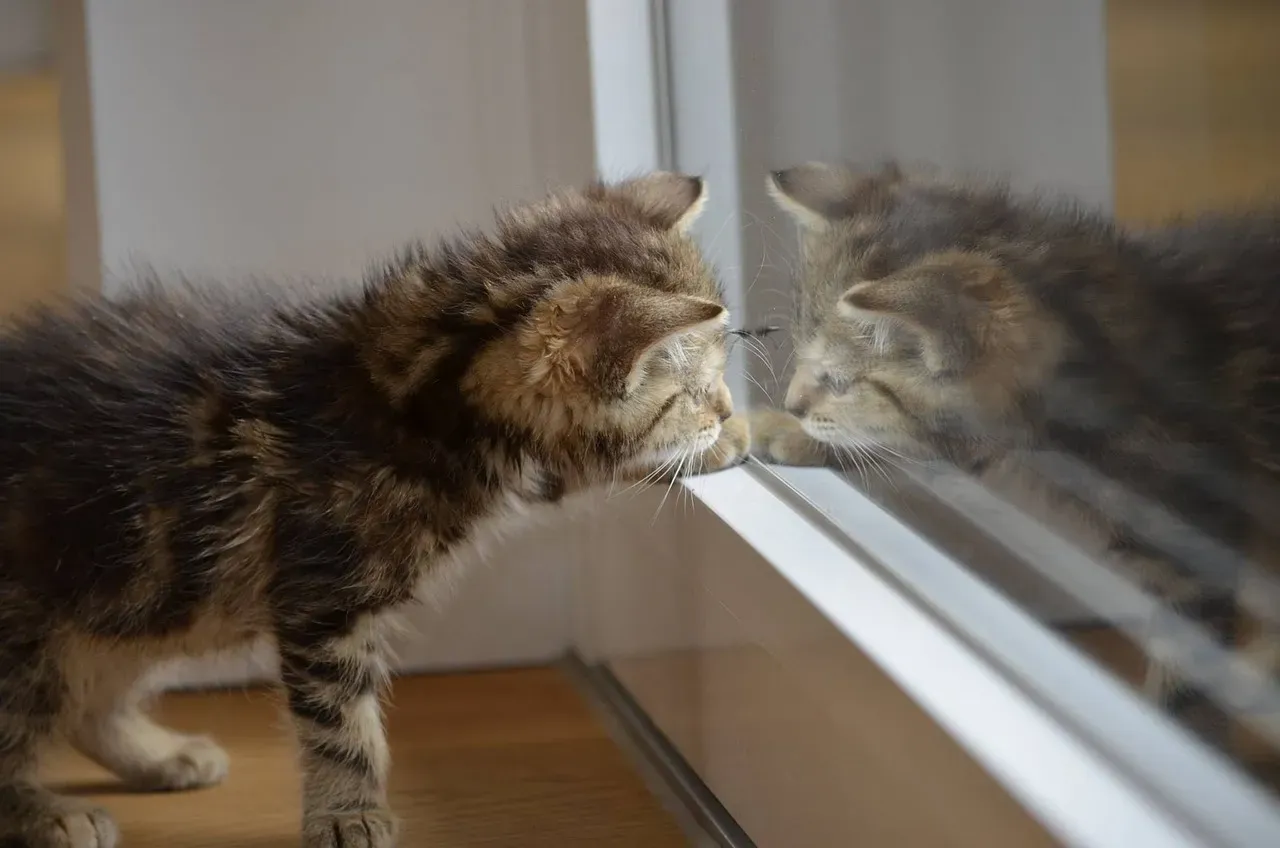
Your cat catches its reflection. It freezes. Then it does one of two things – either approaches with cautious curiosity, or launches a full defensive campaign against this mysterious intruder. Cats are unable to recognize themselves in the mirror, which is why they display many of the strange behaviors we see when interacting with one. They don’t see that they are separate from others around them, so they can’t conceptualize how they can appear in a mirror. Instead, most cats respond as if the reflection is another cat and react playfully or aggressively, depending on their temperament.
Cats rely heavily on their sense of smell to identify themselves and others. They may not understand why the cat in the mirror does not have a scent or respond to their calls or gestures, and therefore mirrors can be incredibly confusing to some cats. It is almost philosophical when you think about it – your cat is confronting questions of identity and existence every time it walks past your full-length mirror. Meanwhile, you’re just trying to check your outfit.
8. The Mattress
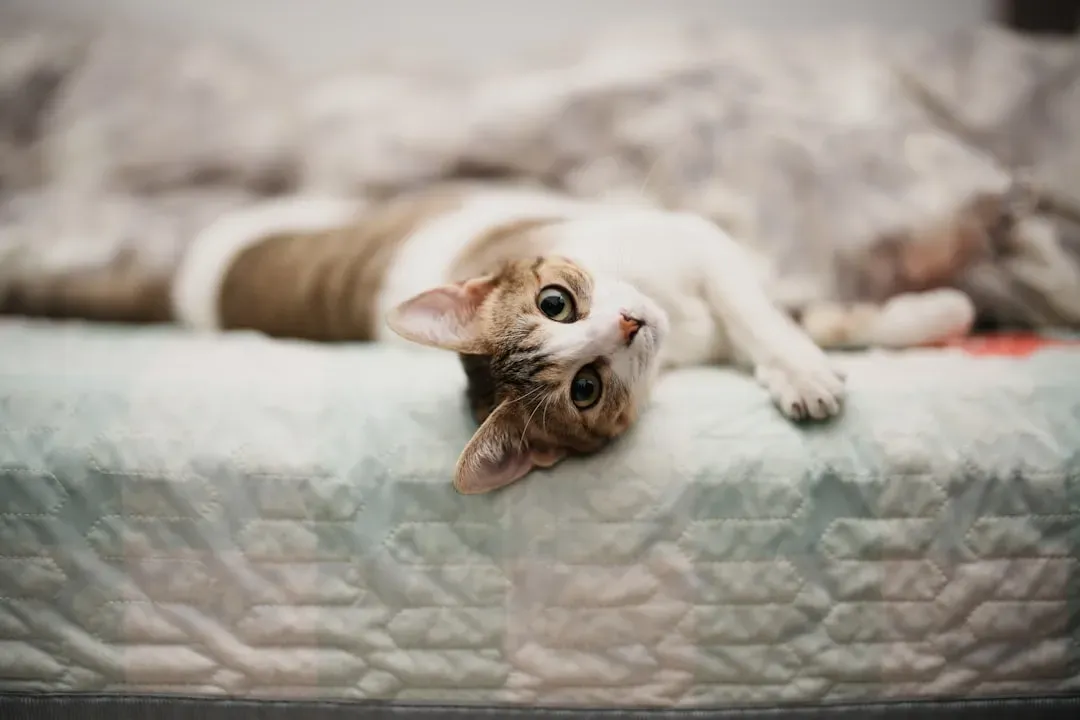
You want your mattress to last a decade. Your cat sees it as a climbing wall, a scratching post, and the world’s softest ambush platform – all in one. Cats go bananas for mattresses. They’re basically giant cat trees – easy to climb and scratch and perfect for nesting. The height, the give of the surface under their paws, the softness for kneading – it checks every box for a creature built to interact with varied terrain.
Like boxes, bed sheets provide a flowy enclosure that’s soft, warm, and filled with your scent. Your cat disappearing under the duvet is not random mischief. It is a deliberate act of seeking warmth, comfort, and the specific smell of the person they have decided they own. The mattress is home base, and your cat knows it.
9. Plastic Bottle Caps
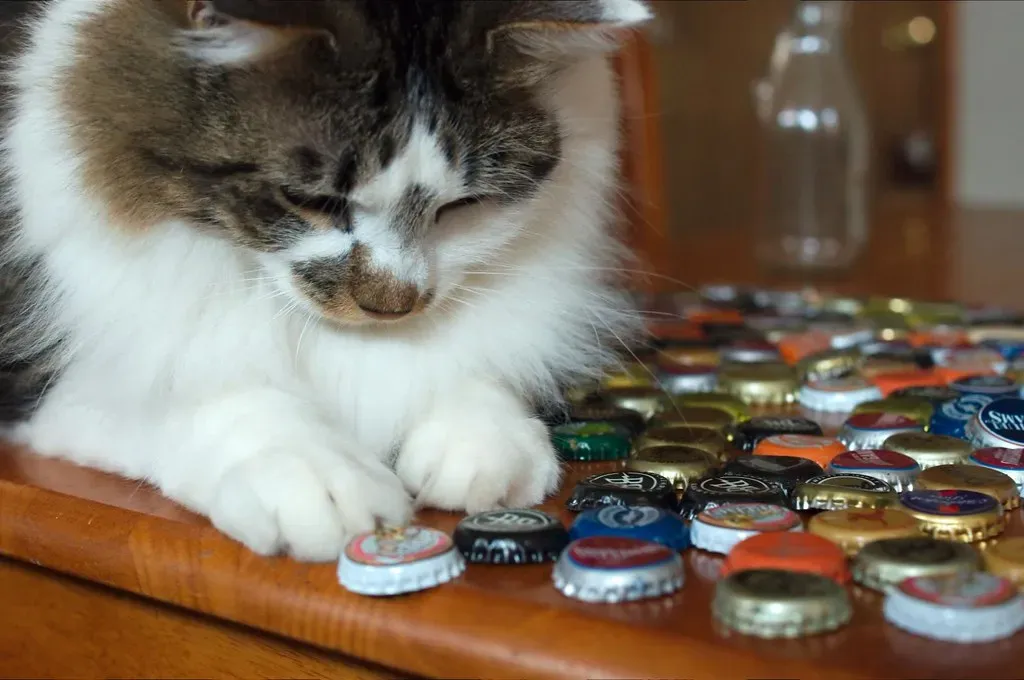
Here is one of the most surprisingly effective cat entertainers in your home, and you probably throw these away without a second thought. Plastic bottle caps may be an incredibly fun item for your cat to play with – they can bounce around, spin, and slide across the floor as if they were a hockey puck on ice, and they are safe for your cat since they are too large to eat. The unpredictable trajectory every time they flick one is catnip for a hunter’s brain.
A light object that can be flicked is of great interest to a mouser – it will toss it around and then chase it, unleashing its predator trait. You should avoid metal caps, however, as their sharp edges can hurt the pet. I’ve watched cats bat a single bottle cap around for a solid twenty minutes with more enthusiasm than they’ve ever shown for a $15 toy mouse. The simplicity is the point. It moves, it spins, it bounces. That’s all a predator really needs.
10. The Rug or Area Carpet
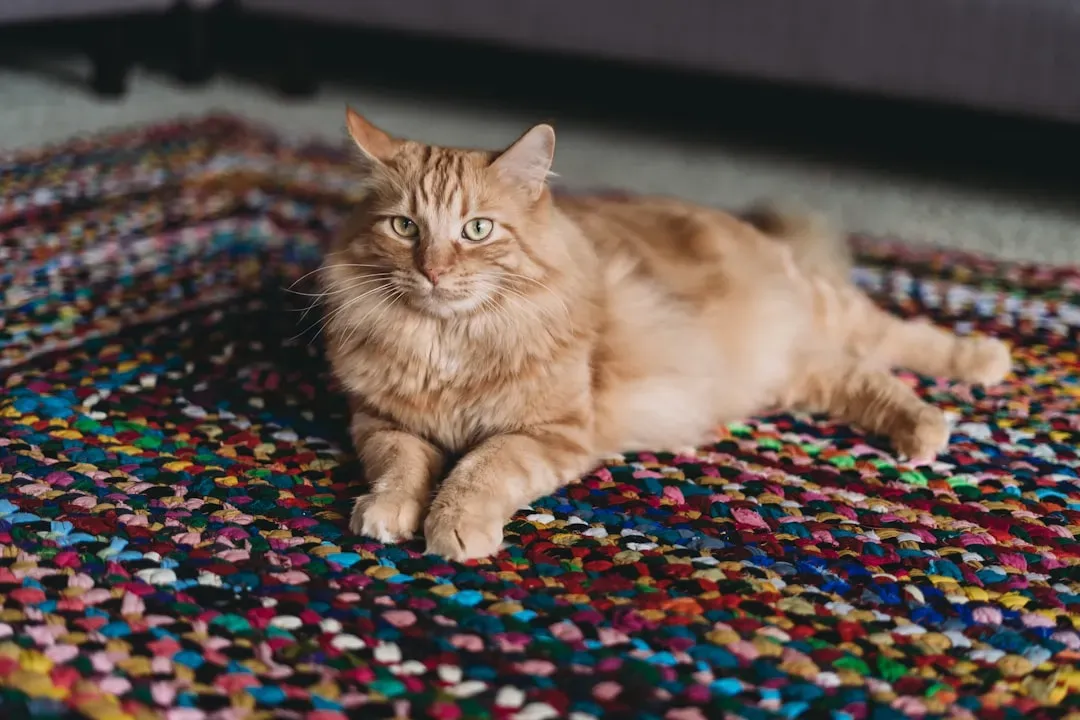
Your beautiful area rug was chosen for its aesthetic. Your cat chose it for completely different reasons. Rugs are sturdy and fibrous, yet light enough to lay under and bunny kick. Rugs also mimic grass, which taps into outdoor instincts in ways that smooth floors simply cannot. That pounce-and-kick behavior you see on the carpet? That is a simulated hunt. Your rug is a stand-in savanna.
Cats drive their owners nuts with area rugs, scooting them everywhere. Beyond the shredding and the scooting, rugs offer cats a surface they can grip, wrestle, and roll on – the kind of varied terrain that makes indoor life feel at least a little wild. It’s hard to stay mad about the sliding rug when you understand it doubles as your cat’s personal wrestling ring.
11. The Stuffed Animal
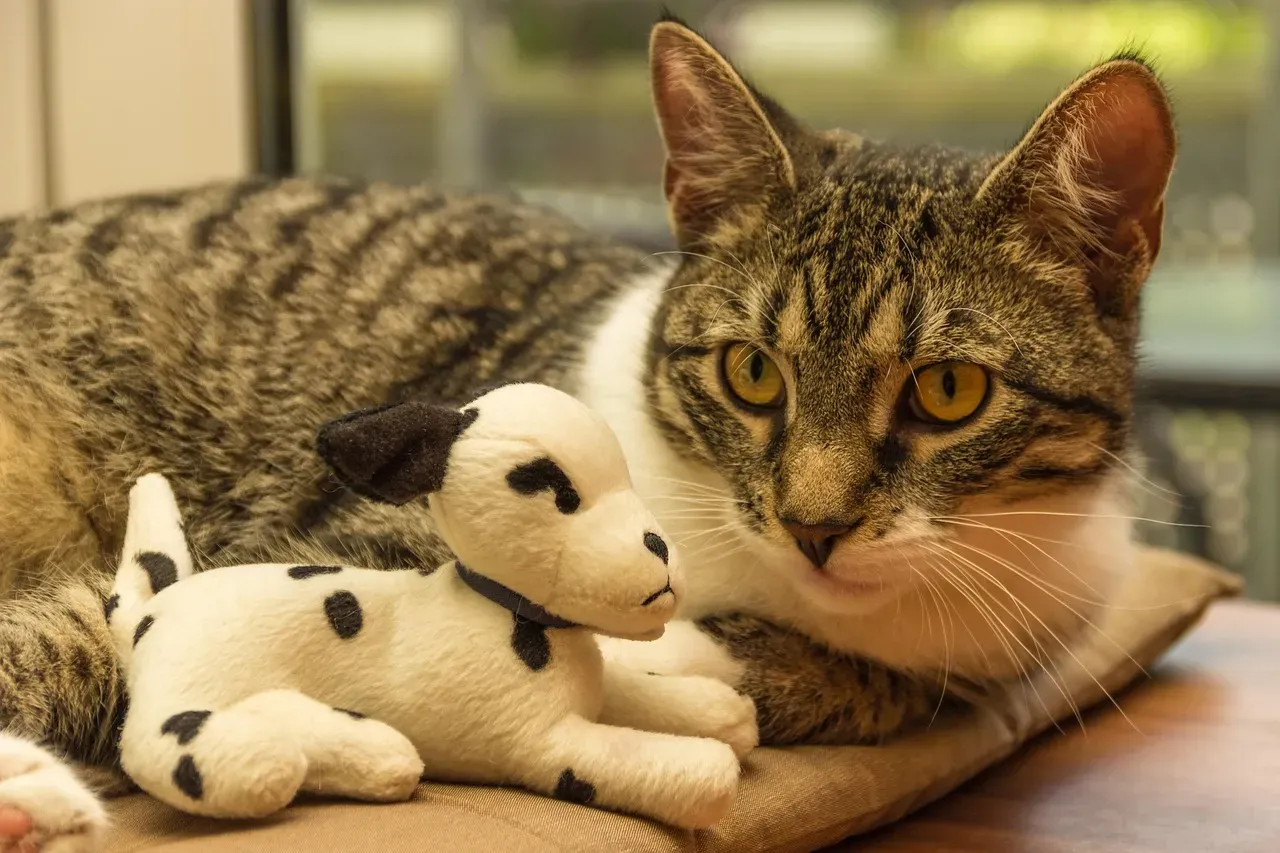
Some cats, kittens especially, will grow an attachment to a stuffed animal and carry it around the house. This is one of the more touching things cats do – choosing an inanimate object as a companion, a prey stand-in, or even a security object. Sometimes cats will become attached to a certain stuffed animal, which can be a cat toy or an old stuffed animal that belonged to another family member, as long as there are no loose or small parts the cat could chew up or swallow.
Your cat’s stuffed animal may become their favorite toy, or it may just be what they cuddle up to when they go to sleep. It is often best to try to get them a stuffed animal when they are kittens so they can grow up with it, but even older cats can enjoy a new one too. Honestly, there is something deeply endearing about a cat that has claimed one specific stuffed bunny as its entire personality. Don’t mess with the bunny.
12. String, Yarn, and Twine
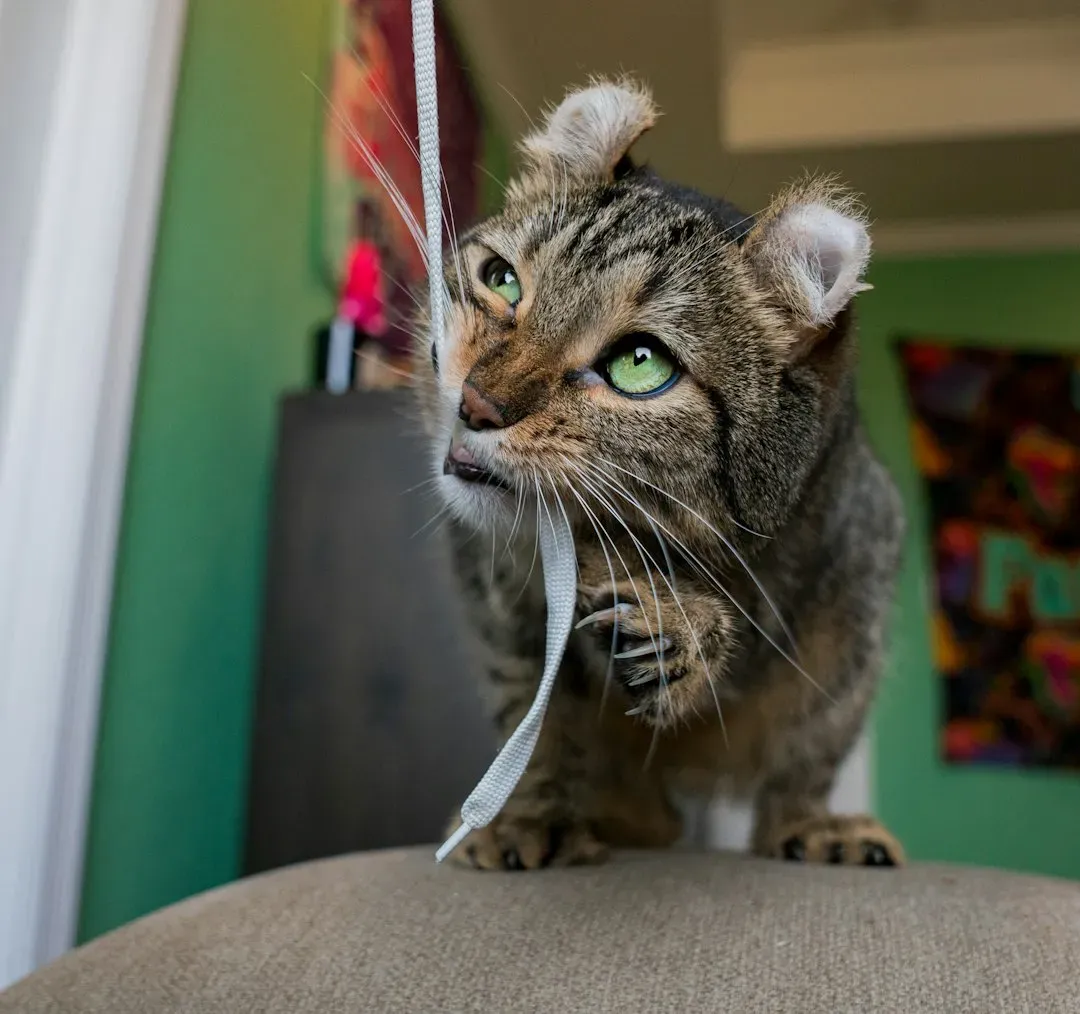
Many households have twine, a length of wool, or string lying around, and while you may not think twice about it, this remarkably simple household item can be a source of entertainment for a playful cat – you need only pull a string slowly near your cat to get its attention. The reason it works so well comes down to instinct – a moving string looks, from a cat’s perspective, almost exactly like a small fleeing animal.
That said, this is one where you really do need to supervise. String and yarn can become choking hazards and cause gastrointestinal blockage if ingested, so you should stick to thicker, stronger fabrics instead, and always supervise your cat around string. Think of string as a toy that’s incredible when you’re holding it and genuinely risky when you’re not. Keep it interactive, and keep an eye on things. The fun is in the chase, not the chewing.
13. The Houseplant
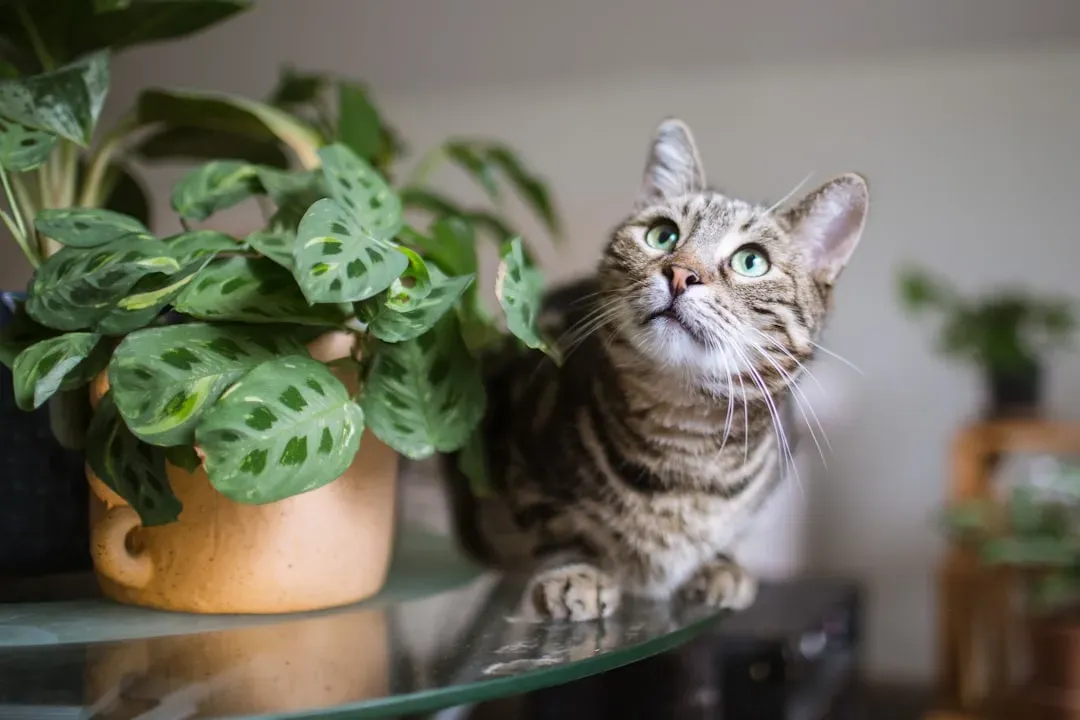
You brought it home for the aesthetic. Your cat viewed it as a personal challenge and a snack menu. Plants naturally enrich a cat’s life by offering a taste of the wild outdoors – distribute some cat-friendly plants throughout your space and your cat will immediately fall in love. The movement of leaves in a breeze, the soil texture underfoot, the novel scents – it’s a whole sensory experience packed into a terracotta pot.
The flip side is that not all plants are safe, and this one matters a great deal. Toxic houseplants will affect your cat differently depending on the plant – some cause mild stomach upset, whereas some can be fatal. Always research the plant before bringing it home. Cat grass and catnip are your safest and most appreciated options. They give your cat something to chew and interact with without the worry. Your cat gets a jungle. You get peace of mind.
14. The Closed Door
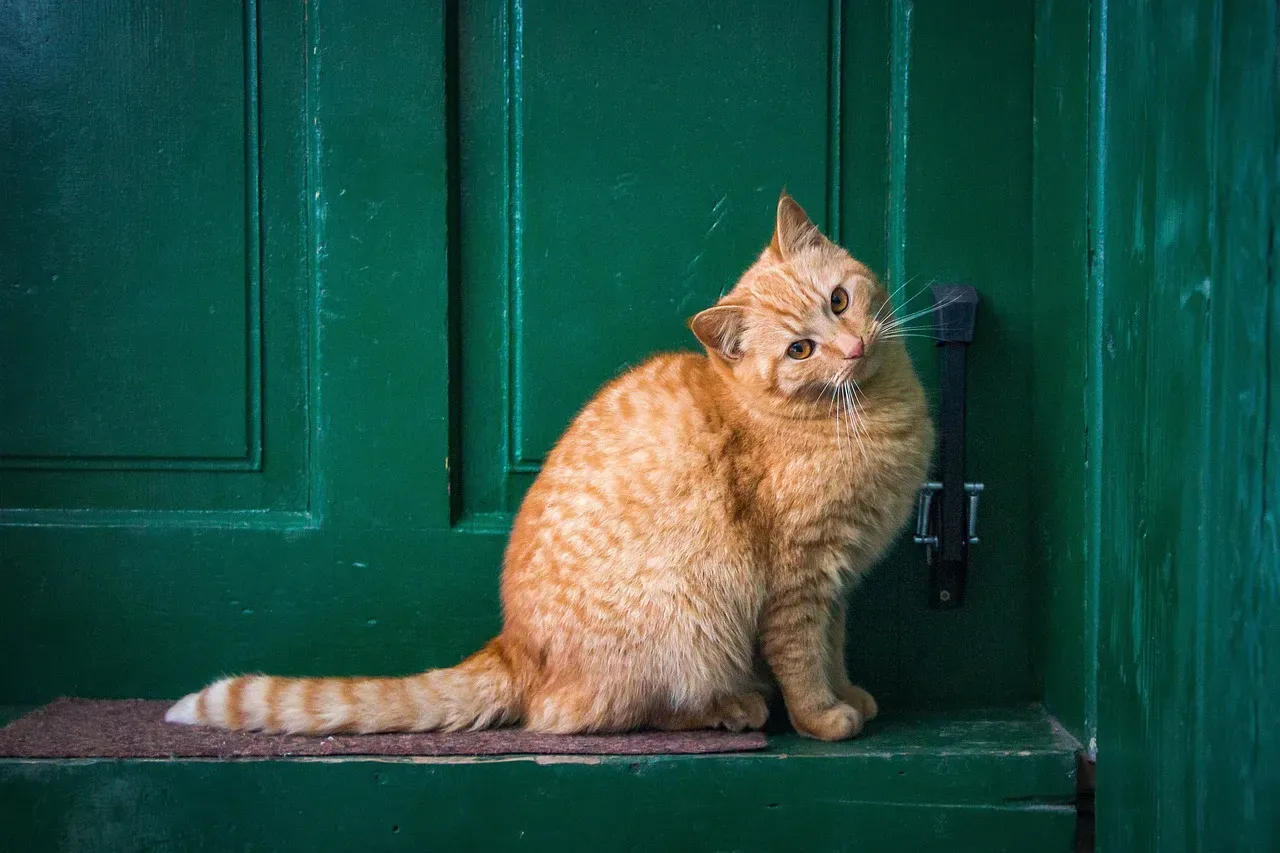
It’s hard to say for sure exactly why, but something about a closed door is absolutely unbearable to most cats. If you want to pique a cat’s interest, just shut a door. Nothing triggers feline curiosity more than the idea that something is happening behind a barrier – cats are control freaks in the best way, and they like to monitor their territory and be involved in all aspects of household activity. The door itself isn’t the toy. The mystery behind it is.
The closed closet or room hits multiple feline needs simultaneously: security, warmth, scent, and curiosity. This explains why your cat, who had zero interest in the guest room for months, will plant itself outside the door and yowl the moment you close it for any reason. It is not spite. It is territorial logic. In your cat’s mind, anything it cannot access is territory it has failed to secure, and that is simply unacceptable.
15. Ice Cubes

This one catches a lot of people off guard. Drop an ice cube on your kitchen floor in summer and watch what happens. Ice cubes are ideal for the summer months – throw some on the floor and your kitty will have a gala time sliding on them. The unpredictable sliding motion mimics prey moving across an uneven surface, and the cold, wet sensation on the paws adds a sensory novelty that keeps cats genuinely engaged.
You can let your cat’s curiosity really unfold by freezing catnip, fish oil, or chicken broth in ice cubes. The result is something like a scratch-and-sniff toy that moves, melts, and smells incredible to a cat – layers of enrichment from one tray of water. It is cheap, it is safe, and it melts away after playtime. Honestly, it might be the most underrated cat toy in existence. Did you ever expect something from the freezer to be your cat’s new favorite thing?
The Bottom Line on Your Cat’s Wild Inner Life
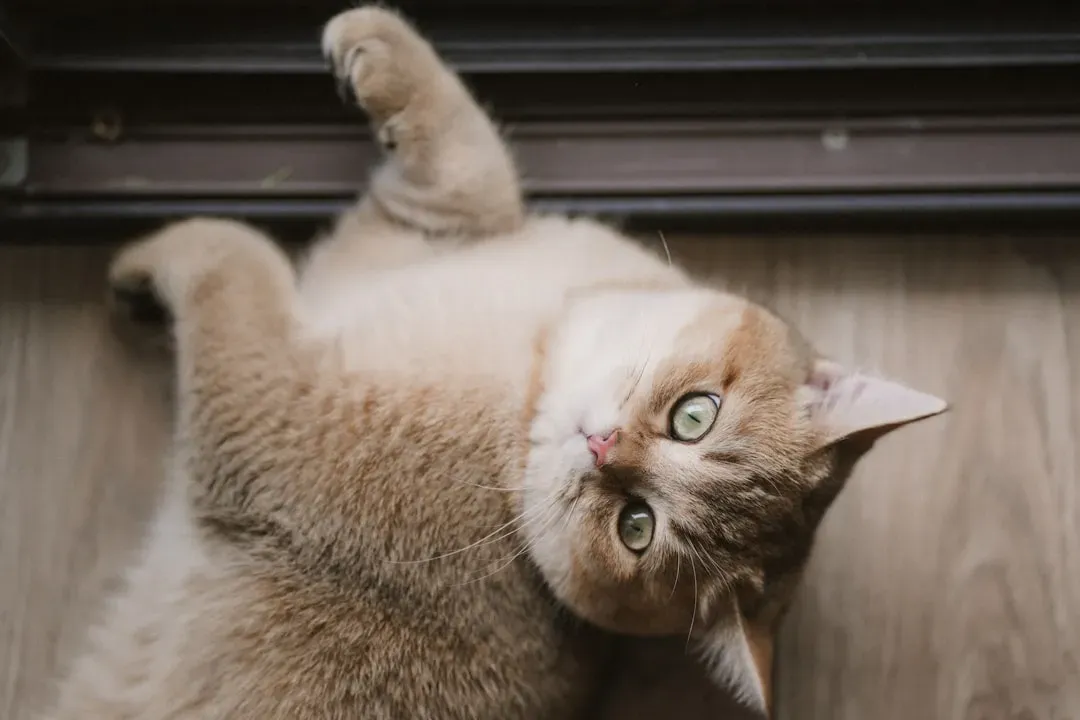
Your home is not the calm, organized space you think it is – not from your cat’s point of view, anyway. Cats need regular exercise to stay fit and healthy, and it is generally recommended that they get roughly twenty to thirty minutes of exercise each day, especially indoor cats that cannot run around outside. The good news is you are already surrounded by the tools to make that happen without spending a single extra cent.
Since some cats prefer to stay indoors, indoor playtime for cats can be extremely beneficial to their health – playtime allows your cat to act instinctually, which can relieve stress, and without an outlet to release stress, cats can begin to develop emotional or physical problems. Every cardboard box, every bottle cap, every dragged piece of string is doing real work for your cat’s wellbeing. You don’t need a bigger toy budget. You just need to see your home through your cat’s eyes.
The adventure has been right there all along. What’s your cat’s most unexpected obsession at home? Drop it in the comments – chances are, you’re not alone.
Kristina is a young writer from India. An arts graduate and an avid content creator, Kristina is passionate about animals and wildlife. She enjoys exploring topics related to pet care, animal behavior, conservation, and nature, combining thorough research with engaging storytelling.