You probably don’t spend much time thinking about what your cat leaves behind in the litter box. Who would, right? Scooping is a chore, not a diagnostic exercise. But here’s the thing – what your cat does in that box, how often, what it looks like, how long it takes, and even where they choose to go tells you something surprisingly important about what’s going on inside their body and mind.
Cats are famously private creatures, and they definitely aren’t going to walk up to you and say “Hey, something’s wrong.” So their bathroom habits often become the earliest, clearest signal that something needs your attention. Whether you’re a new cat owner or a seasoned one, understanding what’s normal and what isn’t could literally save your cat’s life. Let’s dive in.
The Litter Box Is a Health Dashboard You’ve Been Ignoring
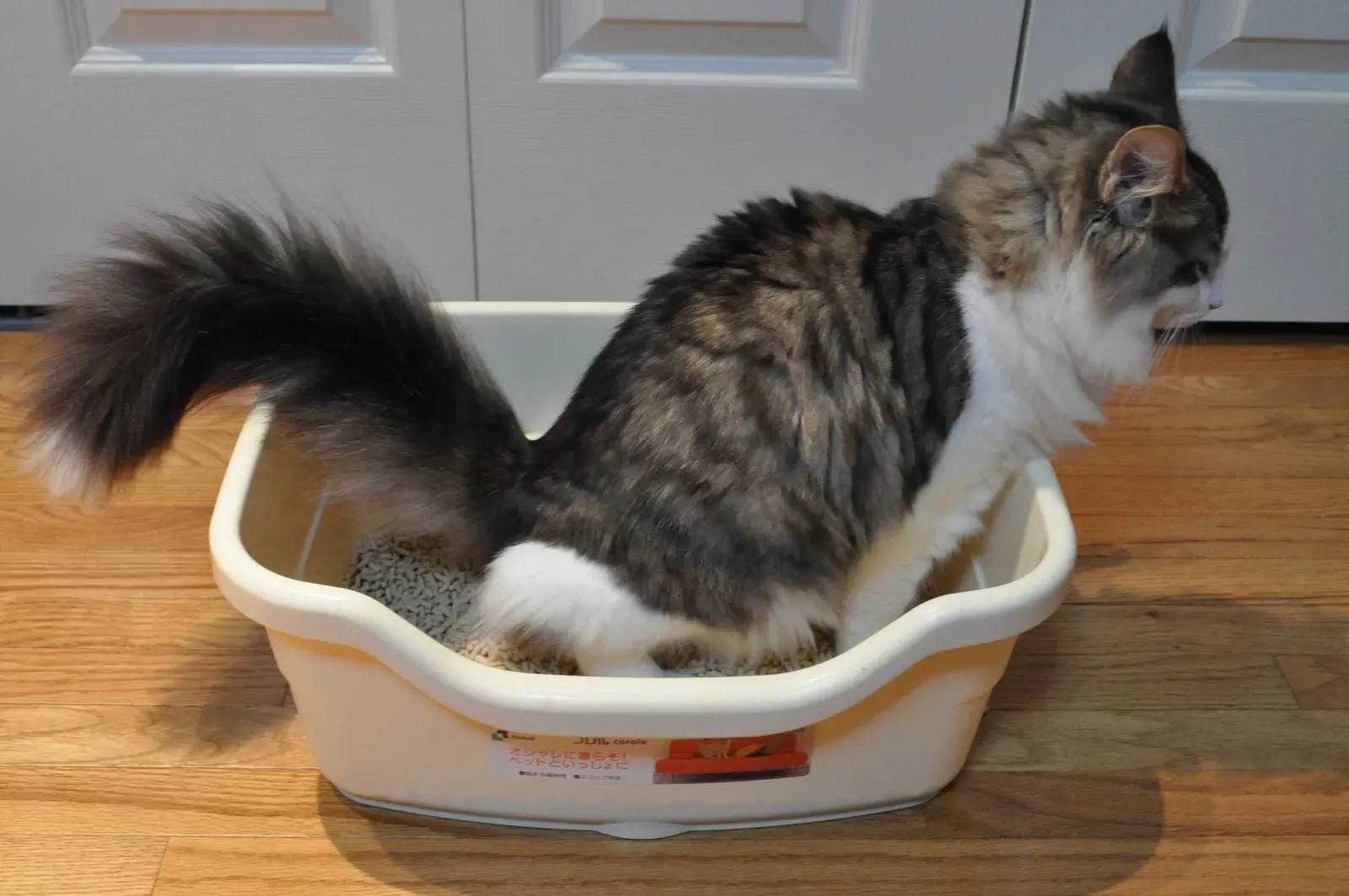
Your cat will never tell you they’re in pain. As experts at masking illness, cats often suffer in silence to avoid appearing weak, which makes spotting early signs of kidney disease or conditions like FLUTD incredibly difficult for even the most attentive owners. It’s an instinct that goes all the way back to their wild ancestors, where showing vulnerability could mean becoming someone else’s meal.
The truth is, the litter box holds the answers. Long before a cat stops eating or becomes lethargic, their bathroom habits change. Think of the litter box not as a chore station but as a daily health report your cat is filing – whether you read it or not is completely up to you.
What “Normal” Actually Looks Like for Your Cat
Honestly, this is where most cat owners get tripped up. There’s a tendency to assume all cats operate the same way, but that’s not quite right. On average, most cats will urinate two to four times a day and have a bowel movement at least once daily. However, this can vary depending on age, diet, activity level, and individual health.
If your cat has reliably urinated twice a day for years and suddenly starts going five or six times a day, this change is significant, even if the new frequency is within a “normal” range for other cats. That right there is the key insight. Your cat’s normal baseline matters far more than some generalized chart. Learn their rhythm, and deviations will become obvious fast.
Urination Frequency: When More or Less Should Raise a Flag
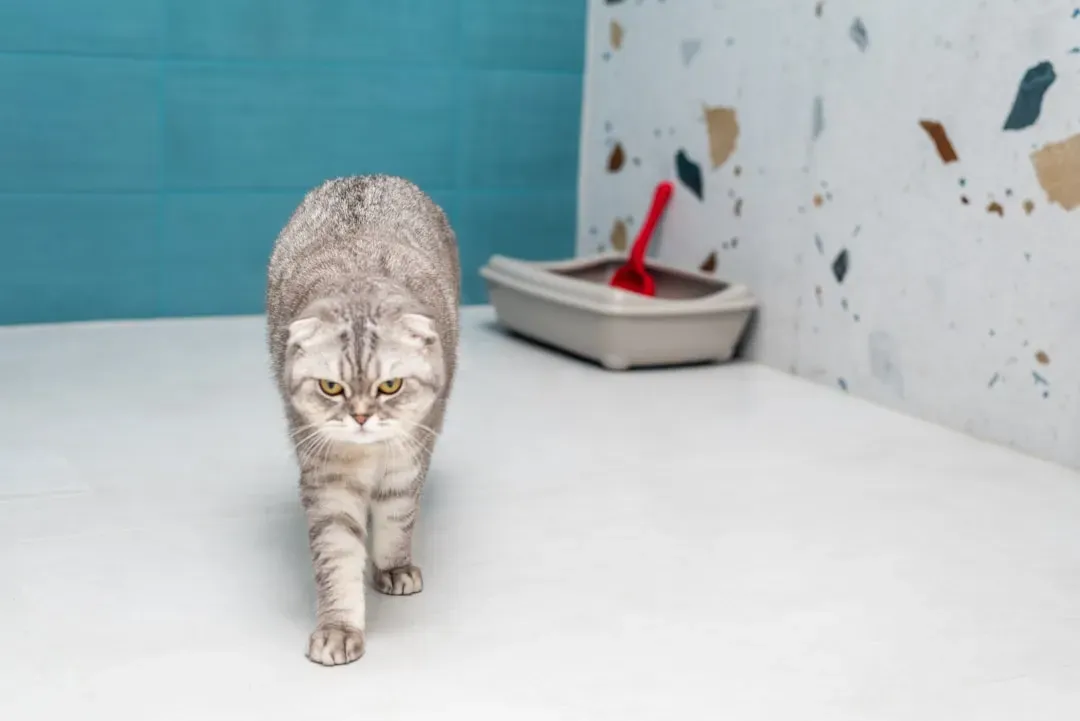
There’s a big difference between your cat going to the box frequently with large amounts of urine versus going frequently with next to nothing coming out. Understanding the difference between “peeing a lot” and “peeing often” is crucial for your vet. One might point to a metabolic disease, the other to something far more urgent.
Immediately seek emergency care if your cat is entering the box, straining to pee, and nothing is coming out – this signals a urethral blockage, which is painful, life-threatening, and can kill a cat within 24 hours. This is most common in male cats. I know that sounds alarming, but knowing it now could save you from a devastating situation later.
What the Color and Smell of Urine Can Reveal
You don’t need a laboratory to pick up on urine changes in your cat’s litter box. Normal cat urine should be a clear, pale yellow, and “golden” or “straw-colored” are terms often used to describe the yellowish hue of healthy urine. It shouldn’t be cloudy or difficult to see through. Changes from this standard are signals worth taking seriously.
A very strong, foul-smelling urine can suggest a UTI or kidney issues, while sweet or fruity-smelling urine may point to possible diabetes. And while cat urine naturally contains ammonia, an overpowering ammonia smell might mean the urine is too concentrated, indicating dehydration or kidney problems. Honestly, your nose is a surprisingly useful diagnostic tool when it comes to feline health.
Reading the Story in Your Cat’s Stool
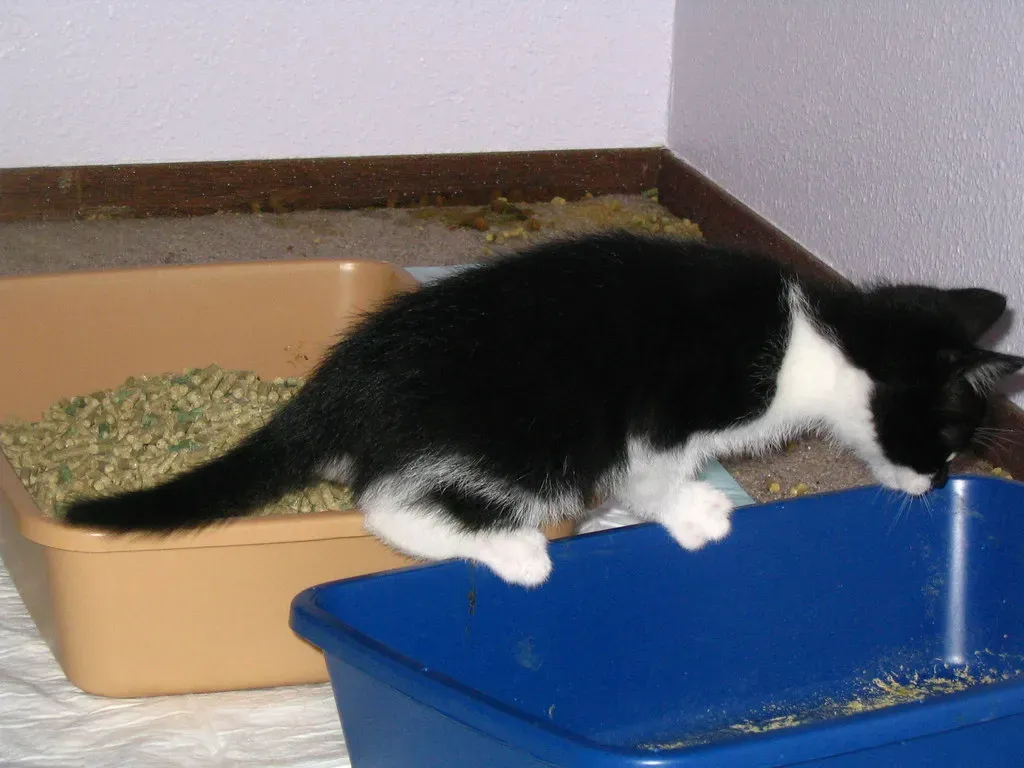
This is the part most people skip, and it’s a mistake. The ideal cat poop is dark brown and well formed, but not too hard. Stools that are too soft are a sign of diarrhea, while hard stools can indicate constipation. Think of it like Goldilocks – you want something right in the middle.
Black cat poop might mean that your cat is bleeding into the gastrointestinal tract. If you notice black, tarry poop in your cat’s litter box, contact your vet to rule out internal bleeding issues. Other color warnings exist too: yellow or light brown poop points to digestive issues that could indicate a liver or biliary problem, while green stool often manifests from gallbladder issues – both warrant a vet visit. The stool is basically a color-coded report card for your cat’s digestion, and it’s worth a few seconds of your attention every time you scoop.
Straining, Crying, and Time Spent in the Box
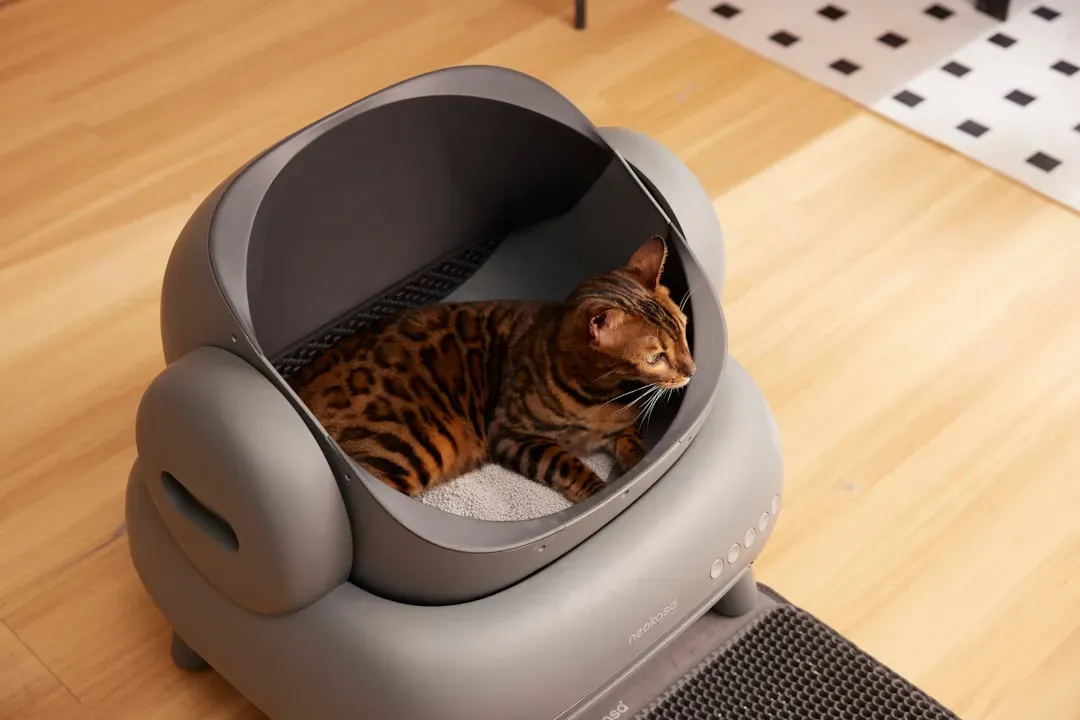
If your cat usually spends about a minute in the litter box but suddenly starts staying there for several minutes, it may signal discomfort or difficulty eliminating. These changes in litter box behavior are often early indicators of urinary problems, constipation, or pain. It’s like watching someone sit down at a restaurant for an hour and never getting their food – something is clearly off.
If you notice your cat straining, crying, or displaying signs of discomfort while using the litter box, it could be indicative of urinary tract issues, constipation, or blockages. Difficulty eliminating waste should be addressed promptly to prevent potential complications. Never assume it will resolve on its own when these signs appear. A quick vet call could make all the difference.
When Your Cat Stops Using the Litter Box Altogether

Few things are more frustrating as a cat owner than finding surprise “gifts” in the wrong places. But here’s a perspective shift worth considering: your cat isn’t acting out of spite. Litter box avoidance is almost always rooted in either a medical or behavioral cause, and understanding which is which is the first step toward solving the problem.
Health problems are one of the most common culprits behind litter box avoidance. Conditions like urinary tract infections, bladder stones, kidney disease, or arthritis can make using the litter box difficult or painful, and cats may also associate the litter box with discomfort, causing them to avoid it entirely. The instinct to punish your cat for these accidents is completely understandable, but it’s the wrong move – they’re communicating, not rebelling.
Stress, Anxiety, and How They Show Up in the Litter Box

Here’s something that surprises a lot of people: your cat’s emotional state has a direct, measurable impact on their bathroom behavior. Cats can be stressed by events that their owners may not think of as traumatic. Changes in things that even indirectly affect the cat, like moving, adding new animals or family members to your household, or even changing your daily routine, can make your cat feel anxious.
Environmental factors like noise, heavy foot traffic, or placing the litter box near food and water disrupt a cat’s sense of security, causing anxiety around elimination. Because cats instinctively seek a calm and protected space, disturbances or changes in routine can trigger behavioral stress linked to the litter box. It’s hard to say for sure what any one cat finds stressful, but paying attention to what changed in your home around the same time the behavior shifted is usually a great starting point.
Setting Up the Litter Box Environment for Success
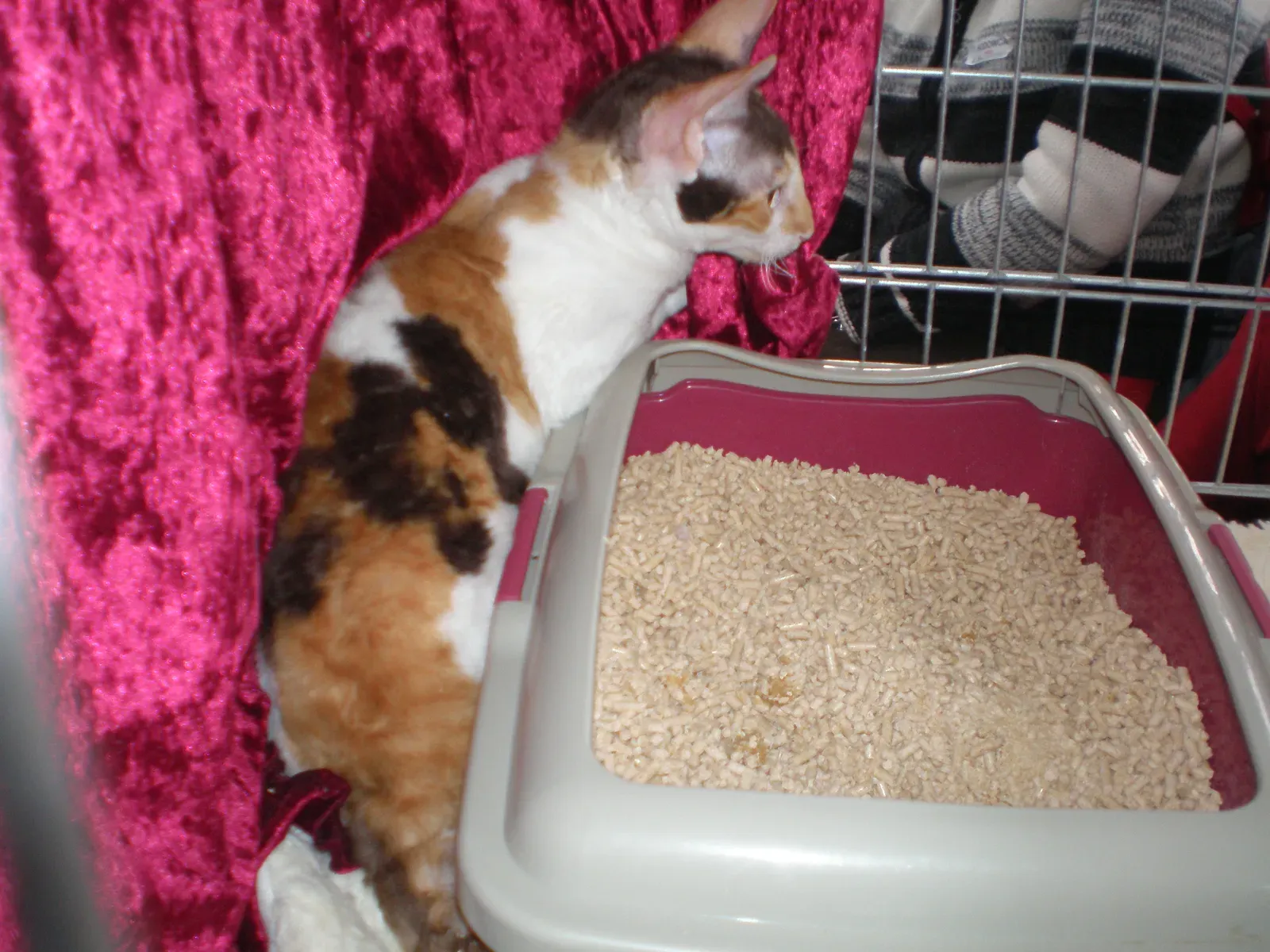
A lot of litter box problems are actually preventable with the right setup. The n+1 rule is a good starting point: one box per cat, plus one extra, to reduce conflict and crowding. In a multi-cat household, this isn’t optional – it’s essential for keeping the peace and keeping everyone healthy.
The location, cleanliness, and type of litter box can influence usage. Cats prefer quiet, private areas for elimination. Many cats prefer fine, sand-like litter that allows proper burial and absorbs moisture well. Clumping clay strongly influences daily choices, with many cats favoring dust-free formulas that protect their airways. Unscented choices are usually best because heavy fragrances can be overwhelming and may cause box avoidance problems. Think of it from your cat’s perspective. Would you want to use a bathroom that’s loud, smelly, in the middle of the kitchen, and shared with three other people? Exactly.
When to Call the Vet and What to Track

Knowing when something is urgent versus something you can monitor for a day or two is genuinely useful knowledge. Cats should urinate at least once a day. If your cat is frequently visiting the litter box with little to no output, it could indicate a urinary tract infection or blockage. On the other hand, excessive urination along with increased water consumption may point to conditions such as diabetes or kidney disease. Any noticeable changes in your cat’s urination patterns should be discussed with your veterinarian promptly.
Tracking changes in consistency, color, and frequency over time can help you spot early signs of dehydration, digestive issues, or dietary imbalances. Pay attention to changes in urine output as well, since this may indicate urinary tract infections, kidney problems, or other health concerns. When you do bring your cat to the vet, being able to describe what you’ve noticed over the past few days, rather than just saying “something seems off,” is genuinely valuable. It speeds up diagnosis and ultimately helps your cat get better faster.
Conclusion: The Litter Box Is the Most Honest Thing in Your Home
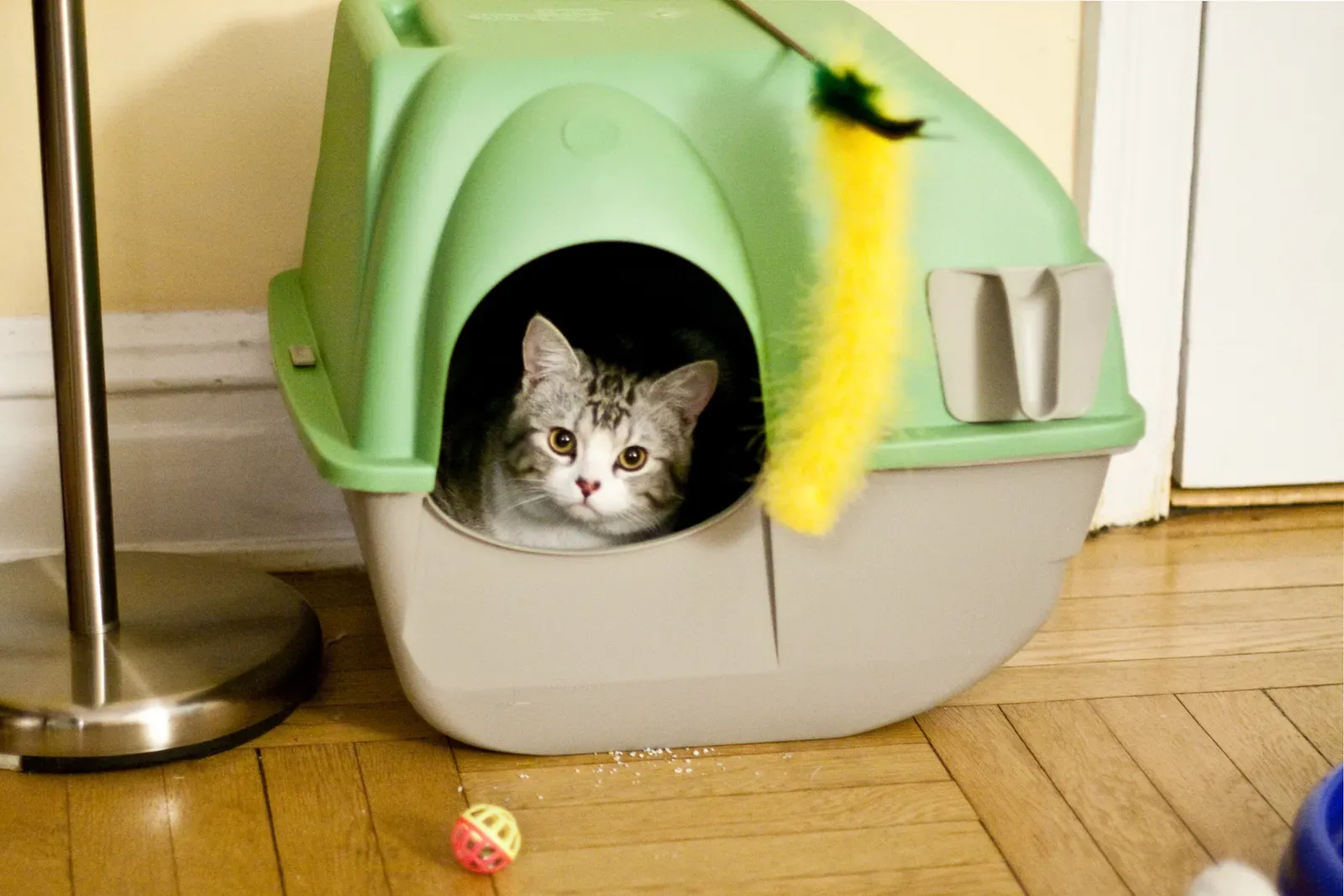
Your cat has no way to tell you where it hurts, how long something has been bothering them, or that they’ve been quietly struggling for days. The litter box is one of the most important windows into your cat’s world. When monitored properly, it can help detect illness early, prevent stress behaviors, and maintain a smooth, happy routine.
None of this requires becoming obsessive about it. You’re already scooping every day. All it takes is a few extra seconds of attention to what you’re actually looking at. Consistently monitoring your cat’s litter box is a simple yet powerful way to stay on top of their health. Many cat health problems first show up as changes in bathroom habits, and catching these early can make a big difference in treatment outcomes. So next time you pick up that scoop, take a moment. Your cat is telling you something – the question is whether you’re listening. What has your cat’s litter box already been trying to tell you that you may have missed?