You’ve had cats for years. Maybe even decades. You know their quirks, their favorite spots, the exact pitch of their “I’m hungry” meow versus their “just saying hi” meow. Yet here’s something that might genuinely surprise you – even the most devoted, experienced cat owners are quietly making mistakes that can chip away at their cat’s health, happiness, and trust over time.
It’s not about being a bad owner. Cats are complicated, and a lot of what we do comes from habits, assumptions, or advice that was simply never questioned. Some of these blunders feel completely harmless on the surface. Others have consequences that don’t show up until it’s too late. So whether you’ve had cats your whole life or you’re somewhere in the middle of that journey, prepare to see things a little differently. You might be more surprised than you expect. Let’s dive in.
1. Skipping Vet Visits Because Your Cat Seems Fine
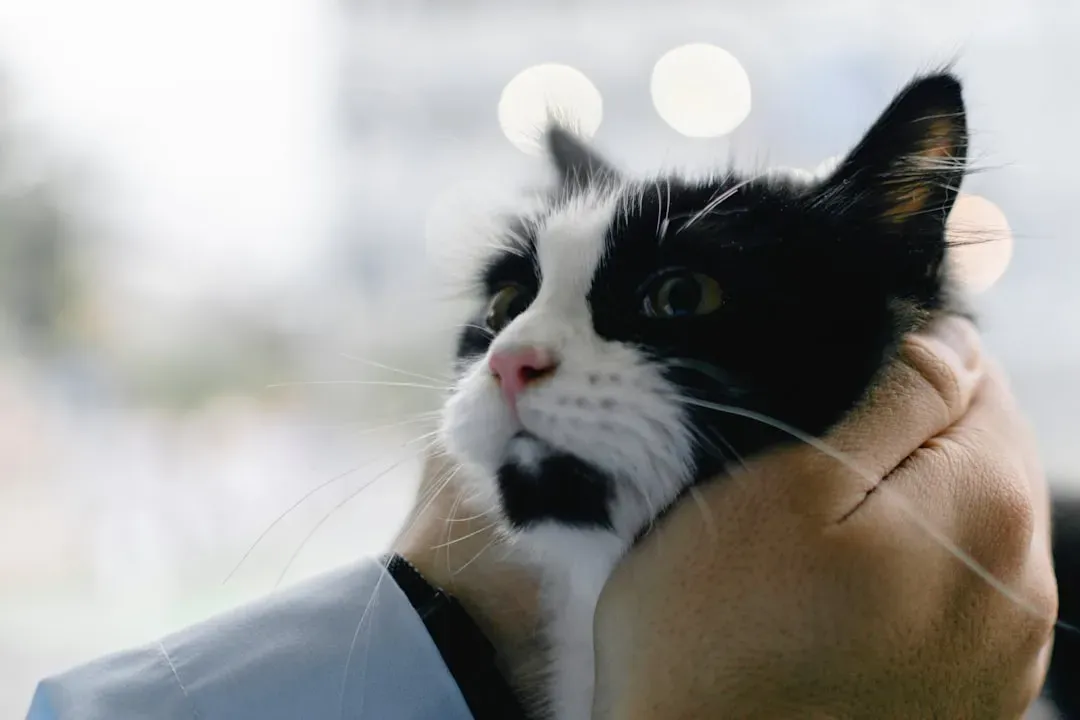
Here’s the thing – cats are arguably the masters of disguise when it comes to illness. Cats are masters at hiding illness, an evolutionary adaptation that makes regular veterinary care essential. This means your cat can be quietly suffering from something serious while carrying on like everything is absolutely normal.
A 2024 study in the Journal of Feline Medicine and Surgery found that nearly one in thirteen healthy-appearing cats have undiagnosed chronic kidney disease and roughly one in twenty have undiagnosed hyperthyroidism. Think about that for a moment. Your perfectly “healthy” cat may be carrying a disease you cannot see, touch, or even guess at. Healthy adult cats require at minimum annual veterinary examinations, while senior cats aged seven and older need checkups at least every six months. If you’ve been skipping those visits because your cat seems sprightly, you’re essentially gambling with a health crisis you can’t afford to lose.
2. Feeding an All-Dry Food Diet Without a Second Thought
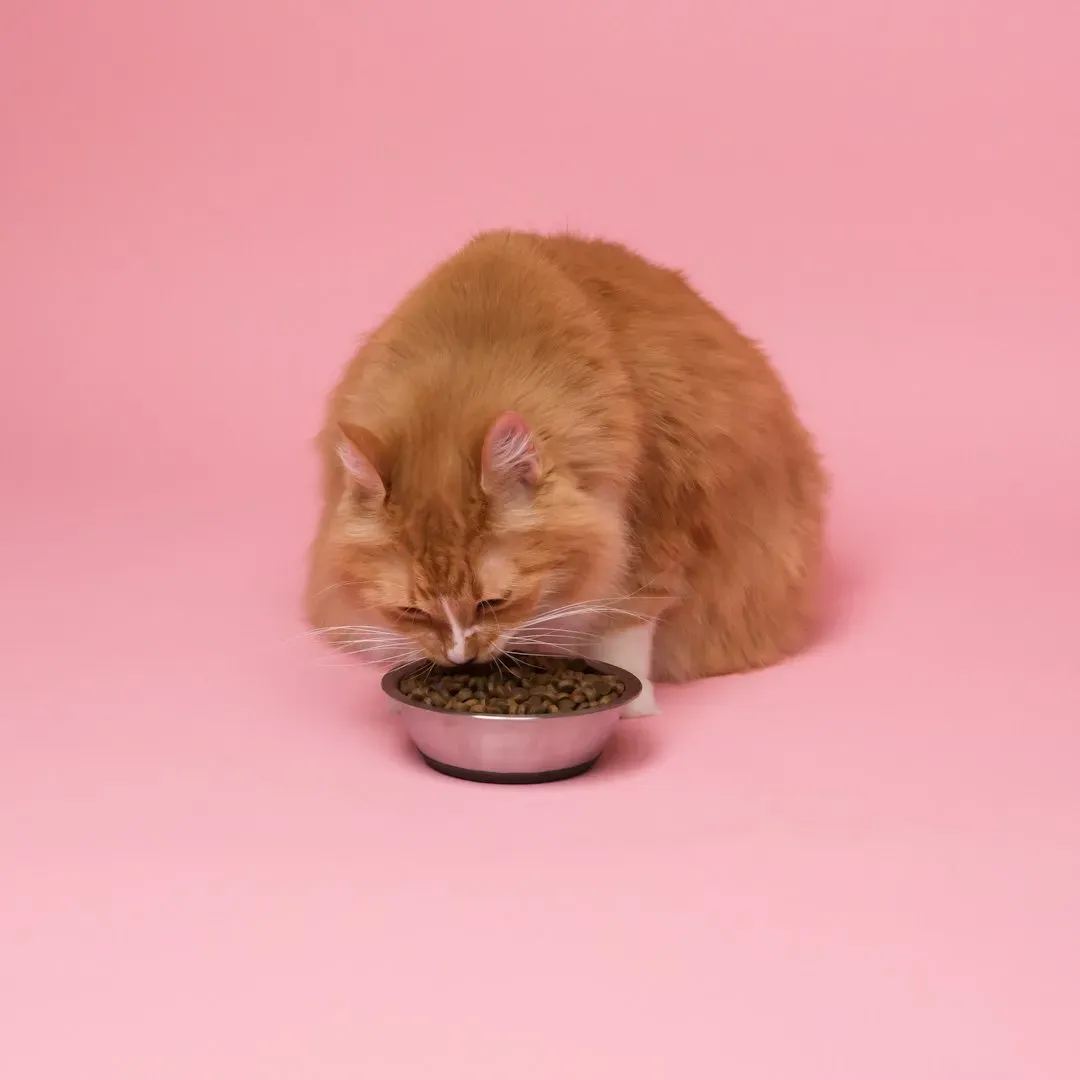
According to the Cornell Feline Health Center, cats have a weak thirst drive and can become significantly dehydrated before responding to their thirst stimulus – meaning cats eating only dry food exist in a state of chronic mild dehydration that their bodies do not signal them to correct. That’s a bit like running a car with consistently low coolant. Nothing blows up immediately, but something eventually will.
The urinary system is particularly vulnerable, with dehydrated cats at higher risk for urinary crystals, blockages, and chronic kidney disease over time. A diet that incorporates wet food alongside dry food can help prevent dehydration and kidney problems. Honestly, switching out even one dry meal a day for a quality wet food option is a simple change that carries enormous long-term benefits. Don’t wait for a urinary crisis to make it happen.
3. Neglecting Your Cat’s Dental Health Entirely
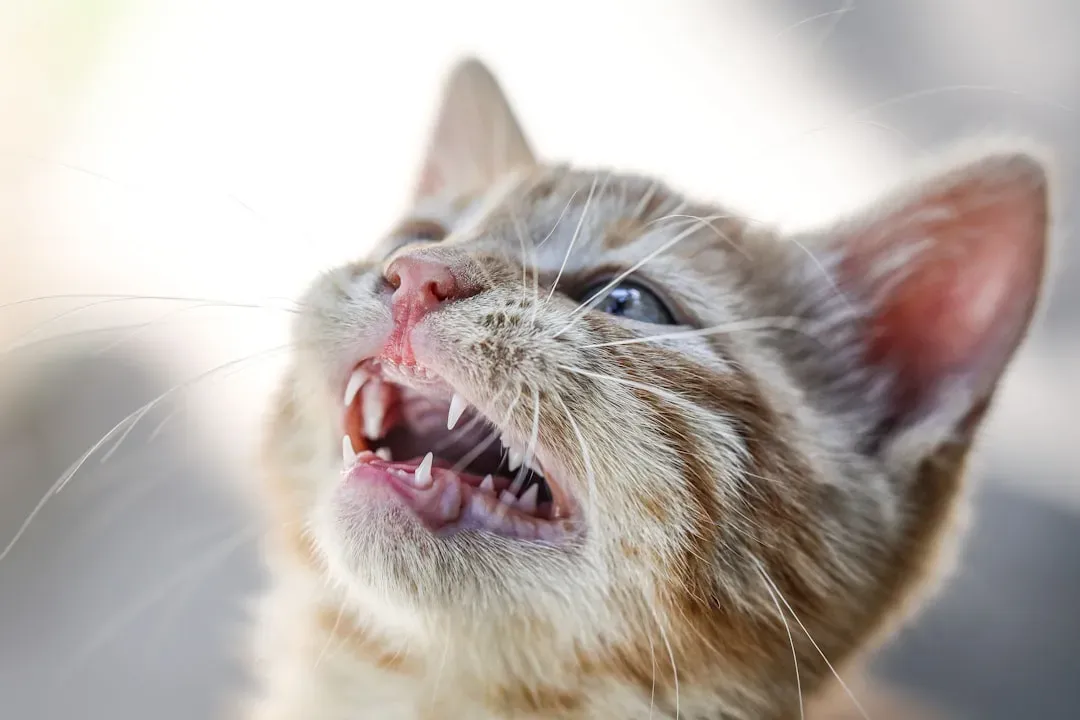
Raise your hand if you’ve never brushed your cat’s teeth. You’re not alone – and yet this is one of the most medically significant oversights in cat care. Periodontal disease affects between half and nearly all cats over age four, making it the most prevalent health condition in domestic cats yet one of the most neglected by owners. That’s a genuinely staggering number.
Periodontitis causes bacteremia – bacteria entering the bloodstream – that circulates to affect the heart, kidneys, and liver. So this isn’t just about bad breath or yellow teeth. It’s about organ damage happening quietly in the background. Cats need dental care throughout their lives, and you can help keep their teeth and gums healthy by brushing their teeth and scheduling regular dental cleanings with the vet, since good dental care helps prevent plaque buildup, which can lead to gum disease and tooth loss. Even starting late is infinitely better than never starting at all.
4. Ignoring the Litter Box Setup and Maintenance Rules
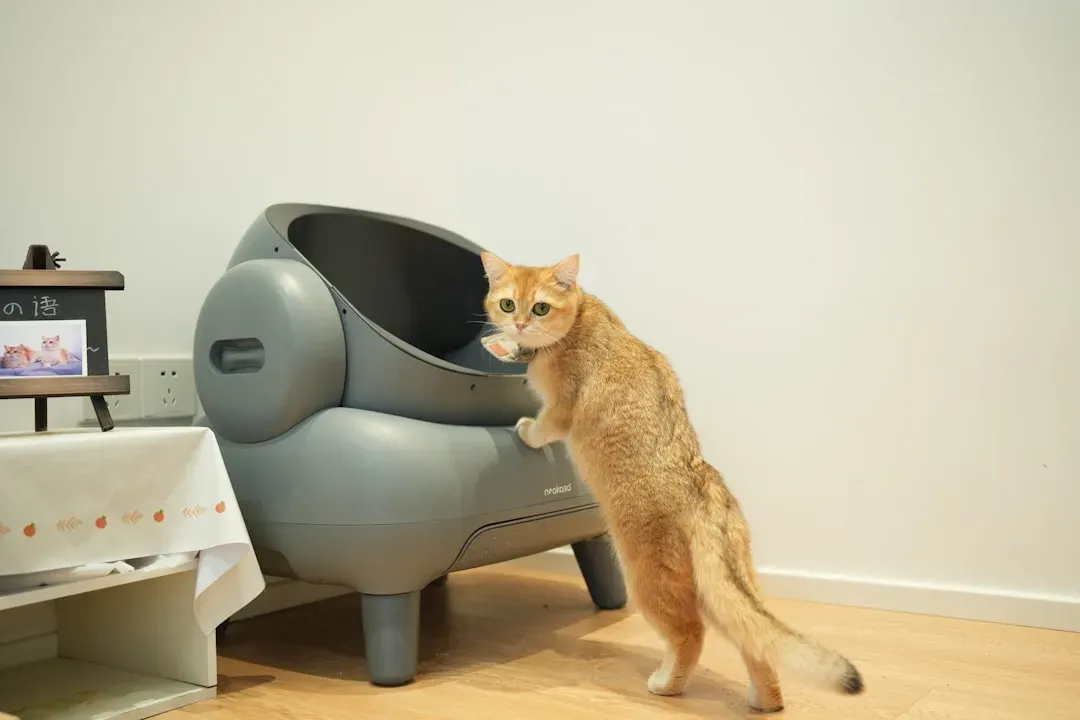
Dirty litter boxes are one of the most common reasons cats stop using them, and some owners also use heavily scented litter, which can turn cats off. If your cat has started going outside the box, don’t assume it’s behavioral rebellion. Cats are not doing this to annoy you. Think of it like a human refusing to use a port-a-potty that hasn’t been serviced in three days. Can you blame them?
Litter boxes follow the n+1 rule – if you have two cats, you need three boxes – placed where a predator would feel safe: open sightlines, low noise, no trapped corners. Litter box issues can also be a sign of underlying health problems, such as urinary tract infections or kidney disease. So if your cat is suddenly avoiding the box they’ve used for years, a vet call is always worth making before you assume it’s a behavior problem.
5. Overfeeding Out of Love (The Kindest Mistake)
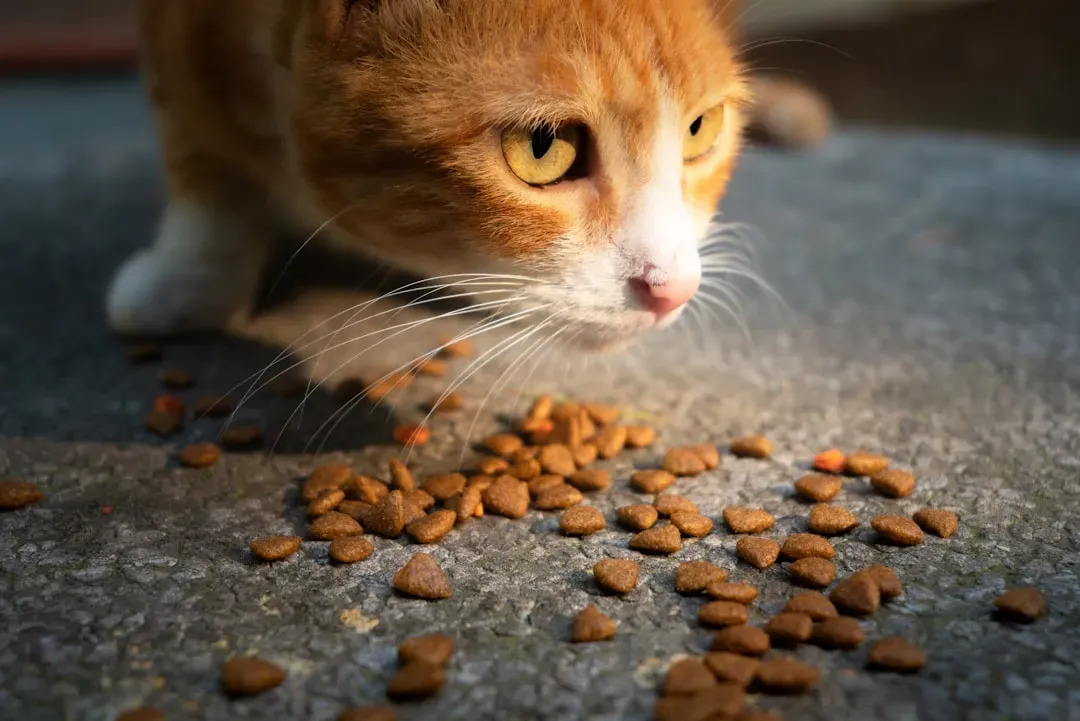
Honestly, this one comes from a genuinely good place. You love your cat. Your cat begs. You feed them. It feels like affection. Overfeeding happens when a cat’s bowl is freely refilled multiple times throughout the day or too many treats are offered, and it can lead to obesity and increase your cat’s risk of developing various health conditions, including heart disease, liver disease, arthritis, pancreatitis, and diabetes.
A whopping roughly three in five American cats are overweight or obese, according to the Association for Pet Obesity Prevention. That is nearly the majority of all pet cats. To avoid overfeeding, only a specific amount of food – which can be split between two measured meals – should be given per day, and the amount depends on your cat’s weight, life stage, and health status. Think of it this way: saying no to that extra treat is the most loving thing you can do for your cat’s joints and lifespan.
6. Underestimating Your Cat’s Need for Mental Stimulation
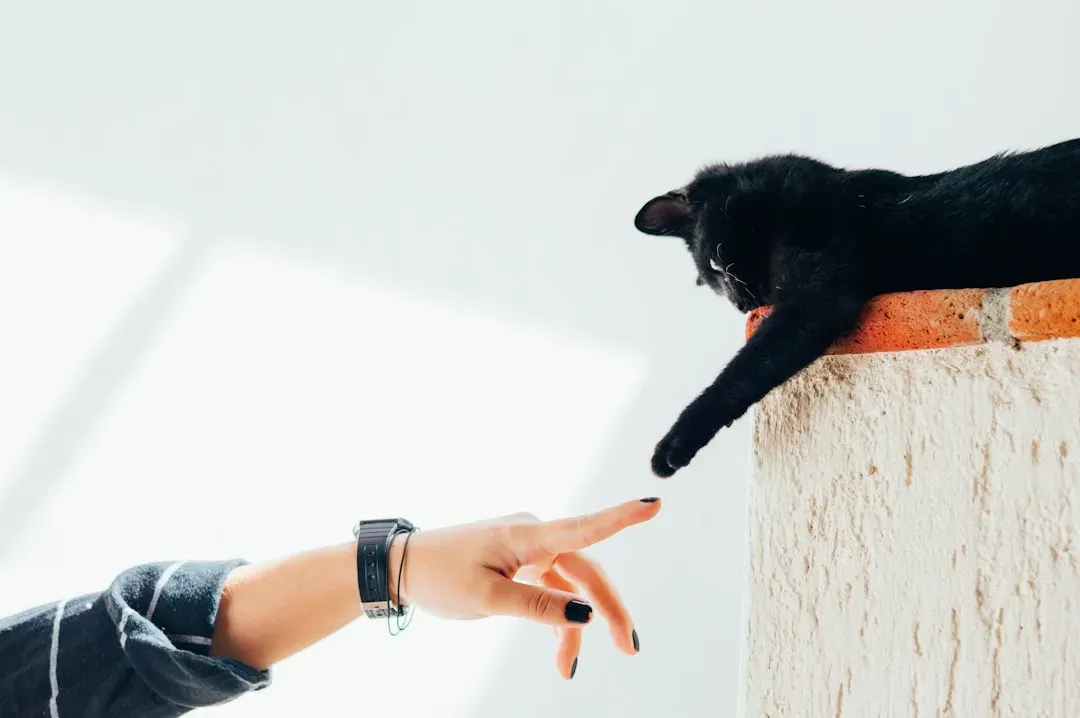
Common cat care mistakes often include overlooking the need for mental stimulation, because while it might seem like cats excel at doing as little as possible, the truth is that they can get very bored without adequate engagement, and a bored cat can quickly become an unhappy and restless cat. Think about what boredom does to humans. We eat too much, sleep too long, get irritable. Cats are no different.
Physical activity is essential for maintaining a healthy weight and preventing obesity, while mental stimulation helps prevent boredom and promotes emotional well-being. Creating a stimulating environment with toys, scratching posts, climbing trees, and interactive playtime is key, and rotating toys to keep them fresh and engaging while setting aside even ten to fifteen minutes of daily play can be highly beneficial. Your cat doesn’t need a theme park. They need consistent, thoughtful engagement from you.
7. Misreading Cat Body Language and Forcing Affection
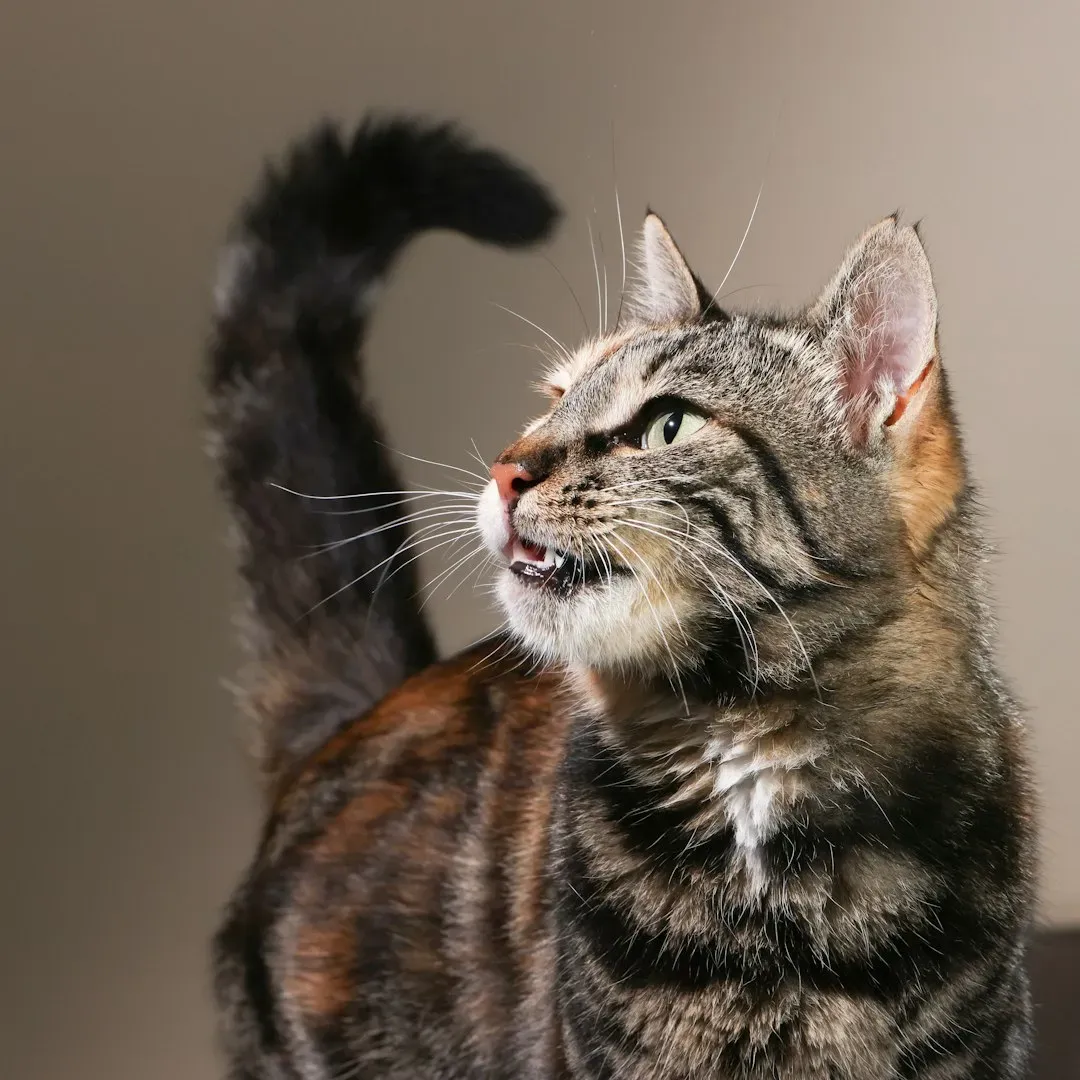
Let’s be real – most cat owners have picked up their cat and held them close at least once while the cat silently tolerated the whole ordeal. Many cat owners accidentally push their pets too far by not recognizing when a cat wants to be left alone, and this can result in scratches, bites, or anxiety. A stressed cat is also a cat that doesn’t fully trust you, and that erosion happens slowly, one reluctant cuddle at a time.
Learning basic cat body language cues – like tail flicking, flattened ears, or dilated pupils – and giving your cat space when needed is the key to avoiding this mistake. Cats are not small, low-maintenance dogs. Their communication style is subtle, layered, and deeply meaningful. Spending quality time with your cat daily through petting, playing, or simply being present in the same space, while understanding your cat’s social needs, can actually strengthen your bond far more than forced contact ever will. Respect the signals, and your relationship with your cat will genuinely transform.
8. Letting Your Cat Roam Freely Outdoors Without Concern
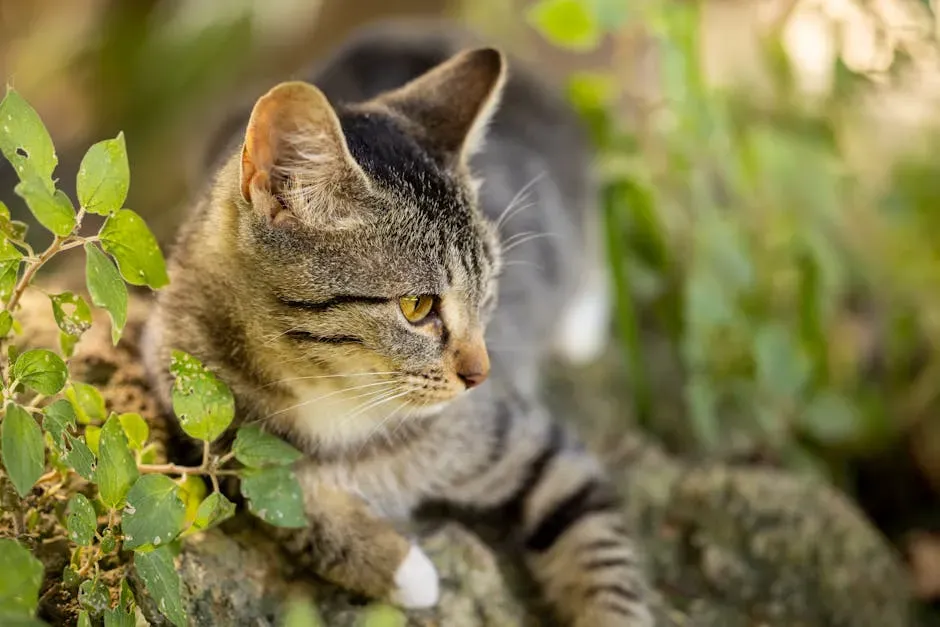
You might feel it’s more natural or humane to let your cat roam outside. It sounds kind. Fresh air, instincts fulfilled, freedom. But the reality is considerably darker. Letting a cat roam outdoors exposes them to a variety of risks, including potential encounters with traffic, attacks from other animals such as dogs or wild predators, and significantly higher exposure to parasites, infectious diseases, and poisons like antifreeze or rodenticides.
Because of dangers such as other animals and cars, outdoor cats often live less than five years, compared to indoor cats, who live closer to eighteen or twenty years. That is a truly shocking gap when you see it in writing. Indoor cats live longer than outdoor cats, but they are also at greater risk for behavioral problems when their needs go unmet. The solution isn’t to just lock them inside and forget them – it’s to bring the outdoors in through enrichment, window perches, and supervised outdoor time in a secure enclosure. Your cat gets the best of both worlds.
9. Ignoring Subtle Behavioral Changes as “Just Cat Things”
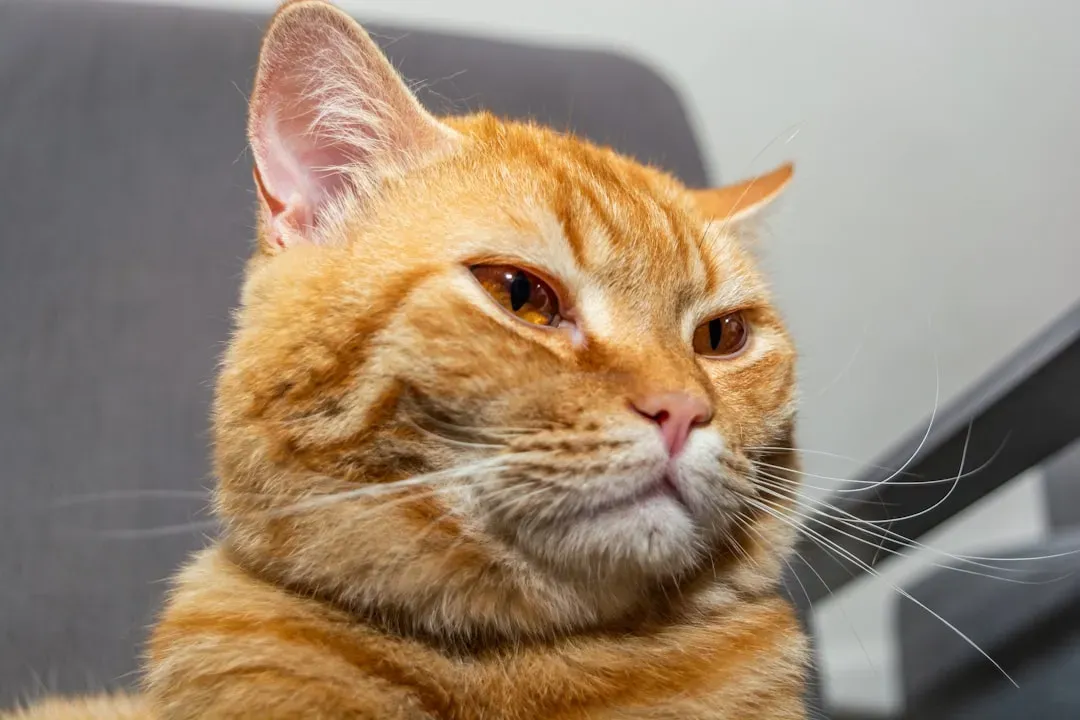
Cats communicate through their behavior, and if you notice any sudden changes in your cat’s behavior, it could be a sign of an underlying health issue or stress. Cats don’t send text messages when something is wrong. They shift their behavior in small, easy-to-dismiss ways. A little more hiding. Slightly less appetite. Just a touch grumpier at handling. Each of those things is a message.
A limp turns into a careful sit, a toothache into eating on one side, and kidney strain into a longer nap by the radiator – their survival strategy makes small mistakes compound quietly until a crisis spills out of nowhere. Understanding and addressing behavioral changes promptly can prevent long-term problems, and being attentive to your cat’s behavior is crucial for their health and happiness. The cats that thrive longest are the ones whose owners pay close, curious attention – not just to the dramatic stuff, but to the quiet, easily overlooked shifts in everyday behavior.
Conclusion: The Most Informed Cat Owner Is the Best Cat Owner
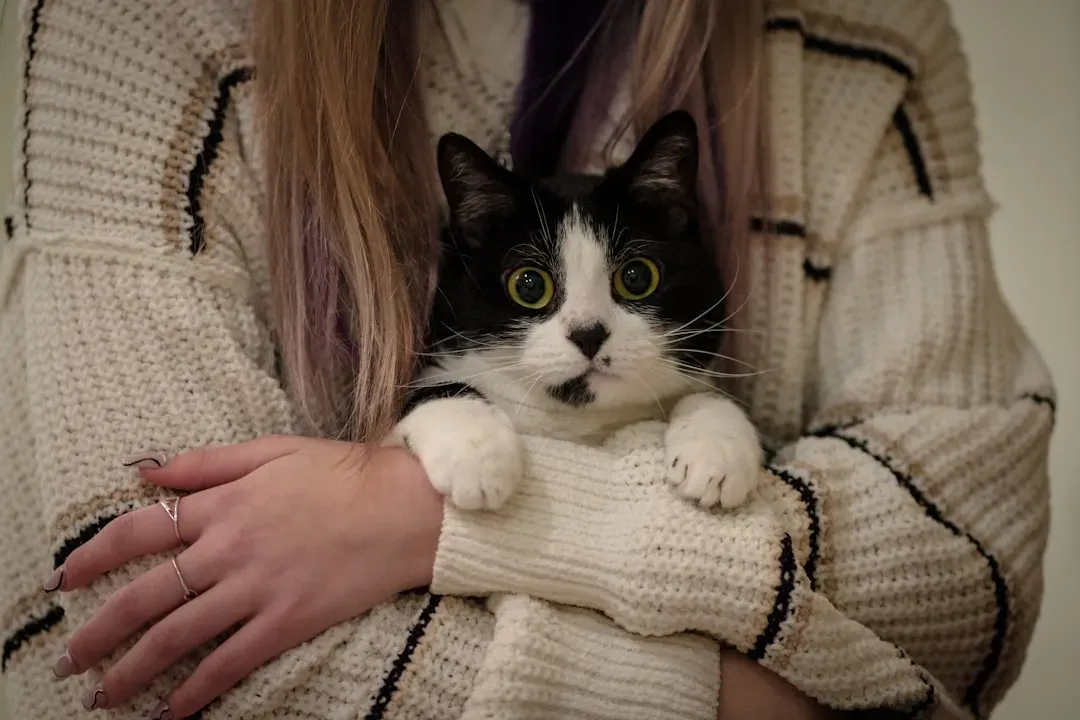
None of these mistakes make you a bad person or a careless owner. Most of them come from love, habit, or simply not having the right information at the right time. Cats, as independent and sometimes aloof creatures, can make it difficult for even the most experienced pet owner to know exactly what they need, and while their personalities vary, some common mistakes can negatively impact their health and happiness. The good news? Every single one of these blunders is fixable.
Start small. Book that overdue vet appointment. Add a bowl of wet food to the routine. Spend fifteen minutes playing with your cat tonight instead of scrolling. Switching from a “set it and forget it” approach to genuinely noticing changes everything. Your cat can’t tell you what they need in words, but they’ve been showing you all along. The question is simply whether you’re willing to look.
So – which of these nine blunders hit closest to home for you? Drop your thoughts in the comments. You might just help another cat owner avoid a mistake they never knew they were making.