There is something almost meditative about watching a cat sleep. They curl themselves into impossible shapes, melt into sunbeams, press against your legs with total abandon, and somehow make every surface look like it was designed specifically for their nap. It looks effortless. It looks random. Honestly, it is anything but.
Your cat’s sleeping choices are a quiet, continuous conversation about how they feel, how much they trust you, and whether their world feels safe enough to let their guard down. Every spot they choose, every position they fall into, is a tiny clue about their inner emotional life. You just need to know how to read it. Let’s dive in.
Why Cats Sleep So Much in the First Place
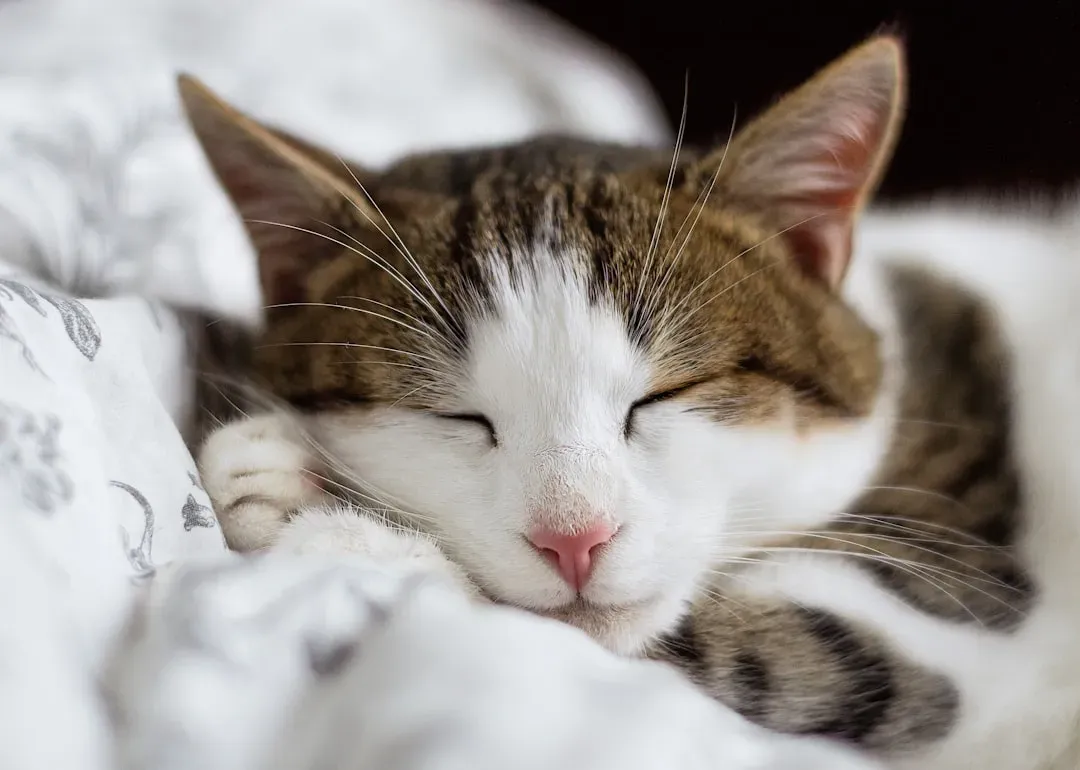
If you have ever wondered whether something is wrong with your cat because they spend what feels like the entire day asleep, let’s be real, you can stop worrying. Cats typically spend twelve to sixteen hours a day asleep, which means they’re sleeping for about two thirds of their lives. Kittens and older cats may sleep even more, sometimes up to twenty hours a day. This extensive sleeping schedule is part of their natural behavior as predators who need to conserve energy between hunts, even though most pet cats don’t need to hunt for survival.
It all has to do with evolutionary history. Your cat’s wild ancestors were hunters. So like their wild cousins, cats may sleep lightly and be semi alert while dozing. Their instincts guide them to stay aware of approaching predators or prey. This is a behavior that’s hard wired into your kitty. So even though your furball isn’t prowling the savannah for a meal, they may still carry the sleep habits of a wild cat. Think of your cat’s nap schedule as an ancestral inheritance, one they’ve never bothered to update.
Sleeping Curled Into a Ball: The Ancient Comfort Position

This is the most common cat sleeping position, also known as the crescent. The reason why most cats tend to sleep curled up is to protect themselves while maximizing body warmth. If you notice your feline friend sleeping in this position, they may be feeling a bit chilly, or it may be a sign that they are feeling a little vulnerable, and sleeping in such a position helps them feel more secure and safe.
If your cat tends to curl up tightly in a ball while they sleep, they are likely seeking comfort and security. This position mimics the fetal position and is a sign that they feel safe in their environment. Cats who sleep in this way often enjoy having their own private space where they can feel protected. If this is your cat’s favorite sleeping posture, it might indicate that they’re naturally more reserved and independent. Think of it like a person who always sleeps with the covers pulled tight, same instinct, different species.
The Belly Up Pose: The Ultimate Sign of Trust in You
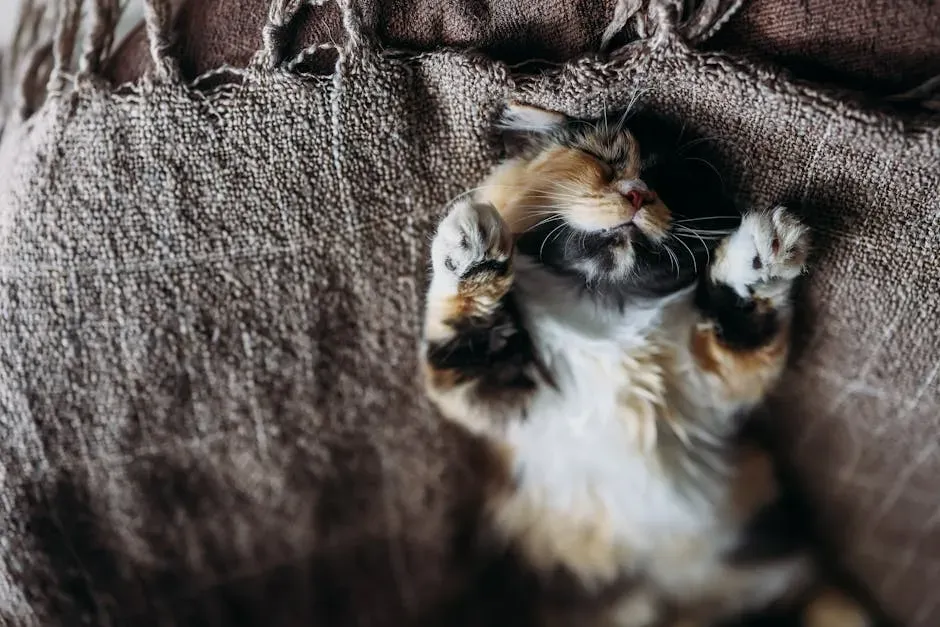
A cat sleeping on its back with its belly exposed is displaying complete trust in their environment and the people around it. The belly is a cat’s most vulnerable area, so this position means they feel entirely safe. Warm rooms and calm households encourage belly up sleeping, though some cats simply never adopt this posture regardless of how secure they feel.
Sleeping with the tummy facing the sky means your cat trusts you and their environment. Exposing the belly makes a cat quite vulnerable because their vital organs are unprotected. Only when a cat is completely at ease will they sleep belly up. This sleeping position can also help your cat cool off in warm weather, because the belly has less fur and loses heat more rapidly than the rest of the body. If your kitty sleeps in the belly up position, they are telling you that they feel relaxed and safe. Honestly, if your cat does this around you, take it as a compliment.
The Cat Loaf: Relaxed but Ready for Anything
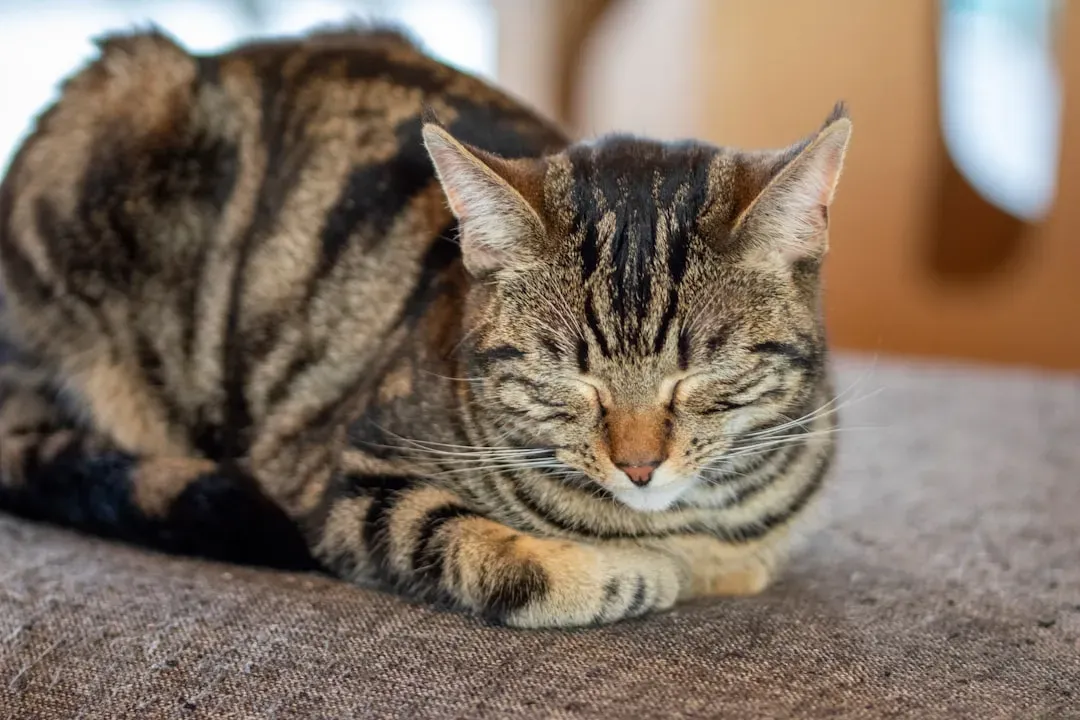
The classic cat loaf position, with front paws tucked neatly under the body, shows a relaxed but alert cat. In this position, your cat is probably taking a quick nap and is not in a deep sleep. They’re still alert to their surroundings, even despite appearing completely chill. It’s actually how they protect their vitals from a potential predator. While in the loaf position, your furball is also conserving body heat. That’s why the loaf may become a preferred sleeping position when the weather turns cold.
The loaf position, with paws tucked under and head upright, means your cat is resting while staying alert. Cats who loaf frequently are comfortable in their environment but prefer to keep their paws ready for quick action. Cool temperatures can also encourage loafing since tucking the paws helps retain body heat. It’s your cat saying, “I’m cozy, but don’t push it.” Respect that boundary.
Sleeping on You: Warmth, Scent, and Deep Emotional Bonding
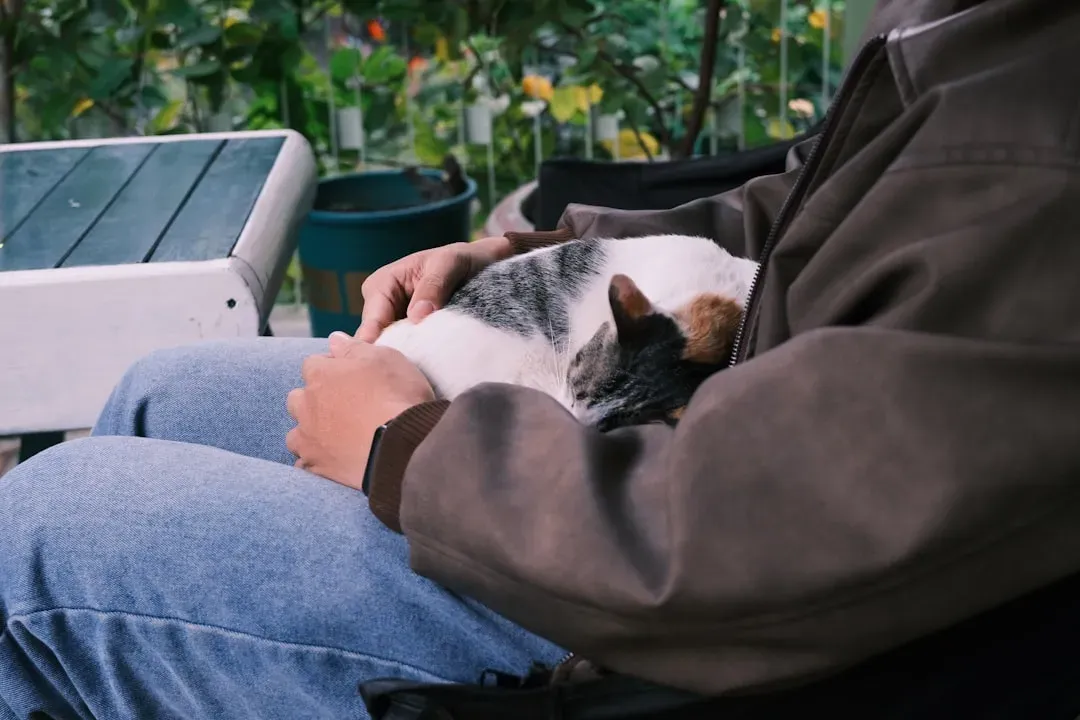
When your cat chooses to sleep on you, it is not merely seeking warmth or a comfortable spot. It’s a deliberate act, a conscious decision based on trust, affection, and the security it feels in your presence. This act strengthens the bond and enriches the relationship between cat and human. Cats are masters of thermoregulation, and their sleeping choices often reflect their need to maintain a comfortable body temperature. A human provides an excellent source of warmth, especially during cooler periods, as cats have a higher preferred body temperature than humans, typically around 102 degrees Fahrenheit.
A cat’s sense of smell is far more sensitive than a human’s. When your cat sleeps on you, it is surrounded by your familiar scent. This scent, which the cat associates with safety and comfort, acts as a constant reassurance. The rhythm of your breathing and heartbeat also provides a calming effect. The gentle, consistent sounds create a soothing backdrop, similar to the purring that cats often use to self soothe. These sensory cues work together to create a secure and relaxing environment, making you a preferred sleeping spot.
Sleeping Near Your Head: The Strongest Bond Signal of All
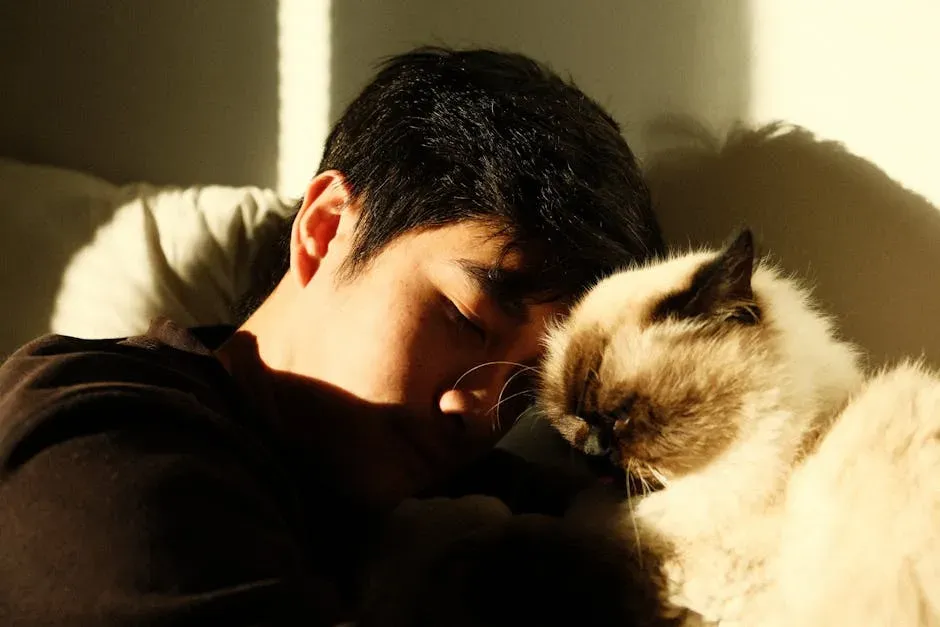
Sleeping is the most vulnerable state for a cat. By placing their most vital organs, their head, next to yours, they are signaling a level of trust equivalent to that between a kitten and its mother. It is the ultimate feline compliment. Cats sleeping near your head may be simply a matter of finding a soft place to nap. After all, your head is usually on a soft pillow when you are lying down. Your head also moves around less than the rest of your body while you sleep, so your cat is less disturbed. Many cats also adapt to your sleep schedule and may just want to be near you and sleep when you do.
In a bedroom, the headboard is often the highest and most fortified part of the bed. By sleeping here, your cat has a clear view of the room’s entrance while having their back protected by the wall. It is the feline version of a high ground watchtower. So your cat isn’t just being adorable perched on your pillow. They’re running a full security operation, with you as the most trusted asset.
Sleeping at Your Feet: Affection With an Exit Plan
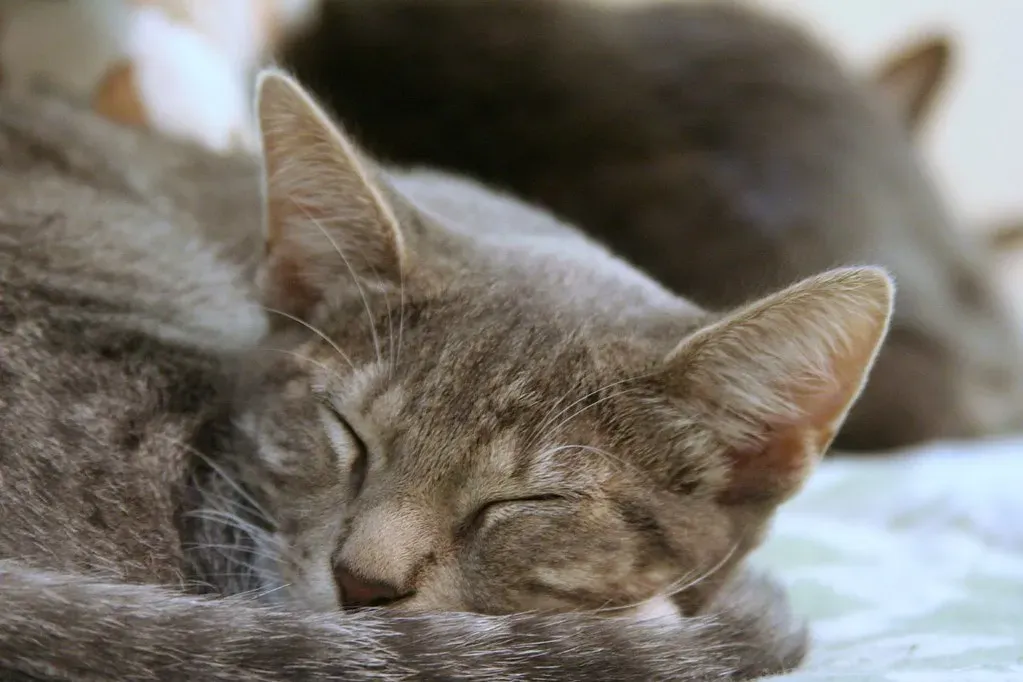
A cat sleeping at your feet is showing affection while keeping their independence. The foot of the bed offers warmth, proximity, and a clear view of the room with an easy exit route. Cats with a watchful personality often prefer this spot. When your cat sleeps at your feet, they keep your feet warm but they may also be seeking warmth from you. It’s the feline equivalent of sitting close to someone at a party but keeping one eye on the door.
Cats that want to sleep on their humans but prefer an easy escape often choose the feet. Maybe they’re being nice and keeping you warm, but they also could be getting warmth from you. Some cats are not comfortable sleeping directly on their human because they prefer the security of a small buffer zone. This sleeping position is their way of saying that they are bonded to you, but need a little extra space at least in the moment. That’s not rejection. That’s just a cat being a cat.
Hiding in Boxes and Enclosed Spaces: Security in Small Places
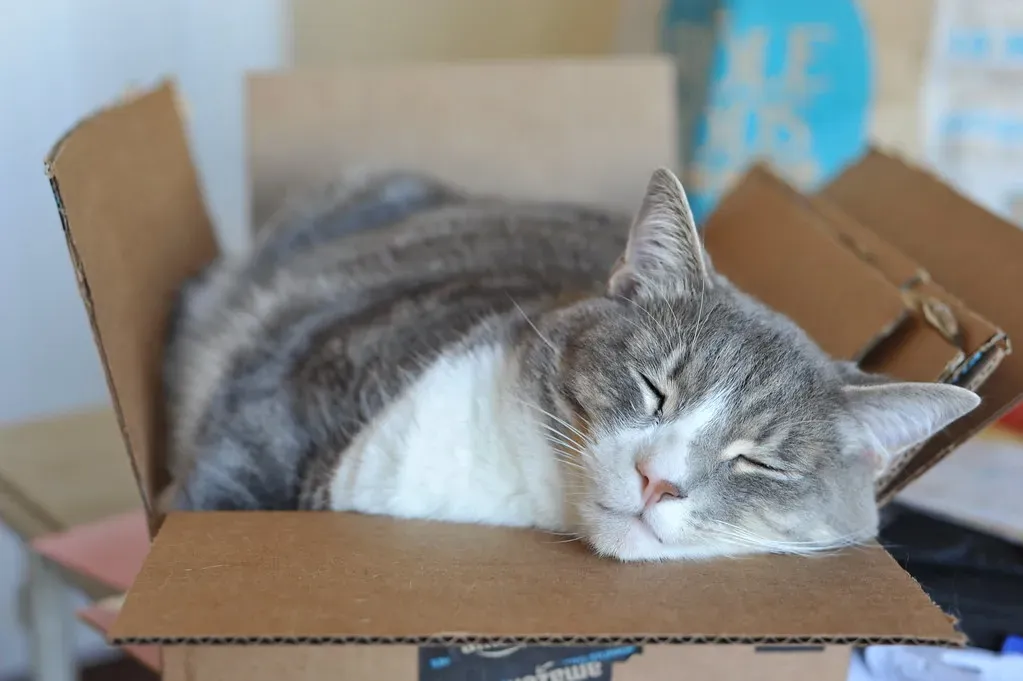
Boxes give your cat security and warmth, sort of like camping tents do for humans, while providing an easy exit just in case. When cats try to fit into a box that seems too small, they are seeking security, like an infant feels when they are swaddled. If your cat loves to sleep in small, covered areas, you can also offer them a covered cat bed.
Anxious or skittish cats prefer to hide or conceal themselves in small dark confined spots like wardrobes or under bedding, while confident cats like to shelter themselves for uninterrupted sleep in boxes, tunnels, and bags. Your cat might sleep in boxes, drawers, or high shelves because these locations offer protection and allow them to observe their surroundings. Sometimes cats choose warm spots like sunny windowsills or laundry baskets with fresh clothes. These behaviors are instinctual and relate to their wild ancestors’ need to find safe hiding spots away from predators.
When Your Cat’s Sleeping Spot Signals a Health Warning
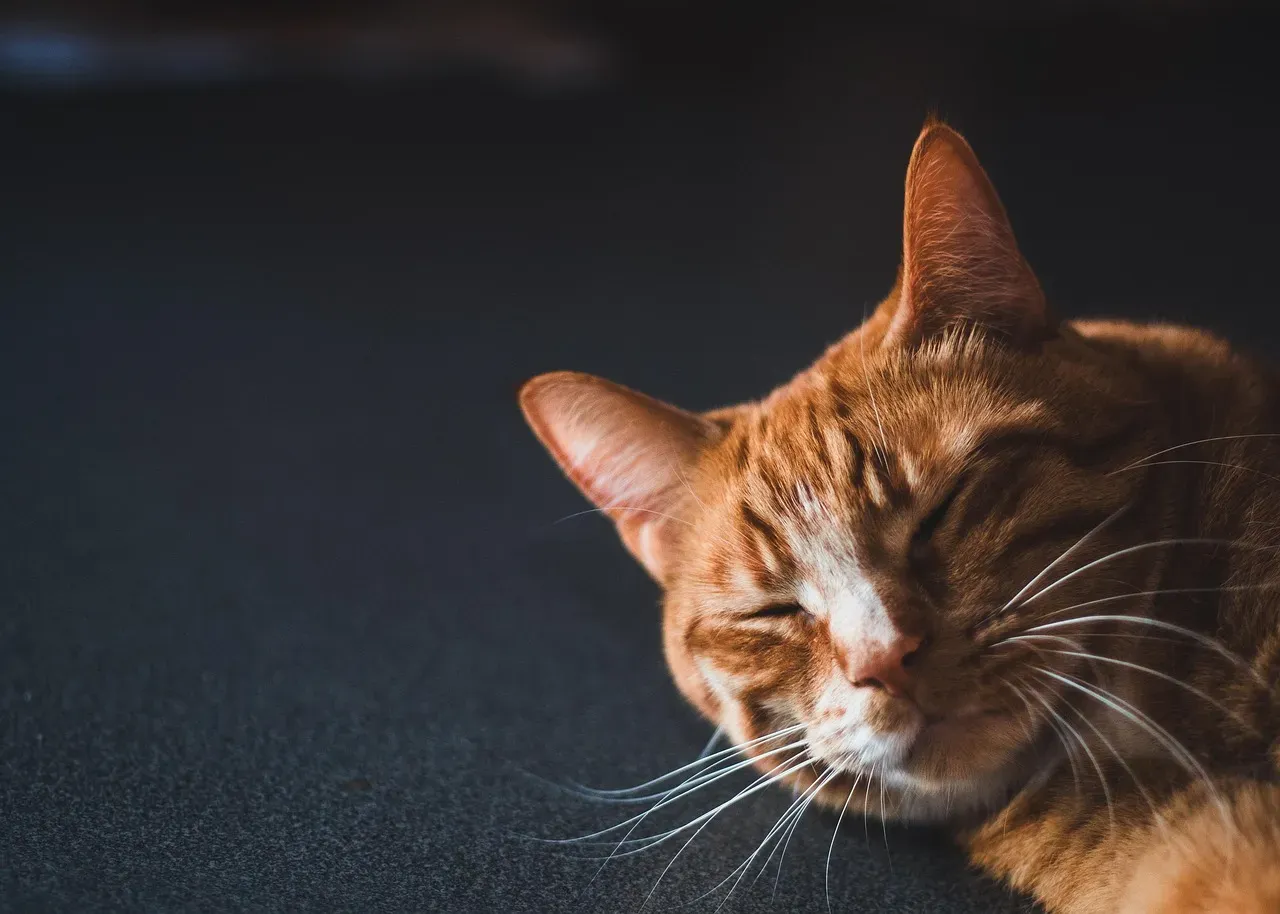
Changes in where and how a cat sleeps can be subtle but significant indicators of underlying health issues. Observing these shifts, in conjunction with other behaviors, is crucial for early detection and intervention, ultimately contributing to a cat’s longevity and quality of life. Understanding the link between sleep and health allows you to be proactive in your cat’s care.
Certain sleep patterns can indicate health issues. A cat that suddenly starts sleeping in a hunched, tense position, hides in dark or enclosed spaces more than usual, or stops stretching out entirely may be in pain. Combined with changes in appetite, grooming, or litter box habits, altered sleeping behavior is a good reason to schedule a vet visit. If your cat is sleeping or lying in their litter box, there is usually a medical reason, including urinary or digestive issues. So if your cat begins to sleep, rest, or lie in their litter box, contact your veterinarian immediately. This can indicate a sudden change in your cat’s health. Your cat cannot tell you in words when something is wrong. Their sleeping habits often do the talking instead.
Conclusion
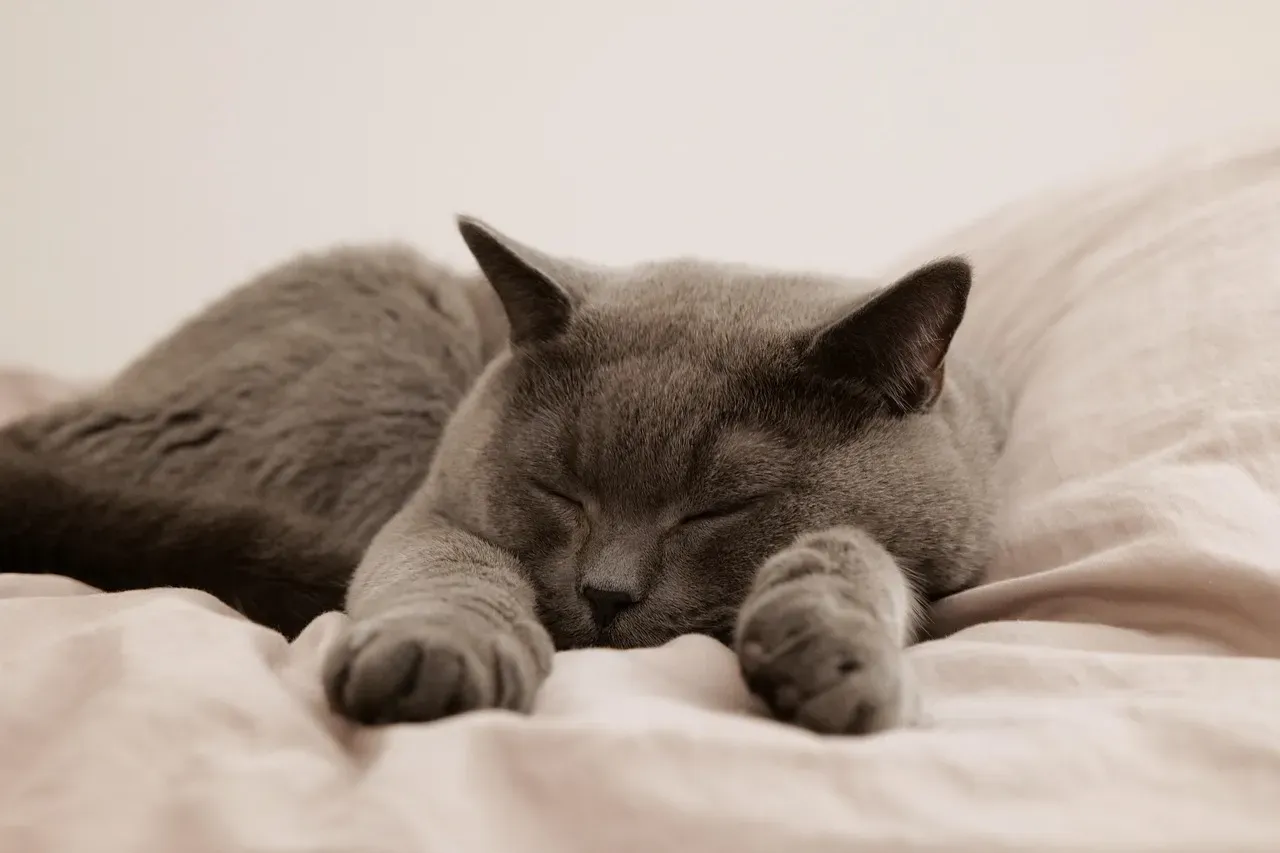
Here’s the thing about cats: they are far more communicative than they get credit for. Every nap, every tucked paw, every time they choose to press themselves against your side instead of sleeping across the room, is a message. Cats communicate through posture long before they vocalize anything. Sleep is their most unguarded moment, and their body language during rest says a lot.
Your cat’s sleeping spot reflects trust and attachment. No matter where your cat sleeps near you, the fact that they choose to sleep near you at all is a strong indicator of trust. Whether they’re curled in a ball, sprawled belly up, or wedged inside a shoebox that is clearly two sizes too small, your cat is telling you exactly how they feel about their world, and about you.
So the next time your cat settles in for one of their legendary naps, take a quiet moment to notice where they chose and how they positioned themselves. You might be surprised by how much a sleeping cat can say without making a single sound. What does your cat’s favorite sleeping spot tell you about them? Share your thoughts in the comments below.