There’s something quietly remarkable about a cat at rest. You’ve probably watched yours arrange itself into some impossibly comfortable shape, close its eyes, and apparently leave the planet entirely. Sixteen hours can pass. The world outside continues at full speed. Your cat doesn’t notice, doesn’t care, and, frankly, has no reason to.
What looks like pure laziness is actually one of the most sophisticated biological systems in the animal kingdom. The feline relationship with sleep is layered with evolution, neuroscience, ancient predator instinct, and a kind of physical intelligence that took millions of years to refine. If you’ve ever wondered what’s really going on behind those closed eyes, the science turns out to be genuinely fascinating.
The Numbers Are Staggering, and Completely Normal
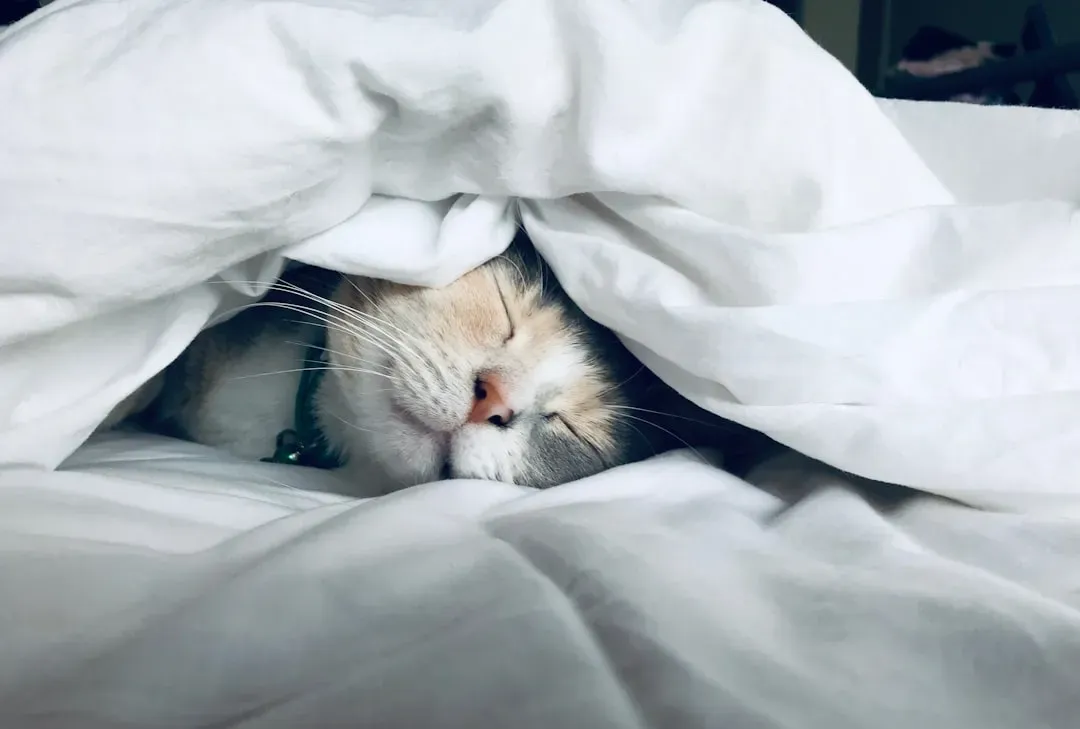
On average, cats sleep between 12 and 16 hours a day, with kittens and older cats potentially needing more rest. That isn’t a quirk of domestication. It’s a deeply embedded biological rhythm shaped over millions of years. Put simply, your cat isn’t broken. It’s running exactly as designed.
While humans typically spend one third of their time sleeping, cats often spend more than half of the day snoozing their troubles away. The gap between human and feline sleep needs is substantial, and it points directly to how differently these two species are wired at the cellular level. Understanding that difference is the first step toward appreciating what sleep actually does for your cat.
A Predator’s Bargain with Energy
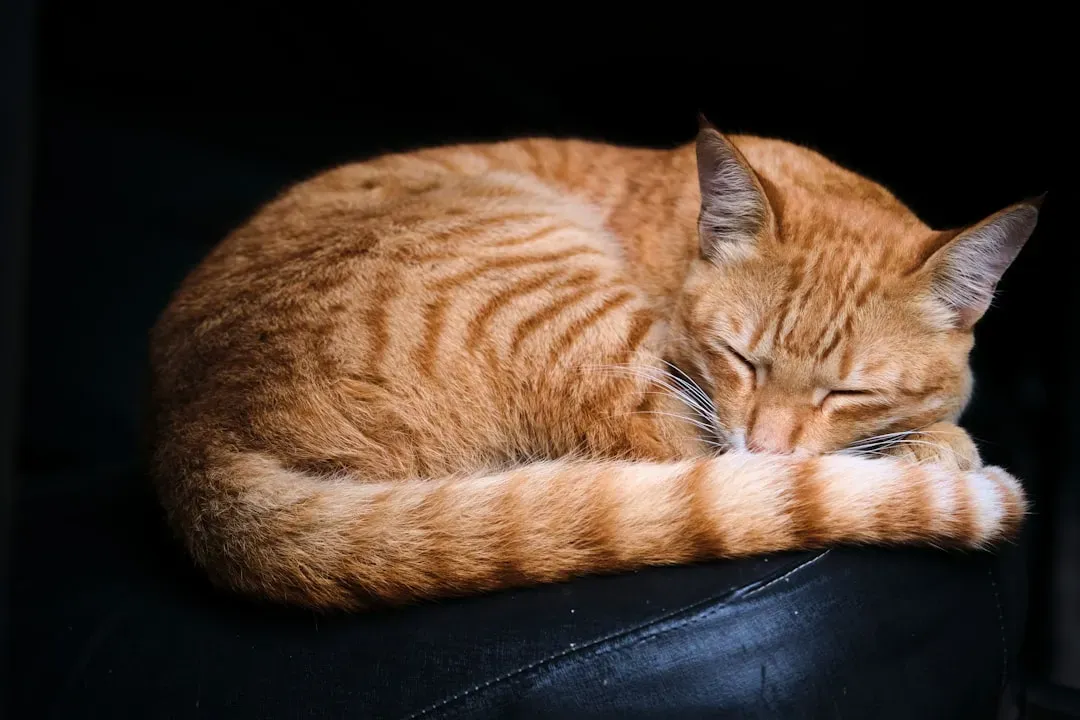
The science behind why cats sleep so much is a fascinating topic with their evolutionary history. As descendants of wild predators, cats have inherited a sleep-wake pattern quite different from ours. In the wild, these ancestors needed to conserve energy for hunting, a high-energy activity. This energy-conservation strategy has carried over into the domestic cats we know today. Your house cat, even with a bowl of food waiting on demand, still operates by the same metabolic rulebook.
Cats sleep and wake frequently throughout the day and night because cats in the wild need to hunt as many as 20 small prey each day; they must be able to rest between each hunt so they are ready to pounce quickly when prey approaches. Every nap, no matter how casual it looks, is essentially a recharge cycle between imagined hunts. That feather wand in the corner isn’t so different from a vole in the grass, at least as far as your cat’s nervous system is concerned.
Crepuscular, Not Nocturnal: Timing Matters
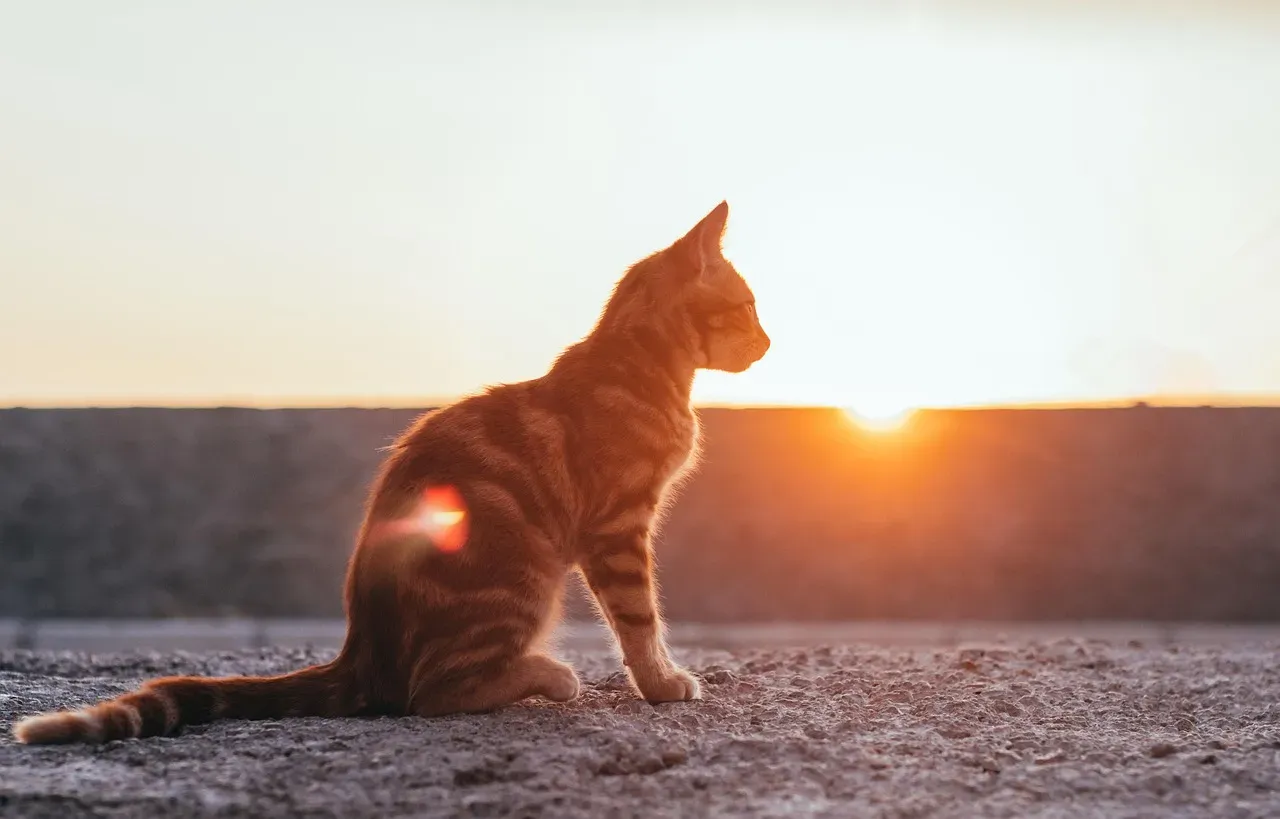
Research on feline circadian rhythms, activity tracking, and light-driven behavior shows that domestic cats are not truly nocturnal, as is often believed. They actually follow a crepuscular pattern, meaning they are most active around dawn and dusk. This is why your cat seems to materialize at five in the morning with an urgent agenda, while spending the bulk of the afternoon in a state of suspended animation.
It’s important to acknowledge when most cats are most active: dawn and dusk. It’s a trait that makes them crepuscular rather than nocturnal animals, alongside creatures such as ferrets, hamsters and stray dogs. The twilight hours were historically the most productive hunting windows for small feline predators. Your cat’s internal clock still ticks to that ancient rhythm, regardless of what the lights in your house are doing.
Polyphasic Sleep: Napping as a Lifestyle
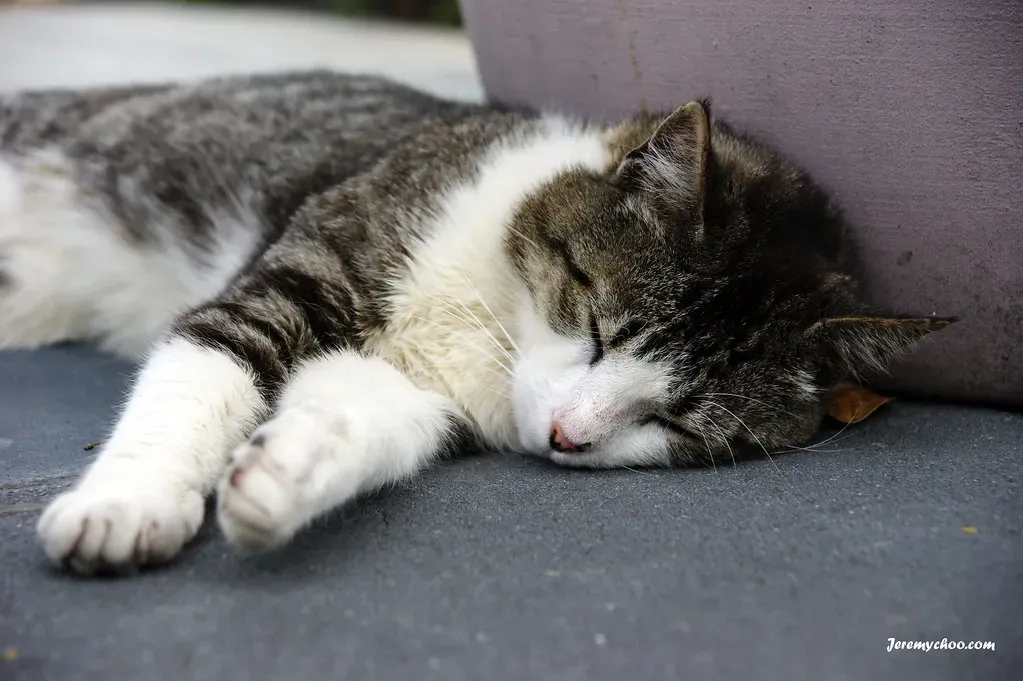
Cats have a polyphasic sleep pattern, which means they sleep multiple times each day rather than in one long period, like humans generally sleep. These cat naps average 78 minutes in length. However, cats commonly sleep for periods of time ranging from 50 to 113 minutes. The word “catnap” didn’t end up in the dictionary by accident. Humans noticed centuries ago that feline rest works differently from our own.
Instead of sleeping eight uninterrupted hours the way humans tend to do, cats take frequent naps, ranging from a few minutes to a couple of hours. At night, this means a cat may sleep while you do, wake briefly to explore or play, and then settle down again. This fragmented, distributed approach to sleep is more efficient for a stalk-and-rush predator than a single long sleep window would ever be. It keeps the body perpetually close to a ready state.
The Two Sleep Stages and What Happens in Each
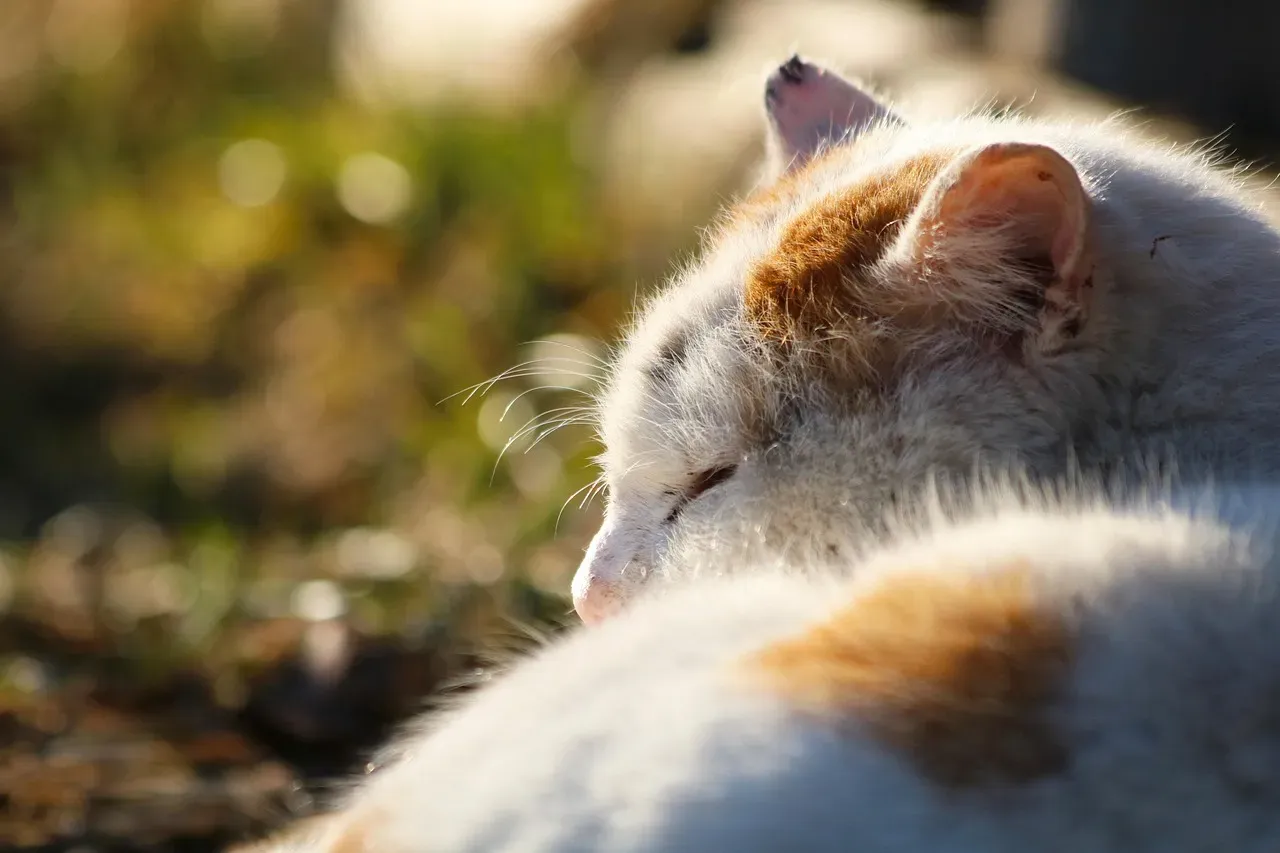
During the NREM phase, cats are in a light sleep and can wake up easily. Their brain waves are slower and more irregular compared to REM sleep. They may fall in and out of NREM sleep several times before falling into REM sleep. This lighter phase is where cats spend the majority of their resting time, a condition that keeps them physically present in the environment even while the body recovers.
The rest of the day, cats sleep, though that sleep is of two types. About three-fourths of their sleep is a shallow, almost-waking rest called slow-wave sleep. Cats doze in a kind of ready position, their senses of smell and hearing in the “on” mode. The sleep-wake cycle of cats is actually regulated by the same light-sensitive hormone, melatonin, that governs human sleep. Cats have a quicker sleep cycle, transitioning from deep sleep to REM sleep faster than humans. This allows them to be well-rested yet ready to spring into action at a moment’s notice.
REM Sleep and the Scientific Legacy of the Cat
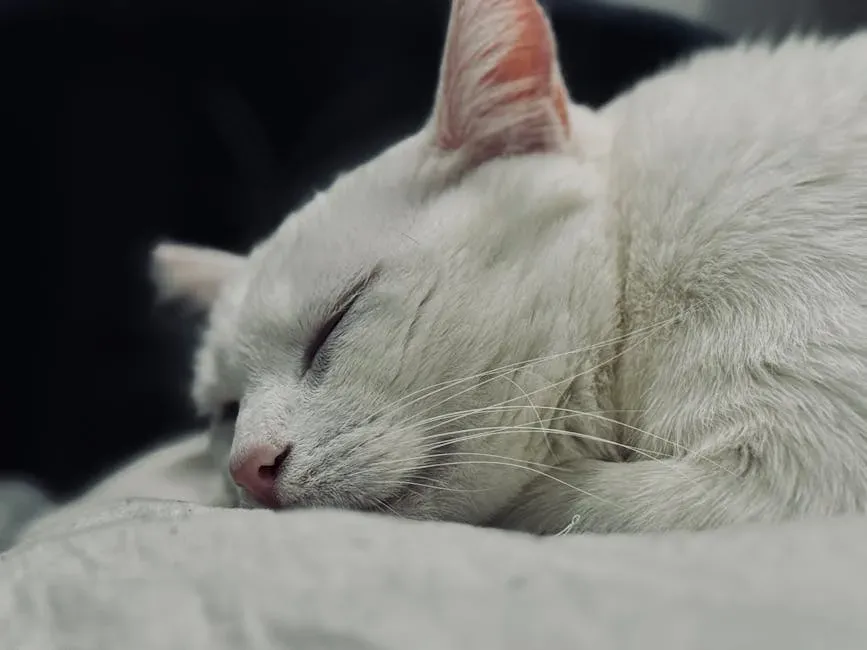
The science of REM sleep owes its existence to cats. In 1959, French neuroscientist Michel Jouvet performed experiments on cats at the University of Lyon that identified paradoxical sleep, what we now call REM sleep, as a third brain state entirely distinct from both waking and slow-wave sleep. Much of what humans now understand about their own dreaming states was first mapped through feline brain activity. There’s a certain irony in that.
Adult cats spend approximately 33% of total sleep time in REM sleep, compared to 20 to 25% in adult humans, and each REM episode averages approximately 19 minutes. Cats can accumulate 4 to 6 hours of REM sleep per day. That is a substantial amount of deep, dream-phase brain activity packed into a single 24-hour cycle, and it serves functions that reach well beyond simple rest.
Do Cats Actually Dream? The Evidence Says Yes
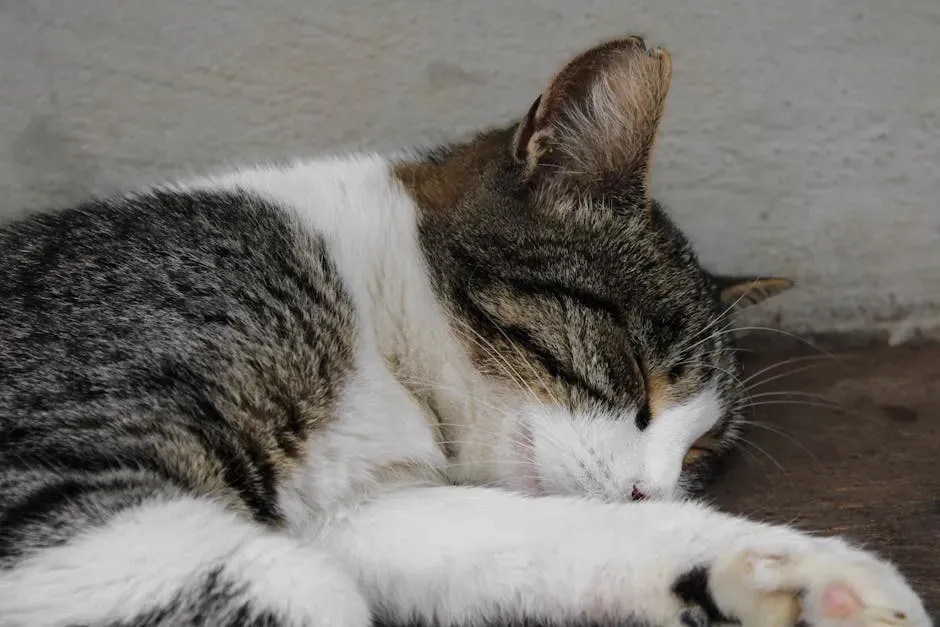
Research on animal sleep shows that many mammals, including cats, experience REM sleep, a key indicator of dreaming. Studies using brain wave monitoring have demonstrated that cats’ brain activity during REM sleep closely resembles that of dreaming humans. The twitching paws, the faint chirps, the whisker flickers that seem to follow an invisible bird, these are not random glitches. They are the external signatures of an active, dreaming mind.
Cats likely dream about familiar activities like hunting, playing, and exploring, reflecting their instincts and daily experiences. Dreaming may help cats process daily experiences, improving memory and problem-solving skills. Scientists believe that dreaming supports emotional health in cats by allowing them to work through stress or excitement during sleep. In that sense, the dream-state of a cat is less a passive experience and more an active cognitive maintenance process.
Sleep Changes With Age and What That Means for You
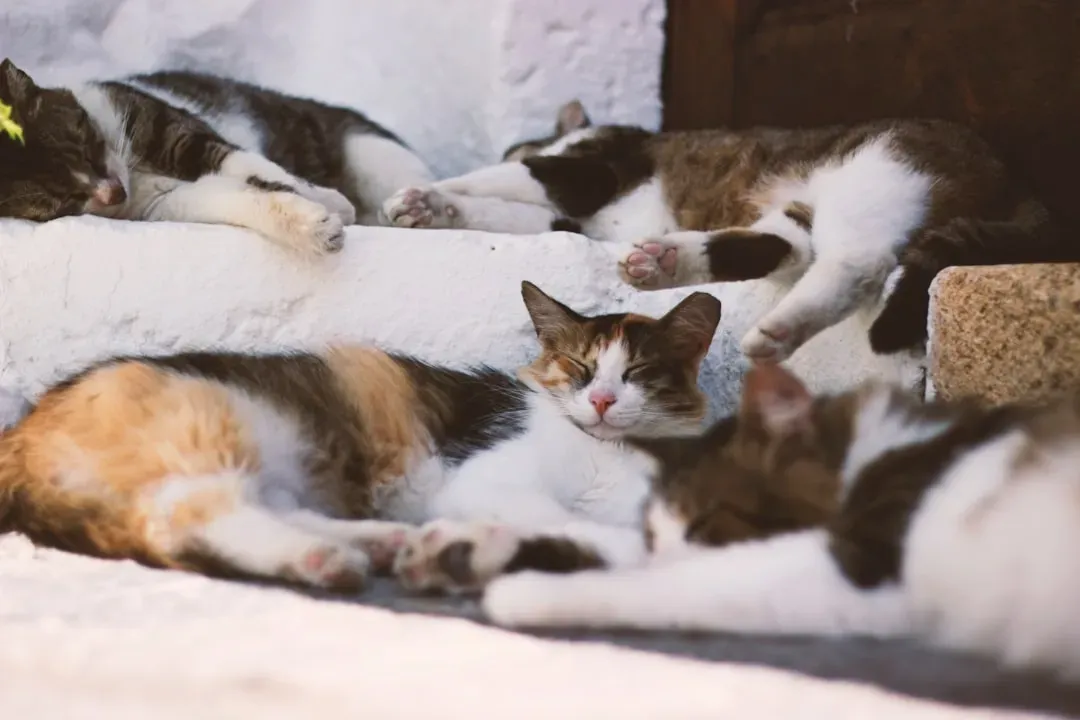
Kittens sleep up to 20 hours per day because nearly all of their sleep is brain-building REM sleep. Senior cats sleep more because aging degrades sleep architecture, requiring longer total time to achieve the same restorative benefit. Indoor cats without adequate stimulation may default to sleep simply because nothing else is happening, a distinction between biological necessity and behavioral surplus that matters for welfare. Age shapes the architecture of feline sleep significantly across every stage of life.
Kittens tend to sleep more than the average cat and approximately 90% of kittenhood is spent snoozing. This is because they need to constantly recharge their batteries as their brain and central nervous system is still developing. This time kittens spend sleeping strengthens their muscles and bones and keeps their immune system functioning. For older cats, the calculation shifts. As cats age past 11 years, their metabolism slows down and joints may become arthritic. Sleeping helps them recover energy and manage joint pain.
What Your Cat’s Sleeping Position Is Telling You
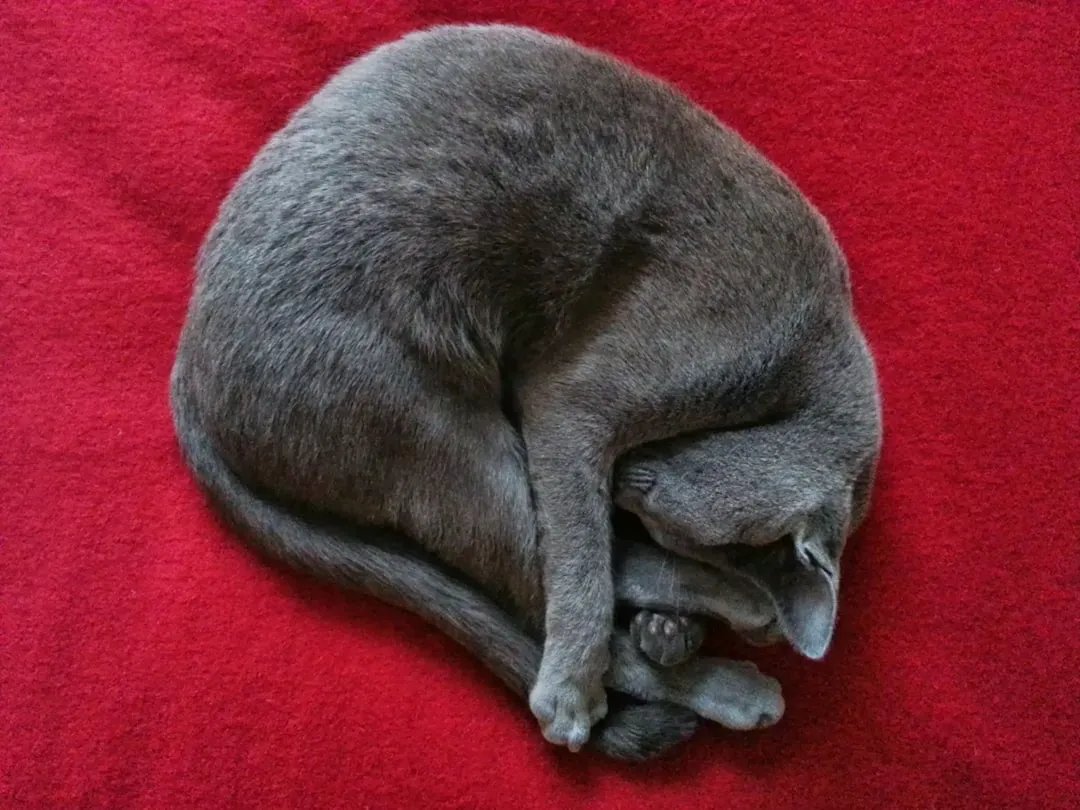
Whether curled into a ball or resting with their abdomen exposed, each posture serves a specific function, ranging from thermoregulation and protection to signals of emotional comfort or discomfort. The way your cat arranges its body before drifting off is not arbitrary. It’s a window into how safe, warm, and emotionally settled it feels in that particular moment.
A cat sleeping in a belly-up position means that it feels safe and comfortable in its surroundings, while a cat sleeping in a curled-up position means that it is trying to protect its vital organs and is seeking warmth. Cats who suddenly switch from relaxed, sprawling positions to tense curling in hidden locations could be signaling illness or stress. Excessive hiding, loss of appetite, or lethargy alongside a change in sleep posture warrants a veterinary visit. Position changes over time are worth paying attention to.
When Sleep Signals Something More
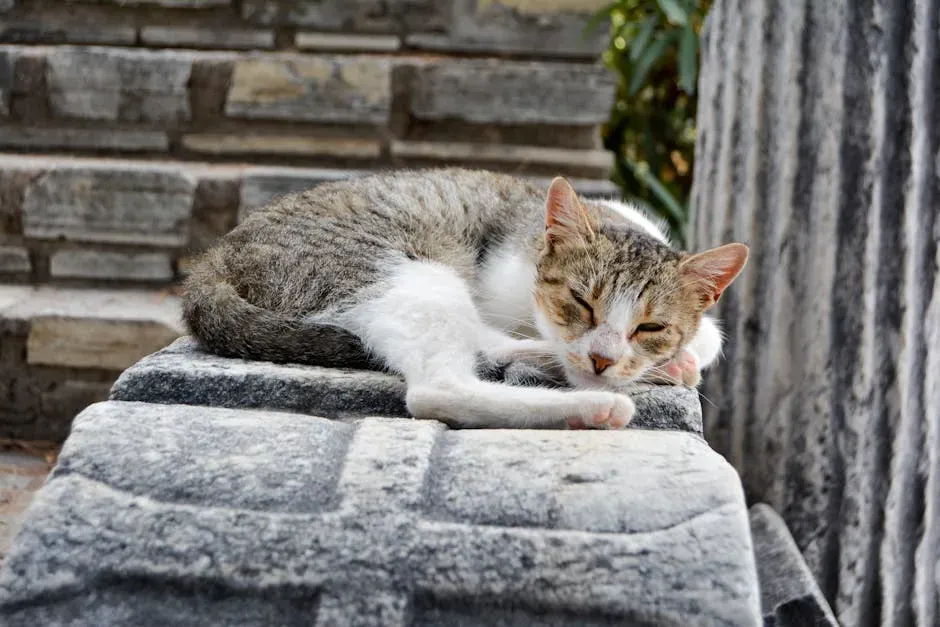
Increased sleep can sometimes signal boredom, stress, illness, or injury. The challenge for cat owners is recognizing the difference between a naturally heavy sleeper and one whose rest has shifted in quality or quantity for health-related reasons. The baseline matters, and you can only know the baseline if you have been paying attention over time.
Oversleeping can be a sign of a medical issue, especially if there is a sudden change in sleep patterns or if the cat cannot be easily engaged in a pleasurable activity like playtime, feeding, or petting. Maintaining a robust immune system is one of the many benefits of good sleep. A well-rested cat is better positioned to fend off illnesses, contributing to a longer, healthier life. In other words, protecting your cat’s sleep quality is one of the most practical things you can do for its long-term wellbeing.
Conclusion
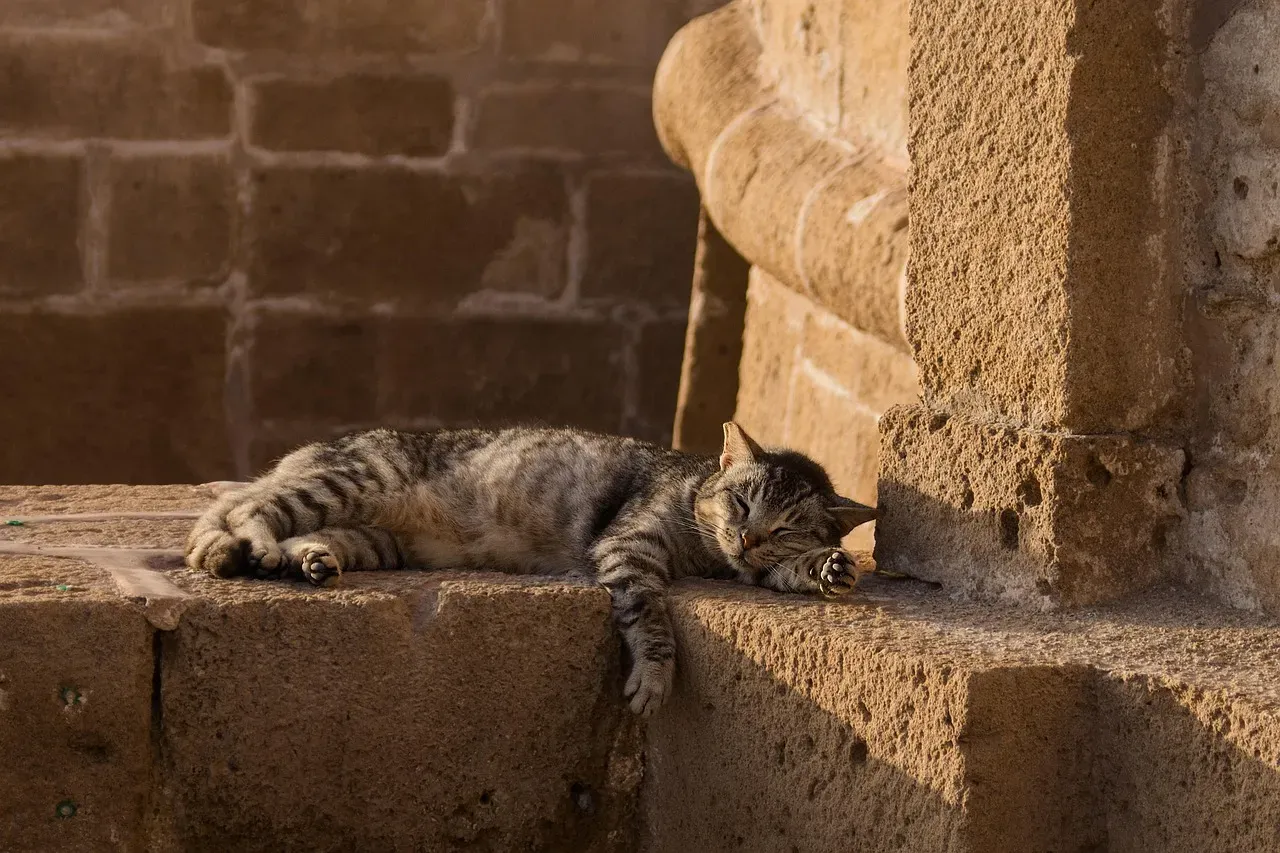
There’s a temptation to see a sleeping cat and think nothing much is happening. The science makes clear that impression is entirely wrong. Behind those closed eyes, an ancient metabolic system is running perfectly, a brain is processing the day’s events, memories are being filed, and tissues are quietly being repaired. The cat that looks like it has checked out of reality is, in every biological sense, deeply engaged with it.
Your cat’s relationship with sleep is one of the most elegantly engineered features of its existence. It isn’t laziness, it isn’t boredom, and it certainly isn’t indifference to you. It’s biology doing exactly what biology is supposed to do, and doing it with a grace that, if you’re honest, you might find yourself just a little envious of.
Kristina is a young writer from India. An arts graduate and an avid content creator, Kristina is passionate about animals and wildlife. She enjoys exploring topics related to pet care, animal behavior, conservation, and nature, combining thorough research with engaging storytelling.