There’s a long-standing assumption that cats simply don’t care. They wander in, tolerate your presence for a moment, and disappear behind the couch. For centuries, this picture has been painted so consistently that most people accept it as fact. It’s not.
Science has spent the last decade quietly dismantling the aloof-cat myth, and what’s emerging is far more nuanced. Your cat isn’t cold or indifferent. They’re selective, perceptive, and bonded to you in ways that genuinely mirror human attachment patterns. Understanding the difference between aloofness and discernment changes everything about how you read and relate to the animal sharing your home.
The Self-Domestication Story That Explains Everything
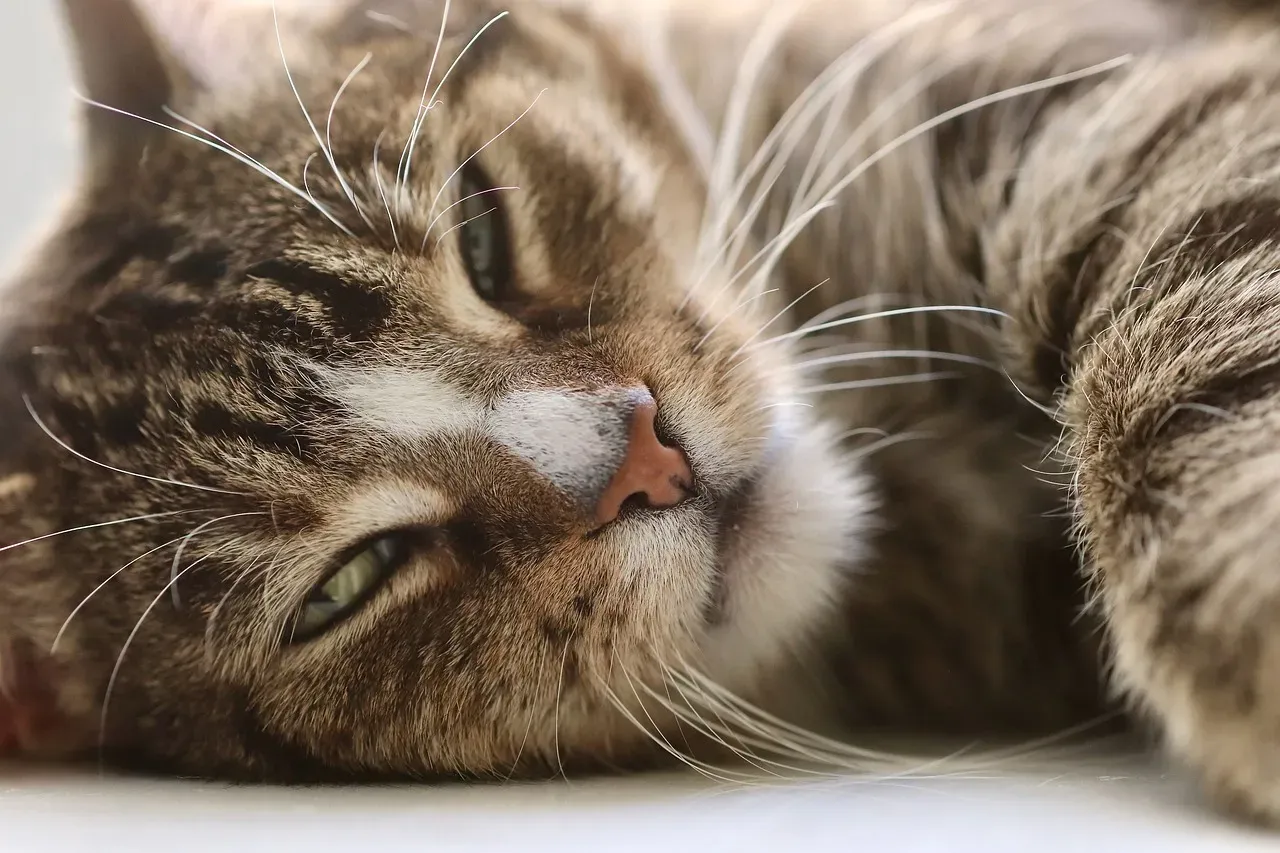
To understand why your cat behaves the way they do today, you need to go back roughly 10,000 years. Cats descend from the fiercely antisocial and territorial Near Eastern wildcat, and they largely domesticated themselves, as the tamest cats began to hang out and hunt rodents in early farming villages. This wasn’t a forced process. No human bred cats for obedience or herding ability.
Unlike dogs, which were bred from prehistoric times for tasks such as guarding, hunting, and herding, early cats were under no such selective breeding pressures. To enter our homes, they had only to evolve a people-friendly disposition. That’s the crucial difference. Your cat’s independence isn’t a flaw in their design. It’s a feature of how they arrived here in the first place.
Facultatively Social: What That Actually Means for You
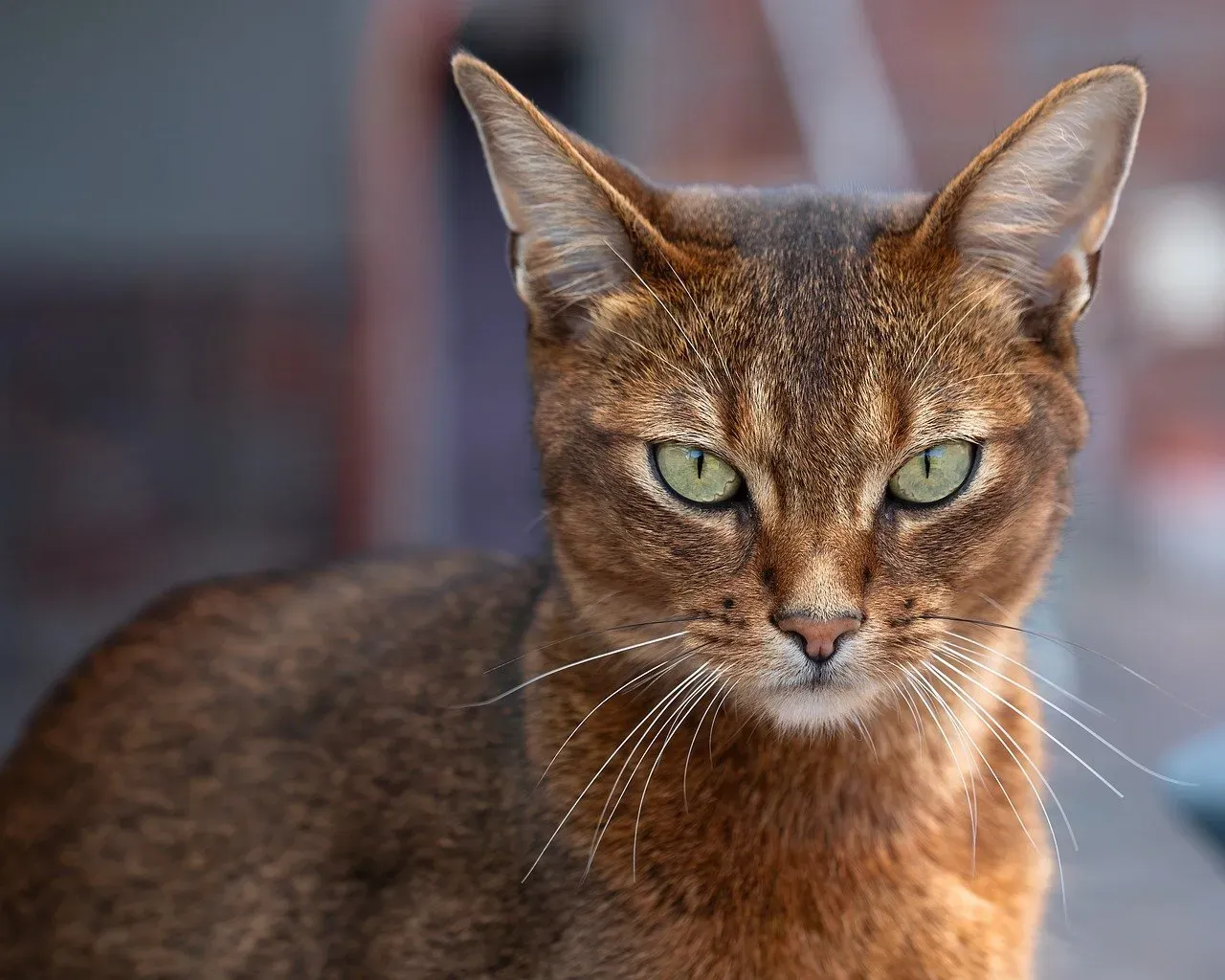
Domestic cats evolved from solitary wild ancestors, but thousands of years of living alongside humans have influenced their social behavior. Cats are considered facultatively social, meaning they can live alone or in groups depending on circumstances. Food availability, environment, and early experiences all affect whether a cat becomes social or solitary. This isn’t a deficiency; it’s a form of behavioral flexibility that most animals don’t possess.
Although cats are stereotypically thought to be aloof and unsocial, domestic cats display great flexibility in their social behavior. Cats have the ability to live solitarily, to live in extremely gregarious colonies, and to live socially in homes with humans and various other species. When your cat chooses to curl up near you rather than in the next room, that choice carries more weight than you might realize. It was a genuine decision.
The Secure Attachment Science That Changes the Narrative
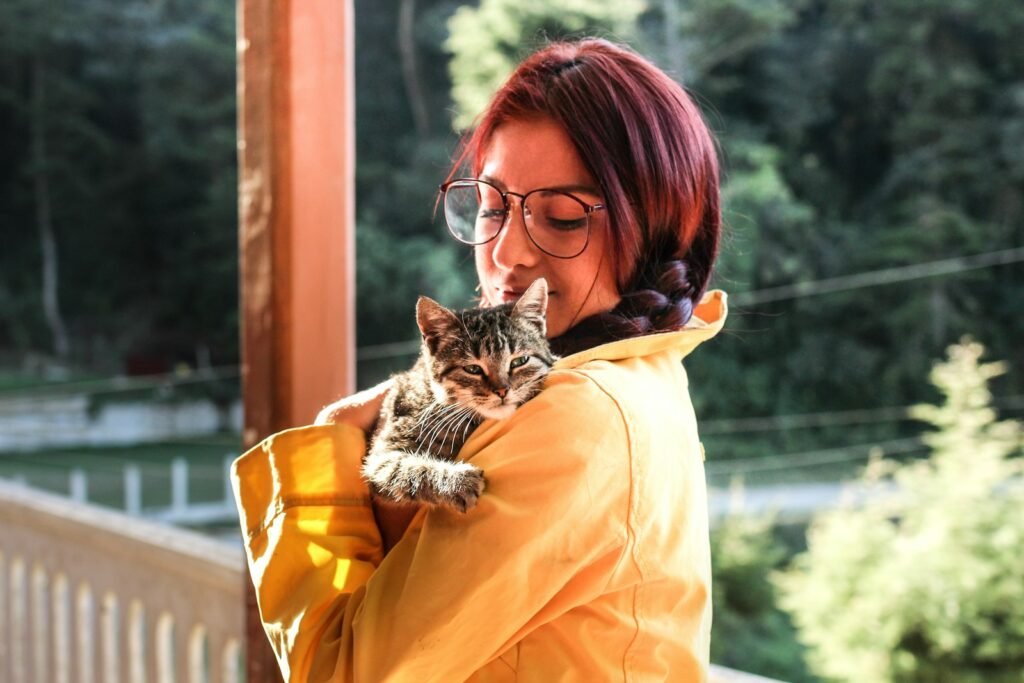
One of the most striking pieces of research on cats in recent years came out of Oregon State University. The data support the hypothesis that cats show a similar capacity for the formation of secure and insecure attachments towards human caregivers previously demonstrated in children and dogs. Researchers used a standard psychological test more commonly applied to infants.
In the study, roughly 65 percent of felines formed secure attachments with their owners. Like people, other cats were ambivalent or avoidant. That means a strong majority of pet cats actively use their owner as a psychological safe base. Cats that are insecure can be likely to run and hide or seem to act aloof. There’s long been a biased way of thinking that all cats behave this way. But the majority of cats use their owner as a source of security.
How Your Cat Is Actually Reading You
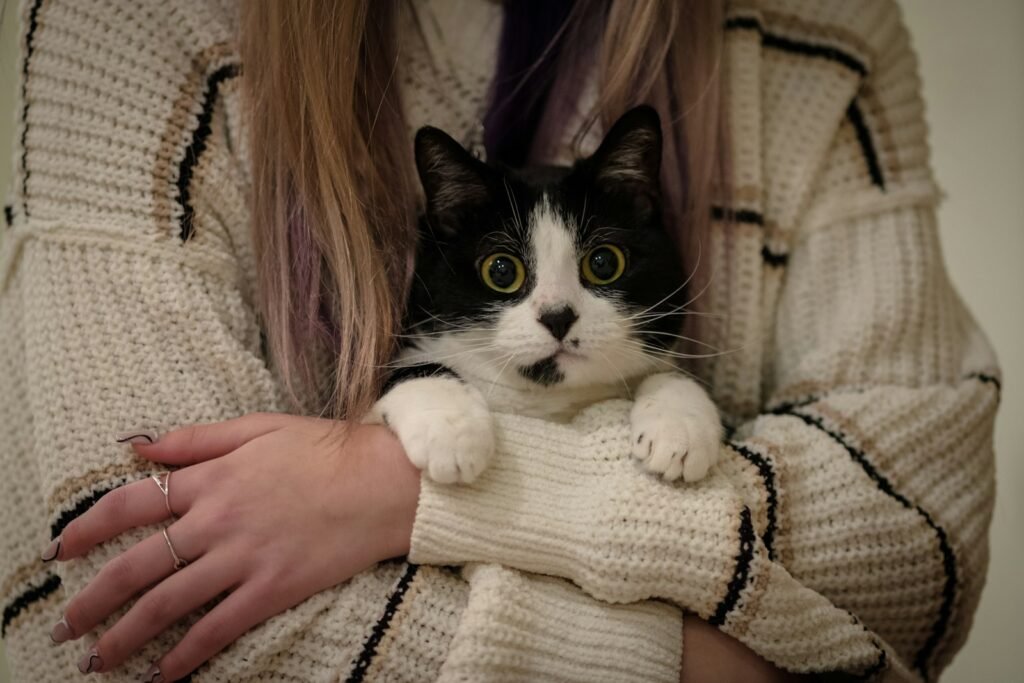
After years when scientists largely ignored social intelligence in cats, labs studying feline social cognition have popped up around the globe, and a small but growing number of studies is showing that cats match dogs in many tests of social smarts. Your cat isn’t simply reacting to your presence the way a robot might respond to a signal. They’re actively reading you.
Research suggests cats respond differently toward their owners when compared with unfamiliar humans. A study examining vocal recognition found cats display a significantly higher orienting response to their owner than to a stranger. When you call your cat’s name, they recognize it specifically as yours. They hear other voices differently. That’s not apathy; that’s the opposite.
The Slow Blink and Other Signs You’re Missing
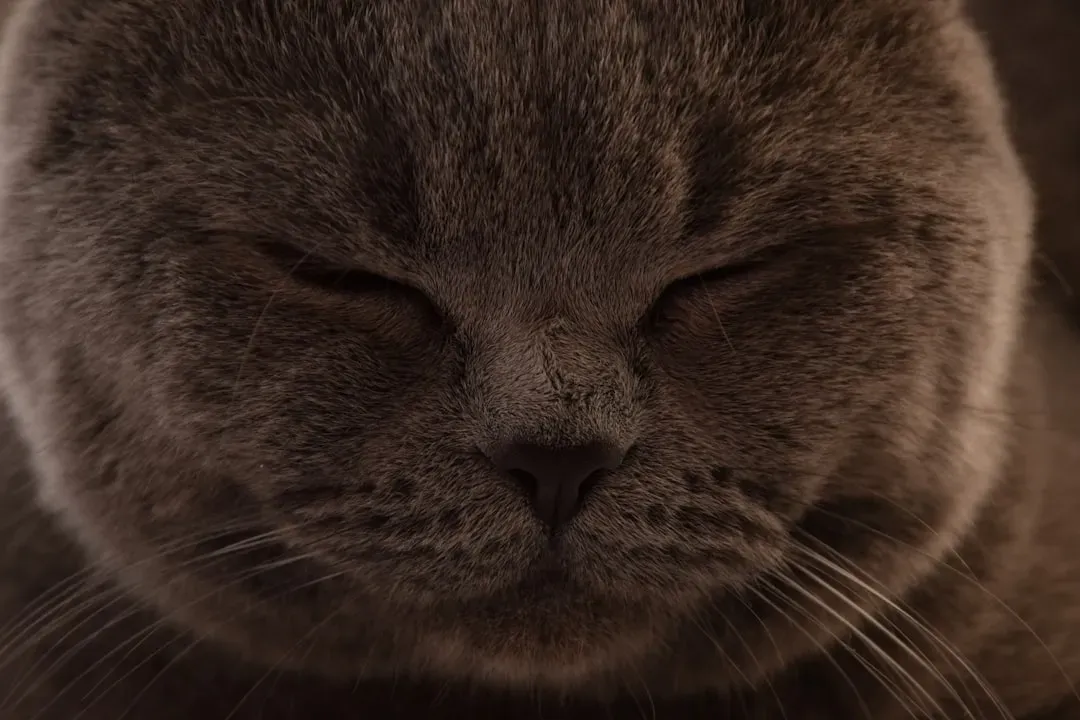
Feline affection isn’t always overt or constant. Instead, it’s often built around trust, safety, and selective social connection. Cats tend to show love through behaviors that signal comfort and familiarity rather than attention-seeking. Once you know what to look for, you’ll realize your cat has been communicating warmth all along.
A cat who blinks slowly at you shows relaxation and contentment – many cat owners take this to mean that the cat is saying “I love you.” You can slow-blink back at your cat to return the sentiment. Beyond eye contact, head butts and chin rubbing are clear signs that your cat loves you, because cats have scent glands in their faces that allow them to claim friends and objects as their own. Being claimed is, in cat terms, high praise.
What Grooming Behavior Reveals About Trust
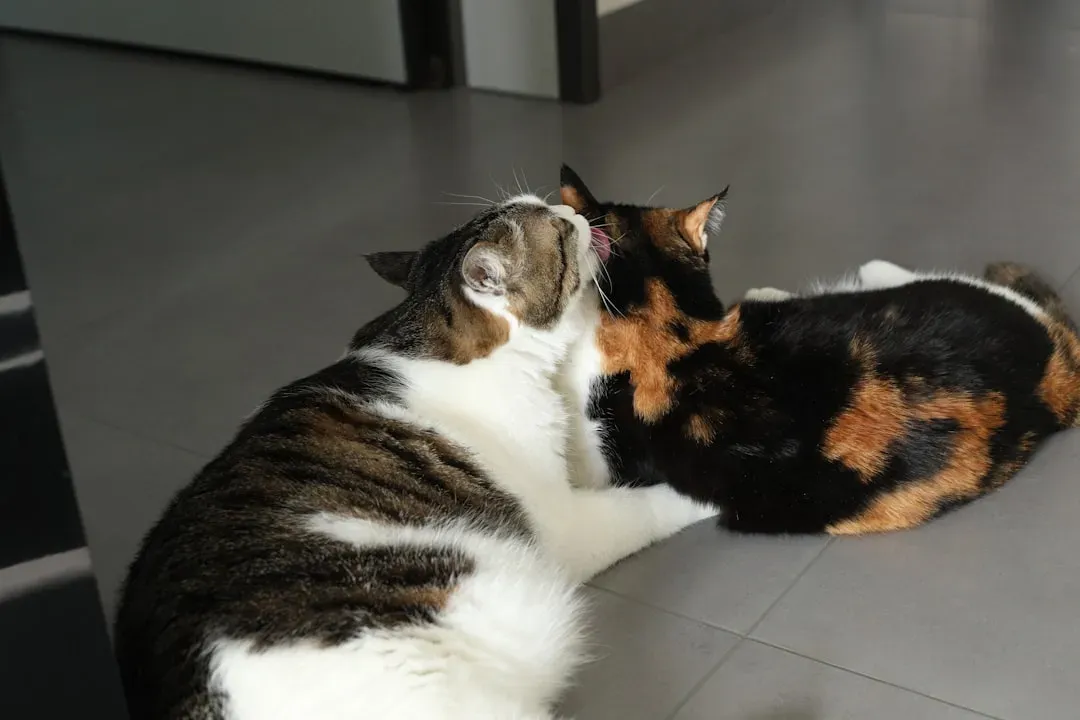
When cats groom each other, or you, it isn’t random. Mutual grooming is not simply a cleaning behavior but a highly selective social interaction. Cats typically only groom companions with whom they have a very high level of trust and a stable relationship, especially focusing on areas that are difficult for them to reach, such as the head and neck.
If your cat licks your hand, hair, or even your clothing, they may be engaging in social grooming. In multi-cat households, grooming is a bonding behavior. When directed at a person, it’s often a sign your cat considers you part of their social group. Social groups, for cats, are not built casually. You were vetted before you were accepted.
Preferred Associates: Your Cat Has a Chosen Circle
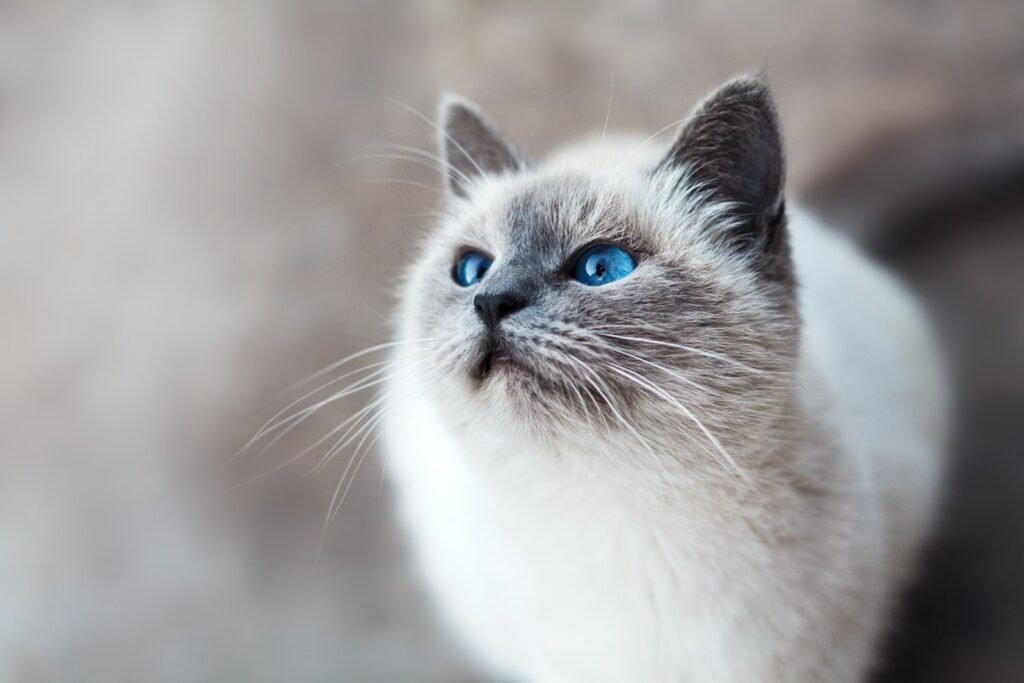
In contrast to the notion that cats are either anti-social or unable to form strong social bonds with each other, they appear to be highly variable in their preferences for social interactions. Cats have been shown to have preferred associates based on observations that some individuals living in groups spend more time with one another than would be expected by chance. Preferred associates demonstrate behaviors such as allorubbing and grooming, touching while sleeping, nose touching, and signaling with a “tail up” posture when approaching one another.
This selectiveness extends to their relationship with you. Some cats form strong bonds with one person while remaining distant from others. If your cat gravitates consistently toward you and nobody else, that’s less about personality quirks and more about a carefully considered preference. You passed a test you didn’t know you were taking.
Humans Actually Win Over Food, More Often Than Not
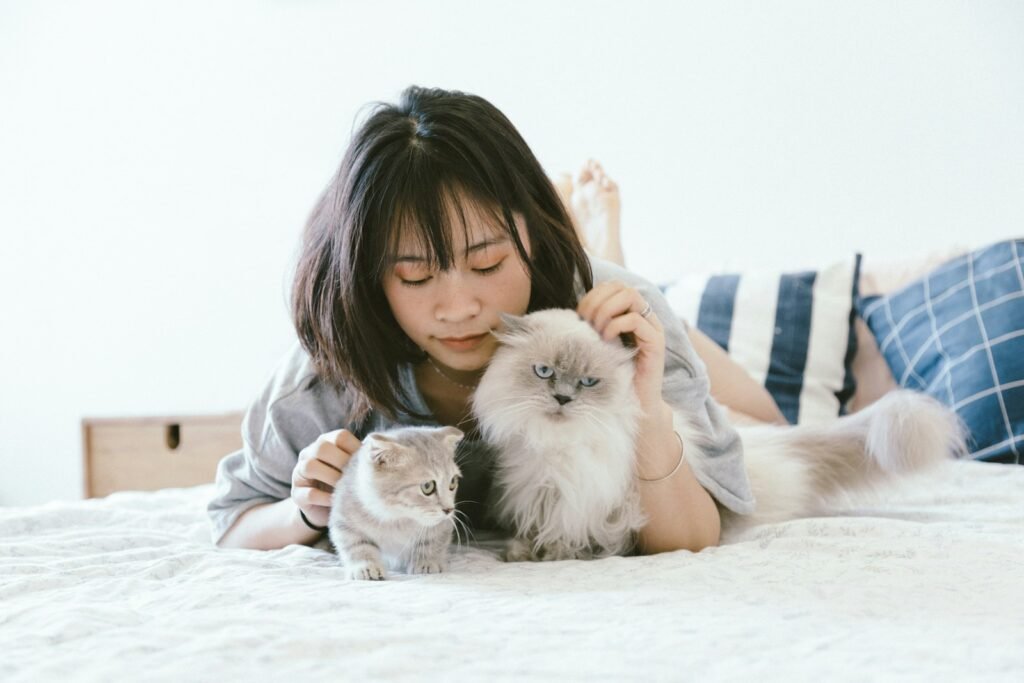
There’s a persistent idea that cats only keep humans around for meal delivery. Research points in a different direction. Within research examining several categories of stimuli including human social interaction, food, toys, and scent, the majority of cats, around 50 percent, preferred interaction with humans, followed by food at 37 percent, then toys and scent.
A large amount of individual variability was found for preference for these various stimuli, indicating that each cat may have its own preference profile for items it most enjoys. The role of individual variation in cat behavior is supported by other research, and indicates that, as a facultatively social animal, cats have the ability to prefer solitude as well as social interaction. Most of the time, though, you’re the preferred option. Worth keeping in mind.
Routine as a Love Language
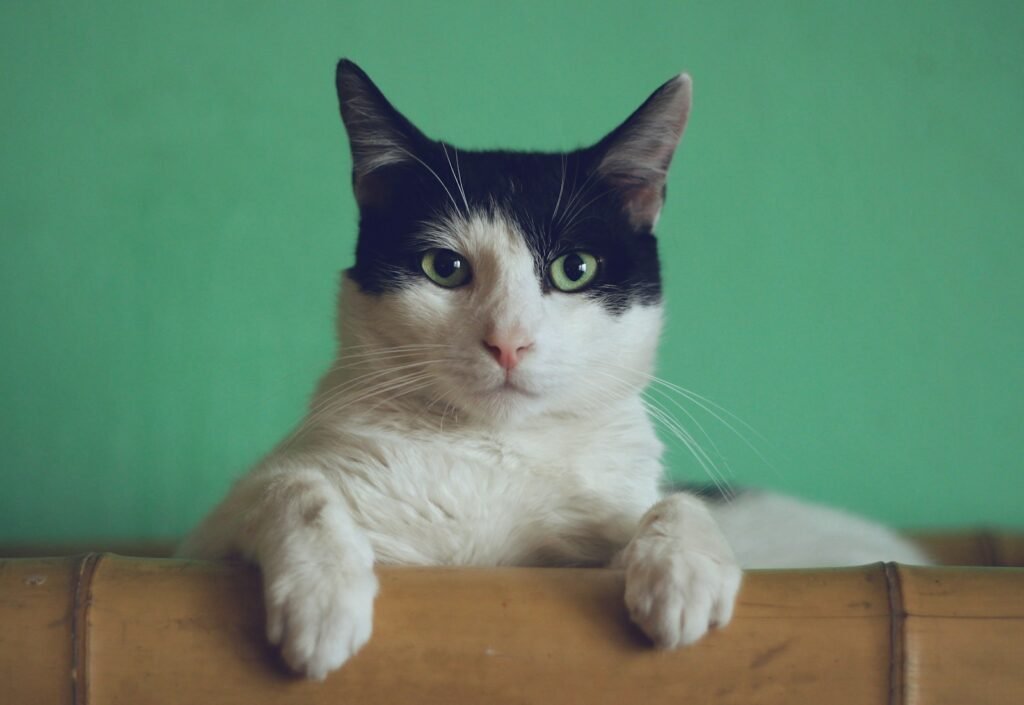
Cats are deeply habitual creatures, and their routines often encode something meaningful. Cats are creatures of habit. If your cat consistently joins you for morning coffee or nighttime TV, that shared routine reflects a bond. These predictable moments help cats feel secure, and participating in them is a form of affection.
Sleep is a vulnerable state for cats. Choosing to nap next to you, or even in the same room, is a strong indicator of trust. Some cats may sleep at your feet or nearby rather than directly on you, but that close proximity still counts as a sign of love. Proximity chosen freely says more than proximity you engineered. Pay attention to where your cat positions themselves when they have every option in the world.
Understanding Individual Variation: Not All Cats Are the Same
Opportunities for socialization to other cats, other animals, humans, and to environmental stimuli vary greatly among cats, and this may contribute to the significant variability in sociability observed within the species. Further research is required to ascertain the relationship between cats’ socialization histories and their social development. However, given burgeoning evidence that a cat’s history of social exposure and access to diverse social stimuli early in life is a significant predictor of their social behavior and welfare, it is imperative to highlight the importance of socialization as a potential tool to improve cat welfare.
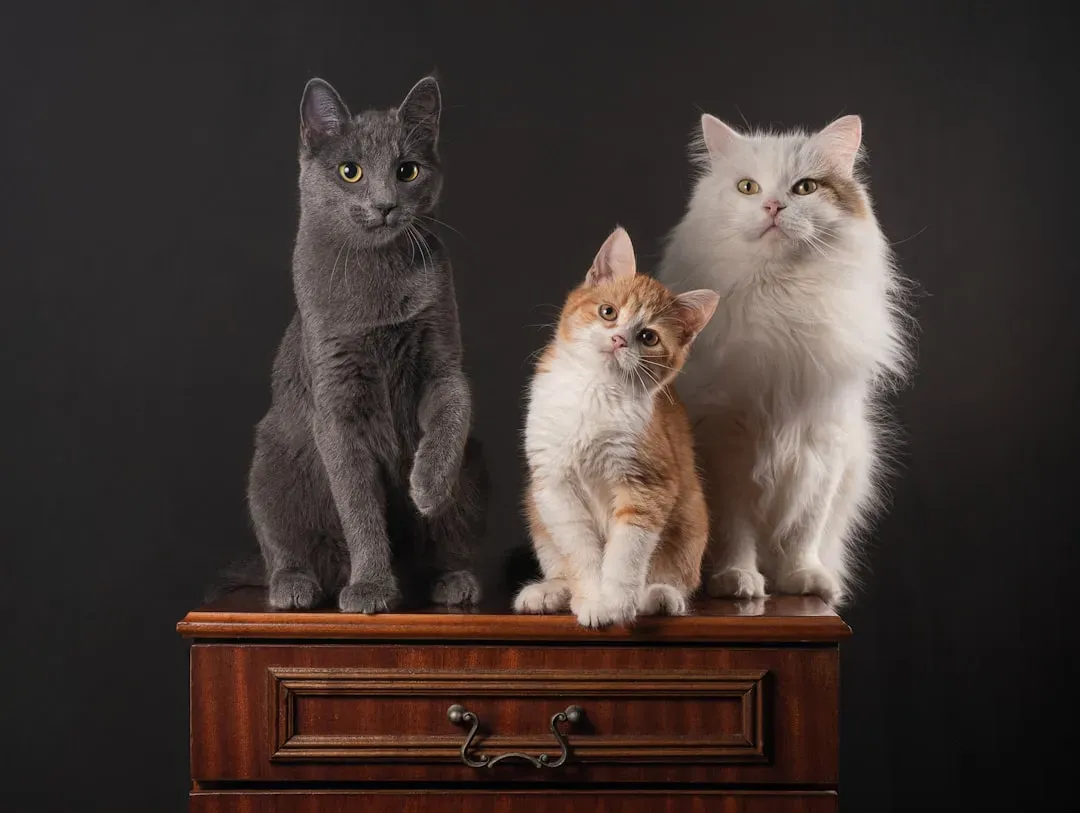
While environment and individual experience are major components, breed traits can also influence how cats tend to express affection. Some breeds are known for being more socially oriented and people-focused, often enjoying interaction and attention. Breeds in this category include Ragdolls, Siamese, Burmese, and Maine Coons. Other breeds, such as Persians, Russian Blues, and British Shorthairs, are more reserved, showing affection in quieter, less physical ways. None of this is a value judgment. Reserved affection is still affection.
Conclusion
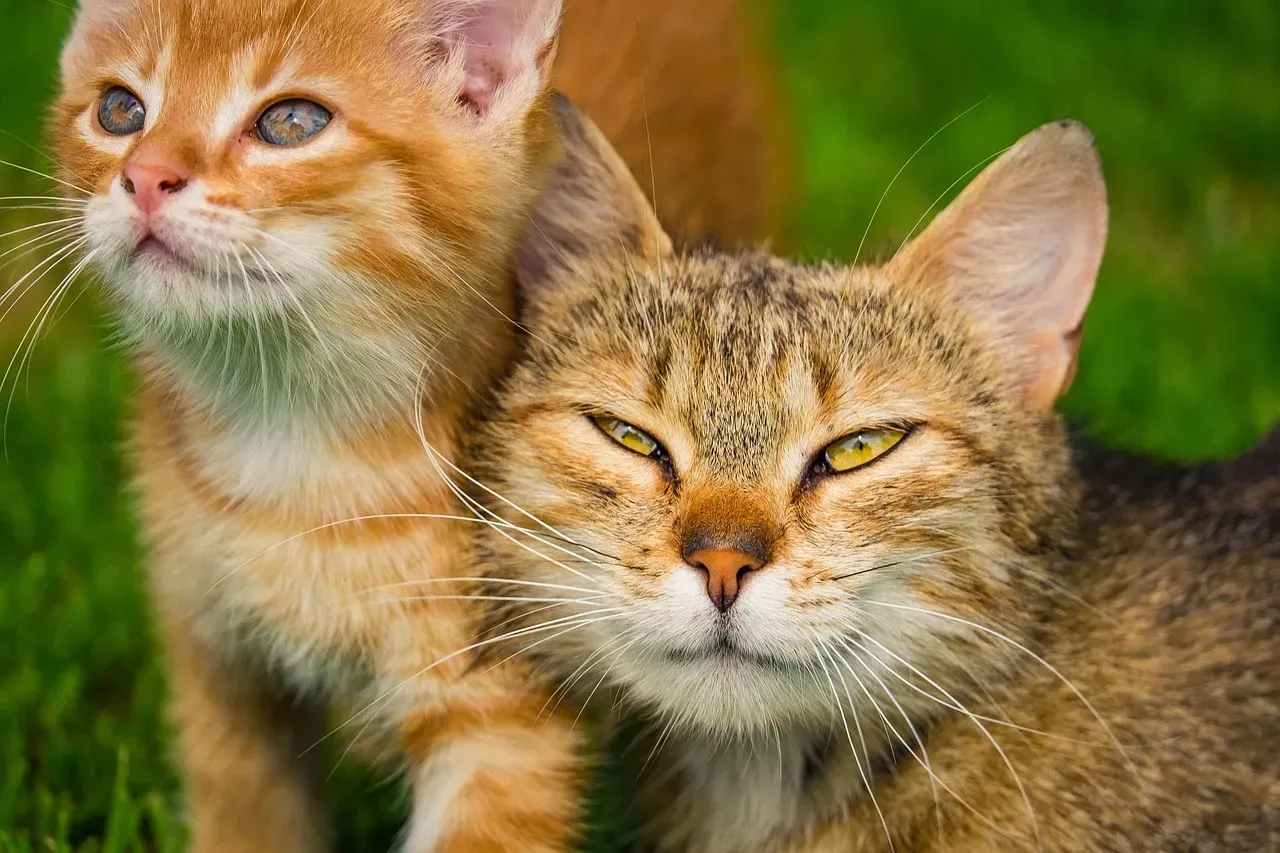
The idea that cats are aloof turns out to be less a truth about cats and more a truth about how little we understood them for a long time. Research has now built a compelling case: your cat forms genuine attachments, reads your emotional cues, prefers your company over food more often than not, and communicates warmth through a vocabulary that simply requires some learning to decode.
The more you observe without expectation, the more you’ll notice. A tail held high at the door. A slow blink from across the room. A deliberate choice to sleep in your particular chair. These aren’t accidents. Your cat isn’t withholding connection; they’re offering it on their own careful terms. That’s not aloofness. That’s just how discernment looks when it’s wearing fur.
Kristina is a young writer from India. An arts graduate and an avid content creator, Kristina is passionate about animals and wildlife. She enjoys exploring topics related to pet care, animal behavior, conservation, and nature, combining thorough research with engaging storytelling.