You fill the bowl, your cat sniffs it, looks up at you with vague contempt, and walks away. Sound familiar? Feeding a fussy cat can feel like a never-ending negotiation, and it leaves many owners wondering whether their cat is genuinely selective or whether something more is going on.
The truth is that there’s a real difference between occasional food fussiness and persistent picky eating, and understanding that difference matters more than most people realize. Some signs of pickiness are perfectly normal. Others deserve a closer look, because cats can be picky eaters due to their natural instincts surrounding food and eating behaviors, but it’s important to pay attention to changes in your kitty’s desire to eat food.
Your Cat Inspects Every Meal But Rarely Finishes It
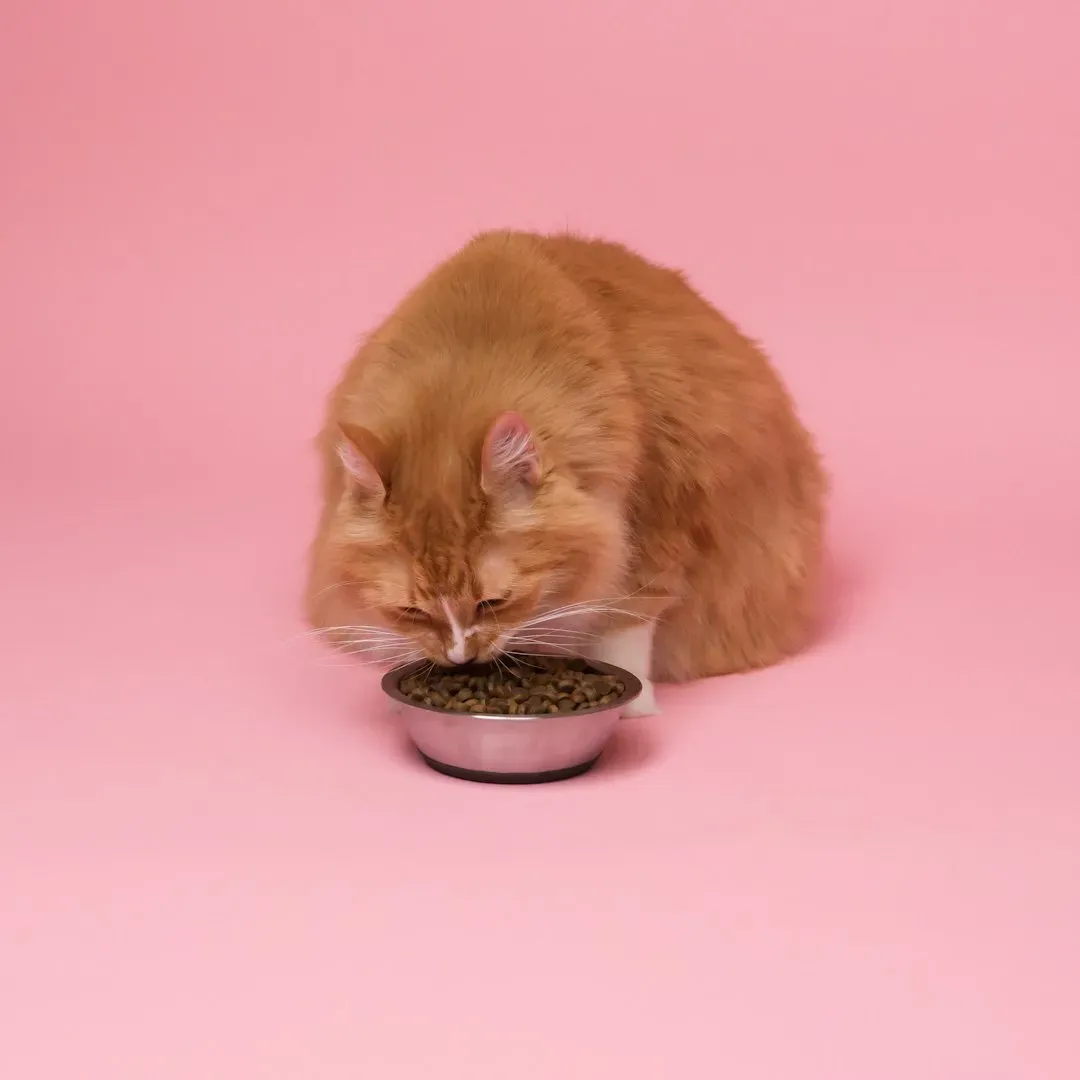
If your cat approaches the food bowl like a restaurant critic conducting an inspection, sniffing carefully before turning away or nibbling just a few bites, you’re likely dealing with a genuinely selective animal. Sometimes picky eating is the only sign of GI disease, but you may also notice your cat sniffing at the food and licking their lips or walking away, which can indicate nausea. So while some inspection is just feline habit, persistent sniff-and-reject behavior is worth tracking.
To help, consider warming up your cat’s food slightly before serving. Sometimes all it takes is adding a bit of moisture to your cat’s food to make it more tempting. Not only does this help keep your cat hydrated, but adding warm water or pet-safe broth increases the smell of the food and can help entice picky eaters. A stronger aroma is often all it takes to convert a skeptic into an enthusiastic eater.
Your Cat Holds Out for Treats Instead of Eating Their Regular Food
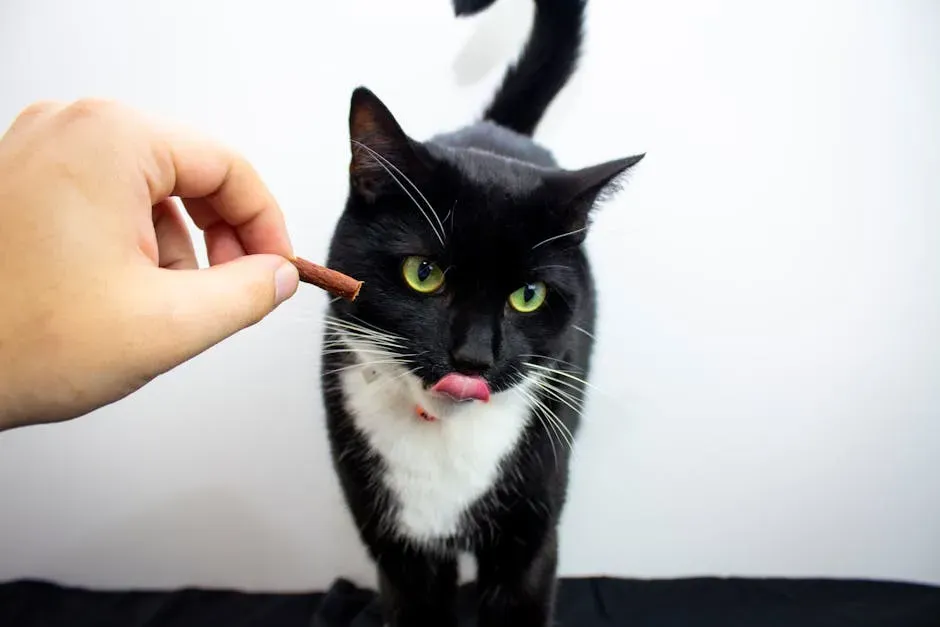
You may have inadvertently created a picky eater by taking advantage of the huge variety of cat foods. There are different kibble flavors and sizes, different textures and flavors of canned foods, pouches of semi-moist food, and freshly packaged meals. For some cats, too much variety is not necessarily a good thing, and it can lead to cats learning to hold out for their favorites. When treats are also consistently offered as a reward for refusing regular food, this pattern deepens quickly.
If you try to tempt a cat not eating much with your own tidbits or cat treats, they’ll soon learn that they can get a tasty reward or maybe something better for refusing their own food. The fix is simple but requires consistency: stop offering treats as a meal substitute. A common mistake among pet owners is offering treats when they refuse food. If your cat refuses food and is immediately given a tasty treat, they will quickly learn to repeat this behavior.
Your Cat Has Strong Texture or Temperature Preferences
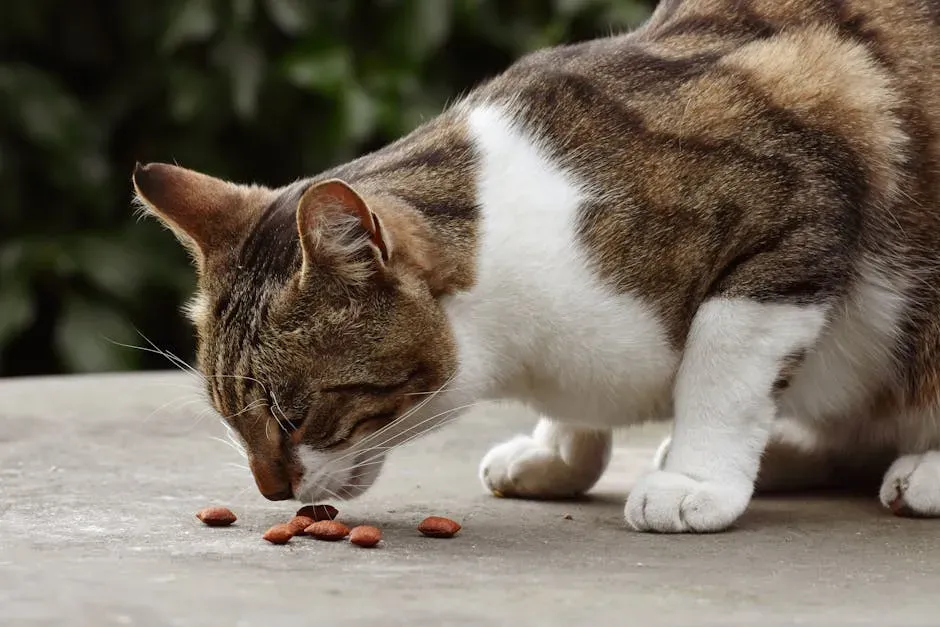
Some cats refuse perfectly good food not because of flavor, but because of how it feels or how cold it is. The food’s texture can make a difference in palatability for cats, particularly when it comes to wet food. Some love pâté, and others prefer chunks and gravy. There are also flaked, shredded, sliced, and minced formulas, as well as stews and blends. Identifying your cat’s texture preference early can save a lot of wasted food and frustration.
Usually, temperature only affects wet food. Cats may not like food that you have stored in the fridge. In this case, you’ll usually have to let the food heat up to room temperature before your cat will eat it. A quick warm-up in the microwave, no more than ten seconds on a microwave-safe dish, can make a meaningful difference. Always check the food’s temperature before serving so it’s comfortable, not scalding.
Your Cat Refuses Food Near the Litter Box or Water Bowl
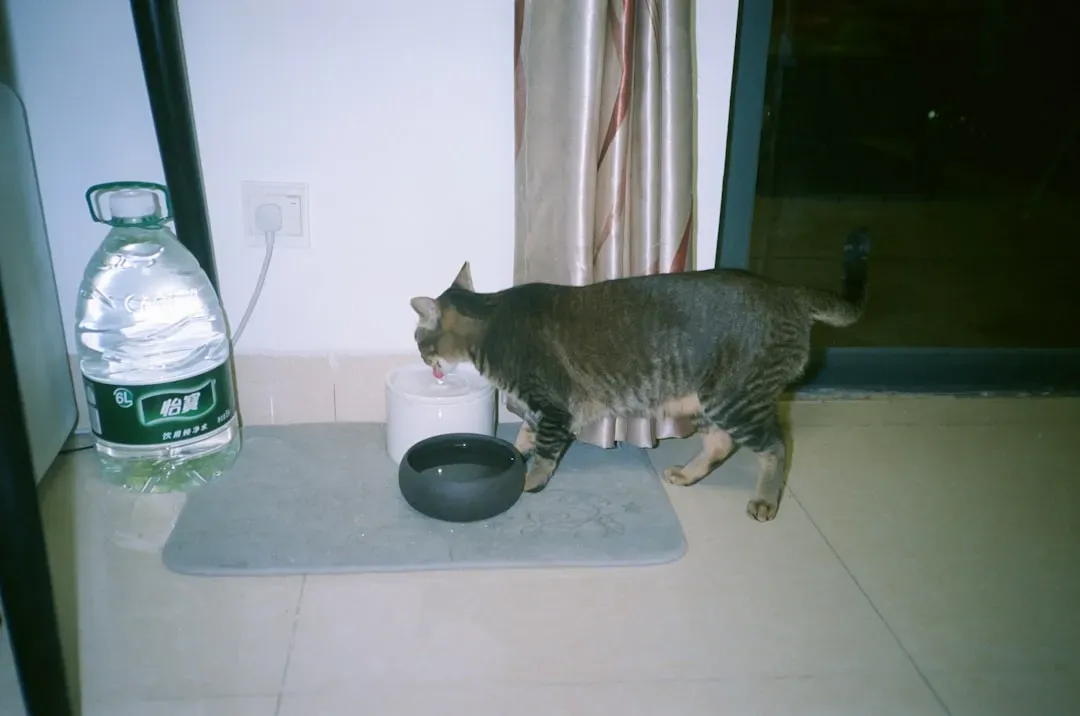
Placement matters far more to cats than most owners expect. Most of us don’t eat in the bathroom and your cat would probably agree that it’s not an ideal location. In the cat world, going away from the living quarters and covering waste after elimination are very important aspects of survival. To eat near the elimination area can be very confusing, and in some cases it can result in finicky eating or at the very least, increased anxiety during meals.
The water bowl placement is equally important and frequently overlooked. If you feed your cat from a double feeder where food goes in one side and water goes in the other, that may be very unappealing. In general, it’s wise to place the water bowl several inches away from the food bowl. Some cats prefer the water on the other side of the room or in a totally separate location from the food. Rearranging your cat’s feeding station costs nothing and can produce a surprisingly immediate result.
Your Cat Takes a Few Bites and Walks Away Repeatedly
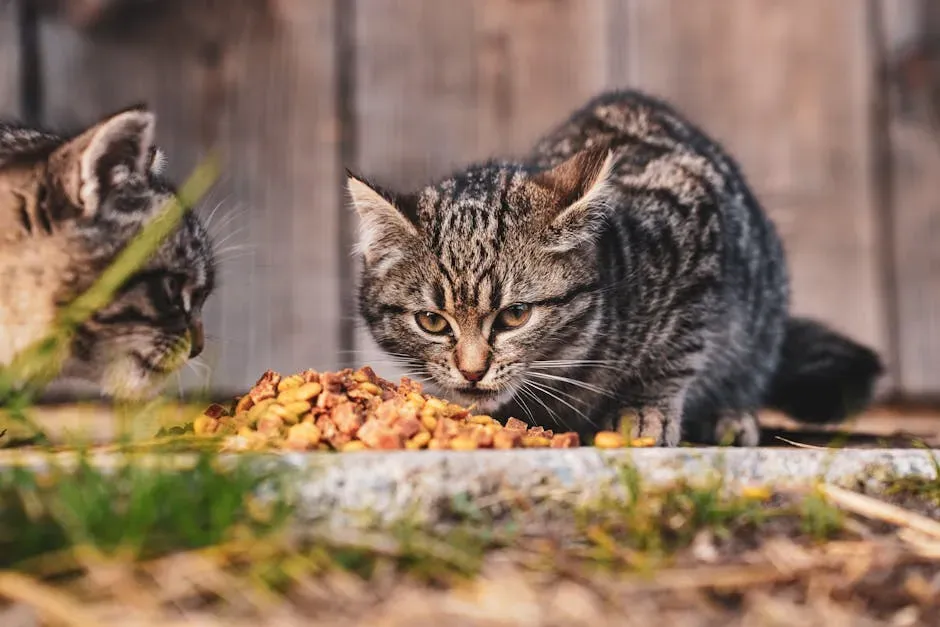
This one gets misread all the time. If your cat grazes throughout the day, taking small bites and wandering off, that’s not always a sign of pickiness. Cats naturally eat several small meals each day and many cats prefer to eat just a few bites at a time. Sometimes people misinterpret walking away after a few bites as being “picky.” Understanding this natural pattern can spare you a lot of unnecessary worry.
Still, if the behavior is causing your cat to consistently under-eat, a structured schedule can help. Use your cat’s love of routine to your advantage. Try feeding them at the same time each day instead of leaving food out all the time. If they don’t eat within 20 to 30 minutes, pick up the food and offer it again at the next mealtime to start building more consistent eating habits. This approach also builds a natural sense of hunger that can motivate even the most indifferent eater.
Your Cat Suddenly Refuses Food They Previously Loved
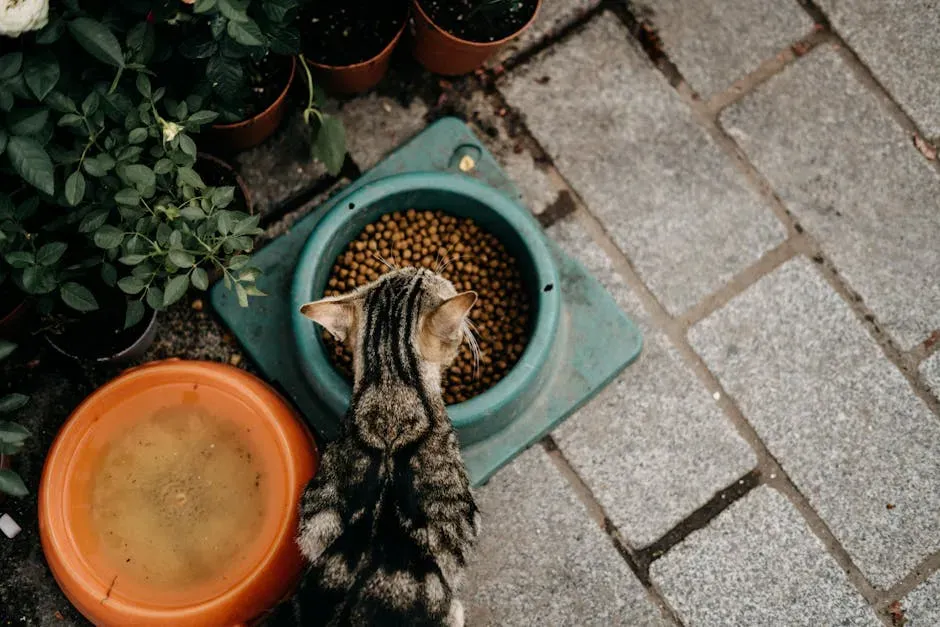
This is the sign that deserves the most attention. A cat that used to eat a certain food reliably and suddenly stops is telling you something specific. If your cat has suddenly become a picky eater, most of the time there’s a medical reason. This can include kidney disease, gastrointestinal issues, dental disease, arthritis, respiratory infections, and heart disease. Seek veterinary attention when your cat’s appetite suddenly decreases.
Time is a real factor here. Cats can develop potentially life-threatening hepatic lipidosis (fatty liver disease) if they don’t eat regularly, so making an urgent veterinary appointment is crucial if you see any changes in your cat’s appetite. Beyond the medical angle, cats may decide not to eat if their food has been changed. Often, it doesn’t have to be a completely new formula. If a cat food brand adjusts the formula slightly, your cat may notice and be put off by the changes. It’s worth checking the ingredient list on any new bag or can, even if the product looks identical on the shelf.
Conclusion
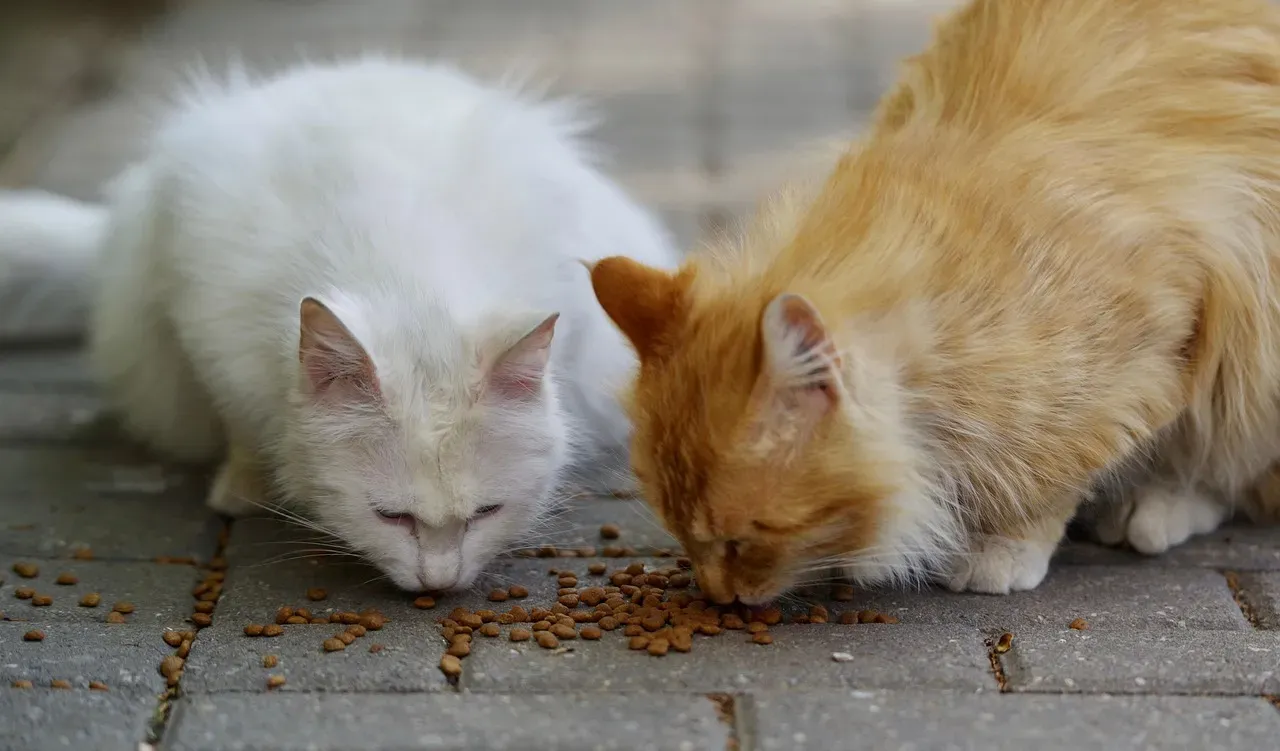
Picky eating in cats is rarely one thing. It can be a natural preference for texture, a learned habit, a reaction to bowl placement, or a signal that something medically needs attention. The key is knowing which category you’re dealing with before you try to fix it.
Before your cat is deemed “picky” for their attitude towards food, an important first step is ruling out an underlying medical cause, with the help of your veterinary care team. Once health issues are off the table, you have real, practical options: warming food, adjusting feeding schedules, improving bowl placement, and reducing treat dependency.
Most cats who are genuinely picky respond well to small, patient adjustments rather than dramatic overhauls. Watch your cat closely, stay consistent, and remember that a fussy eater is often just a cat communicating something specific in the only language it knows.
Kristina is a young writer from India. An arts graduate and an avid content creator, Kristina is passionate about animals and wildlife. She enjoys exploring topics related to pet care, animal behavior, conservation, and nature, combining thorough research with engaging storytelling.