You probably think you know your cat pretty well. You know their favorite napping spot, the particular meow that means dinner, and the precise level of eye contact that precedes mischief. Still, even the most devoted cat owners tend to underestimate just how remarkable their feline companion truly is.
Underneath all that nonchalance and selective affection lies a biological masterpiece. Cats carry abilities forged over millions of years of evolution, and most of those abilities work quietly in the background every single day, without any fanfare whatsoever. Here are ten of the most fascinating hidden talents your cat possesses.
1. Night Vision That Operates on a Whole Different Level
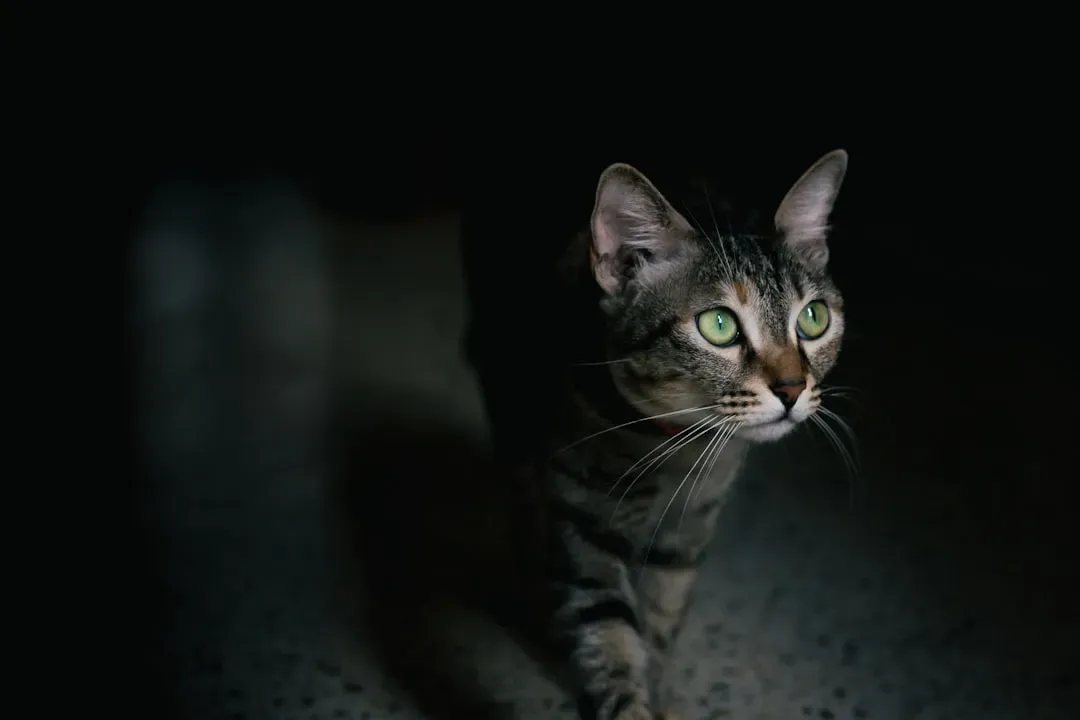
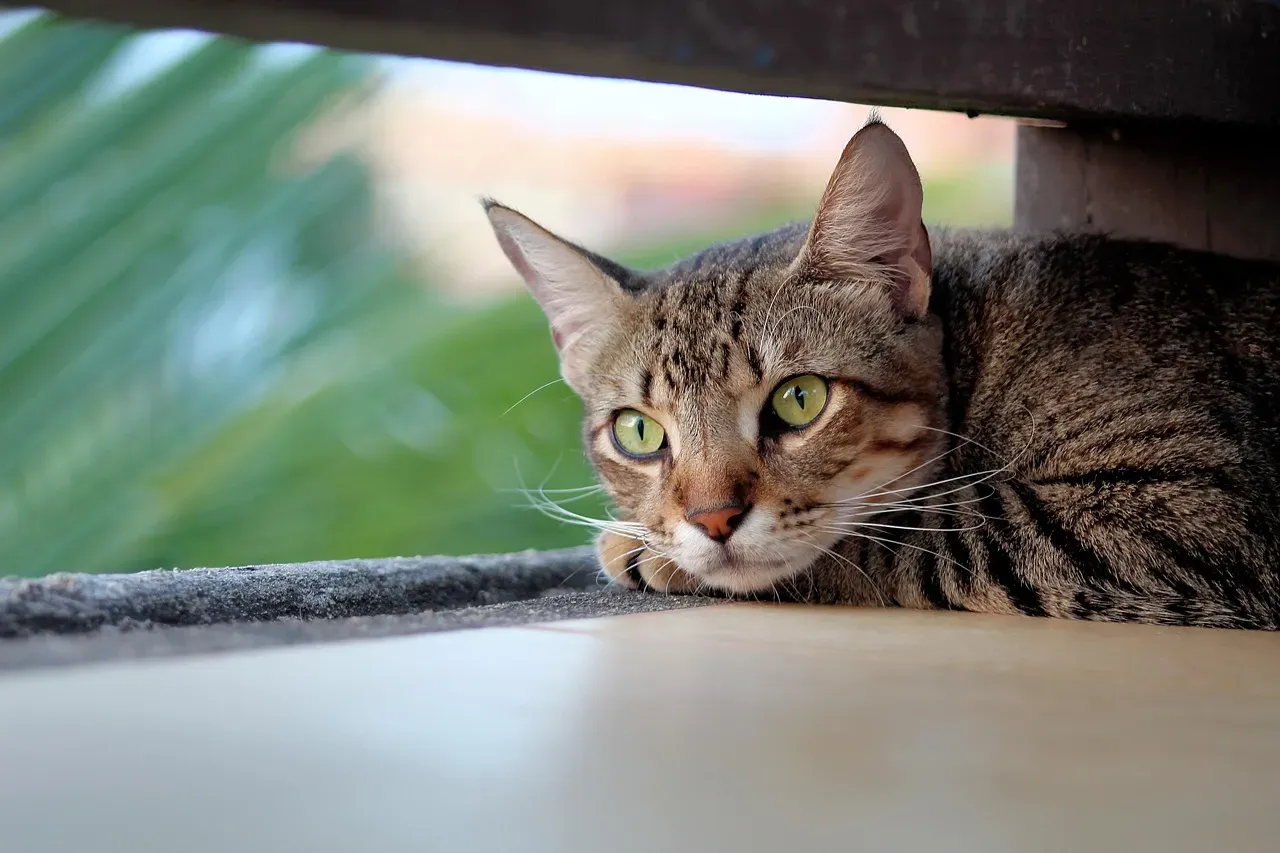
When you stumble around in the dark looking for a light switch, your cat is already three rooms ahead of you, navigating with confidence. One of the most remarkable abilities cats possess is their exceptional night vision, made possible by a layer of tissue in the eye called the tapetum lucidum, which reflects light back through the retina and maximizes sensitivity in low-light conditions. That’s also the reason your cat’s eyes seem to glow when you catch them in the beam of a flashlight.
Your cat’s eyes are perfectly adapted for the hunt, allowing them to see in levels of light that are six times dimmer than the minimum required for human vision. The pupil is slit-shaped during the day, but at night it opens out to cover most of the eye, letting in as much available light as possible. Your cat isn’t just tolerating the dark – they’re genuinely thriving in it.
2. A Nose That Puts a Scent Detective to Shame
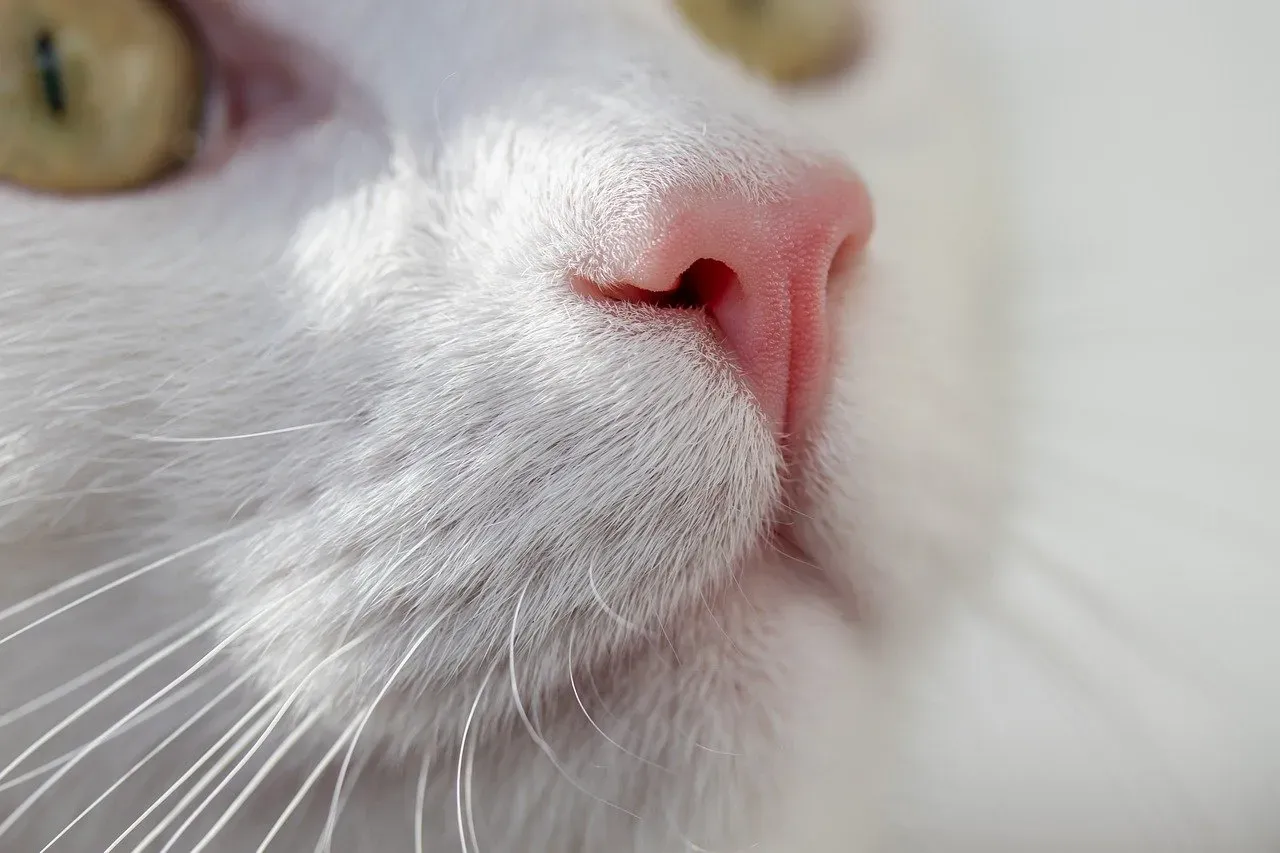
Your cat’s nose functions roughly forty times more effectively than a human’s sense of smell, powered by approximately 200 million odor-sensitive cells packed into their nasal cavity, compared to only five million in humans. That’s not just a minor upgrade – it’s an entirely different sensory world. Cats rely on this supercharged sense of smell for essential daily activities, from determining if food has spoiled to tracking potential prey and even finding their way home.
Perhaps most fascinating is how cats possess a secondary scent detection system called the vomeronasal organ, located on the roof of their mouth, which allows them to detect chemical signatures and pheromones that aren’t even airborne. When you notice your cat with their mouth slightly open, they’re actually engaging this remarkable organ to gather even more detailed scent information. It’s essentially a second nose – wired directly to the brain’s processing centers.
3. Whiskers That Function as a Living Radar System
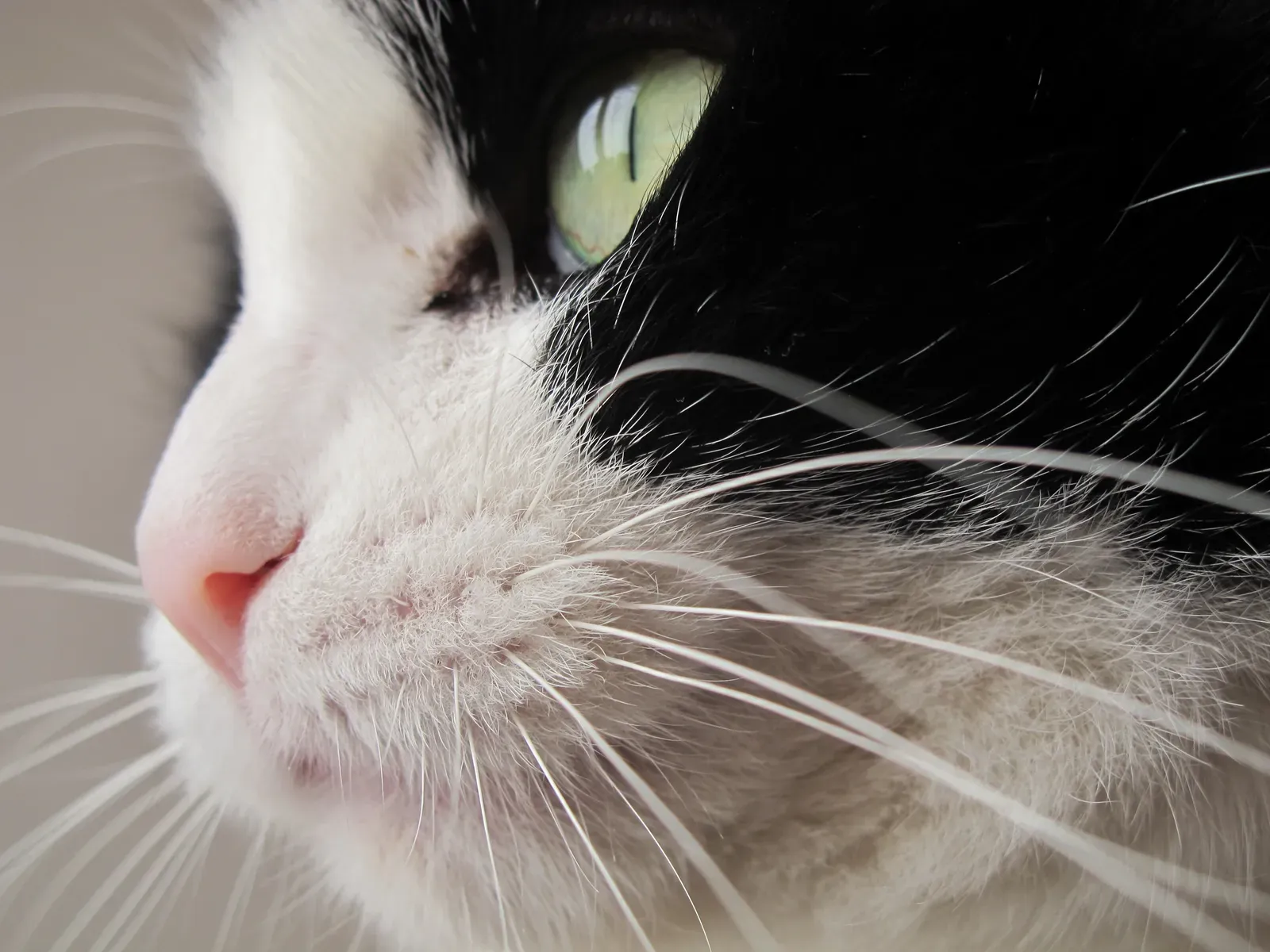
A cat’s whiskers are thicker than ordinary hairs, have deeper roots, and provide important sensory information – and they’re so sensitive that they don’t even have to touch an object for a cat to sense nearby movement, since changes in airflow can be enough. Think about what that means: your cat is reading the air around them constantly, picking up signals invisible to you entirely.
Whiskers are not just around the nose, either. They’re also above the eyes, at the ears, on the jaw, and on the forelegs. Whiskers allow cats to sense vibrations used when hunting, sense approaching dangers, act as a built-in measuring tape, and help with navigation. The whiskers on the front legs in particular come from a time when cats did a lot of chasing and hunting, and they’re crucial for detecting the position of prey they’re about to catch.
4. A Built-In Homing Navigation System
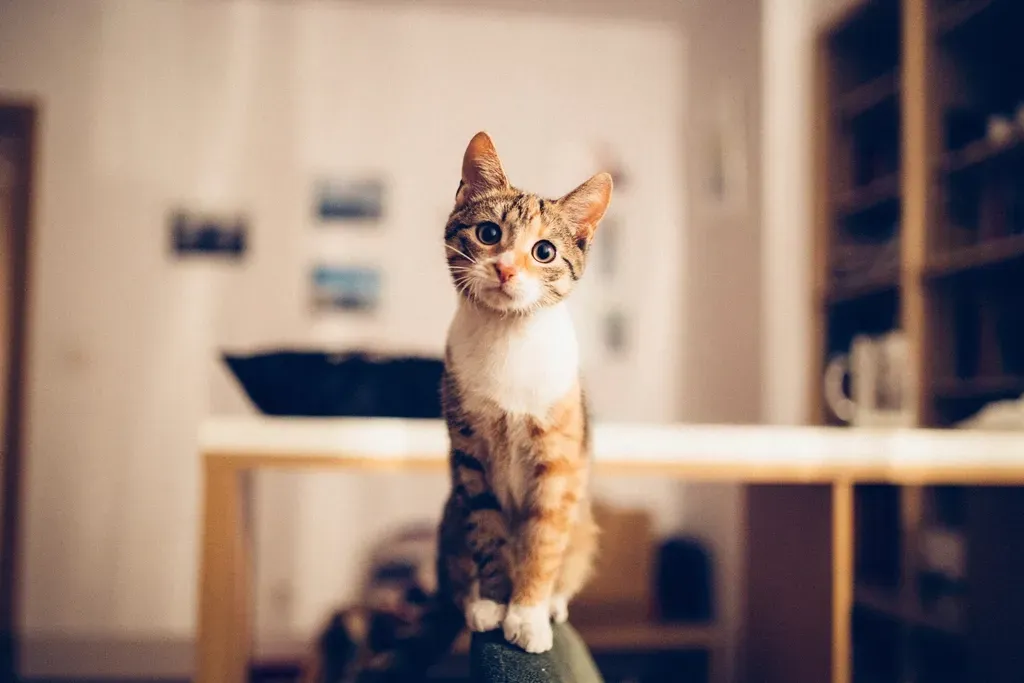
Scientific studies suggest that cats do not rely on a single navigational tool but on a combination of brain circuits and sensory inputs, with both the hippocampus and entorhinal cortex enabling spatial memory and orientation. Cats develop detailed mental maps of their territory through exploration, learning spatial relationships between resources, hiding spots, and pathways, which allows them to navigate flexibly rather than memorizing a single route.
As cats move, they track distance and direction internally in a process known as path integration, creating a continuous estimate of how to return to a starting point even without landmarks. Olfaction is likely the most influential component of feline navigation, as cats deposit scent markers and learn the odor signatures of their environment, effectively creating a chemical map layered over the physical one. The result is a navigational system that frankly has no technological equivalent you could fit in your pocket.
5. A Therapeutic Purr With Real Healing Properties

Research suggests that the frequency of a cat’s purring, typically between 25 and 150 hertz, could have therapeutic effects on the body and mind. This covers the same frequencies that are therapeutic for bone growth and fracture healing, pain relief, swelling reduction, wound healing, muscle growth and repair, tendon repair, and mobility of joints. That gentle rumble isn’t just comforting – it may be genuinely medicinal.
A cat’s purr is far more complex than a simple sign of happiness. Cats use purring as a multifaceted tool – it not only indicates enjoyment but also serves as a mechanism for self-soothing during moments of pain or anxiety, suggesting that purring plays an important role in both emotional and physical wellbeing. These vibrations have also been shown to promote the regeneration of bone cells and increase bone density, making them relevant for treating bone fractures and joint issues.
6. Extraordinary Hearing That Outranks Even Dogs
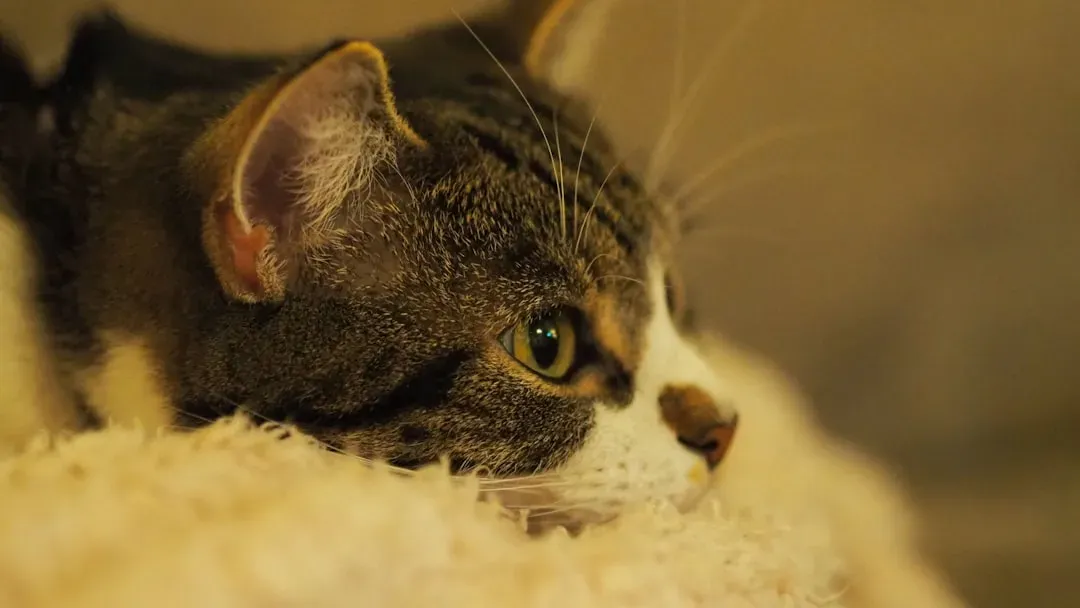
Your cat’s sense of hearing is even better than a dog’s, and cats have one of the broadest hearing ranges among all mammals. Cats can hear one and a half octaves above the range of a human and one full octave above that of a dog. Their cone-shaped ears can pick up sounds and movements up to five times farther than humans can, helping them pinpoint the exact location of the source. It’s precision acoustic engineering, built right into those elegant, rotating ears.
Cats hear at higher frequencies than humans, and at this range they can detect the ultrasonic squeaks of small rodents. Even behind a closed door, your cat isn’t guessing when they hear you approaching – they’ve already identified your footstep pattern, the rustle of your bag, and likely even the sound of the specific can you’re about to open. You were never as sneaky as you thought.
7. The Righting Reflex: A Mid-Air Self-Correction Superpower
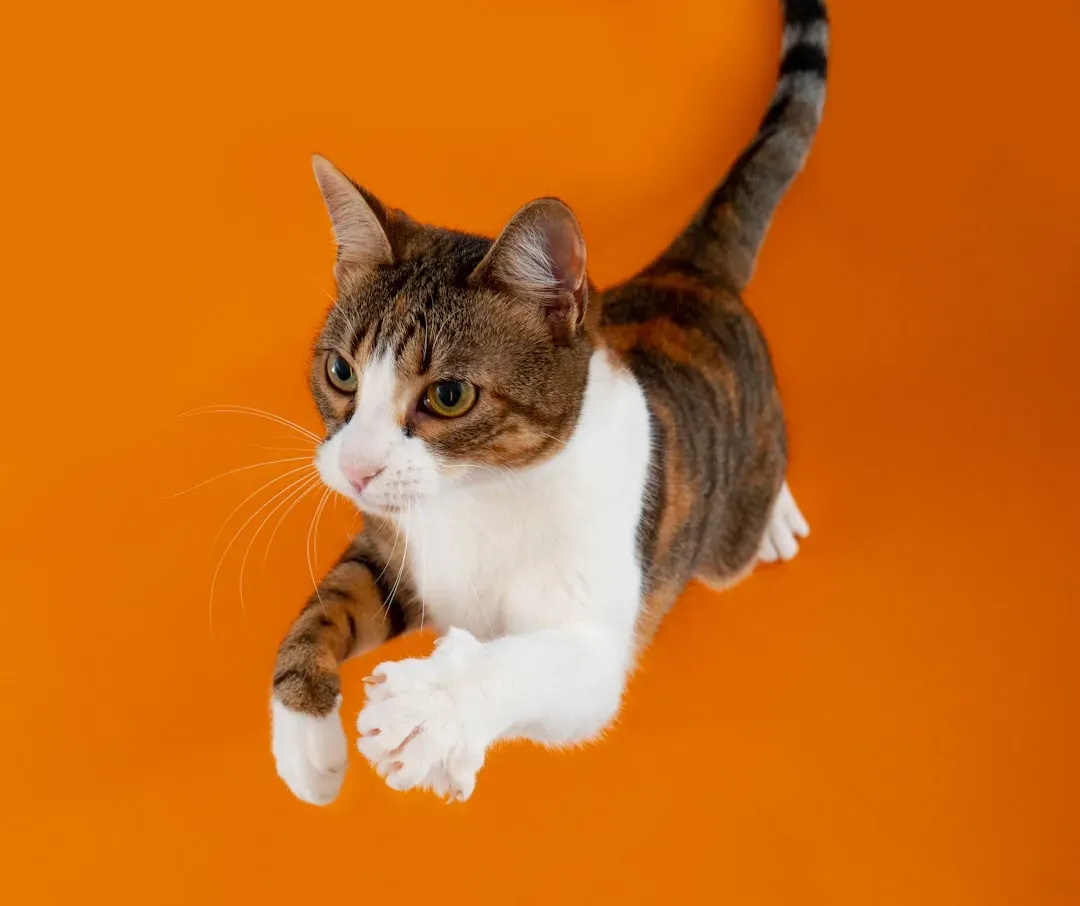
Your cat’s skeletal structure, featuring a highly flexible spine and the absence of a collarbone, affords them an incredible range of motion, enabling what is called the “righting reflex” – the ability to twist their bodies in mid-air and land on their feet. Their righting reflex allows them to twist their bodies mid-fall to land safely, which isn’t just good balance but a complex series of movements requiring incredible spatial awareness and cognitive abilities that few other animals possess.
Cats also possess extraordinary balance and coordination, with a highly developed vestibular system located in the inner ear that enables them to maintain equilibrium even during mid-air twists and turns. This exceptional sense of balance, coupled with their agile bodies, gives cats the ability to land gracefully on narrow ledges and navigate treacherous heights with ease. The righting reflex greatly lowers their risk of injury from falls, allowing cats to navigate their environment with confidence and grace.
8. Impressive Problem-Solving and Long-Term Memory
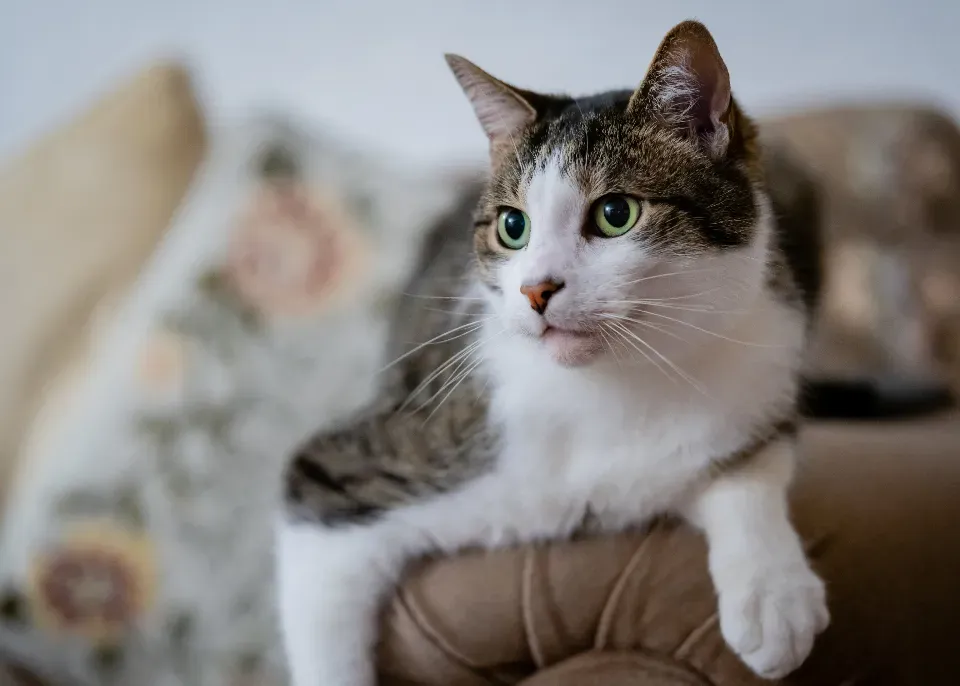
Cats exhibit impressive problem-solving skills when faced with challenges, and their natural curiosity drives them to explore and interact with their surroundings, often leading to creative solutions to obstacles they encounter. Many cats quickly learn to manipulate puzzle feeders, showcasing their ability to understand cause and effect relationships. If your cat has ever figured out how to open a cabinet or a door, you’ve witnessed this firsthand.
Contrary to popular belief, cats possess excellent long-term memory, able to remember people, places, and experiences for extended periods. This memory capacity contributes directly to their problem-solving abilities, as they can recall past solutions to similar challenges. Cats have also shown problem-solving skills, emotional intelligence, a sense of time, and the ability to remember – all clear signs of their cleverness. The “aloof” reputation may simply be a cat choosing not to perform on demand, which is a different thing entirely.
9. The Ability to Read Your Emotions
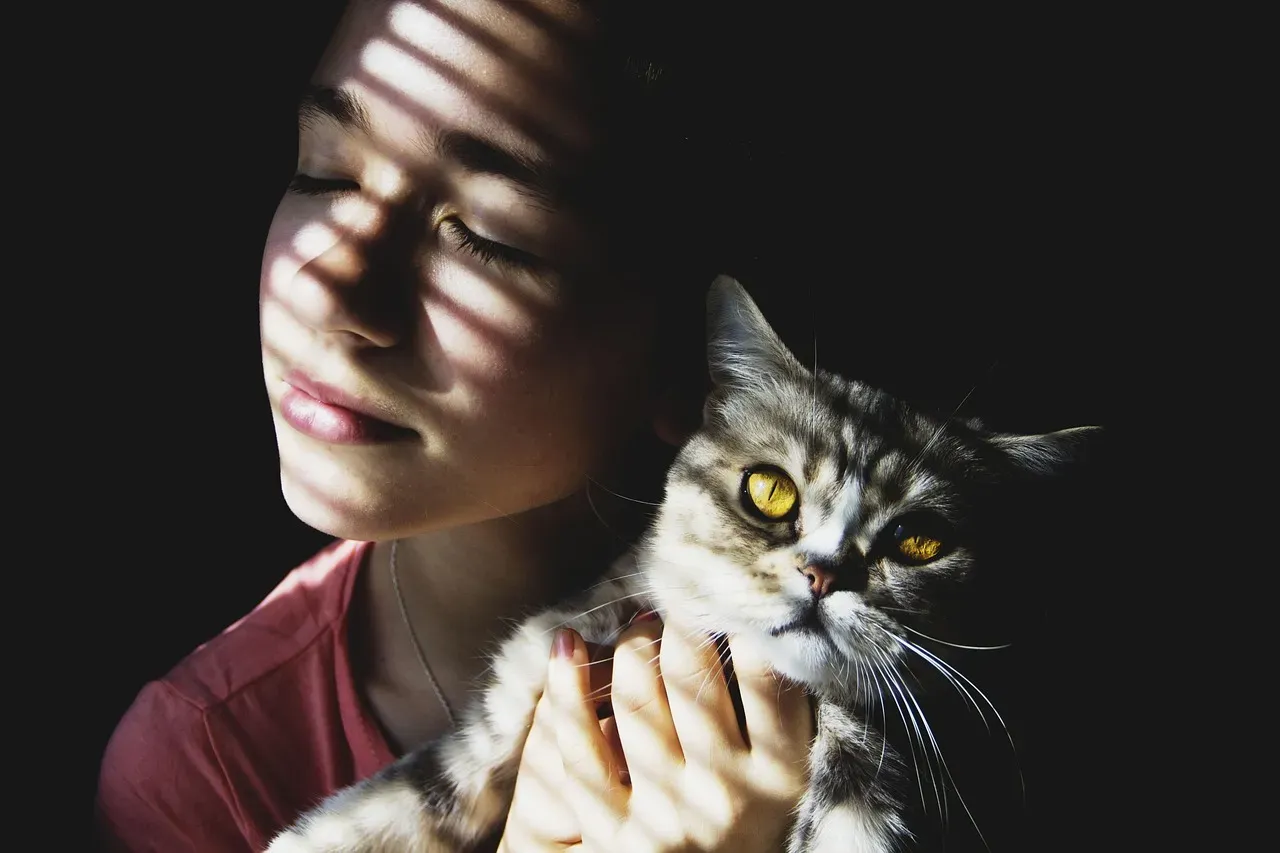
While often perceived as aloof, cats display a high level of social intelligence. They are capable of reading human emotions and body language, often responding accordingly, and this ability allows them to navigate complex social situations and form strong bonds with their human companions. You may have noticed your cat appearing when you’re upset or unwell – that’s not a coincidence.
According to one study, cats can learn and respond to their names, especially when associated with positive things such as treats or attention. Cats can also identify unique vocal cues, so they often respond better to their own pet parent than to a stranger. Beyond their physical abilities, cats possess an extraordinary talent for providing emotional support and comfort, with numerous studies showing that interacting with cats can reduce stress, lower blood pressure, and alleviate symptoms of anxiety and depression. Their calming purrs and gentle presence create a soothing effect, making them excellent therapy animals.
10. UV Light Perception: Seeing a World You Can’t
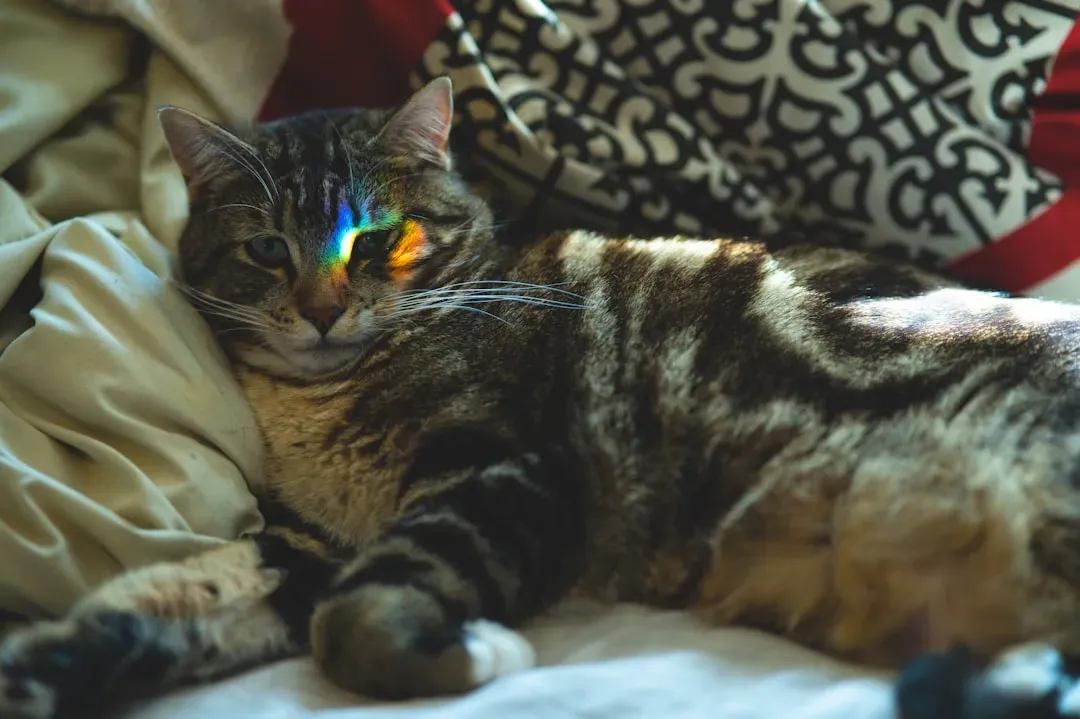
Cats can detect UV light in the 315 to 400 nanometer range, which humans cannot see at all. This ability means they can perceive markings and scents on objects that glow or appear hidden to us – helpful for hunting and for navigating their world more vividly. Your living room, from your cat’s perspective, likely looks like a completely different place than the one you see every day.
This UV perception likely helps them detect urine markings left by other animals, track prey that carry UV-reflective patterns, and orient themselves in ways that remain mostly invisible to human understanding. These incredible abilities barely scratch the surface of what makes cats such fascinating creatures. Their unique combination of physical capabilities and cognitive abilities has evolved over millions of years, resulting in a perfect balance of strength, agility, and intelligence – reminding us daily that they are much more than just adorable companions; they are evolutionary masterpieces.
Final Thoughts
There’s something quietly humbling about realizing that the creature currently napping on your couch is, in biological terms, genuinely extraordinary. From a sensory toolkit that leaves humans far behind, to a therapeutic purr that vibrates at healing frequencies, your cat carries talents that most people never fully appreciate.
Understanding these abilities doesn’t just deepen your respect for your pet – it changes how you see the relationship itself. You’re not simply keeping a cat. You’re sharing your home with one of nature’s most elegantly engineered animals, one that chooses, on its own very particular terms, to be there with you. That’s worth pausing to appreciate.