There’s a quiet irony in the fact that one of the most evidence-backed performance tools available to you costs nothing, requires no equipment, and can be done almost anywhere. Yet most people still feel vaguely guilty doing it. The cat nap, that short burst of daytime sleep lasting anywhere from ten to thirty minutes, has spent decades trapped under a reputation it doesn’t deserve.
Napping is a common behavior among many mammals, including humans, and is believed to have evolved as a way to conserve energy and promote survival. The science behind it has grown considerably more robust in recent years, and what researchers keep finding is consistent: done right, a brief rest in the middle of the day is less about indulgence and more about intelligent self-management. The distinction matters.
Where the Term “Cat Nap” Actually Comes From
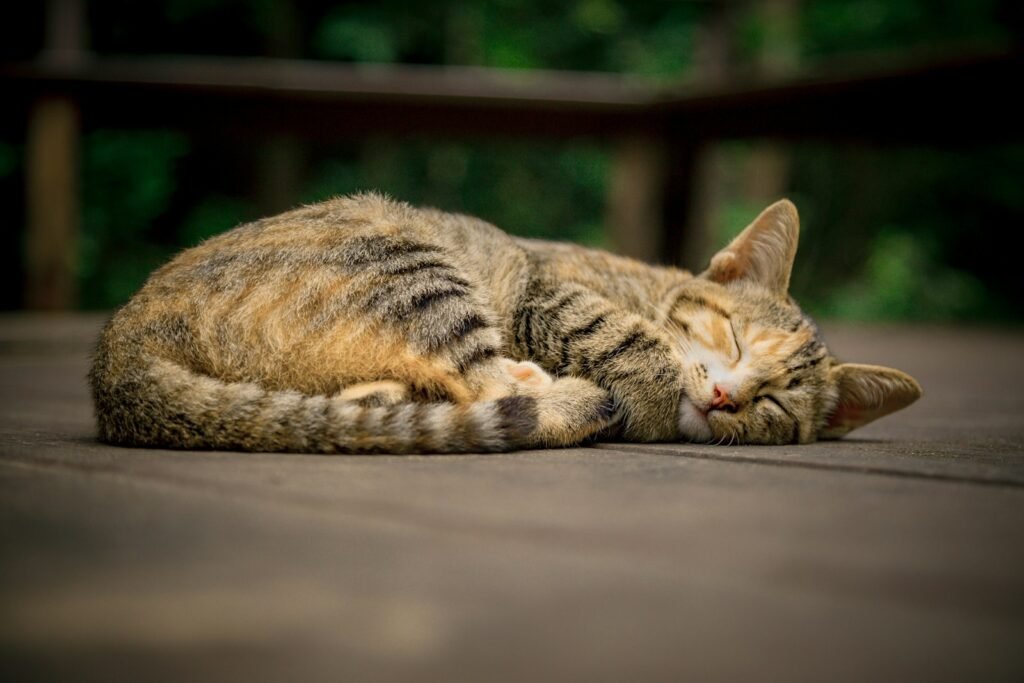
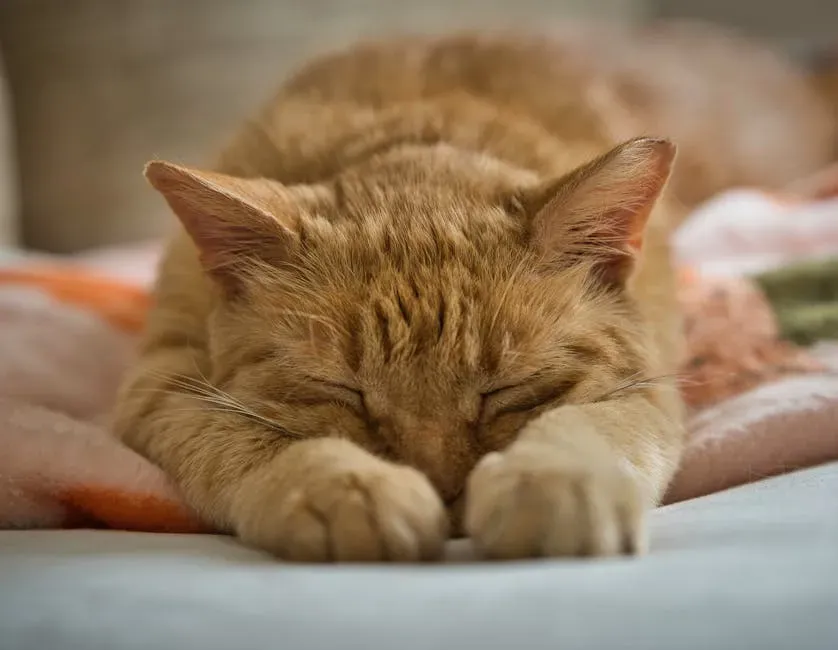
You might assume the name is straightforward. Cats sleep a lot, humans borrowed the phrase. Cats are polyphasic sleepers, meaning they don’t consolidate their sleep into one long stretch the way humans typically do. Instead, they cycle through many short sleep periods throughout the day and night, with most of these naps lasting between fifteen and thirty minutes, remaining in a light sleep state and alert enough to spring awake at any moment.
This behavior is rooted in feline biology. As predators, cats evolved to conserve energy between hunts through frequent, light naps. They rarely enter deep sleep unless they feel completely safe. Their ability to fall asleep quickly, sleep lightly, and wake instantly is exactly what humans admire and aspire to when they lie down for a quick afternoon rest. That’s the behavior humans were referencing all along.
The Biology Behind Your Afternoon Energy Crash

In the modern world, many people experience a dip in energy and alertness in the early afternoon, typically around 1 to 3 PM. This phenomenon is known as the “post-lunch dip” or the “afternoon slump,” and it is believed to be a remnant of our evolutionary past, when taking a nap during the hottest part of the day was advantageous for survival.
At the core of the science of napping is a neurotransmitter called adenosine. Adenosine is a byproduct of cellular activity in the brain, and it accumulates throughout the day. As adenosine levels rise, it binds to receptors in the brain, causing feelings of drowsiness and fatigue. A short nap temporarily clears some of that chemical pressure, giving your brain the brief reset it’s actually asking for.
What Research Says About Cognitive Performance
Overall cognitive performance improved in the nap group following the nap, especially for alertness, according to a systematic review and meta-analysis examining daytime napping in working-aged adults. This isn’t a minor effect. The improvements documented cover reaction speed, decision-making quality, and sustained attention across the afternoon hours.
Studies have shown that power naps can improve reaction time, logical reasoning, and symbol recognition. Researchers from Saarland University in Germany compared nappers and non-nappers and found that those who cat napped did five times better in memory tests. They hypothesised that naps impact the hippocampus, the part of the brain responsible for long-term memory. The scale of that difference is hard to ignore.
Memory Consolidation: Learning That Actually Sticks

If you need to retain information you’ve learned, it’s a good idea to take a short nap after studying. Researchers at Duke-NUS Medical School compared napping with cramming to see which helped students remember information they had recently learned. Both strategies were effective for short-term memory consolidation. However, the students who napped immediately after learning the material still retained the information a week later, whereas those who crammed had lost it.
In addition to reducing sleepiness, mid-day naps offer a variety of benefits: memory consolidation, preparation for subsequent learning, executive functioning enhancement, and a boost in emotional stability. These benefits are present even if a sufficient amount of sleep is obtained during the night prior. That last point is worth repeating. You don’t need to be sleep-deprived to benefit from a nap.
Mood, Emotional Regulation, and Stress Recovery
Researchers have found that an afternoon cat nap can improve emotional regulation and make you more resilient to negative emotions. A 2015 study found that people who napped had more tolerance to frustration and concluded that a midday rest is an efficient way of countering a build-up of alertness that can put you on edge.
One study found that naps of approximately twenty minutes improved the overall mood of participants. Napping helps regulate cortisol levels and restores balance to the nervous system, calming both the mind and body. If your mid-afternoon irritability feels disproportionate to the situation, your brain’s energy budget may simply be running low.
Heart Health and Physical Restoration

A recent observational study published in the BMJ Journal Heart discovered that taking a daytime nap a couple of times a week could halve your risk of heart attacks, heart failure, and stroke. The relationship between napping and cardiovascular outcomes is still being studied, and the picture is nuanced, but short naps specifically carry a generally favorable association.
A meta-analysis revealed a J-shaped dose-response relationship between nap duration and cardiovascular disease risk, such that the risk of cardiovascular disease decreased for a short nap duration of zero to thirty minutes per day but started to increase with naps of more than thirty minutes per day. Duration, in other words, is everything. The benefit sits firmly in the short-nap window, not the extended one.
Athletic Performance and Physical Recovery

A thirty-minute nap had the ability to spark alertness among athletes and to improve their cognitive skills. Research from 2014 has also proven that short, strategic naps are effective at stimulating alertness and improving performance among fatigued pilots. What works for elite performers also holds for everyday physical and mental demands.
Fatigue can slow even the best athletes, but, according to research, a short nap may help athletes enhance their performance. Researchers tested runners on a high-intensity shuttle run task and found that runners who had taken a nap of either twenty-five, thirty-five, or forty-five minutes outperformed those who hadn’t napped. The forty-five-minute nap allowed for the best performance overall. For athletes managing heavy training loads, this is practical, actionable information.
Timing and Duration: The Science of Getting It Right

The best time to nap is typically between 1 PM and 3 PM, when most people experience a natural dip in energy and alertness. Napping too late in the day can interfere with nighttime sleep, so it’s essential to avoid napping after 4 PM. Your chronotype matters too. Early risers may find their energy dip comes earlier in the afternoon, while night owls may experience it later, but both should avoid late-evening naps that collide with bedtime.
With short habitual sleep, naps ranging from ten to sixty minutes had clear and lasting benefits for positive mood and self-reported alertness. Cognitive improvements were moderate, with only the thirty-minute nap showing benefits for memory encoding. While there is no clear “winning” nap duration, a thirty-minute nap appears to have the best trade-off between practicability and benefit. For most working adults, the ten-to-twenty-minute window remains the most practical and consistent choice.
Sleep Inertia: The Grogginess Trap and How to Avoid It

Sleep inertia is the groggy, disoriented feeling that can occur upon waking from a nap, particularly if the nap is too long or ends during deep sleep stages. This effect can last from a few minutes to over an hour and can significantly impair performance. The risk of sleep inertia is highest with naps lasting thirty to ninety minutes, which is why experts recommend either short power naps of twenty to thirty minutes or longer full-cycle naps of ninety or more minutes.
A coffee nap means drinking a moderate dose of caffeine right before a short nap. Caffeine begins to take effect roughly as you wake, which may reduce grogginess and enhance alertness beyond either strategy alone. It sounds counterintuitive, but the timing of caffeine absorption actually works in your favor here, kicking in just as you’re waking up rather than fighting your ability to fall asleep.
How to Build a Napping Practice That Actually Works for You
Most people experience a natural dip in alertness in the early-to-mid afternoon. Aligning your catnap with this physiology increases the odds of falling asleep quickly and waking restored. Consistency matters. A daily schedule helps train your body to know when it’s time for a nap and suggests late morning or early afternoon to avoid interfering with your nightly sleep.
Cat naps should last no longer than fifteen to twenty minutes. At least that’s what NASA established after several studies with its astronauts. If longer, there is a risk of entering the deep phase of sleep, from which it is more difficult to wake up, causing a feeling of dizziness and grogginess. The pertinent issue is finding the duration of a nap that achieves the needed benefit to perform a particular task. The optimal duration may depend on several factors, such as your habitual sleep duration, pre-existing nap habits, and task demands, making it difficult to specify a single recommendation that benefits all people in all contexts. Pay attention to how you feel on different days and adjust accordingly.
Conclusion
The stigma around cat naps is a relatively recent invention, one shaped more by industrial-era productivity culture than by any genuine understanding of human biology. Quick power naps offer an easy yet effective approach to improving long-term brain and physical health as well as mental clarity. Adults can benefit from a fifteen-to-twenty-minute nap, especially in the early to mid-afternoon, which will improve cognitive function and performance.
Ultimately, napping should complement a healthy sleep routine, not serve as a substitute for sufficient nighttime rest. A balanced approach to napping can contribute to a more energized, focused, and resilient life. The research is clear enough, and the practice is ancient enough, that framing a short nap as laziness no longer holds up. Resting on purpose, at the right time and for the right duration, isn’t a retreat from productivity. It’s a quiet act of precision.
Kristina is a young writer from India. An arts graduate and an avid content creator, Kristina is passionate about animals and wildlife. She enjoys exploring topics related to pet care, animal behavior, conservation, and nature, combining thorough research with engaging storytelling.