Cats have a quiet way of communicating. They don’t bark, jump with obvious excitement, or make their emotions dramatically obvious the way dogs tend to do. Instead, their signals are woven into the small, everyday details of their posture, their sounds, and the little choices they make throughout the day. Miss those details and you’ll miss the whole conversation.
Understanding whether your cat is truly happy in their environment matters more than most pet owners realize. A content cat isn’t just healthier and better behaved. They’re also more connected to you, and that bond becomes visible once you know exactly what to look for.
The Relaxed Body Posture That Speaks Volumes
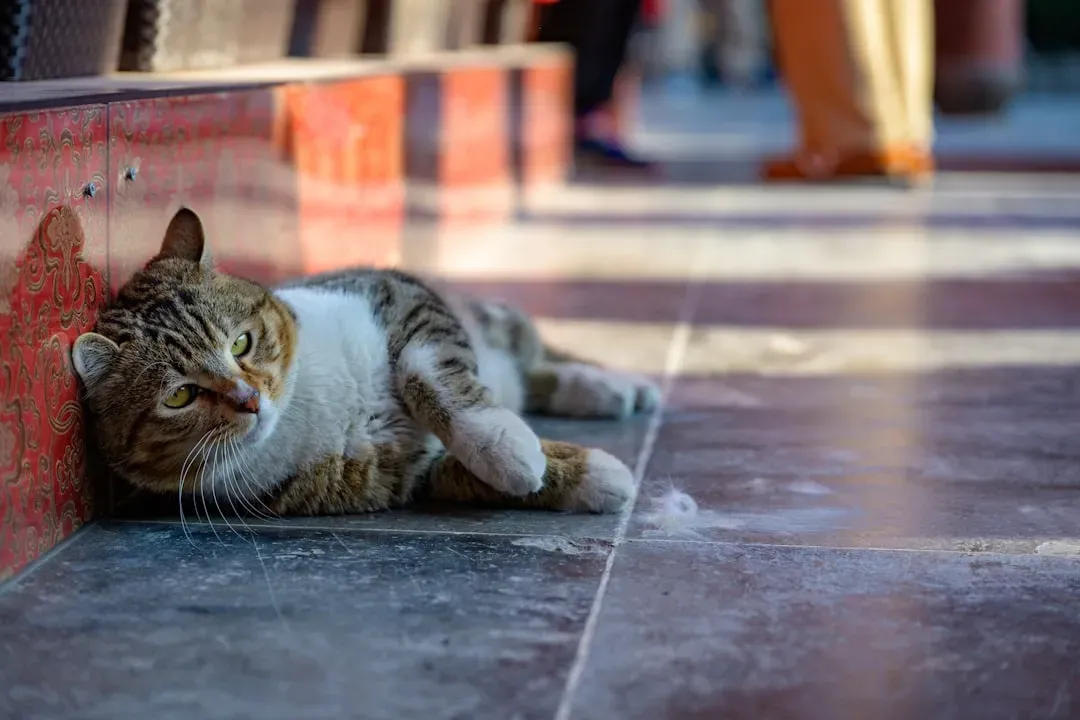
A happy cat will often exhibit a calm, relaxed body posture. Whether they’re lounging on the couch, stretched out on their back with their belly exposed, or curled up in their favorite spot, a content cat will have a loose and supple appearance. That looseness is key. Rigid muscles and a crouched stance are what stress looks like on a cat’s frame.
A truly at-ease cat may stretch out on their side, flop onto their back, or sprawl across the sofa without a care. Their muscles are loose, not stiff, and they aren’t crouched or ready to bolt. Rolling onto their back or stretching out is a sign of trust, since exposing a vulnerable body part is the ultimate feline compliment. If your cat does this regularly in the middle of the living room, that’s a reliable sign they feel genuinely secure in their space.
The Tail Position Tells You More Than You Think
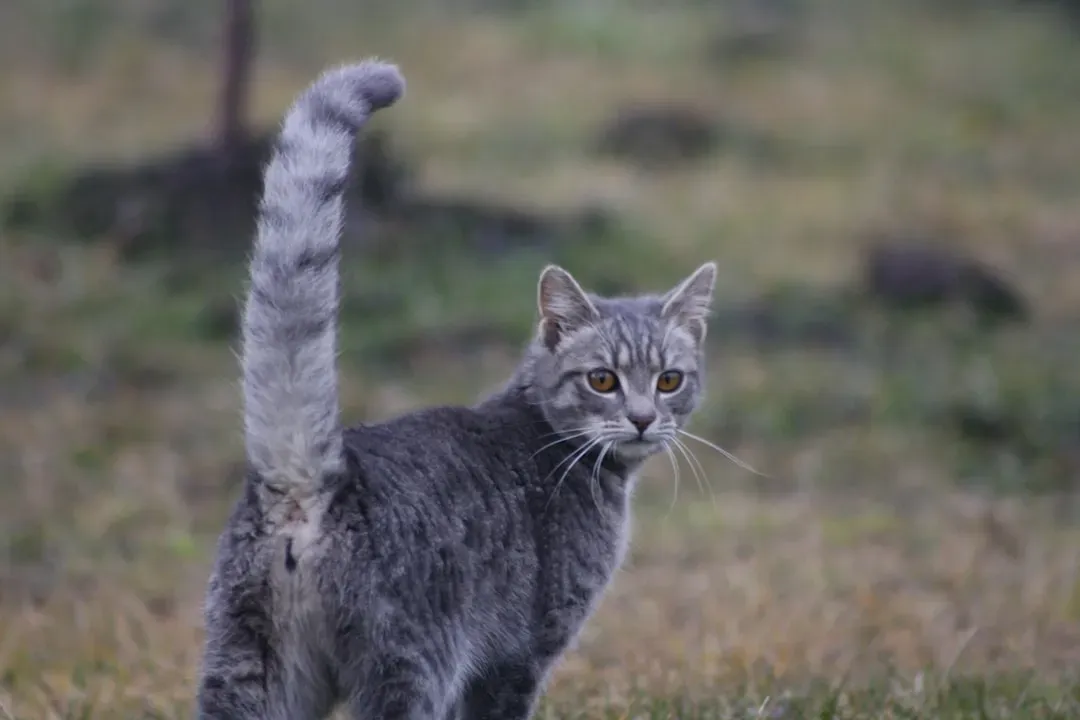
Your cat’s tail is a communication powerhouse. A tail held upright with a gentle curl at the tip signals confidence and friendliness. If they approach you this way, it’s a clear “hello” from your kitty. It’s one of those signals that’s easy to observe the moment they enter the room.
When a cat walks around with their tail held high, it generally indicates a positive and confident mood, often suggesting a friendly greeting or willingness to interact. A straight tail combined with a question-mark-like curl at the tip often means that your cat feels safe with you and is inviting you to interact with them. In contrast, a tail tucked low or puffed up is a clear sign that something in the environment is causing your cat discomfort or alarm.
Purring in Context: What It Really Means
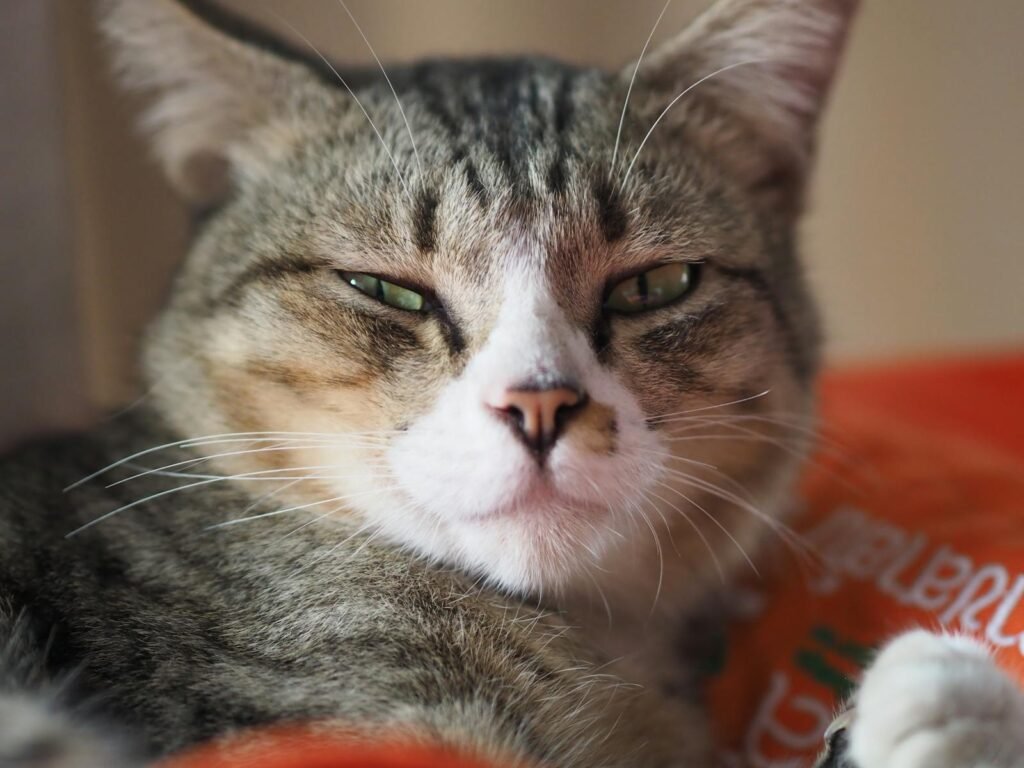
Perhaps the most well-known sign of a happy cat is the purr. While purring can sometimes be associated with other states, such as pain or stress, the deep, rhythmic sound of a relaxed cat is often a clear indicator of contentment. If your cat curls up beside you, purring softly while kneading their paws, this is a sign they feel safe and happy in your presence.
Most people know that purring is a sign that a cat is happy. It almost always is, but cats can also purr when they are in pain or stressed, such as at the vet’s office. Purring combined with any of the other signs and signals listed here, though, shows your kitten is feeling happy. Context is everything with cats. A purr paired with soft eyes and a relaxed posture carries a very different meaning from a purr accompanied by tense, tucked-in body language.
The Slow Blink: Your Cat’s Quiet Declaration of Trust
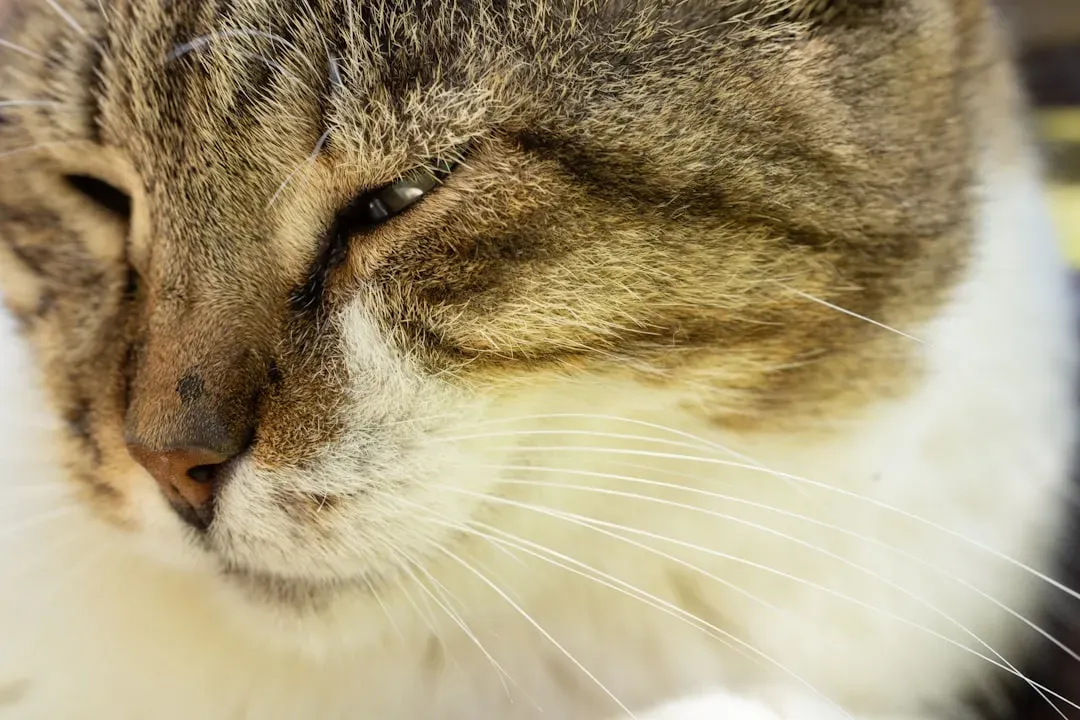
The “slow blink” is often referred to as a cat’s way of giving you a kiss. When a cat looks at you and deliberately closes their eyes slowly, they’re signaling trust and affection. This behavior shows they feel secure enough in their surroundings to let their guard down. It’s one of the most intimate signals in the entire feline vocabulary.
One of the sweetest signs of a happy cat is the slow blink. When your cat looks at you and slowly closes and opens their eyes, they communicate trust and affection. It’s often called a cat’s way of saying “I love you.” You can try slow-blinking back. If your cat returns the gesture, it means they’re relaxed, happy, and feel safe with you. Try it the next time your cat is resting nearby. The response, if it comes, is quietly remarkable.
Kneading: A Habit Rooted in Deep Comfort
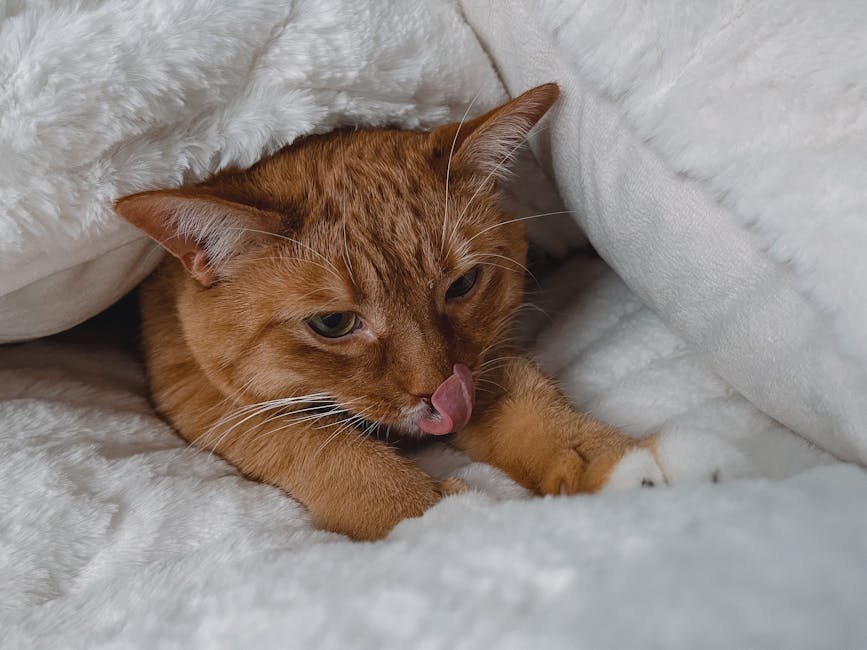
Kneading often accompanies purring. It’s known by a variety of names, including “making biscuits,” because cats make the same motion with their paws as if they were kneading some dough. Cats might knead a blanket or their favorite people or something soft, and it’s often the height of contentment. Thought to be a throwback to the security that kittens feel when kneading on their mother, kneading is a clear sign that a cat is extremely happy.
When your cat is spending some time cuddling on your lap, you might notice them kneading, which is another sign of enjoyment because it mimics feeding behavior in nursing kittens. You’ll probably hear your cat purring too, a classic sign of contentment. When these two behaviors combine, you can be quite certain your cat is in a deeply comfortable state. It’s one of those moments worth pausing for.
Healthy Grooming Habits as a Sign of Emotional Wellbeing
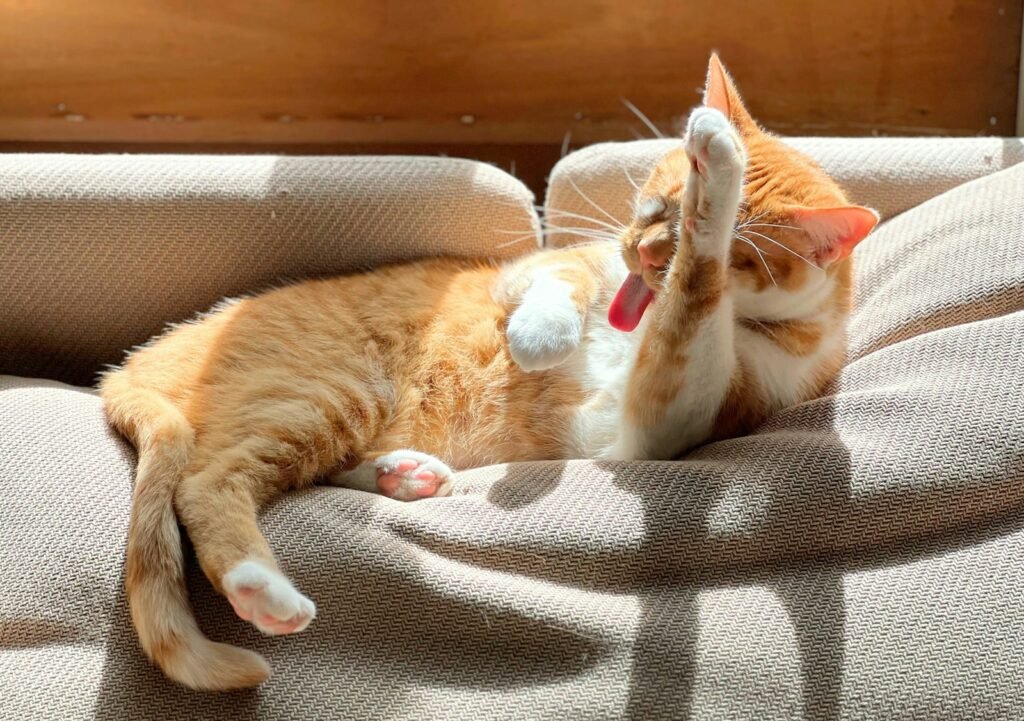
Cats are fastidious groomers, and a well-groomed coat is a sign of a happy and healthy cat. If your cat is regularly grooming itself, licking its fur, and keeping clean, it’s likely feeling good. However, excessive grooming or lack of grooming can be signs of stress, anxiety, or illness. Pay attention to any sudden changes in grooming habits, as these can indicate your cat is not as content as it seems.
A glossy coat, regular grooming, and even mutual grooming with other cats or gentle licks for you are all signs of happiness and trust. Scruffy or smelly fur may indicate stress or illness, so a well-kept kitty is usually a content kitty. Grooming in front of you, out in the open, carries a particular meaning. A cat who will come out into the middle of the room and begin grooming in front of you feels comfortable and at ease.
Playfulness and Curiosity as Emotional Indicators
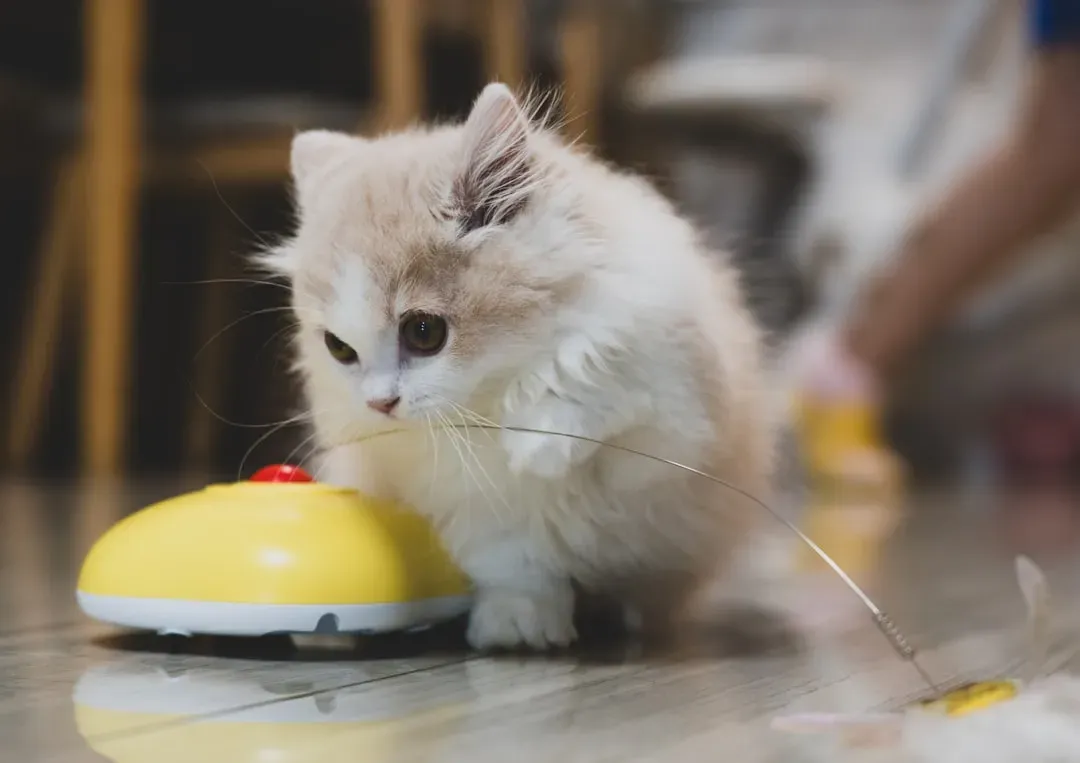
Cats are built to explore, and a happy cat is often a curious cat. Confident kitties driven by their curiosity will be more likely to engage in interactive play with their human, other cats, or toys. They’ll also be more likely to investigate their environment, poking their noses into closets and cupboards and stuffing themselves into the tiniest of cardboard boxes.
Play is a key indicator of happiness in cats, especially younger ones. Happy cats will engage with their environment, chasing toys, pouncing on shadows, or initiating play with you. A playful cat is a cat that feels secure and confident in their surroundings. Interactive toys, such as feather wands or laser pointers, can bring out your cat’s natural hunting instincts, providing mental stimulation and fostering joy.
Head-Butting and Scent-Marking You as Family
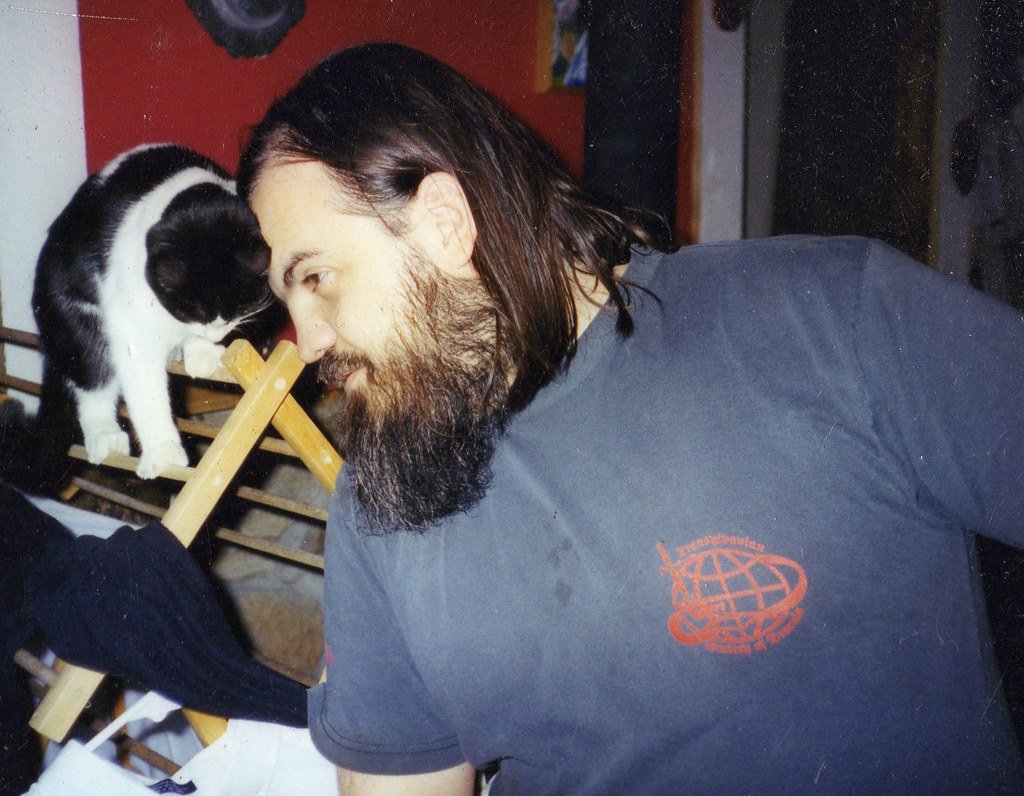
This behavior, often known as nuzzling or head-butting, is more than just cute. It’s a telltale sign that your cat is relaxed, happy, and trusts you implicitly. When your kitty nuzzles you, they’re not just showing affection; they’re also marking you with their scent. In the feline world, that scent-sharing carries real social weight.
Head butts and chin rubbing are clear signs that your cat loves you because cats have scent glands in their faces that allow them to claim friends and objects as their own. In the feline world, scent-marking is a way of claiming something, or someone, as their own. When your cat does this to you, they’re essentially telling everyone in the household, yourself included, that you belong to them. That’s a good place to be.
Choosing to Sleep Near You: The Ultimate Vulnerability Test
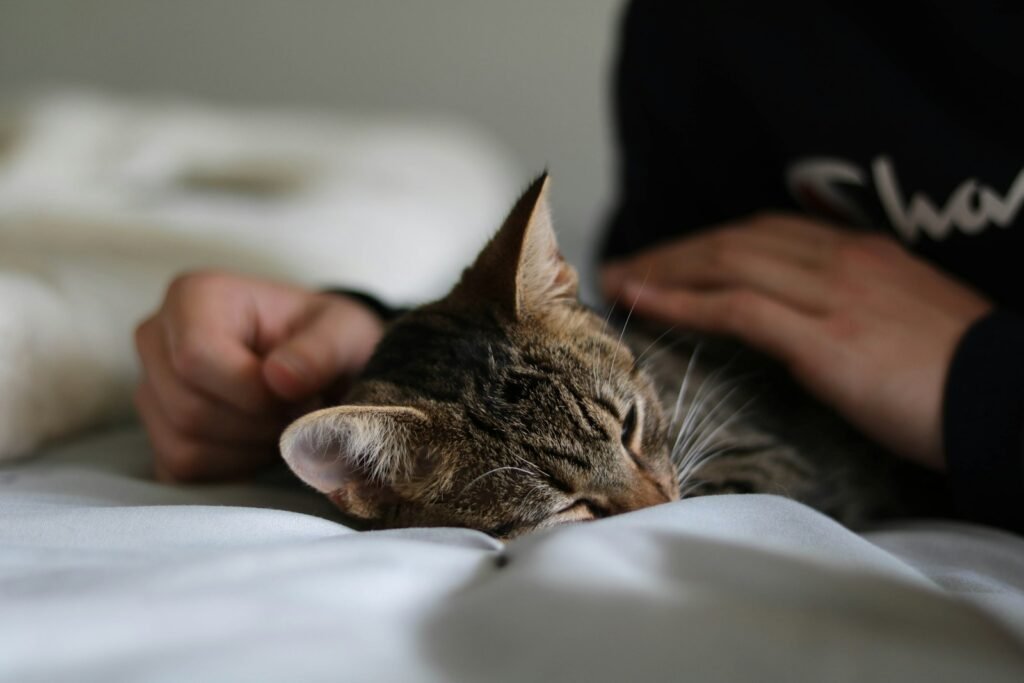
An animal is never more vulnerable than when they are asleep, so the fact that your cat sleeps near you is a major indicator that they feel safe in your presence. Sleep requires a total lowering of defenses. A cat who chooses to sleep on or beside you isn’t doing so out of mere habit.
Everybody needs to sleep, but not all cats like to do it around their humans. Sleep is a vulnerable state, so if a cat chooses to sleep on or pressed against you, it is one of the deepest signs your cat trusts you and feels comfort. Those kitty cuddles have a much deeper meaning, as they show emotional security. A cat that feels safe and comfortable in their home will confidently sleep in vulnerable positions, like lying in the middle of the living room with their belly fully exposed. This relaxed sleeping posture is one of the most reliable signs your cat is happy, trusting their environment.
Vocal Communication and Greeting Behaviors
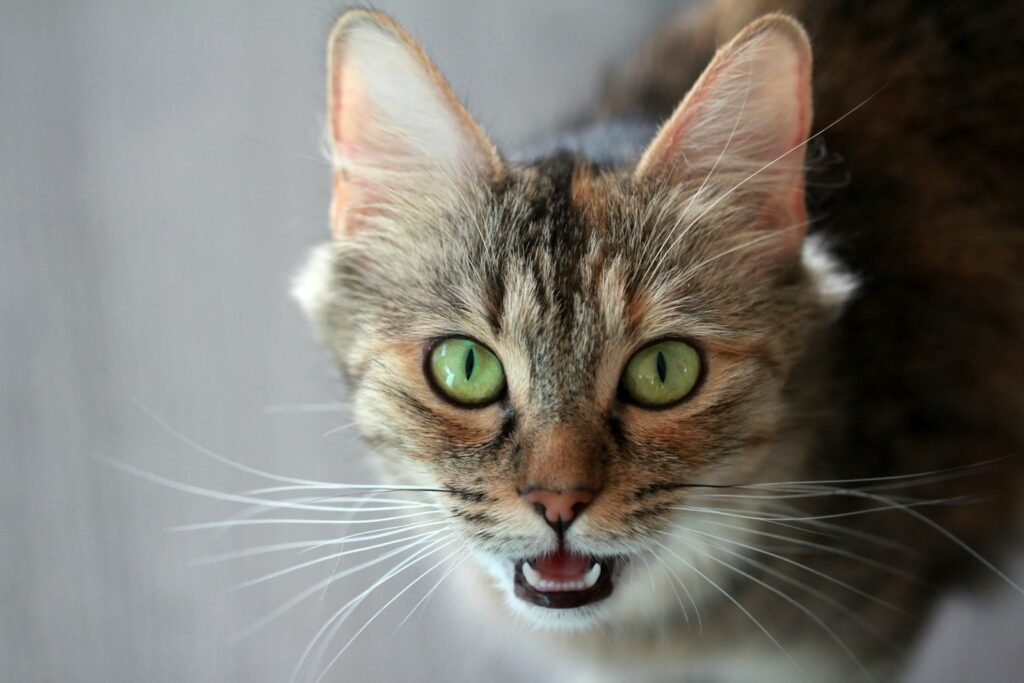
Cats don’t meow to each other, but a happy cat will meow and talk to their humans. While adult cats tend not to meow at each other, some cats will meow at their humans. High-pitched meows and meows that are greetings are especially cheerful. You might even find that your cat enjoys engaging in “a conversation” with you. That back-and-forth exchange is something reserved for animals your cat genuinely feels at ease around.
Weird cat behaviors like chirping or trilling often surprise pet owners. This sound is a key element of cat body language and shows that your feline is feeling good, comfortable, engaged, and genuinely happy. Trilling sounds a bit like purring but has a much higher pitch. Mother cats trill to communicate with their kittens. When a cat trills, it’s probably feeling friendly and familial. Cats often trill to their owners to greet them. Hearing this sound from your cat is a small but meaningful confirmation that they see your home as a safe and welcoming place.
Conclusion: Learning to Listen to the Quiet Signals
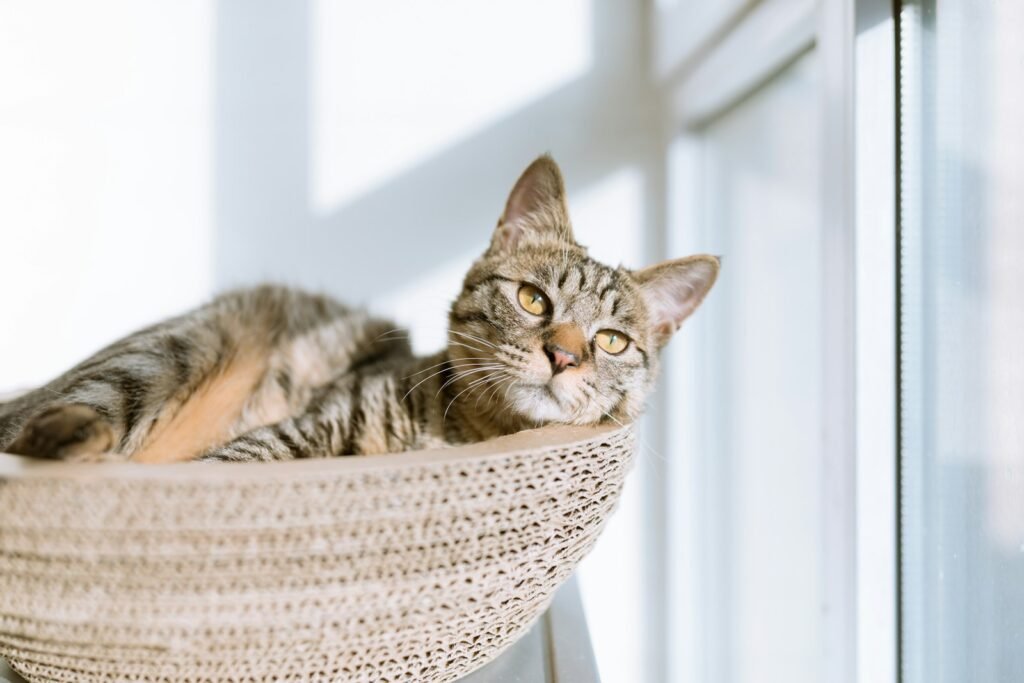
Cats rarely announce their happiness loudly. Their contentment lives in the details: a loose stretch across the sofa, a slow blink from across the room, a quiet trill at the front door when you come home. Cats aren’t as vocal as dogs when it comes to showing how they feel, but they have their own unique ways of communicating. From purring to meowing, your cat’s vocal cues can say a lot about their emotional state.
Cat body language is the primary way that felines communicate. Behavior is always contextual, so pay attention to the cat’s entire body and to what’s going on in the environment. By paying close attention to your cat’s body language, you can do a better job of attending to their needs and have even stronger, happier relationships with them.
The more you observe, the clearer the picture becomes. Your cat is always communicating. The only thing you need to do is slow down long enough to notice what they’re saying.
Kristina is a young writer from India. An arts graduate and an avid content creator, Kristina is passionate about animals and wildlife. She enjoys exploring topics related to pet care, animal behavior, conservation, and nature, combining thorough research with engaging storytelling.