You call their name. You pat the couch. You rattle the treat bag. Your cat glances over with the slow-lidded composure of someone who has already decided the answer is no. It stings a little, doesn’t it? That serene, unbothered look from a creature you love – and feed – can feel like a very deliberate snub.
Here’s the thing though: your cat almost certainly knows you’re there. Cats are remarkably perceptive creatures with sophisticated social intelligence, and research confirms they can tell when their owners are directing attention toward them. What looks like indifference from across the room is more accurately a kind of composed, self-regulated presence – a way of being in the world that, frankly, most humans could learn something from.
Understanding what’s really going on behind that cool gaze changes everything. Cats are complex creatures who communicate in many different ways. They may not always respond to your attempts at interaction in the way you expect, but that doesn’t mean they don’t care. By learning to read their body language and behavior, you can better understand their needs and build a stronger bond with them.
The Ancient Loner: Why Your Cat’s Aloofness Is a Million Years Old
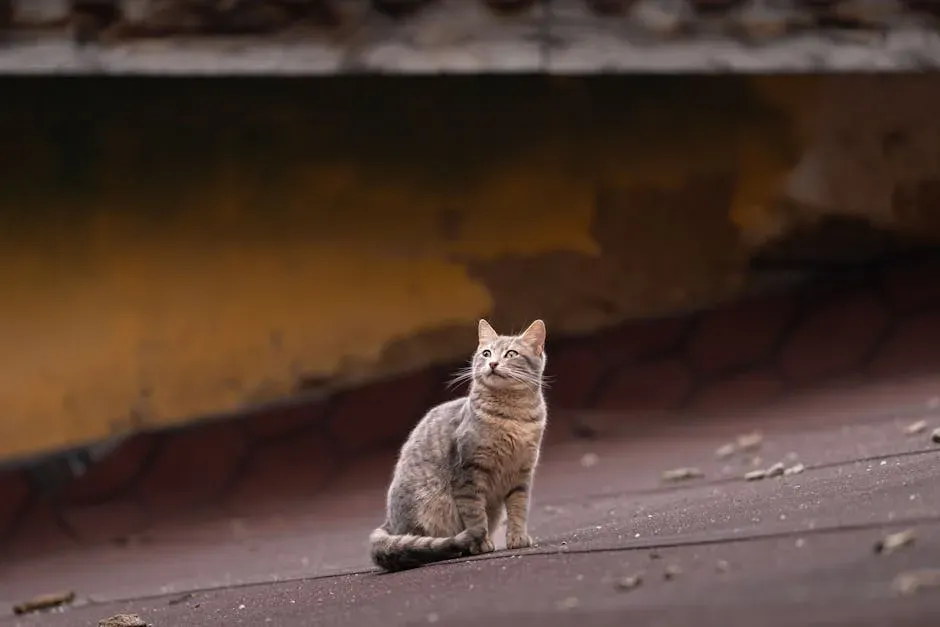
Your cat’s tendency to sit across the room and observe you in silence isn’t rudeness – it’s ancestry. To understand why cats behave the way they do, it helps to look at their evolutionary history. Domestic cats are descended from wild cats, and they still retain many of the instincts and behaviors of their wild ancestors. In the wild, cats are solitary hunters who rely on their keen senses to catch prey and defend themselves from predators. This innate independence makes cats less likely to rely on humans for social interaction in the same way that dogs do.
Domestication did socialize the wildcat – and cats are the only domesticate that is social under domestication yet solitary in the wild. That’s a remarkable balancing act. You’re essentially sharing your living room with an animal that is, by deep biological design, wired for solitude, yet has adapted – on its own terms – to coexist with you.
Self-Domesticated: How Cats Chose Us (Sort Of)
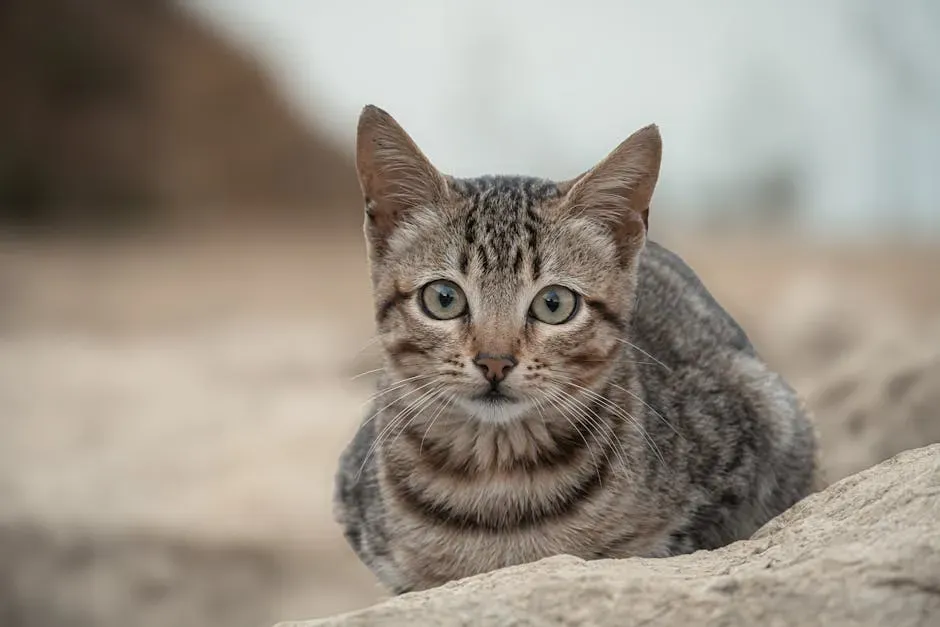
Unlike dogs, cats likely weren’t domesticated through selective breeding. Instead, their domestication was more of a mutual arrangement. As early farming communities stored grain, they attracted rodents. Wildcats – solitary animals by nature – started hunting near these settlements. Over time, more social cats tolerated human contact and became permanent fixtures around human homes. This gradual, self-initiated adaptation was the start of true domestication.
Overall, cats became a domesticated companion of humans without changing much. Domestic cats look similar to wildcats, but they aren’t solitary, tolerating both humans and other cats. This is not an animal that was shaped and molded by human selection the way dogs were. Your cat arrived on its own terms – and it has never entirely forgotten that.
More Than Half of Cat Owners Feel Ignored – They’re Not Alone
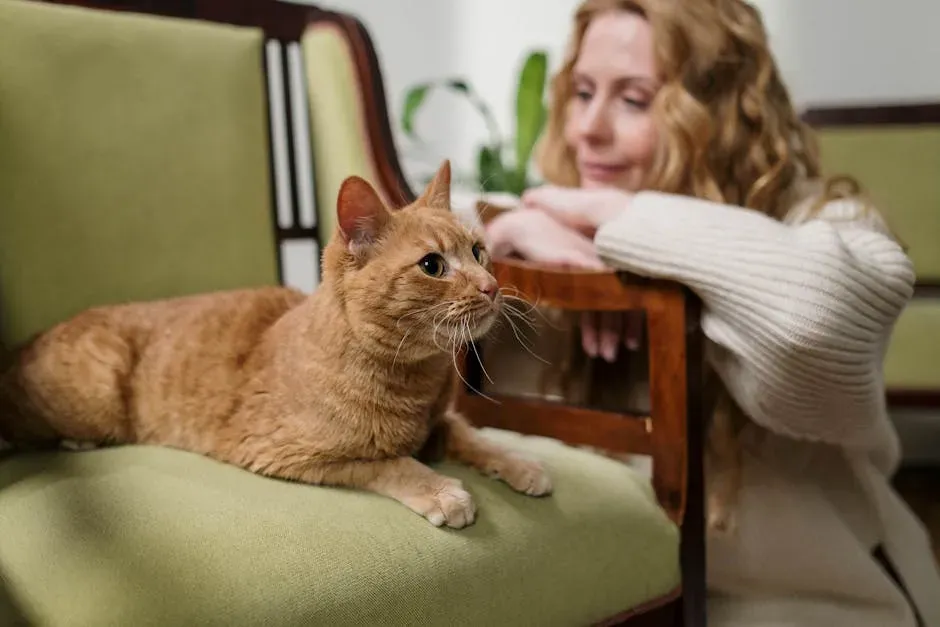
If you’ve ever suspected you were being deliberately overlooked, you’re in very good company. Reasons cats ignore owners include their independence and preference for doing their own thing, which nearly half of surveyed owners cite. Research has found that around one in five owners said their cat even leaves the room when they enter, and for some living with others, the aloofness felt more pointed because their cat didn’t behave the same way with other household members.
Independence and a preference for doing their own thing remain the top reasons owners believe their cats ignore them, and a notable number have spent significant time researching ways to make their cat love them. That impulse to decode the sphinx across from you is entirely human – and it speaks to just how deeply people care about these seemingly indifferent companions.
They Do Know Your Voice – They Just Choose Their Moments
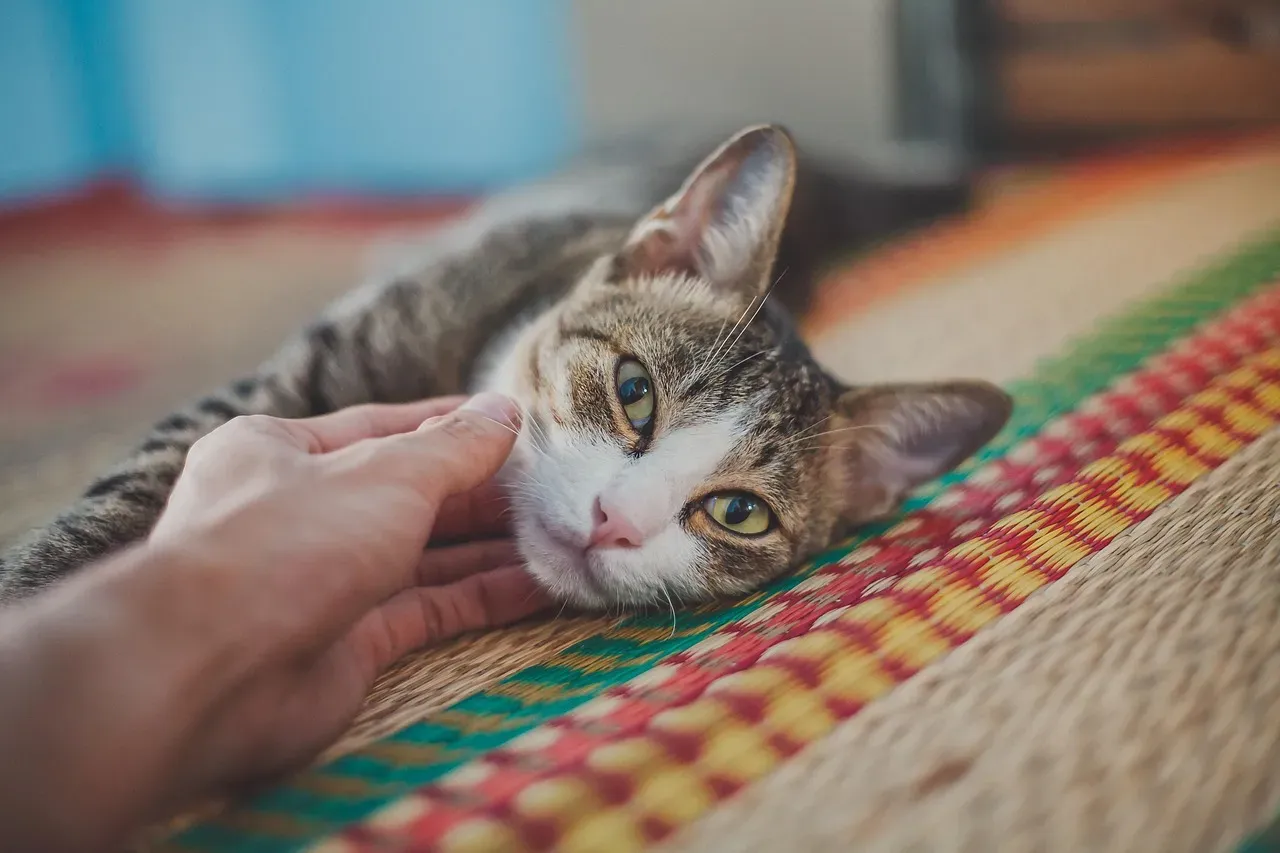
One of the most persistent myths about cats is that they don’t recognize you personally. Research suggests otherwise. When your cat ignores your calls or walks away mid-pet, they’re not being rude – they’re simply following millions of years of evolutionary programming. Research reveals cats do form strong bonds with their humans, and studies show cats recognize their owner’s voice and can distinguish them from strangers.
Research confirms that cats can recognize when their owners are not engaging with them. They can distinguish their owner’s voice and understand when they’re being addressed or ignored. So when your cat hears you call their name and simply blinks – they heard you. They understood you. They just decided the timing wasn’t right for them. That’s not defiance. That’s autonomy.
The Science of Attachment: Your Cat Is More Bonded to You Than You Think
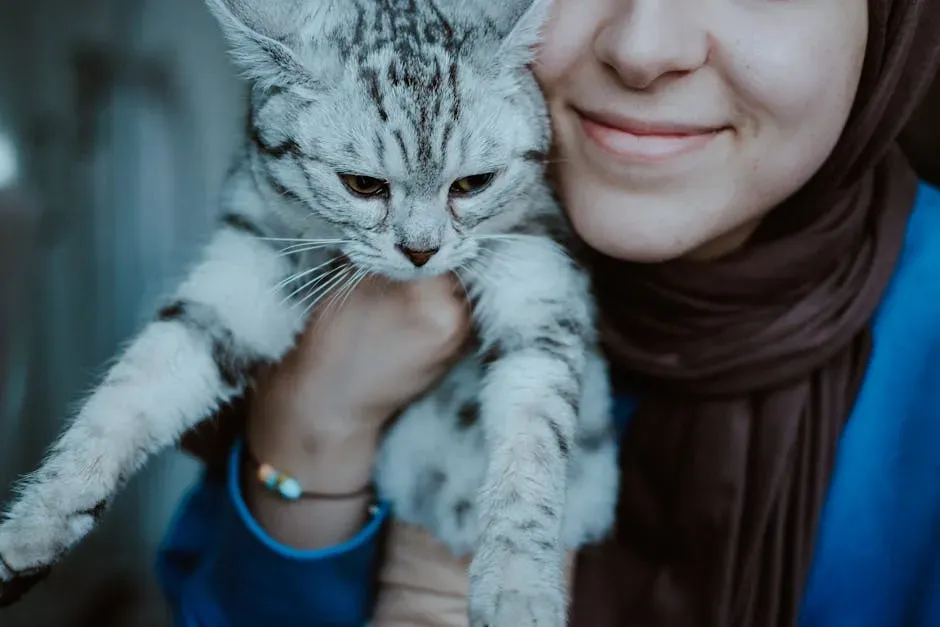
A landmark study by researchers at Oregon State University put the attachment question to a rigorous test. Thirty-eight adult cats participated in a Secure Base Test, and distinct attachment styles were evident in adult cats, with a distribution showing that nearly two thirds were securely attached. That’s a striking number for an animal often accused of not caring at all.
Perhaps surprisingly to those who think cats don’t care about their owners, nearly two thirds of felines were identified as secure in their attachment. Roughly a third were ambivalent, and the rest were mostly avoidant. A securely attached cat isn’t one that follows you from room to room – it’s one that uses your presence as a calm base, exploring freely because it trusts you’re there. That quiet cat on the windowsill may well be expressing the feline version of deep contentment.
The Slow Blink: Your Cat’s Most Elegant Conversation
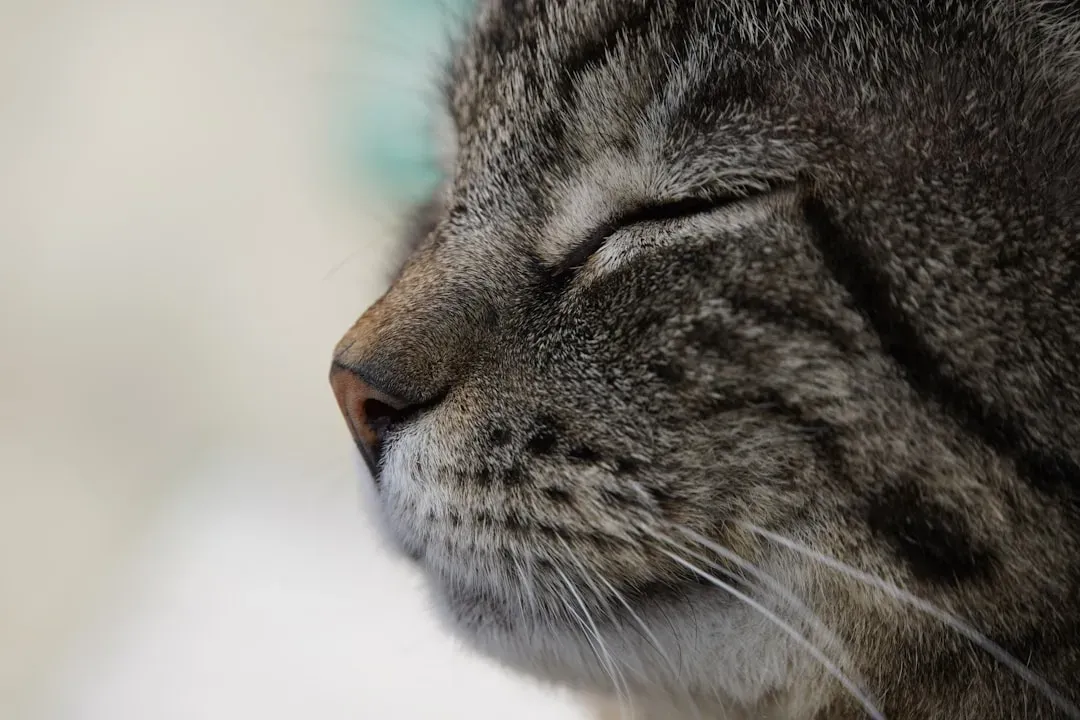
If your cat has ever locked eyes with you and then slowly closed their eyelids, you’ve been given a gift. Research suggests that slow blink sequences may function as a form of positive emotional communication between cats and humans. It’s one of the most studied feline behaviors in recent years, and what scientists found is genuinely moving for cat lovers.
When cats feel relaxed and content, they naturally narrow their eyes and blink slowly. This facial expression closely resembles the soft squint humans make when smiling. In other words, it’s a cat’s way of expressing friendliness and trust – a kind of silent hello. Research revealed that cat half-blinks and eye narrowing occurred more frequently in response to owners’ slow blinks toward their cats, and in a second experiment, cats had a higher propensity to approach an experimenter after a slow blink interaction than when the experimenter had adopted a neutral expression. You can literally start a conversation with your cat using only your eyelids.
Feline Social Intelligence: Reading the Room in Ways You Might Miss
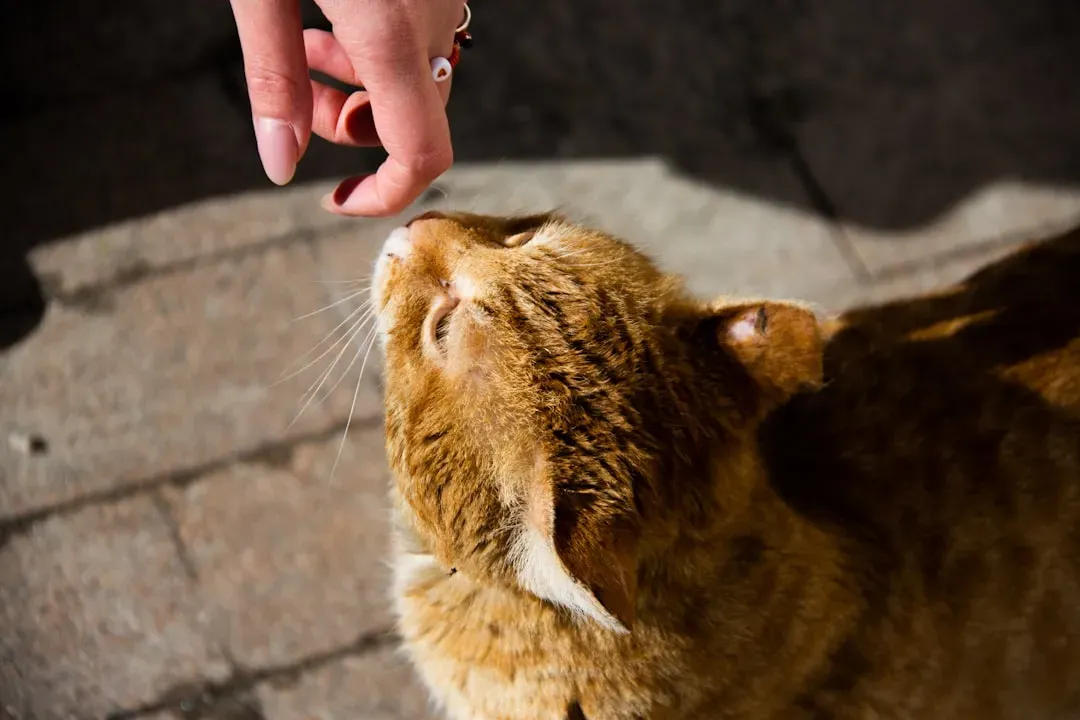
Cats don’t just tolerate your moods – they actively track them. Research has found a tendency for cats to react to negative moods of their owners when close to them with more vocalizations and flank-rubbing, and it was confirmed that cats alleviated negative moods in a way comparable to the effect of a human partner. That cat who drapes itself over your lap precisely when you’re having a hard day isn’t coincidence.
Recent research has shown that cats have remarkable social cognitive abilities. They can follow human pointing and gazing cues, and they can discriminate human emotional expressions and attentional states. Your cat is reading your face, your posture, and possibly your energy – all while appearing to be absolutely absorbed in watching a wall. The observational calm you mistake for indifference is, in many ways, a form of active presence.
What Looks Like Ignoring Is Often Sensory Overload
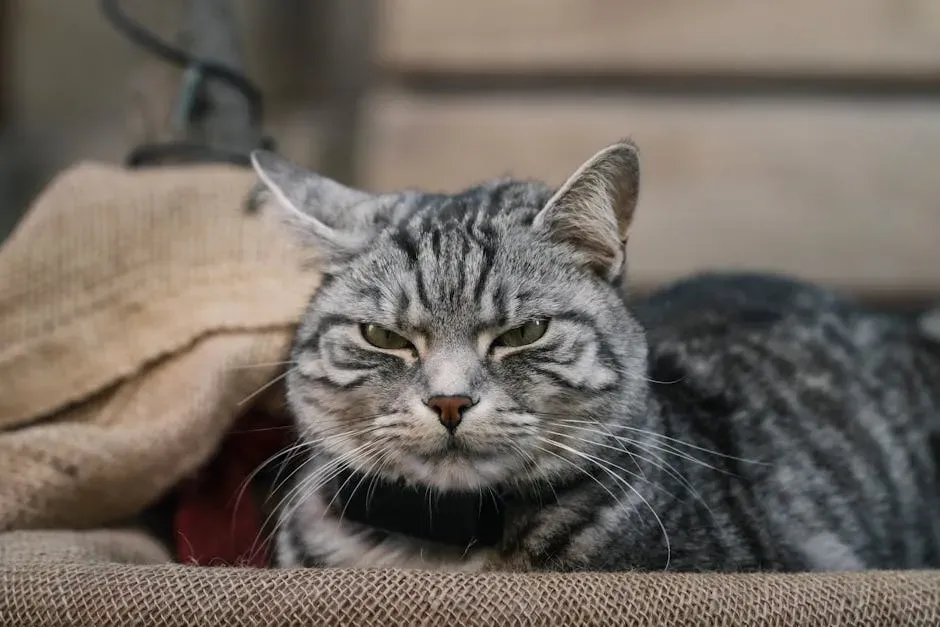
There’s a reason your cat starts purring and then suddenly walks away mid-stroke. It’s not personal. Cats have remarkably sensitive nervous systems. What begins as enjoyable petting can quickly become overwhelming, triggering a sudden need for space. This explains why your cat might purr one moment and walk away the next. Respecting these boundaries paradoxically builds trust – the more control cats have over interactions, the more likely they are to initiate them.
Cats thrive on routine and predictable social interactions. Sudden changes in attention levels can be particularly distressing for sensitive individuals. Think of it this way: a cat who retreats when overstimulated is practicing something like self-regulation. They know their limits, they honor them, and they return to you when they’re ready. There’s a certain wisdom in that, however inconvenient it feels in the moment.
Building a Better Bond: Meeting Your Cat Where They Are
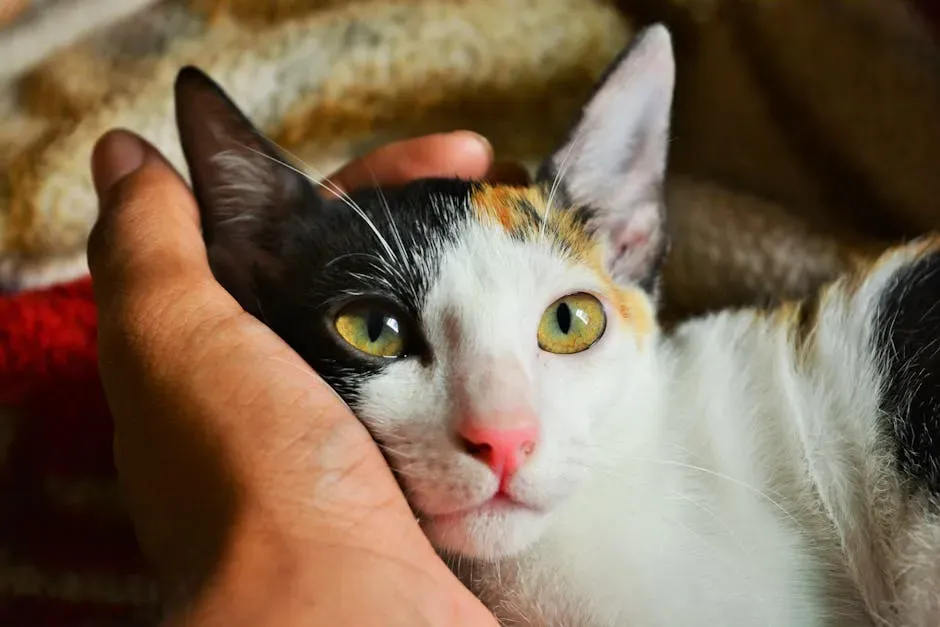
The good news is that understanding your cat’s behavior actually changes your relationship with them in measurable ways. Research has found that owners who had a more accurate understanding of cat behavior reported fewer behavioral problems, had an increased tolerance for undesirable behaviors, and were less likely to use punishment. Knowledge, in this case, translates directly into a calmer, warmer connection between you.
Research conducted at Oregon State University found that cats can form secure attachments to their owners, similar to dogs and even infants. However, the way they express this attachment is more nuanced. Rather than always seeking attention, cats regulate interaction to suit their comfort levels. The secret to a closer relationship isn’t persistence – it’s patience. Let your cat set the pace. Controlled studies reveal many cats prefer human interaction over food when given the choice – they just show it differently than dogs. Their independence makes their voluntary affection all the more meaningful. When a cat chooses to curl up on your lap or bump their head against your hand, it’s a genuine compliment in feline language.
Conclusion
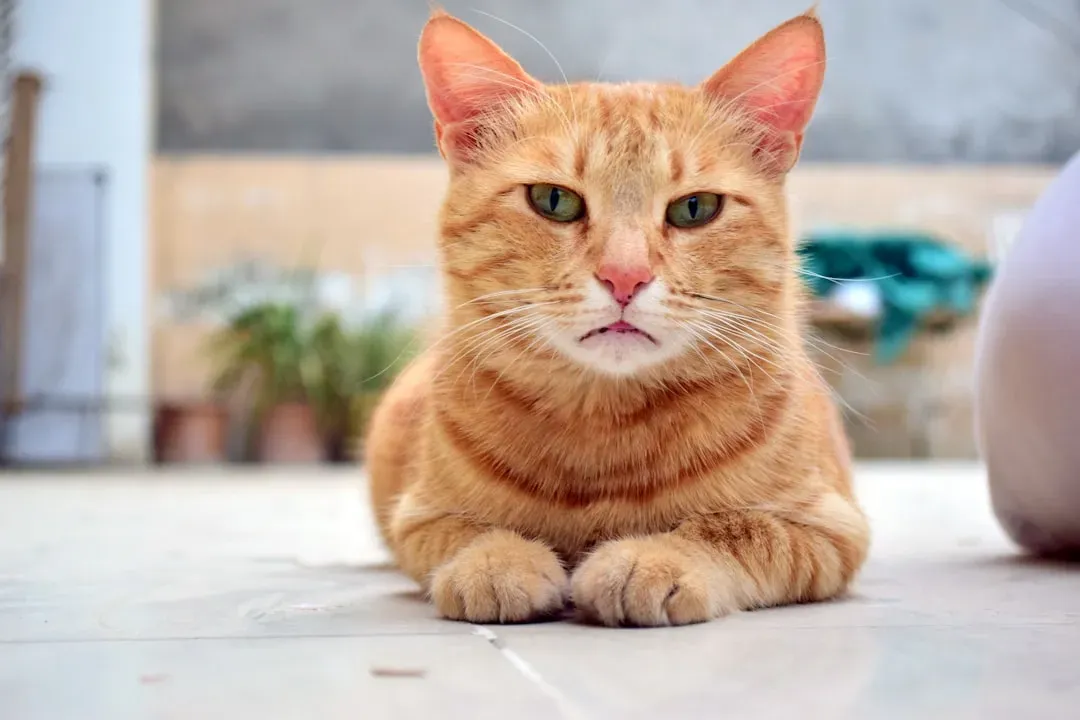
Your cat isn’t sitting across the room plotting your emotional downfall. They’re doing something far more interesting: navigating the world on their own deeply considered terms, keeping an eye on you, reading your face, and deciding – in their own time – when to cross the room and press their head against your hand.
The aloofness you’ve been interpreting as rejection is, when you look at the science, something closer to composure. So much for the theory that cats don’t really care about their owners – these animals really do seem to be genuinely attached to their human companions. They’ve simply never felt the need to perform that attachment on demand. And honestly? There’s something quietly admirable about a creature that loves you – and still doesn’t feel obligated to prove it every single minute of the day.
Kristina is a young writer from India. An arts graduate and an avid content creator, Kristina is passionate about animals and wildlife. She enjoys exploring topics related to pet care, animal behavior, conservation, and nature, combining thorough research with engaging storytelling.