Most cat owners are convinced they’re the ones calling the shots. You set the schedule, you buy the food, you decide when playtime happens. Except, well, you probably don’t. Anyone who’s ever been woken up at 5 a.m. by a very deliberate paw on the face knows this on some level. Cats are remarkably good at getting what they want, and they’ve had thousands of years of practice.
What’s fascinating is that this isn’t just an amusing pet-owner trope. Scientists studying cat behavior are gaining new insight into felines’ social and cognitive abilities, and they’re finding that cats may be far more socially smart than they usually get credit for. The dynamic between you and your cat is less of a one-way relationship than it appears. Here are nine genuinely clever ways your cat has been training you all along.
1. The Solicitation Purr That Bypasses Your Brain
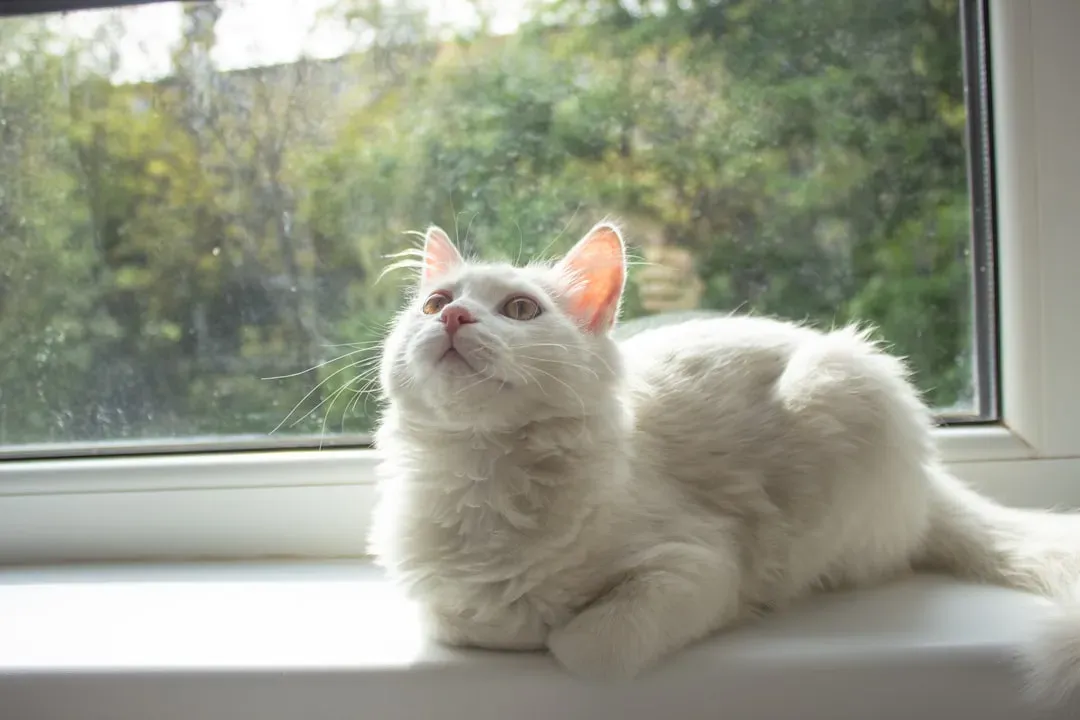
You’ve heard your cat purr when hungry, and something about it just feels impossible to ignore. That’s not a coincidence. When they want food, domestic cats will often purr in a strangely plaintive way that their owners find difficult to ignore. Research from the University of Sussex analyzed the structure of these calls and found that the “solicitation purrs” are based on the same low-pitched sounds that contented cats make, but embedded within them is a high-pitched signal that sounds like a cry or a meow. It’s this hidden signal that makes the purr of a hungry cat so irresistible to humans.
The frequency is actually very similar to that of a crying infant, so small wonder that it tugs at the human heartstrings. The acoustic structure of purrs by cats who are soliciting food may have evolved to take advantage of us in the same way. In other words, they are manipulating you as if you were responding to a human child. Your instincts kick in before your rational mind even processes what’s happening. You’re up and filling the bowl before you’ve fully woken up.
2. They’ve Taught You Exactly When to Wake Up
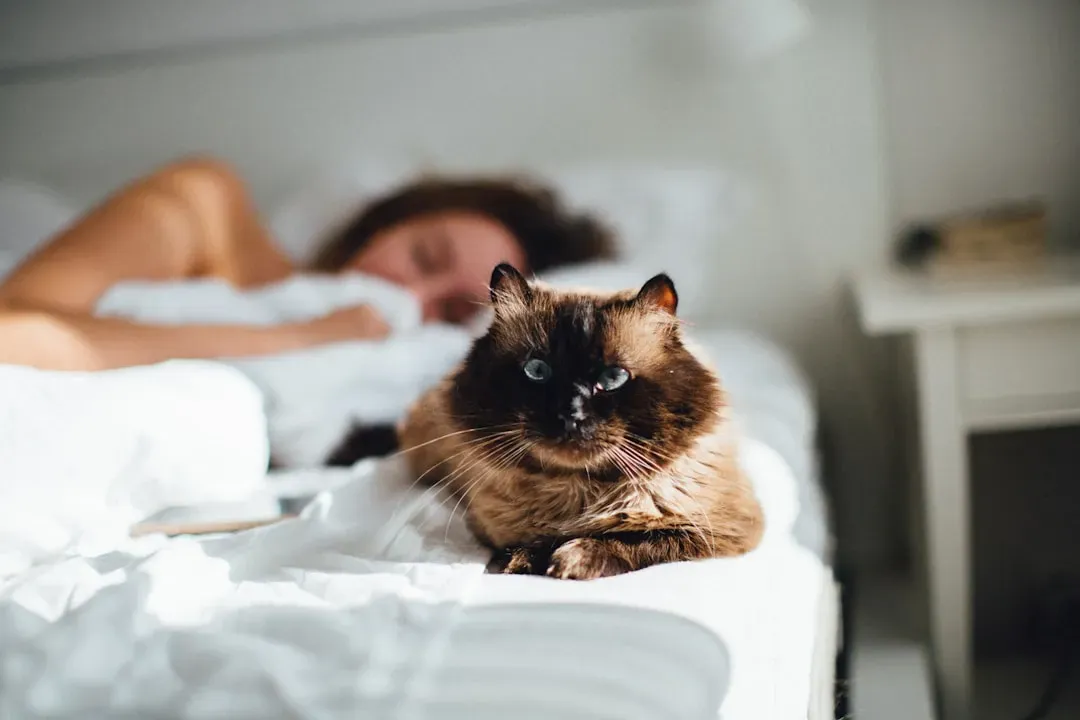
Cats wake their owners at consistent times because they’ve learned to associate this action with receiving food or attention. Their internal biological clock and ability to track routines make them excellent at maintaining this schedule. Your cat hasn’t just learned your alarm time. It’s actively shaped it. Once your cat discovers that sitting on your chest at 5:45 a.m. gets the breakfast bowl filled, that behavior is locked in permanently.
If a person’s reaction to hearing a certain sound a cat makes is to feed them, the cat’s behavior is being positively reinforced and will be more likely to happen again in the future. Cats who ask for food early in the morning, causing their person to get out of bed, keep doing that because it is working for them. You thought you trained yourself to wake early. Your cat trained you first, and it didn’t even need a treat to do it.
3. Your Cat Has Figured Out Which Person in the House Gives In First
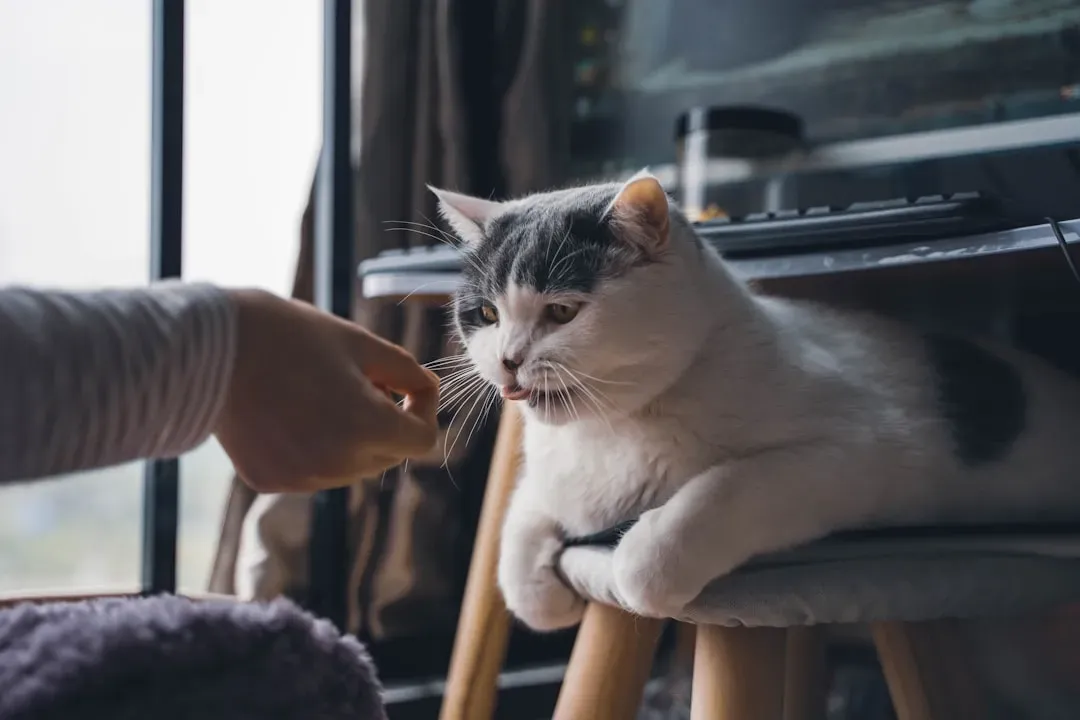
Cats are much smarter than people give them credit for. They learn what works with what person. They know if one member of the family is prone to get up at 4 a.m. and give them treats. This isn’t random behavior. Your cat has quietly profiled every person in your home and ranked them by reliability. The one who caves first gets the most attention, and the strategy that works best on that person gets repeated.
Cats learn specifically how their owners react when they make particular noises. So if the cat thinks it wants to get its owner from the other room, it works to vocalize. They use straightforward learning. It’s operant conditioning, except you’re the subject of the experiment and your cat is running it. Quietly. Efficiently. Without a lab coat.
4. Staring You Down Until You Move
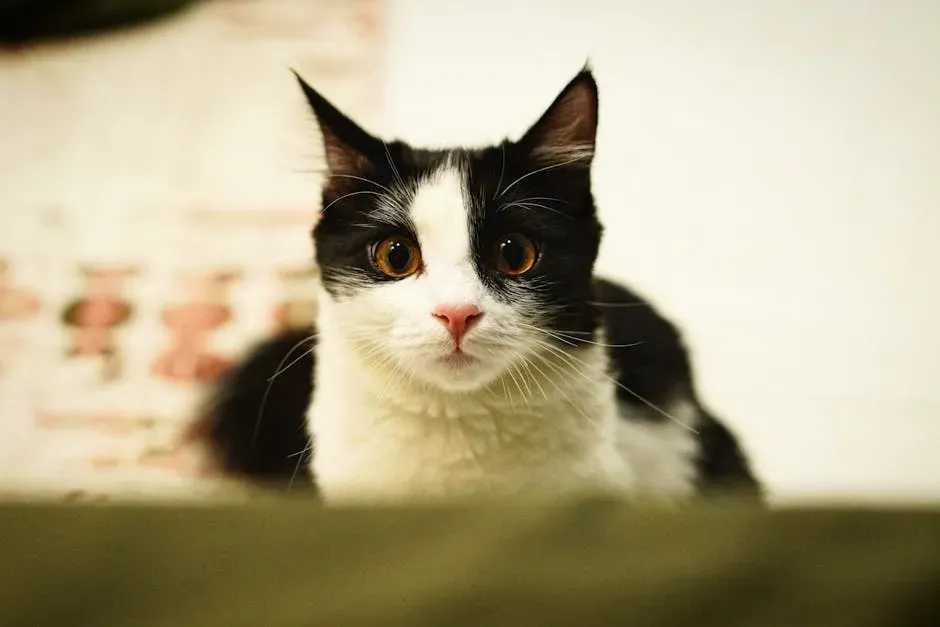
If your cat has ever fixed an intense, unblinking stare on you from across the room until you eventually got up to do something, you’ve experienced a masterclass in behavioral pressure. Some cats ask for food dozens of times a day, including at night, with rubbing, pacing, meowing, or sometimes loud purring. The stare is just one tool in a very well-stocked toolkit. What makes it so effective is that it creates low-grade social discomfort that most humans find hard to sit with.
Any time an animal is completely dependent on us for their survival, they are going to be scrutinizing their caregivers for any response to any signal they are sending out. Whatever works, they’re going to do it, whether that’s changing a purr or doing figure eights between their owner’s feet. The staring isn’t aggression or anxiety in most cases. It’s your cat testing which version of “ask” gets the fastest result from you today.
5. Conditioning You to Respond to Specific Sounds
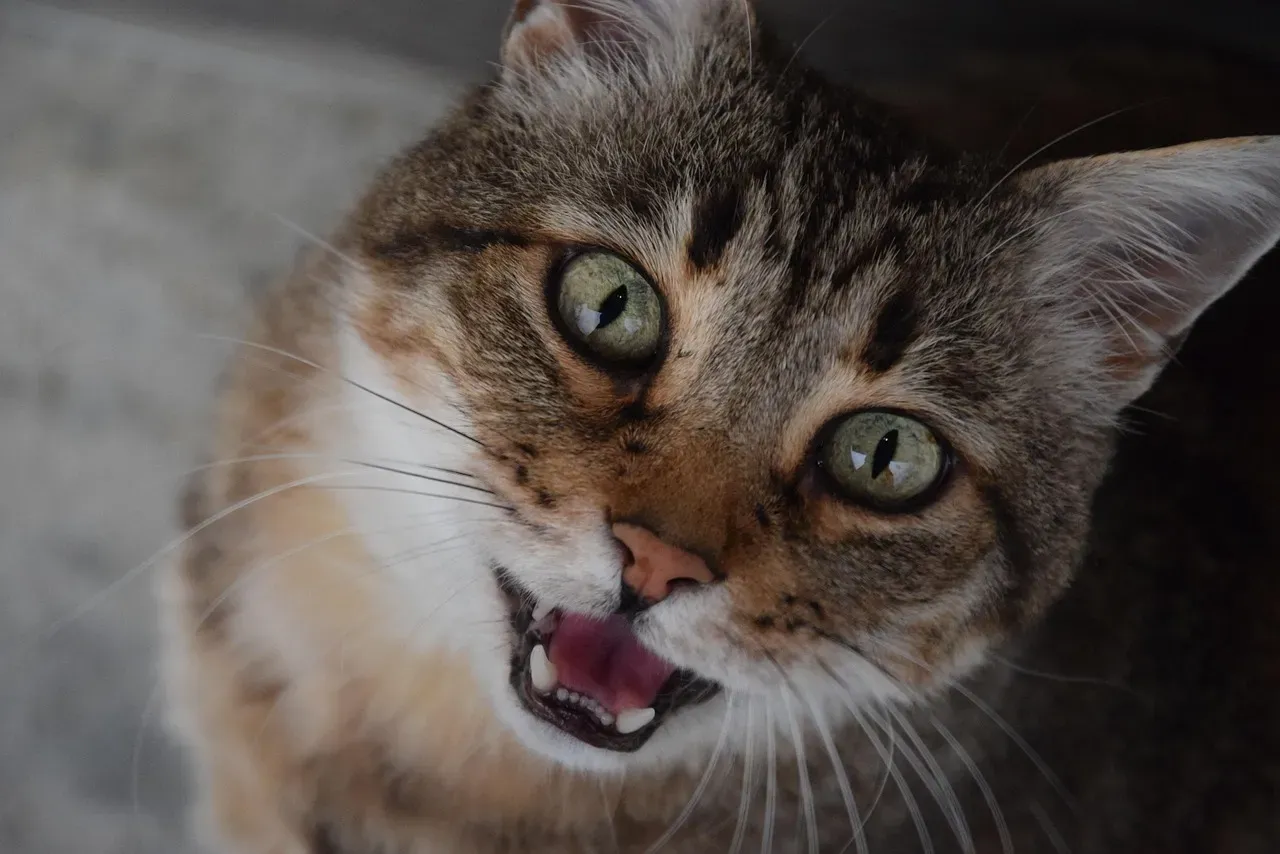
Cat sounds are not a universal language with fixed meanings. Each cat develops personalized vocalizations that carry consistent meanings only within their individual relationship with their owner. Over time, your cat has effectively built a private communication system designed specifically for you. You know exactly which meow means “food,” which one means “open the door,” and which one means something is genuinely wrong. That knowledge didn’t come from a guidebook. Your cat taught you.
The meow exists almost exclusively for human communication. Adult cats rarely meow at each other. This vocalization is a retained kitten behavior that domestic cats discovered works remarkably well on humans. Your cat isn’t talking to other cats this way. It developed an extended vocal repertoire aimed at shaping your responses specifically. You’ve been the target audience all along.
6. Using Physical Affection as a Reward System
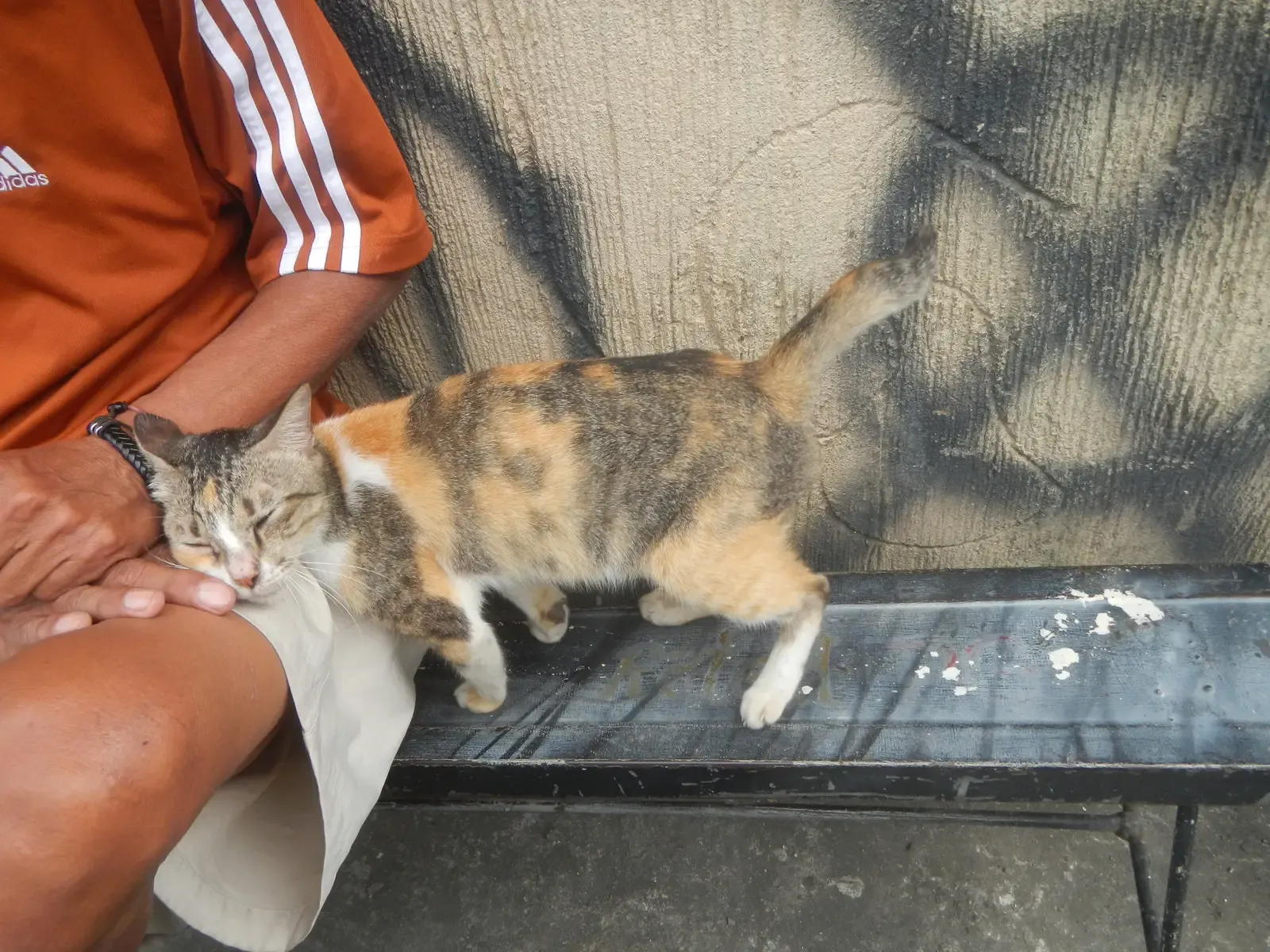
The behavior cats show toward us is derived in some way from the mother-kitten relationship. The kitten learns to raise its tail, rub on its mother, and knead and purr. Grooming is what mothers do back to kittens. So they’re using bits of behavior already in their repertoire to communicate with us. When your cat chooses to curl up with you or rub its head against your hand, it’s using the exact same signals it would use with a trusted companion. You feel rewarded, bonded, and emotionally invested.
Research has noted that cats not only spend more time with people who are attentive to them, but also that roughly half of them, when given the choice, most preferred human interactions over their favorite food, scent items, and toys. Your cat knows that its companionship is something you value. It uses that knowledge deliberately, even if not always consciously, spending more time with you when you’ve been responsive and withdrawing just enough when you haven’t. It’s a very effective reinforcement schedule.
7. Training You to Maintain a Predictable Daily Schedule
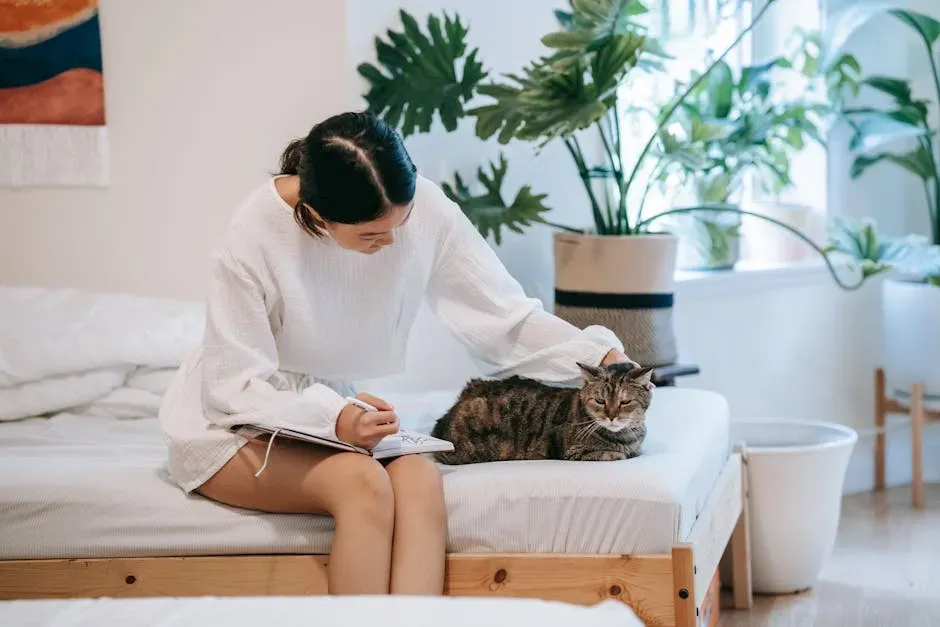
Wild cats, the ancestors of our domestic companions, survived through strictly regulated daily patterns of hunting, eating, and resting. This biological programming remains deeply ingrained in modern house cats, manifesting as a strong preference for predictable daily schedules. Your cat doesn’t just tolerate your routine. It actively enforces it. Skip dinner by an hour and you’ll know about it. Deviate from the usual bedtime pattern and expect an escort to the bedroom.
When daily events happen at random, feeding at different times, inconsistent play, and irregular human attention, a cat stays in a state of low-level alertness. Over time, this constant state of vigilance affects both emotional and behavioral health. To manage this, cats use their behavior to push you back toward the routine they need. You think you’re just being consistent because it’s easier that way. Your cat has been nudging you toward that consistency from the start.
8. Selective Ignoring to Keep You Working for Their Attention
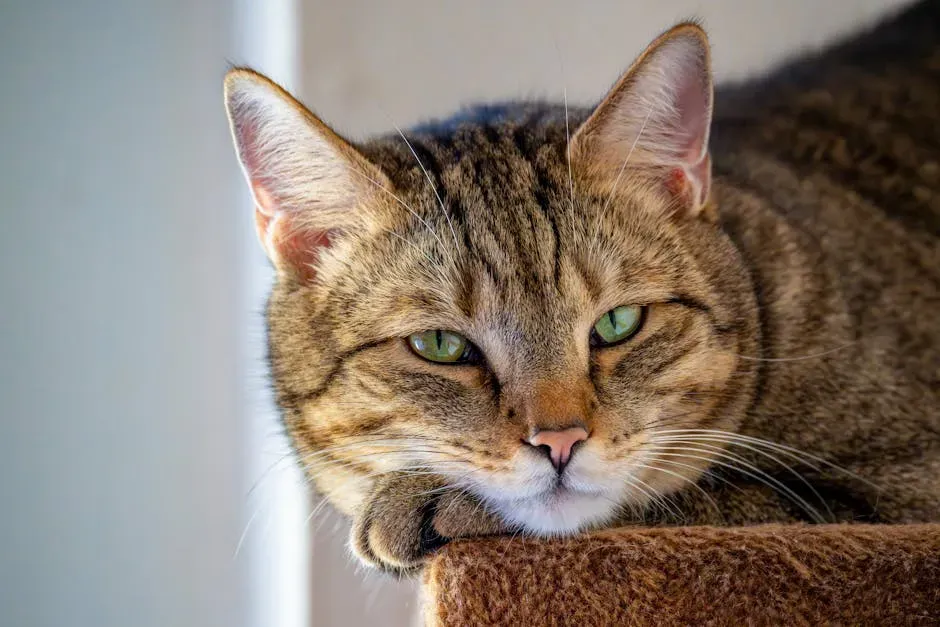
There’s a pattern most cat owners know well: you call your cat, it glances at you, blinks slowly, and looks away. Then the moment you stop trying, it saunters over and sits on your laptop. Research has identified at least five reliable personality factors in cats, including neuroticism, extroversion, dominance, impulsiveness, and agreeableness, measured through a survey of cat owners rating their pets on numerous traits. That independent streak isn’t just personality. It’s a strategy that keeps you engaged.
A positive emotional interaction between the human family and the cat depends on the cat’s perception of what is positive, not on what the human family deems positive. Your cat has quietly figured out that intermittent attention, the kind you have to work a little for, is actually more compelling than constant affection. It keeps you trying, keeps you engaged, and keeps the relationship on terms your cat controls. Behavioral scientists call this an intermittent reinforcement schedule. It’s also, as it happens, one of the most powerful reinforcement patterns known to psychology.
9. Rewarding You Just Enough to Keep the Whole System Running
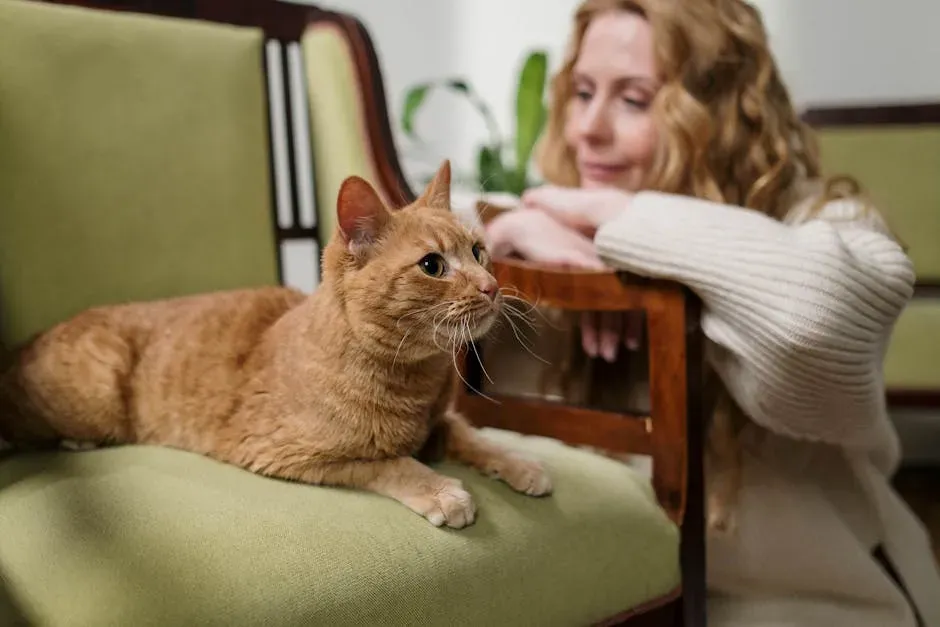
Cats can be companion animals, and studies have shown they provide many physiological and psychological benefits for their owner. This is the quiet genius of the whole arrangement. Your cat isn’t just taking. It’s giving back, steadily and strategically, in amounts that keep you motivated to continue. The purring, the slow blink, the settling in beside you on a difficult day. These moments feel like gifts, and they are real. They also happen to reinforce every behavior your cat wants you to maintain.
It works out fine for owners too, since we love our cats and want to take care of them, and solicitation purrs are easy for us to understand. Any communication across species that helps us understand our cats and figure out what they want is a biological miracle. Clear communication allows us to respond to our cats appropriately, which improves their quality of life. The system, strange as it sounds, works for both of you. Your cat gets its needs met. You get companionship, comfort, and the enduring illusion that you’re in charge.
The Bigger Picture: A Two-Way Relationship in Disguise
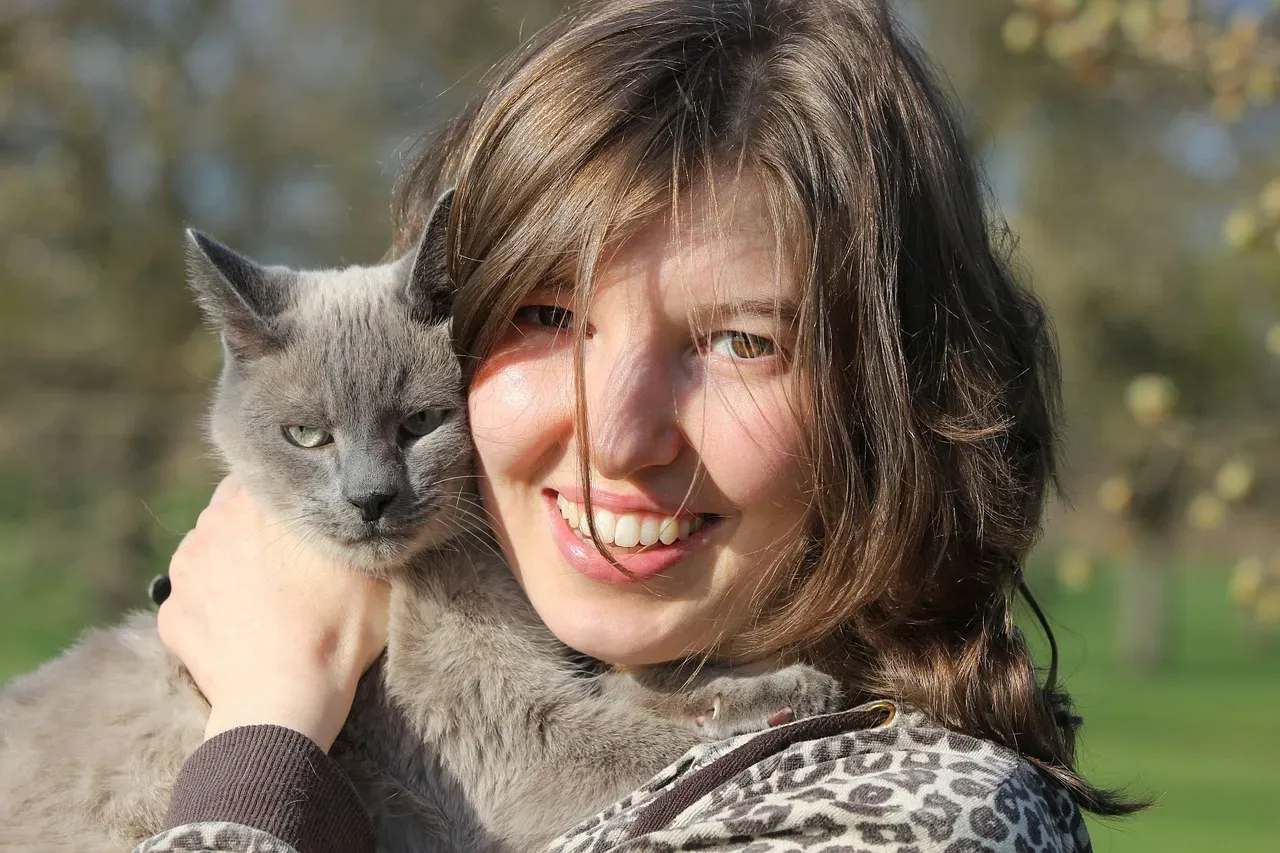
None of this means your cat is coldly calculating or that the bond you share is somehow less genuine. Cats form strong bonds with their humans and rely on them for security and comfort. Feline affection is shown through behaviors like slow blinks, head bunts, and following their owners. The affection is real. The attachment is real. It just turns out that cats are considerably better at managing the relationship than most people assume.
Cats are domesticated animals that have learned to pull the right levers and make the right sounds to manage our emotions. And when we respond, we too are domesticated animals. Understanding how your cat trains you isn’t a reason to feel foolish. It’s a reason to look at the creature sharing your home with a bit more genuine respect. The cat figured out how to live comfortably alongside a much larger, far less predictable species. That’s not manipulation. That’s adaptation at its most elegant.
Living with a cat is, in the end, a negotiation that you never quite realized you were in. The good news is that both sides are usually winning.
Kristina is a young writer from India. An arts graduate and an avid content creator, Kristina is passionate about animals and wildlife. She enjoys exploring topics related to pet care, animal behavior, conservation, and nature, combining thorough research with engaging storytelling.