You call your cat’s name. Their ear twitches. Maybe one eye opens a fraction. Then, nothing. They return to the exact position they were in before, apparently unbothered. If you’ve ever stood in your own kitchen feeling thoroughly dismissed by a creature you feed twice a day, you’re in very good company.
Research shows that more than half of cat owners believe their pet ignores them, with nearly half attributing it to their cat’s independence and preference for doing things their own way. The truth, though, is more interesting than simple indifference. What looks like cold dismissal is actually a highly calibrated form of attention, one shaped by evolution, individual personality, and a communication system that most of us simply haven’t learned to read.
They Hear You – They’re Just Choosing Not to Respond
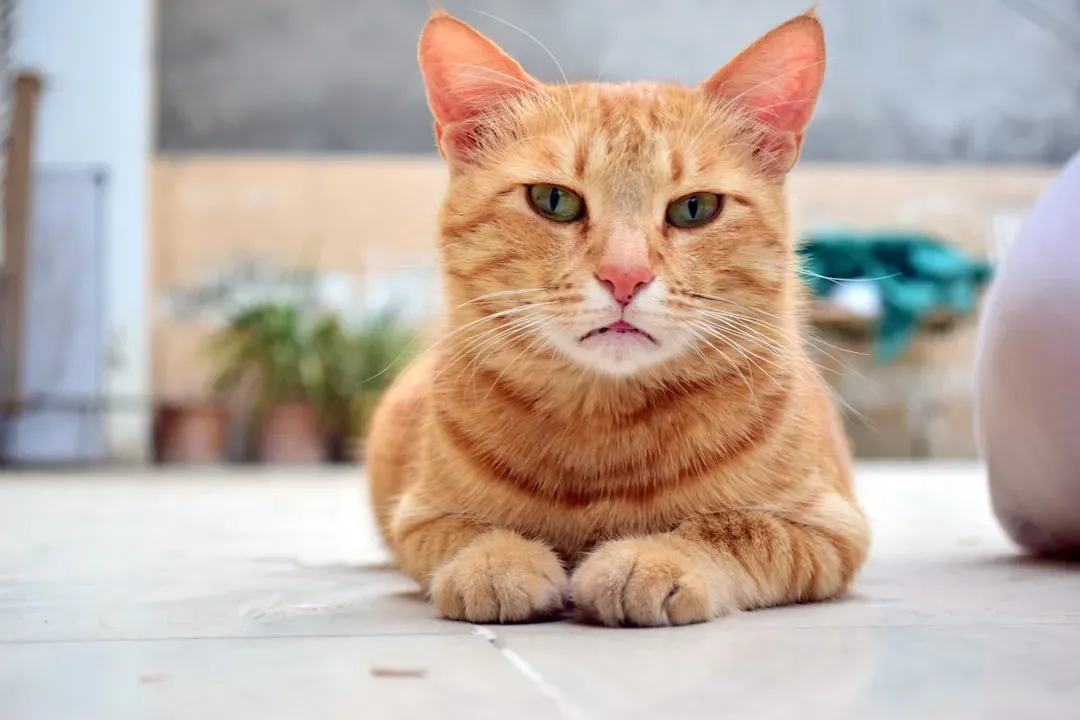
Here’s something worth sitting with: your cat almost certainly hears you when you call them. The issue is that hearing and responding are two very different things in the feline world. Researchers at the University of Tokyo found that when cats heard their names called, they responded primarily through orienting behaviors such as moving their head and ears, but not through communicative behaviors like tail movements or vocalizing. Importantly, the same study confirmed that cats do distinguish their owner’s voice from the voices of strangers.
As researchers put it, “historically speaking, cats, unlike dogs, have not been domesticated to obey humans’ orders. Rather, they seem to take the initiative in human-cat interaction.” While dogs were bred over thousands of years to respond to commands, cats, it seems, never needed to learn. So when your cat doesn’t come running, it’s less about rudeness and more about the fact that no one in their evolutionary history ever required them to.
The Science of Cat-Directed Speech
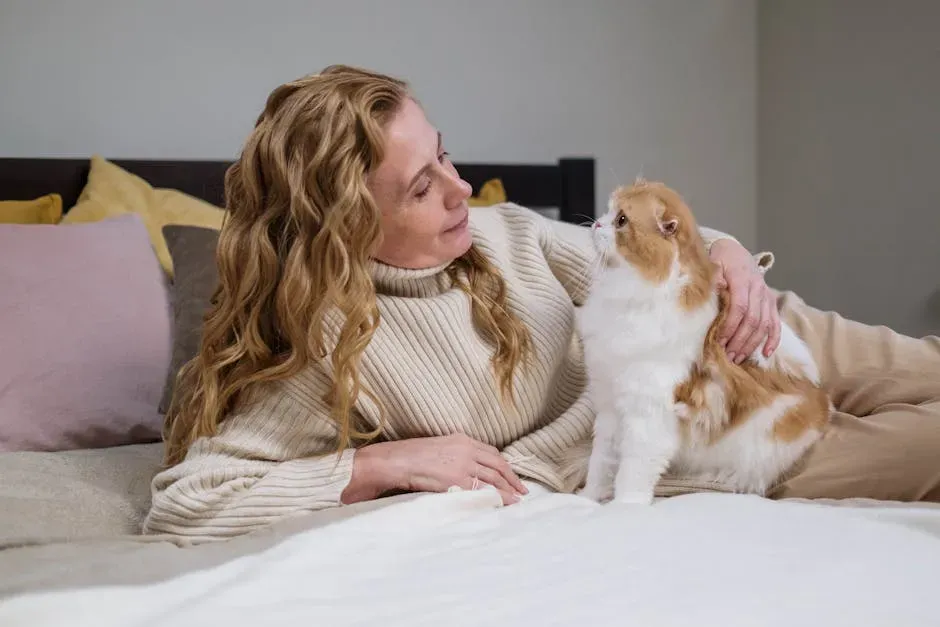
You might have noticed you talk to your cat differently than you talk to other adults. Higher pitch, softer tone, shorter sentences. That instinct is actually useful. A study found that cats may change their behavior when they hear their owner’s voice talking in a tone directed at them, but not when hearing the voice of a stranger or their owner’s voice directed at another person. The study adds to evidence that cats may form strong bonds with their owner.
When cats heard the first few phrases from their owners in adult-directed speech, they gradually became less and less responsive. But when cat-directed speech was played, the cats’ average reaction scores jumped significantly. In other words, your baby-talk voice isn’t embarrassing. It’s actually one of the more effective tools you have for genuinely reaching your cat.
Your Cat Knows Your Voice Better Than You Think
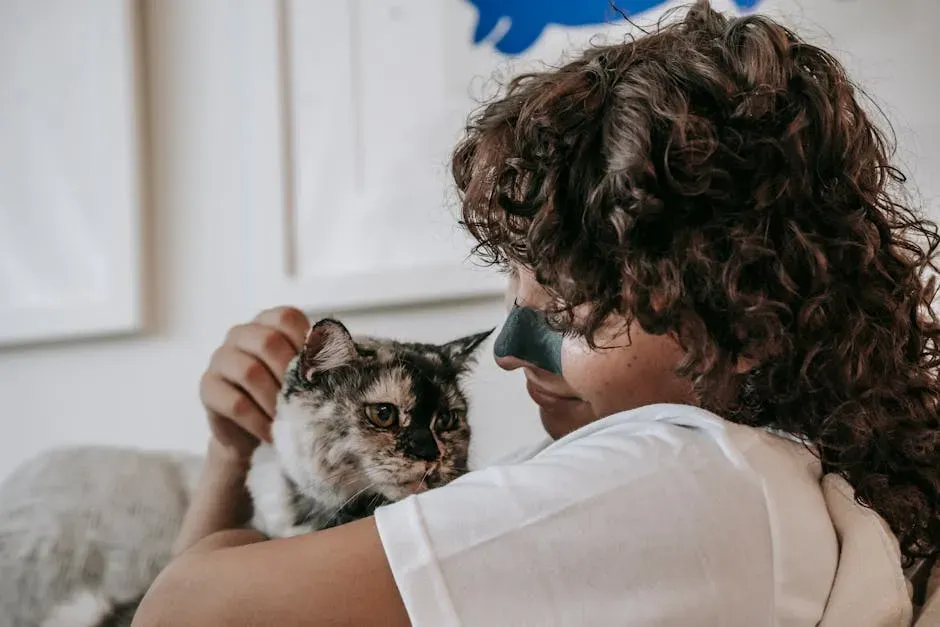
Research has filled a long-standing gap in feline studies by showing that cats can distinguish their owners’ voices from those of strangers. This matters because it changes the framing entirely. Your cat isn’t just reacting to sound in general. They’re specifically tuned in to you. When they heard a familiar voice, the felines responded in subtle but distinct ways, such as swishing their tails, pivoting their ears, and freezing while grooming. They showed no such response when owners were speaking to other people, or to strangers’ voices.
The findings suggest adult house cats that aren’t used to strangers have only learned to decipher the nuances of their owner’s speech. The closeness of a cat-human relationship, in other words, might be based on experience rather than an innate preference for friendly, intimate qualities in a human voice. That means every conversation you have with your cat, even the one-sided ones, is quietly building something real.
The Slow Blink: A Language You Can Actually Learn
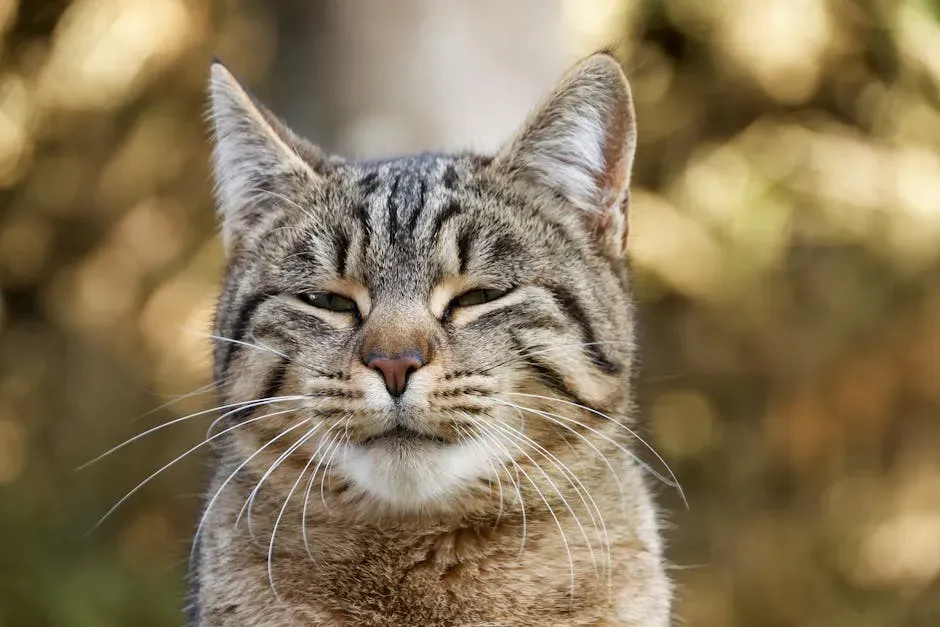
Research published in Scientific Reports found that the slow blink sequence appears to be an indicator of positive emotion in cats. When your cat narrows their eyes at you and blinks slowly, they’re not being sleepy. They’re communicating something closer to trust and contentment. In the feline world, closing their eyes in the presence of another creature makes them vulnerable, as they are unable to detect potential threats. By slow blinking at you, your cat is demonstrating their trust and signaling that they feel safe and relaxed in your company.
Researchers found that not only were cats more likely to blink back after a human initiated a slow blink, but they were also more likely to approach the human’s hand afterward. This gives you something practical to work with. It should be noted that while communicating through slow blinking requires eye contact between humans and cats, prolonged direct staring can be perceived negatively and as a threatening behavior by cats, so slow blinking needs to be used in a subtle, non-confrontational way.
Selective Attention as a Survival Strategy

Modern housecats’ common ancestor was Felis silvestris, a wildcat species that came into contact with humans roughly nine thousand years ago. As people began farming the land, cats moved in to prey on rodents attracted to crops. As researchers describe it, cats essentially “domesticated themselves.” This self-directed domestication is important. Unlike dogs, cats were never systematically selected for compliance or responsiveness to human commands.
Cats are hunters equipped with incredible senses. They need appropriate energy outlets. They’re also creatures of habit who rely on predictability and consistency in their daily lives. Their selective attention, the ability to tune in and tune out at will, is deeply tied to this hunting background. A cat focused on every stimulus around it would make a poor predator. Filtering the world is, for them, a feature, not a flaw.
When Cats Do Want Your Attention, They Make It Known
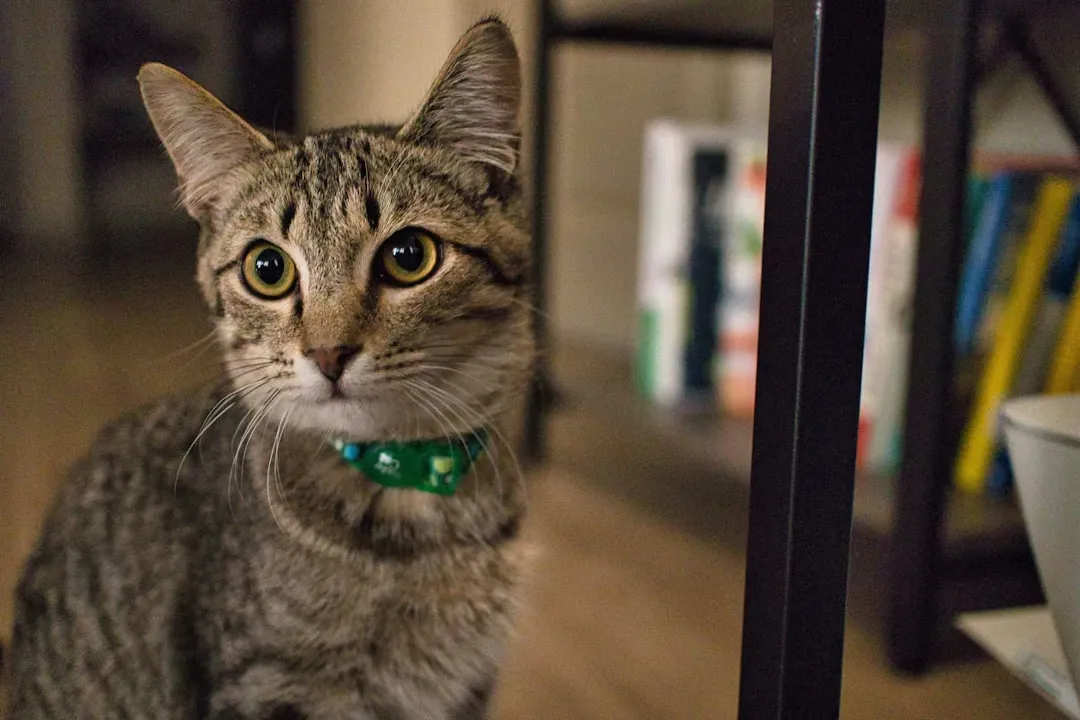
Selective attention cuts both ways. The same cat that ignores you royally while you’re calling their name can become remarkably persistent when they decide they want something. Some cats will deliberately knock items off tables or counters to gain your attention, even making eye contact as they do this, having learned from previous antics that this behavior reliably earns a quick response.
Cats seek attention for many reasons, including loneliness, boredom, or an unmet need. Attention-seeking behaviors may include excessive vocalization, destructive scratching, pawing or tapping, and deliberately knocking items off surfaces within your view. If your cat has figured out that nudging your coffee mug toward the edge of the counter gets an immediate reaction from you, they’ve essentially trained you. And they know it.
What’s Actually Behind the “Aloof” Reputation
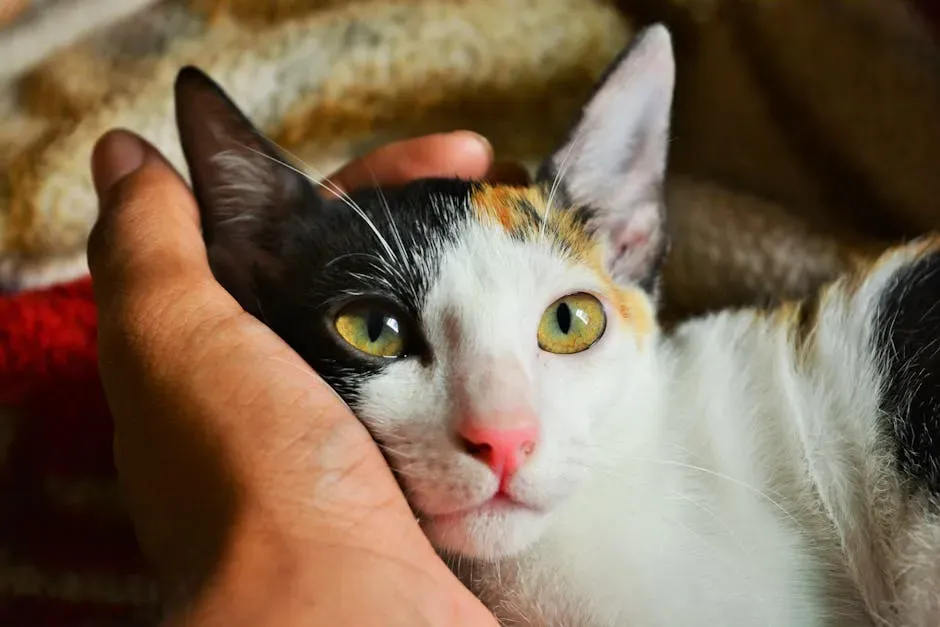
Unlike dogs, cats often express attachment in more subtle ways, which can sometimes be mistaken for aloofness or independence. Although they seem to be more independent, many cats still form deep emotional bonds with their humans. The reputation for coldness, in many cases, comes from humans misreading a different communication style as no communication at all.
Despite this reputation of being aloof and uncaring, cats form deep attachments to humans, often preferring their company to other rewards, such as food, according to recent studies. That’s a striking finding. A creature that will choose your presence over a meal is not one that doesn’t care about you. Recent studies have also shown that cats are far more attuned to their human companions than previously believed, and they often mirror their owners’ personalities and can even pick up on emotions like sadness.
Routine and Consistency Shape How Cats Respond to You
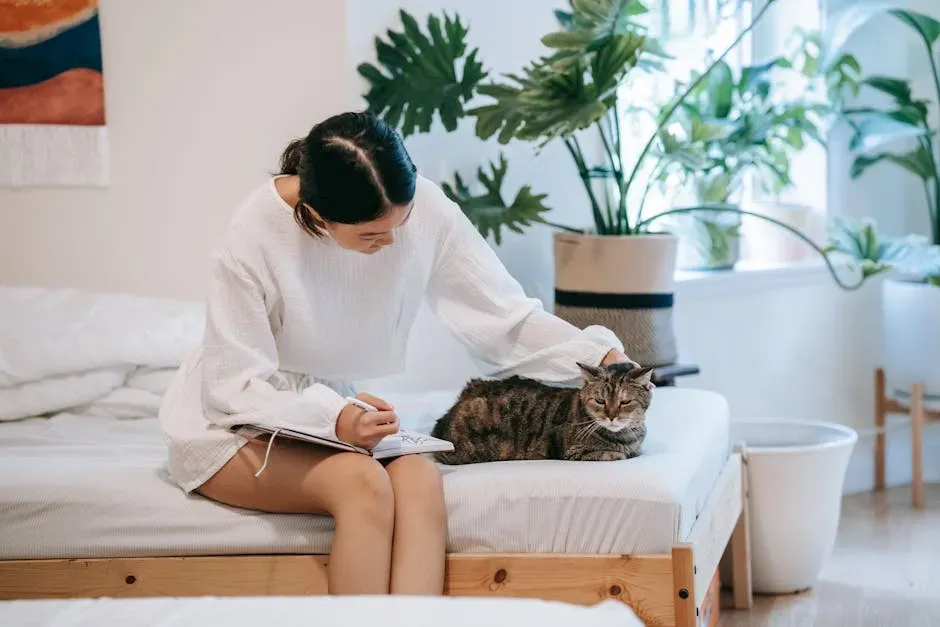
If you aren’t consistent in your cat’s feeding schedule, litter box cleaning, playtime, or even when you come home at the end of the day, it can create the need for attention-seeking behavior. If you play with your cat using an interactive toy but only play every few days, it’s understandable why they’d engage in trying to get your attention in other ways. Cats read your patterns far more carefully than you probably realize.
Providing your cat with structured attention rather than simply more attention makes a real difference. Scheduling two or three play sessions a day totaling fifteen to thirty minutes, combined with a couple of short quiet-attention times for cuddling or grooming, gives your cat a framework. Your cat will be less likely to be pushy and demanding if they know that attention is coming at regular times each day. Predictability is, for cats, a form of security.
How to Actually Build a Stronger Connection
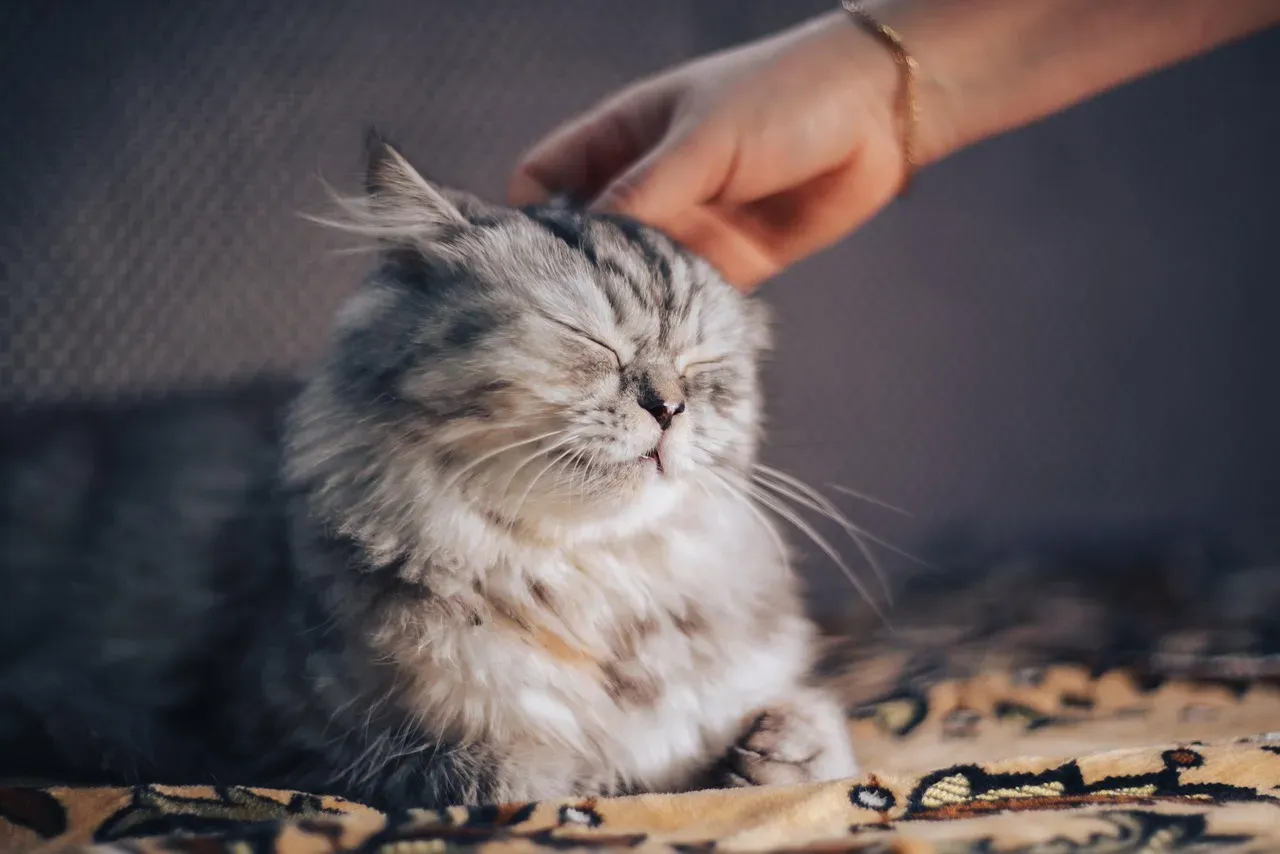
Research suggests that the experience of hearing the speaker’s voice plays an important role in feline communication, and that direct communication between the owner and the cat may help strengthen their bond. This means talking to your cat, even when they appear disinterested, is doing more work than it seems. Cats, too, have changed the way they “talk” for humans. Adult cats almost never meow to any creatures besides humans, and their purrs appear to have evolved a high-frequency component that evokes human baby cries, all the better to get our attention.
Focusing on positive reinforcement when your cat does something you want them to do is an effective strategy. Rewarding good behavior teaches them the best ways to get your attention. The relationship, it turns out, is genuinely a two-way negotiation. Research underlines the influence of signal modality on communication between cats and humans, which means the more you understand how your cat actually communicates, the more likely they are to respond to you in kind.
Conclusion
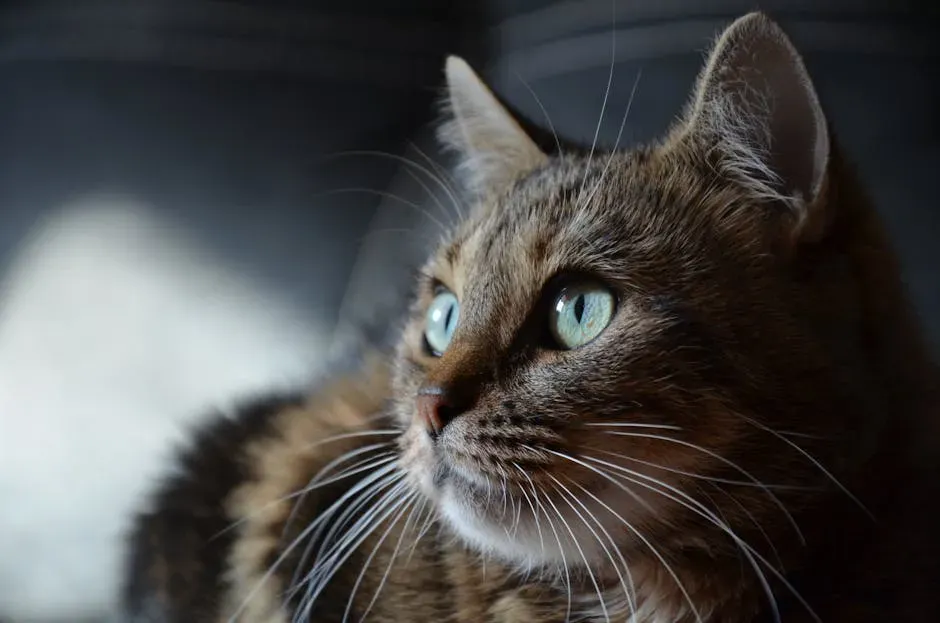
The next time your cat stares past you with that particular brand of serene indifference, try reframing it. You’re not being ignored by an animal that doesn’t care. You’re living with a creature that has developed a finely tuned filter for the world, one that actually lights up internally when it hears your specific voice, registers your emotional state, and communicates trust through the quiet language of a slow blink.
Understanding a cat means accepting that connection on their terms looks nothing like connection on a dog’s terms, or a human’s terms. It’s quieter, more deliberate, and arguably more earned. If your cat ever settles near you without being asked, lets their eyes drift half-closed in your direction, or simply stays in the same room while you go about your day, that’s not nothing. That’s quite a lot, actually.
Kristina is a young writer from India. An arts graduate and an avid content creator, Kristina is passionate about animals and wildlife. She enjoys exploring topics related to pet care, animal behavior, conservation, and nature, combining thorough research with engaging storytelling.