You’re relaxing on the sofa, halfway through something on your phone, when you sense it. That familiar, unblinking presence. Your cat is watching you again, utterly still, eyes wide and locked onto you like you’re the most significant thing in the room. Most people laugh it off, feel vaguely judged, or just assume the cat is being weird. The truth is something far more interesting.
Your cat’s gaze isn’t a blank stare from a creature lost in thought. It’s an active, layered act of attention, driven by millions of years of sensory refinement, communicative instinct, and a cognitive architecture that processes the world quite differently from how you do. Once you understand what’s actually happening behind those eyes, the stare stops being mysterious and starts telling you a story.
Your Cat Sees a World You Simply Cannot Access
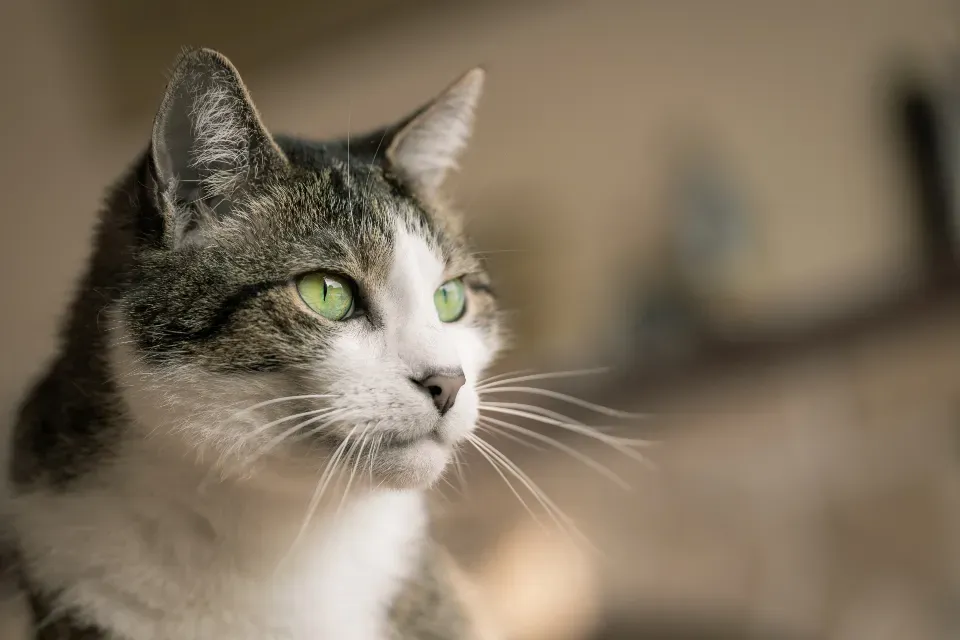
Before you interpret what the stare means, it helps to understand what your cat is actually taking in. Cats have far more rod cells in their eyes than humans, making them exceptional at detecting movement in dim conditions, and a reflective layer behind the retina called the tapetum lucidum amplifies available light, allowing them to see in conditions six times darker than what humans need. So when your cat seems to stare at nothing, they’re almost certainly reacting to something very real.
Cats can also see ultraviolet wavelengths invisible to the human eye, and certain fabrics, cleaning residues, and surface coatings reflect UV light in patterns we cannot perceive, making a blank wall or floor visually interesting to your cat. Beyond vision, cats can detect frequencies up to 64,000 Hz and discern subtle sounds like rustling or ultrasonic calls. To your cat, the room you share is a far richer sensory environment than the one you experience.
The Stare Is Rooted in an Ancient Predatory Brain
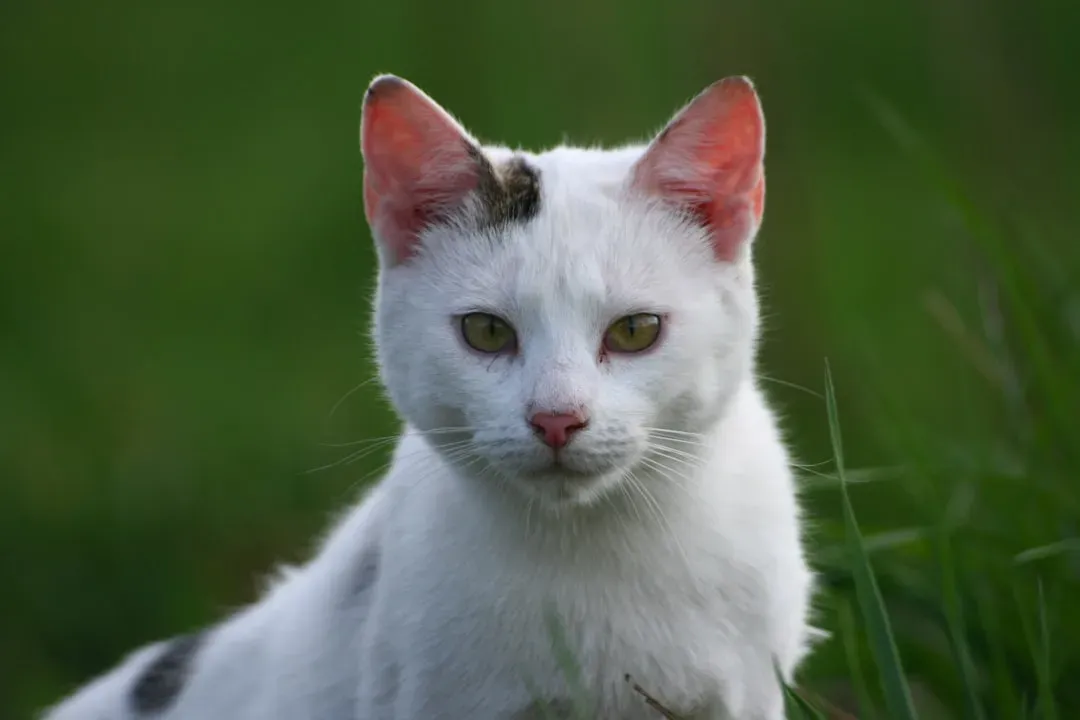
When cats stare intensely without moving, they are often entering a focused hunting state. Their brain switches into observation mode where they analyze motion patterns and calculate potential action, similar to how predators observe prey before making a move. This isn’t random behavior. It’s a deeply wired neurological response that domestication hasn’t erased.
This behavior harks back to their prey-stalking instinct. Cats are ambush predators, so they don’t immediately charge after their target. Cats have a binocular field of vision with a high area of visual overlap between both eyes, a trait shared with many predators. Such a field of vision allows them to properly perceive depth, height, and distance. Even your perfectly well-fed housecat is carrying a fully operational predator toolkit.
Staring at You Specifically Is Usually a Form of Communication
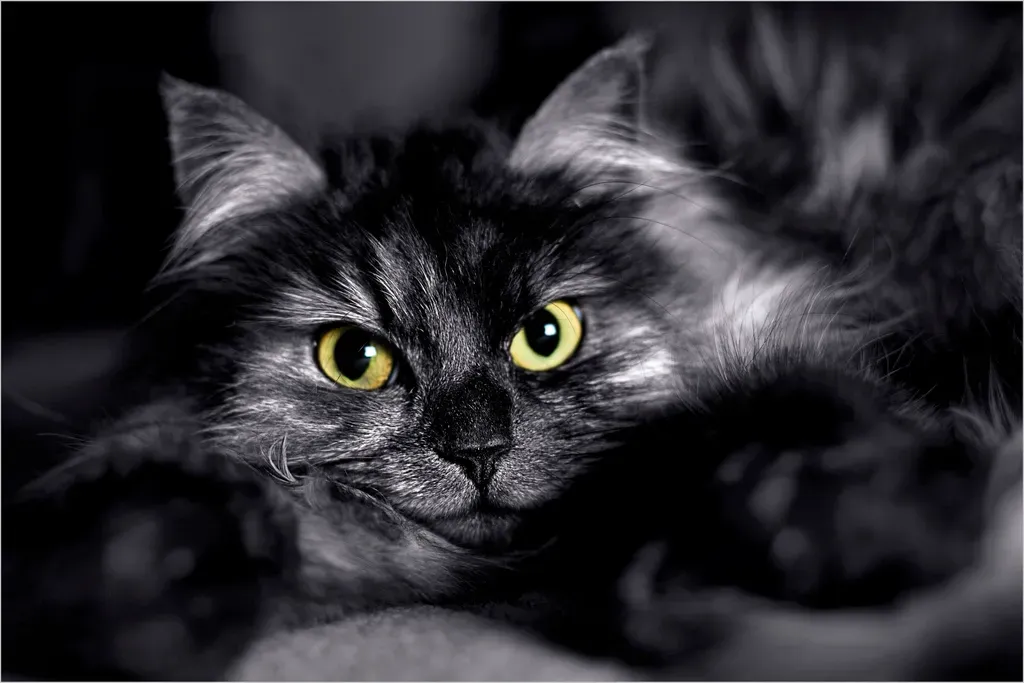
Cats stare to communicate needs, emotions, or intentions. Common reasons include attention-seeking, play solicitation, hunger, affection, fear, or aggression. When your cat locks eyes with you rather than with a shadow on the wall, the motivation tends to be social and direct. They’re not spacing out. They’re talking to you in the only language they have.
Cats also stare when they are bored or seeking interaction. A quiet gaze can be a polite request for engagement. Unlike dogs, cats often avoid vocal demands unless they feel confident the message will work. Watching first allows them to assess the moment. Think of it less as a staring contest and more as a patient, considered request.
Pupil Size Tells You What Your Cat Is Actually Feeling
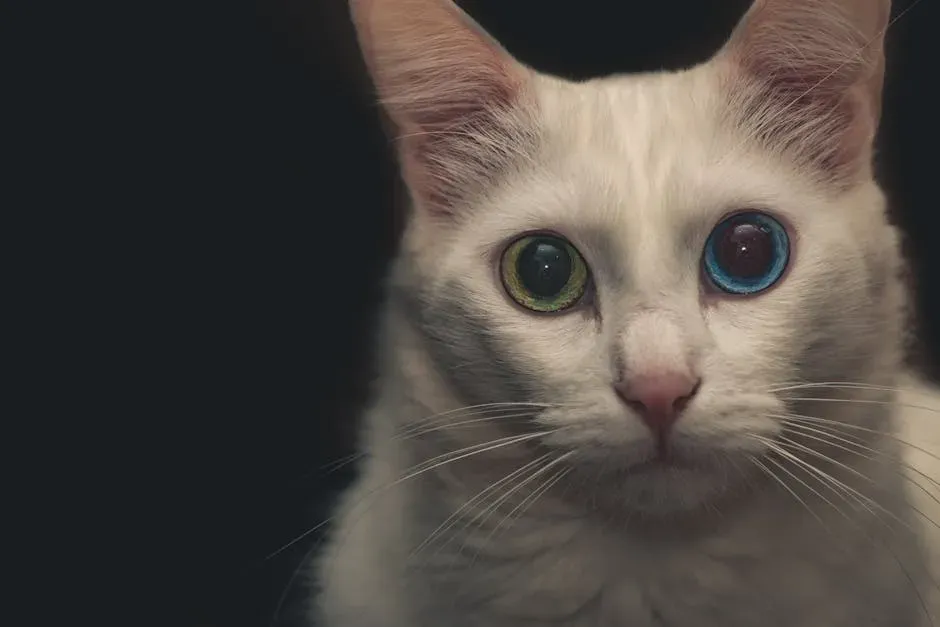
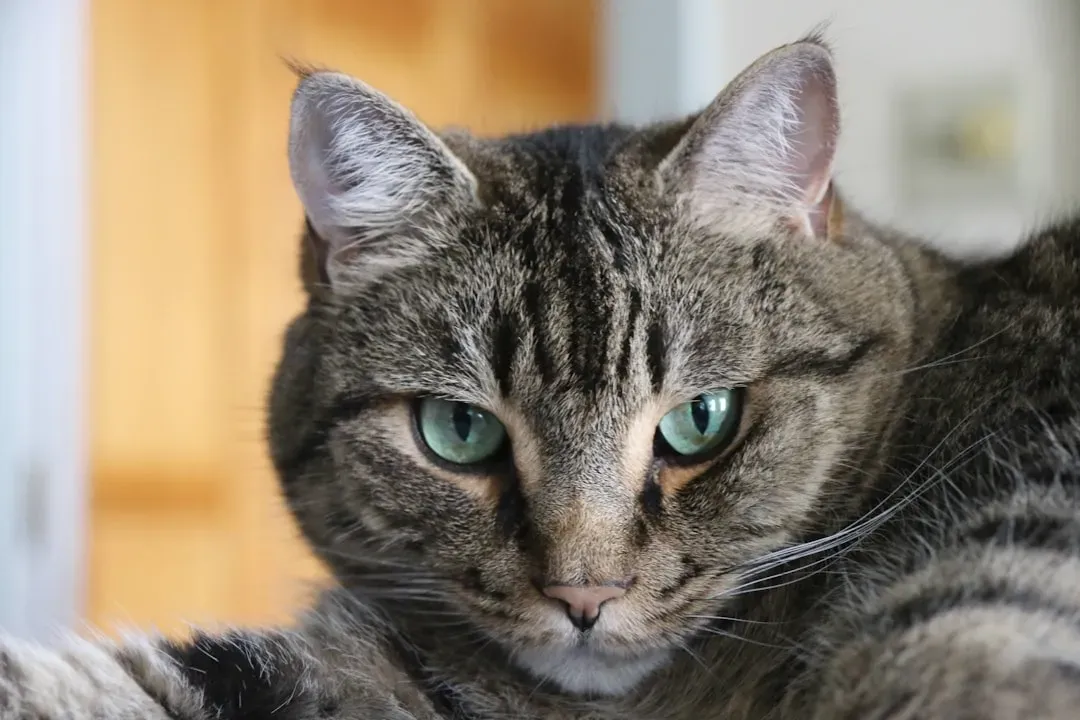
The eyes are a pathway of direct communication, and since cats have pupils with vertical slits, their eyes allow for a much wider pupil size and shape than humans have, which means more size equals more expression. Reading those pupils alongside the stare gives you a far more complete picture of your cat’s emotional state.
Dilated pupils signal fear or excitement, while constricted pupils often mean anger or aggression. Pupils can dilate when a cat is excited or afraid: it’s basically their brain saying “get more information” from the environment, and their posture can offer more details. You need to look at the whole picture, not just the gaze in isolation, to really understand what’s going on.
A Relaxed Stare and a Hard Stare Are Two Completely Different Things
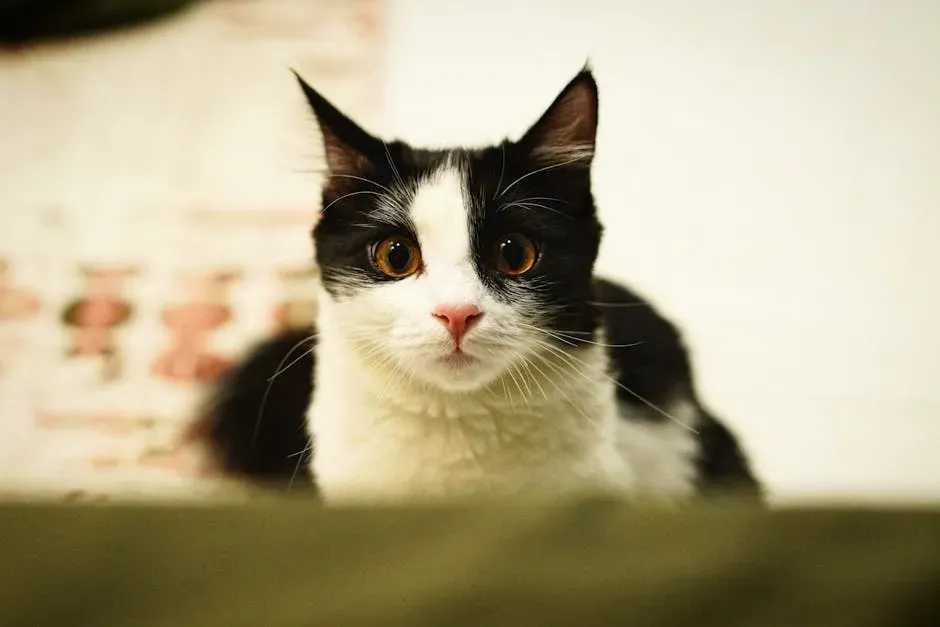
A relaxed posture during observation means your cat feels content. A hard, unblinking stare paired with tense body language or flattened ears can signal discomfort. These two types of stare can look superficially similar to an untrained eye, but the context and body language surrounding them are entirely different in meaning.
When a cat gives a hard, unblinking stare paired with stiff body language and piloerection along the back and tail, they are telling the other party that if they do not back off, there will be a confrontation. The hard, unblinking gaze is a threat. Moving slowly, speaking calmly, and giving your cat space often helps reduce this tension. Knowing the difference matters.
The Slow Blink Within the Stare Is the Real Love Letter
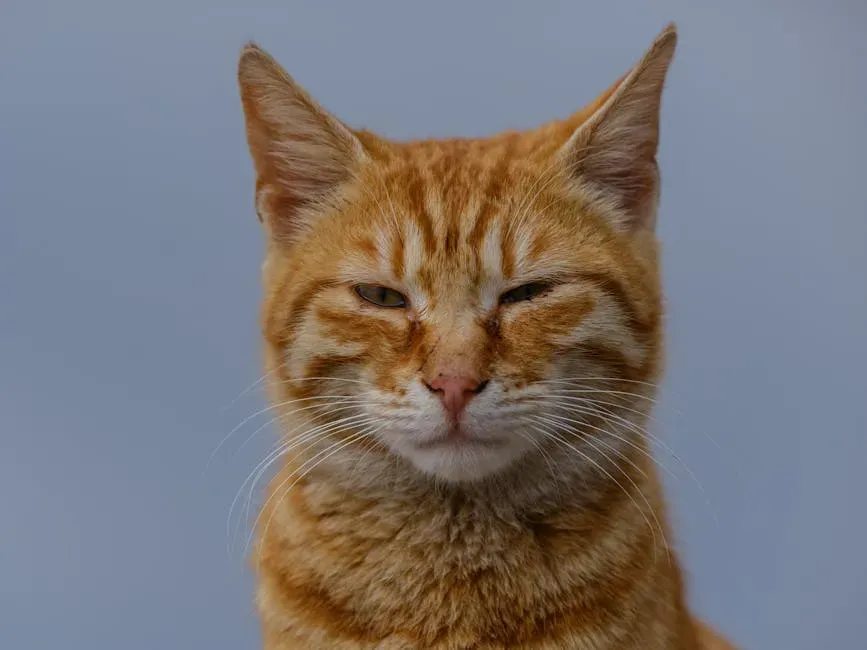
Research shows that the slow blink sequence appears to be an indicator of positive emotion in cats, and identifying observable indicators of positive emotions has practical benefits for animal welfare by providing assessment markers of an individual’s current welfare. The science here is surprisingly specific and well-supported for a behavior that cat owners had long observed but never formally understood.
When a cat slow blinks at you, they are expressing trust, contentment, and affection. In the feline world, closing their eyes in the presence of another creature makes them vulnerable, as they are unable to detect potential threats. By slow blinking at you, your cat is demonstrating their trust and signaling that they feel safe and relaxed in your company. You can return the gesture: cats are more likely to slow blink at their humans after their humans have slow blinked at them.
Your Cat Has Been Studying Your Routines Far More Than You Realize
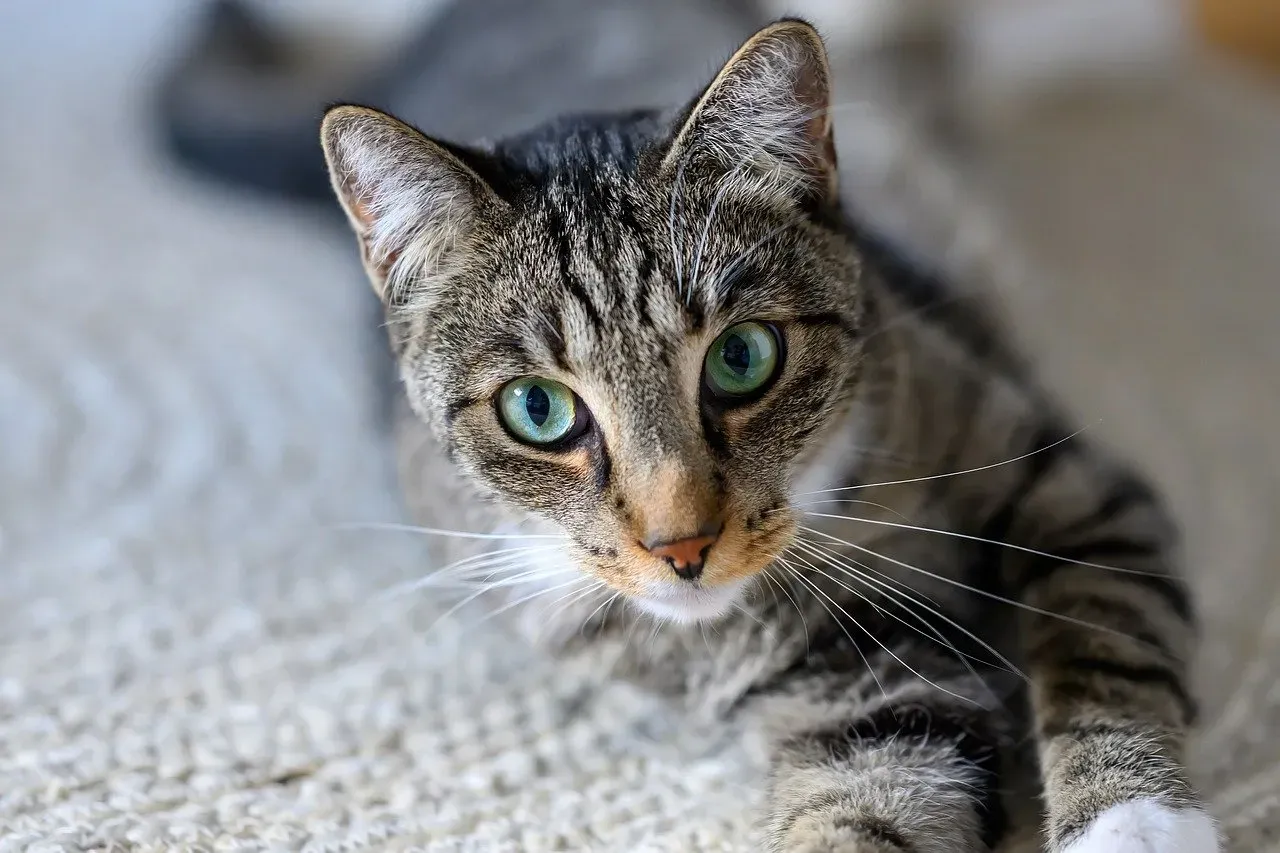
If standing up usually leads to a meal, opening a door, or tossing a toy, your cat learns to pay attention. Over time, that observation becomes a habit. This is learned behavior built from sustained watching. Your cat isn’t just staring in the moment. They’ve been building a detailed model of your behavior across days, weeks, and months.
Cats are indeed blessed with impressive sensory processing and problem-solving abilities. They can form complex associations, learn through observation, and even manipulate their environment to get what they want. If your cat stares at you around mealtime or near the treat cabinet, the message is straightforward: they are communicating a need and waiting for you to respond. They’ve mapped you, and the stare is part of the system.
When Your Cat Stares at You While You Sleep, It Means Something Different
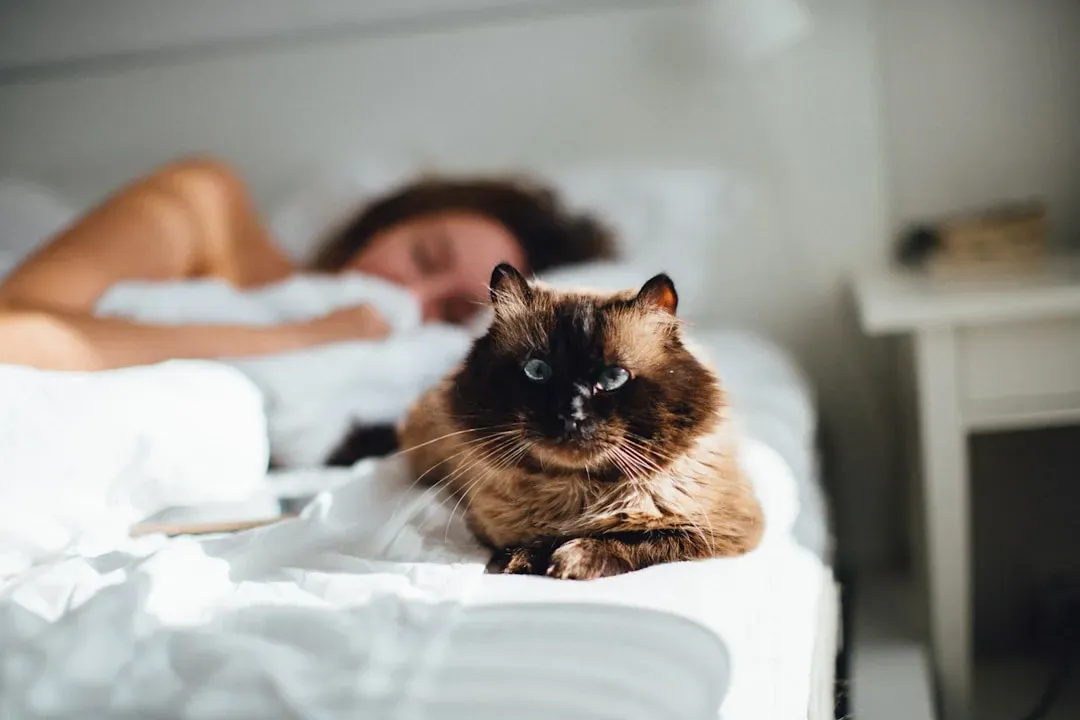
When owners ask why their cat stares at them while they sleep, the explanation often comes down to a mix of curiosity, affection, and opportunity. Cats stay alert even when their people are resting, and they tend to monitor the environment quietly. Your cat may be checking that you are still there, observing your breathing, or waiting for movement that signals breakfast time.
Others remain close during sleep because they feel safe nearby. Cats that choose to stay near us often view us as part of their secure territory. Cats are light sleepers and remain alert even at rest. Watching you while you sleep is a monitoring behavior: your cat is keeping tabs on the most important resource in their environment, which is you. It can also reflect affection, as cats often orient toward the people they feel safest with.
When the Stare Signals Something You Should Not Ignore
Older cats can develop feline cognitive dysfunction, similar to dementia in humans. Symptoms include disoriented staring, pacing, and changes in sleep patterns. If your senior cat stares more often and seems confused, a vet visit is warranted. Cataracts, glaucoma, or retinal problems can also alter staring behavior. Neurological concerns are possible if staring is paired with twitching, head tilting, or balance loss.
If you notice uneven pupil sizes, with one pupil large and the other small, this is a major neurological red flag. Pupils that remain large even in bright light can indicate high blood pressure, which creates a risk of retinal detachment and blindness. If staring behavior suddenly increases or changes, it helps to notice what else has shifted. New pets, schedule changes, household noise, or different feeding times can all influence feline behavior. Baseline awareness of your cat’s normal gaze habits makes changes much easier to notice and act on.
Conclusion
Your cat’s stare is not aloofness wearing a feline face. It’s one of the most information-dense behaviors they have. From tracking invisible sensory signals to communicating trust, scheduling their requests, and monitoring the rhythms of your daily life, every sustained gaze reflects a mind that is genuinely, actively engaged with you and the world around them.
The more you learn to read the stare alongside posture, pupil size, ear position, and the presence or absence of a slow blink, the more clearly you’ll see your cat not as an enigmatic creature tolerating your presence, but as a perceptive, emotionally aware animal doing its best to communicate across a species barrier. Meet them halfway, and you might be surprised how much of that conversation was already happening.