You’re mid-sentence on a work call, and your cat is at your feet, yowling like the house is on fire. You’ve already fed them. The litter box is clean. The water bowl is full. Naturally, you write it off as melodrama. But here’s the thing: that persistent meow is not random noise, and it’s definitely not just feline theater.
Meowing is mainly a human-directed vocalization and serves as a communication tool for cats to convey their emotional states to their owners. The fact that you keep missing the message isn’t your cat’s failure – it’s a gap in translation that science is only beginning to close. Understanding what’s actually happening when your cat broadcasts that sound could change the whole relationship.
Your Cat Developed This Language Specifically for You
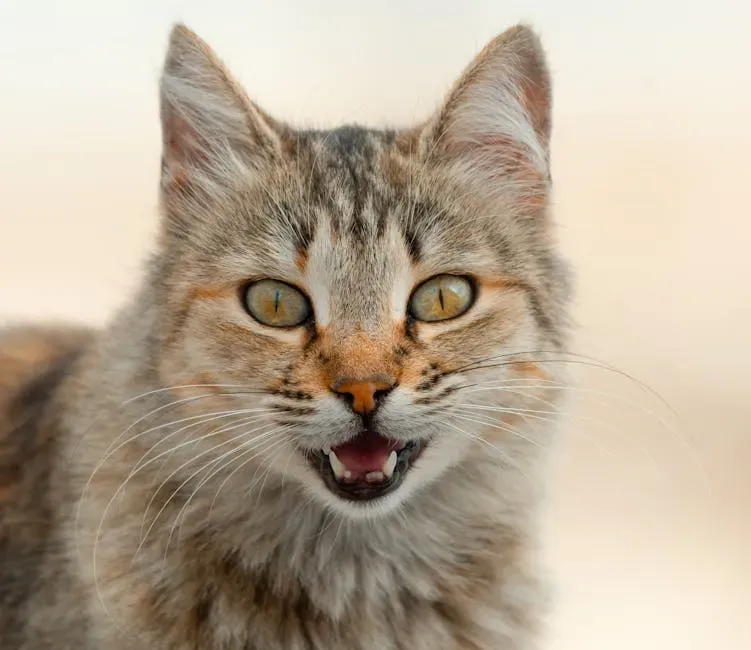
Adult cats rarely meow to each other. Meowing is primarily a human-directed communication tool that developed during domestication. That’s not a small detail. It means every meow your cat aims at you is a deliberate, species-specific attempt at contact.
Domestic cats have essentially taught themselves a whole new language just so they can communicate with people. They learn early that their usual forms of cat-to-cat communication simply don’t work on humans, so instead these intelligent animals develop meowing as the form of communication that people will actually respond to.
Approximately 10,000 years ago, cats began cohabiting with humans in a unique domestication process. Unlike dogs, which were selectively bred, cats underwent self-domestication, adapting behaviors that enhanced their survival alongside people. Vocal communication, particularly meowing, became a tool to capture human attention and foster bonds.
The Science of Why Cats Skip Meowing With Each Other
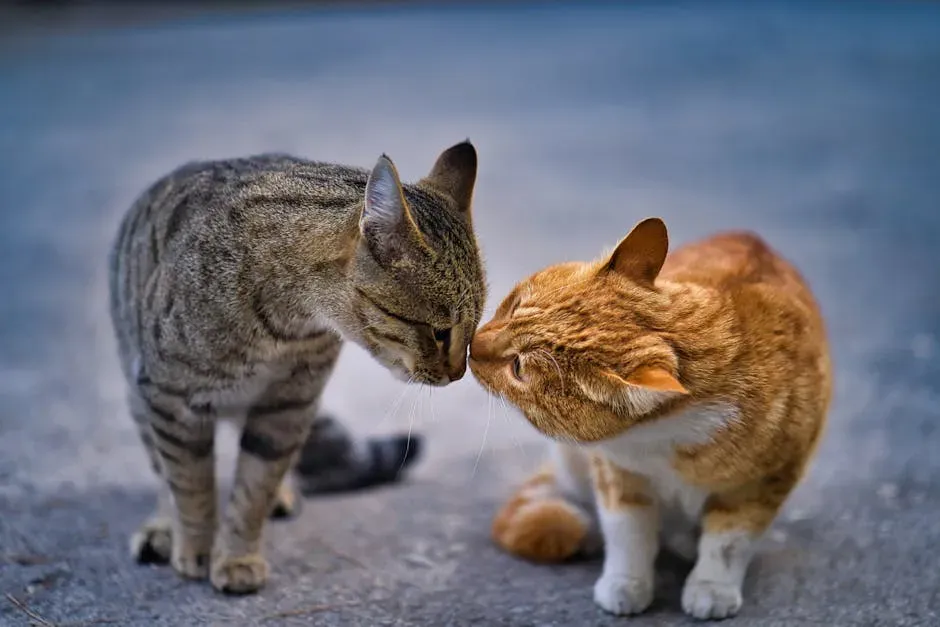
Adult cats rarely meow at each other, communicating largely through body language and sounds like hissing and yowling. Because humans can’t read cat body language and nonverbal cues as well as other cats can, additional vocalizations like meowing became necessary as an extra form of communication.
Kittens meow to get their mother’s attention, but adult cats in feral colonies almost never meow at one another. They rely on scent marking, body posture, and other vocalizations like hissing or yowling for cat-to-cat communication. Meowing appears to be a product of domestication, a behavior cats retained and refined specifically because it works on humans.
How 10,000 Years of Living Together Shaped the Meow
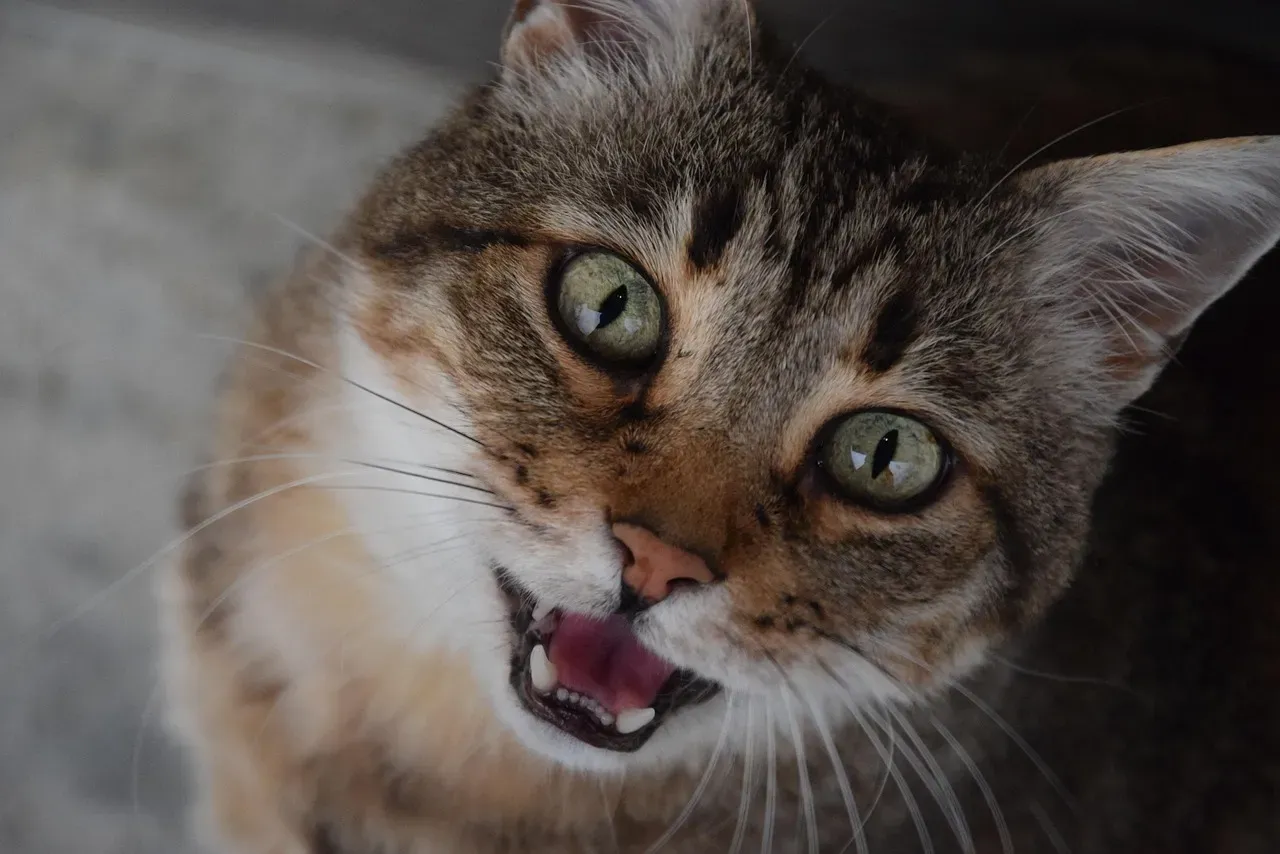
Cats probably first encountered humans roughly 10,000 years ago, when people began establishing permanent settlements. These settlements attracted rodents, which in turn drew cats looking for prey. The less fearful and more adaptable cats thrived, benefiting from a consistent food supply. Over time, these cats developed closer bonds with humans.
Researchers have compared the vocalizations of the domestic cat to those of its closest relative, the African wildcat. They discovered that the vocalizations of the domestic cat have changed to become more pleasant to the human ear. This is likely why felines evolved to meow almost exclusively to humans, and rarely use it in cat-to-cat communication. Their meows are less threatening, higher-pitched, and more kitten-like, and people are more sensitive to this type of sound and more likely to respond positively.
Your Cat Is Actually Tapping Into Your Parental Instincts
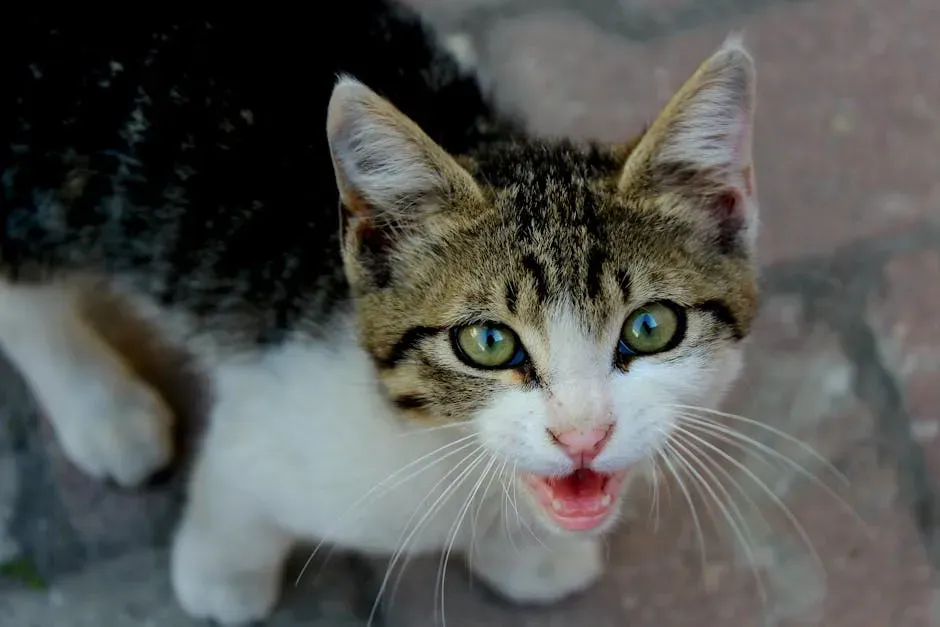
Human babies are entirely dependent on their parents at birth, which has made us particularly attuned to distress calls. Ignoring them would have been costly for human survival. Your cat, whether consciously or not, has figured this out and uses it.
A 2009 study by animal behavior researcher Karen McComb and her team provides evidence of this adaptation. Participants in the study listened to two types of purrs – one recorded when cats were seeking food, and another when they were not. Both cat owners and non-cat owners rated the solicitation purrs as more urgent and less pleasant. An acoustic analysis revealed a high-pitch component in these solicitation purrs, resembling a cry. Your nervous system isn’t overreacting when that meow makes you feel urgency. It’s being targeted with precision.
The Many Tones of the Meow and What They Actually Mean
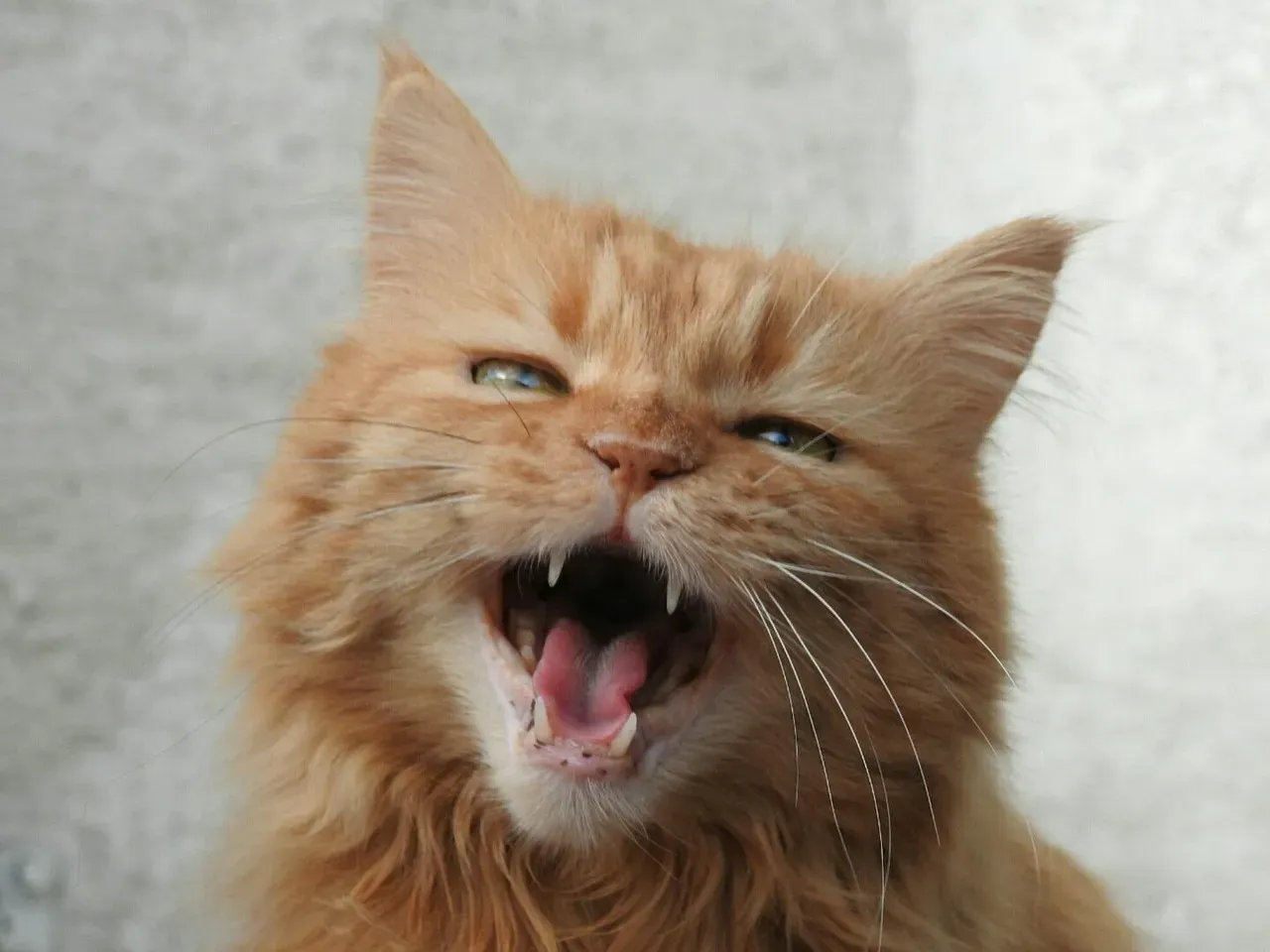
A meow can be assertive, plaintive, friendly, bold, welcoming, attention-soliciting, demanding, or complaining. It can even be silent, where the cat opens its mouth but produces no sound. There’s genuine range here, and most of us are only catching a fraction of it.
Cats can modify their meows in tone, pitch, and duration to convey different messages. A cat may use a shorter, higher-pitched meow to express hunger and a longer, lower-pitched meow to indicate displeasure. This adaptability enhances their ability to communicate effectively with humans. Your cat isn’t throwing random sounds at you. They’re adjusting their delivery based on what they want and how well past attempts have worked.
You’re Probably Not As Fluent As You Think
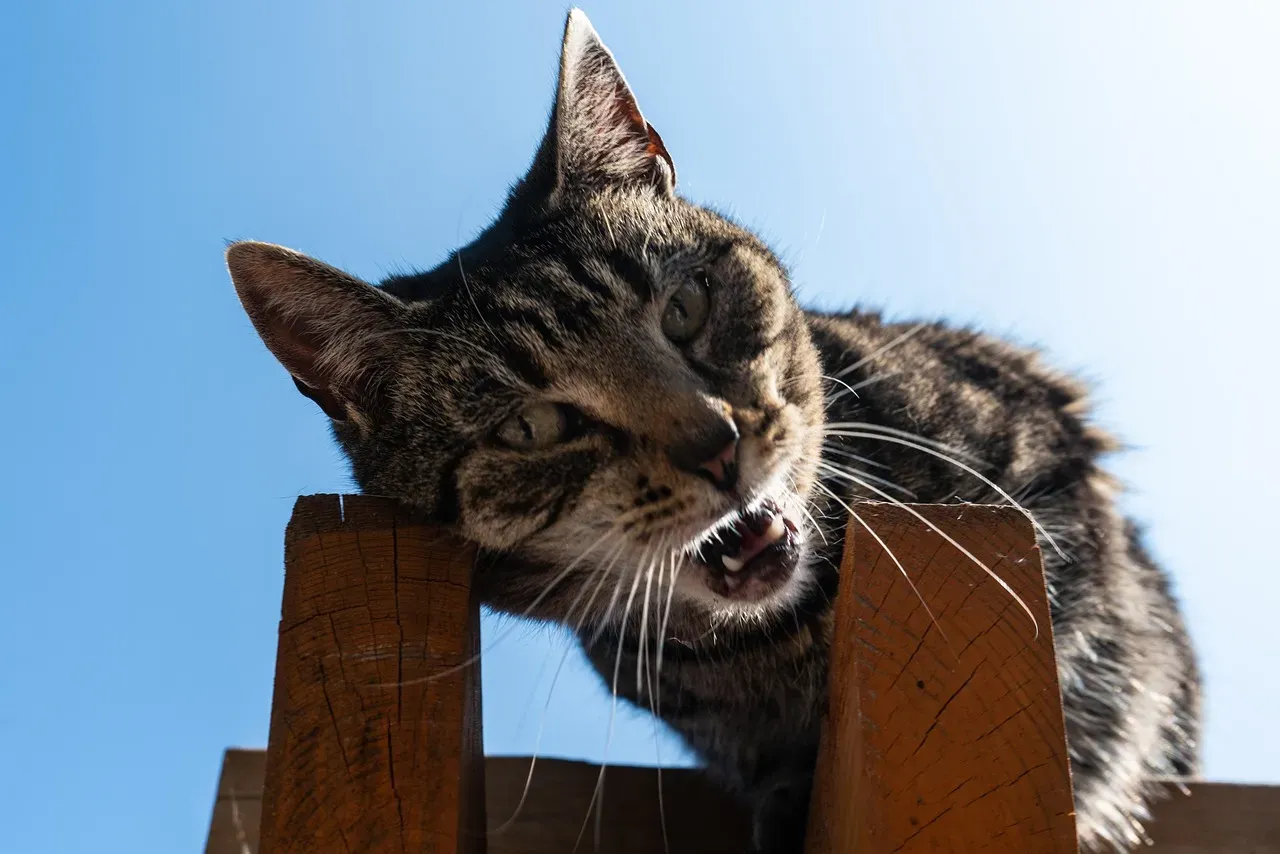
Most cat owners feel confident they understand their cat’s meows, but research suggests we’re not as fluent as we think. In a study published in the journal Animals, fewer than half of participants could correctly match a cat’s meow to the situation it was recorded in. The best-recognized meow was the one cats made while waiting for food, and even that was only correctly identified roughly four times in ten – barely above random chance.
Where humans do better is reading emotional tone. People can generally tell the difference between a distressed meow and a content one. So you’re picking up on the feeling, even when the specific message slips past you. A significant correlation exists between the number of correct context identifications and empathy toward cats specifically, not empathy toward animals in general. Greater empathy toward cats may motivate owners to pay more attention, which in turn increases accuracy in recognizing what their cat is feeling.
Your Cat Has Learned to Customize Its Meow Just for You
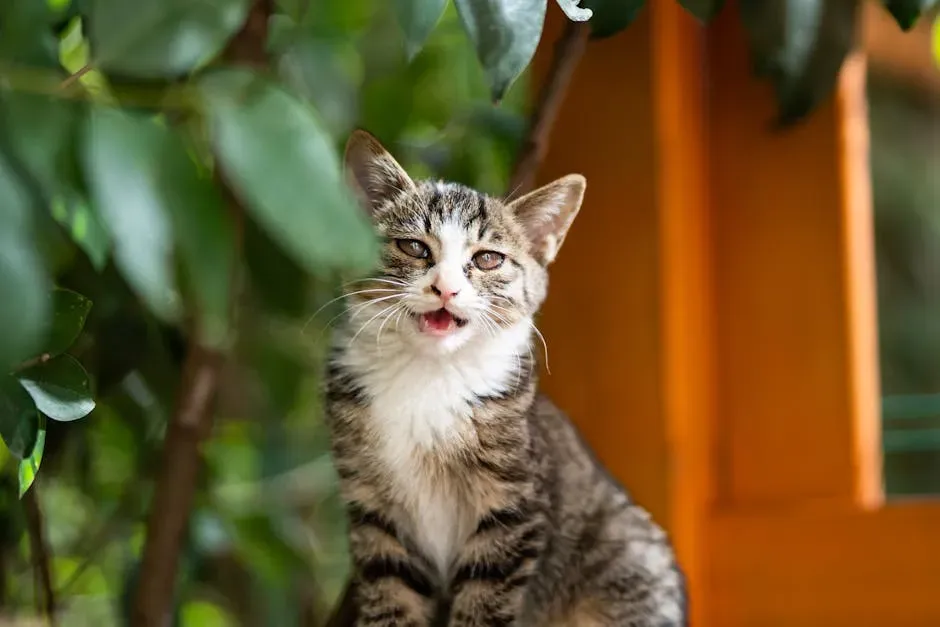
Much of what your cat says to you is learned behavior shaped by your responses. If meowing at 6 a.m. results in breakfast, the cat will keep meowing at 6 a.m. If meowing at the closed bathroom door gets you to open it, that behavior gets reinforced every single time. Over weeks and months, cats develop a personalized vocal repertoire tailored to their specific owner.
This is why cat owners often feel they understand their own cat’s meows but find other cats harder to read. It’s not imagination. Cats speak more when they are spoken to, and respond better when positive words are paired with their name rather than negative ones. That two-way dynamic genuinely shapes how your cat talks to you over time.
When the Meow Is More Than a Request – It’s a Medical Signal
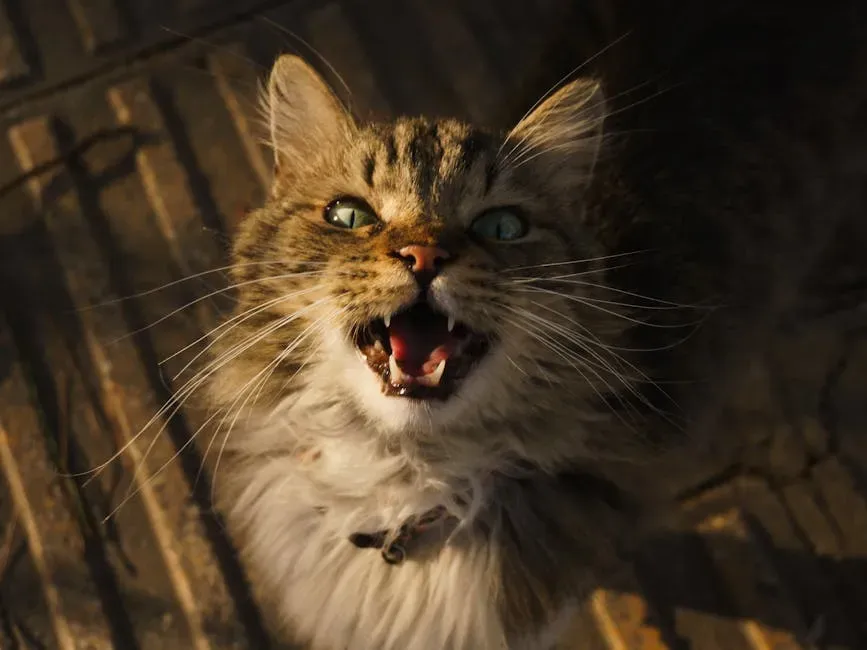
Some cats are simply talkative by nature, but when vocalizations become persistent, intense, or out of character, it’s time to take notice. Sudden changes can signal stress, discomfort, or underlying medical issues, especially when paired with altered appetite, energy, or sleep. The line between communication and distress matters, and it shifts fast.
Hyperthyroidism causes an overactive thyroid that increases metabolism, leading to restlessness and loud, frequent meowing. Older cats may develop cognitive dysfunction, becoming disoriented especially at night and vocalizing loudly as a result. Pain from dental disease, arthritis, or urinary tract problems can also cause cats to vocalize much more than usual. The biggest red flag is change. If your cat suddenly starts yowling at night, crying in the litter box, vocalizing when touched, or meowing nonstop despite having food, water, and a clean litter box, it is time to involve your vet.
How to Become a Better Listener for Your Cat
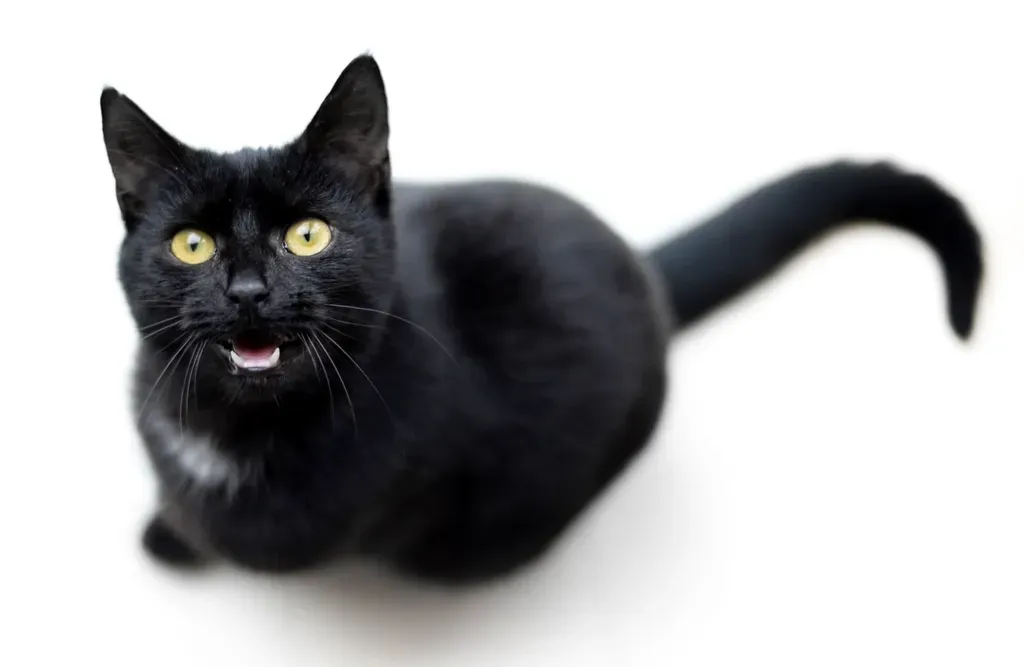
Understanding your cat’s meows gets easier with deliberate observation. Start paying attention to the context: what time is it, what just happened, where is your cat, and what does the rest of their body look like? Within a few weeks of actively connecting sounds to situations, most owners develop a surprisingly accurate sense of what their cat is communicating.
Responding consistently also matters. Cats whose owners respond predictably to specific vocalizations tend to develop clearer, more distinct meow categories over time. Engaging with your cat by talking back can encourage positive communication, making your cat feel heard and understood. You don’t need to be a feline linguist. You just need to start paying the kind of attention your cat has been paying to you all along.
Conclusion
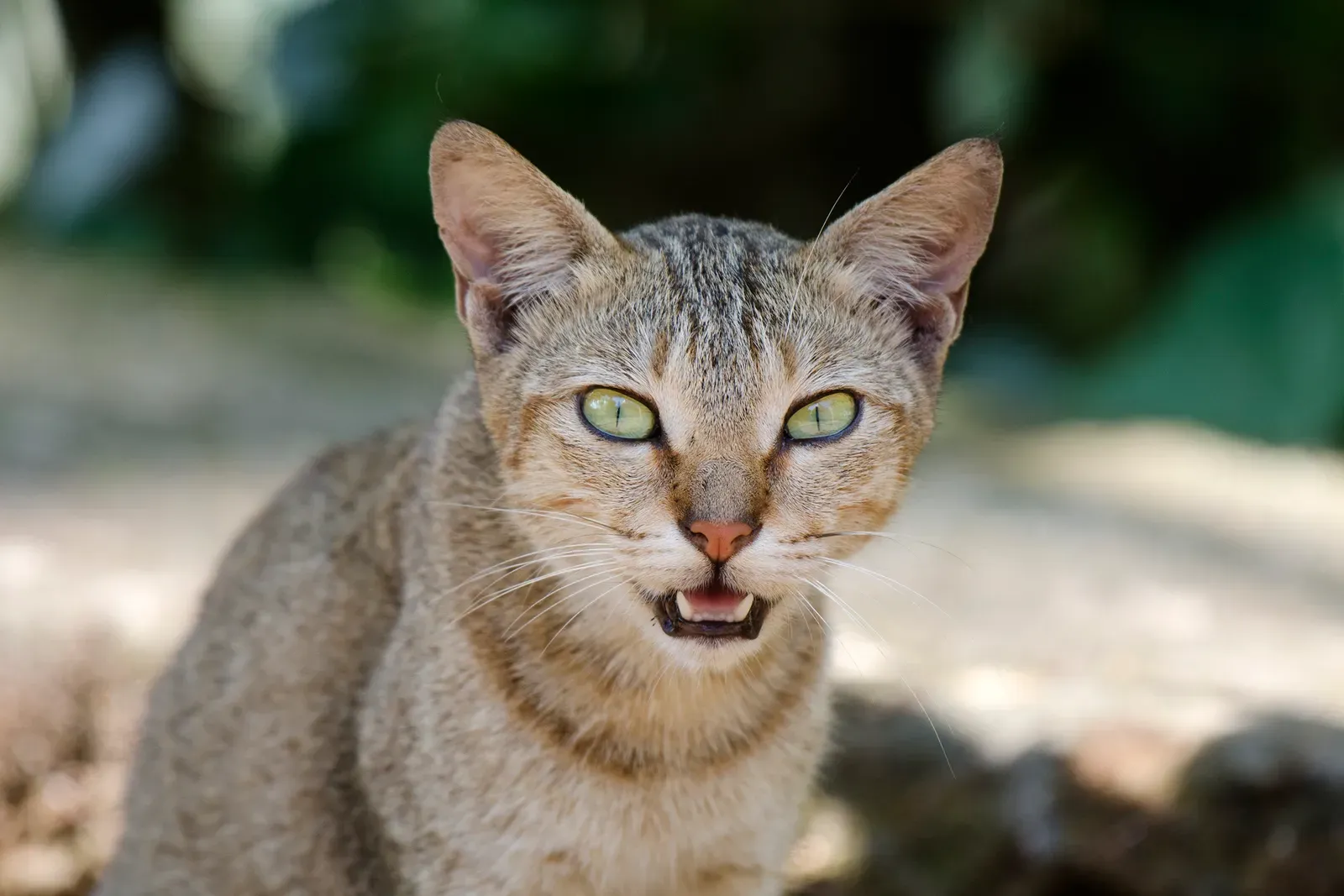
The next time your cat opens its mouth and sends a sound straight at you, remember what you now know: that sound was developed across thousands of years, refined through your own responses, and aimed specifically at your nervous system. It isn’t begging. It isn’t noise. It’s communication built for you, from the only creature on earth that stopped meowing at its own kind just to have a conversation with yours.
Treat the broadcast seriously, learn its patterns, and watch for any shifts that move from routine request to genuine distress signal. If your cat’s meowing feels excessive, persistent, or unusual, it’s worth investigating. In many cases it’s a simple need – but sometimes, it’s your cat’s way of telling you something isn’t right. The messages have always been there. It just takes a little practice to finally hear them clearly.
Kristina is a young writer from India. An arts graduate and an avid content creator, Kristina is passionate about animals and wildlife. She enjoys exploring topics related to pet care, animal behavior, conservation, and nature, combining thorough research with engaging storytelling.