Cats have a well-earned reputation for being mysterious. They stare at blank walls, knock things off tables, and maintain an air of dignified indifference that can make you wonder whether they even notice you exist. Yet underneath all that composed aloofness, something quite different is happening.
Cats communicate differently than people do, and since they tend to be more guarded about their affection, their signals can leave you with more questions than answers. The good news is that once you know what to look for, you’ll realize your cat has probably been paying you compliments all along. You just didn’t know how to read them.
1. The Slow Blink: Your Cat’s Version of “I Love You”
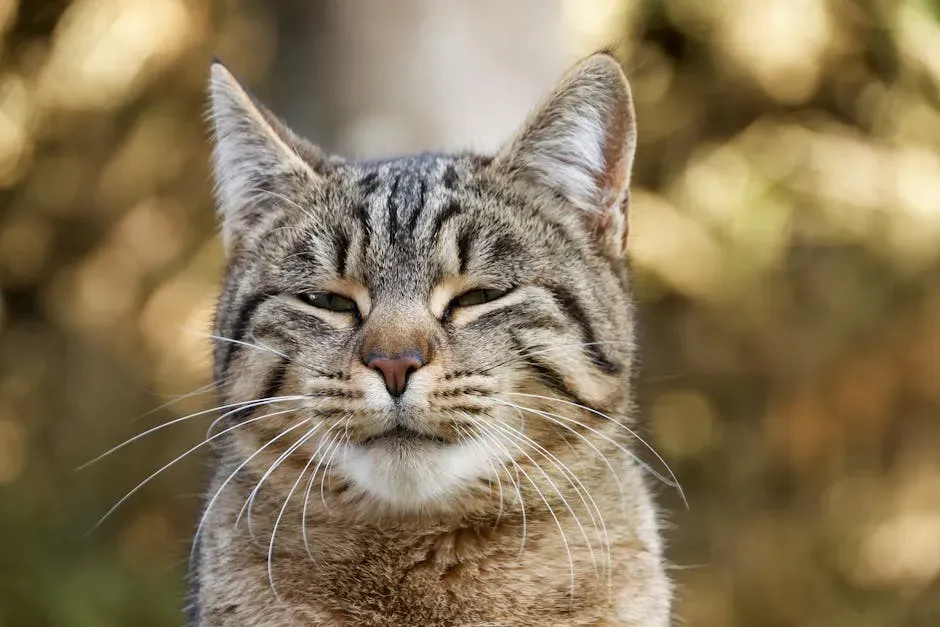
If your cat ever sits across the room, gazes at you softly, and lets their eyes slowly drift closed, you’ve just received one of the greatest honors a cat can bestow. The slow blink is one of the ultimate signs of trust your cat can give you. Consider that when an animal locks eyes on prey or a rival, there’s no blinking. When your cat looks at you and slow blinks, they are relaxing their guard, because a cat in the middle of a slow blink is genuinely vulnerable at that moment.
The slow blink isn’t an involuntary reflex, and it doesn’t serve any mechanical purpose. It is a completely deliberate action on the part of your cat, a choice that reflects a decision to communicate with you. Research supports this too. A 2020 study found that cats were more likely to slow blink after their owners slow blinked at them. Researchers extended this by leaving the cat alone with a stranger who then slow blinked, which led the cat to approach that person’s outstretched hand. When humans initiate the slow blink, we are signaling trust, which allows the cat to form a positive association with us.
2. Kneading on You: “Making Biscuits” on Their Favorite Human
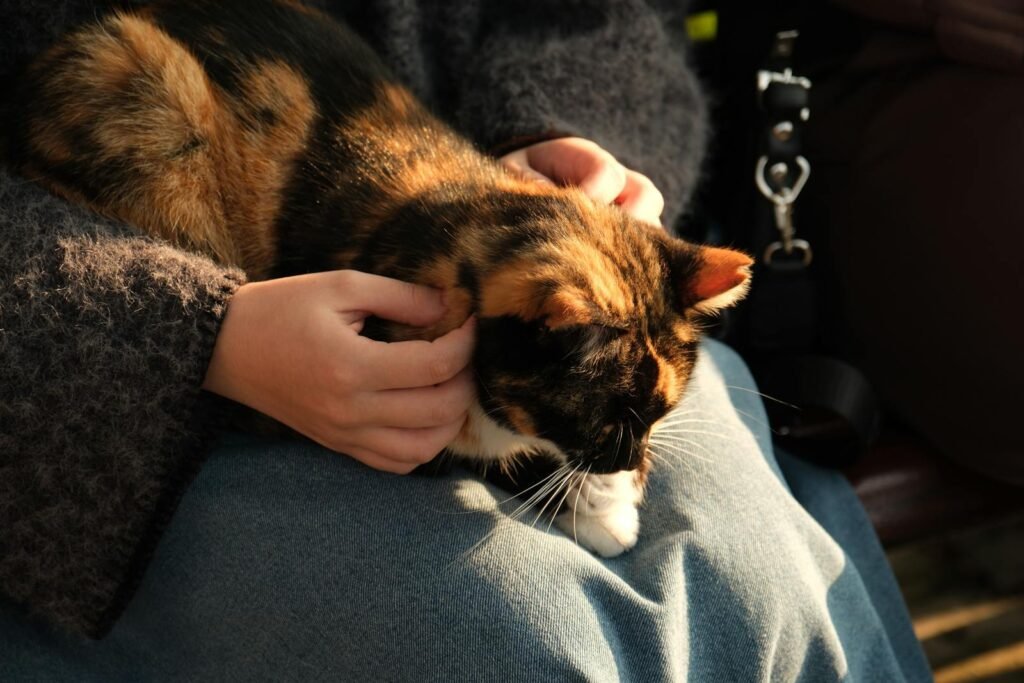
Kneading, often called “making biscuits,” happens when a cat rhythmically flexes and relaxes their front paws against a soft surface, or even their owner. This adorable behavior is more than just cute. It’s a sign your cat feels safe and bonded with you. The roots of the behavior go back to the very beginning of a cat’s life. Kneading is a common behavior in cats where they rhythmically push their paws against a soft surface. It signifies contentment and relaxation, stemming from kittenhood when they stimulated milk flow from their mother’s mammary glands. It can also be a sign of affection and territorial marking through scent glands in their paws.
Cats have scent glands in their paws. When they knead, they’re spreading their scent, effectively claiming you as theirs. It’s also their version of a weighted blanket, a way cats self-soothe when they’re feeling relaxed or trying to settle down. So the next time those rhythmic paws press into your lap, even if the claws are a little sharp, accept it for what it is: a deeply affectionate gesture rooted in some of the most comforting memories of their early life.
3. Headbutting You: Being Marked as One of Their Own
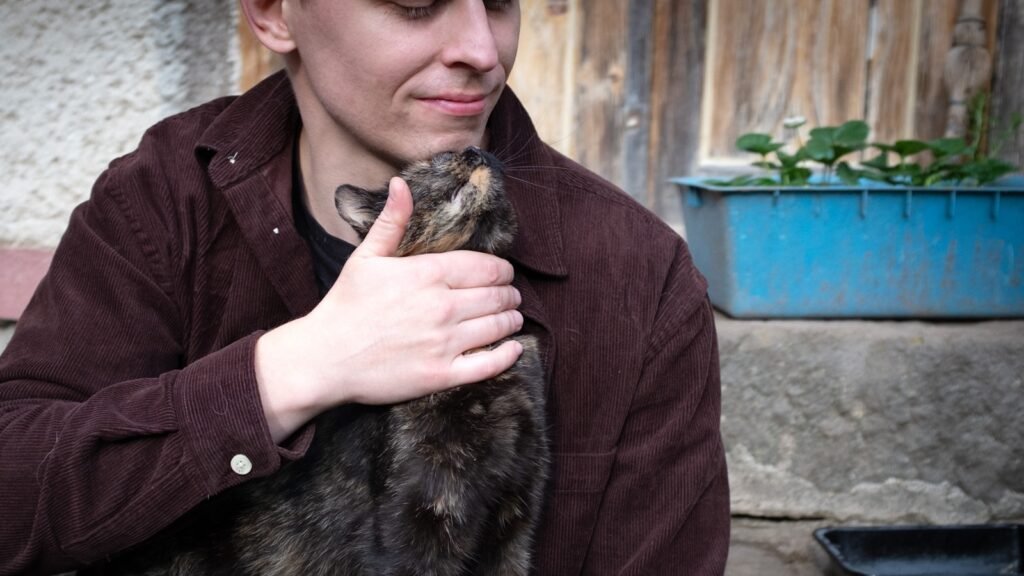
Cat headbutting, also called bunting, is usually a friendly behavior where cats mark you with their scent to show bonding, comfort, and familiarity. It’s more deliberate than it might look. Cats have glands on their cheeks, forehead, and chin that contain pheromones, a form of scent communication. When a cat headbutts you, they are rubbing pheromones on you. The pheromone deposited during headbutting comes from glands located just in front of a cat’s ears. Humans can’t detect these pheromones, but to a cat, you can consider yourself marked.
Headbutting typically happens between cats that trust each other, and they extend it to humans they love. Cats rarely bunt when overstimulated or worked up. It’s a peaceful, trust-filled gesture. When your cat presses their forehead firmly against yours or bumps their chin into your hand, they’re essentially filing you under “safe, familiar, and mine.” That’s a pretty meaningful vote of confidence from an animal that doesn’t hand out trust easily.
4. Purring Near You: The Sound of Genuine Contentment
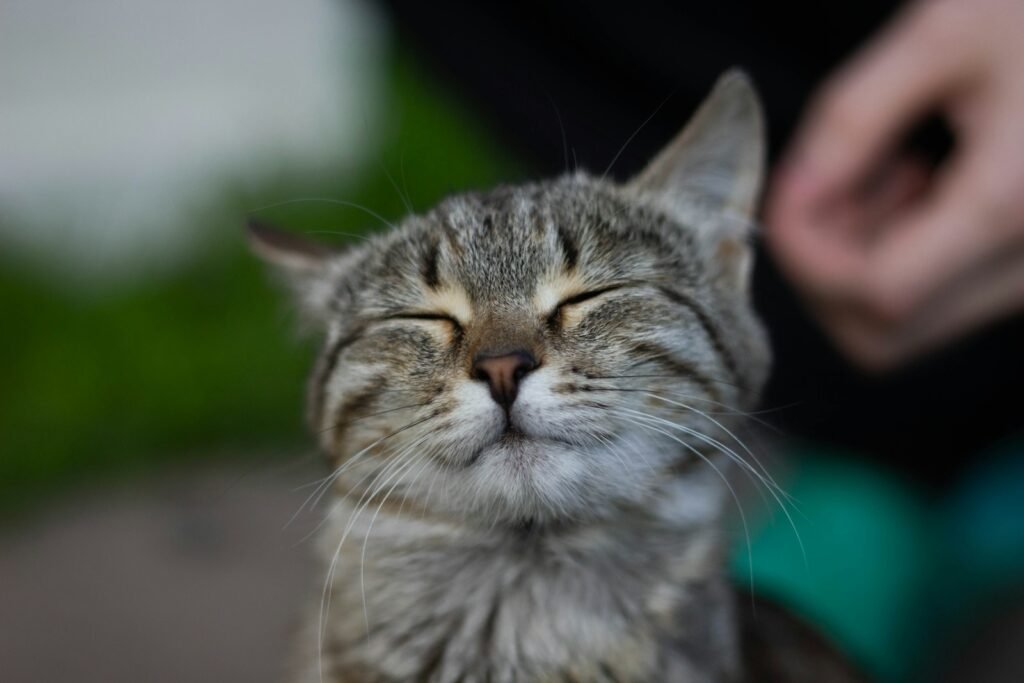
The iconic sound of a cat’s purr is a familiar experience for most pet owners, often interpreted as simple happiness. However, purring is far more complex than a straightforward expression of contentment. It serves as a multifaceted form of communication, and cats purr in a variety of emotional states, both positive and negative. That nuance matters. Not every purr is a compliment, but many of them are.
When your cat is snuggled on your lap, kneading your legs with tiny paws, eyes half-closed, body language relaxed, and purring steadily, this is the feline equivalent of contented sighing. Purring in that context is a sweet way of expressing happiness, security, and love for the moment. When your cat purrs with relaxed, contented body language in your presence, take it as a compliment. It’s their way of telling you, without words, that being near you feels like exactly where they’re supposed to be.
5. Following You Around the House: Silent Admiration in Motion
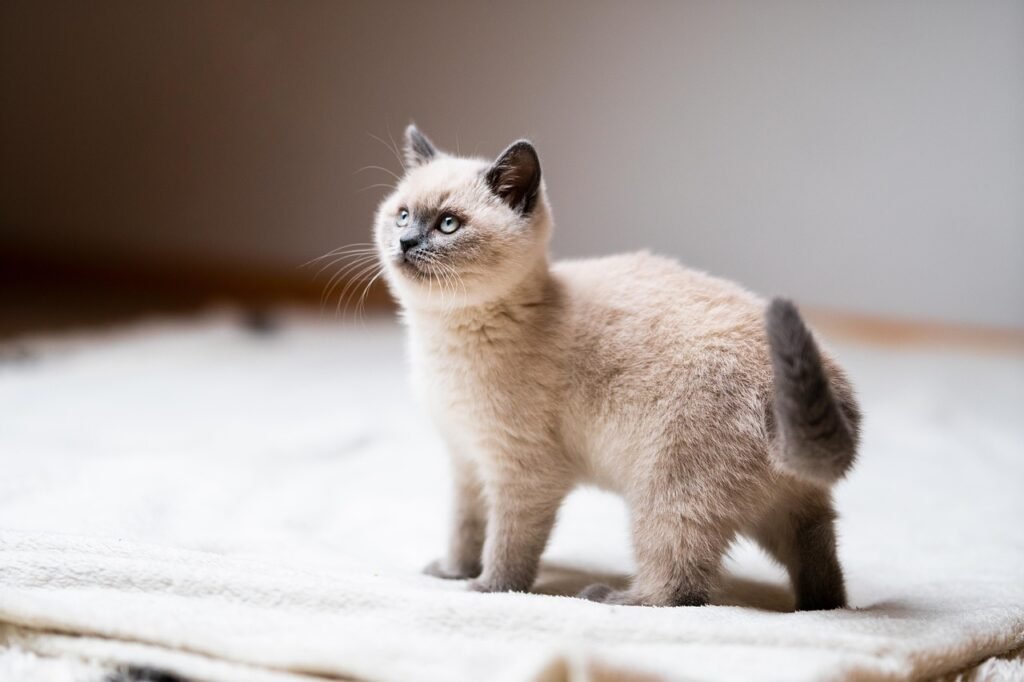
Cats sometimes follow their owners around the house because they feel comfortable and secure in their presence. You might have almost tripped because of this, as they stick close to your feet, shadowing you in every room you enter. It can feel clingy, but it’s rarely about neediness in the negative sense. Modern feline behavior studies show that cats can form strong social bonds with humans, just expressed differently than dogs do. When your cat trails you around, it’s a form of silent dialogue.
According to research from Oregon State University’s Human-Animal Interaction Lab, cats display attachment behaviors similar to human infants, seeking proximity for security and reassurance. So your cat is following you not because they’re needy, but because you’re part of their social circle, their “safe person.” Over time, cats sync with your daily habits, waking when you wake, watching you prepare breakfast, or joining you in the living room at night. It’s a sign of bonded rhythm, where your cat’s life literally aligns with yours.
6. Sleeping on You or Your Clothes: The Ultimate Trust Signal
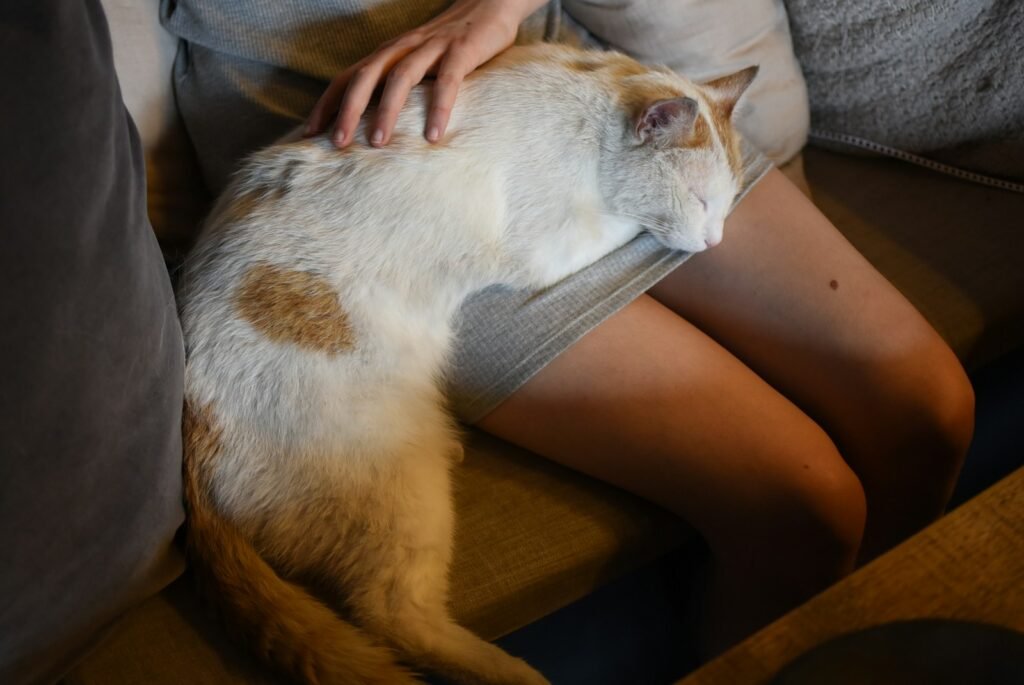
Sleeping on you could be your cat’s love language. Some breeds, like Ragdolls, love being close to their owners, contrary to the popular belief that cats are independent. If they sleep on you, they trust you. It’s also a way to bond. Sleep is when cats are at their most vulnerable, so choosing to rest on you is a statement about how deeply they feel at ease in your company. If your cat sleeps on you, chances are they see you as a safe space. This allows them to rest more deeply and be less on alert. Human heartbeats and breaths can be comforting to cats, who like snuggling up to you the way they would with their mother and littermates.
Even when you’re not home, the connection holds. Your cat might be sleeping on your clothes because they are comforted by the familiar scent of you. This can be true whether you’re away or at home. Clothes can also be warm and soft, making them a nice place to curl up, and this can additionally be a territorial behavior where your cat tries to “claim” you by marking you and your belongings with their scent. Whether you’re present or not, your cat is telling you that you feel like home.
7. Showing You Their Belly: An Invitation Into Their Inner Circle
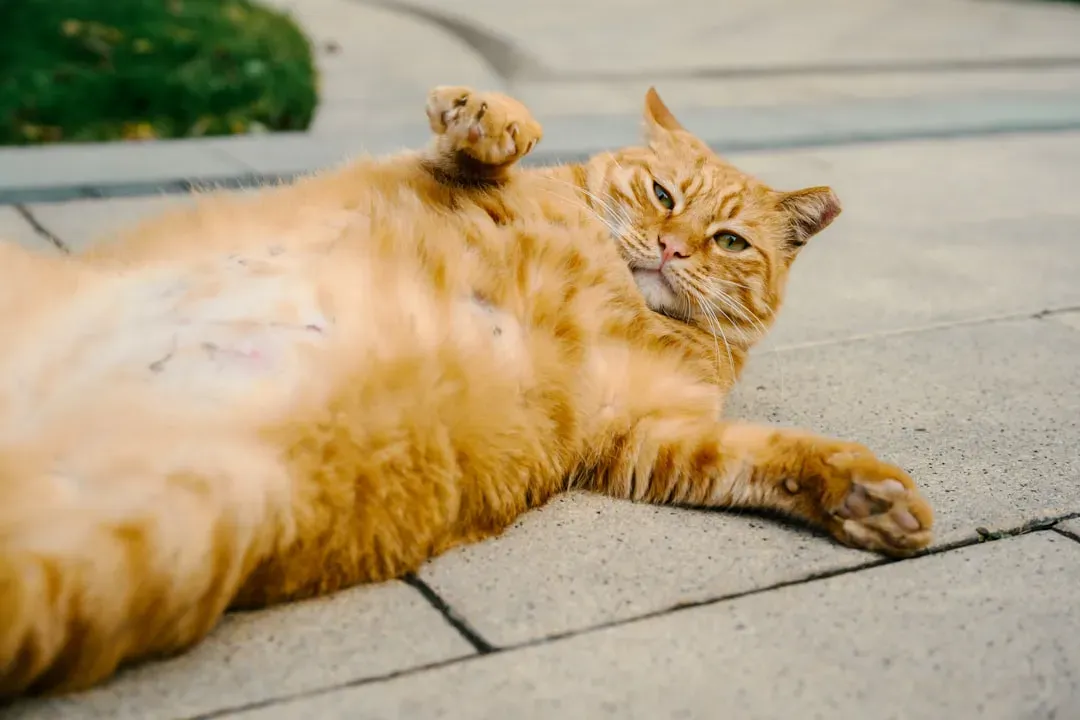
Being presented with an upside-down cat is sometimes a bit of a conundrum. Whether your cat lies still for a belly scratch or grabs your hand the moment you reach out, the fact remains that for many species, presenting their tummies is a sign of trust. A cat’s stomach is a vulnerable area, and lying on their back with it exposed is a way for your cat to signal that they are perfectly relaxed and at ease around you.
While some cats may not want belly rubs, the act of exposing this sensitive area means they don’t fear you. It’s a gesture reserved for those they love and rely on. Even if your cat quickly snaps their belly shut, the fact that they showed you in the first place is a quiet declaration of affection. Think of it less as an invitation for a scratch and more as a deeply personal gesture of safety. Your cat has decided you’re worthy of seeing their most unguarded self.
8. Bringing You “Gifts”: You’re Part of the Hunting Party
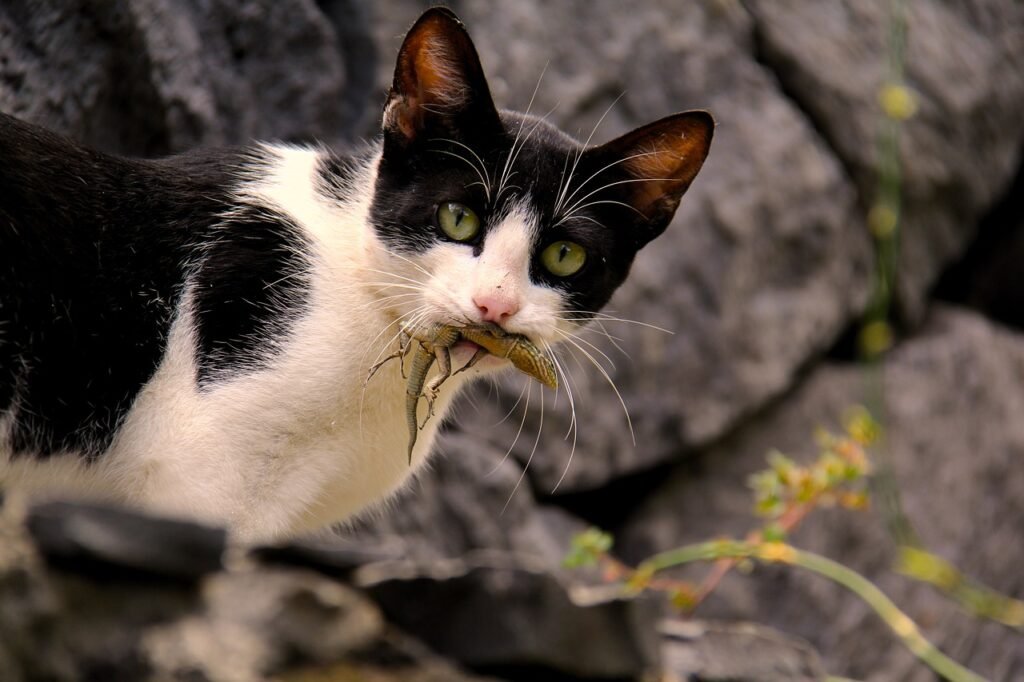
Cats have an innate hunting instinct, which can sometimes manifest in them bringing their humans dead birds, rodents, or bugs. This behavior is a way for cats to show their affection and regard their human family as part of their pack. By presenting these items as gifts, cats are demonstrating their desire to contribute to the group’s wellbeing. It might not be the gift you wanted, but the motivation behind it is genuine. A gift is a clear sign that your cat trusts you. Cats are solitary hunters, but those living in groups will eat together. In feral cat colonies, some members are hunters who bring back food to their bonded companions.
Behaviorists have a few theories on why your cat is persistent in their pursuit of leaving you their kills. Even though this habit may be perceived as a gross one, your cat is acknowledging you as a member of their group and is sharing their hunting success with you. They could be thanking you for taking care of them, or perhaps you pay more attention to them when they generously bring you rodents, birds, or insects. Whatever the precise motivation, being chosen as the recipient of a cat’s hard-won hunt is, genuinely, an honor.
9. Greeting You With a High, Upright Tail: A Full-Body Hello
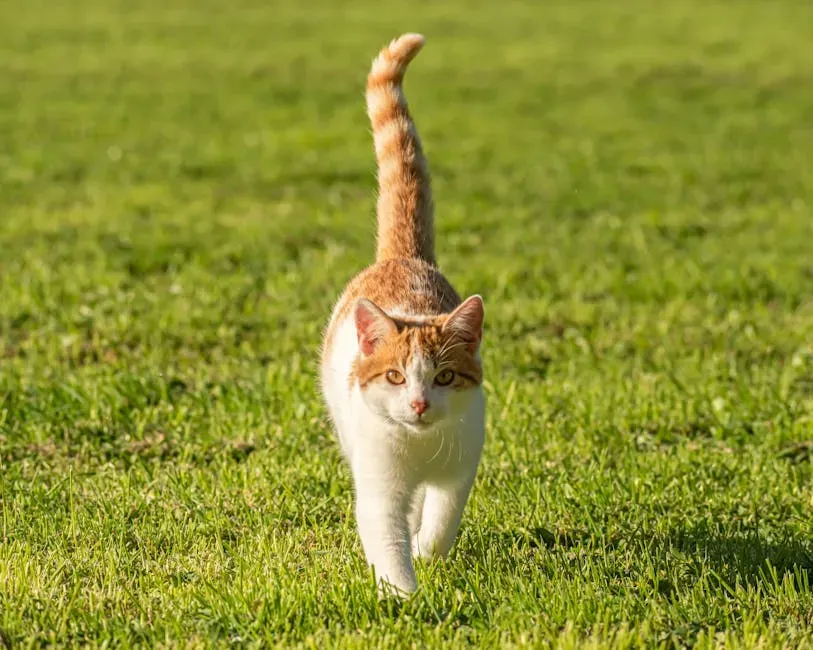
A nervous cat may watch from afar, but if your cat comes running to greet you when you come home, this is a good sign that your cat trusts their human. A tall, upright tail as they approach you is also a compliment, as this usually indicates excitement and pleasure. The tail is essentially their mood barometer. An upright tail, especially with a slight curl at the tip, indicates friendliness and contentment. If your cat wraps its tail around your arm or leg, it’s similar to a human hug.
Unlike meows, which are primarily directed at humans, trilling is a feline-to-feline or feline-to-human greeting. When a cat trills upon seeing their owner, it’s akin to a warm handshake or a friendly wave. This sound is often accompanied by a tail held upright with a slight curve at the tip, signaling relaxation and openness. A cat may trill when their owner returns home, combining the sound with a head bump or a rub against their legs to reinforce the greeting. When your cat races to the door and meets you with their tail raised high, they’re doing something they’d reserve for only the most trusted members of their world. You’ve earned that welcome.
Conclusion: Learning to Hear What Your Cat Is Already Saying
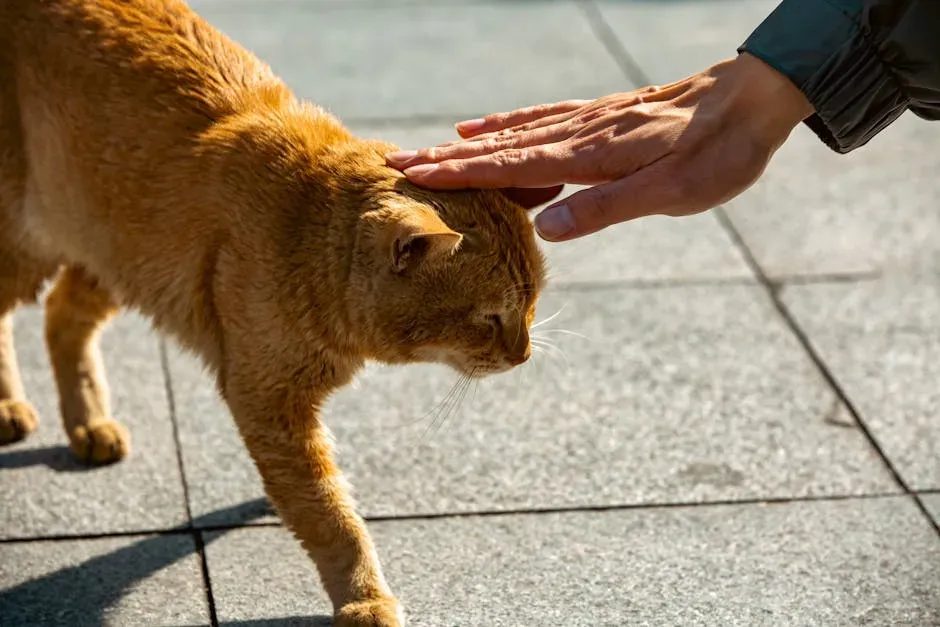
Cats aren’t withholding their affection. They’re expressing it in a language that takes a little practice to understand. Cats show attachment differently compared to dogs. Their affection can be very subtle, and they show it when trust is established and you are well-bonded. Once you start reading the signals, you begin to realize how generous your cat has actually been all along.
Feline bonding goes beyond ordinary affection and involves a mix of social, emotional, and instinctual behaviors that create a strong, unshakeable bond. Once you start to notice these behaviors and understand that they are your cat’s way of showing affection and communicating their feelings, you can better understand just how unique and meaningful the human-feline relationship can be. The slow blink, the kneading paws, the headbutt in the middle of a quiet evening, none of these are random. They’re a cat telling you, in the clearest way they know how, that you matter to them. All you have to do is pay attention.
Kristina is a young writer from India. An arts graduate and an avid content creator, Kristina is passionate about animals and wildlife. She enjoys exploring topics related to pet care, animal behavior, conservation, and nature, combining thorough research with engaging storytelling.