There’s a familiar moment every cat owner knows. You call your cat’s name, maybe pat the cushion beside you, and your cat simply blinks once and looks away. No movement. No acknowledgment. Just a studied, serene indifference that feels, somehow, deeply personal.
Modern cat owners often misinterpret this kind of independence as indifference. In truth, cats do form deep emotional bonds with their humans, but they show affection in subtler ways, rubbing against legs, slow blinking, grooming, or simply choosing to nap nearby. These behaviors demonstrate trust and comfort, even if they don’t look like the overt displays of devotion we tend to expect.
Understanding what your cat is actually communicating when it appears to ignore you changes everything about the relationship. Once you learn to read the quieter signals, what looked like rejection starts to look a lot more like respect.
The Evolutionary Reason Cats Operate on Their Own Terms

Unlike dogs, cats evolved as solitary hunters rather than pack animals. This evolutionary history has shaped their social behavior, making them naturally more independent and selective about their interactions. When your cat ignores you, they’re often simply expressing their inherent nature rather than showing displeasure.
Cats are instinctively self-reliant. In the wild, they hunt alone, patrol their own territories, and decide when it is safe to interact with others. This independence carries over into domestic life. When your cat seems to ignore you, it may simply be acting in line with its natural rhythm rather than showing rejection.
Being Ignored Is Often a Compliment in Disguise
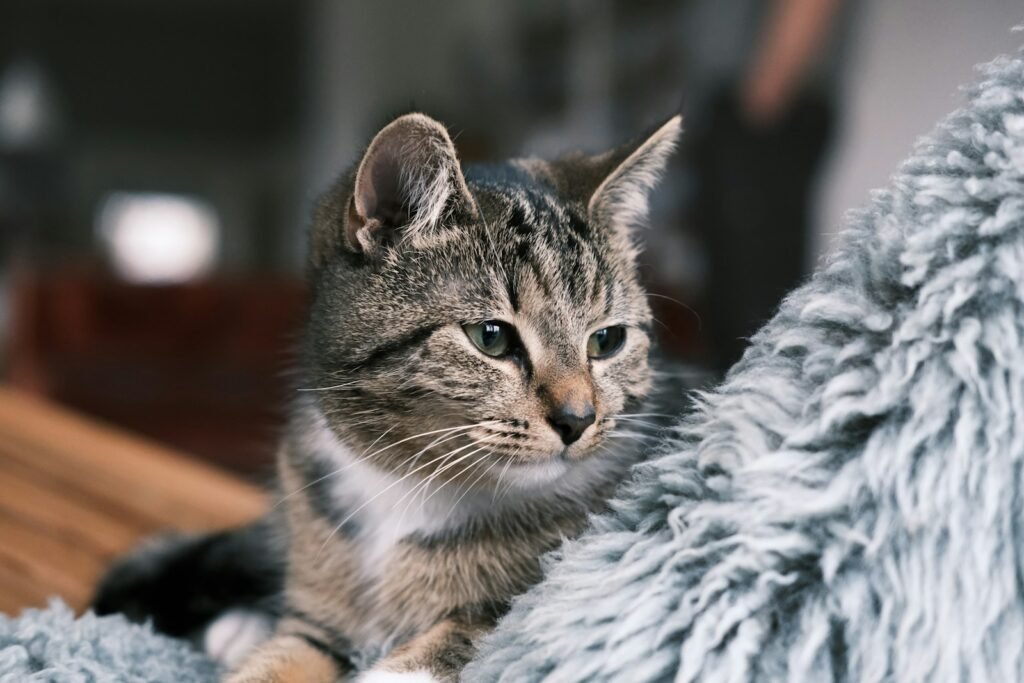
Sometimes, silence is golden. A quiet cat may indicate that they trust you and are comfortable sharing space with you, even without constant interaction. Their silence could mean they feel safe and at home in your house.
Cats rarely ignore their humans out of spite. Instead, their behavior usually reflects natural instincts, environmental influences, or unmet needs. The distinction matters. A cat that ignores you while staying in the same room, stretched out in a loose and relaxed posture, is not rejecting you. It’s choosing to be near you on its own terms, which in feline language, is meaningful.
What Research Actually Says About Cat Attachment
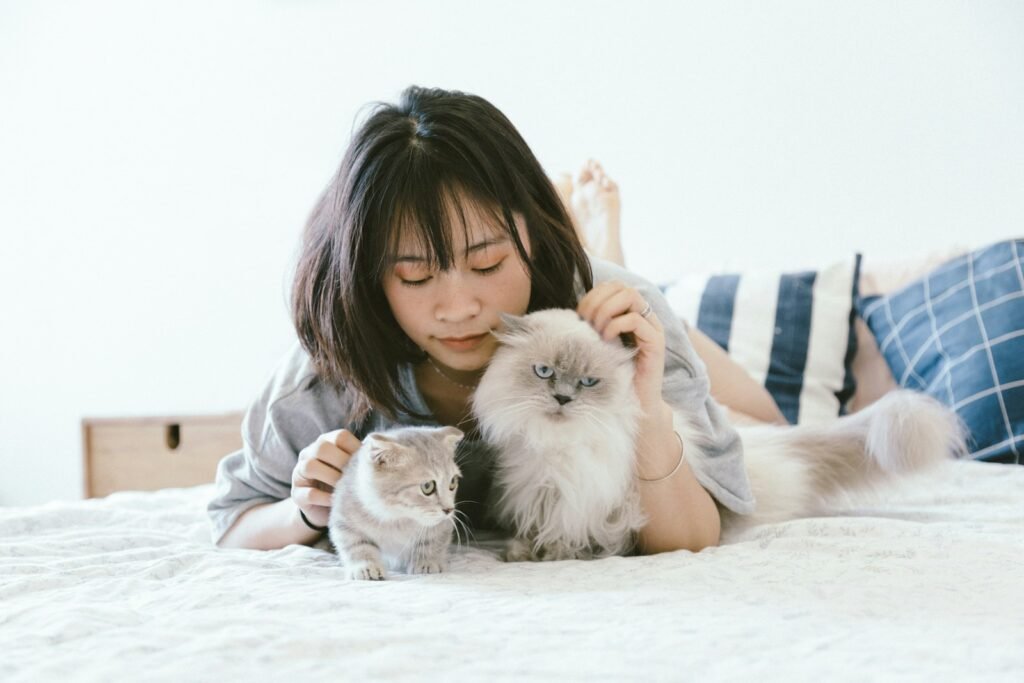
Research conducted by Oregon State University in 2019 found that cats can form secure attachments to their owners, similar to dogs and even infants. However, the way they express this attachment is more nuanced. Rather than always seeking attention, cats regulate interaction to suit their comfort levels.
Other studies suggest a very different reality from the “aloof cat” stereotype. Research has shown that many cats display increased social behaviors, such as seeking more attention, vocalizing, or rubbing against their owners, after a period of separation. These findings indicate that cats do form emotional attachments and that their owners play a meaningful role in their social lives.
When Your Cat Turns Its Back, It’s Trusting You Completely
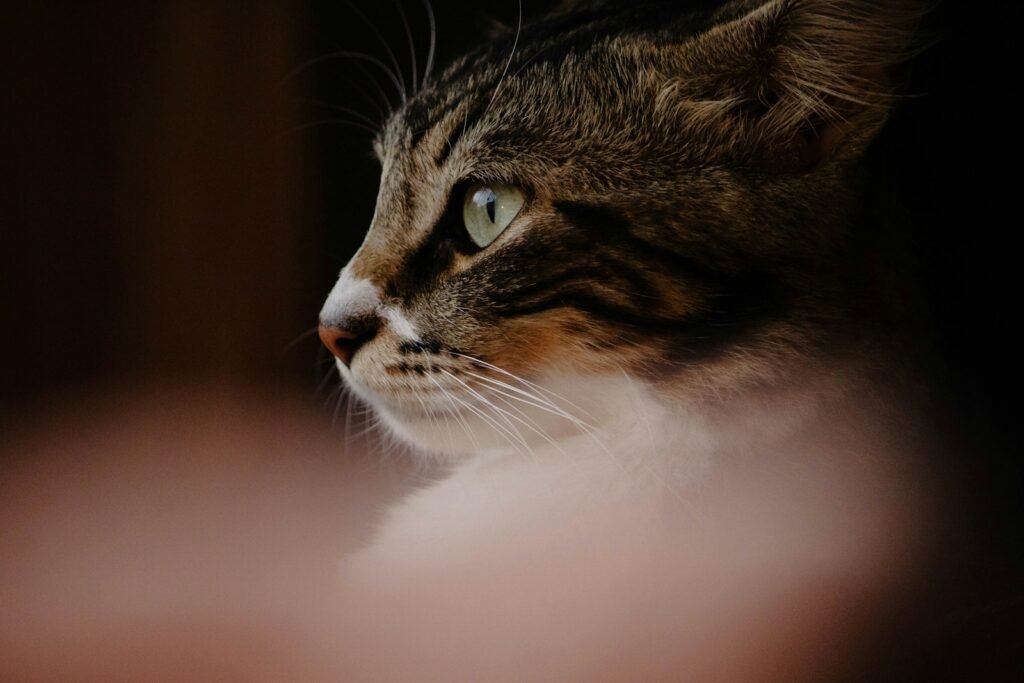
Turning their back to you is often a sign of deep trust and affection. In the animal kingdom, turning your back to another creature is a vulnerable act. It exposes vital organs and limits the ability to react quickly to potential threats.
This posture is actually a sign of trust. Your cat knows you aren’t a threat, so it’s free to turn its back so it can oversee what’s going on in the rest of the room. By doing so with you, your cat is saying: “I do not believe you are a predator, and I trust you to watch my six.” It’s one of the clearest, if least obvious, gestures of confidence a cat can offer.
The Slow Blink Is the Silent ‘I Love You’
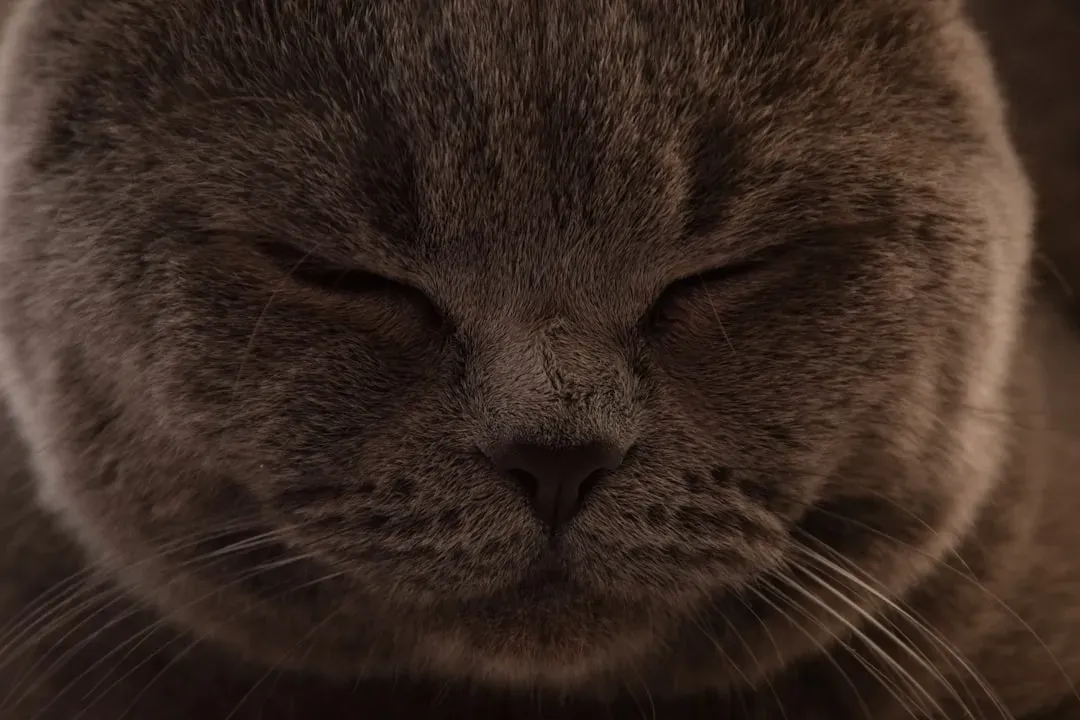
Cats use slow blinking to demonstrate affection and trust. Eye contact is an important form of communication for cats, and they can use stares, pupil size, and blinking to signal various emotions to other cats and to humans. If your cat holds eye contact with you when relaxed, and gives a slow blink every now and again, this is a definite sign of affection and trust.
Slow blinking is one of the most heartwarming signals in cat body language. Often called a “cat kiss,” this gesture reflects trust and relaxation. Many cats will return the gesture if you slow blink at them first. So the next time your cat glances at you and half-closes its eyes in a lazy blink, try blinking back slowly. It’s a conversation happening without a single word.
Your Cat’s Chosen Proximity Tells You Everything
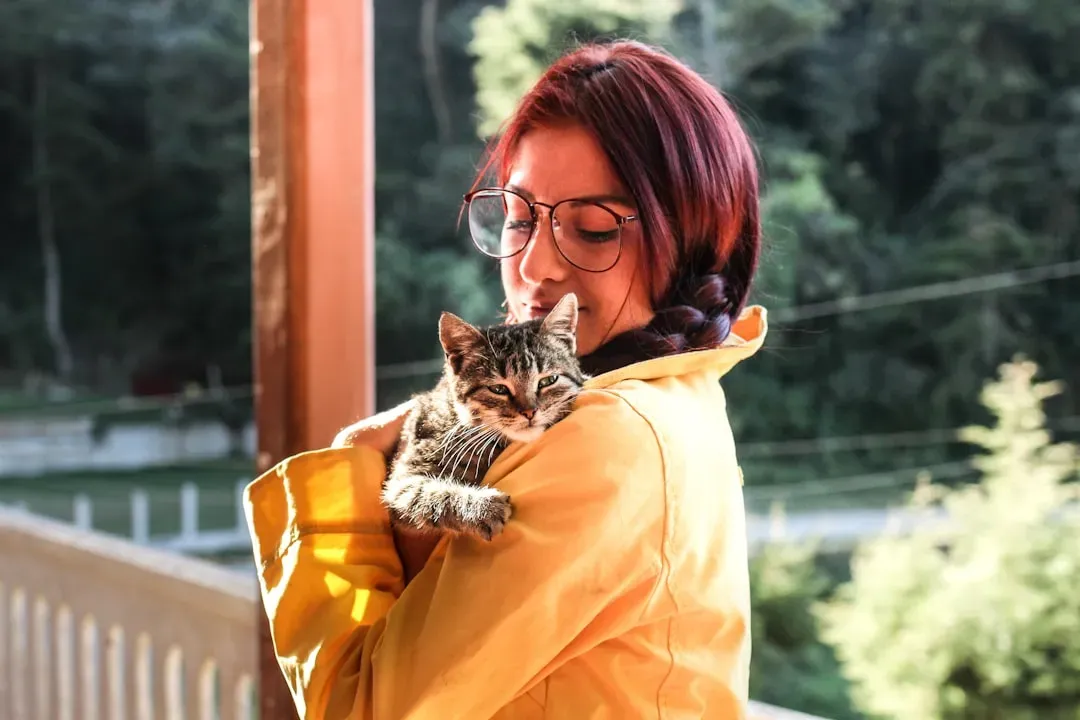
It’s only when cats feel comfortable with their humans and their environment that they explore confidently and openly. Domestic cats exhibit these behaviors when they feel secure in their house. A cat’s willingness to use the litter box and explore the house are both signs that it feels safe and comfortable in its home environment.
A cat who wants to spend time with you is showing you that they appreciate you and trust you. Perhaps they like to curl up in your lap in the evening, or they may enjoy a morning pat. Even a cat that settles quietly at the other end of the couch, seemingly ignoring you entirely, is still making a deliberate choice to share your space. That choice carries weight.
Selective Responses to Your Voice Aren’t Defiance

Cats are selective responders who choose when to acknowledge calls based on their motivation and current state. This behavior reflects their independent nature rather than a lack of attachment to their owners. A cat’s apparent indifference is usually just their way of maintaining healthy boundaries and expressing their natural independence.
Cats choose to respond based on their interest level and current activity. While studies show they recognize their names, they may not see an immediate benefit in responding, especially if they’re engaged in something else or feeling relaxed. Think of it less as selective hearing and more as selective engagement. Your cat heard you. It simply decided the moment wasn’t right.
The Belly Exposure Paradox: Trust Without Invitation
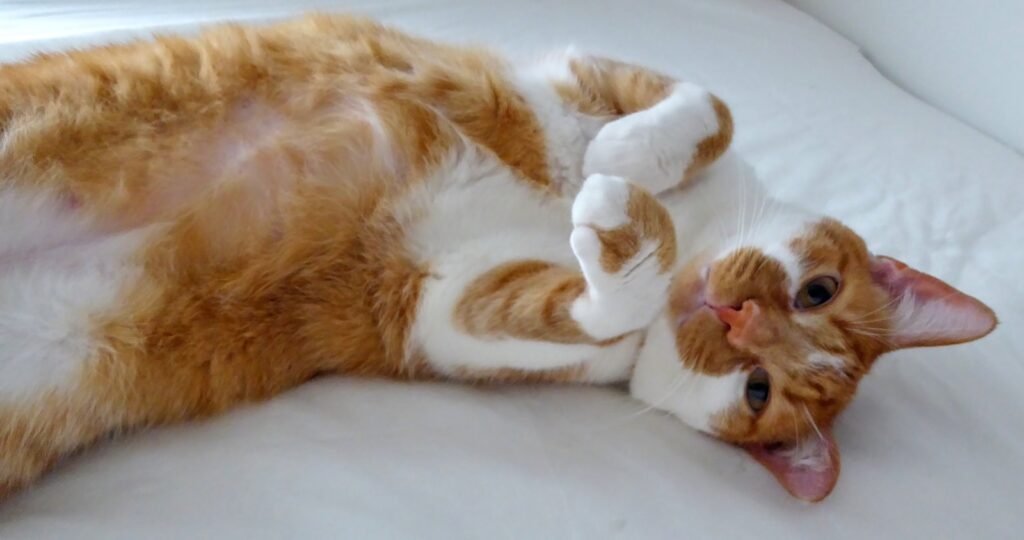
A cat stretched out on its side with paws loose and body extended feels comfortable and secure. Another common relaxed pose is lying belly-up, which reflects total trust. However, belly exposure doesn’t always mean an invitation for petting. Many cats simply find it a comfortable way to rest.
A cat showing its belly may simply feel secure. Forcing interaction at this point can break trust. A cat that feels safe and secure will typically lie down in a relaxed, sprawled position. Their body will be loose, with no signs of tension in their muscles. This is the ultimate “I trust you” position. Respecting that display, without immediately reaching to rub the belly, actually deepens the bond rather than diminishing it.
Grooming You Is Feline Social Bonding at Its Finest
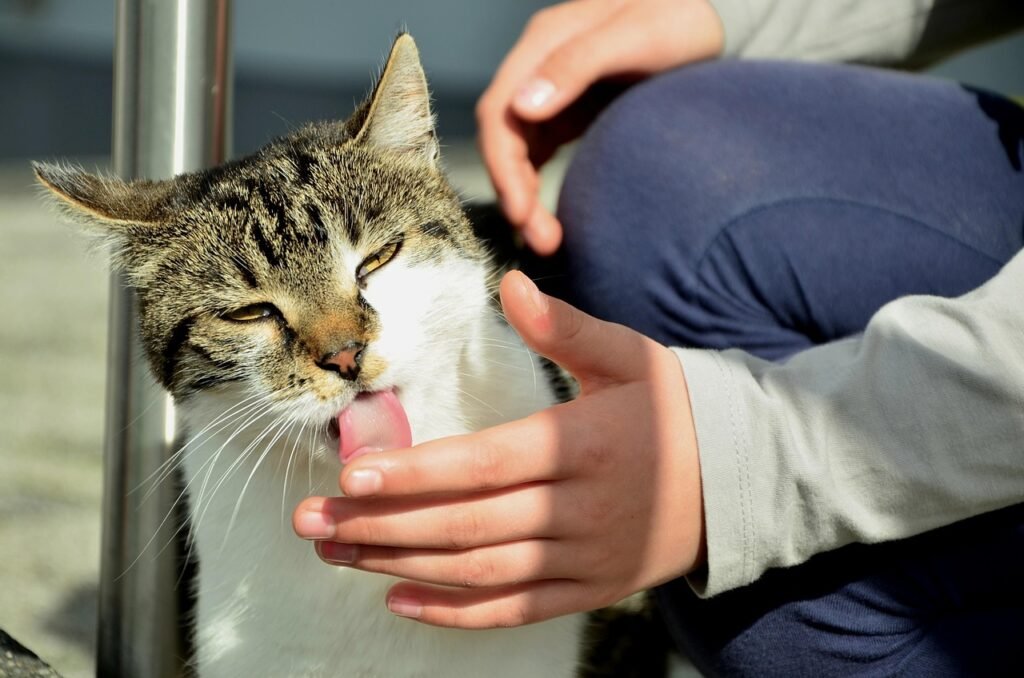
Social grooming, also called allogrooming, is a sign of social bonding and is associated with security. Cats are often solitary animals, but if they live in a bonded pair or group, they will spend time grooming each other. If your cat licks you or grooms you, this is cat behavior indicating trust and love.
Cats groom each other as a display of affection, and this behavior will extend to humans when trust is built. Cats will often lick their people or allow them to brush them. Licking is similar to the grooming cats perform on their feline friends, allowing them to mark each other and build their bond. A cat that pauses its own grooming routine to lick your hand is placing you firmly within its inner circle.
How to Strengthen the Bond Without Forcing It
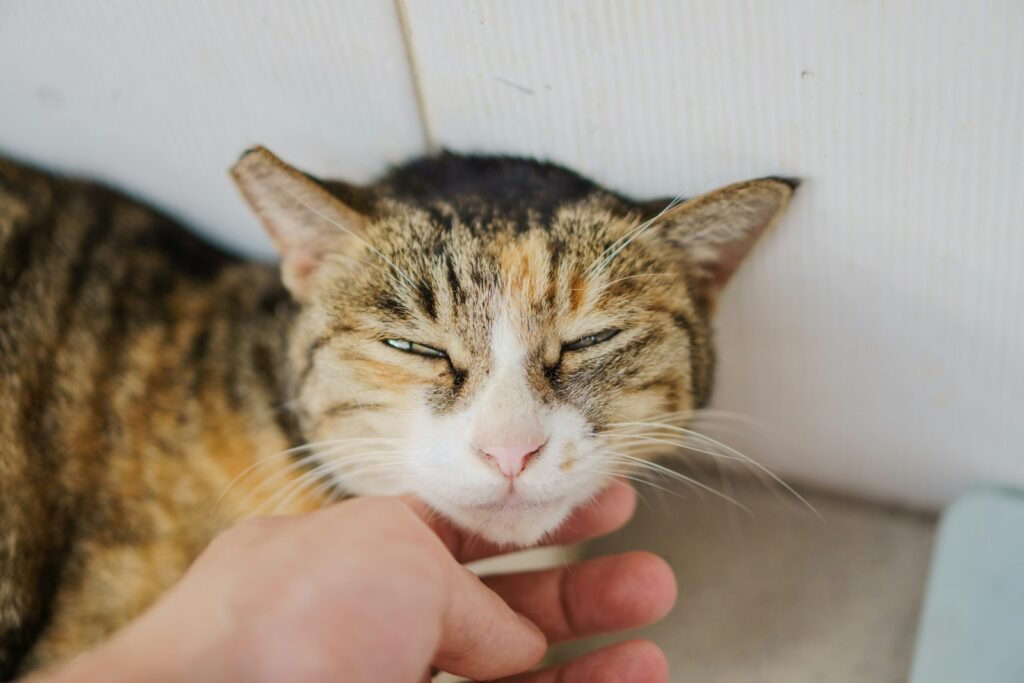
One of the biggest mistakes cat owners make is pushing for attention when the cat clearly wants space. Unlike dogs, which may tolerate or even enjoy constant affection, cats thrive when their boundaries are respected. Forcing cuddles, picking them up when they’re not in the mood, or ignoring signs of irritation like tail flicking can damage trust.
Establishing regular feeding and play schedules, respecting their boundaries, offering treats and positive reinforcement, and letting them initiate contact all help. Creating a predictable, enriching environment helps build trust over time. Cats have daily rhythms, and knowing when to connect makes a big difference. Many cats are most receptive right after mealtimes, during quiet evenings, or following a nap. Trying to interact when they’re focused on hunting-style play, grooming, or resting in their safe spot is often met with apparent “ignoring.”
Conclusion
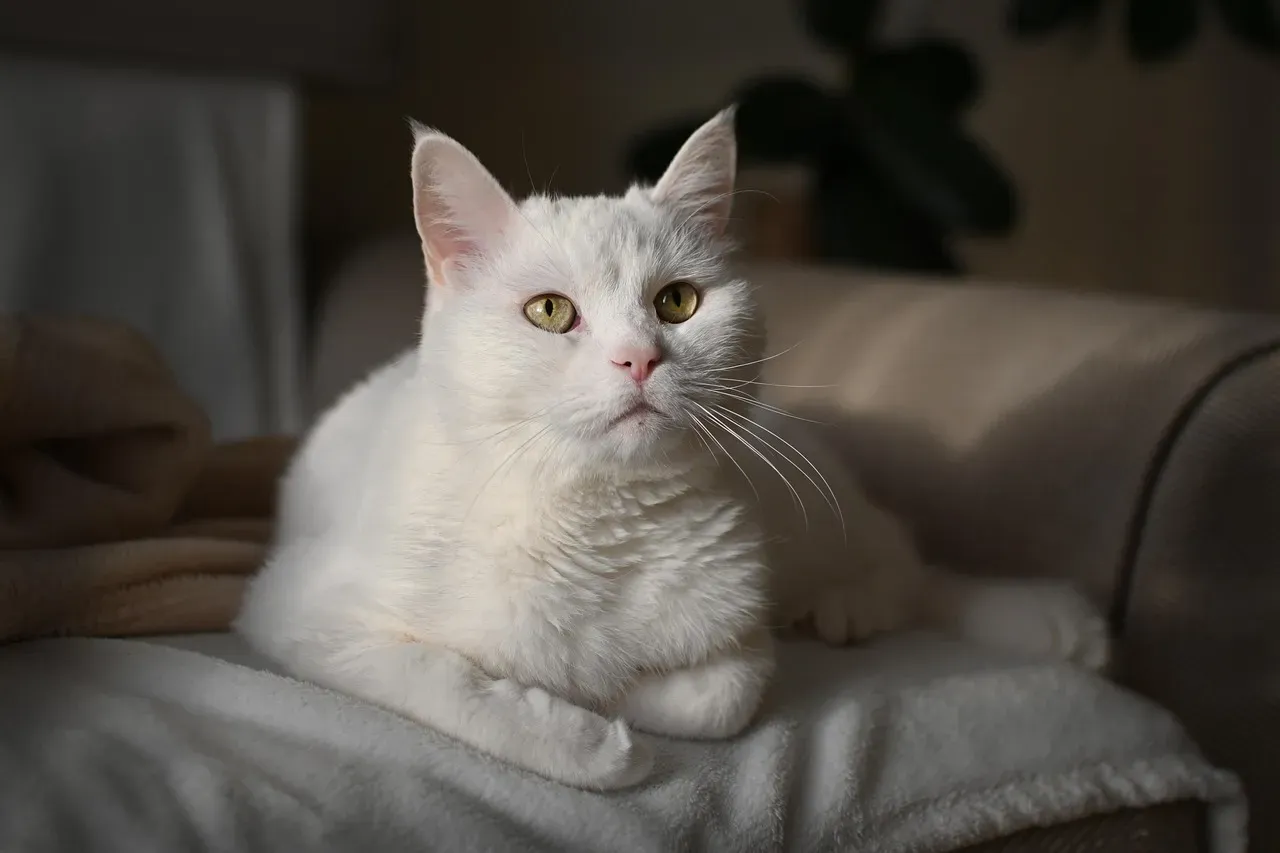
Once you shift your perspective, the picture becomes surprisingly clear. Your cat sitting near you in quiet silence, glancing over and blinking slowly, choosing your couch over every other spot in the house: none of that is indifference. It’s a statement of ease.
Cat body language is the primary way that felines communicate. Behavior is always contextual, so paying attention to the cat’s entire body and to what’s going on in the environment helps. By paying close attention to your cat’s body language, you can do a better job of attending to their needs and have even stronger, happier relationships with them.
The quietest animals often have the most to say. Learning your cat’s language takes patience, but what you get in return is a relationship built on genuine trust rather than performance. That kind of connection, offered on a cat’s own terms, is worth more than any eager tail-wag.
Kristina is a young writer from India. An arts graduate and an avid content creator, Kristina is passionate about animals and wildlife. She enjoys exploring topics related to pet care, animal behavior, conservation, and nature, combining thorough research with engaging storytelling.