Cats have lived alongside us for thousands of years, yet the communication gap between species remains surprisingly wide. We assume our cats understand our intentions the way another person might, and that assumption quietly creates friction every single day in households around the world.
The truth is, many of your most natural, harmless habits are genuinely puzzling to your cat. Not dangerous, not damaging, just deeply confusing from a feline perspective. Understanding why makes all the difference.
1. Staring Directly Into Their Eyes

You probably do this out of affection. You catch your cat across the room, lock eyes, and hold the gaze because it feels like a moment of connection. From your cat’s point of view, though, that’s a very different story. Prolonged eye contact can be perceived by cats as a challenge or threat, leading to discomfort, which is why it’s important to approach your cat with a softer, less direct gaze to foster trust and avoid confrontation.
Cats can find direct eye contact quite threatening, and they wouldn’t look another cat straight in the face unless they were preparing for a fight. The fix is refreshingly simple. Research has shown that a sequence of half-blinks followed by prolonged eye narrowing or eye closure is a positive emotional response in cats, and when a familiar human slow-blinks toward a cat, the cat tends to approach that human more frequently than if the human holds a neutral expression or avoids eye contact altogether.
2. Disrupting Their Daily Routine
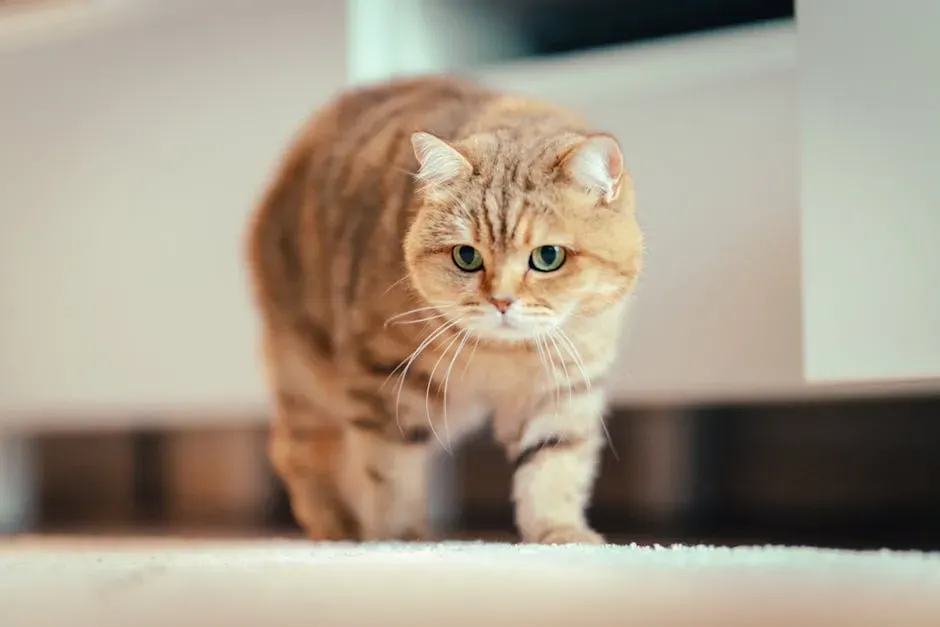
Your schedule changed. Maybe you switched shifts, started working from home, or simply got busy. You didn’t think twice about it. Your cat, though, noticed immediately. Cats are creatures of habit, liking to eat at similar times every day, go outside at consistent hours, and keep the same people around them, and when any of these routines change, it can lead to stress.
Changing your schedule might seem like no big deal to you, but for a cat it’s a disruption of their whole world. Mealtimes, playtimes, and even your daily presence create a comforting rhythm they depend on, and when those patterns suddenly shift, it can cause confusion or mistrust, making your cat vocalize more, act clingy, or become distant. Cats aren’t being dramatic. They’re genuinely unsettled.
3. Using “Baby Talk” and Then Switching Tones Without Warning

One minute you’re cooing sweetly, the next you’re raising your voice at something across the room. You might be yelling at the television or reacting to a spilled drink, but your cat has no way of knowing that. It’s things like tone of voice, what else is happening in the area, and your body language that your cat uses to interpret your behavior and form their response.
It can be quite confusing for feline companions when they’re unable to predict the trends of your behavior, and as expected, this adds to their stress levels. Your cat has been quietly building a mental map of what different tones mean. Sudden tonal shifts scramble that map entirely, leaving your cat in a state of cautious uncertainty rather than relaxed comfort.
4. Forcing Affection and Picking Them Up Uninvited
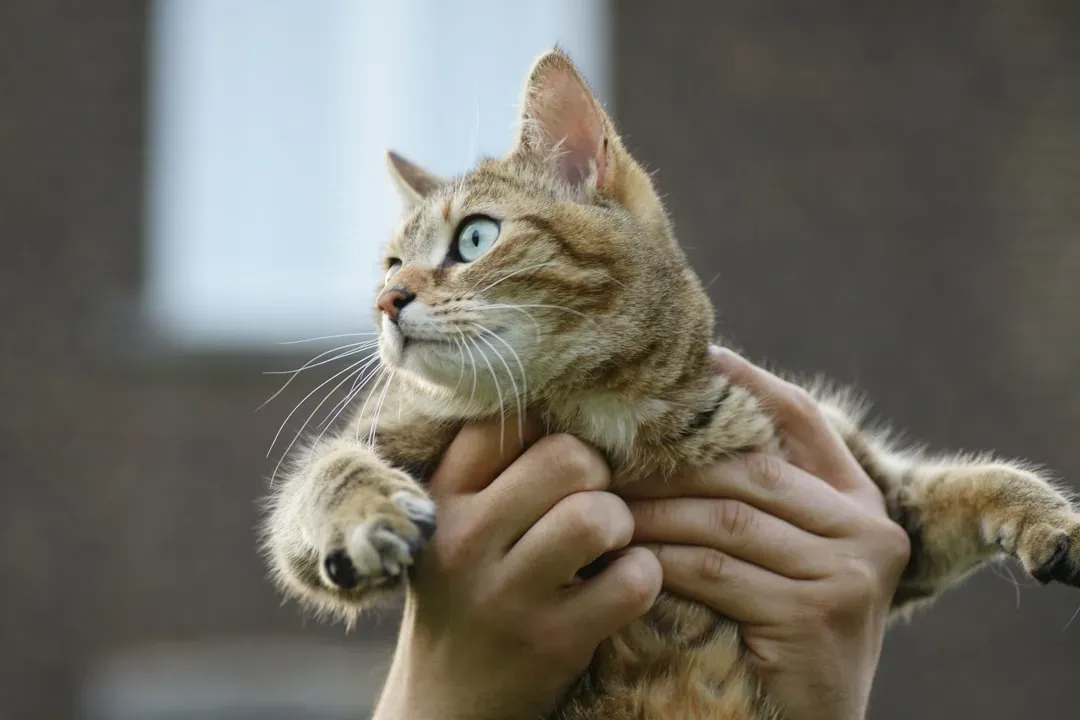
You reach down, scoop up your cat, and pull them close for a cuddle. It feels natural to you. For your cat, who didn’t initiate that interaction and couldn’t predict it, being lifted off the ground can feel anything but comforting. Dogs evolved from a social species, whereas cats come from an ancestor that was solitary, so they haven’t evolved social behaviors as complex as dogs, and their social behavior is mostly based on distance and non-prolonged contact, which makes it harder for people to understand.
Understanding that cats are both independent hunters and social creatures helps explain many puzzling behaviors, since this dual nature means they can switch between wanting affection and needing space very quickly. Respecting that rhythm, rather than overriding it, is one of the most straightforward ways to build trust with your cat. Let them come to you when they’re ready.
5. Making Sudden Loud Noises
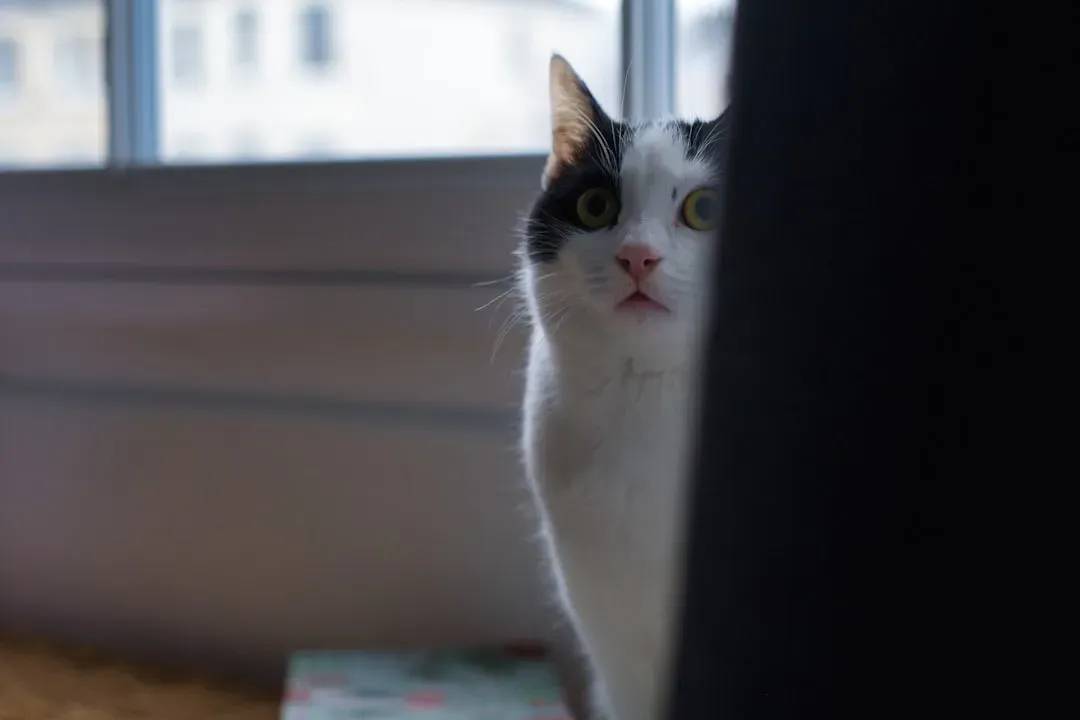
You slam a cabinet, sneeze loudly, burst out laughing, or vacuum the hallway. Normal human stuff. Unexpected sounds such as a vacuum starting, an object dropping, or a door slamming can provoke a startle response in cats, and these noises don’t even need to be loud, since the lack of predictability alone can be enough to cause distress.
Cats are both predators and prey animals, and in the wild, sudden or unfamiliar noises often signal danger, so when an alarm blares or a phone rings unexpectedly, your cat’s nervous system may instantly shift into fight-or-flight mode. From blaring TVs to clanging pots, your home might feel like a war zone to their sensitive ears, and even vacuuming, a chore most humans find routine, can be terrifying to a cat, with this kind of auditory stress potentially leading to chronic anxiety or withdrawal over time.
6. Inconsistent Rules About Furniture and Spaces
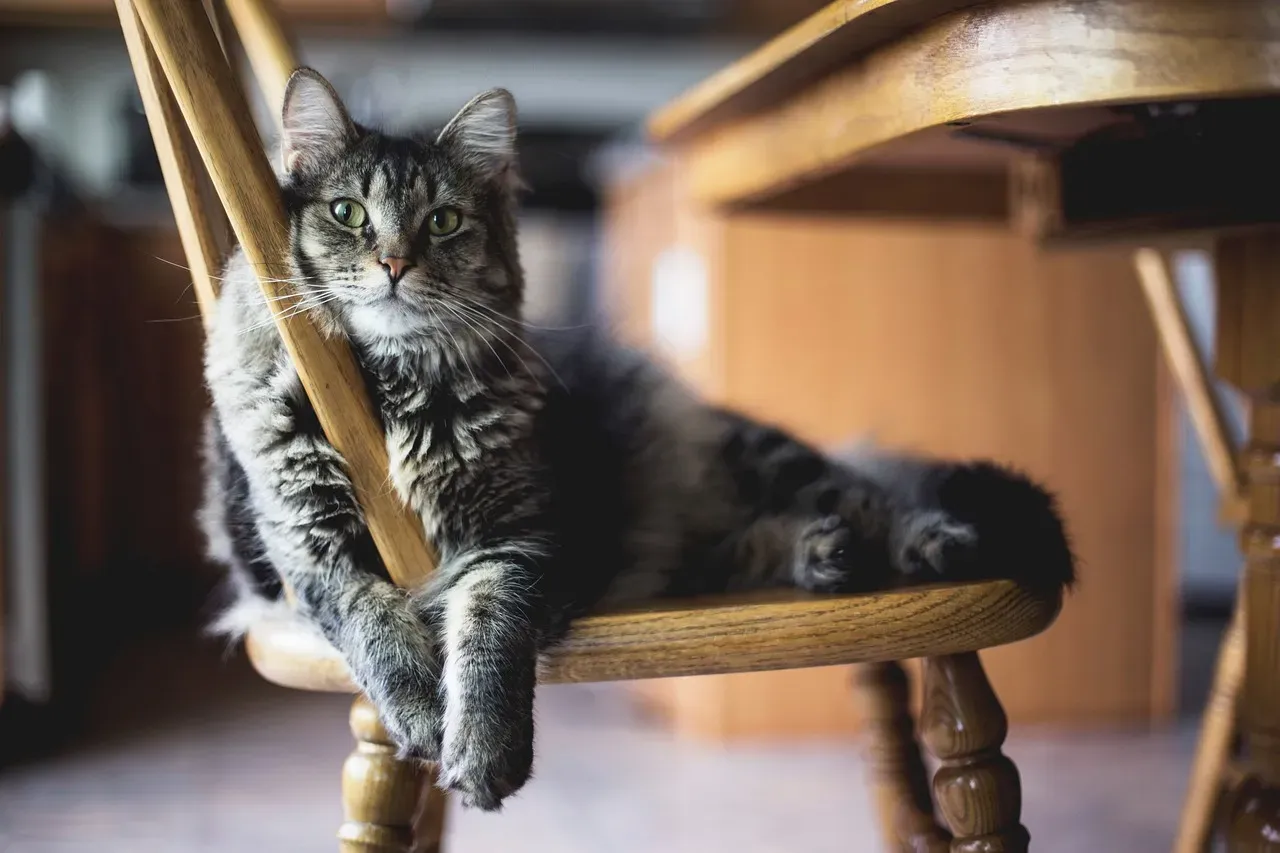
You let your cat curl up on the couch for a week, then suddenly decide they aren’t allowed up there anymore. Or you shoo them off the counter only to laugh when they do it again an hour later. When you habitually mix your signals, you’re inadvertently interfering with your cat’s sense of equilibrium, such as scolding them for scratching the couch after previously talking to them gently, allowing them to sleep on the bed one day but not the next, or encouraging playful nibbles and then getting angry when the biting goes too far.
Cats can go anywhere they can jump or climb, and they have no idea why some spots are considered acceptable to humans and others are not. The ambiguity genuinely baffles them. To teach your cat to stay off the counter, the most effective tool is positive reinforcement, rewarding the behavior you want so they’re likely to repeat it. Consistency is what makes the rules legible to a feline brain.
7. Using the Laser Pointer Without a Satisfying Finish
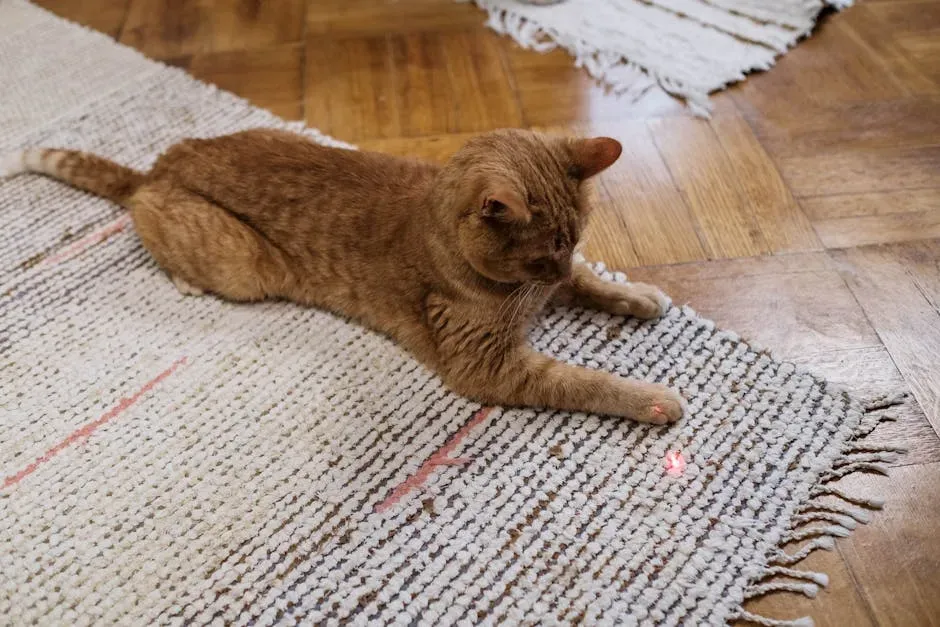
The laser pointer is a beloved toy in millions of households, and watching your cat sprint and leap after that little red dot is genuinely entertaining. The problem lies in what never happens. Cats have a drive to hunt and play, and they’re naturally excited to chase and catch something, but the problem with laser pointers is that there is nothing to catch, which can leave your cat feeling frustrated even as they keep trying to get their paws on the prize.
From your cat’s perspective, the hunt simply never ends in a catch, and that incomplete cycle can create a low-level state of confusion and restlessness. It’s a good idea to alternate laser pointer games with another game where your cat is able to catch something, using wand toys or shining the laser onto catnip-filled toys that your little hunter can actually pounce on. That small adjustment makes a real difference to how satisfying the play session feels for your cat.
8. Repeating Commands in Multiple Ways
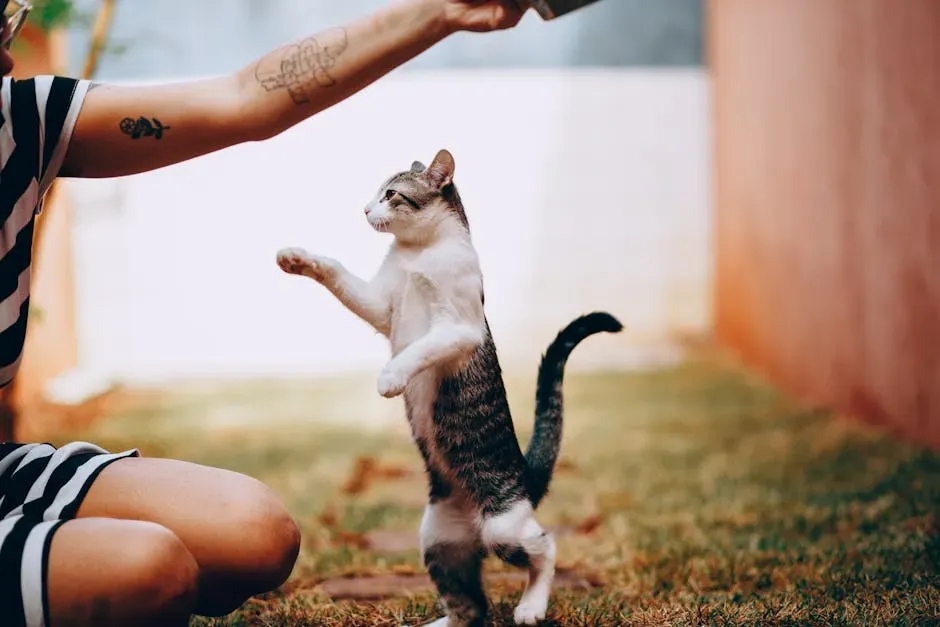
You call your cat’s name once, then twice, then add their nickname, then add a question. The words keep changing and the tone shifts each time. Your cat isn’t stubborn. They’re genuinely confused about what you’re asking. For cats, it’s not about recognizing their name as an identity; it’s more that when they hear a specific word, something is usually about to happen.
When teaching a cat to sit, for example, you might start with a clear, concise cue, but as your cat starts to lose interest or gets distracted, the cue changes, and your cat ends up thoroughly confused. Sticking to a simple, clear, consistent cue where the word sounds the same each time is far more effective, and the more consistent you are, the better your cat will understand what you’re asking for.
9. Ignoring Their Body Language Signals
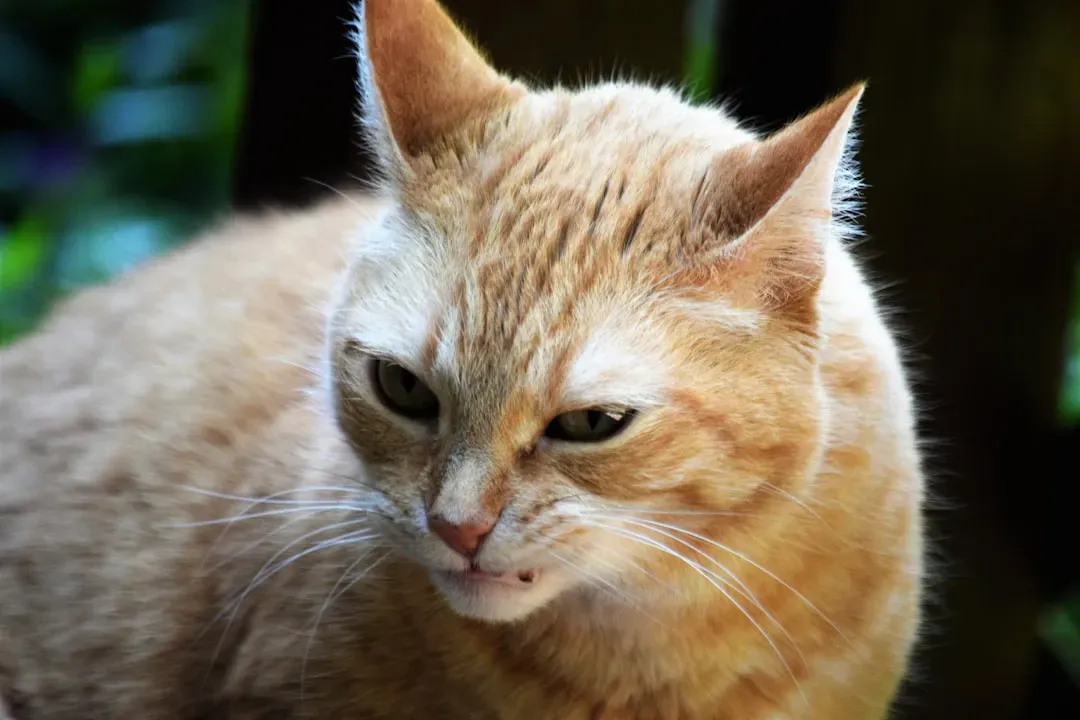
Your cat’s tail is flicking, their ears are shifting back, and their pupils are widening. You keep petting them anyway. Then comes the swat you didn’t see coming. The truth is, you probably missed several clear warnings. Cats speak volumes through their body language, and when a cat swats, hisses, or suddenly bolts away, they’re expressing clear boundaries, and continuing to engage with them despite these cues teaches them that you’re not listening, which may erode their trust and lead to defensive behaviors over time.
A cat’s tail can say a lot about their mood; the tail of a relaxed, napping cat might perform a slow, luxurious swaying, but if you see the tail speed up and begin moving in a twitchy way, that’s an indicator that something is starting to get on their nerves. Learning these cues isn’t complicated. It just takes attention, and once you start reading them, your cat’s responses will start to feel far less random.
10. Bringing New Scents Into the Home
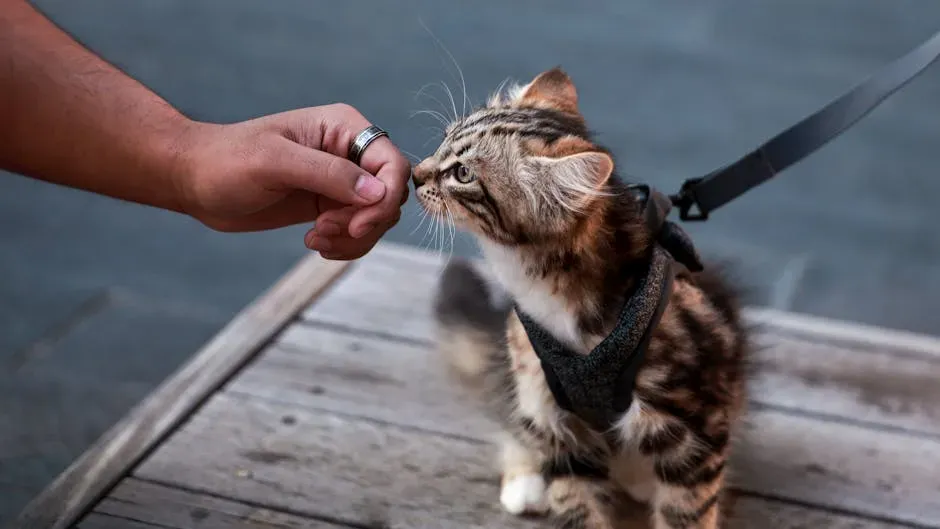
You come home wearing a stranger’s cologne, carrying grocery bags that smell like a dozen other animals, or wearing clothes fresh from a friend’s house with three dogs. You walk in like nothing happened. Your cat’s nose, however, is working overtime. Your cat’s sense of smell is more finely tuned than your own, and they use scents to reassure themselves and communicate with other cats by scent-marking their territory.
When a cat treats you like a cat and you don’t respond the way another cat would, or when you respond in a way that an aggressive or threatening cat might, this can confuse your cat or cause it to respond inappropriately, and this often manifests in situations where a cat’s human companion is introducing new humans or new elements into the household, with the cat potentially perceiving the change as an invader on its carefully scent-marked territory. Giving your cat time to sniff and investigate new scents at their own pace, rather than pushing interaction, is usually the gentlest way through the adjustment.
A Final Thought
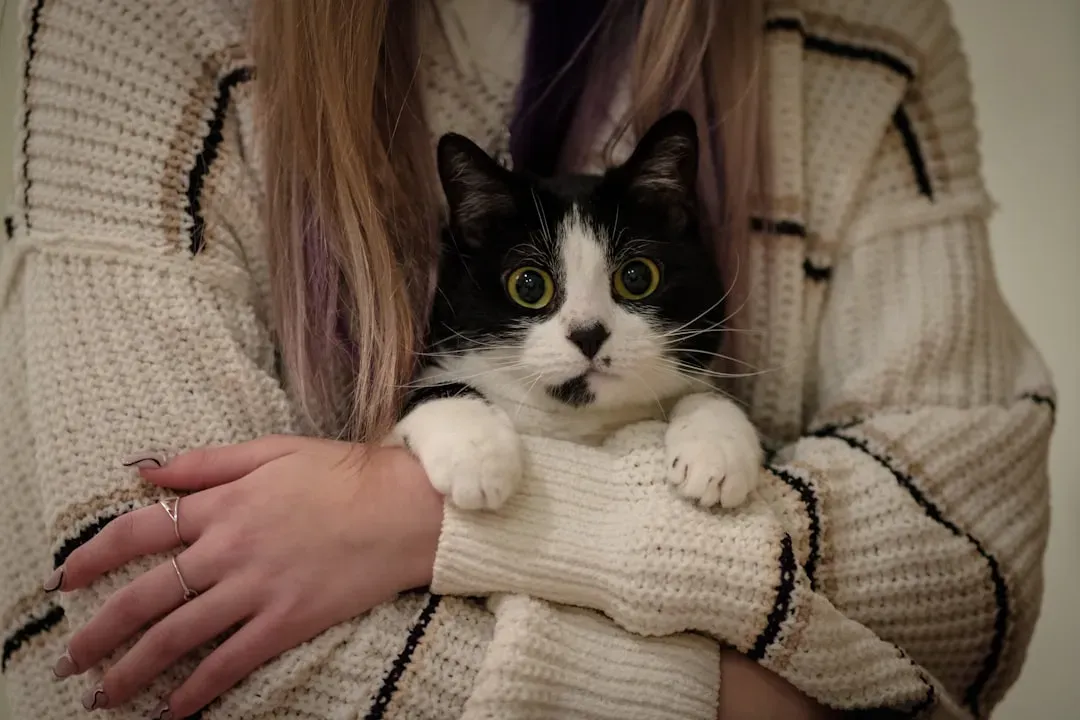
Most of these habits are entirely innocent. You’re not doing any of them to confuse your cat. You’re simply operating from a human set of instincts and communication styles that don’t always translate across species. The good news is that small, consistent adjustments tend to yield noticeable results fairly quickly.
Understanding cat behavior can be extremely beneficial for cat owners, since people who know more about their cats and understand feline behavior better tend to have stronger bonds with their pets. Your cat isn’t a mystery to be solved so much as a companion speaking a slightly different language. The more fluent you become in that language, the quieter, calmer, and more rewarding that shared life tends to get.
Kristina is a young writer from India. An arts graduate and an avid content creator, Kristina is passionate about animals and wildlife. She enjoys exploring topics related to pet care, animal behavior, conservation, and nature, combining thorough research with engaging storytelling.