Cats are famously good at keeping secrets, especially when it comes to how they feel physically. Unlike a dog that might whimper visibly or pace the floor, your cat will often carry on with a quiet dignity that makes it surprisingly hard to tell something is wrong. This isn’t stubbornness or indifference on their part. Although cats are predators, in nature, larger predators prey on them, and any obvious sign of illness would alert other predators that the animal is vulnerable. For that reason, cats have evolved to hide signs of illness and pain.
The tricky part is that by the time your cat shows symptoms clearly, the underlying issue may already be well established. Cats are creatures of habit. They eat, play, and nap on a schedule that rarely changes, so when their behavior suddenly shifts, it often means something is going on beneath the surface. Knowing what to look for, including the quiet, easy-to-miss signals, puts you in a far better position to catch problems early and get your cat the care they need.
1. They’re Hiding More Than Usual
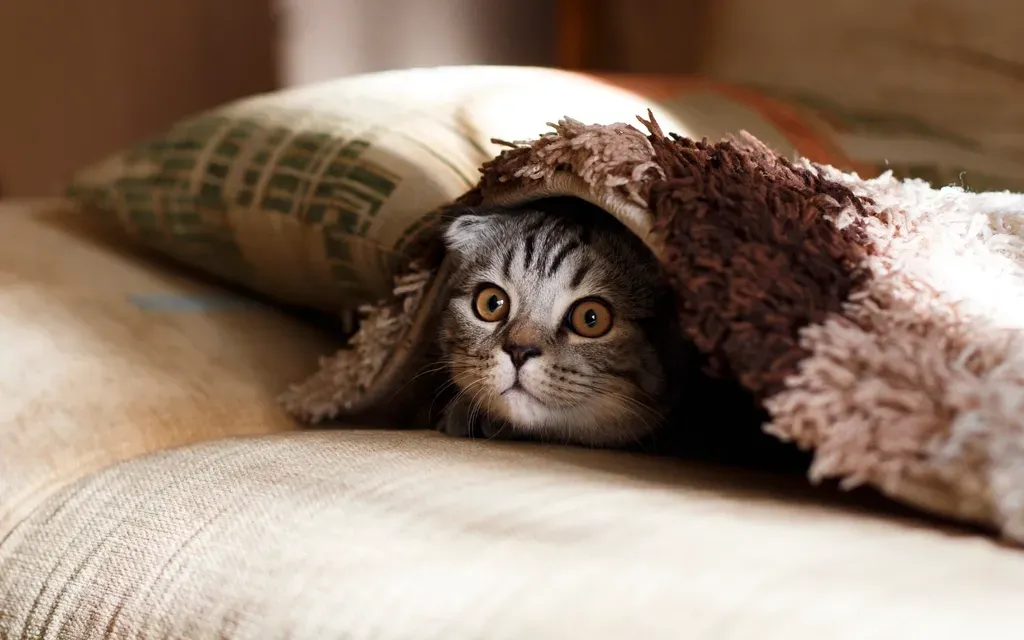
Sick cats usually become withdrawn and may hide, although this depends on the personality of the individual cat. You might find your cat tucked behind the washing machine, under the bed, or in a wardrobe corner they’ve never shown interest in before. It’s easy to dismiss this as your cat simply wanting alone time, which cats do legitimately need, but the distinction lies in persistence and frequency.
When your cat repeatedly retreats to seclusion, it could be one of the signs that your cat is sick. While it’s normal for cats to seek solitude occasionally, a sick cat often stays withdrawn for longer periods. If you notice that coaxing her out of her hiding spot results in her immediately returning to it, it may indicate that she is unwell and possibly in need of a vet’s attention. Trust your instincts here. You know your cat’s typical social behavior better than anyone else does.
2. A Noticeable Shift in Grooming Habits
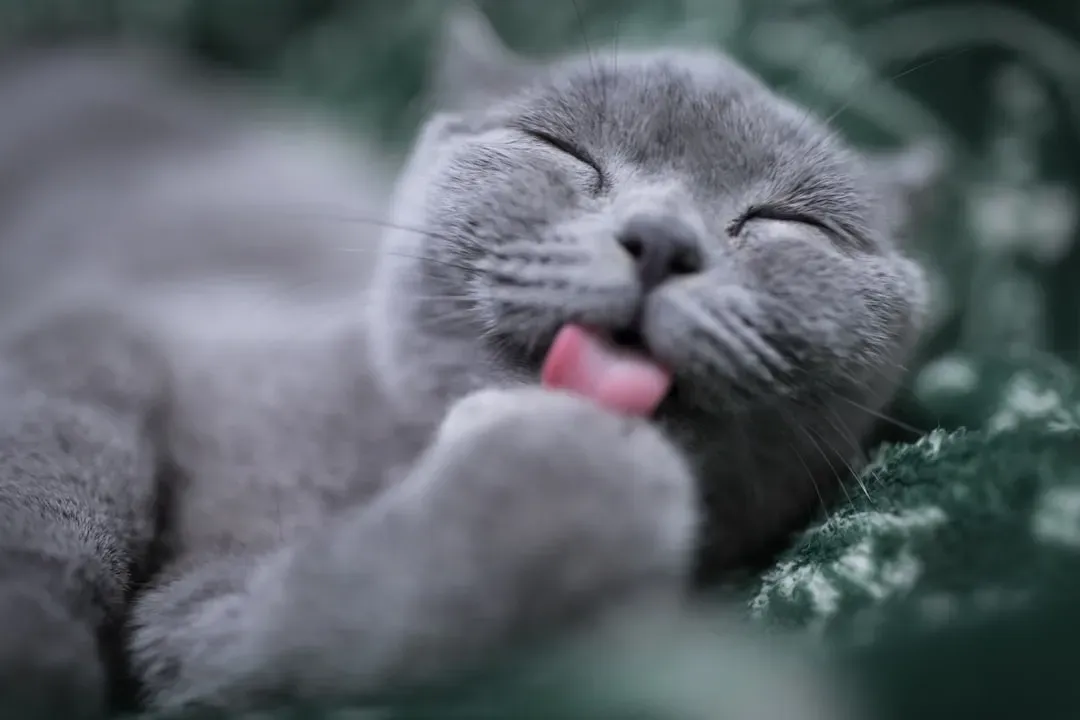
Healthy cats are very meticulous about their beauty regimens, and will spend hours grooming themselves to keep their fur soft and shiny. Kitties that are not feeling well will often not bother with their daily baths, and it won’t take long for their fur to show the signs of neglect. If your usually immaculate cat is starting to look a bit unkempt, that dullness in their coat deserves your attention rather than a casual pass.
The opposite pattern can be just as telling. Grooming themselves more, or over-grooming, is another behavior in cats that should not be ignored. You might notice your kitty licking, biting, or scratching themselves excessively, however, some cats chose to groom themselves in private, so you might just see hair loss, or lesions like sores and scabs. Over-grooming can be caused by skin diseases such as allergies, fleas, stress, and anxiety. Licking focused over a specific area can indicate pain, for example, cats with bladder discomfort might lick their bellies.
3. Changes in Appetite or Drinking Habits
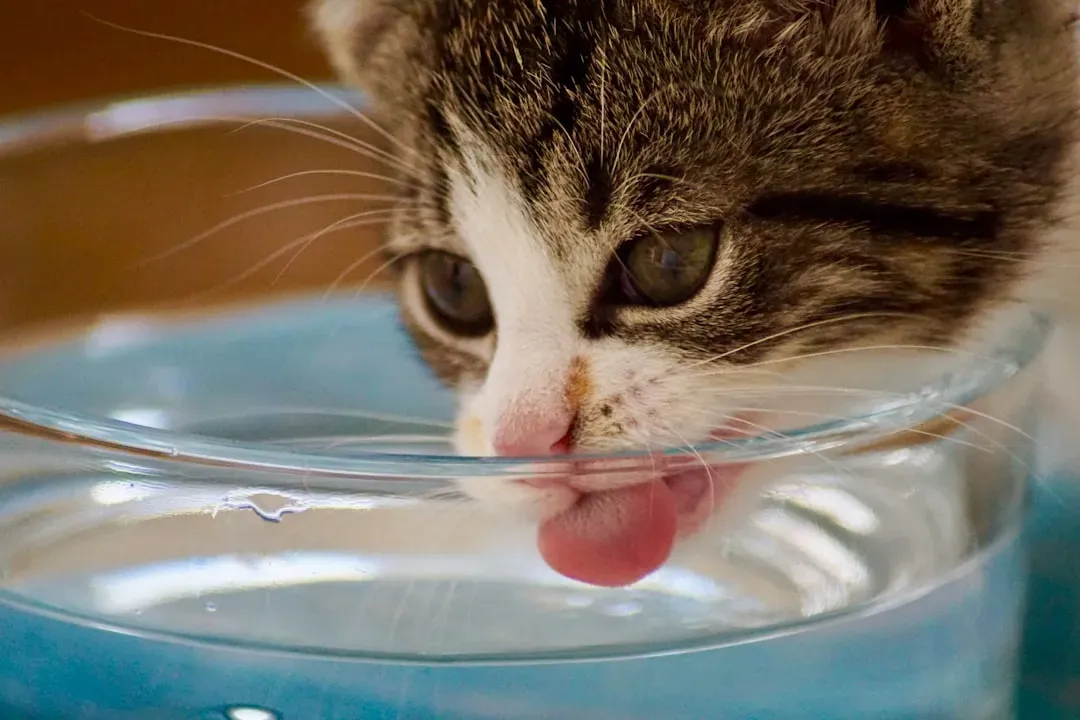
Sick cats may eat less or more than usual, and they may drink less or more than usual, so any change in appetite or thirst may be of concern. Both directions matter here. A cat skipping meals is obvious cause for attention, but a suddenly ravenous cat deserves the same scrutiny. Cats that have some metabolic diseases such as hyperthyroidism or diabetes mellitus may have a hearty appetite and increased thirst. Cats with liver or kidney problems often lose their appetite, but have increased thirst.
Pay close attention to the water bowl too. If you notice that your cat’s water bowl is being emptied faster than usual or your feline friend is seeking water from unusual sources, it could be a serious problem. Endocrine disorders like diabetes and hyperthyroid disease cause excessive thirst and are common, especially in older cats. The good news, though, is that such disorders are highly treatable when detected early. Changing the water daily makes it easier for you to track how much your cat is actually drinking.
4. Unexplained Weight Loss or Gain
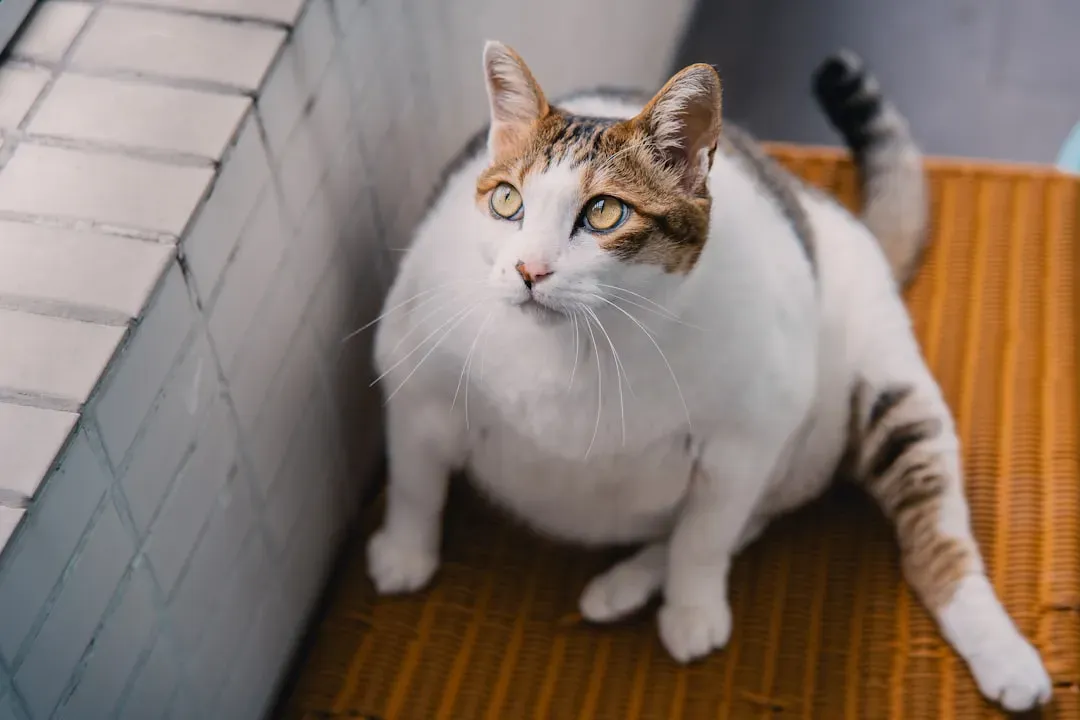
Cats with a chronic illness may develop slow and subtle weight loss that is only obvious when you run your hands along the ribs and spine. Cats that suddenly lose weight, particularly if they were previously overweight, are usually suffering from a metabolic disease such as diabetes or hyperthyroidism. Because your cat’s fur can mask body condition changes quite effectively, running your hands gently along their sides regularly is one of the most practical things you can do at home.
Unexpected weight loss or weight gain doesn’t always go up or down with a change in appetite. Cats with diabetes or hyperthyroidism, for example, may lose weight even if they eat more. Weight changes that happen gradually can be easy to miss day to day, which makes periodic hands-on checks, or even a home scale weigh-in, a genuinely useful habit.
5. Subtle Shifts in Energy and Activity Levels
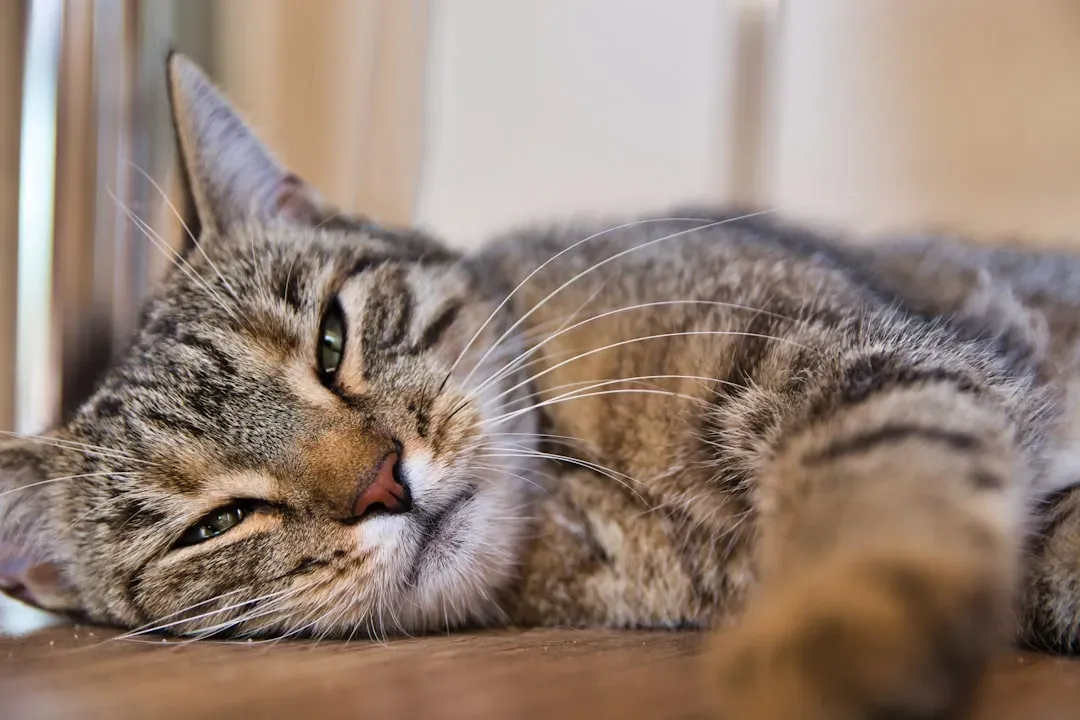
Generally, sick cats also have lower energy levels. The only thing you may notice is that your cat sleeps more, does not play as much, or is restless. This can feel hard to pin down because cats already sleep a great deal. The key is whether you’re seeing a clear departure from your specific cat’s usual pattern, not cats in general.
Changes in activity, such as a decrease or increase in activity and change in the cat’s daily routine, are red flags including for arthritis, which is far more common in cats than previously thought. A cat who jumps on furniture less often is a potential sign. It doesn’t look too serious, but as you begin to monitor his activity, you also notice he’s slower going up and down the stairs, has difficulty using his litter box, or is no longer jumping up to his favorite spot on the windowsill. These kinds of movement changes are worth noting carefully.
6. A Change in Their Posture or Physical Appearance
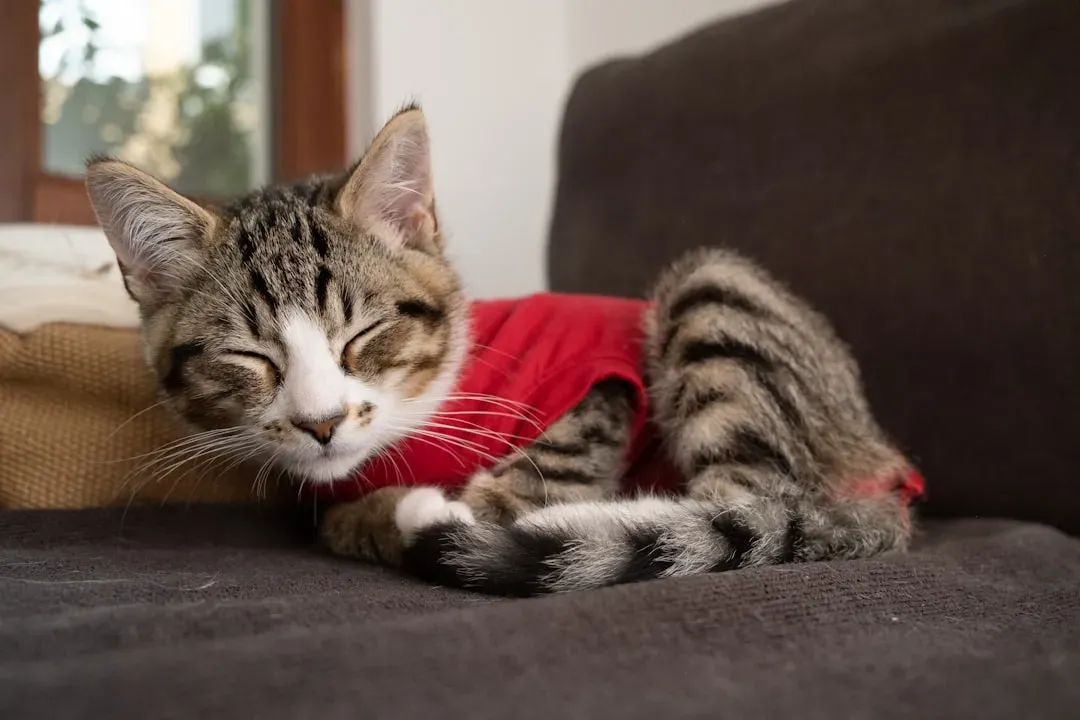
Cats that are not feeling well may just look a little “off.” The cat might sit in a hunched position, might not move as gracefully as before, might not lift its head properly, might have a head tilt, or might carry its tail differently. Sometimes, there isn’t any one thing that stands out, but a variety of subtle changes. That hunched posture is particularly worth watching, as it often signals abdominal discomfort or general malaise.
A sick cat may appear less kempt than usual. Look for any signs of uncharacteristic untidiness, such as a dull coat, matting, or excessive shedding. Physical changes like a hunched posture, unusual gait, or visible discomfort are also red flags. When you notice several of these physical cues together rather than just one, that combination is usually a stronger prompt to contact your vet sooner rather than later.
7. Unusual Vocalization Patterns
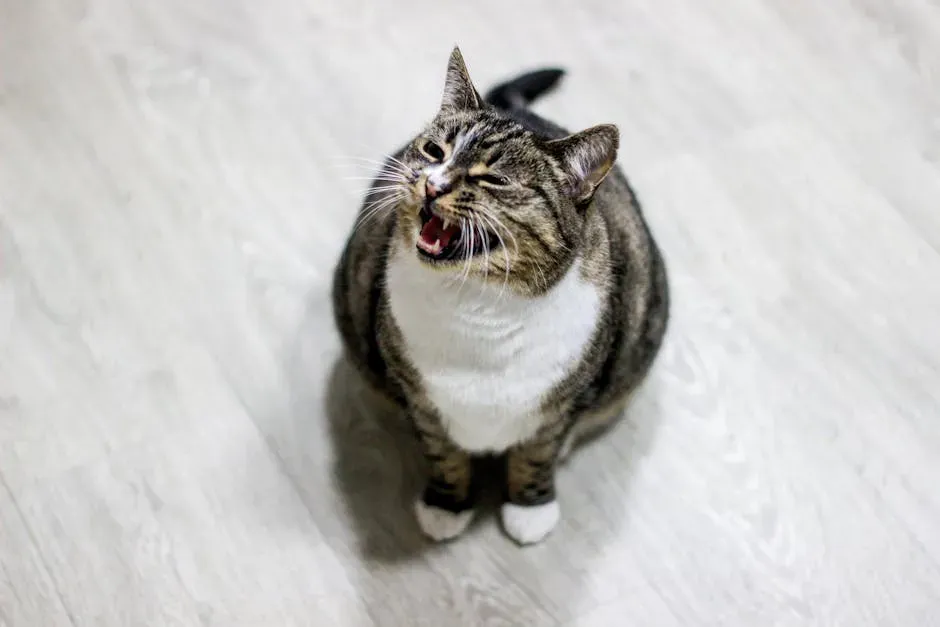
When a cat who is normally as quiet as a church mouse turns into a chatterbox, they could be trying to tell you that something is wrong. Increased meowing, yowling, or low growling, especially at night or when touched in a certain area, can all reflect discomfort your cat has no other way to communicate. A sudden increase in vocalization could be a sign of pain, stress, or another medical or behavioral problem.
Nighttime vocalizing in senior cats can be linked to cognitive dysfunction, pain, hyperthyroidism, high blood pressure, hearing loss, vision loss, or anxiety. The reverse is equally worth noting. A normally vocal cat who suddenly goes quiet and stops seeking your attention may be withdrawing because they feel unwell. A noticeable change in behavior is often their most direct, though subtle, way of communicating distress.
8. Litter Box Irregularities
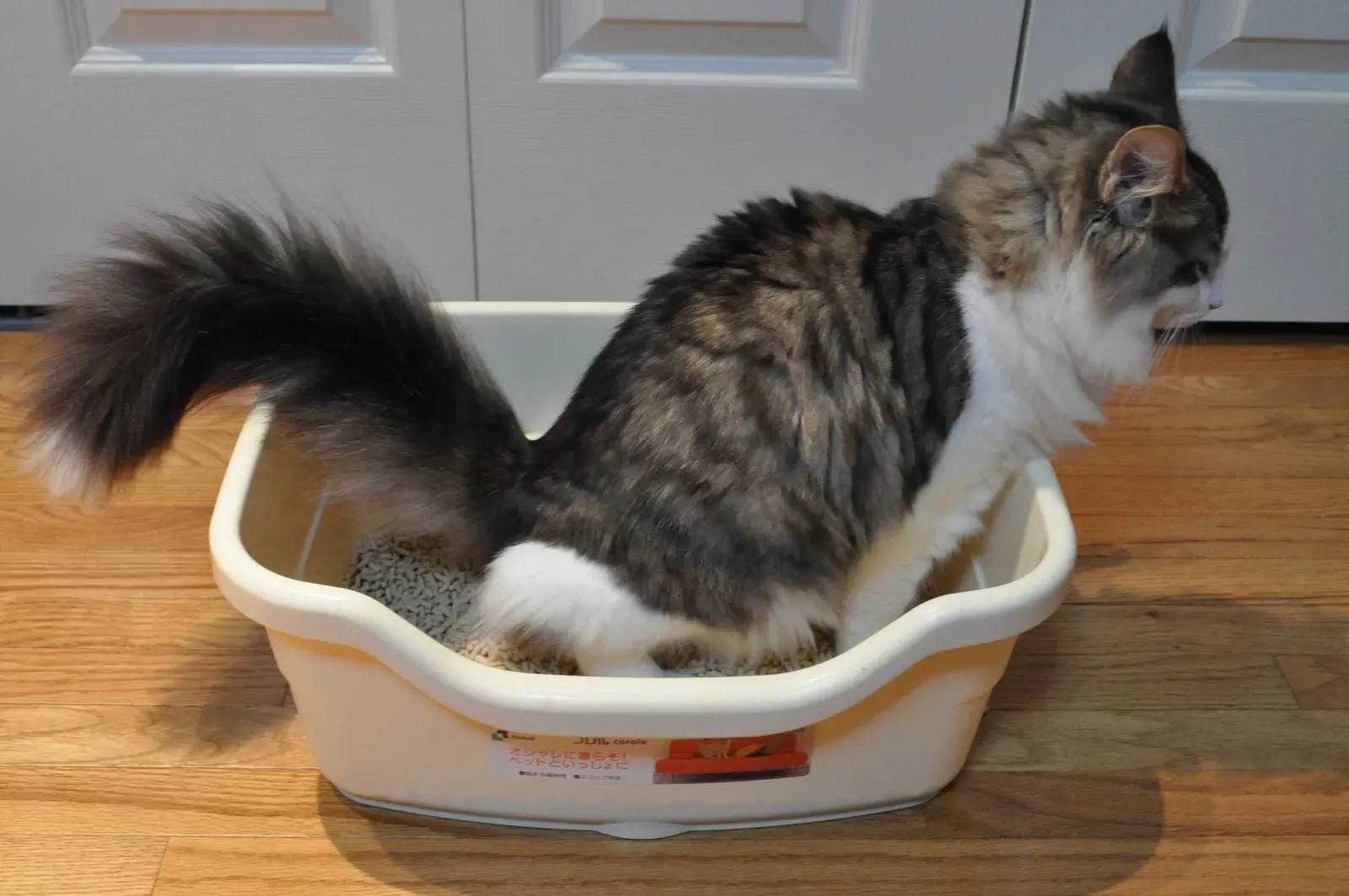
The sudden appearance of litter box issues could indicate anything from a urinary tract infection to bladder stones or kidney disease. Watching for changes in how often your cat uses the litter box, how long they spend in it, or whether they seem to strain or cry out, gives you important health information. These are signals many owners overlook simply because checking the litter box feels routine.
Cats often hide illness well, so a change in routine, personality, activity, grooming, appetite, litter box habits, sleep pattern, or social behavior may be one of the first clues that something is wrong. A cat that suddenly hides, becomes clingy, growls when touched, vocalizes at night, stops grooming, or misses the litter box may be reacting to pain, stress, fear, or an underlying disease. Missing the box entirely, when a cat has never done that before, is one signal that genuinely warrants a prompt vet call.
9. Personality and Temperament Changes
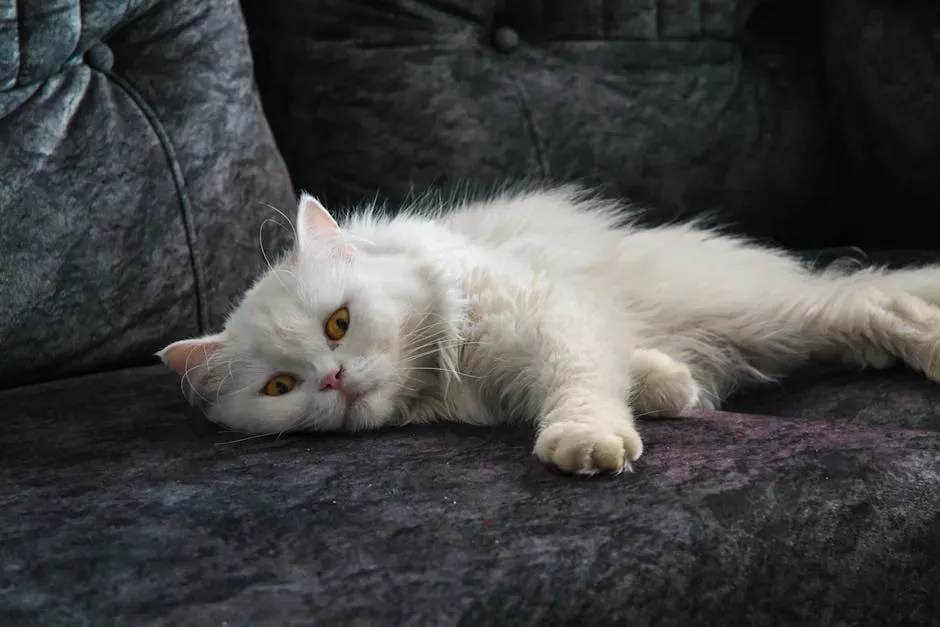
If your cat is usually a cuddlebug who purrs as soon as you pick them up, but suddenly hisses when you touch them, there’s a red flag there. On the opposite end of the spectrum, a normally aloof cat that suddenly wants to cuddle may not be feeling well. Both directions, clingier or more withdrawn, can reflect that your cat is not feeling right and is either seeking comfort or protecting a painful area.
Cats don’t become aggressive without a reason, and it’s often their way of communicating discomfort or fear. Cats in pain may lash out, especially if touched in a sensitive area. If your usually gentle cat reacts sharply when you handle a specific part of their body, take that reaction seriously rather than attributing it to a bad mood. Pain-related aggression is one of the most direct, if uncomfortable, communications your cat can offer you.
When to Act on What You Notice
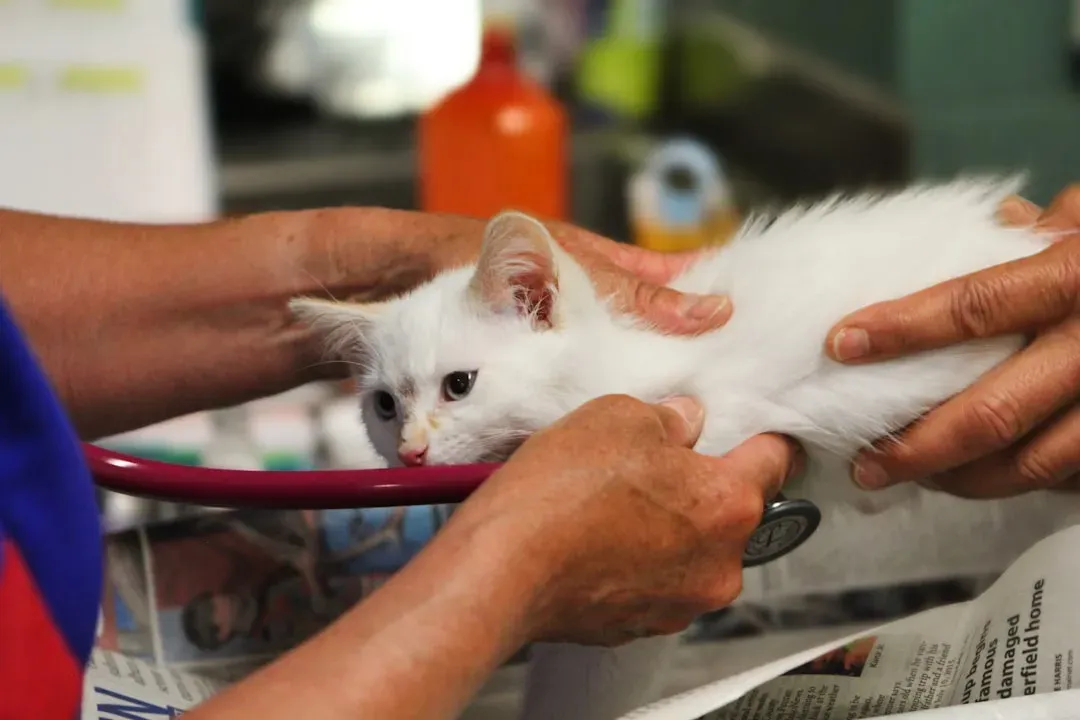
As a pet parent, you know your cat better than anyone else. If you notice behavioral or appearance changes or just get the feeling that something isn’t quite right, it is always best to go with your gut and schedule an appointment with your veterinarian. Even the most subtle sign of illness in cats can indicate a serious problem, so there is no such thing as being too cautious.
Through training and experience, veterinarians may notice subtle signs that a cat is developing a health problem, which is one of the main reasons why the American Veterinary Medical Association and other veterinary experts recommend twice-yearly wellness examinations for the average adult cat. Regular check-ups, combined with your own daily observations at home, create the strongest safety net for your cat’s wellbeing.
Your cat can’t tell you they feel awful. What they can do is show you, in small, quiet ways that are easy to dismiss in a busy day. The owners who catch health problems earliest are almost always the ones who simply pay close attention to what is normal for their individual cat, and act when that normal shifts. That attentiveness, more than any checklist, is what makes the real difference.
Kristina is a young writer from India. An arts graduate and an avid content creator, Kristina is passionate about animals and wildlife. She enjoys exploring topics related to pet care, animal behavior, conservation, and nature, combining thorough research with engaging storytelling.