Cats don’t hand out trust easily. Unlike dogs, who tend to wear their loyalty openly, cats operate on a much quieter frequency. They’re wired to be cautious. In the wild, even a small lapse in vigilance could cost them, so feeling genuinely safe is a big deal for a cat. When they do feel it, though, they show it in ways that are unmistakable once you know what to look for.
What matters most to a cat, especially as a prey animal, is safety. Safety means survival, and whatever feelings a cat may hold toward you, it all starts with them feeling secure. So if you’ve ever wondered whether your home has truly become your cat’s sanctuary, the answer is written right there in their daily behavior. You just need to know how to read it.
They Sleep Near You Without a Care in the World
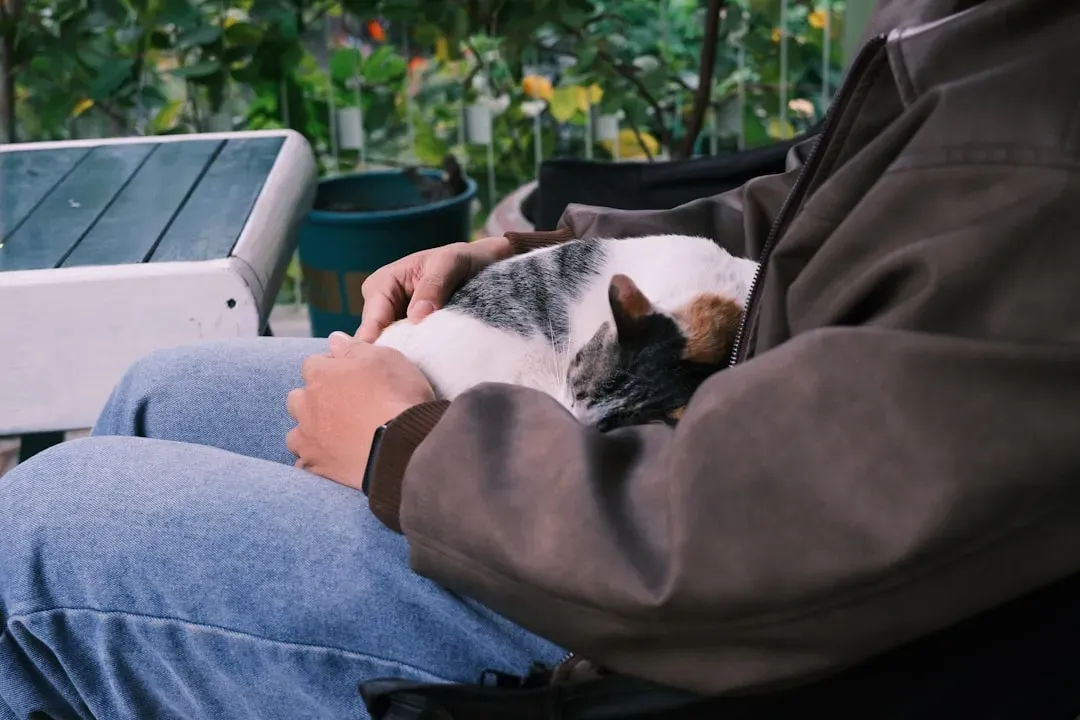
If your cat likes to sleep near you or even on you, this is a strong indication that they have total trust in you. When a cat is asleep, they’re at their most vulnerable, so choosing to sleep in your presence rather than wandering off to find another spot means they feel completely relaxed and don’t see you as a threat.
Cats that are nervous, anxious, or afraid tend to hide or seek out secure spots when it’s time to sleep. In contrast, a cat that feels safe and comfortable in your home will confidently sleep in vulnerable positions, like lying in the middle of the living room with their belly fully exposed. That kind of open, unguarded napping is one of the clearest signals your home has become their true safe place.
They Greet You With an Upright Tail
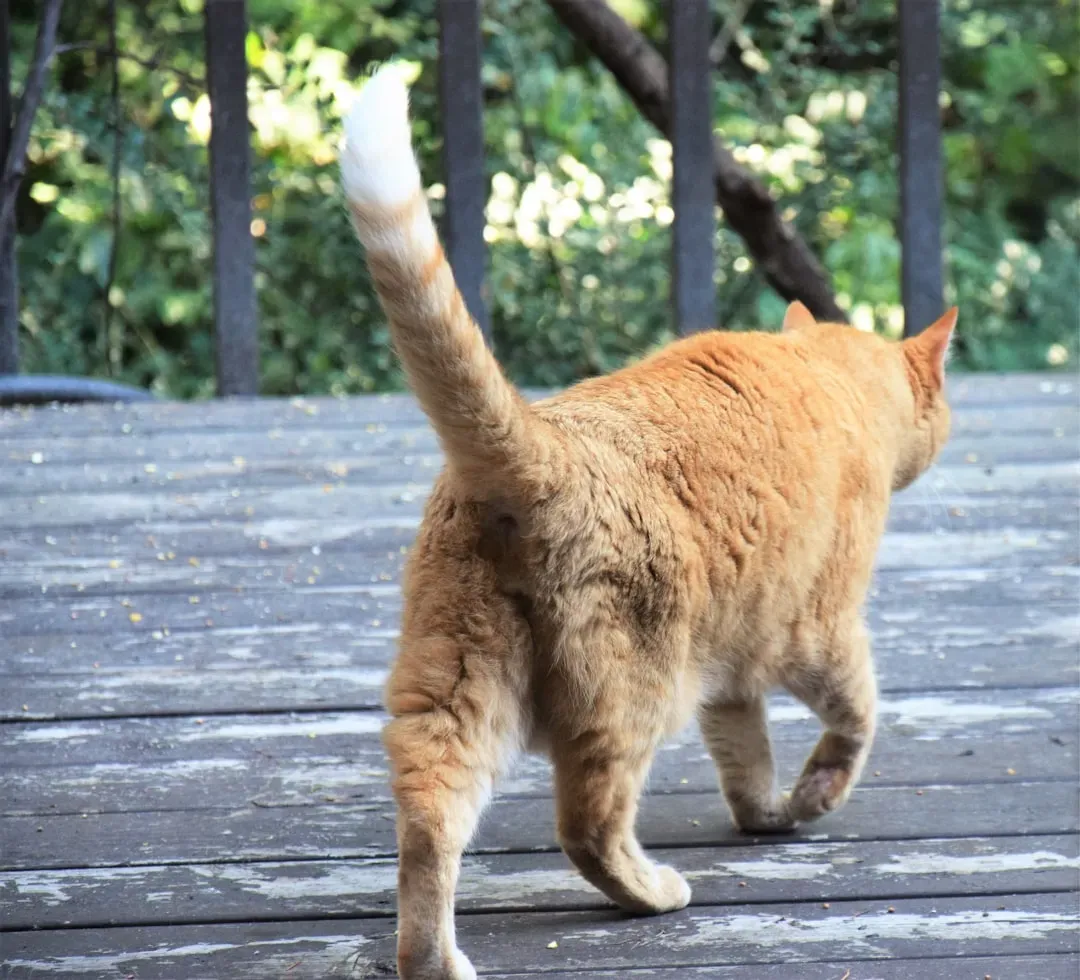
A high or vertical tail carriage is one of the clearest signs of cat trust, signaling friendliness, confidence, and a happy mood. When a cat holds its tail upright around you, it’s a strong indication that your feline feels safe and secure in your presence.
If your cat comes running to greet you when you come home, it’s a good sign that they trust you. A nervous cat may watch from afar, but if your cat comes running when you arrive, this shows that your kitty genuinely trusts their human companion. A tall upright tail as they approach you is also a compliment, as this usually indicates excitement and pleasure. It’s their version of a warm welcome, and it’s worth appreciating every single time.
They Knead on You or Nearby Surfaces
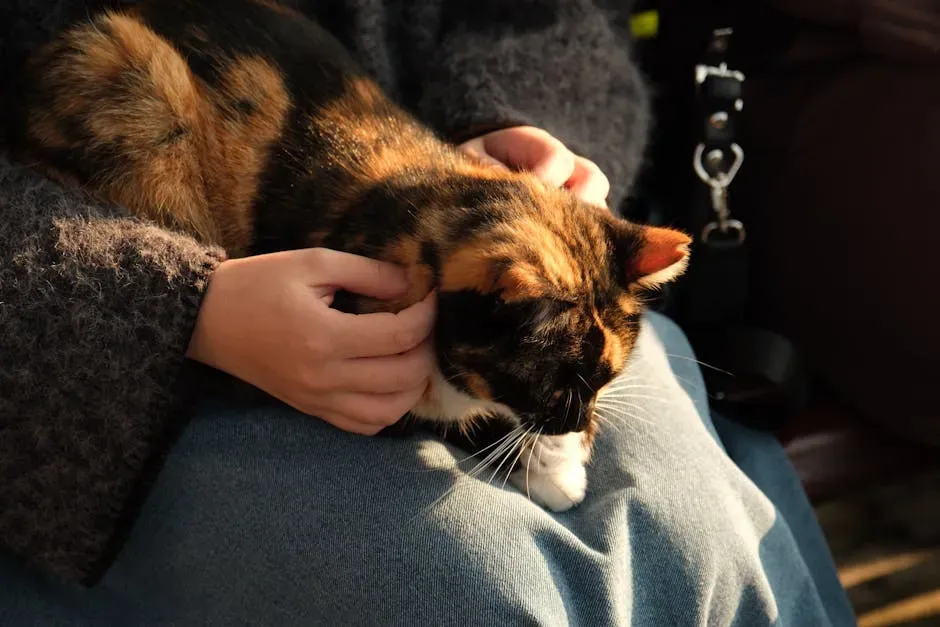
Kneading, sometimes referred to as “making biscuits,” is one of the ways cats convey emotion through touch. Cats will knead when they are feeling safe and affectionate toward you or other animals. One theory is rooted in instinct: as nursing kittens, the kneading motions stimulate milk production from the mother cat, resulting in the kittens being nourished, experiencing satisfaction, and feeling secure.
As they age, cats repeat this kneading behavior when they’re feeling content, satisfied, and happy, often while sitting on your lap, on blankets, or in other safe areas. This action is soothing for them, and it’s a throwback to the nurturing bond with their mother. A cat that kneads around you feels emotionally safe and content. It’s a deeply rooted comfort behavior, and it’s meant for people and places they truly trust.
They Give You the Slow Blink
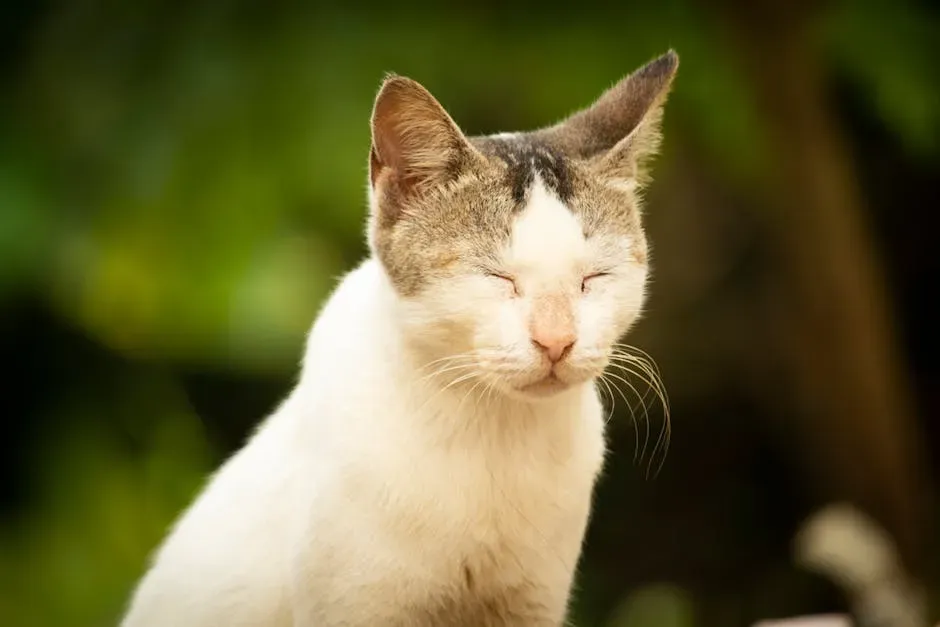
Cats use slow blinking to demonstrate affection and trust. Eye contact is an important form of communication for cats, and they can use stares, pupil size, and blinking to signal various emotions to other cats and humans. If your cat gives you slow, deliberate blinks, it’s their way of saying they trust you. Cats often slow-blink when they’re comfortable and feel safe in their environment.
When cats communicate affection, they can do a slow, languid, long blink to show trust toward the person or animal they’re with. One way to communicate love and trust back to a cat is to say its name, get its attention, look it in the eyes, and then slowly blink to emulate trust and love. They may return the gesture. In a study of 18 cats, a pattern of half-blinks followed by prolonged eye narrowing was found to be a positive emotional response. Try returning the slow blink next time. It genuinely works.
They Groom You or Themselves in Your Presence
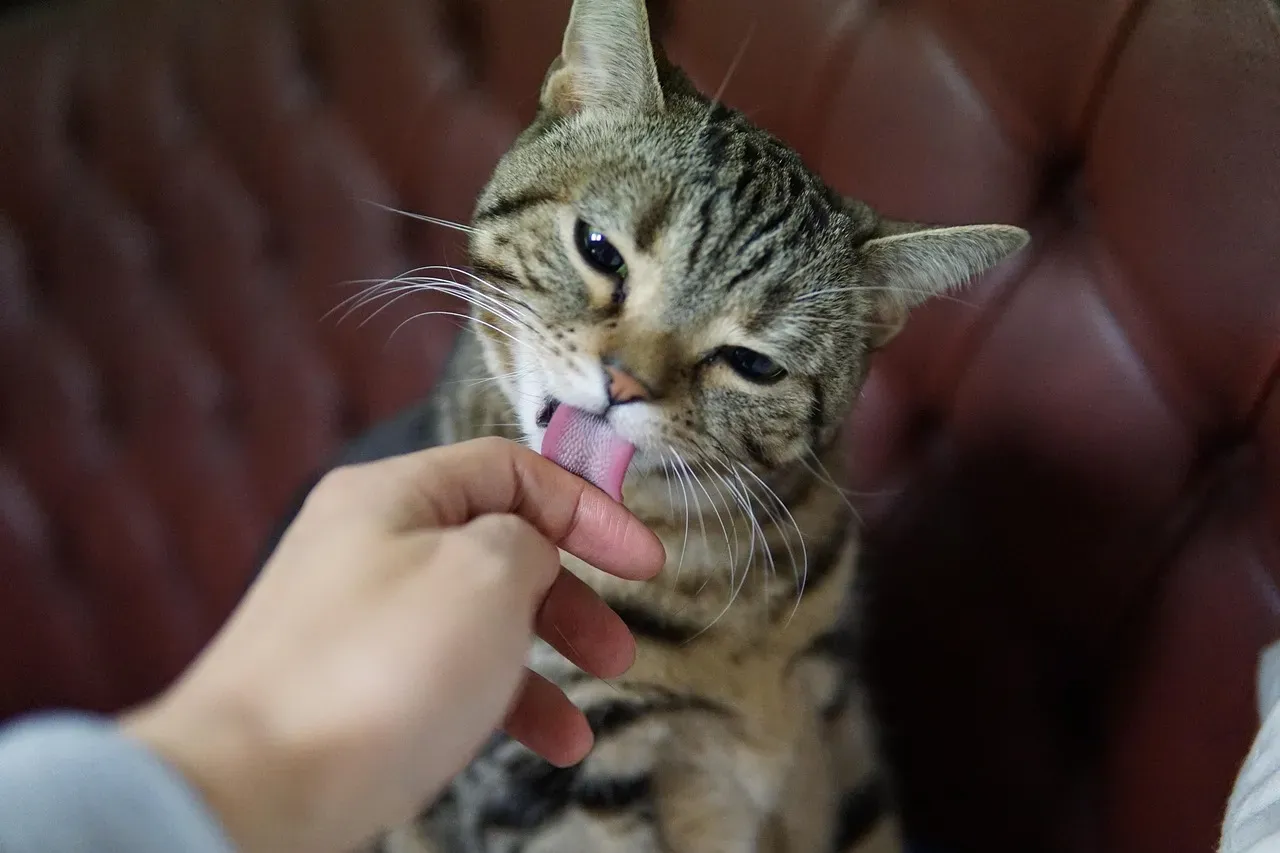
Cats are famously fastidious about their grooming, but they only do it openly when they feel secure. If your cat calmly licks their fur or even grooms you while you’re nearby, it’s a strong indicator of trust. Sometimes they’ll offer you a few licks on your hand or arm, sharing the grooming ritual as a sign of affection. This peaceful behavior is another clue that your cat feels completely safe in your home.
Social grooming, also called allogrooming, is a sign of social bonding and is associated with security. Cats are often solitary animals, but if they live in a bonded pair or group, they will spend time grooming each other. If your cat licks or grooms you, this behavior indicates trust and love. In other words, when your cat licks your hand, they’re not just being affectionate. They’re telling you that you belong in their world.
They Expose Their Belly Without Flinching
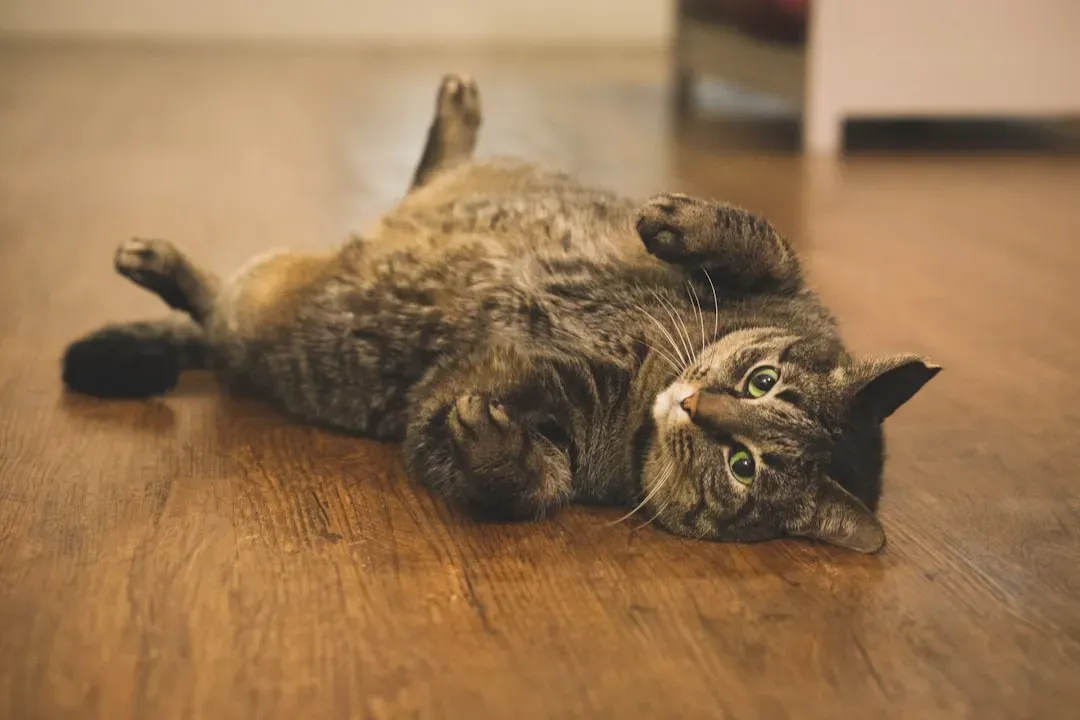
When a cat rolls over and exposes its belly, it’s showing a great deal of trust. The belly is a vulnerable area, and by exposing it, your cat is indicating that they feel safe and comfortable with you. When your kitty rolls onto their back and shows you their tummy, this is their way of showing that they feel safe in your company and can reveal this vulnerable part of their body.
Worth noting: this isn’t always an open invitation for a belly rub. The exposed belly is a sign of comfort and trust, but it is not necessarily an invitation for a belly rub. Many people have touched a cat’s stomach only to have the cat seize up, latching onto their hand with claws and teeth. Read the full picture. The gesture itself is the message, not a request for physical contact.
They Headbutt or Rub Against You
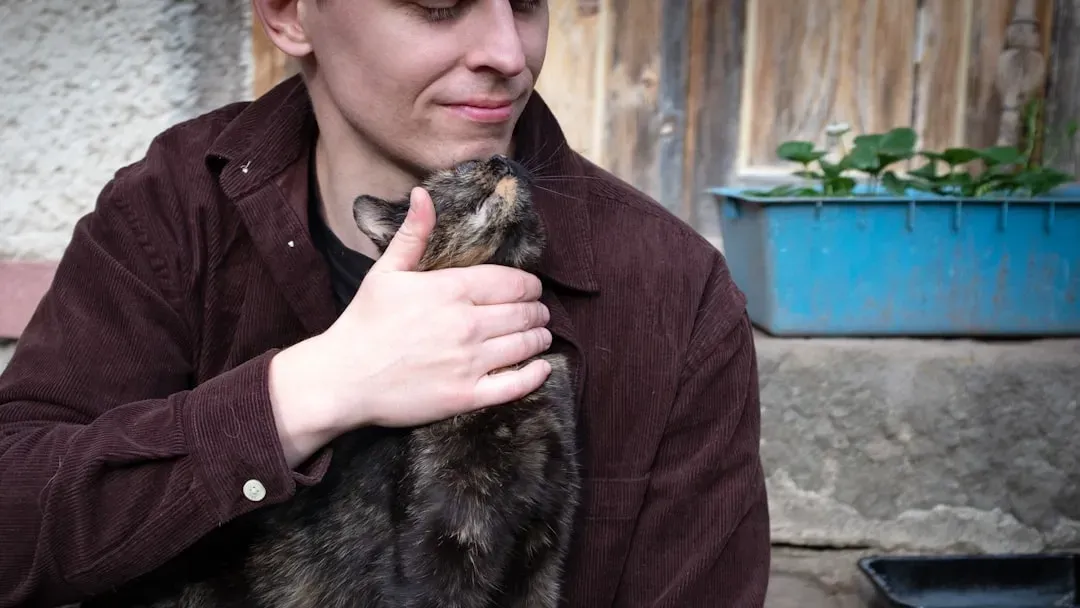
This behavior, known as bunting, is a cat’s way of marking you with their scent. When a cat rubs its head against you, it’s not just seeking attention but also leaving its scent glands on you, claiming you as part of their territory. This gesture signifies trust and affection, indicating that your cat feels safe and loved in your presence.
The facial pheromones released during this behavior are the ones that express safety and familiarity. If your cat is constantly giving you headbutts, they are indicating that they trust you and that you are their comfort and safety. By leaving their scent on you, your cat is practicing a form of protective behavior and asserting feline guarding instincts. This marking is a way a cat communicates to other animals that you’re theirs to watch over, almost like a silent declaration of loyalty.
They Bring You “Gifts”
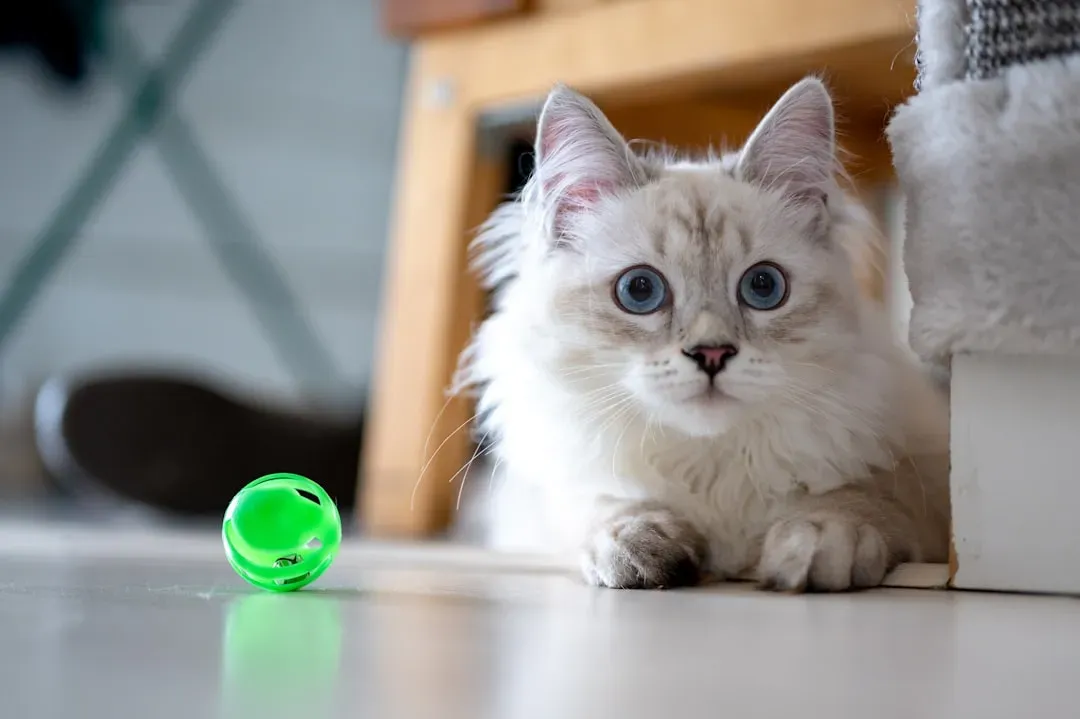
Does your cat ever drop a toy mouse at your feet, or bring in something from outdoors? While it might not be your favorite surprise, this behavior is actually a sign your cat sees you as part of their family. In the wild, cats bring prey to those they trust and care for. When your cat proudly presents you with a “gift,” they’re sharing and expressing security in your relationship.
A gift is a clear sign that your cat trusts you. Cats are solitary hunters, but if they live in groups they tend to eat together. In feral cat colonies, some members are hunters and bring back gifts of food to their bonded companions. So the next time you find a toy deposited ceremoniously at your feet, know that you’ve earned a place at the top of their social circle.
They Vocalize Casually and Comfortably Around You
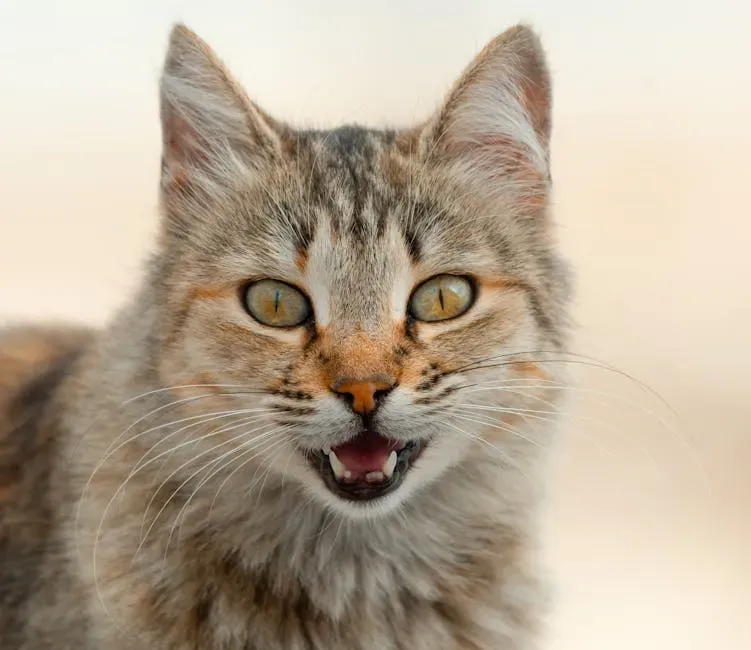
Safe and happy cats often express themselves with gentle sounds, like soft meows, trills, or chirps. These are friendly, conversational noises that invite interaction. If your cat greets you with a quiet “hello” or talks to you during daily routines, it’s a sign they feel comfortable and want to communicate. These soft vocalizations are far different from the loud yowls or hisses that signal distress or discomfort.
Cats often communicate by meowing, which is interesting because cats don’t really meow at each other. They meow at their mothers, who provide them with food, warmth, and safety when they are kittens, and they meow at their people, who provide them with the same things as adults. That daily chatter isn’t random noise. It’s a sign your cat has placed you in a role that means something real to them.
They Stretch Out Fully and Relax in the Open
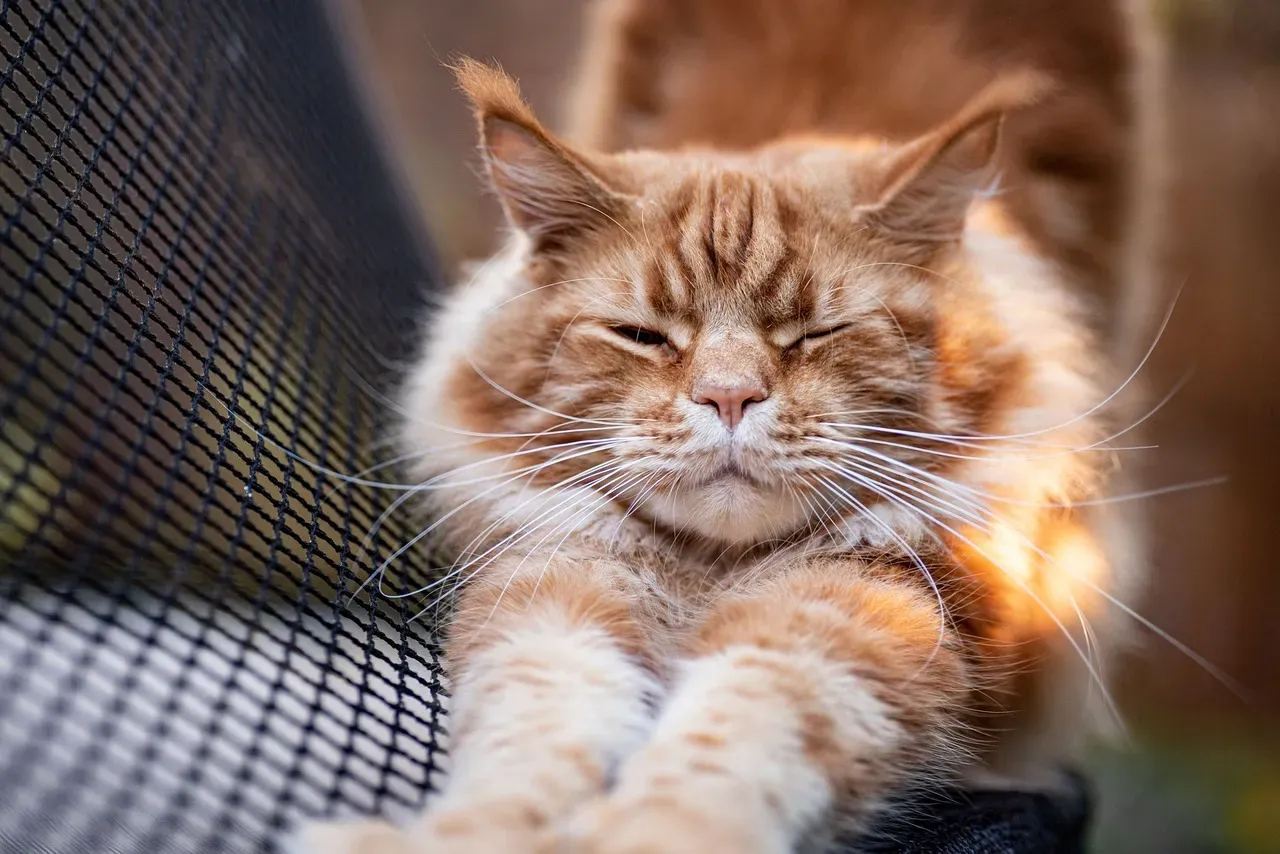
A cat that stretches their body fully, yawns widely, or even rolls onto their back without a care in the world is a cat that feels safe. These big, luxurious movements expose vulnerable spots and show they’re not worried about danger. Stretching is a way for cats to show their comfort and confidence in their surroundings.
Relaxing out in the open is a key sign your cat feels safe and content. Content cats who feel safe in their environment are much less likely to hide or seek shelter. Instead, a happy cat will often relax out in the open, stretching out comfortably on their side rather than curling up tightly into a protective ball. This relaxed body language is a clear indicator that your cat feels secure, calm, and emotionally comfortable in your home.
They Allow You Privileges They Give No One Else
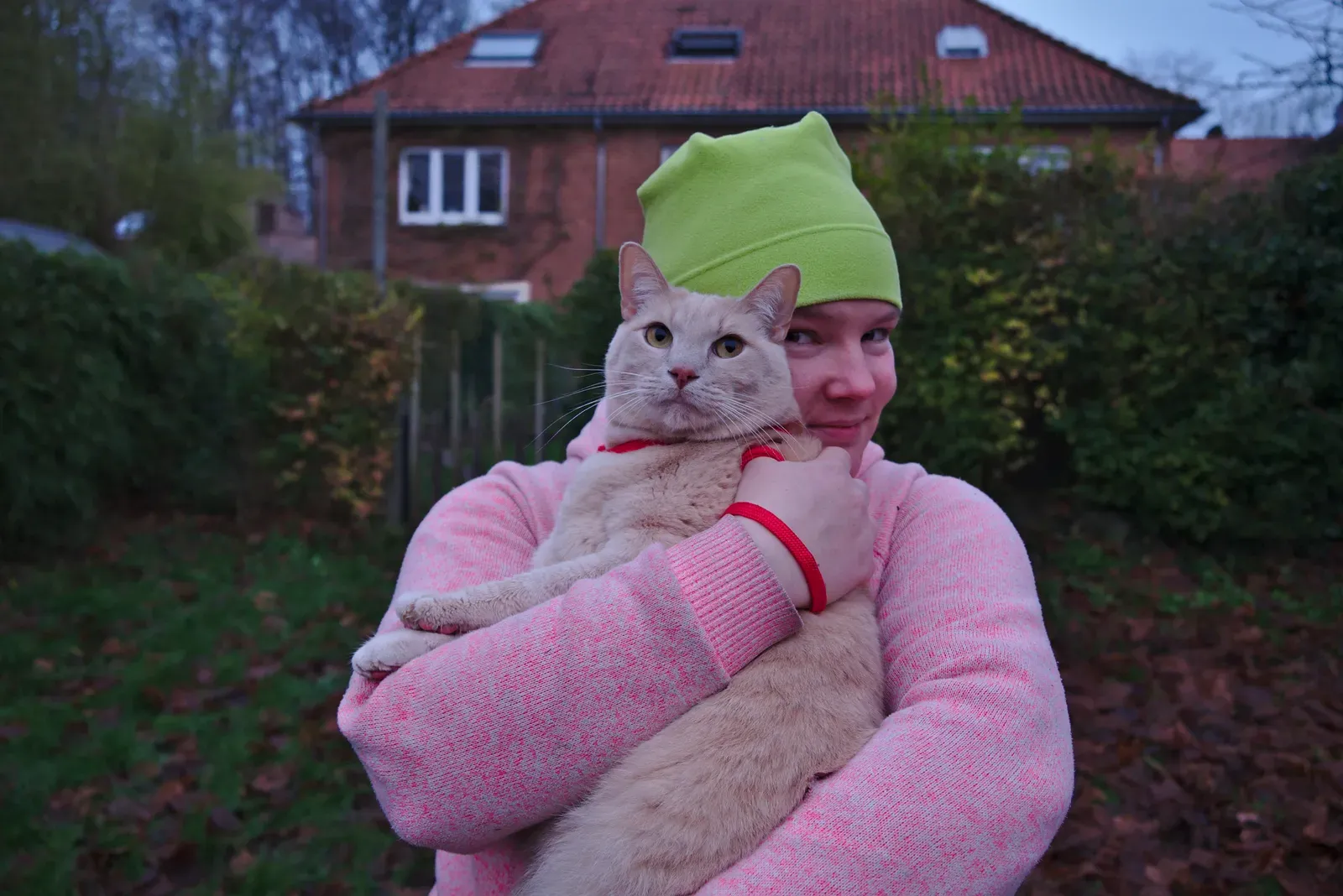
A cat that really trusts you will often let you do things they won’t let anyone else do, like hold them or clip their nails. You may not have carte blanche to do whatever you want with them, but your cat will almost certainly grant you privileges they will not give to visitors or even others in your home.
Cats care about physical comfort and safety, and their trust in you is about whether or not you provide those things in the ways and quantities that they need. While they can’t tell you whether or not you are doing a good job of this, they can and do show you through their behaviors. When your cat tolerates nail trims from you, sits calmly in your arms at the vet, or simply stays put while you move around them, that’s not passive tolerance. That’s earned trust, and it matters.
A Final Thought
Most of these signals are quiet. They don’t announce themselves. A slow blink here, a kneaded blanket there, a small toy left at your feet. Cats don’t tend to shout their feelings from the rooftop, but they do communicate them, clearly and consistently, to those they’ve decided are worth the vulnerability.
The fact that your cat chooses your home as their safe haven isn’t just a nice thing to notice. Research has shown that cats are capable of forming strong bonds with their human owners, similar to those formed between dogs and their owners. This bond is built on trust, affection, and mutual respect, and is important for the well-being of both cats and humans. That bond starts with you, and it’s maintained every time you respect their signals, keep their routines steady, and let them come to you on their own terms.
When a cat decides your home is their world, they’re saying something that can’t be faked. Trust that.
Kristina is a young writer from India. An arts graduate and an avid content creator, Kristina is passionate about animals and wildlife. She enjoys exploring topics related to pet care, animal behavior, conservation, and nature, combining thorough research with engaging storytelling.