You spent hours choosing the right throw pillows. Your shelves are curated, your color palette is intentional, and your living room finally looks like something out of a design magazine. Your cat, however, walked in, sniffed one corner, and curled up inside an empty cardboard box.
It’s tempting to chalk this up to feline indifference, but cats actually read their environments with surprising precision. Every surface, every shaft of light, every corner of your home gets filtered through instincts that go back long before domestication. What your cat is doing, day in and day out, is making very specific judgments about whether your space actually works for them. The good news is that their standards aren’t impossible to meet.
Your Walls Are Basically Wasted Real Estate
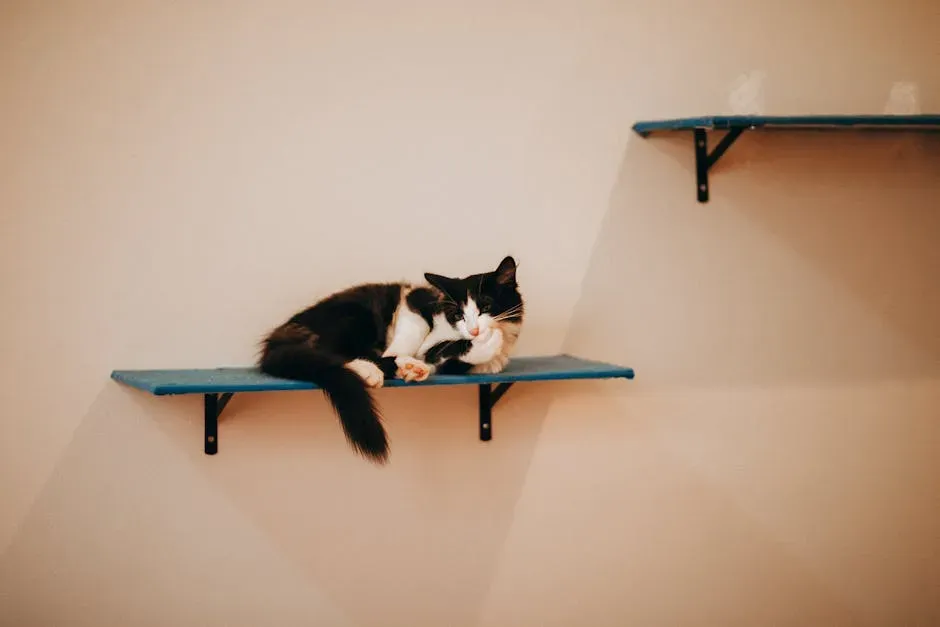
From your cat’s perspective, the floor is a last resort. Cats evolved as both predators and prey, which means heights provide them with safety and vantage points for territorial surveillance. When they claim the top of your bookshelf, they’re not being contrary – they’re doing what biology wired them to do.
Cats are natural climbers, and vertical territory gives them confidence and security. Wall-mounted shelves, floating steps, and tall cat trees allow them to explore without cluttering your floor. You don’t need to sacrifice your aesthetic to make this work. Minimalist cat furniture blends into a home rather than standing out – think clean lines, neutral fabrics, and hidden functionality that doubles as decor.
There’s Nowhere Good to Scratch, So Your Sofa Will Do
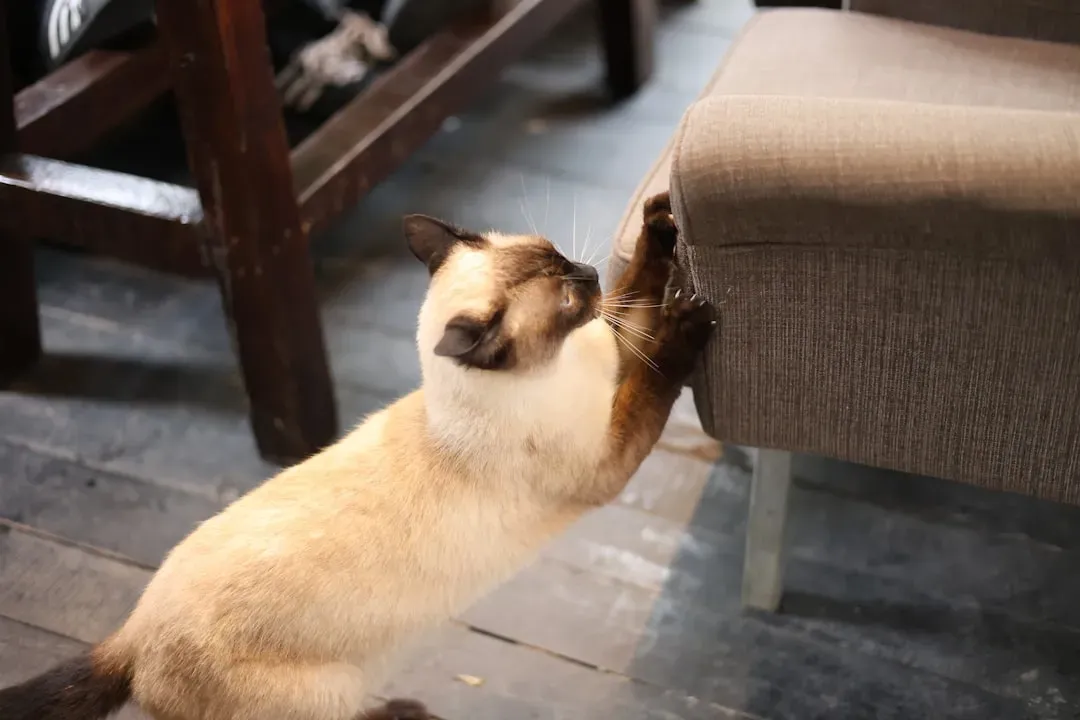
Your cat isn’t shredding the armchair out of spite. Cats need to scratch because it helps them stretch, mark their territory, and shed old claw layers. The trick to keeping your furniture damage-free is to direct this behavior to the right surface. The problem usually isn’t your cat’s manners. It’s placement.
In the wild, territorial scratching behavior most often manifests as scratching at upright tree trunks, with the visual cue at eye level and the chemical scent at nose level for other cats. In house cats, this preference for vertical surfaces means the arms of couches and legs of unvarnished wooden furniture may become common targets. The fix is straightforward: provide a scratching post right near that spot, and make it more fun to scratch than the furniture. Position matters more than you might think.
The Lighting Situation Is a Problem
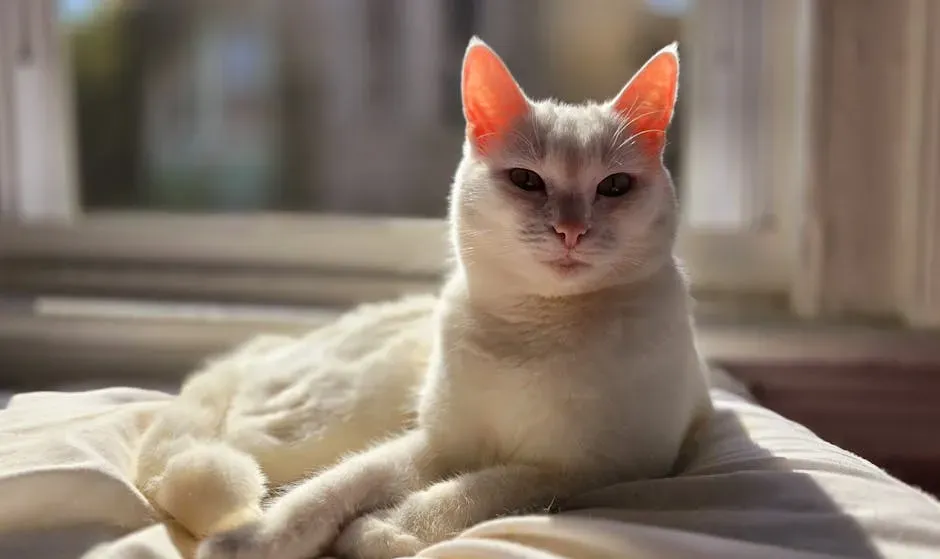
Your cat gravitates toward that one specific patch of sunlight on the floor every morning for reasons that run deeper than comfort. Cats sunbathe at windows because they’re naturally attracted to warmth and light, and sunlight helps regulate their body temperature, supports vitamin D synthesis, and maintains their natural sleep-wake cycles. It’s not laziness – it’s physiological efficiency.
For indoor cats, a sunny area often simultaneously offers a good view, quiet surroundings, and a defensible position, so they’re not just choosing a beam of light but a spot that helps them feel secure. To genuinely impress your cat, choose windowsill spots with at least four hours of sunlight daily, since south-facing windows get the most light. Window perches set up near those windows offer elevated resting spots with better views and more sunlight. A small addition that makes a disproportionate difference.
Your Home Smells Like You Changed Everything
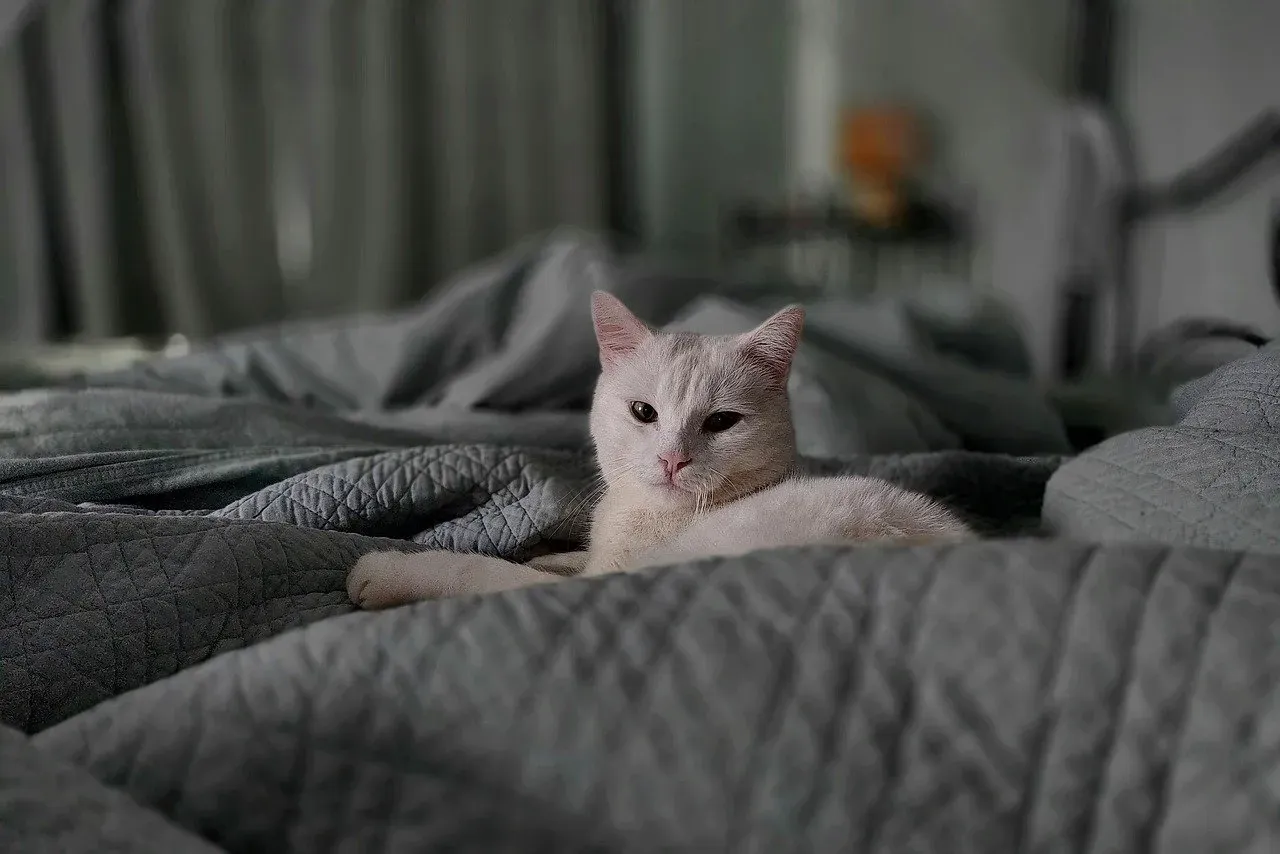
Cats don’t just live in your house – they interpret it. Every surface, scent, and sound carries meaning. When your cat picks a particular corner or furniture zone, it’s making an emotional choice, one that reflects comfort, safety, and belonging. Introducing new furniture, fresh paint, or even a deep clean can genuinely unsettle them.
Domestic cats are descended from solitary wild species and rely heavily on the olfactory system and chemical signals for daily activities. Cats kept as companion animals may experience stress due to a lack of predictability in their physical or social environment. Scent marking also helps cats feel secure in their environment. By surrounding themselves with their own familiar scent, they create a space that feels safe and predictable – and this is particularly important for indoor cats or those adapting to new environments. Washing every blanket in the house on the same day? That’s a five-alarm disruption from your cat’s perspective.
There’s No Safe Place to Disappear
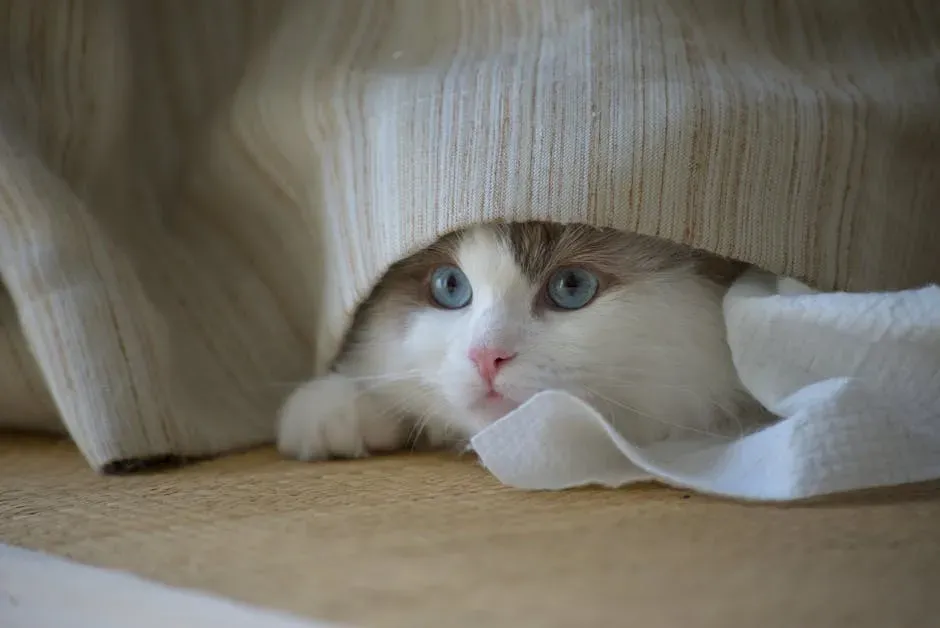
Cats like to feel safe and secure in their environment. A cat who feels safe will be a more confident cat, and less likely to be destructive in the home. You help your cat feel safe by providing hideaway spaces – any semi-enclosed bed, box, nook, or cave-like space where your cat can rest and retreat from interactions. Open-plan living is a great concept for humans. For cats, it can feel alarmingly exposed.
Cats are both predators and prey in the wild. This dual identity shaped their instinct to find spots where they can see without being seen. Corners, under tables, behind couches, or inside boxes provide exactly that – visual control and physical protection. You don’t need to build anything elaborate. Cats need cozy, enclosed spaces where they can retreat and relax, and integrating hideaways like modified cabinets, decorative crates, or even cat beds in secluded corners can help fulfill this need.
Your Furniture Rearrangements Are Basically Moving Their Maps
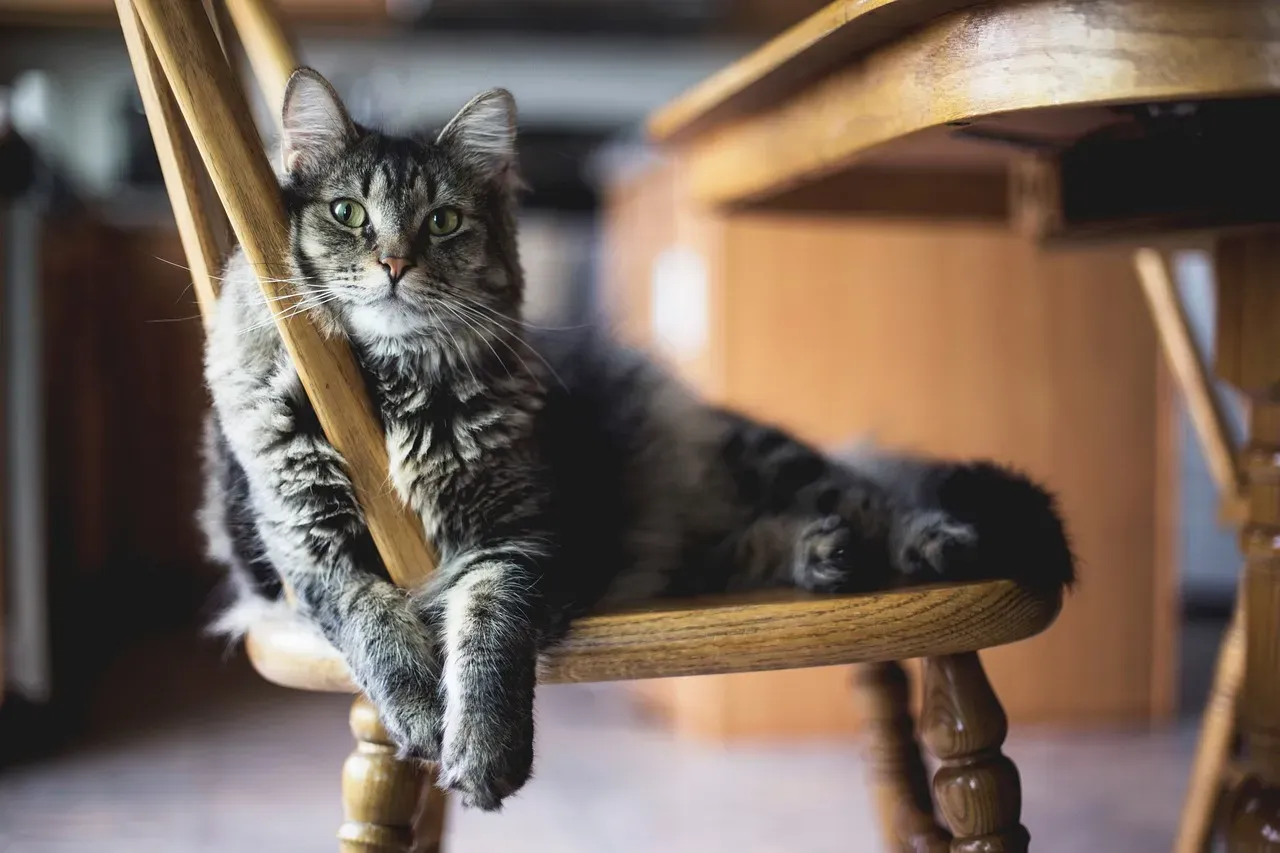
When you redecorate a room, you see a fresh arrangement. Your cat sees a dismantled navigation system. New furniture disrupts scent maps and safe pathways. Cats aren’t rejecting you – they’re protecting their sense of control. That standoffish behavior after you move the sofa isn’t drama. It’s genuine disorientation.
Cats use consistent spaces as emotional reference points. When a home feels too busy or smells different due to new guests, cleaning products, or furniture rearrangement, they retreat to their “anchor zone” – a physical memory of stability. This behavior reflects not distance from humans, but emotional self-care. If you do need to rearrange, cats are creatures of habit and may be stressed by furniture relocation. Moving pieces gradually, a few inches per day, or using positive reinforcement to help them accept the new location, while ensuring the new spot provides similar benefits to the previous one, goes a long way.
The Textures You Chose Are Not Exactly Inviting
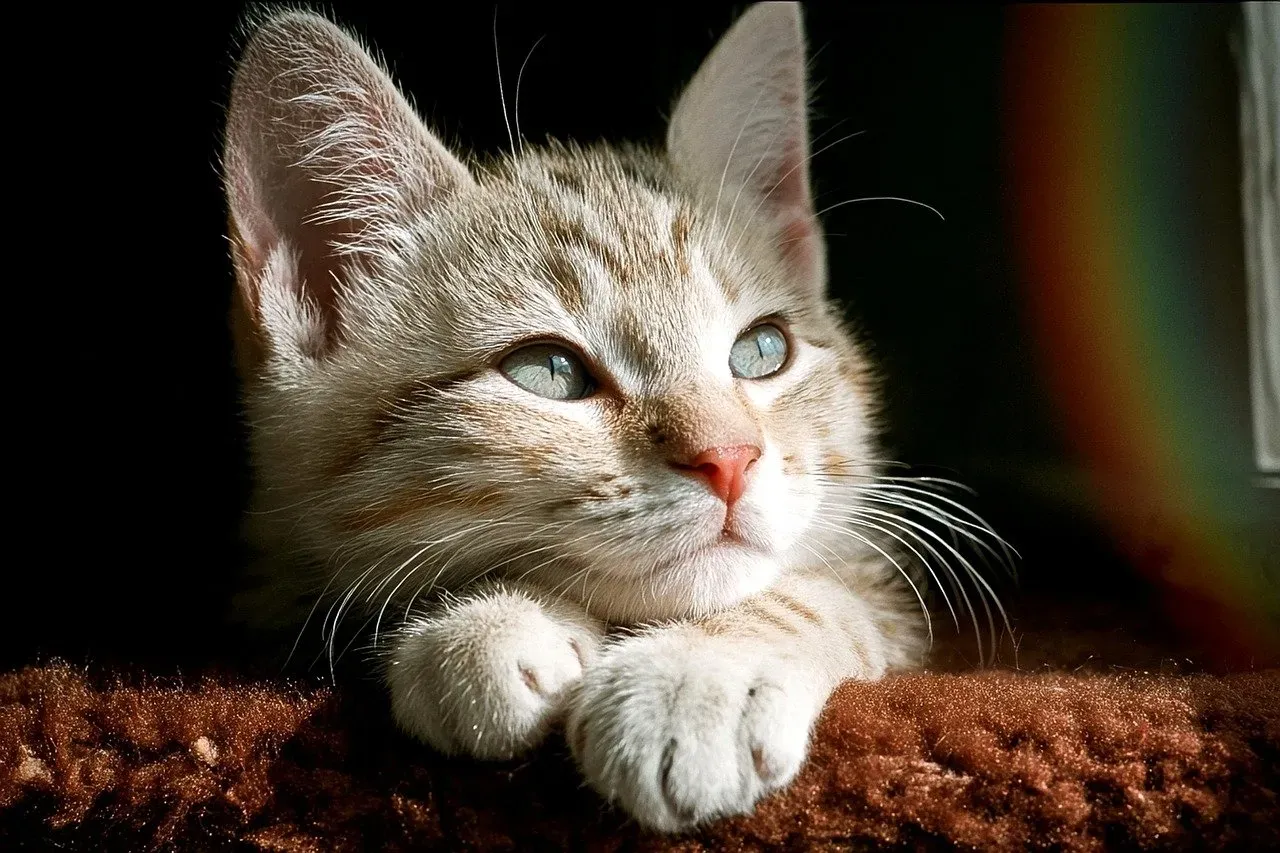
Your cat has distinct opinions about surfaces, and those opinions are based on more than preference. Soft fabrics absorb body heat and smell, reinforcing a cat’s sense of belonging. Smooth or cold surfaces like wooden furniture appeal when they need cooling. If your cat switches between a fleece blanket and a marble countertop, they’re simply balancing comfort cues – much like swapping from coffee to iced tea with the seasons.
Cats are drawn to natural textures like wood, sisal, and cotton, and these materials also add warmth and authenticity to your space. Matching what your cat naturally gravitates toward with materials that also suit your home’s style isn’t as difficult as it sounds. Providing various scratching posts and pads made from materials like sisal and jute can prevent your furniture from becoming an unintended scratching spot and can also add a rustic or natural element to your decor. When texture and function align, everyone wins.
Conclusion
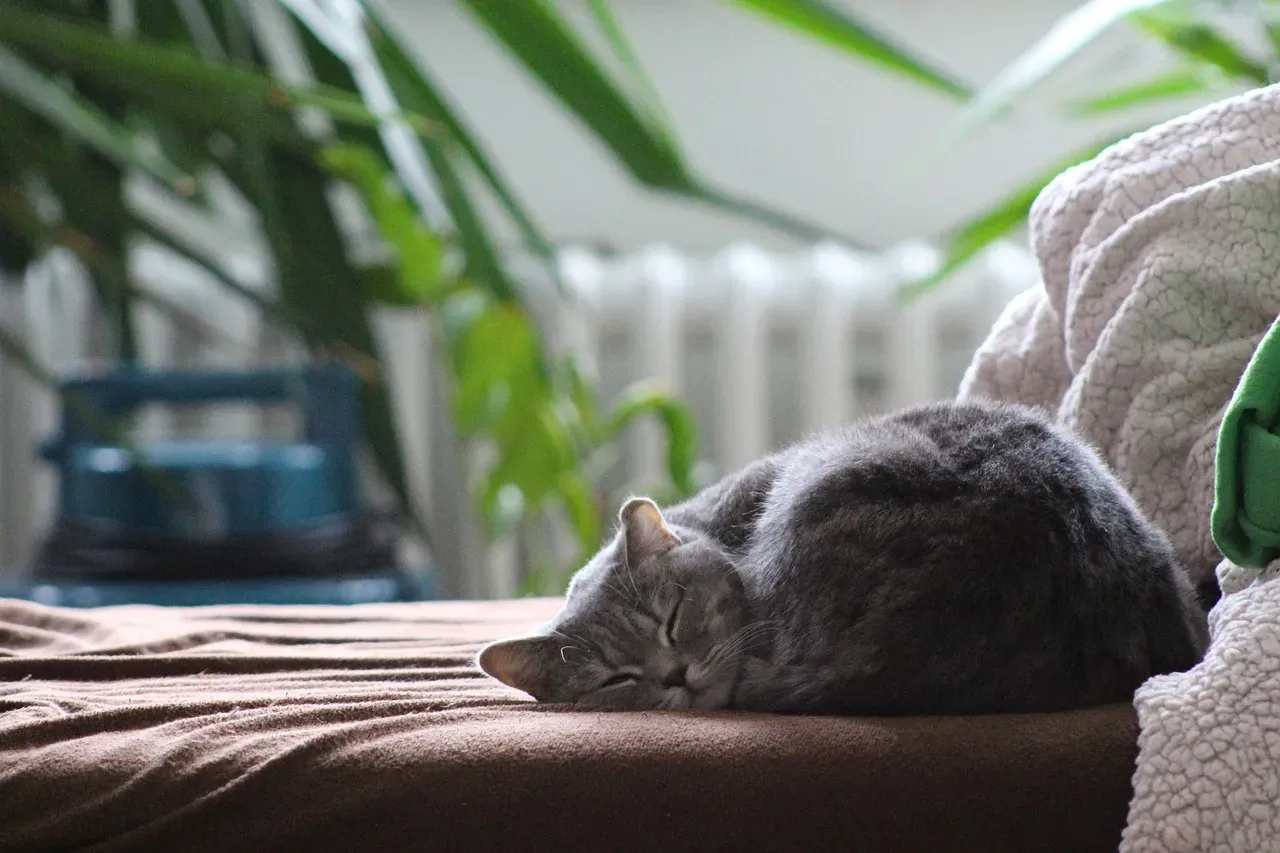
None of this requires starting over from scratch or turning your home into a climbing gym. Most of what your cat wants is surprisingly subtle: a high perch here, a patch of sunlight made accessible there, a corner that stays reliably theirs. Designing a cat-friendly living space doesn’t require sacrifices in style. With some thoughtful choices and modern designs, you can create a harmonious home where both you and your feline friend feel comfortable and utterly at home.
The deeper point is this: environment isn’t just backdrop – it is conversation. Your cat is responding to your space every single day, sending signals through where they sleep, what they scratch, and which corners they claim. Learning to read those signals is less about interior design and more about genuinely understanding who you share your home with. Meet a few of their needs thoughtfully, and that cardboard box in the corner suddenly has some real competition.
Kristina is a young writer from India. An arts graduate and an avid content creator, Kristina is passionate about animals and wildlife. She enjoys exploring topics related to pet care, animal behavior, conservation, and nature, combining thorough research with engaging storytelling.