Cats have a reputation for being mysterious, and honestly, they’ve earned it. Unlike dogs, who wear their emotions practically on their sleeves, cats communicate through a quieter, more layered language. One moment your cat seems indifferent, and the next she’s pressed against your leg like you’re the only thing that matters.
Feline affection isn’t always overt or constant. Instead, it’s often built around trust, safety, and selective social connection. Cats tend to show love through behaviors that signal comfort and familiarity rather than attention-seeking. Once you start decoding those signals, you’ll realize your cat has been telling you something meaningful all along.
The Slow Blink: Your Cat’s Version of “I Love You”
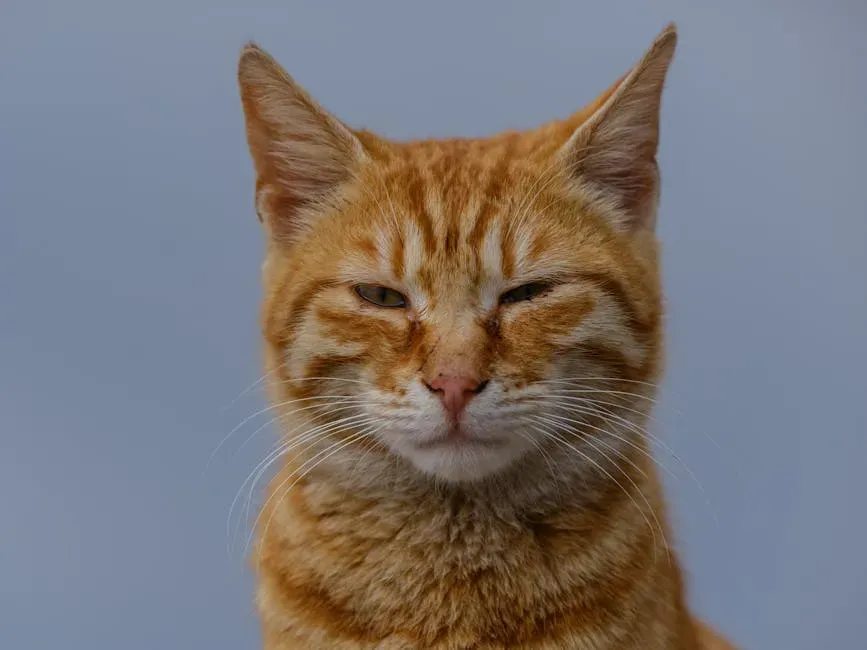
When your cat locks eyes with you and then slowly closes and reopens them, it’s easy to mistake it for drowsiness. It isn’t. The slow blink is one of the clearest signs your cat feels relaxed and safe around you. When a cat slowly closes and opens their eyes in your presence, it’s a signal of trust.
The science behind this is surprisingly solid. Research published in Scientific Reports examines the communicatory significance of the slow blink sequence. Slow blink sequences typically involve a series of half-blinks followed by either a prolonged eye narrowing or an eye closure. Cats showed half-blinks and eye narrowing more frequently in response to their owners’ slow blink stimuli than during neutral interactions. You can return the gesture yourself. One way to communicate love and trust to a cat is to say its name, get its attention, look it in the eyes and then slowly blink at it to emulate trust. They may return the gesture.
Kneading: The Biscuit-Making Ritual That Goes Back to Kittenhood
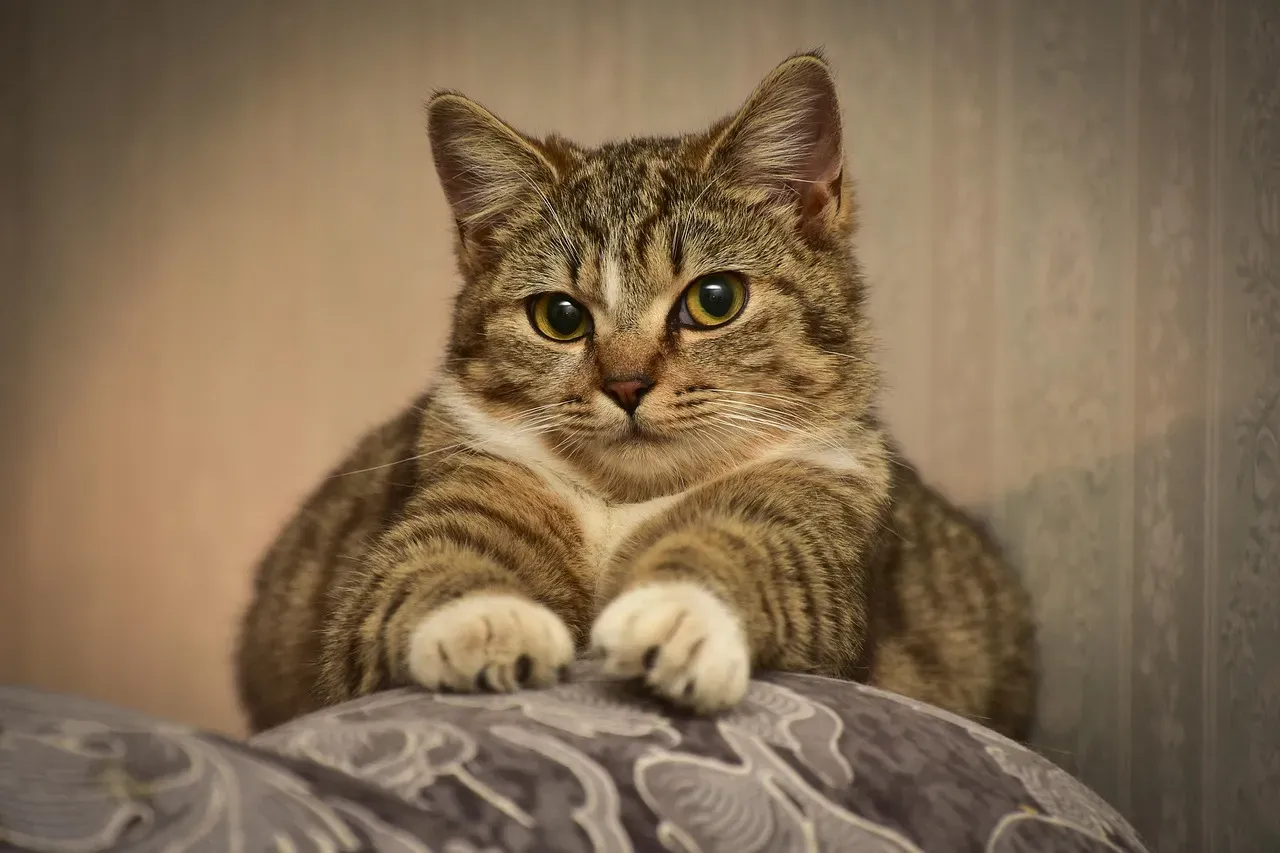
If your cat climbs into your lap and starts rhythmically pushing its paws into you like it’s making bread dough, you’re witnessing one of the most ancient comfort behaviors in the feline world. Kittens knead the breast while nursing, using the forelimbs in an alternating pattern to stimulate milk from the mother. Cats carry these infantile behaviors beyond nursing and into adulthood.
When your cat chooses you for kneading, it’s intentional. Your lap offers warmth, softness, and familiarity, all of which trigger positive emotional responses. Kneading you is a sign of trust and affection, not dominance or misbehavior. There’s also a subtle territorial layer to it. Kneading can be a subtle form of scent marking. Cats have scent glands in their paws, and kneading allows them to mark you as part of their territory. This is not ownership in a negative sense, but rather a declaration that you are part of their safe inner circle.
Head Bunting: Claiming You as Family
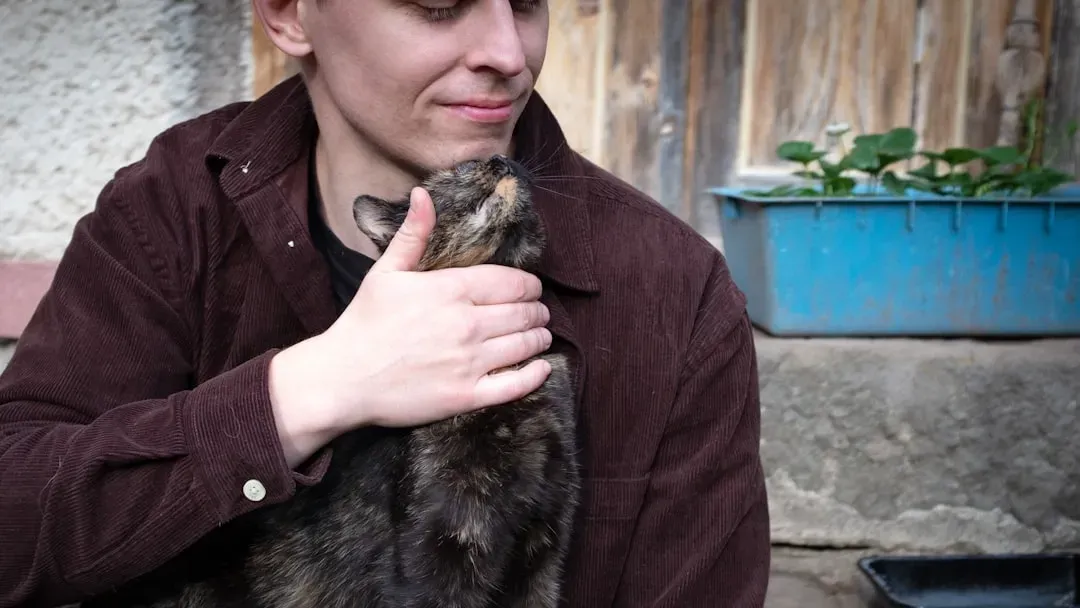
When your cat leans in and presses their forehead firmly against your chin, cheek, or hand, they’re doing something far more intentional than just being cute. Your cat may nudge their head, forehead, or cheeks against you. It’s not just a demand for attention. It’s a profound sign of affection called bunting. Cats have scent glands on their faces, and by rubbing against you, they are marking you with their pheromones. Essentially, they are claiming you as part of their family group.
When your cat greets you by gently bumping their head against your leg or rubbing their cheek on your hand, they’re displaying head bunting. This affectionate gesture is a way for cats to mark you as part of their territory while also spreading their scent, which contains pheromones. Head bunting is reserved for individuals that cats trust and consider part of their social group. Think of it as a feline handshake, except far warmer and significantly more meaningful.
Sleeping Near You: Vulnerability Offered Willingly
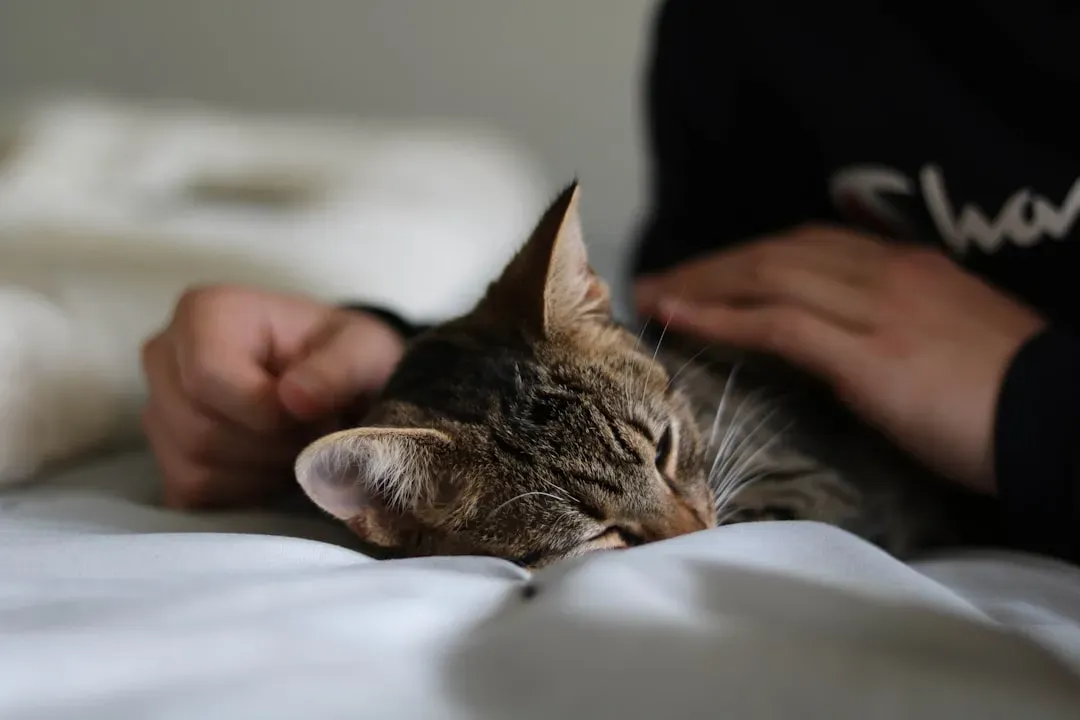
Cats are natural prey targets in the wild, and sleep is when they’re most exposed. So the fact that your cat chooses to doze off beside you, on you, or even just in the same room as you is not a small thing. It’s a big sign of trust if your cat wants to sleep with you because this is a time when cats are very vulnerable.
Sleep is a vulnerable state for cats. Choosing to nap next to you, or even in the same room, is a strong indicator of trust. Some cats may sleep at your feet or nearby rather than directly on you, but that close proximity still counts as a sign of love. You don’t need a cat sprawled across your face to know you’ve earned their trust. If they often sleep with their belly up, this means they feel secure and relaxed with you and are showing you their vulnerability.
Social Grooming: You’ve Been Accepted into the Colony
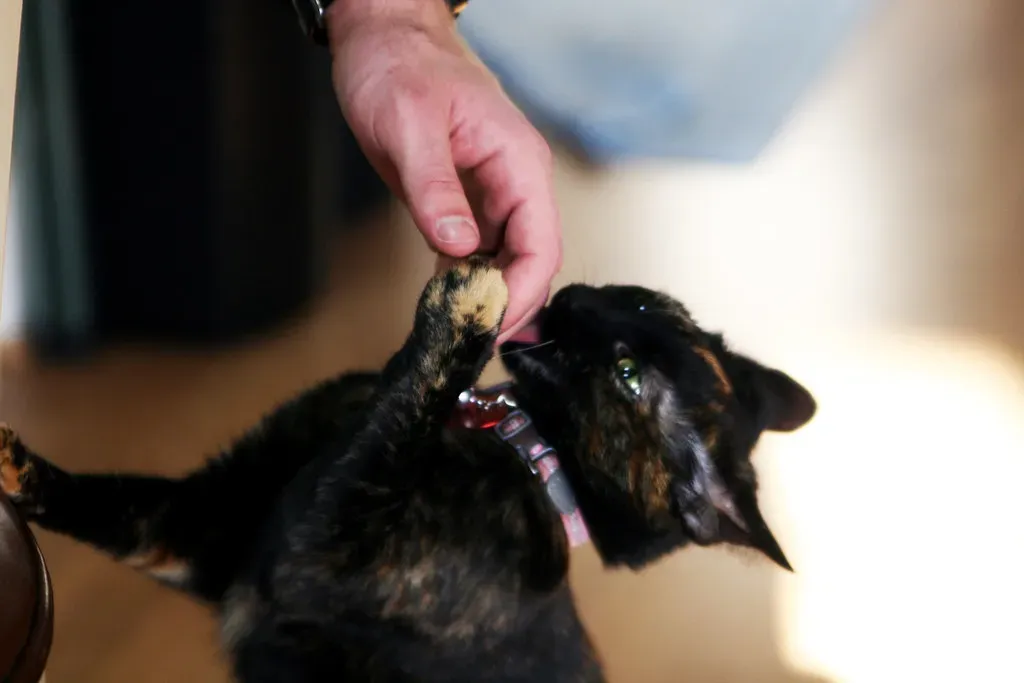
If your cat licks your hand, wrist, or even your hair, it might feel random or a little odd. In reality, it’s one of the most deliberate expressions of acceptance a cat can offer. Cats groom each other as a display of affection, and this behavior extends to humans when trust is built. Cats will often lick their people or allow them to brush them. Licking is similar to the grooming cats perform on their feline friends, allowing them to mark each other and build their bond.
When your cat licks your hand, hair, or even your clothing, they may be engaging in social grooming. In multi-cat households, grooming is a bonding behavior. When directed at a person, it’s often a sign your cat considers you part of their social group. It’s one of the quieter trust signals, and easy to overlook. Licking mimics grooming within a social group, a clear cat bonding behavior. It shows your cat views you as family, reinforcing trust and affection.
The Tail-Up Greeting: A Flag of Confidence and Warmth
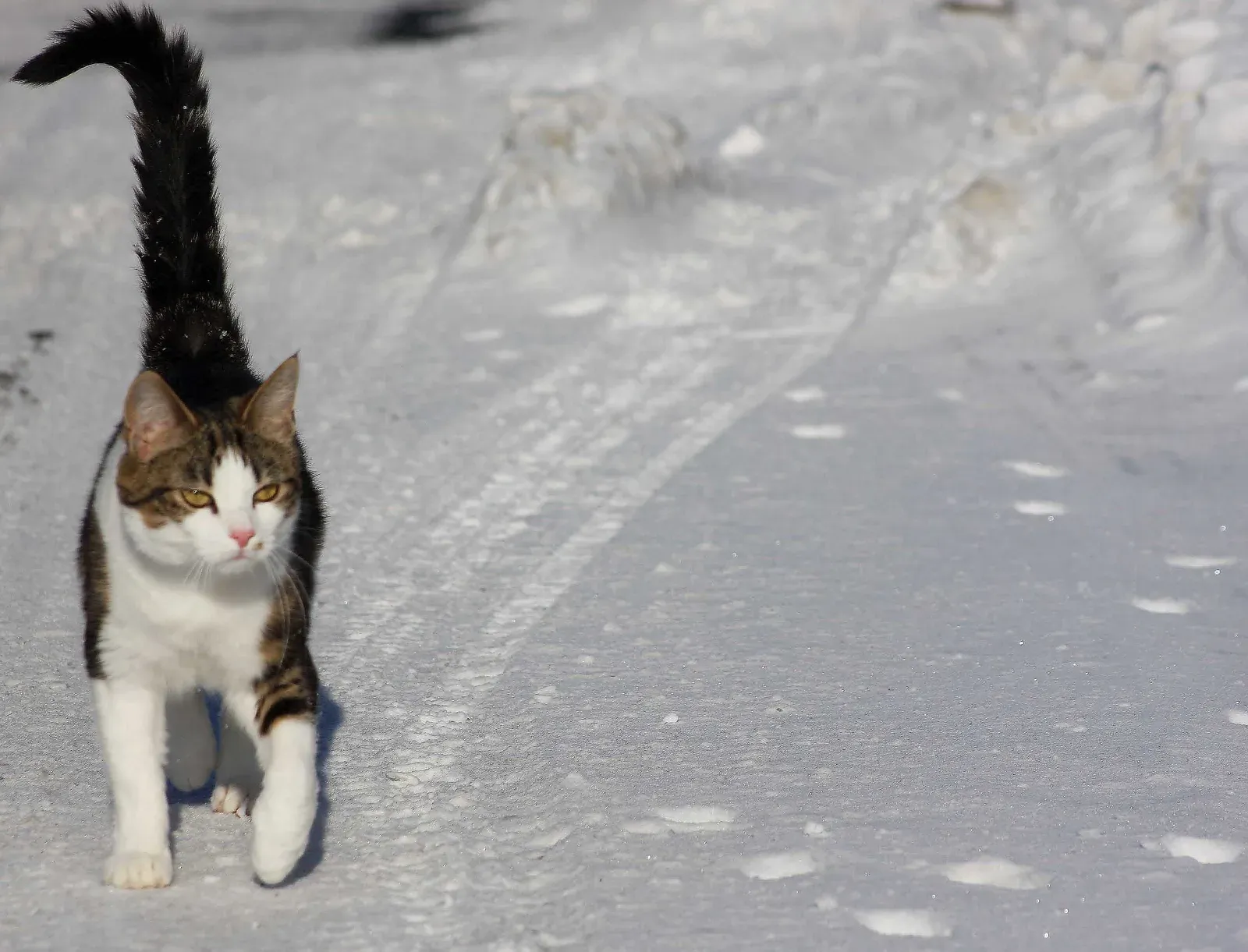
You’ve probably seen it. You walk through the door, and your cat trots over with their tail pointing straight up like a little antenna. It may look like quirky cat behavior, but it’s actually a very specific social signal. A cat’s tail can tell you a lot about its feelings. When a cat approaches you with its tail held high, often with a slight curve at the tip, it is a sign of happiness and friendliness. This behavior shows that the cat is comfortable and trusts you.
If your cat comes running to greet you when you come home, it’s a good sign that your cat trusts you. Cats are curious creatures and love to investigate when something new happens. A nervous or distrustful cat will watch from a distance or stay put. A nervous cat may watch from afar, but if your cat comes running to greet you when you come home, this is a good sign that your kitty trusts their human companions.
Bringing You “Gifts”: Sharing the Hunt With Someone You Trust
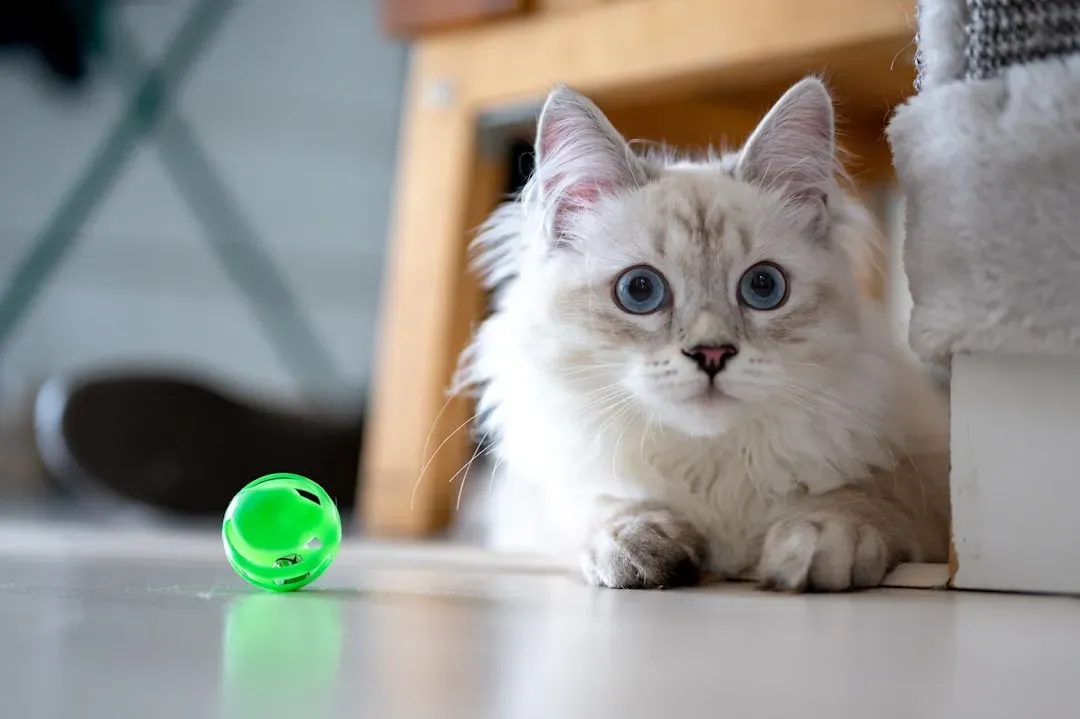
This one requires a certain amount of grace to appreciate. When your cat drops a toy, a sock, or something they found in the yard at your feet, your instinct may not be gratitude. However, from your cat’s perspective, this is a genuine offering. When your cat brings you “gifts” in the form of dead prey or toys, it’s actually a sign of their affection. This behavior stems from a cat’s instinct to provide for their social group. Cats view you as a member of their family and are essentially sharing their resources with you.
For cats, their prey represents triumph, survival, and their instinctual nature as wild hunters. Wild cats would catch food for their young, so your cat’s “gift” of their latest catch just means they consider you family. The key is how you respond. A cat that loves you may bring you gifts such as toys, leaves, or even insects. While unpopular, these gifts are a sign that they want to share their “prey” with you, viewing you as a member of their social group or family.
Conclusion
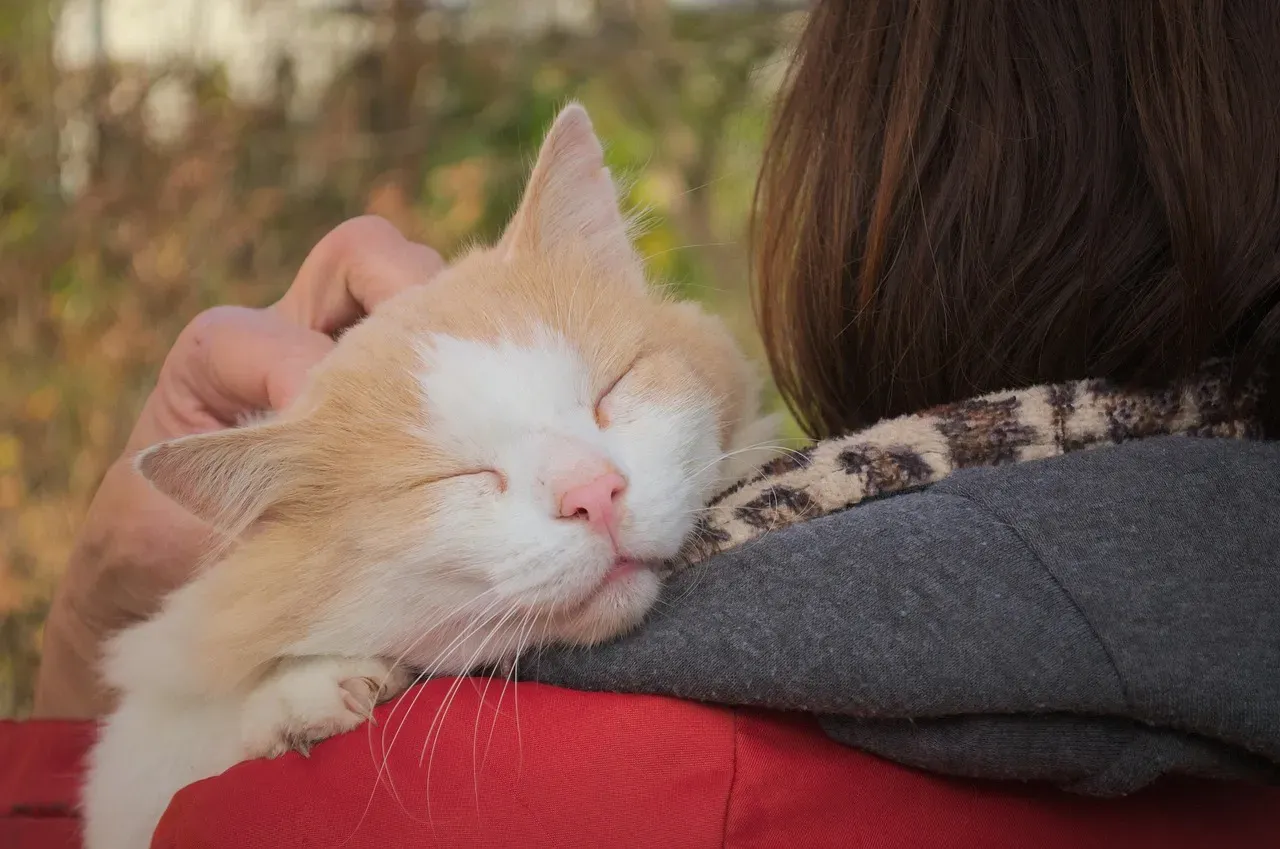
Cats don’t love loudly. They love carefully, selectively, and in their own precise language. The slow blink, the kneading, the head butt, the tail-up trot across the room – none of these are accidental. Understanding these behaviors can enhance the bond you share with your cat, allowing you to appreciate the unique ways cats express their love and trust. Each gesture is a testament to the deep and often misunderstood affection cats can offer.
Once you know what you’re looking at, you realize the relationship runs deeper than it appears. Cats form strong bonds with their humans just like dogs do. Cats show love differently than humans do, often expressing affection through subtle behaviors. The trust your cat places in you is real, it’s just spoken in a quieter dialect. Learn to listen for it, and you’ll never misread the silence again.
Kristina is a young writer from India. An arts graduate and an avid content creator, Kristina is passionate about animals and wildlife. She enjoys exploring topics related to pet care, animal behavior, conservation, and nature, combining thorough research with engaging storytelling.