Cats have a reputation for being low-maintenance pets. Feed them, give them a corner to sleep in, and they’ll take care of themselves. That idea is partly true, and it’s also how things quietly go wrong. The reality is that cats have specific needs around food, space, stress, health, and hygiene that are easy to overlook, especially when a cat’s calm exterior gives you no obvious warning signs.
Many of these mistakes are not made by people who don’t care about their cats. They’re made by dedicated owners who simply don’t realize they’re doing anything wrong, and some of those habits can have real long-term consequences on a cat’s health and happiness. Whether you’re welcoming your first kitten or you’ve had cats for years, these are the missteps worth paying close attention to.
Leaving Food Out All Day Instead of Feeding on a Schedule
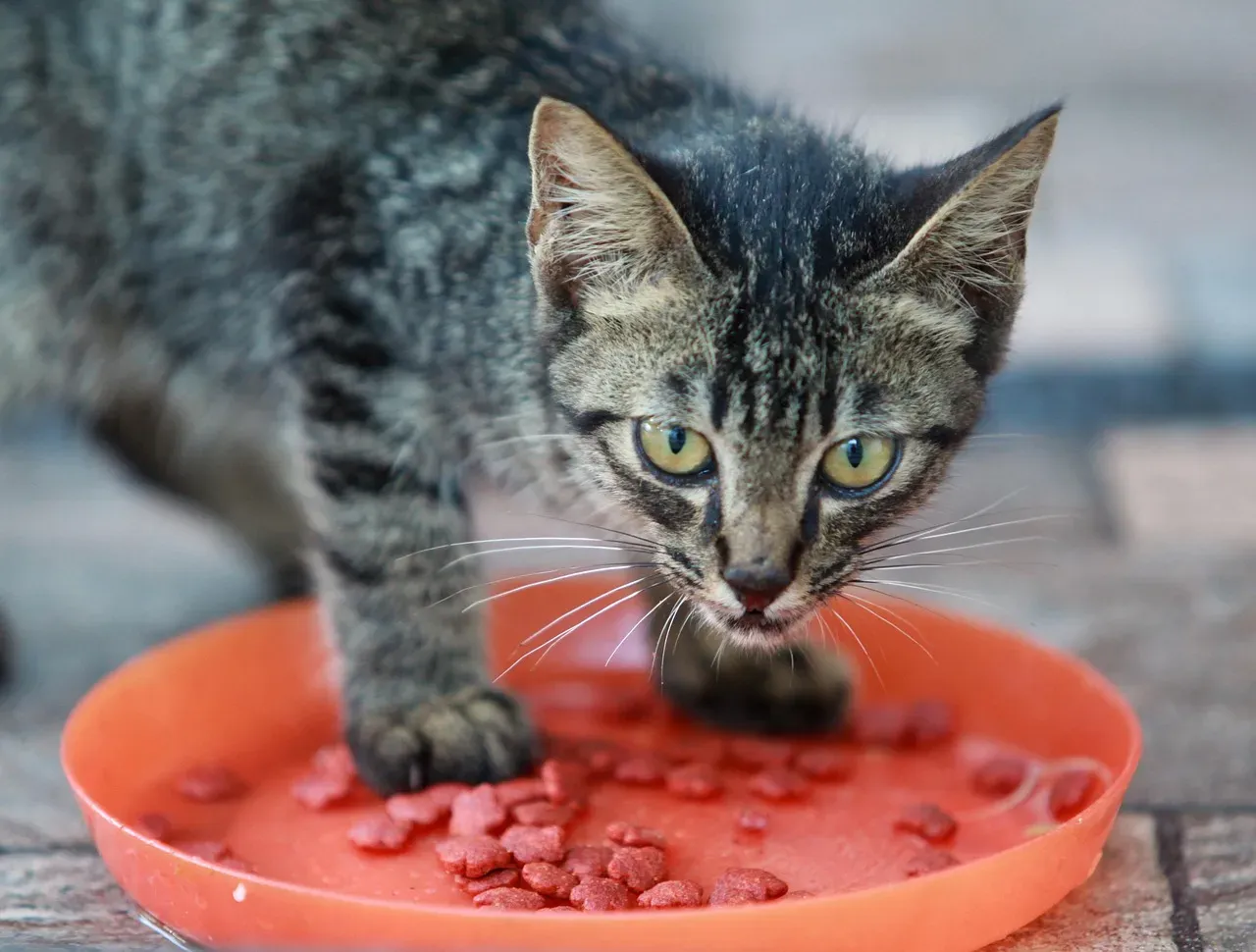
It seems harmless enough. You fill the bowl in the morning, your cat grazes throughout the day, and everyone’s happy. Free-feeding, which means leaving food available all day, often leads to overeating and weight gain, especially with indoor cats that burn fewer calories. Scheduled meals served two to three times per day give you better control over portions and make it easier to detect appetite changes early.
Topping off the bowl might seem harmless, but it could increase your pet’s risk of becoming overweight or obese. Diabetes, arthritis, gastrointestinal problems, liver disease, and other conditions are more likely to occur if your pet weighs too much. Weight creep in cats tends to happen slowly, which is exactly why so many owners miss it until it becomes a bigger problem.
Getting the Litter Box Setup Wrong
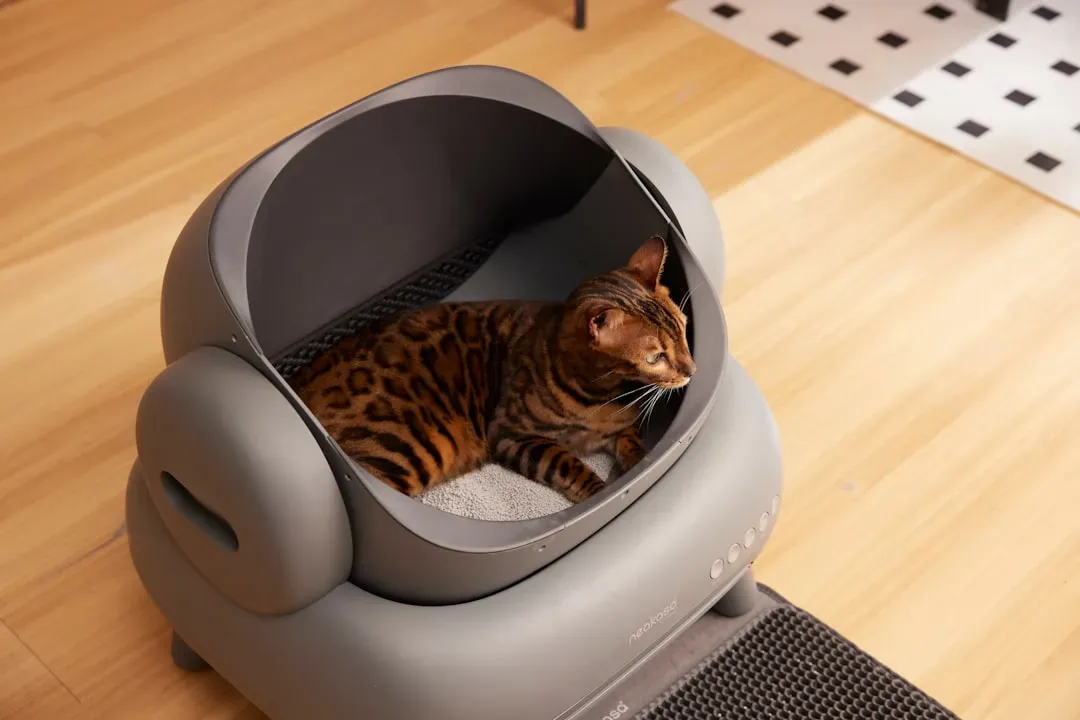
Skipping litter box maintenance is one of the most impactful mistakes you can make. A dirty or poorly placed litter box leads to elimination outside the box, which is the number one behavioral reason cats are surrendered to shelters. Daily scooping and proper placement prevent this issue entirely.
An open, standard-sized litter box is the safest starting point for a new cat. Covered boxes trap odors inside, which may deter a cat from using them consistently. The box should be at least one and a half times the length of the cat, giving enough room to dig, turn, and cover waste comfortably. You should also remember the general rule: one litter box per cat, plus one extra. This reduces territorial stress and gives your cat options if one box feels too exposed or dirty.
Using Scented Litter Because It Smells Better to You

Using the wrong type of litter is one of the most common reasons a cat stops using the litter box. Cats can be very particular about their litter, especially when it comes to scent and texture. Strongly scented litters are often designed for human preference, not for cats. Because cats have a highly sensitive sense of smell, perfumes and fragrances can be overwhelming and may cause them to avoid the litter box entirely.
Just like scented detergents, scented litter also throws cats off. While lavender and citrus-scented litters may appeal to your nose, they can be like olfactory assaults to cats. Unscented clumping litter is generally the better choice for your cats and kittens. The goal isn’t to create a litter box that smells pleasant to you. It’s to create one your cat will actually use.
Skipping or Delaying Veterinary Visits
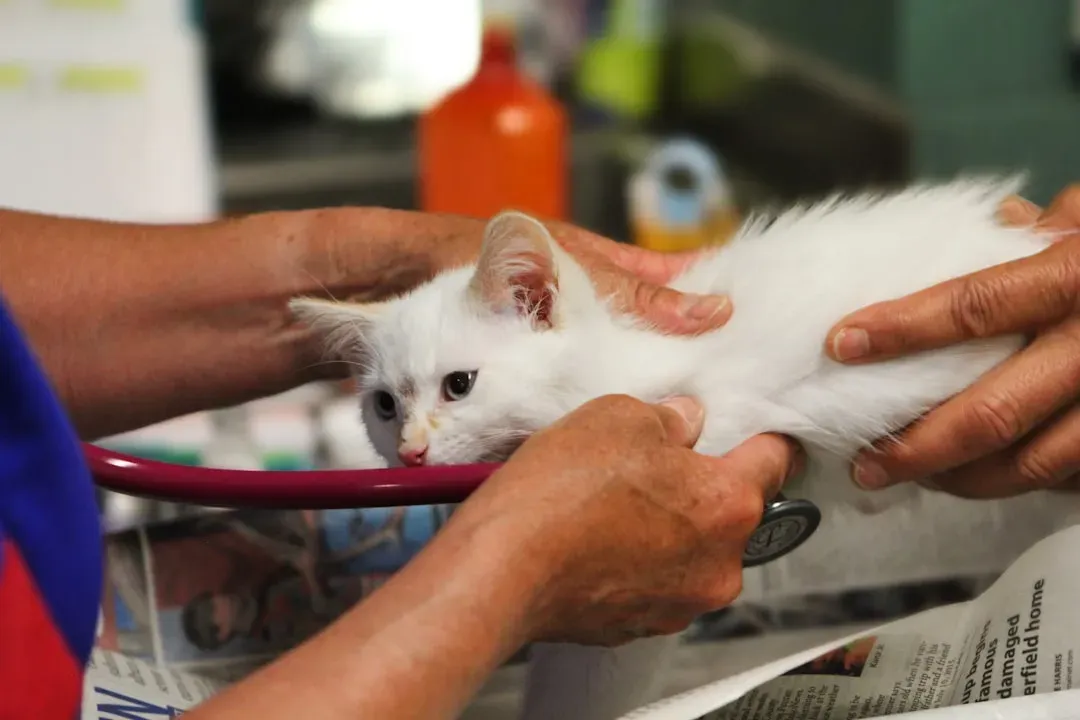
Cats age faster than humans, and even minor changes in their health can quickly escalate into bigger problems. Regular vet visits allow for vaccinations, parasite control, and general health screenings such as blood tests to detect hidden conditions like kidney disease or dental issues. Vet visits also provide an opportunity to discuss your cat’s diet, weight, and lifestyle, helping to adjust their care as needed.
Vets often identify problems during examinations that cat owners wouldn’t be able to find at home, and the earlier those problems are found, the more successfully they can be treated. You should schedule a vet appointment at least once a year for an adult cat and more frequently as they age. If your cat is showing signs of illness such as changes in eating habits, behavior, or litter box usage, don’t wait to get them checked out.
Ignoring Your Cat’s Dental Health Entirely
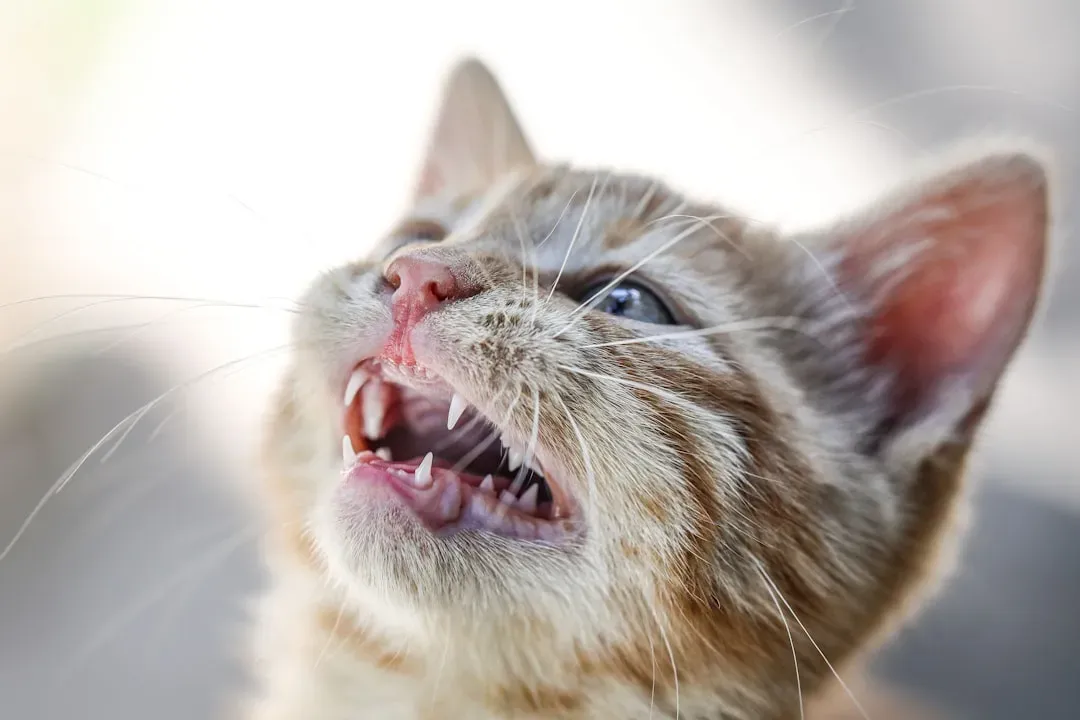
It is reported that between roughly half and the vast majority of cats over four years old have some form of dental disease. Most commonly, it appears as gingivitis, tooth resorption, and periodontal disease. That’s a staggering number, and it points to how routinely dental care gets overlooked. Many pet parents don’t notice feline dental problems until they see bad breath or tooth loss. Just like humans, cats can suffer from plaque buildup, gum inflammation, and oral pain if their teeth aren’t cared for regularly.
Gum infections can spread via the blood and cause destruction of vital organs such as the kidneys, heart, and liver. By brushing your cat’s teeth, you’re also taking care of their whole body. Brushing is the best way to control plaque on your cat’s teeth. Cats tend to accept brushing more readily if it’s started when they’re young, but it’s never too late to start an oral hygiene routine. Older cats can often handle brushing if you start the process gradually and use a pet toothbrush or a finger brush.
Underestimating How Much Mental Stimulation Indoor Cats Actually Need
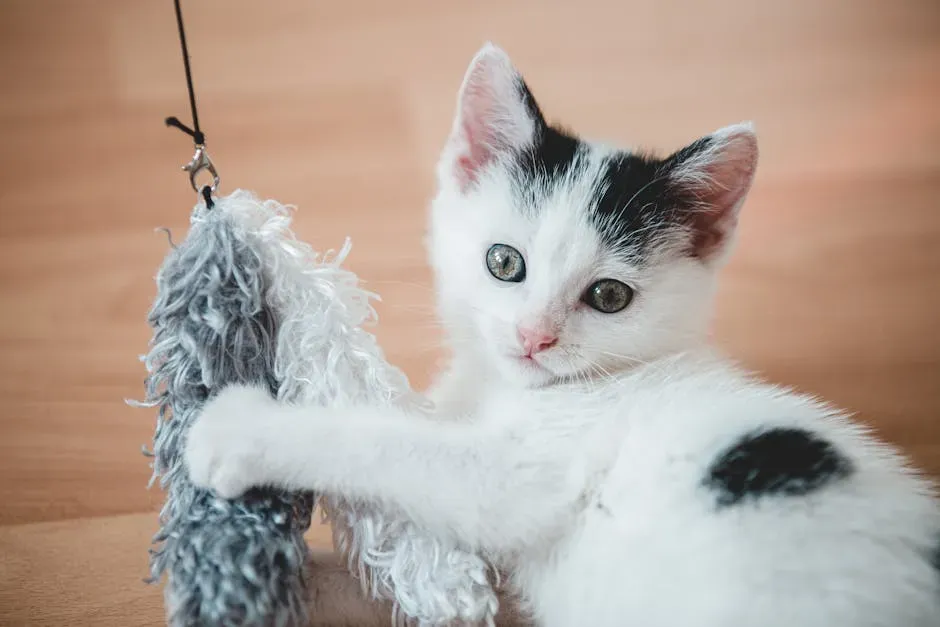
Indoor cats enjoy a safer life than their outdoor counterparts, protected from cars, predators, harsh weather, and disease. But this safety comes with a hidden cost: a lack of environmental variety. Without the ever-changing sights, smells, and sounds of the outside world, indoor cats can experience chronic boredom and under-stimulation.
This mental stagnation can lead to boredom, stress, and even destructive behavior. Without regular opportunities to think, play, and problem-solve, indoor cats may become lethargic, anxious, or exhibit signs of frustration like overgrooming or furniture scratching. A bored cat is not a healthy cat. Cats will get bored with a toy after a while, so it’s important to provide only a few toys at a time on a rotating basis to keep your cat’s interest. Social activities with humans can be the single most effective way to enrich your indoor cat’s environment.
Not Paying Attention to Your Cat’s Water Intake
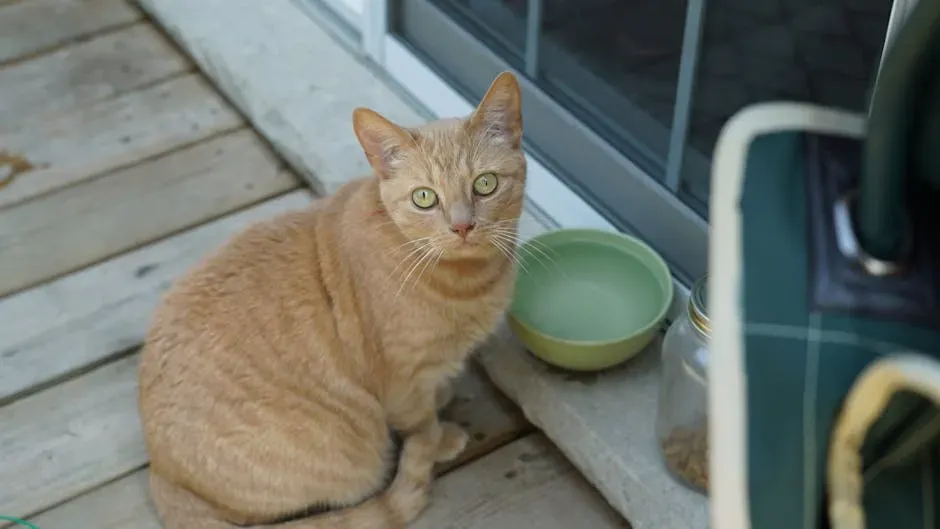
Hydration is important for all pets. Many cats drink too little, because their brains are not wired the same way as dogs, who often drink a large amount at one time. Chronic, low-level dehydration in cats can contribute to the development or worsening of several health conditions, including bladder inflammation, bladder stones, and constipation.
You can prompt your cat to increase their water intake by always having fresh water available in places they can easily access. Some cats increase their intake when provided with water fountains, though individual preferences vary. Feeding wet food and adding water to food is another good way to increase water intake. Canned foods contain significantly more moisture than dry food diets, and switching to canned food is the simplest way to ensure higher fluid intake. However, changing a cat’s diet requires patience, because cats who have never eaten canned food are unlikely to accept the new texture right away.
Skipping Identification Because Your Cat Lives Indoors
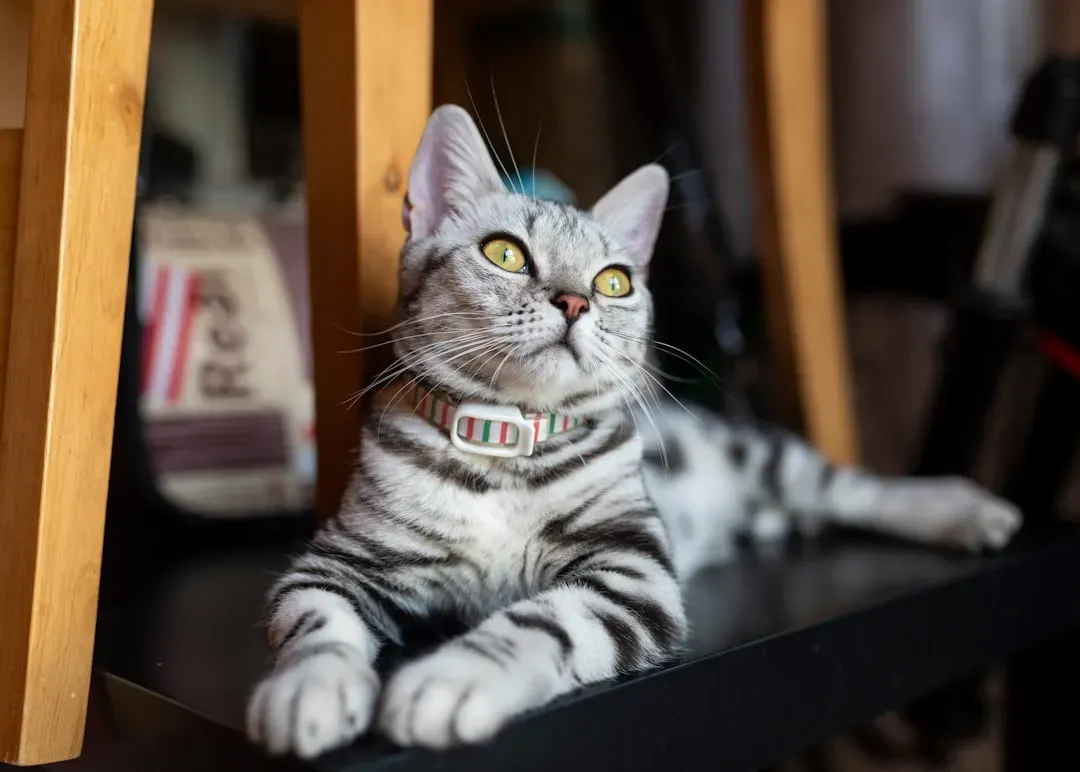
Whether your cat lives solely indoors or goes outside occasionally, identification is a must. Unfortunately, it only takes a few seconds for your cat to slip through an open door and vanish. You’re much more likely to be reunited with a lost pet if it’s microchipped or wearing a collar with an ID tag.
It is still common for indoor cats to get lost if they find their way outside, especially because they are not as streetwise as outdoor cats. They are also more likely to become spooked by environmental factors and struggle to find their way home. It’s easy to forget to update your cat’s ID when you move or change your phone number. But in the worst-case scenario, that simple task could be the difference between being reunited with your cat or not.
Conclusion
Most cat care mistakes don’t come from neglect. They come from assumptions: that cats are self-sufficient, that indoor life keeps them safe from everything, that a calm demeanor means nothing is wrong. Cats are adaptable, but they thrive on routine and consistency. The effort you put into the first few weeks shapes the relationship for years to come. Start with these basics, adjust as you learn your cat’s personality, and you’ll avoid the setbacks that catch most owners off guard.
The good news is that none of these mistakes are permanent. Once you know what to look for, they’re all fixable. A scheduled feeding routine, a properly placed litter box, a regular vet visit, and a few minutes of daily play can transform both a cat’s quality of life and the bond you share. Cats don’t ask for much, but what they do need, they genuinely need.
Kristina is a young writer from India. An arts graduate and an avid content creator, Kristina is passionate about animals and wildlife. She enjoys exploring topics related to pet care, animal behavior, conservation, and nature, combining thorough research with engaging storytelling.