Most people who share their home with a cat will tell you the relationship is deeply satisfying. The morning ritual of a slow blink from across the room, the weight of a warm body curled against your legs, the steady hum of a purr during a rough afternoon. These moments feel meaningful for personal reasons. What’s less commonly known is that science has been quietly building a case for decades, suggesting those feelings are backed by measurable changes in your body and brain.
Scientists have studied the feline-human bond and found that, while cats may not always be good for your furniture, they likely contribute to both physical and mental health. Some of the benefits are subtle and accumulate over years. Others show up in just ten minutes. Here are twelve of the most compelling, and least talked about, ways your cat is quietly working in your favor.
Your Stress Response Actually Changes

You probably notice that you feel calmer around your cat. What you may not realize is that this isn’t just psychological. Interacting with animals has been shown to decrease levels of cortisol, a stress-related hormone, and lower blood pressure. These are measurable shifts in your physiology, not just your mood.
Before stressful tasks begin, cat owners have a lower resting heart rate and blood pressure than people who don’t own pets. During those tasks, cat owners are more likely to feel challenged than threatened, their heart rate and blood pressure stay lower, they make fewer errors, and they recover faster physiologically. That kind of resilience, built into everyday home life, is worth paying attention to.
A Few Minutes of Petting Lowers Cortisol
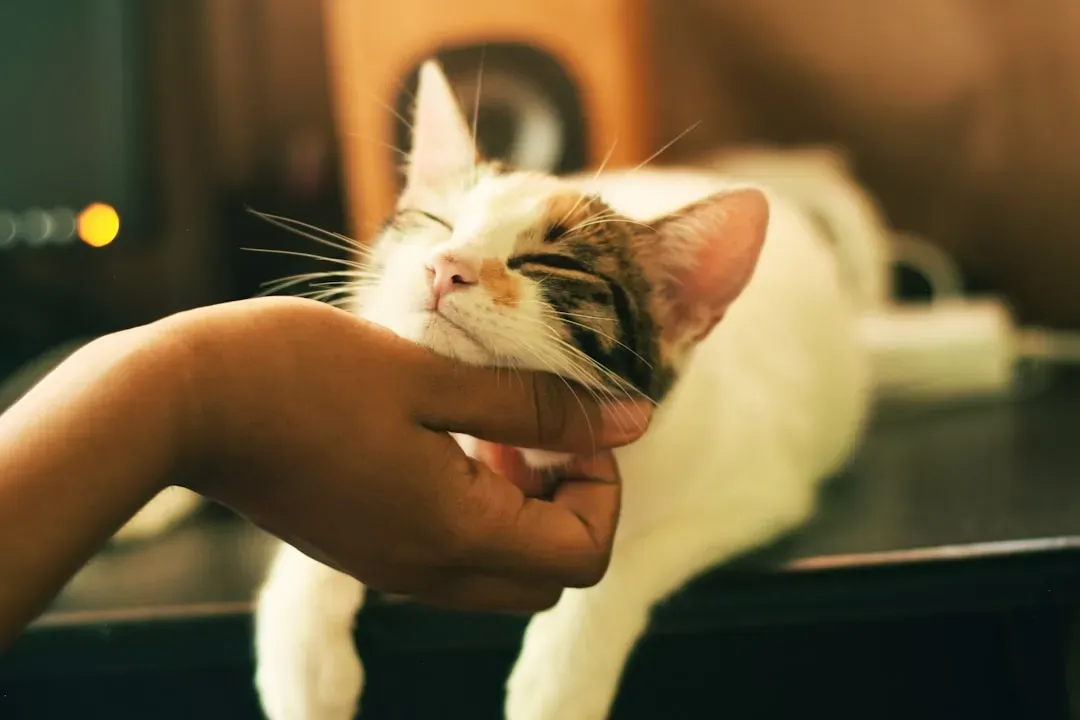
In a study, college students who spent as little as ten minutes per day petting a cat experienced decreased levels of cortisol, the hormone associated with stress. The effect is fast, accessible, and requires nothing more than your cat’s willingness to be nearby.
Interacting with cats triggers the release of hormones in humans such as serotonin, dopamine, and oxytocin. These are often associated with positive feelings. Oxytocin in particular has been recognized for its role in bonding and stress relief, as well as its physiological effects such as decreased heart rate and slowed breathing. So that ten-minute lap session is doing considerably more than passing the time.
Your Purring Cat May Be Supporting Your Bones
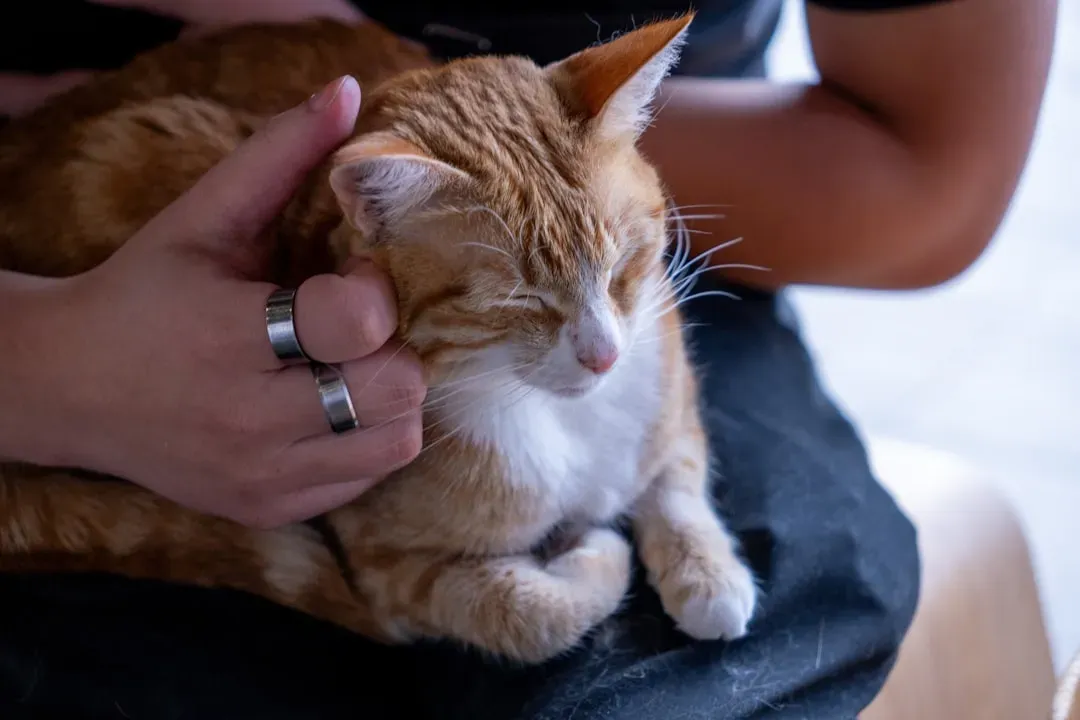
Research suggests that a cat’s purr, vibrating at 25 to 50 Hz, may promote bone healing and density. That frequency range is not coincidental. Specific frequencies within that range have been found to correspond directly to medical healing rates, with 25 to 50 Hz considered optimal for strengthening bone and promoting bone density.
The proximity of a purring cat provides more than just emotional comfort. The vibrations are physically transferred to the human body. Because human bone and tissue respond to the same frequency ranges as feline tissue, the presence of a purring cat can offer documented health benefits, including potential assistance in the stabilization of bone fractures and possible help in preventing osteoporosis. It’s one of the more quietly remarkable things happening in your living room.
Cat Ownership Is Linked to a Healthier Heart
Cat ownership can reduce the risk of cardiovascular disease, improve heart health, and reduce stress. These aren’t minor claims, and they come from research specifically examining feline companionship rather than pet ownership in general.
According to a study published in the Journal of Vascular and Interventional Neurology, cat owners have roughly forty percent lower risk of having a heart attack than people who don’t own cats. Researchers also found that previous cat owners still saw a reduced risk of cardiovascular disease over those who had never had cats. The benefit appears to linger even after the cat is gone.
Your Brain Stays Sharper for Longer
Owning a dog or cat isn’t just enjoyable. It might also help keep your brain sharp as you age, according to a study published in Scientific Reports. Cat owners, specifically, experienced a slower decline in verbal fluency, which is the ability to easily and rapidly produce words.
Researchers examined 18 years of data from more than 16,000 people aged 50 and older, assessing the link between pet ownership and cognitive decline and looking for distinctions between people who had dogs, cats, birds, and fish. The fact that cats showed a distinct cognitive benefit, separate from other pets, makes the finding particularly interesting for anyone already sharing their home with one.
Your Mood Gets a Measurable Lift
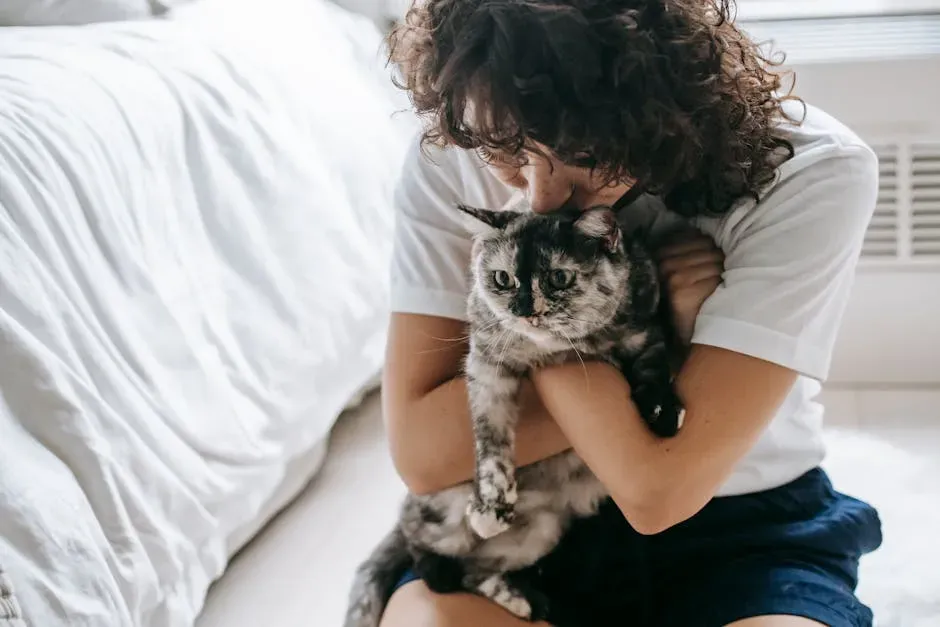
According to one Australian study, cat owners have better psychological health than people without pets. On questionnaires, they report feeling more happy, more confident, and less nervous, and claim to sleep, focus, and face problems in their lives better. Those are broad quality-of-life improvements that touch nearly every waking hour.
Cat ownership is associated with lower levels of depressive symptoms and improved mood. Cat owners have also been found to laugh more frequently and spontaneously than non-owners, particularly in response to something their cat has done. Laughter is its own kind of medicine, and it turns out cats are reliably good at prompting it.
Loneliness Has a Quieter Grip on You
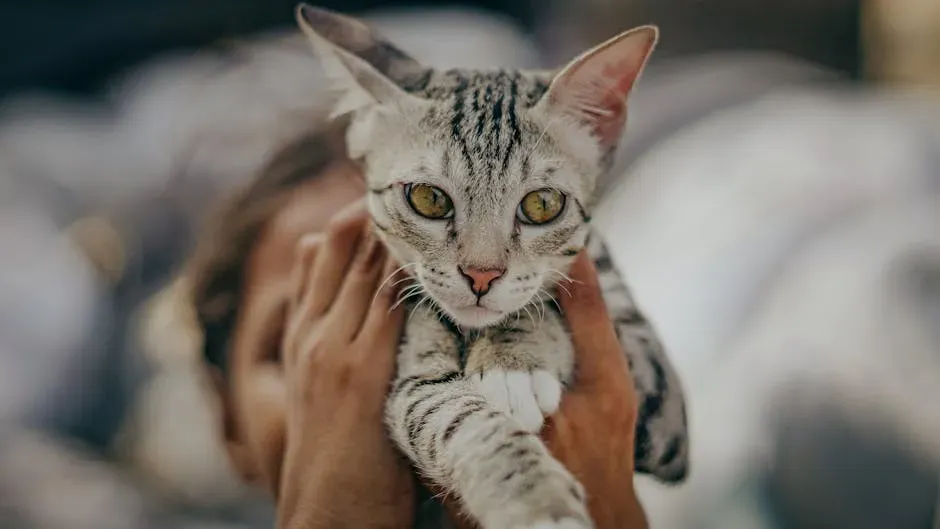
A cat can help reduce feelings of loneliness while also providing the stability of a routine. Having someone else to take care of can give your life a sense of focus and meaning, even in the smallest ways. This is particularly true for people living alone, where the absence of another living presence can accumulate silently over time.
A boost in social health through companionship may contribute to improved physical and mental health overall. People experiencing loneliness or social isolation are more likely to develop heart disease, dementia, and depression. A cat doesn’t replace human connection, but it does fill some of the spaces where loneliness tends to settle in.
Children in Cat Homes May Build Stronger Immunity

The main explanation regarding the prevention of allergy in children exposed to cats in their first years of life is that early exposure to a sufficient quantity of allergens may train the immune system not to react allergically to those animals and become tolerant. This is sometimes called “trained immunity,” and the early window matters significantly.
In a study of lifetime dog and cat exposure and sensitization, teenagers who lived with a cat during the first year of their life had a notably lower risk of cat allergy than their peers. Children exposed to pets during the first year of life had a lower frequency of allergic rhinitis at ages seven to nine and of asthma at ages twelve to thirteen. Pet exposure during the first year of life was associated with a lower prevalence of both allergic rhinitis and asthma in school children. These are findings worth knowing about, especially for new parents.
Your Cat’s Purr Can Reduce Pain and Inflammation
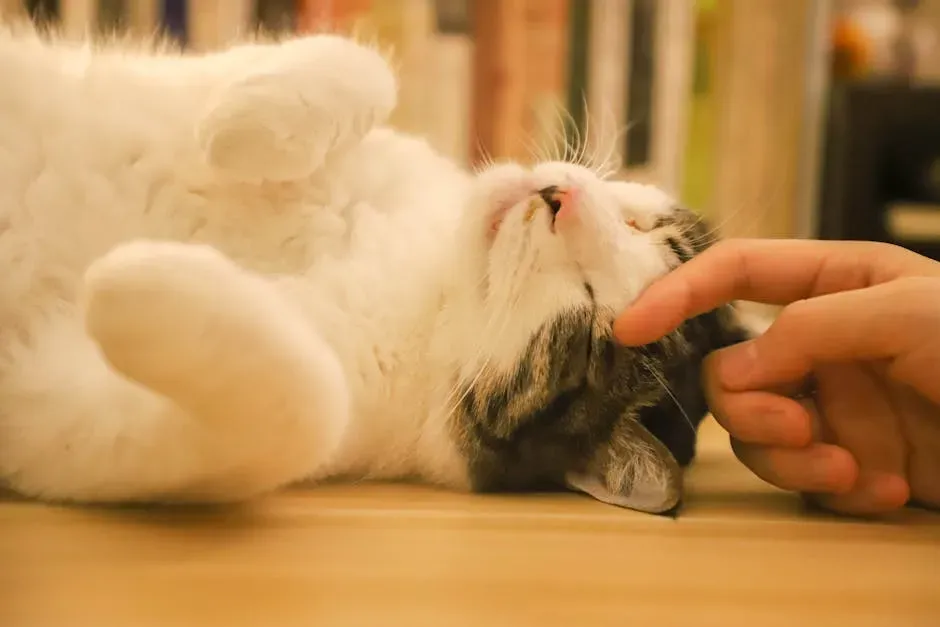
Studies indicate that vibration within the frequencies of a cat’s purr can reduce chronic pain in humans, particularly in cases of lower back pain and fibromyalgia. These vibrations have also been shown to promote the regeneration of bone cells and increase bone density, making them valuable for treating bone fractures and joint issues.
A cat’s purr at a frequency of 18 to 35 hertz may support tendon repair and joint mobility. At 25 to 50 hertz, purring promotes the healing of injured muscles and tendons. At 100 hertz, purring can reduce pain, increase recovery time after surgery, and ease breathing in patients with chronic respiratory disease. It’s a natural, low-frequency therapy that you can access simply by keeping your cat close.
You May Sleep Better With a Cat in Your Home
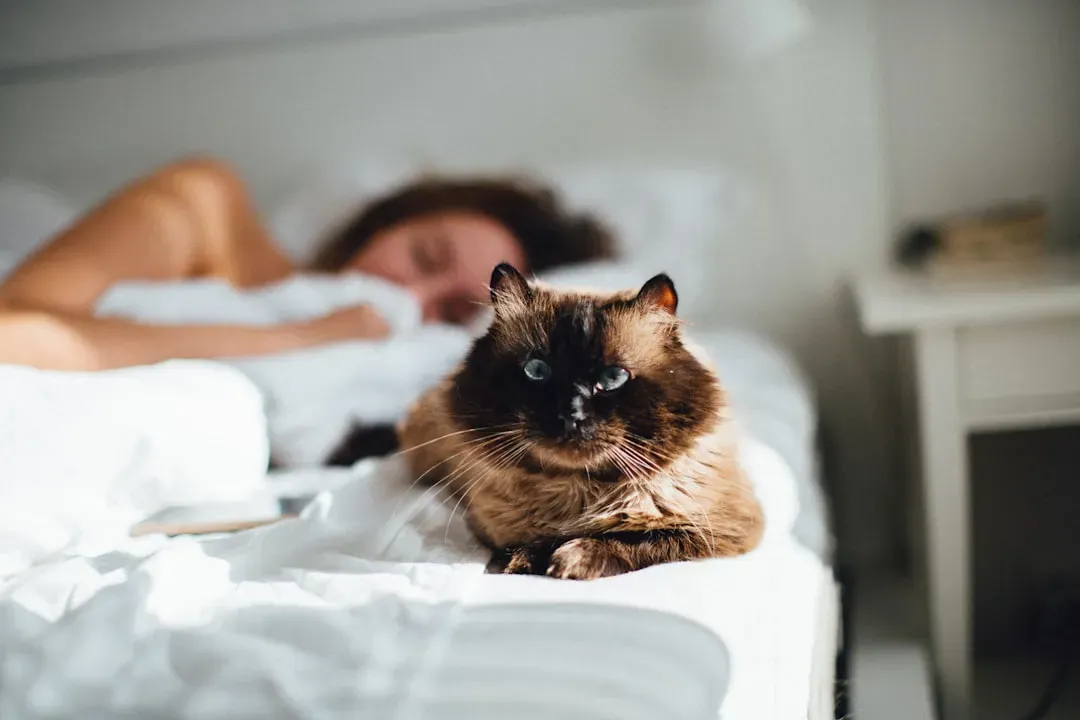
Cat owners report better psychological health than people without pets. On questionnaires, they claim to feel more happy, more confident, and less nervous, and to sleep, focus, and face problems in their lives better. Sleep quality is closely tied to anxiety levels, and the calming effect cats provide consistently shows up in self-reported data.
The repetitive sound of a cat’s purring has a calming, meditative quality that can reduce anxiety and promote mindfulness. Petting a cat or simply spending time with them often triggers the body’s relaxation response, helping people feel more grounded and at ease. For anyone who lies awake with a racing mind at night, a warm, purring companion nearby can shift that dynamic in a surprisingly practical way.
Cat Ownership Supports Children’s Quality of Life

Adopting a cat could be good for your kids too. In a survey of more than 2,200 young Scots aged eleven to fifteen, kids who had a strong bond with their cats had a higher quality of life. The more attached they were, the more they felt fit, energetic, and attentive and less sad and lonely, and the more they enjoyed their time alone, at leisure, and at school.
The perks of having a feline companion can start in early childhood and last into old age. Across all ages, the emotional benefits are similar. The stronger the bond kids have with their cats, the more they feel attentive and less sad. This resembles findings for adults and seniors. It’s a through-line of wellbeing that runs across generations within a household.
Your Cat Makes You More Socially Attuned
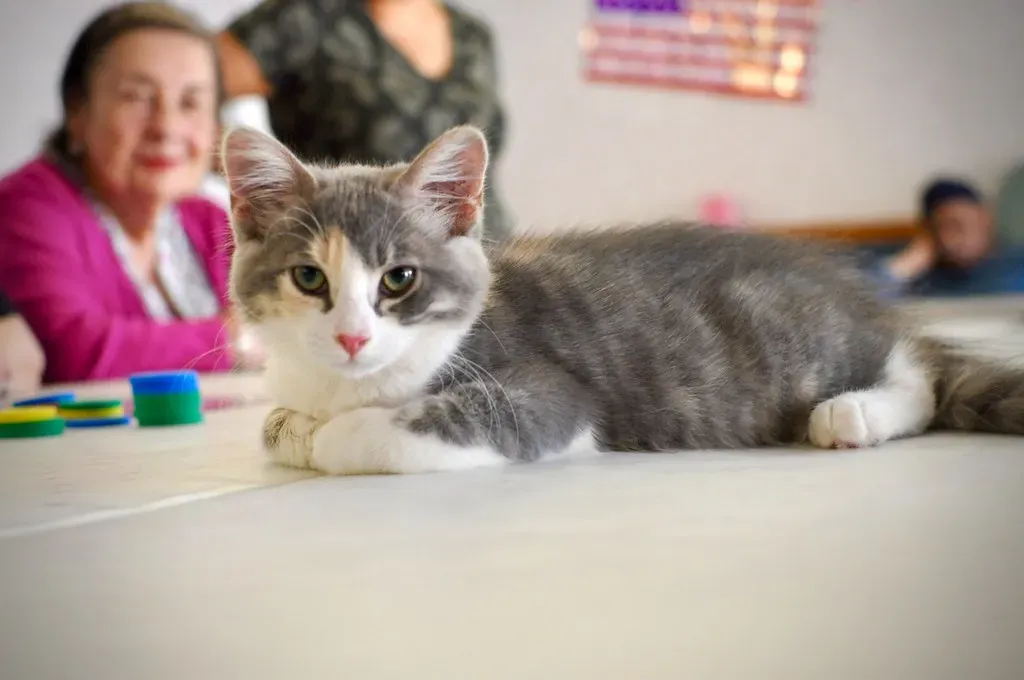
Research has found that cat owners are more socially sensitive, trust other people more, and like other people more than people who don’t own pets. The daily experience of reading a cat’s subtle cues and responding to an independent creature with its own moods may quietly train your capacity for empathy and social attentiveness.
Cross-species bonding may benefit your human-to-human relationships. For cat lovers, their cat can be part of their social network, and when someone, whether human or animal, makes you feel good and connected, it builds up your capacity for kindness and generosity toward others. Your cat, in other words, may not just be making you healthier. They may be making you a better neighbor, friend, and companion too.
Conclusion
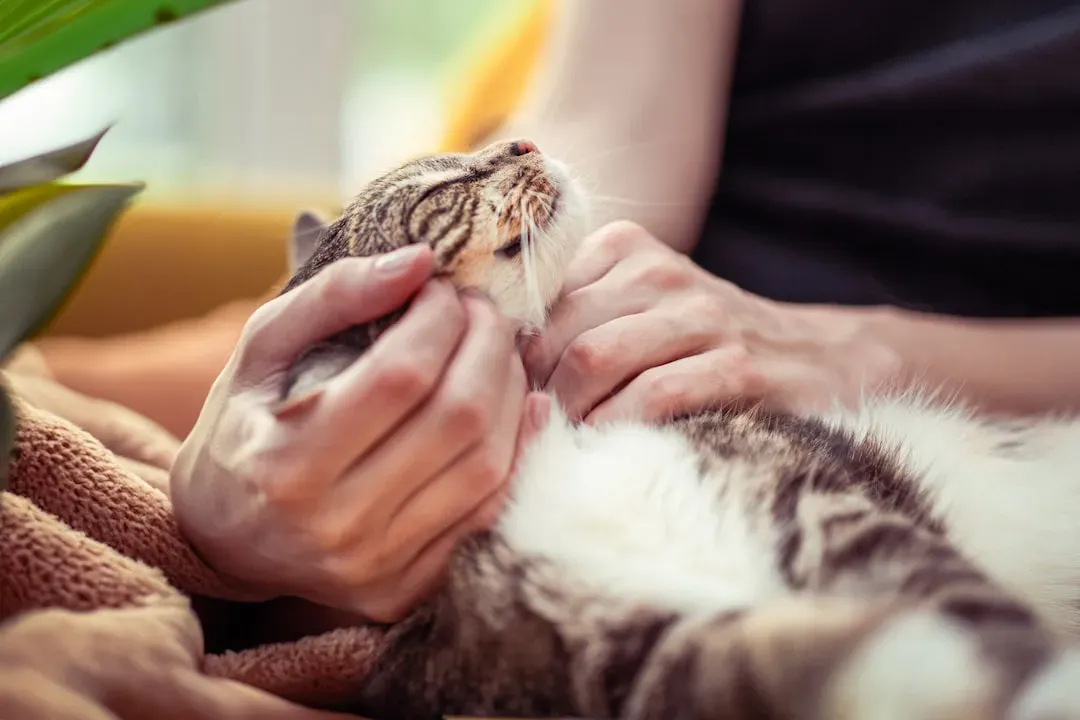
The health case for cat ownership is more layered than most people expect. It’s not just about warmth or companionship, though those things matter. It’s about lower cortisol, steadier hearts, sharper aging minds, stronger immune responses in children, and bones that may quietly benefit from the vibrations of a purr.
None of this means every person should rush out and adopt a cat, since circumstances, allergies, and individual factors all play a role. What it does mean is that if a cat already lives in your home, it’s worth recognizing the quiet, daily exchange taking place. A 2024 study confirmed that people who have a pet, whether a dog or a cat, are generally much happier than those without. Happiness, as it turns out, is just the beginning of what they bring through the door.
Kristina is a young writer from India. An arts graduate and an avid content creator, Kristina is passionate about animals and wildlife. She enjoys exploring topics related to pet care, animal behavior, conservation, and nature, combining thorough research with engaging storytelling.