Most people assume drinking water is a simple act. You’re thirsty, you drink. Yet if you’ve ever watched your cat at the water bowl, you’ve probably sensed there’s something more deliberate, even calculated, going on. The pausing. The pawing. The inexplicable preference for the bathroom faucet over the perfectly clean bowl you just filled.
It turns out your cat isn’t being dramatic. Their relationship with water is shaped by millions of years of evolution, some surprisingly elegant physics, and a sensory system far more refined than most owners realize. Understanding how cats actually hydrate changes how you should think about keeping them healthy.
The Tongue Trick That Defies Gravity
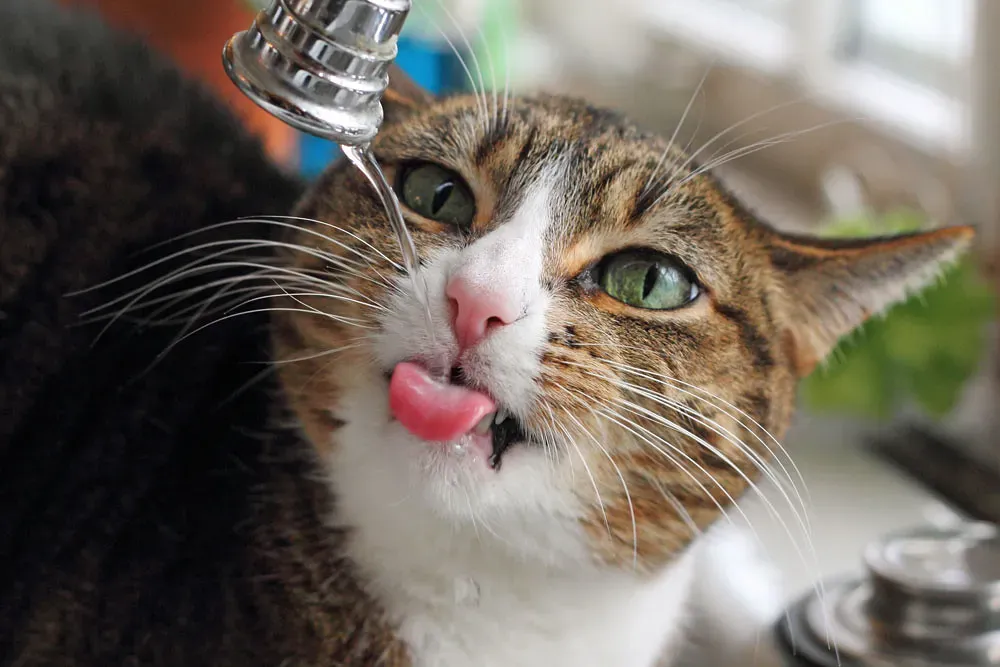
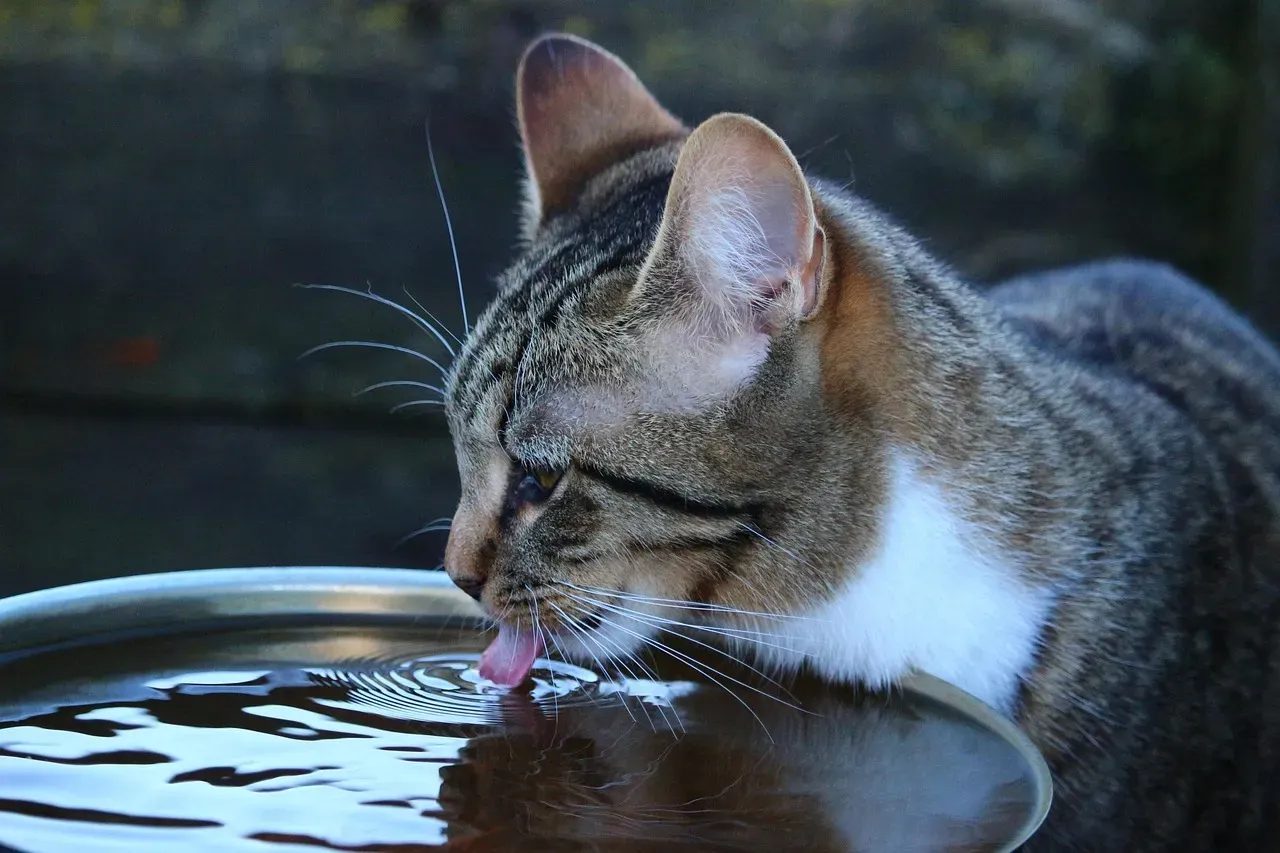
When you watch a cat drink in real time, it looks like a casual lap at the water surface. What’s actually happening is far more precise. Cats, unlike dogs, don’t dip their tongues into the liquid like ladles. The lapping mechanism is far more subtle and elegant. The smooth tip of the tongue barely touches the surface of the liquid before the cat draws its tongue back up. As it does so, a column of liquid forms between the moving tongue and the liquid’s surface.
The cat draws its tongue back up so rapidly that for a fraction of a second, inertia overcomes gravity, which is pulling the liquid back down toward the bowl. The cat instinctively knows just when this delicate balance will change, and it closes its mouth in the instant before gravity overtakes inertia. Every single sip is a tiny, perfectly timed act of physics. Another surprising discovery is the rapid speed at which a cat’s tongue moves, nearly one meter per second. This implies that the surface tension of the liquid plays no role in the lapping, which is instead dominated by inertial forces and gravity.
Lapping at the Speed of Science
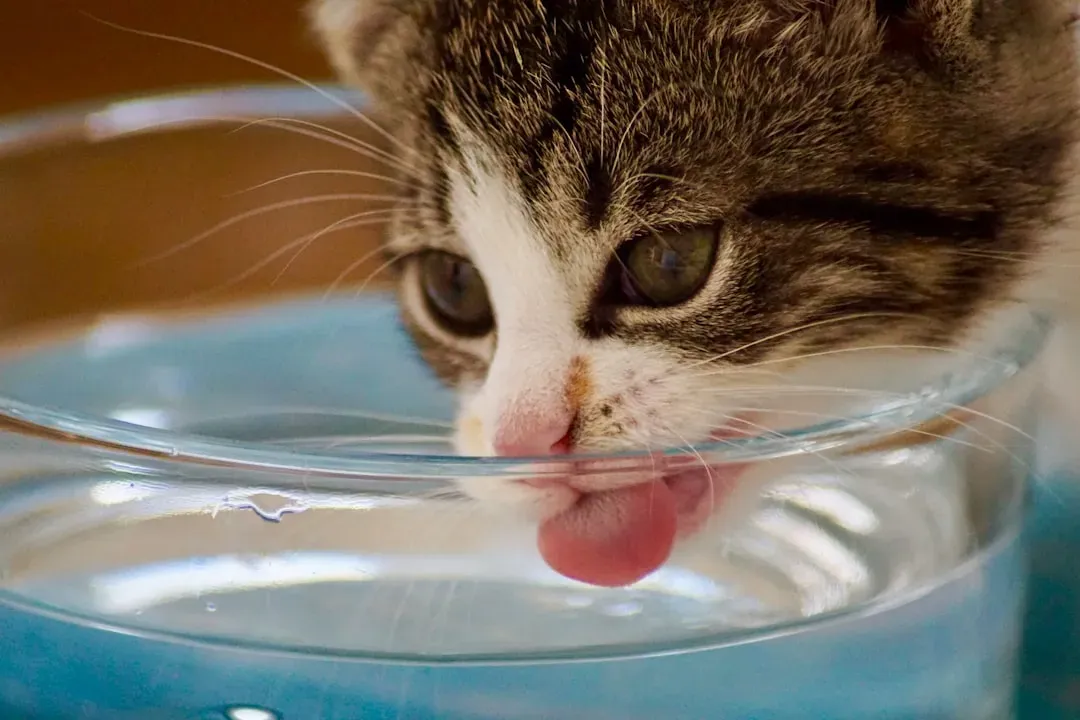
When a cat drinks, it begins by dipping its tongue into the water and curling it backward to create a small scoop. This action is surprisingly quick; studies show that they can lap up to four times per second. That’s a rate the human eye simply cannot track without slow-motion video. It’s difficult for even the healthiest cats to drink the right amount of water because of the unique shape of their tongues, and a single lap of water only provides a cat with three one-hundredths of a teaspoon.
The lapping frequency decreases with increasing animal size. In other words, the larger the feline, the smaller the lapping frequency. This observation suggests that the domestic cat’s inertia and gravity-controlled lapping mechanism is the same in wild felines. So whether you’re watching your tabby at the kitchen bowl or a tiger at a zoo watering hole, you’re seeing the same ancient technique at work, just calibrated to scale.
Hydration Through Food, Not Just the Bowl
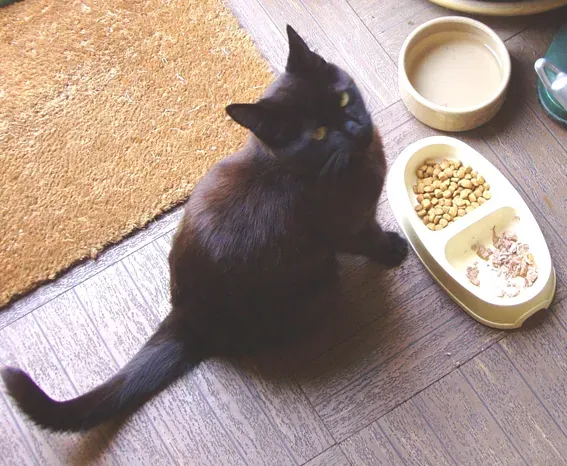
Cats evolved unique hydration habits rooted in their desert-dwelling ancestors who obtained fluids from prey rather than standing water. This is why your cat’s relationship with the water bowl can feel so indifferent at times. Wild cats typically get most of their hydration from their prey, which is roughly seventy to eighty percent water. Domestic cats, however, often consume dry kibble, which contains only about ten percent water, increasing the risk of dehydration.
If your cat eats a canned food diet, they might not drink as much water as a cat on a dry food diet. In addition to helping with hydration, cats fed canned food have a lower risk of illnesses such as hyperthyroidism, diabetes, constipation, and obesity. Wet food isn’t just a meal preference. For many cats, it functions as their primary water source, echoing the moisture-rich prey their ancestors relied on entirely.
The Running Water Instinct
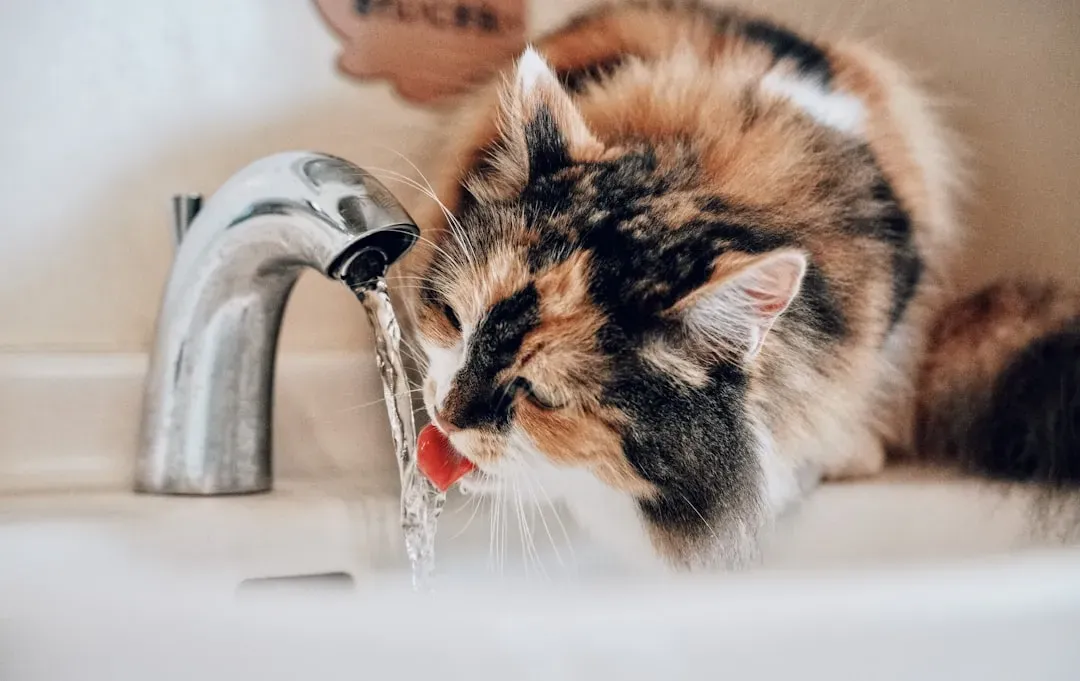
Cats’ preference for running water is deeply rooted in their evolutionary history. Wild cats learned that moving water sources like streams and rivers were typically safer and fresher than stagnant pools. This ancient survival instinct remains strong in domestic cats today, making them naturally drawn to the sight and sound of flowing water. This is why your cat will stare longingly at a dripping faucet while ignoring a full bowl two feet away.
Cats are highly sensory creatures, and running water engages multiple senses simultaneously. The sound of flowing water captures their attention and helps them locate water sources, a crucial survival skill their ancestors needed in the wild. Many cats drink more frequently and in larger amounts when water is moving, supporting long-term urinary and kidney health. Offering a pet fountain isn’t a luxury. For some cats, it’s the difference between adequate hydration and chronic dehydration.
The Paw Dip: Tasting, Testing, and Seeing
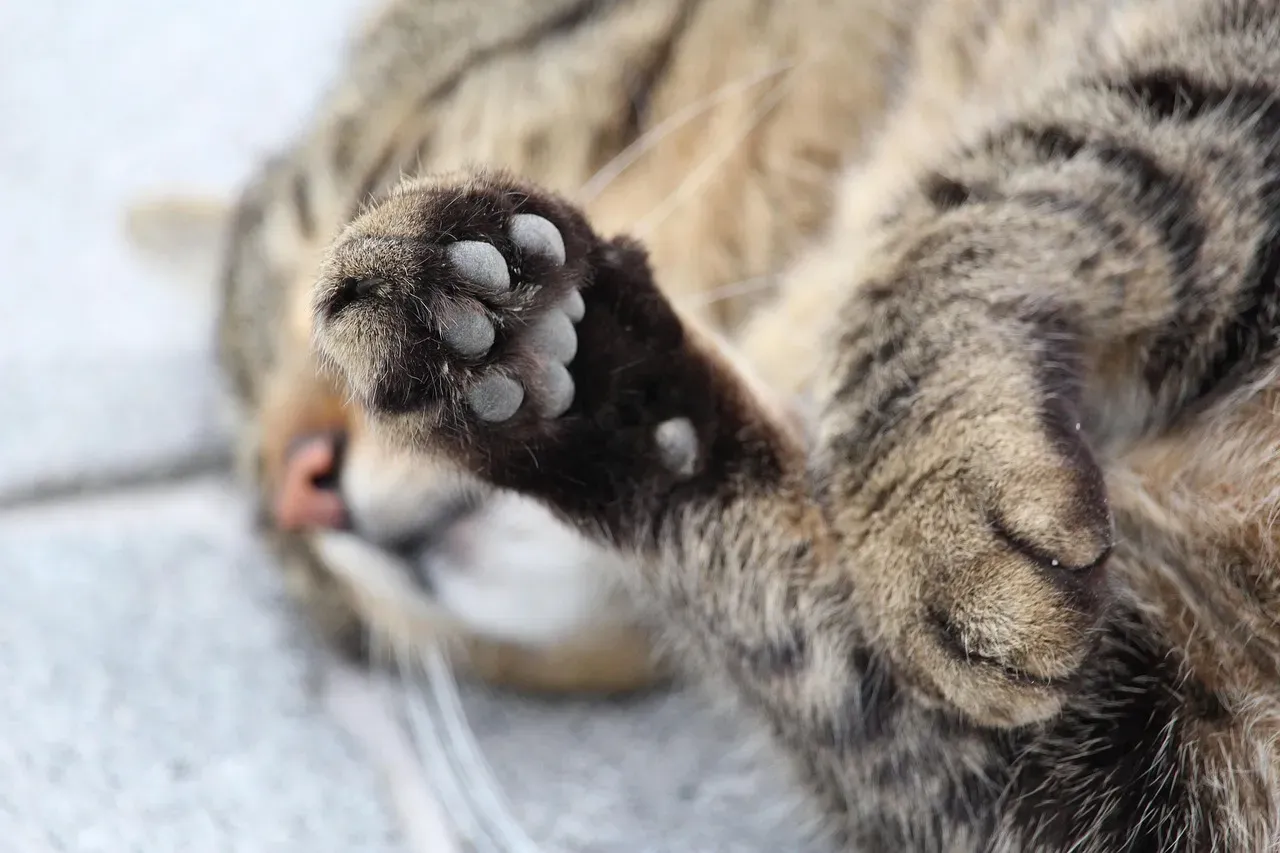
Cats have relatively poor close-up vision, which can make it difficult for them to judge the water’s surface level accurately. By pawing at the water, they create ripples and movement that help them better gauge the water’s depth and location before drinking. So when your cat taps the bowl before every single drink, they aren’t playing games. They’re literally checking where the water is. This behavior also helps cats locate the water’s surface more easily. In the wild, reflecting water surfaces helped cats identify safe drinking sources, and this instinct remains strong in domestic cats today.
Whiskers act like highly tuned sensors, picking up subtle changes in the environment and helping a cat navigate their surroundings. Some felines have extra-sensitive whiskers and may experience a condition known as whisker fatigue. This happens when the whiskers constantly brush against surfaces, like the sides of a deep water bowl, sending an overload of signals to the brain. While this condition is not usually painful, it can be very uncomfortable. As a result, many cats will try to avoid drinking from bowls that irritate their whiskers and instead search for alternative ways to stay hydrated.
The Bowl Location Matters More Than You Think
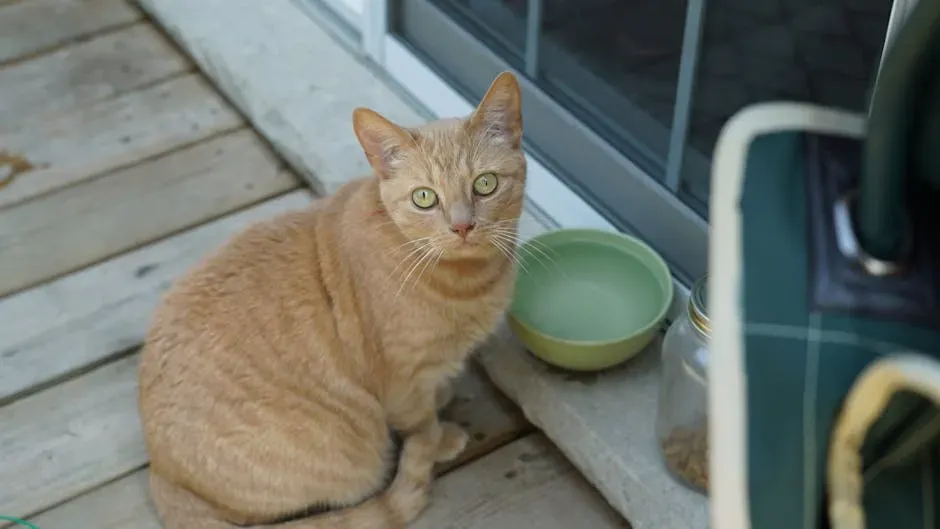
Cats often avoid water bowls placed near food dishes or litter boxes due to instinctual hygiene concerns. This separation stems from wild ancestry, where cats naturally kept drinking water away from eating or waste areas. If you’ve placed the food and water side by side for convenience, that setup could be working against your cat’s willingness to drink. Cats like to stay alert and observe their surroundings while drinking. If the water bowl is placed in a corner or next to a wall, they have to turn their backs on their surroundings in order to drink, which makes them feel exposed and vulnerable. Instead, they prefer a place where they can keep an eye on all the entrances and exits, and feel in control of their environment.
Cleanliness and bowl material greatly influence drinking preferences. Cats favor fresh water and may avoid dirty bowls or those with residual odors. Materials like plastic can absorb smells, while stainless steel or ceramic often encourage more frequent drinking. You might be surprised how much difference a simple bowl swap makes. A cleaner material in a better location can shift your cat’s hydration habits noticeably within just a few days.
Why Staying Hydrated Is So Vital for Cats
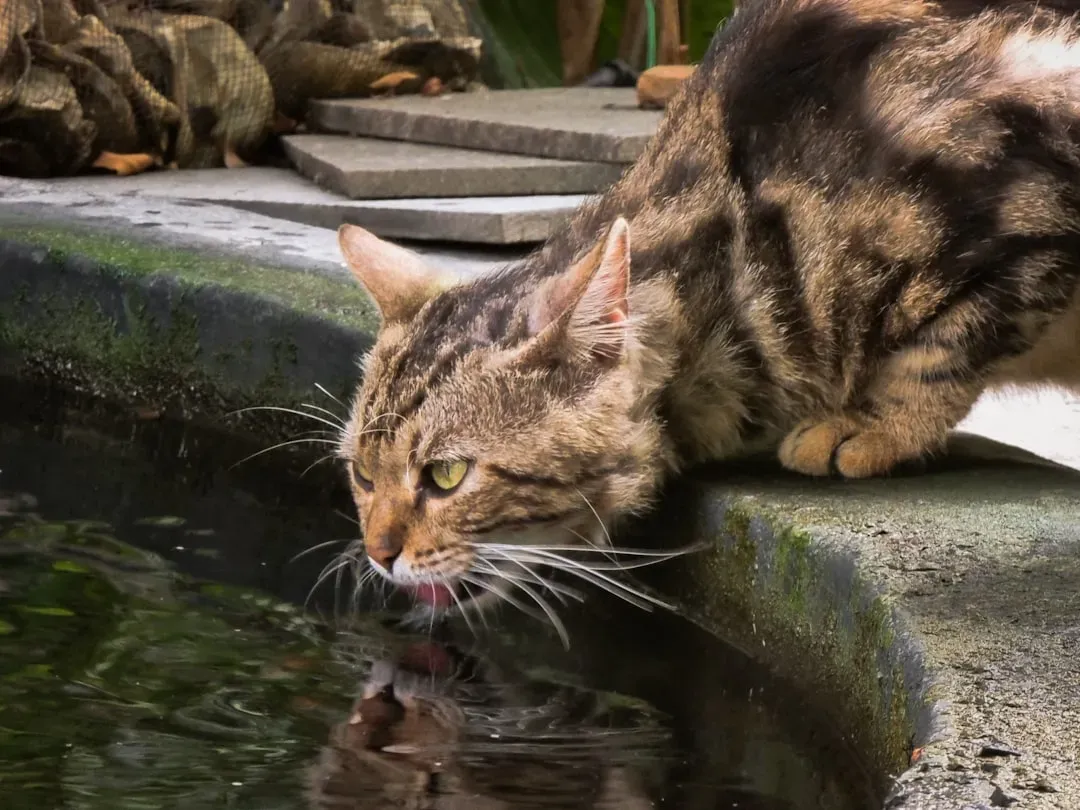
Water is vital because it affects everything from organ function and nutrient transportation to circulation and digestion. It also helps decrease the likelihood of urinary stones and helps the kidneys flush out toxins. Given how quietly dehydration can develop in cats, these aren’t minor concerns. Hydration plays a major role in a cat’s urinary health. When cats are dehydrated, their urine becomes more concentrated, which can increase the risk of urinary tract infections, bladder stones, and even blockages.
Hydration refers to the amount of water in the body, and maintaining normal hydration for cats is essential for a variety of vital bodily functions, including temperature regulation, maintenance of normal electrolyte concentrations, digestion of food, lubrication of joints, and delivery of oxygen and other nutrients to the organs. The better your cat’s hydration status, the less an organ like the kidney has to work to do its job. That’s a straightforward equation worth taking seriously, especially for cats that eat primarily dry food.
A Final Thought on the Cat at the Water Bowl
Every quirk your cat shows around water, the paw dip, the faucet fascination, the rejection of the perfectly good bowl, is rooted in biology and instinct that predates domestication by thousands of years. They’re not being difficult. They’re being cats.
Understanding these seven hydration behaviors doesn’t just satisfy curiosity. It gives you practical knowledge to keep your cat healthier. Move that water bowl, try a fountain, switch to wet food if the numbers concern you, and watch your cat shift from reluctant sipper to consistent drinker. Cats are masters of hydration on their own terms. Your job is simply to make those terms a little easier to meet.
Kristina is a young writer from India. An arts graduate and an avid content creator, Kristina is passionate about animals and wildlife. She enjoys exploring topics related to pet care, animal behavior, conservation, and nature, combining thorough research with engaging storytelling.