You’ve spent good money on that plush cat bed. Maybe you even positioned it near the window, in the warmest corner of the room. Your cat sniffed it once, ignored it completely, and is now sleeping inside a cardboard box that arrived in the mail this morning.
Sound familiar? The reason behind this behavior stems from your cat’s wild roots. Your cat may be a pampered pet now, but it still carries all the instincts of a lone hunter – instincts that dictate not only how to catch prey, but also how to watch its back. Once you understand what’s driving those choices, a lot of the mystery starts to make sense.
The Laundry Basket
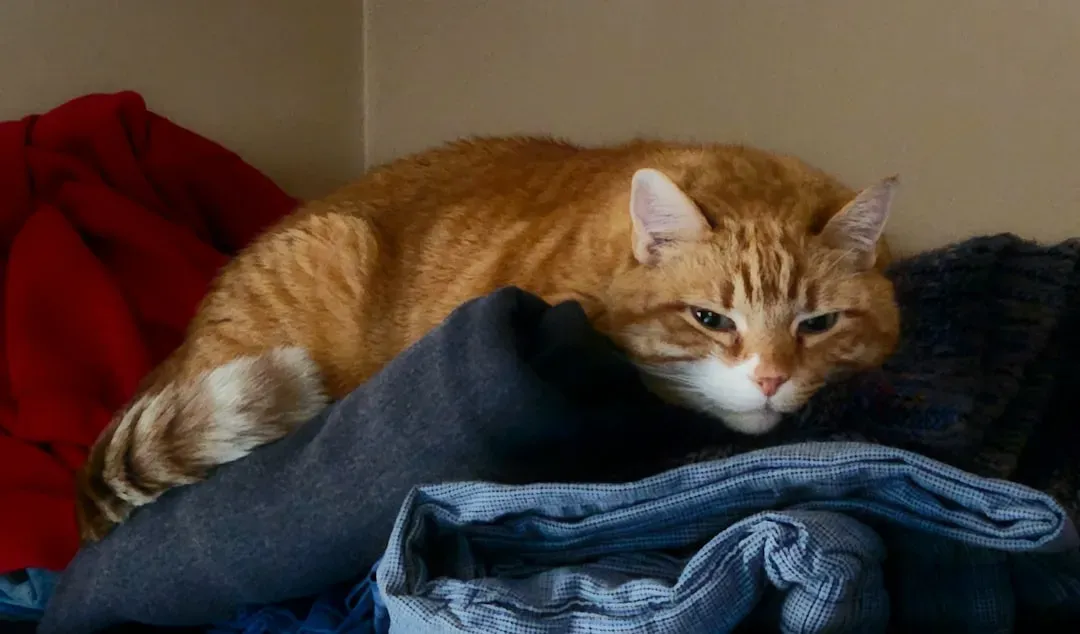
Few things confuse cat owners quite like finding their furball burrowed into a pile of dirty clothes. It seems contradictory for such a famously clean animal to gravitate toward your used garments. Yet the logic, from your cat’s perspective, is completely sound.
Your clothes retain your scent, and that scent is calming and familiar to your cat, which makes the laundry basket feel like a safe area for them. Beyond the comfort of smell, your cat feels surrounded by warmth and familiarity on multiple sides, and can peer out from under the clothes to assess what’s in front. If defense is required, the laundry basket effectively “has her back,” freeing her mind from constant wariness and allowing her to sleep and be happy.
The National Research Council determined that cats’ thermoneutral zone is between 86° and 100.4° Fahrenheit, so an enclosed basket with warm, freshly cleaned laundry is the perfect place for a pleasant nap. Worth noting: always check your washer and dryer before use if your cat has access to the laundry area.
The Bathroom Sink
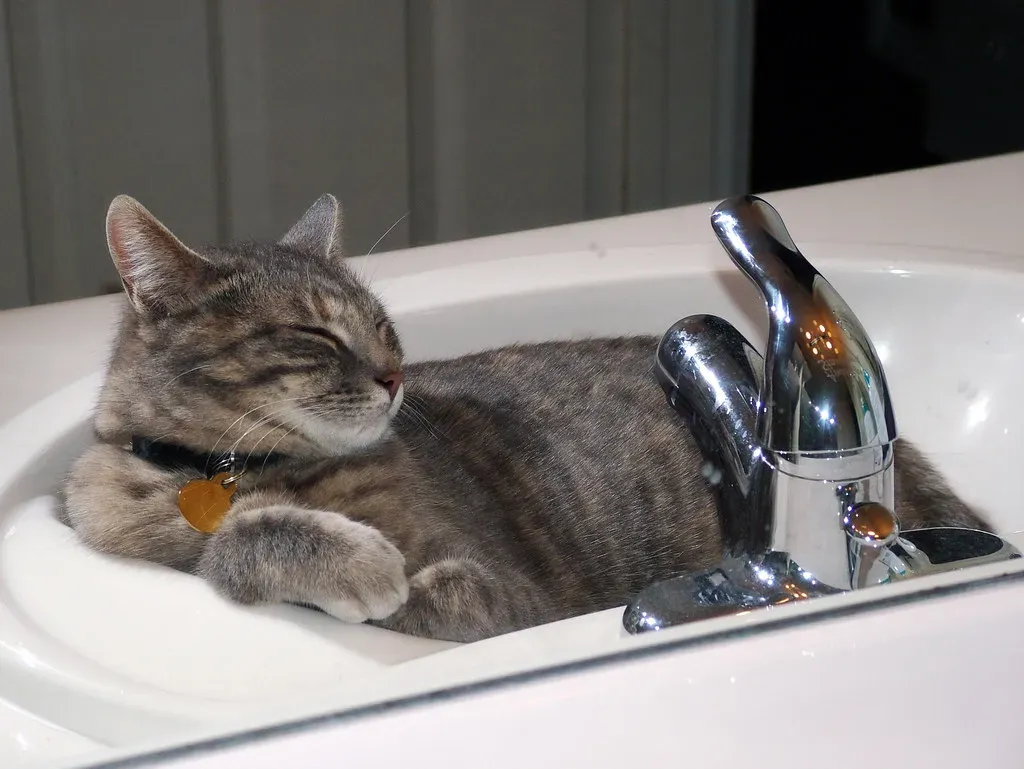
This one baffles nearly every cat owner the first time they see it. You walk into the bathroom and your cat is curled up in the basin like it’s a custom-made bowl. Oddly enough, it kind of is.
Sinks are usually constructed out of porcelain or ceramic, which can stay cool to the touch. On a hot day, your cat may slink into the sink as an effective method of cooling down. The design of a sink also provides the perfect shape for your cat’s body to curl up comfortably, gratifying their innate instinct to be cozy. It’s like a small nest that holds your cat’s body, helping them feel safe and nurtured.
Compared to other rooms, the bathroom is rarely visited, especially a guest bathroom. Your cat will learn that it is usually quiet and uninterrupted, making it a perfect space to claim as a sleeping spot. The elevated position of the sink also gives them a clear line of sight across the room, satisfying that ever-present instinct to monitor their surroundings.
Cardboard Boxes
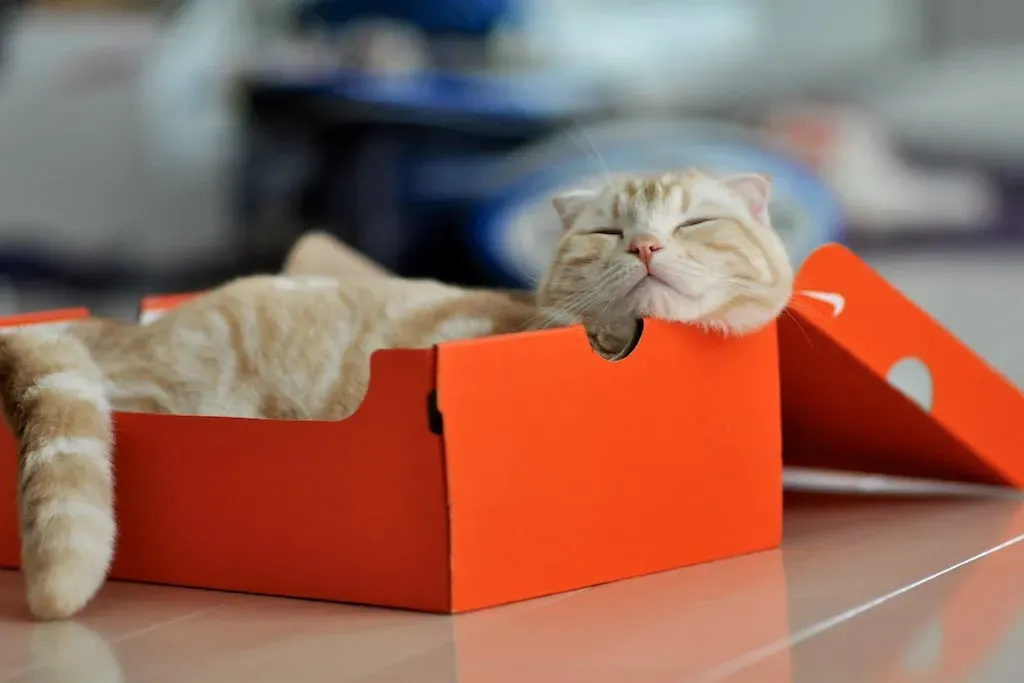
It’s practically a universal cat law. You open a delivery box, set it on the floor for two seconds, and your cat is already in it. You bought them a luxury cat tower. It sits empty. The cardboard box from a bulk order of paper towels, though? Completely irresistible.
Cats are predators that like to hide and ambush their prey, and cardboard boxes mimic the kind of natural habitats cats would encounter outside. Cardboard also insulates well, creating a cozy, heat-retaining spot for long naps – a perfect fit for their heat-seeking nature. The rough texture appeals to them too, since indoor-only cats love corrugated cardboard because it mimics tree bark and wood, their clawable material of choice in the wild.
A study conducted at Utrecht University in the Netherlands revealed that shelter cats with access to cardboard boxes adjusted to their environment more quickly than those without one. So when your cat disappears into a box, it’s genuinely reducing its stress levels, not just being theatrical.
On Top of the Bookshelf
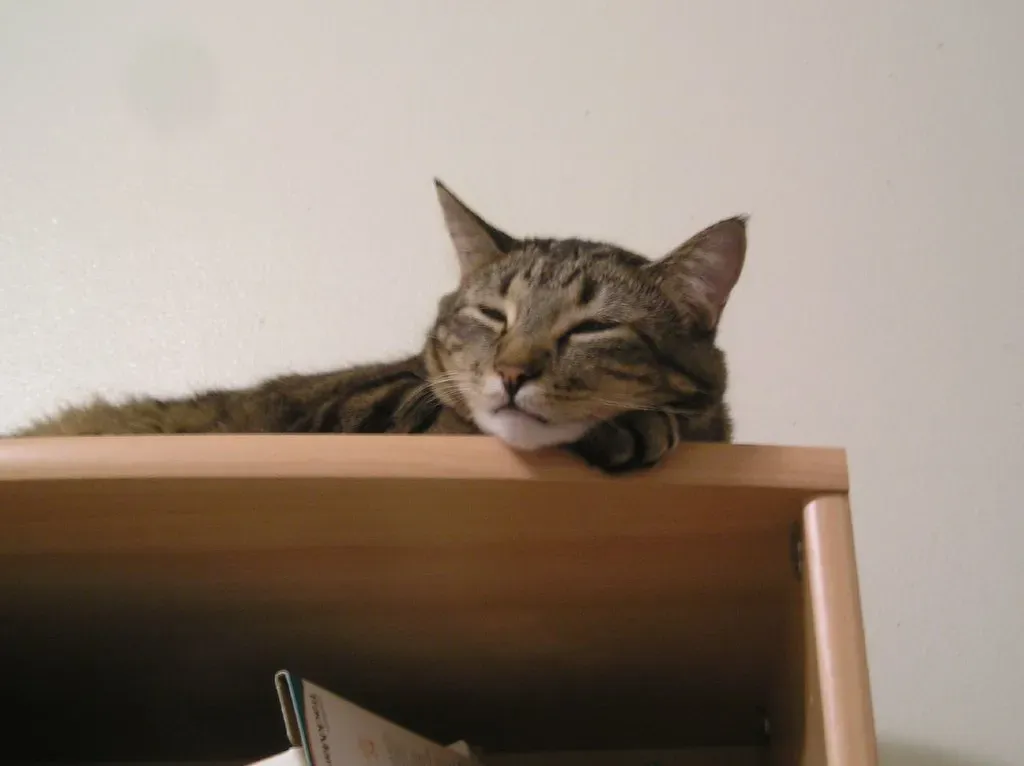
You’ve probably looked up one day and spotted your cat perched at the very top of your tallest bookshelf, completely unbothered, possibly judging you from above. The height isn’t random. It’s strategic.
Your cat may choose a napping spot that is high above everything. In nature, they need to be able to see all around themselves when they are at their most vulnerable while sleeping, and they may also choose a spot that is easily defended or escaped from – one that might have more than one way to get away in a hurry. Wild felines can often be seen lounging on high branches. Not all prey animals or predators always look up, so cats know it is a safer place to relax.
Many of the spaces cats commandeer for their naps are designed to mimic settings where they might have slept in the wild. A bookshelf takes over for a tree. A box replaces a cave. Domestic life hasn’t erased these instincts; it’s just given them new furniture to work with.
Under the Bed
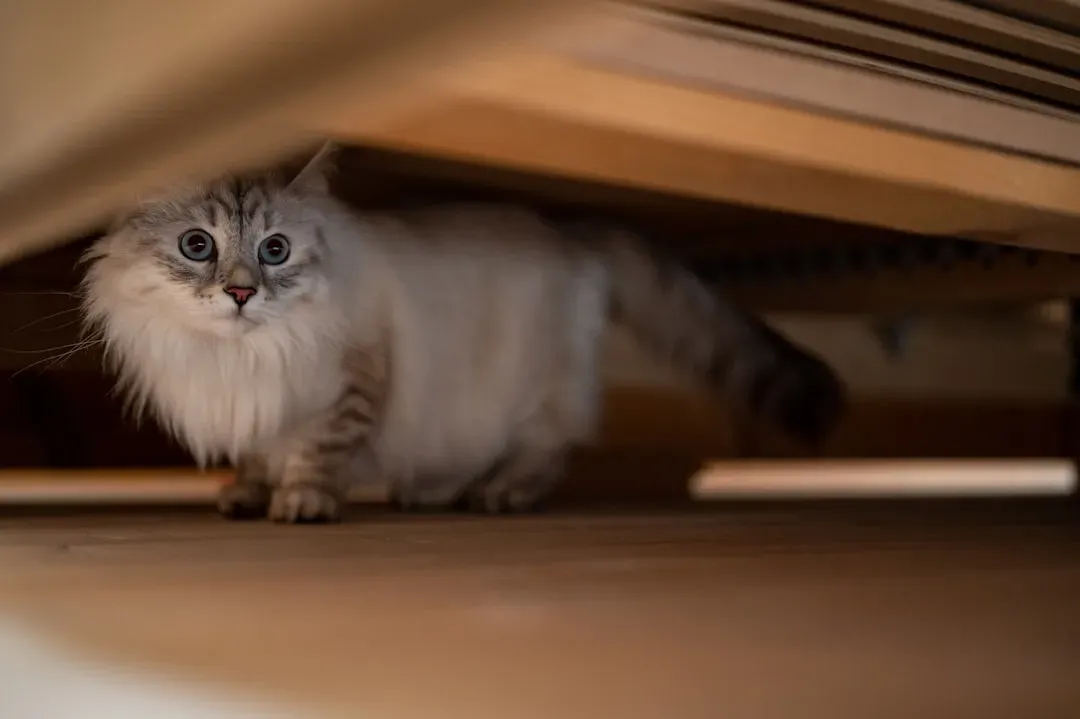
The space under your bed might seem like a dusty, forgotten no-man’s-land, but to your cat, it’s prime real estate. Low, enclosed, shielded on three sides – it checks nearly every box on a cat’s mental security checklist.
Sometimes cats like to feel that they are hidden away. In this case, they will choose places with only one entrance and exit so that they can carefully watch and defend only one direction. When they are enclosed, they know that they do not have to “watch their back.” This is part of the reason that cats like to hide in boxes or baskets.
In the wild, cats often hide in enclosed, unpredictable places to rest – this keeps them safe from predators and allows them to stalk prey. Your domestic cat may not face wild threats, but the instinct remains. If you notice your cat spending more time under the bed than usual alongside other behavioral changes, it’s worth checking in with your vet, since cats sometimes retreat when they’re not feeling well.
Your Clothes Pile or Open Drawer
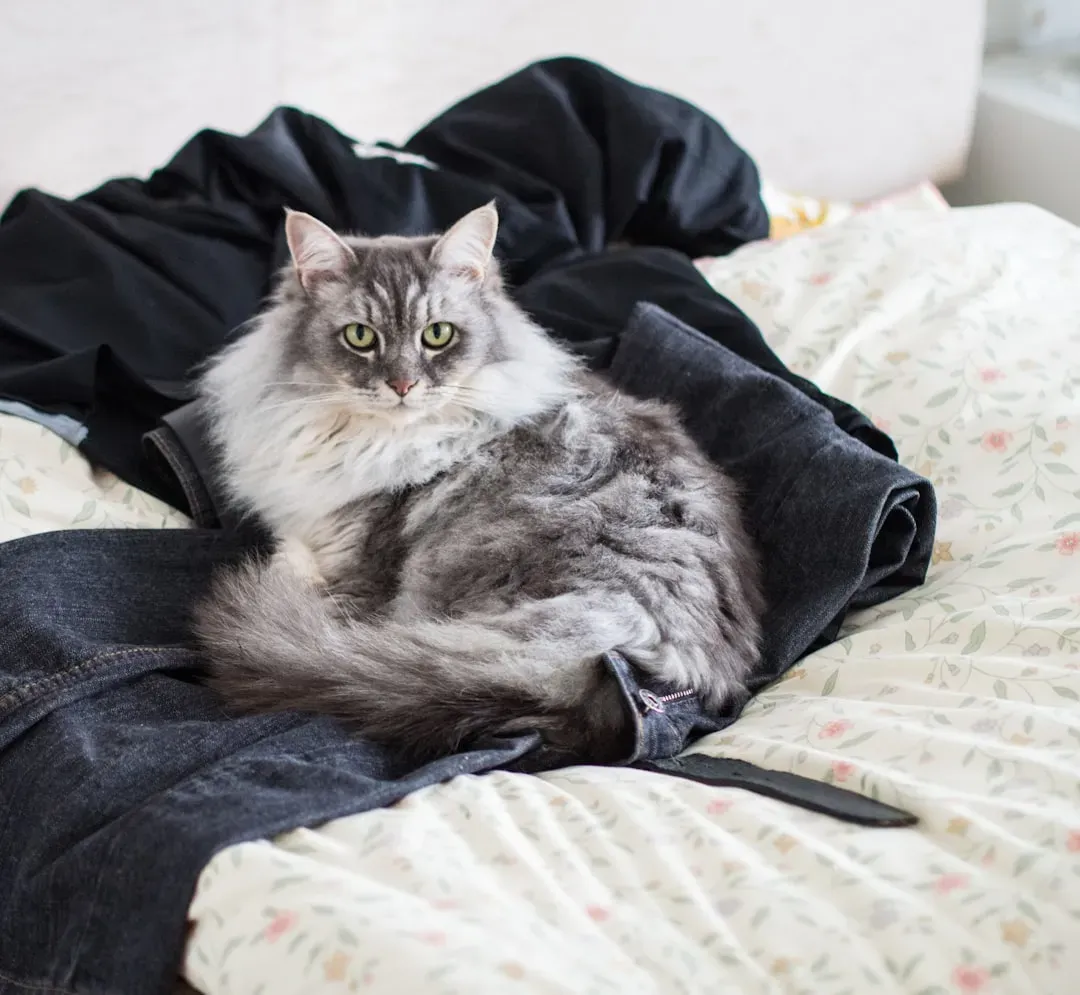
Leave a sweater on the bed for five minutes and you’ll come back to find your cat already on it, looking immovable. Open a drawer to grab a shirt and somehow your cat is inside before you’ve even turned around. It happens constantly, and there’s more behind it than pure inconvenience.
Cats are both predators and prey by nature, which means they look for resting spots that offer some form of enclosure or protection. A mound of laundry in a basket or folded on a bed creates a nest-like space where your cat feels shielded on multiple sides. Shy or anxious cats are especially drawn to laundry baskets and clothing piles because these spots offer the privacy and cover they crave.
Cats are naturally curious, and your clothing carries scent information from everywhere you’ve visited during the day. Smells from work, stores, or even other animals linger on your clothes and give your cat a sensory snapshot of your world outside the home. What looks like a nuisance is, from your cat’s angle, a form of staying connected to you.
Inside an Open Suitcase
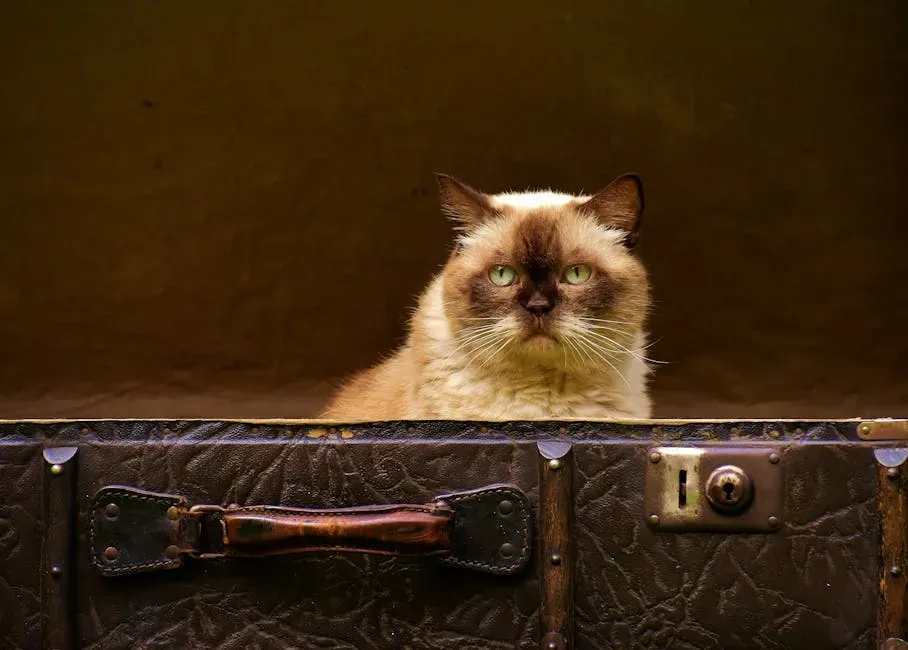
The moment you drag out a suitcase, your cat materializes as if summoned. They jump in, arrange themselves between your neatly folded shirts, and stare at you with an air of absolute authority. It’s not coincidence, and it’s not entirely about the travel disruption.
Many cats can’t resist suitcases – they’re safe, protected spaces that smell like you. Cats often mysteriously show up when their human opens a suitcase and lays it on the bed or luggage rack. Many cats jump in immediately, but others wait until the packing has begun, as your clothing provides a soft, cushiony surface to enjoy as they put a stop to the unwanted activity of packing, since that activity usually leads to their favorite person’s absence.
Small, enclosed spaces provide cats with a sense of security and protection, mimicking the den-like environments their wild ancestors sought for safety during rest periods. A suitcase ticks all those boxes, and the added bonus of your scent on everything inside makes it feel particularly safe. It’s also, admittedly, a fairly effective strategy for making you feel guilty about leaving.
On Top of Electronics and Appliances
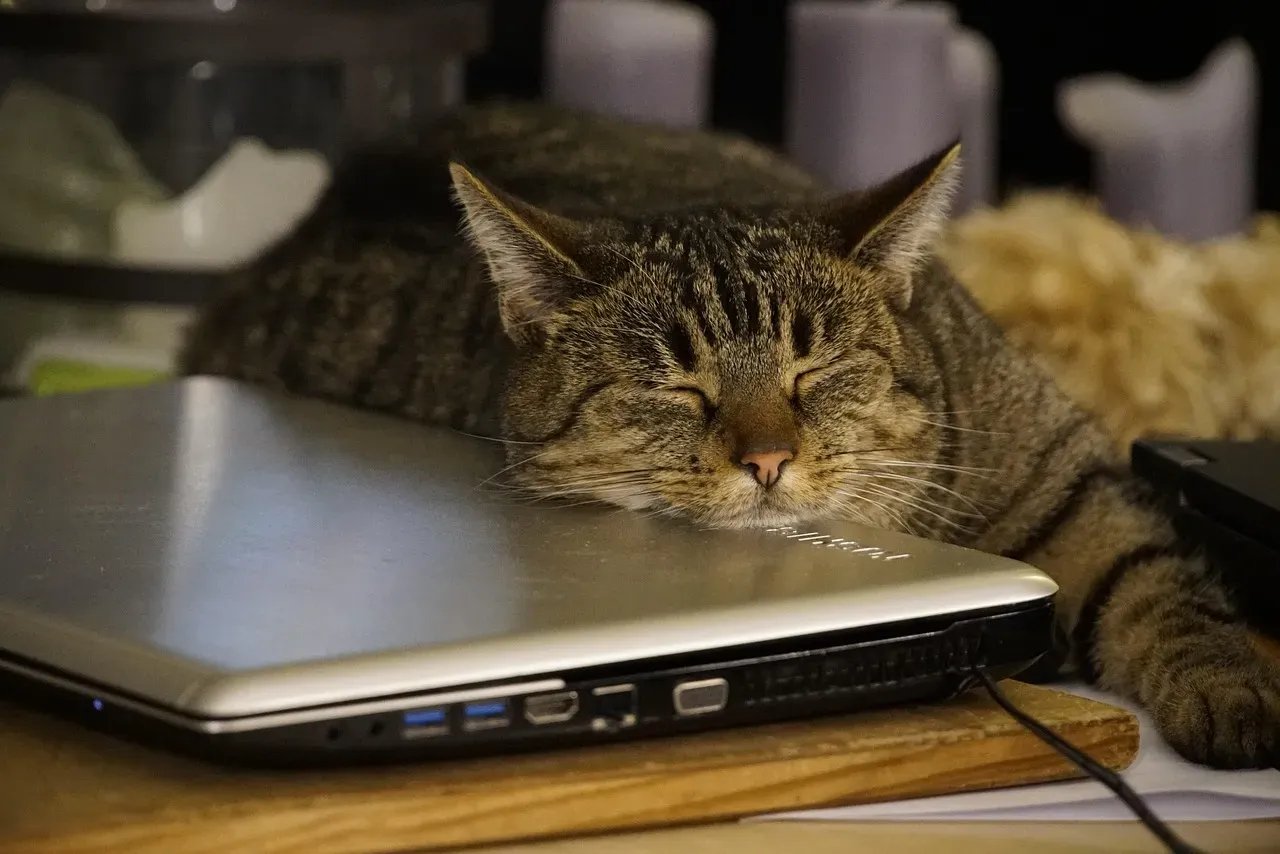
Routers, cable boxes, the top of your laptop while you’re trying to use it – cats have an inexplicable affinity for electronics. If it hums and puts out heat, your cat has probably already mapped it as a potential napping spot.
Cats are particularly sensitive to temperature changes and will often select sleeping spots based on their thermal comfort. During colder months, you might find your cat curled up near radiators or electronic devices. They might lie on the windowsill above the radiator to get a bit of warmth – these aren’t stereotypically comfortable places to lie, but the warmth outweighs the discomfort.
The elevated position many appliances provide doesn’t hurt either. Cats love to be as high as possible. By being at a high vantage point, they can safely assess any threats or predators from a distance. This helps them feel protected, which means they’re far more likely to relax. Warmth plus height is essentially a perfect combination for a cat looking to settle in.
Seasonal and Shifting Spots Around the House
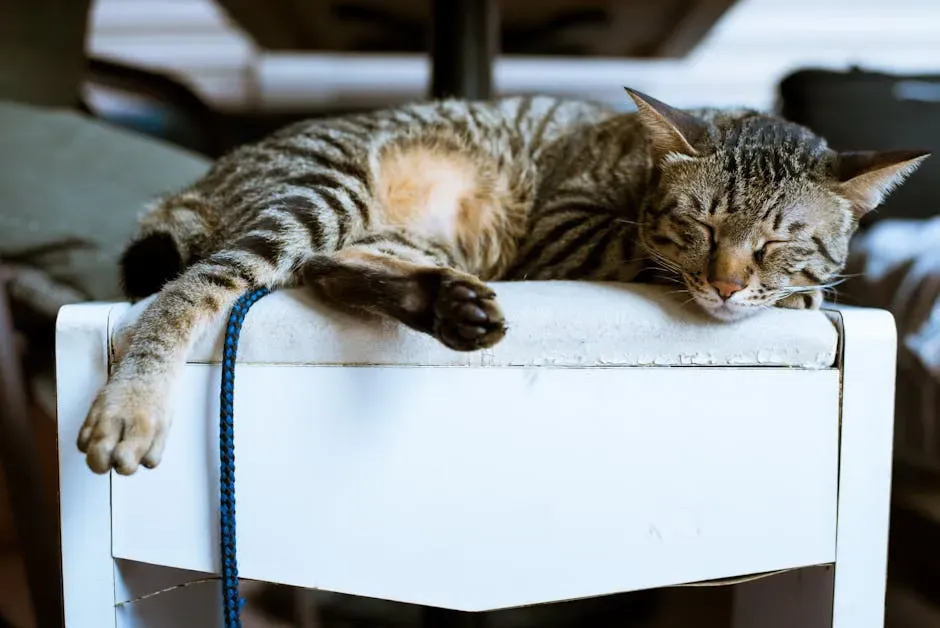
You might notice your cat cycles through napping locations depending on the time of year, the time of day, or apparently no reason whatsoever. A favorite window perch in summer gets abandoned by October. A spot behind the couch becomes suddenly popular in January. It’s not random, even when it looks like it is.
Just as you might switch out a light blanket for something more substantial to keep warm during winter, cats naturally seek to do the same thing. If you live where there are four distinct seasons, you may find your cat seeking a new spot when the weather warms up and when it cools down. Cats also move to adjust their bodies or regulate their temperature. When she gets too warm in her sun spot, she’ll move to that cool sink. When the floor gets too cold, she’ll seek out your bed.
Your cat’s tendency to sleep in different places is deeply rooted in wild ancestry. As descendants of wild felines, domestic cats retain the instinct to regularly change sleeping locations to avoid predators and parasites. Most of the time, this kind of movement is perfectly healthy. If your cat begins to sleep in increasingly hidden or hard-to-reach places and shows other signs like reduced appetite, lethargy, or avoidance, it may signal illness or discomfort – cats instinctively hide weakness, so unusual sleeping patterns can sometimes be an early sign something is wrong.
Understanding Your Cat’s Napping Logic
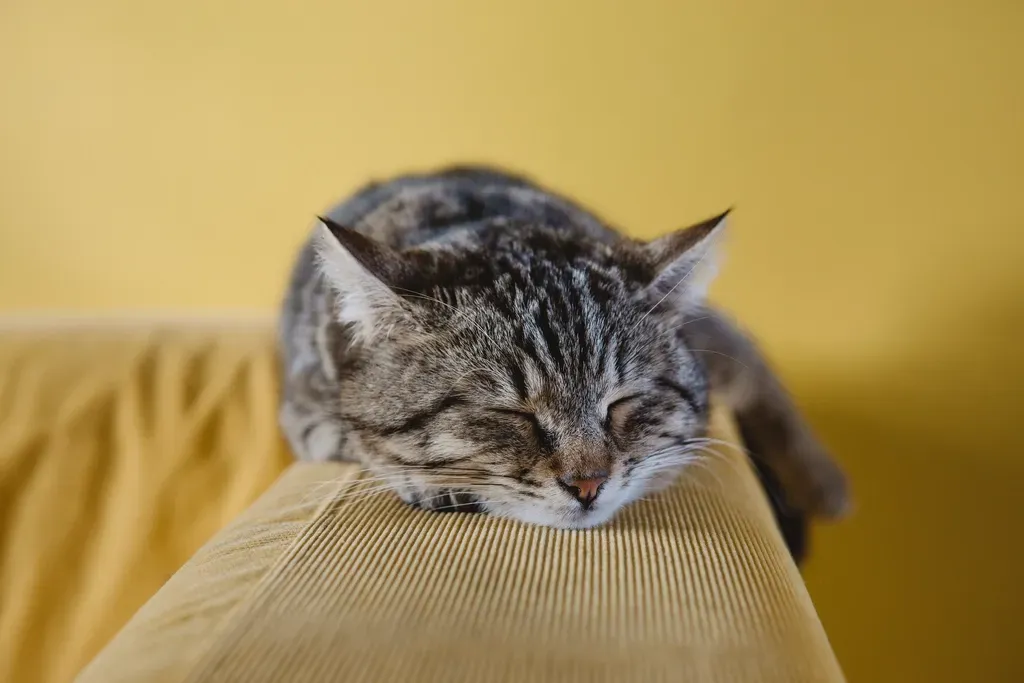
There’s a consistent thread running through all of these seemingly random choices: your cat is always solving a problem. Temperature, safety, scent, visibility, enclosure – each napping spot is a practical decision, even if it doesn’t look that way to you. When making choices of resting places, your cat considers all the features of that choice as if it were in a wild environment. Cats are master nappers, and they love to sleep in places that seem unconventional to humans. Think about living in the wild and coping with threats and risk every minute of every day, and it will change how you see your cat’s habits.
Rather than fighting the behavior, you can work with it. Offering various types of beds – soft, enclosed, elevated – lets your cat choose. Placing them in quiet, accessible spots and rotating locations occasionally can refresh interest while still respecting your cat’s sense of safety. A used piece of your clothing placed in a cat bed, positioned in a warm spot near a window, will often outcompete even the most creative DIY napping spot.
The next time your cat ignores the bed you bought and claims a cardboard box, a laundry pile, or the bathroom sink, know that it isn’t being difficult. It’s simply being exactly what it is – a small, instinct-driven predator doing its best to feel safe and comfortable in your world. That’s a perspective worth keeping in mind before you move them off your suitcase. Again.
Kristina is a young writer from India. An arts graduate and an avid content creator, Kristina is passionate about animals and wildlife. She enjoys exploring topics related to pet care, animal behavior, conservation, and nature, combining thorough research with engaging storytelling.