You’re getting ready to wind down for the night. The house is quiet. Then, from somewhere down the hallway, comes the unmistakable thunder of tiny paws hitting hardwood at full sprint. Your cat rockets past you, pupils wide as dinner plates, tail puffed to double its usual size, and disappears around a corner at a speed that seems physically improbable for an animal that spent most of the afternoon asleep on a warm blanket.
It’s disorienting the first time you see it. Even after the hundredth time, it still raises an eyebrow. But what looks like chaotic, unexplainable madness is actually something far more structured and meaningful. These wild bursts of energy have a name, a biological purpose, and a direct connection to your cat’s physical and emotional health. Understanding what’s really happening during these episodes changes the way you see your cat entirely.
What Exactly Are the Zoomies?
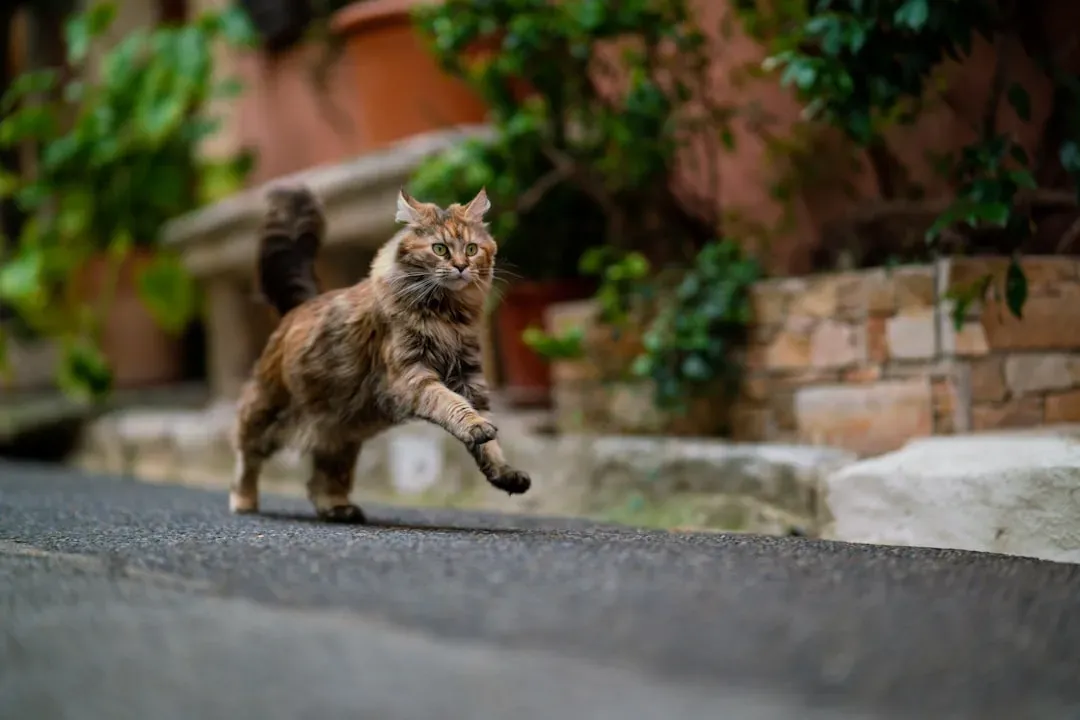
These explosive episodes are formally known as Frenetic Random Activity Periods, or FRAPs, and they involve random bursts of energy in which cats run frenetically, commonly in circles. The word “random” in the name is somewhat misleading. While the timing can feel unpredictable to you, the behavior itself follows recognizable patterns that researchers and veterinarians have documented across many species.
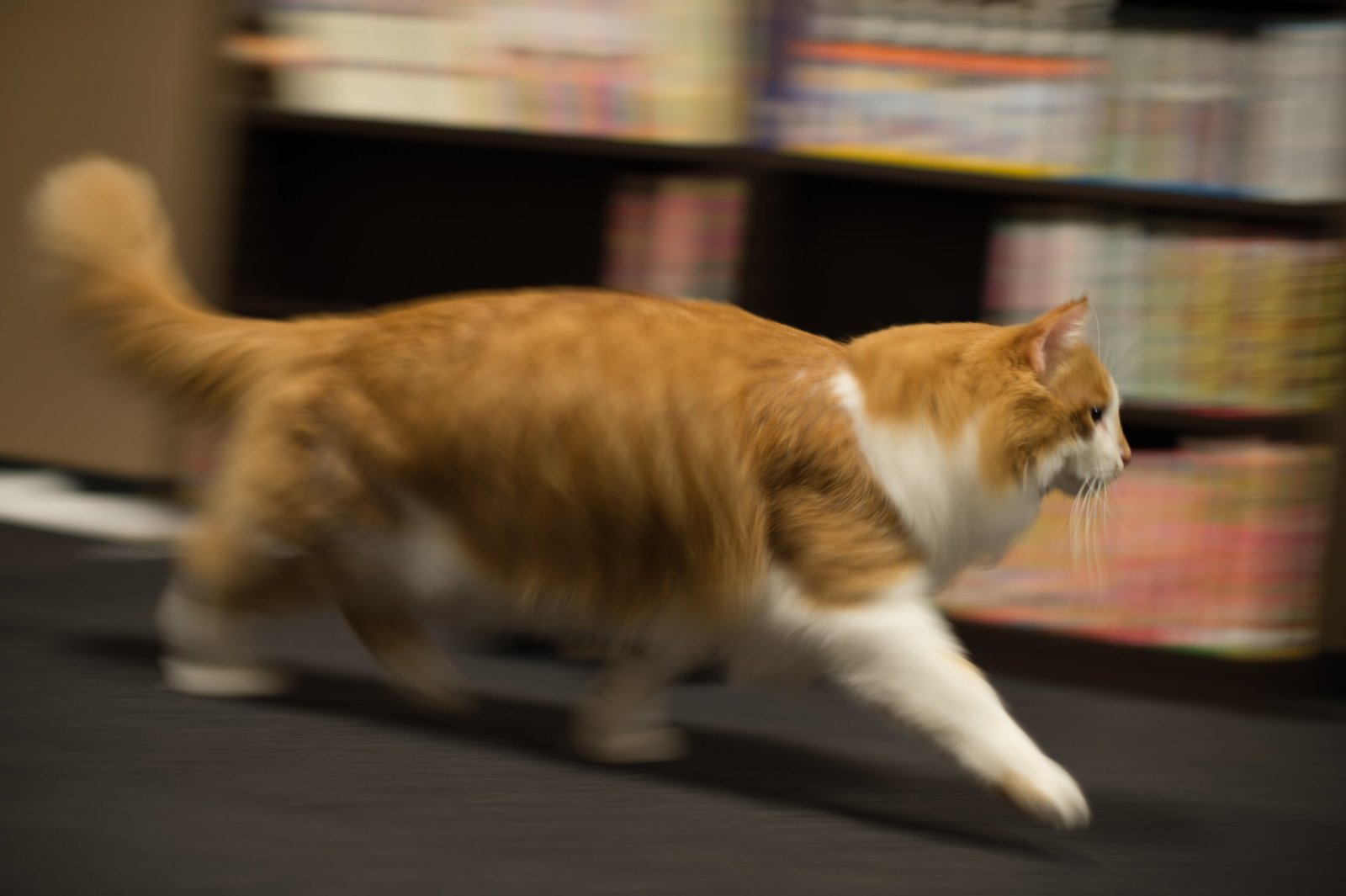
Typical features include running at top speed, rapid turns and spins, sometimes in tight circles, jumps and sudden stops, and brief vocalizations or tail-posture changes. Episodes usually last from a few seconds up to several minutes and end as abruptly as they began. One moment your cat is a furry blur of pure chaos. The next, they’re sitting calmly and cleaning a paw as if absolutely nothing happened.
Your Cat Is Wired This Way by Evolution
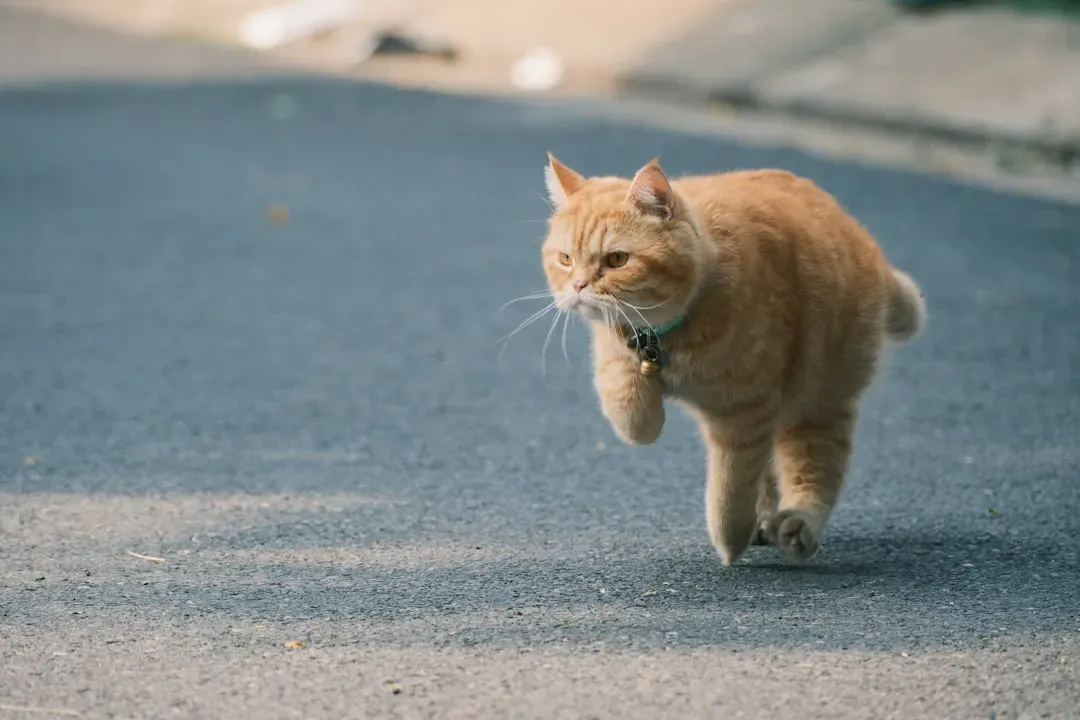
Zoomies are rooted in feline instincts. Cats are predators by nature, and even if they live indoors, they still have bursts of energy hardwired into their behavior. In the wild, a cat would stalk prey, chase it, and then rest. Indoor cats still feel these natural urges, and without hunting opportunities, they sometimes release pent-up energy in a sudden, high-speed dash around the house.
Those random bursts of manic energy have deep evolutionary roots in your cat’s DNA. When your feline friend suddenly tears through the house at midnight, they’re actually releasing pent-up predatory instincts that haven’t been satisfied during their day of lounging. In the wild, cats hunt multiple small prey throughout the day and night. Your house cat, however, may not have proper outlets for these natural urges. Without adequate energy management, those predatory instincts build up and eventually explode in those dramatic sprint sessions. It’s their way of burning off excess energy they’d normally use stalking and chasing prey.
Why Your Cat Always Seems to Go Crazy at Dawn and Dusk
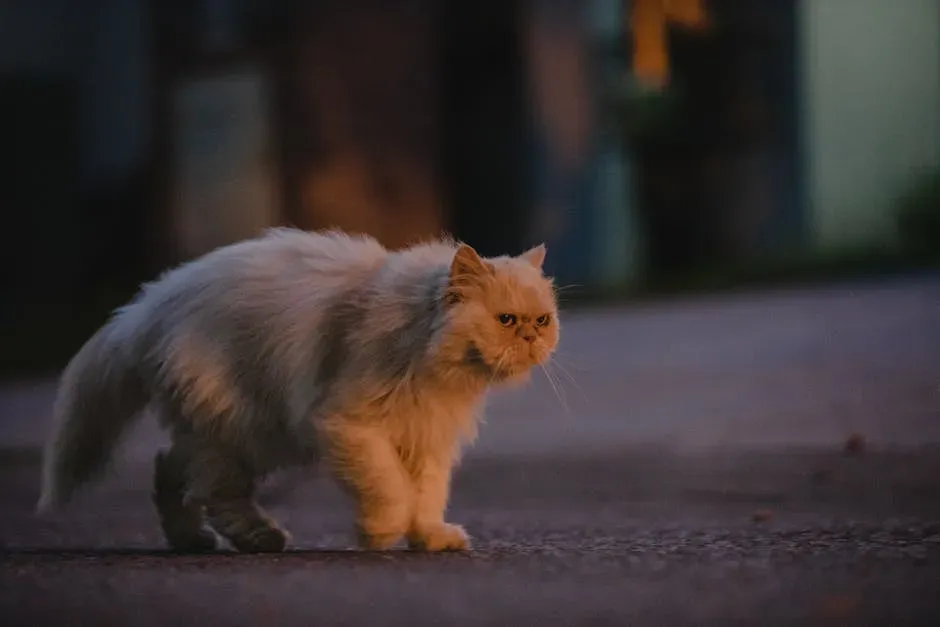
Contrary to popular belief, cats are not nocturnal but are crepuscular. This means they are naturally most active at dawn and dusk due to their biological need to take advantage of cooler times of day in order to more effectively hunt. This is why cats so often exhibit FRAP behavior late at night, even if their owners are tucked away in bed.
Cats are crepuscular animals, meaning they are most active during dawn and dusk. This behavior can be traced back to their wild ancestors, who hunted during these times to take advantage of cooler temperatures and the movement of prey. While domestic cats no longer need to hunt for their meals, they’ve retained these instinctual patterns of activity. So when your cat decides 5 AM is the perfect time for a living room sprint session, they’re following a clock that predates your household routine by thousands of years.
The Real Health Benefits Hidden Inside the Chaos
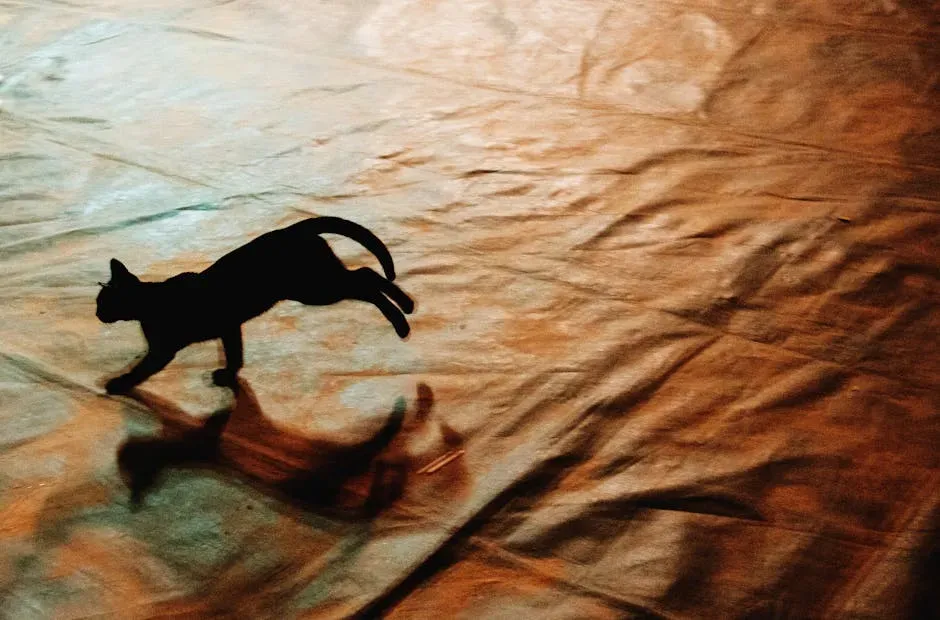
Just like humans need to move after sitting too long, cats need to release pent-up energy, and zoomies provide the perfect outlet. This is especially true for indoor cats who have fewer opportunities to exercise. When you think about it, an indoor cat doesn’t patrol a territory, stalk prey, or wrestle with other animals. The zoomies become a kind of built-in exercise mechanism that compensates for all of that missing movement.
FRAPs may release endorphins, causing a pleasurable or euphoric response. From a physical standpoint, these bursts of activity can strengthen muscles, boost cardiovascular health, and support overall well-being. Young cats, especially kittens, tend to have frequent and intense zoomies due to their high energy levels and rapid growth. These bursts of activity help practice essential skills like agility, coordination, and motor control. Even those wild, spinning jumps serve a developmental purpose.
Common Triggers You Might Not Have Noticed
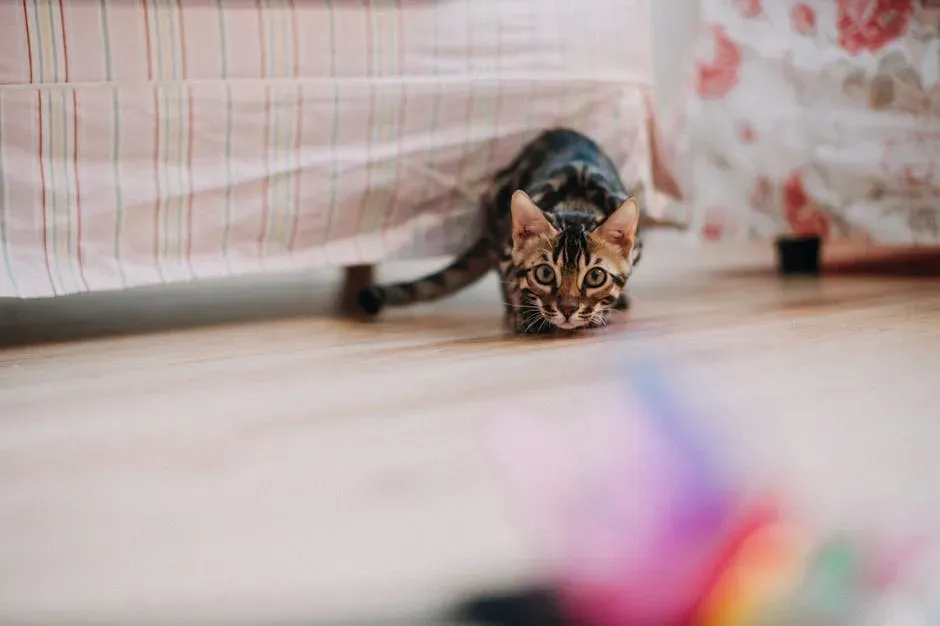
Recurring contexts in which FRAPs are commonly observed include immediately after elimination, following bathing, at dawn or dusk, during or after play, when an animal has just been released from confinement, or upon the return of an owner. Whereas dogs get zoomies throughout the day, felines are more likely to get them at dusk and dawn because that’s when they’re most active. They also tend to experience FRAPs after grooming and using the litter box.
Other environmental triggers can set off a zoomie session like a refreshing nap, excitement over being fed, playtime, or being spooked by an unexpected noise. Some cats even go wild after a particularly satisfying meal or when you open a new bag of treats. A cat’s heightened sensory awareness can also contribute to zoomies when your cat detects something you can’t. That seemingly random sprint across the room might be your cat responding to the sound of a moth fluttering near a window or a mouse scurrying in the walls. Their sudden bursts of energy often correlate with sensory information we’re completely unaware of.
What the Zoomies Tell You About Your Cat’s Emotional State
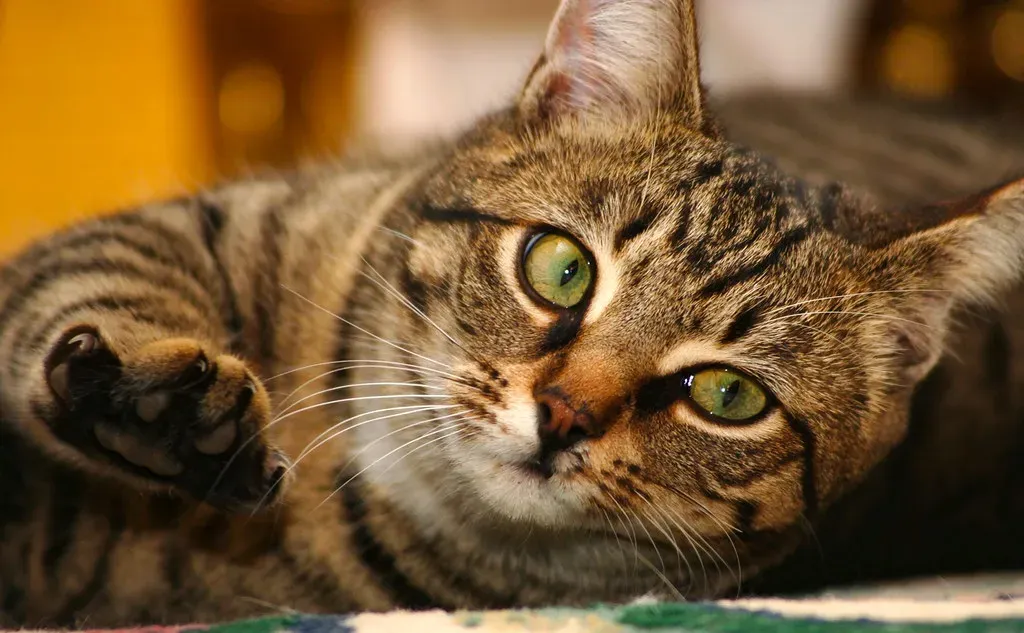
Some ethologists suggest FRAPs express excitement, joy, or a positive arousal state, for instance after greeting an owner or after successful play. Marc Bekoff, among others, interprets many such episodes as play-related and pleasurable. In other words, when your cat zooms, there’s a real possibility they’re simply in a good mood and letting you know it in the most dramatic way they know how.
Cat zoomies can offer insights into your cat’s well-being. These bursts of energy showcase your cat’s curiosity, agility, and zest for life. By letting loose and embracing their playful side, cats can meet many of their physical and mental needs. For most cats, zoomies are a sign of a healthy, happy animal who has energy to burn. While they might startle you the first few times, zoomies are also a great reminder that cats have a playful side no matter their age.
When Boredom Is the Real Culprit
If your cat is not getting enough mental stimulation, it may lead to a buildup of energy that only the zoomies can help alleviate. Adding a few extra toys or environmentally stimulating accessories to your cat’s routine can help quell this boredom before it reaches a level that causes excessive energy. A cat who zooms frequently but also shows signs of restlessness throughout the day may simply be under-stimulated.
Cats need mental stimulation just like humans do. If they don’t get enough stimulation during the day, they might become more active at night. Cat trees, wall shelves, or even sturdy bookcases can give them a safe outlet for climbing and sprinting without tearing across your countertops. Puzzle feeders, treat-dispensing toys, and rotating toy selections can keep your cat’s mind active, reducing the likelihood of random bursts of energy. A mentally occupied cat during the day is generally a calmer cat at night.
When the Zoomies Could Signal Something Else
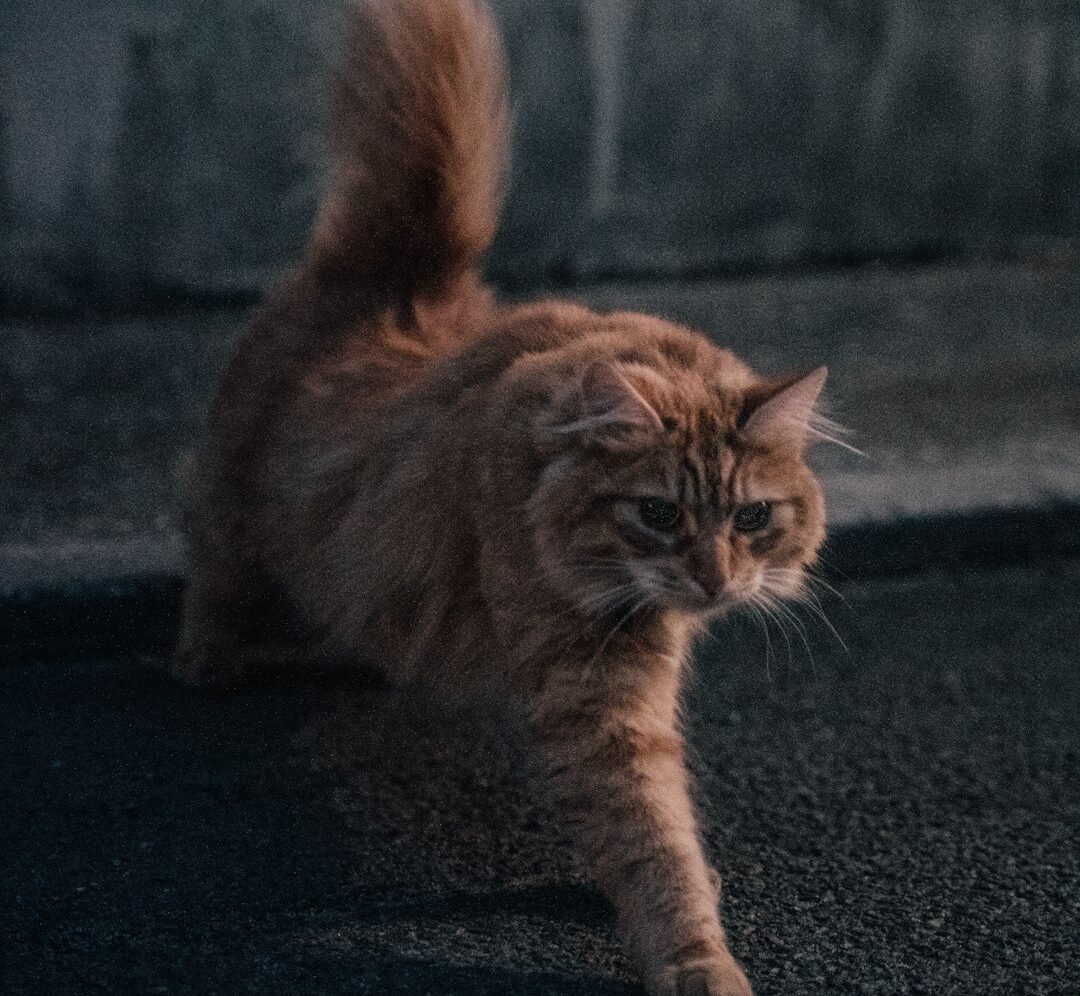
There are some situations where zoomies might warrant a closer look. Anxiety or distress can trigger zoomie-like behavior, though these episodes typically look different from playful ones. Anxious cats often appear uncoordinated or frantic during these moments. If you notice physical symptoms like weight loss, changes in behavior, signs of anxiety, or excessive vocalization, zoomies could be a sign of an underlying health issue. Some cats with hyperthyroidism or other conditions might get zoomies as a result.
Even older cats can get the zoomies, though it’s less common. In seniors, sudden bursts of activity can sometimes be a sign of discomfort, such as joint pain or hyperthyroidism, rather than just playfulness. If your senior cat’s zoomies are new or unusually frequent, it’s worth having them evaluated. The key distinction is change. If your cat has always done this, it’s almost certainly normal. If the behavior appears suddenly in an otherwise calm senior cat, that’s worth a conversation with your vet.
How You Can Work With the Zoomies Instead of Against Them
If your cat is notorious for inconveniently getting the zoomies in the middle of the night, it’s because they are hardwired to seek prey when the ambient temperature is at its coolest. You can help reduce FRAPs at undesirable hours by rearranging their meal times. Instead of feeding them in the morning and at night, opt for mid-morning and mid-afternoon meals. This can help offset when their zoomies occur.
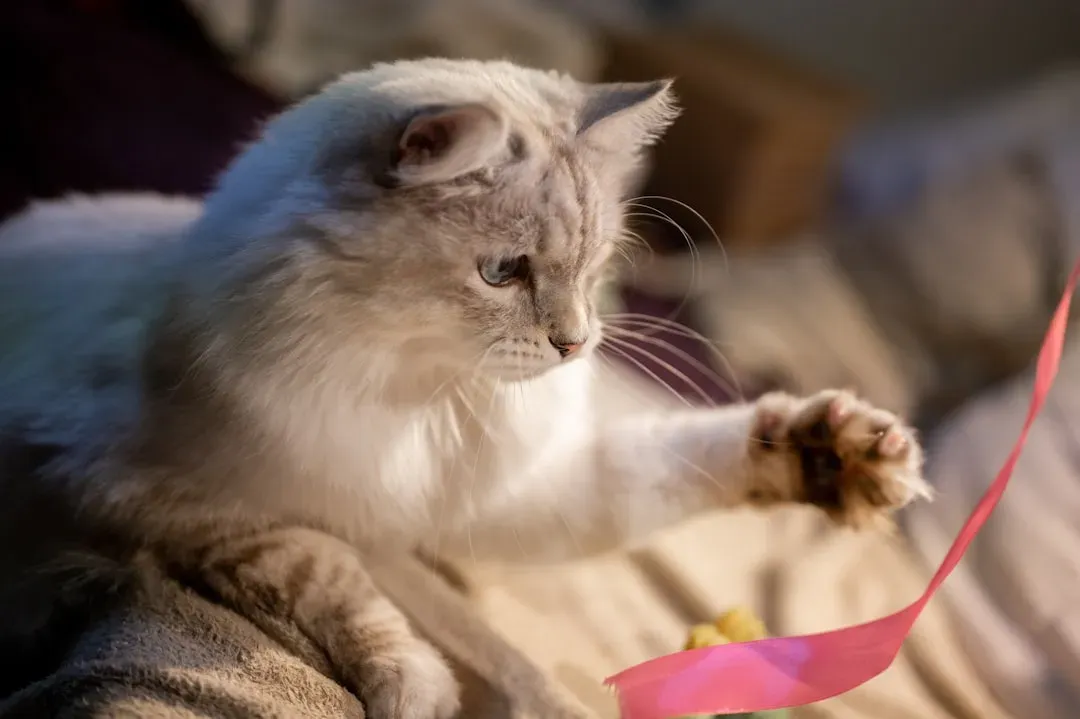
One of the most effective ways to prevent zoomies at night is to tire your cat out before bedtime. Spending 15 to 20 minutes playing with interactive toys, such as laser pointers, feather wands, or anything that lets them mimic hunting behavior, allows them to release built-up energy, reducing the chance of cats running around at night. Feeding your cat right before bed can also help. In the wild, cats often hunt, eat, and then rest. Mimicking this natural cycle by feeding them a larger meal in the evening can help satisfy their instincts and promote restfulness.
Conclusion: Let Them Run
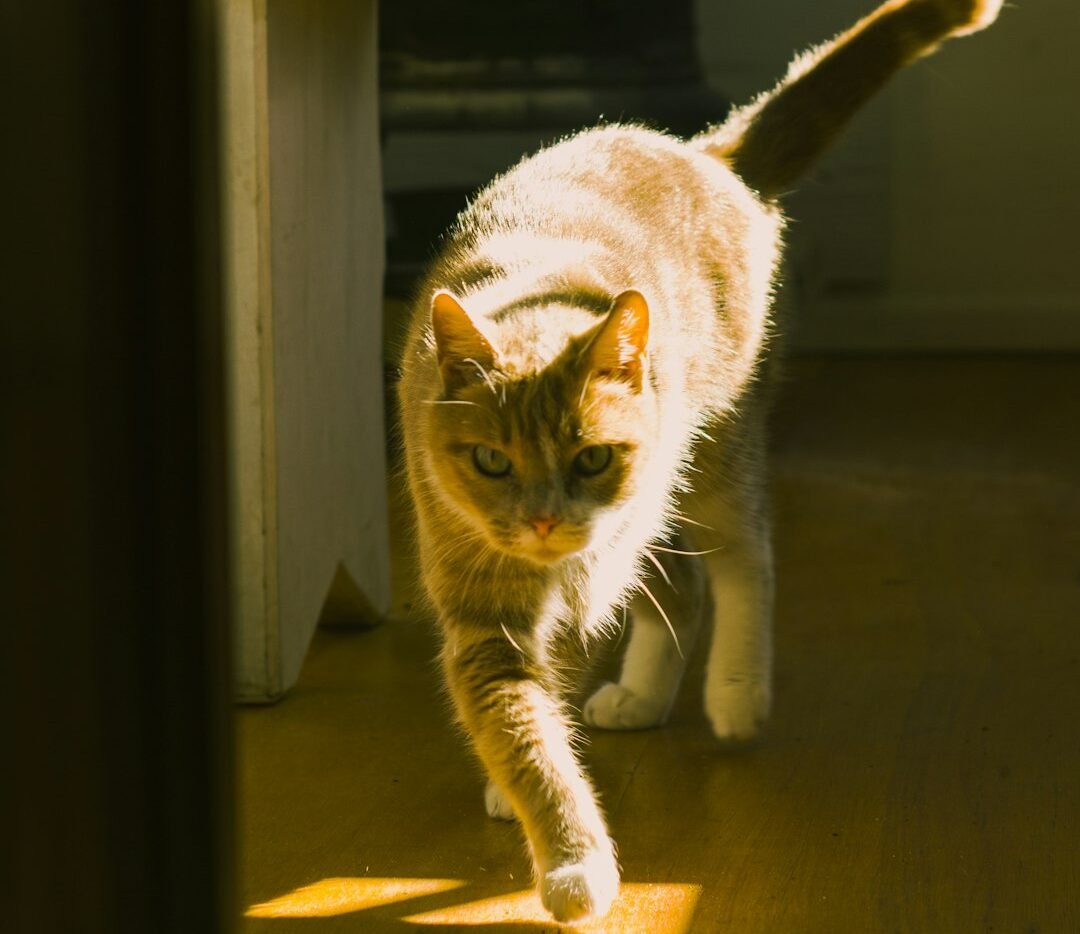
The “crazy hour” your cat has isn’t a quirk to be corrected or a problem to be solved. It’s evidence of a healthy nervous system, a functioning instinct, and in many cases, a genuinely happy animal. FRAPs are among the only times when domestic felines get a chance to exercise their in-born predatory instincts. That’s worth something.
Overall, zoomies are a healthy and often entertaining phenomenon that comes with being a cat parent. As long as your cat shows normal, playful behavior during these sessions, you can relax and enjoy the show. Your job is simply to understand the difference between a cat burning off energy joyfully and one that might be trying to tell you something is wrong. Once you can read that distinction, the midnight sprint down the hallway stops being a mystery and starts being exactly what it is: your cat living their fullest, most feline life.
Kristina is a young writer from India. An arts graduate and an avid content creator, Kristina is passionate about animals and wildlife. She enjoys exploring topics related to pet care, animal behavior, conservation, and nature, combining thorough research with engaging storytelling.