You bring your new cat home, set up all the right things – the cozy bed, the toys, the carefully researched food – and within 24 hours, your cat is wedged inside a shoebox staring at a blank wall while making a sound like a broken blender. Welcome to cat ownership.
The truth is, most of the behaviors that confuse or alarm new cat owners are deeply rooted in feline instinct, communication, and evolutionary history. Once you understand what’s actually going on, those strange moments start to make perfect sense – and often become your favorite things about living with a cat.
1. Kneading Your Lap Like Bread Dough
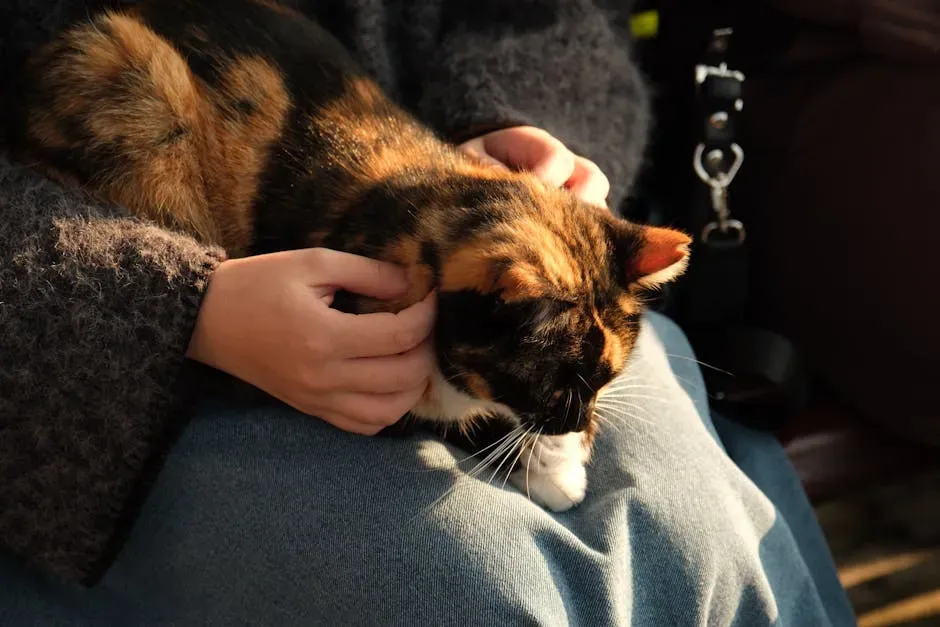
If your cat climbs onto your lap and starts rhythmically pushing their paws in and out against you, you’re not imagining things. Kneading, often referred to as “making biscuits,” is one of the behaviors domestic cats are best known for. It’s an instinctual behavior where the cat alternates pushing their paws into a soft surface, similar to how a person would knead dough. It can feel a little odd the first time it happens, especially if their claws are out.
Kittens use a kneading action to stimulate milk production from their mother cat when nursing. Because nursing and being around a mother cat’s calming pheromones encourages a sense of contentment in young kittens, many cats will continue to knead into adulthood to create a similar sense of calm and relaxation. When your cat kneads you specifically, take it as a genuine compliment – cats have scent glands between their paw pads, and when they knead an object or a person, their scent is deposited onto that surface, allowing them to mark their territory. You are, essentially, being claimed.
2. Headbutting You Out of Nowhere
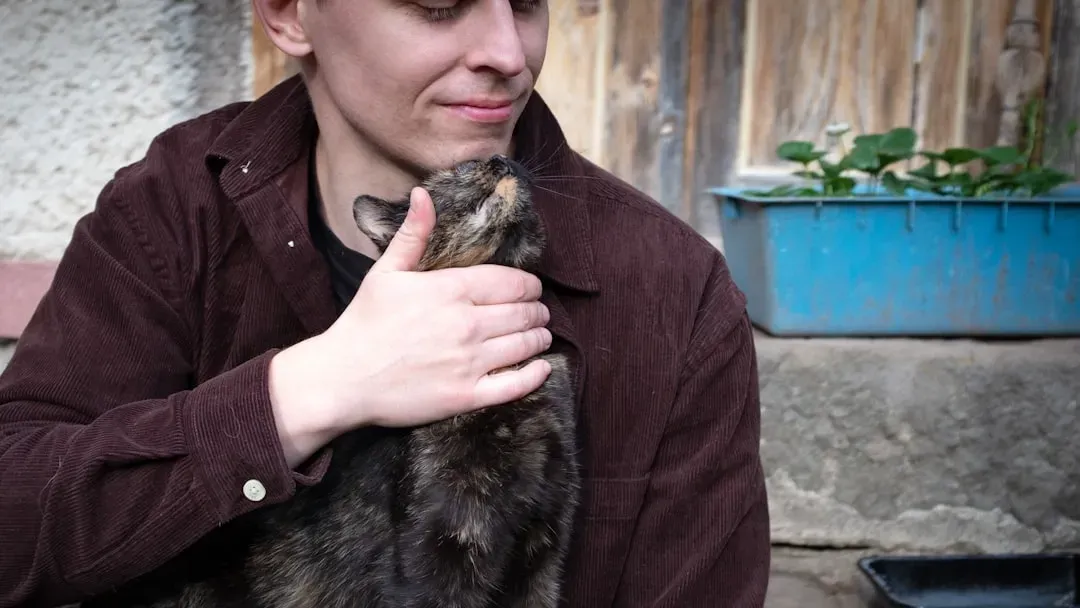
You’re sitting quietly reading, and your cat walks up, stares at you for a moment, then bonks you firmly on the forehead. Cat headbutting, also called bunting, is usually a friendly behavior where cats mark you with their scent to show bonding, comfort, and familiarity. It might look strange, but it’s one of the warmest things a cat can do.
Cats have multiple scent glands in their faces, and when they bunt, they deposit pheromones on your face that claim you as their human. Bunting is a sign of trust, love, and respect, and is a wonderful behavior to experience from your pet. Cat facial pheromones have a calming and reassuring effect, so headbutting can be a sign your cat is content. Both before and during headbutting, a cat may flop over playfully, purr, partially close their eyes, or exhibit other relaxed behaviors and body language.
3. The Slow Blink Stare

Your cat sits across the room, locks eyes with you, and then slowly closes their eyes and opens them again. It might feel a little unnerving at first – but you’re actually being told something lovely. This is called a “cat kiss” or “slow blink,” and it’s a sign of affection and trust. In cat body language, closing their eyes in your presence means they feel safe and comfortable.
Slow blinking is like the “cat kiss.” A slow blink from your cat is a sign of trust and affection, and you can return the gesture to show them love. Try it next time – close your eyes slowly while looking at your cat and see what happens. Many cats blink back, and it’s one of the most genuine forms of feline communication you can share with them.
4. Staring at a Completely Blank Wall
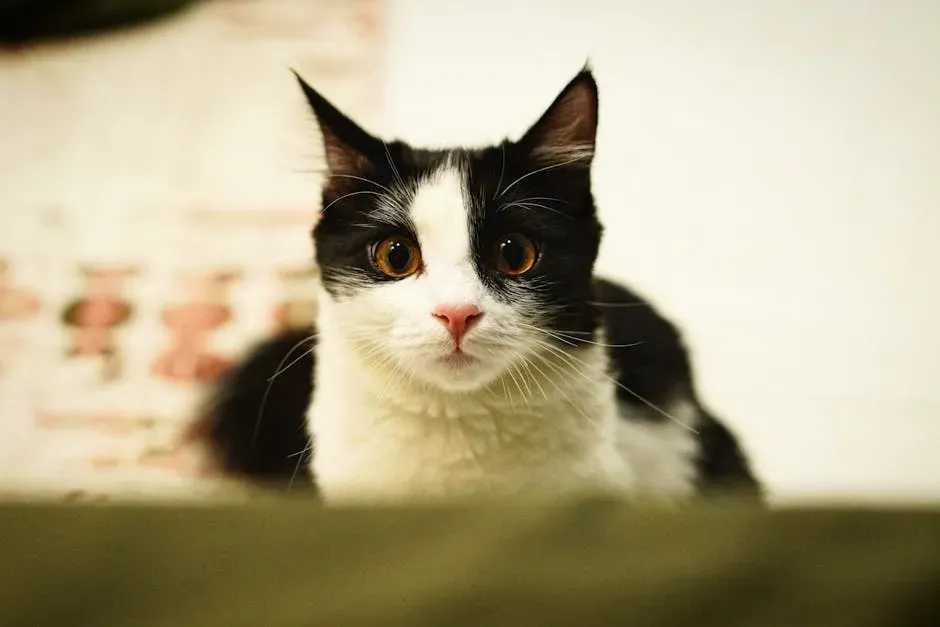
Few things unsettle a new cat owner quite like watching their perfectly healthy cat stare intensely at an empty corner of the room. It can be unsettling when your cat stares intensely at an empty wall or corner of the room. While it may seem mysterious, there’s usually a simple explanation: cats have highly sensitive hearing and vision and can detect subtle sounds, tiny movements, or light reflections that humans can’t notice.
Your cat might be listening to movement inside walls, spotting small insects, or reacting to faint noises coming from outside. What looks like staring into space is often your cat carefully tracking something you simply can’t detect. Most of the time, this behavior is completely harmless. According to Cats Protection, cats hear things in the ultrasonic range that humans can’t. So before you call anyone, look a little closer at that wall first.
5. Sudden Midnight Zoomies
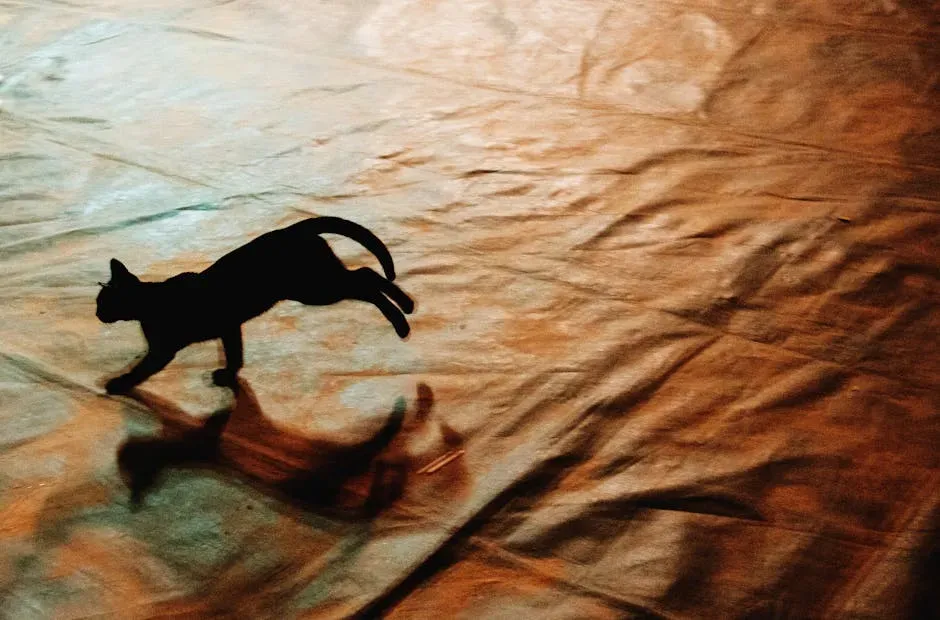
It’s 2 a.m. and your cat has just launched themselves off the bed and is running laps around the apartment at full speed. Nothing has changed. There is no emergency. Zoomies, properly known as Frenetic Random Activity Periods or FRAPS, can startle you, especially in the middle of the night. This normal cat behavior has several potential causes, but in most cases, zoomies express pent-up energy or counteract kitty boredom.
Cats are crepuscular, which means they are most active at dawn and dusk. These sudden sprints usually happen because cats are naturally wired to be most active during dawn and dusk. Even though domestic cats live indoors, they still carry those hunting instincts. When cats spend most of the day sleeping or resting, they build up energy that needs to be released, and without outdoor prey to chase, they simulate hunting by running, jumping, and darting around the house. It’s chaotic, yes. It’s also perfectly healthy.
6. Sleeping for What Feels Like an Eternity
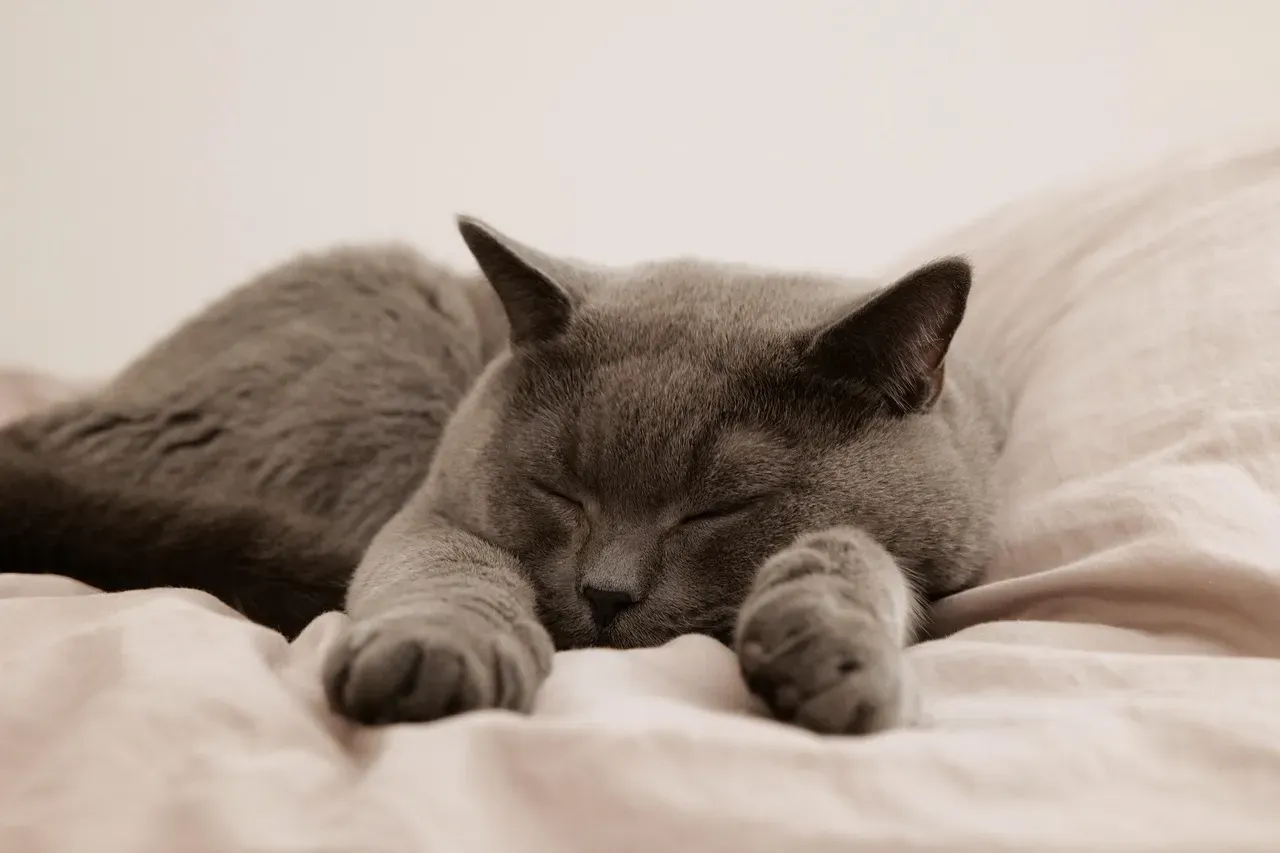
You start to wonder whether your cat is okay when they spend yet another afternoon curled up in a ball, barely moving. Don’t panic. More than half of cats sleep between 12 and 18 hours a day, sometimes even more, and most cats sleep more as they age. That’s not laziness – it’s biology.
This trait has developed as an evolutionary advantage so that cats can conserve energy for hunting. Of course, the domestic cat does not need to hunt, however the genetics are still there. Their frequent naps are a biological necessity and a sign of comfort, health, and trust. By understanding your cat’s sleep habits and creating a supportive environment, you’re helping them live their best and most rested life. A cat sleeping soundly in your home is actually a cat that feels completely safe.
7. Scratching the Furniture
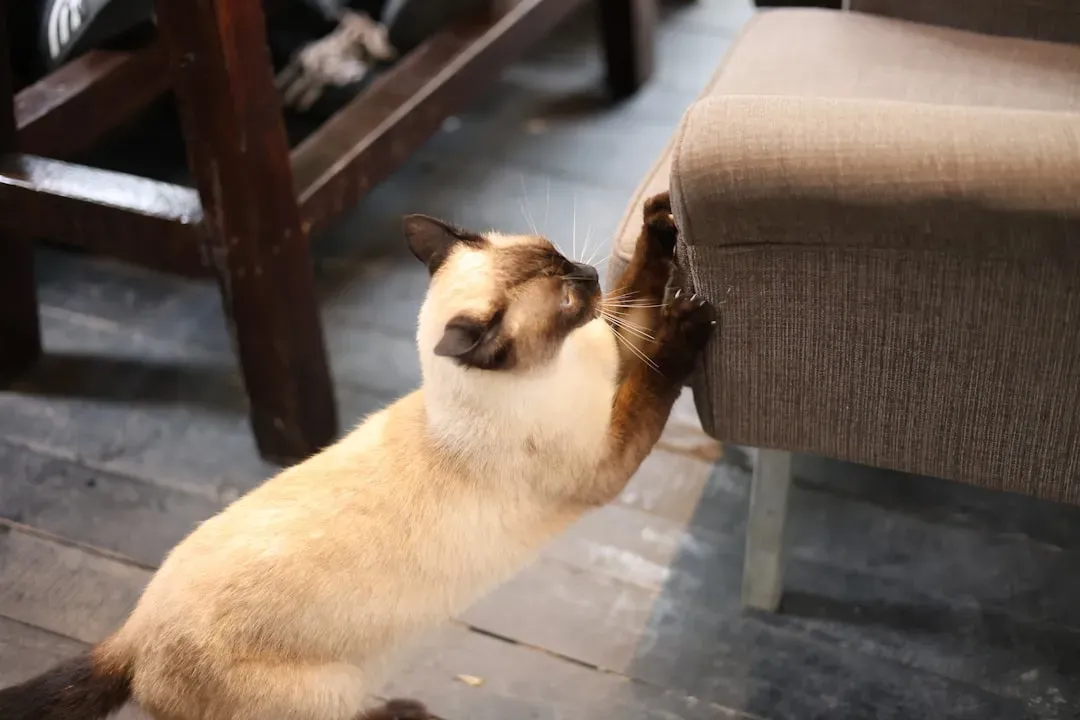
You bought them a beautiful scratching post. They looked at it, sniffed it once, and then went straight for the corner of your sofa. Scratching is a completely natural cat behavior, but it can be frustrating when it’s directed at your furniture. Cats scratch to leave a visual indicator to mark their territory, and they can also scratch furniture to sharpen their nails and relax their muscles.
Scratching is a communication way for cats. It includes visual and olfactory messages in order to mark their environment and also to feel safe in their own environment with their own smell. Furniture scratching is often a stress response, and cats who are more playful and active at night are more likely to scratch. The solution isn’t to punish them – it’s to provide scratch-friendly alternatives in the spots they already prefer, ideally with a texture they find satisfying.
8. Bringing You “Gifts”
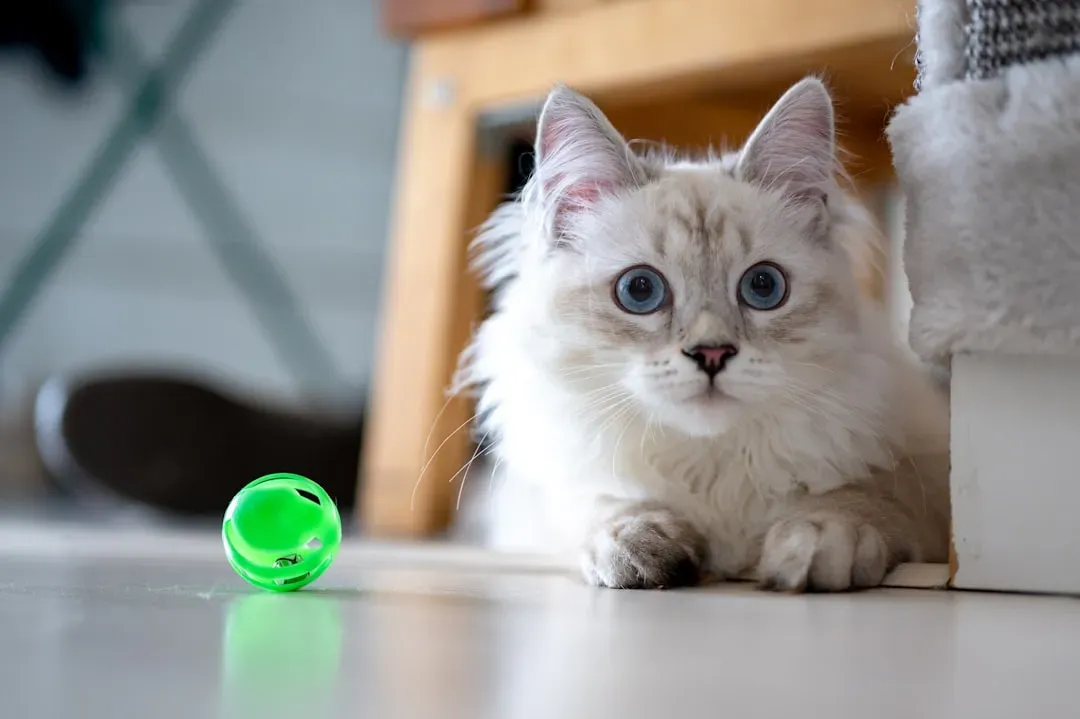
You wake up to find a toy mouse next to your pillow, or worse, something that used to be alive. Your first instinct might be to recoil, but your cat is expressing something meaningful. Whether it’s a toy or a real prey animal, cats bring their humans gifts as a sign of love, appreciation, or an attempt to “teach” you how to hunt.
In the wild, mother cats teach their kittens to hunt by bringing them prey. Your cat sees you as part of their family and is trying to take care of you. Gift-giving in cats encompasses a wide range of objects beyond prey animals, including toys, random household items, and found objects that your cat has deemed worthy of sharing with you. This behavior reveals fascinating aspects of feline psychology and demonstrates that cats form much deeper bonds with their human families than their reputation for aloofness might suggest. Understanding why cats bring gifts helps owners appreciate these gestures for what they truly are: expressions of connection, trust, and inclusion.
9. Sitting in Tight, Odd Spaces
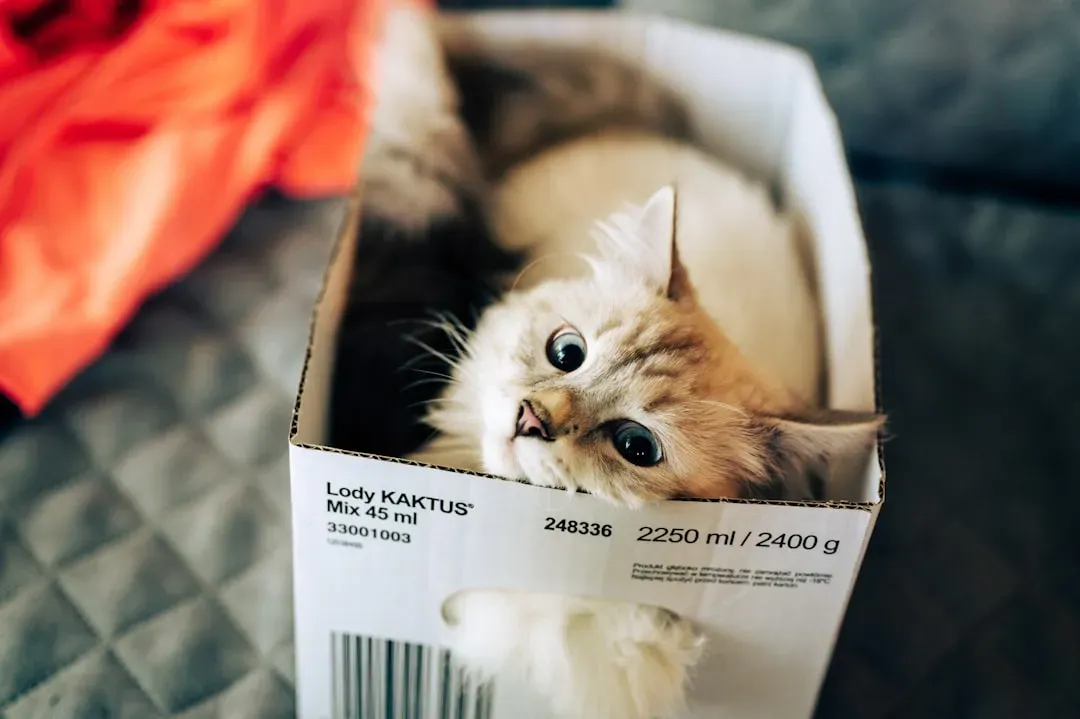
You buy a premium cat bed with memory foam. Your cat sleeps in the bathroom sink. Cats love to slip into small spaces like boxes, dresser drawers, bathroom cabinets, or closet corners where they feel cozy and secure. They may even prefer these places to a comfy pet bed. This behavior can be traced back to their wildcat ancestors who would sleep safely hidden away to help avoid predators.
Although your cat thinks they’re a fierce hunter, they’re also a prey animal. Cats are unique creatures in that they’re both predator and prey, and need small spaces to feel safe and secure. They seek comfort, security, and warmth in spots that seem so odd to you, like a shoebox or the bathroom sink. As predators, cats instinctively find hiding places from which to stalk prey. The expensive bed will probably get used eventually – on their terms, naturally.
10. Purring When They’re Not Happy
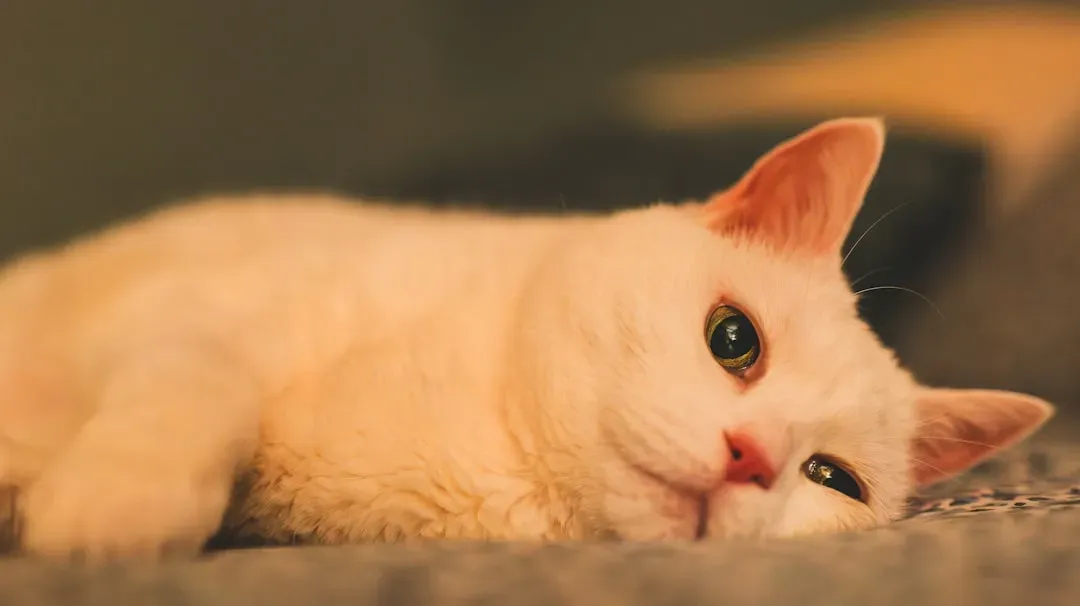
Purring is usually associated with contentment, which makes it deeply confusing when your cat purrs at the vet or right after getting startled. Purring happens when the cat’s larynx vibrates between 25 and 150 times per second. Most people think of cats purring when they are happy or content, but cats also purr at times of fear, stress, and pain.
Many people believe cats purr only when they’re happy, but they also purr when they’re scared or hurt. Purring is soothing, and your cat may purr if they are a bit under the weather, or if they’re anxious because of visiting guests. It’s possible the act of purring when less than happy is a bit like humans whistling in the dark – they may be attempting to self-soothe with an act that is usually associated with a happier time. Context is everything when it comes to reading what a purr actually means.
11. Chattering at Birds Through the Window
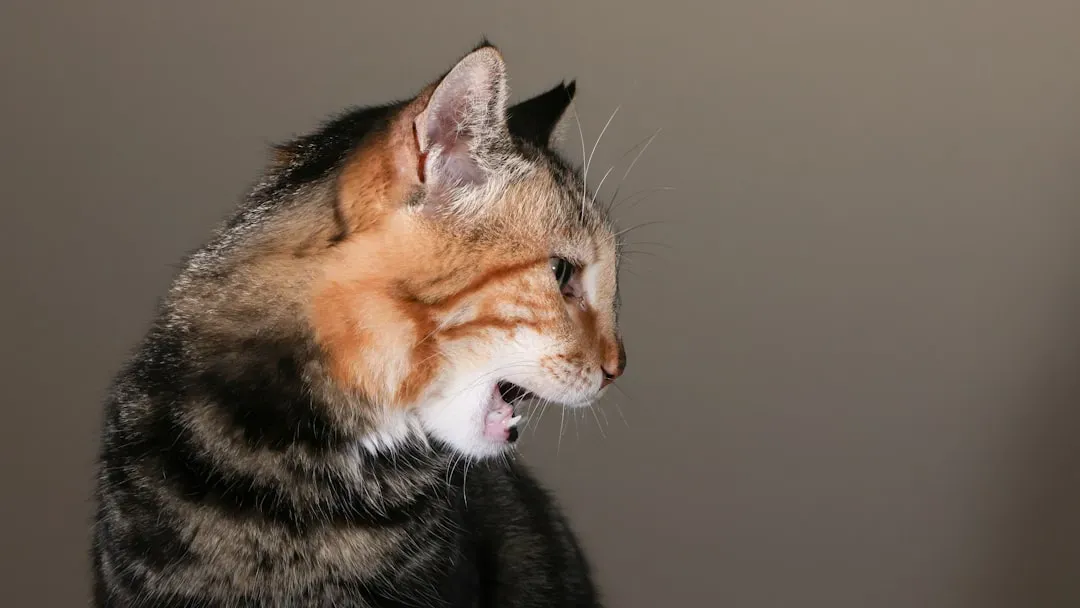
Your cat spots a bird on the windowsill and begins making a strange, rapid clicking sound with their jaw – almost like a tiny machine. When your cat sees a bird outside the window, they might chatter at it. Chattering is a distinctive, repetitive clicking sound made from a combination of lip smacking and your cat rapidly vibrating their lower jaw. This odd behavior looks like teeth chattering, and a lot of cats also mix in soft, birdlike chirp sounds.
This sound comes from their excitement at seeing potential prey combined with the frustration of not being able to get at them. Some say that this strange jaw movement may be your kitty’s natural instinct that allows their muscles to prepare for the act of killing prey. Either way, it’s harmless – and for most cat owners, it becomes one of the most entertaining sounds in the house once you know what’s behind it.
12. The Flehmen Response (That Weird Open-Mouthed Grimace)
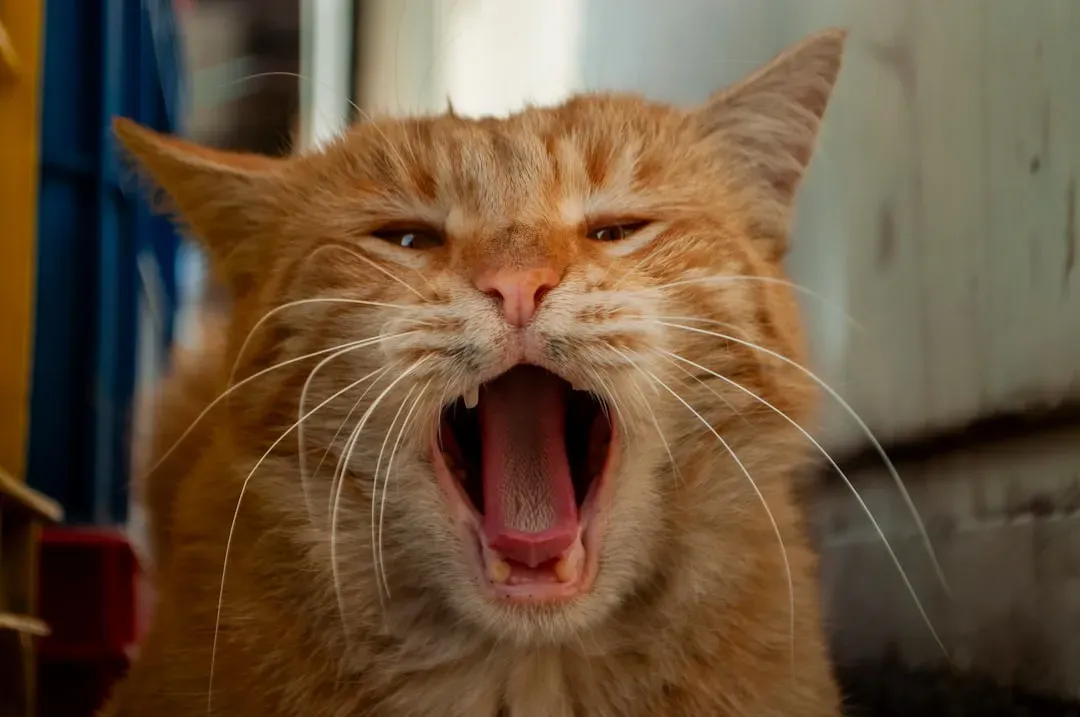
Your cat sniffs something, then freezes with their mouth hanging slightly open, looking oddly blank for a few seconds. This is called a “Flehmen response,” sometimes shortened to “flehming.” You might see your cat gaping with their mouth partly open, looking a bit like they have smelled something bad, or it might also be described as grimacing or appearing to pant. The term comes from a German word referring to curling of the lips.
Your cat may be sneering off into space, or curling their upper lip, during this action. Your cat’s face may also look glazed over during this smirking action. When your cat smells an unusual scent, they may open their mouth or lift their upper lip to help the strange scent reach their vomeronasal organ located on the roof of their mouth. Think of it as a second, highly specialized nose doing a very deep dive on an interesting smell.
13. Rubbing Against Your Legs

The moment you walk through the front door, your cat weaves between your ankles, rubbing their face and body against you. It’s endearing, but it’s also more deliberate than it looks. When your cat approaches you and rubs their face from nose to ear on your leg, arm, or face, it means they like you and are happy to see you. Cats have scent glands in their faces, and when they rub against you, it is an act of greeting and co-mingling scents with you.
When a cat rubs against you, they’re not just showing affection – they’re also marking you with their scent. Cats have scent glands on different body parts, such as the forehead, chin, cheeks, and the base of their tails. Rubbing releases pheromones, confirming that you belong to their family. In other words, every time your cat gives you the ankle weave, they’re essentially signing their name on you – and that’s a good thing.
14. Showing You Their Backside
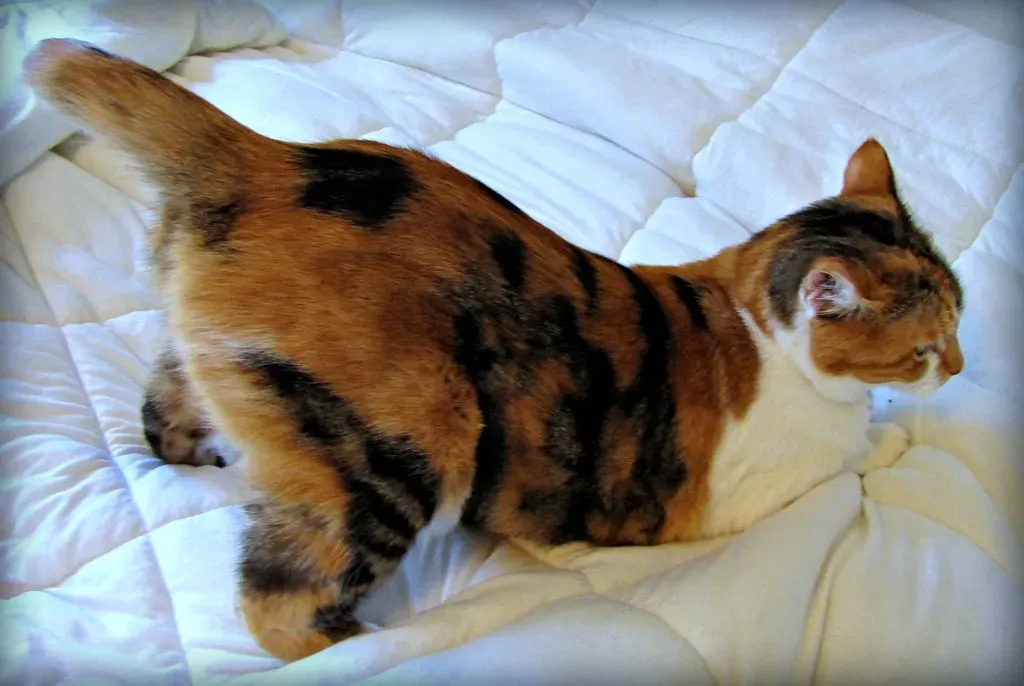
Your cat climbs onto the couch, turns around, and casually presents their rear end directly toward your face. It’s one of those moments that leaves new owners genuinely speechless. Sometimes your cat might stick their elevated backside in your face. While it might seem a little rude, it’s actually a friendly gesture that tells other cats your kitty feels secure and is kindly offering up the chance for a butt sniff.
In the feline world, sniffing another cat’s hindquarters is a form of social greeting and trust – the equivalent of a firm handshake. When your cat does this to you, they’re treating you like a trusted companion rather than a threat. It’s an odd honor, but an honor nonetheless. You don’t have to reciprocate – a gentle scratch behind the ears works just as well as a social response.
15. Knocking Things Off Surfaces (On Purpose)
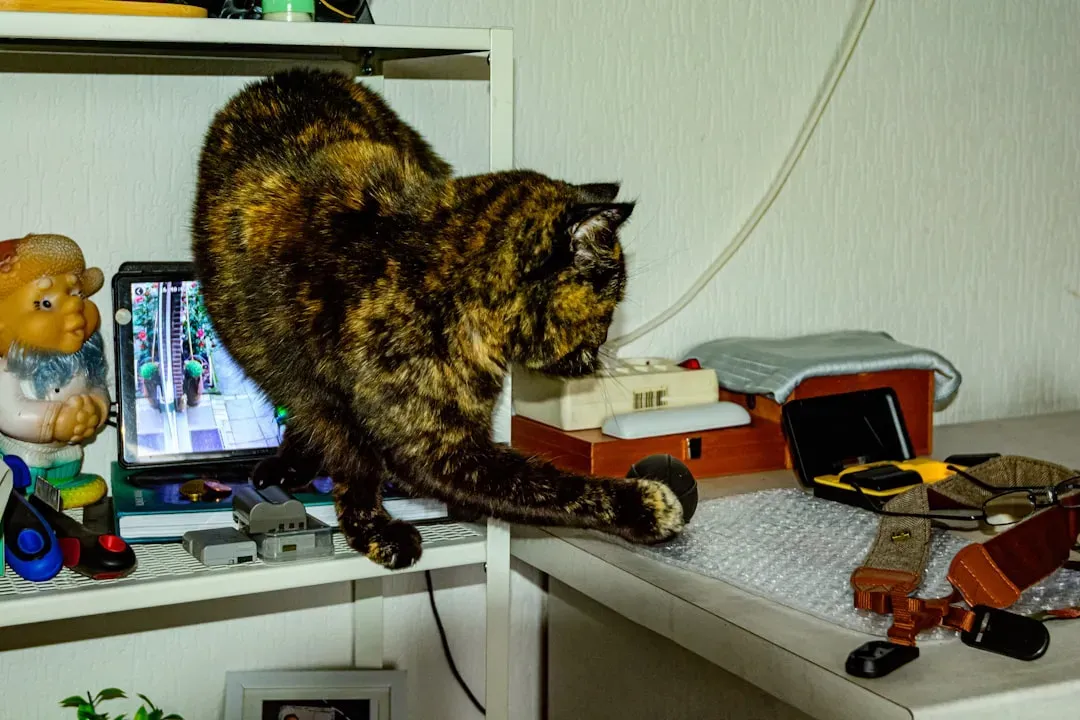
Your cat makes direct eye contact with you, places one deliberate paw on the pen sitting on the edge of your desk, and pushes it off. Then waits. This shelf-clearing habit has a few theories behind it. One is that cats are testing gravity. Another is that they’ve learned it’s a great way to get your attention. Both explanations are very believable when you’ve watched it happen a dozen times.
With so many soft and comfy places to rest, why does your cat plunk down on your hard laptop? It could be because it is nice and warm after you’ve used it for a while. Or maybe they’ve figured out that this is a good way to get your attention. Cats can be very clever! The best response is to give them a few minutes of interactive play beforehand, which often reduces the attention-seeking antics considerably.
Conclusion
Living with a cat is essentially a crash course in a completely different kind of logic. Their behaviors make perfect sense once you understand where they come from – ancient instincts, sensory abilities that outpace our own, and a communication style that’s subtle but remarkably consistent.
None of the fifteen behaviors above are signs that something is wrong. They’re signs that you share your home with a creature that is still very much connected to its wild roots, even while curled up on your couch. Behaviors that seem strange to humans are usually normal and even beneficial for cats. By understanding why cats act the way they do, you can better meet their needs and strengthen your bond.
The more you learn to read your cat, the quieter the confusion becomes – and what once seemed odd starts to feel like a private language you’ve finally learned to speak.
Kristina is a young writer from India. An arts graduate and an avid content creator, Kristina is passionate about animals and wildlife. She enjoys exploring topics related to pet care, animal behavior, conservation, and nature, combining thorough research with engaging storytelling.